Containers for Ophthalmic Preparations

Containers for Ophthalmic Preparations
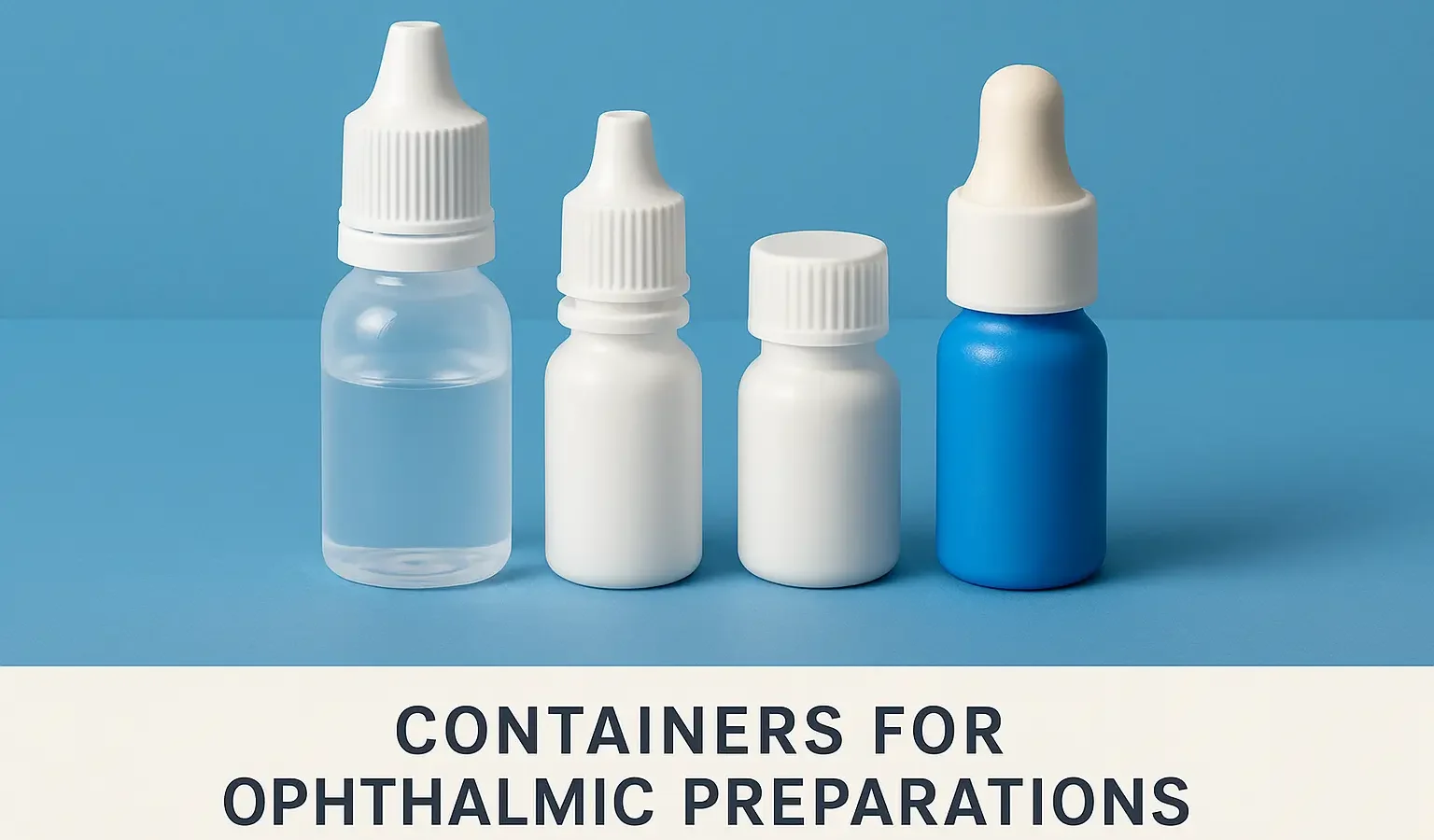
Containers for Ophthalmic Preparations are specialized sterile containers designed to maintain product sterility, stability, and accurate dosing. Containers for Ophthalmic Preparations must be non-reactive, tamper-evident, and suitable for single or multiple use. Selecting appropriate containers is vital to ensure sterility, stability, and usability: Containers for Ophthalmic Preparation: Dropper Bottles (Low-Density Polyethylene – LDPE) Commonly used … Read more
Formulation of Sterile Powders

Formulation of Sterile Powders

Formulation of Sterile Powders involves designing dry, aseptic drug products for reconstitution before injection, ensuring stability and sterility. Formulation of Sterile Powders requires strict aseptic processing, suitable excipients, and lyophilization to maintain product integrity. Sterile powders are prepared by removing moisture from a solution or suspension to produce a dry product that can be reconstituted … Read more

Preformulation Factors and Essential Requirements

Preformulation Factors and Essential Requirements

Preformulation Factors and Essential Requirements are critical for developing stable, effective drug formulations. Preformulation Factors and Essential Requirements include physicochemical properties, solubility, stability, and compatibility, ensuring optimal dosage form design Preformulation Studies Preformulation involves the characterization of a drug’s physical and chemical properties to inform formulation development. Critical preformulation factors for parenteral products include: Solubility: Ensuring … Read more

Labeling of Ophthalmic Preparations

Labeling of Ophthalmic Preparations

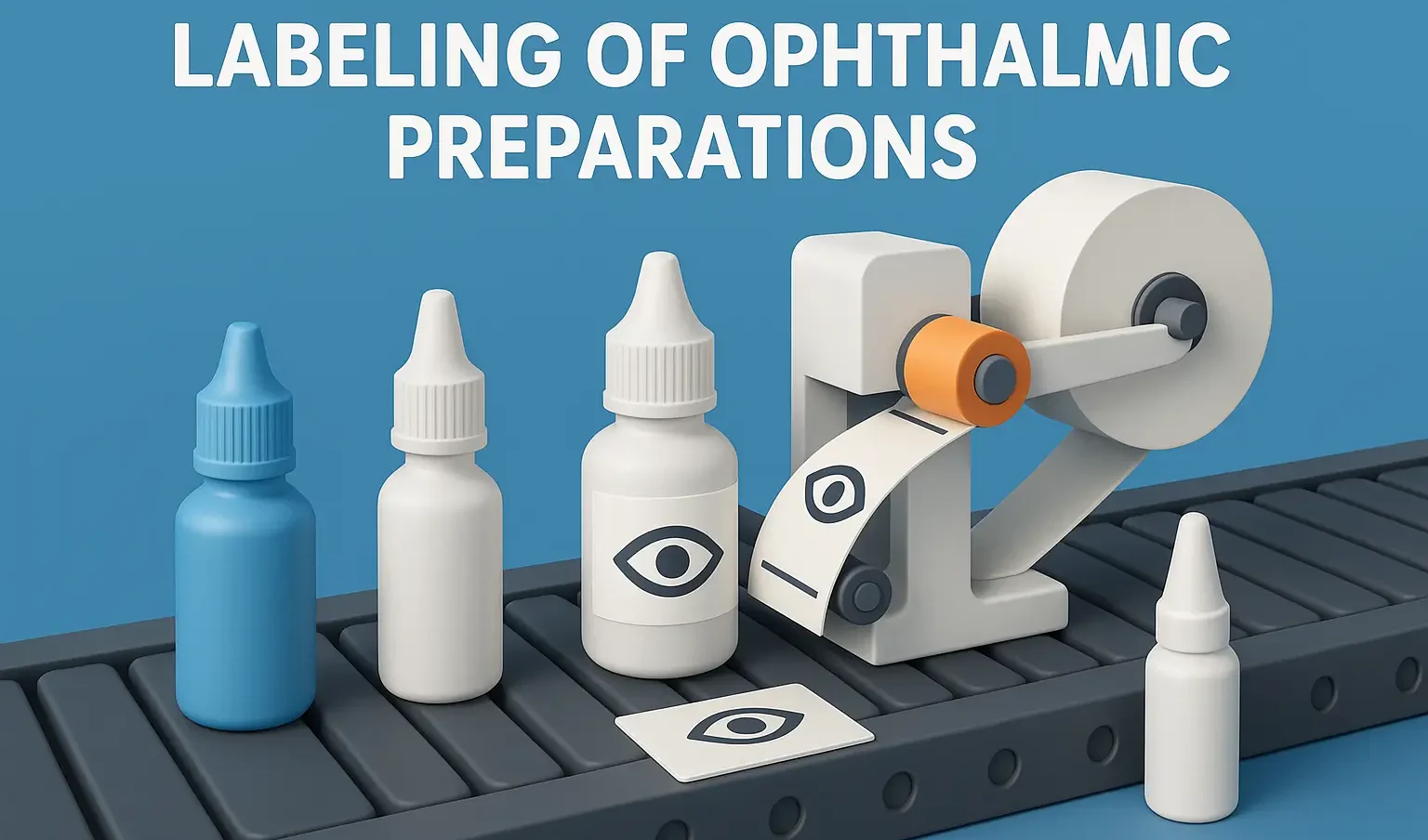
Introduction to Labeling of Ophthalmic Preparation: Labeling of Ophthalmic Preparations involves critical details such as product name, strength, storage conditions, and sterility warnings. Labeling of Ophthalmic Preparations must also include “For external use only” and proper directions for safe patient use. Proper labeling is essential to ensure the correct usage, dosage, and safety of ophthalmic … Read more

Evaluation of Ophthalmic Preparations

Evaluation of Ophthalmic Preparations

Introduction to Evaluation of Ophthalmic Preparation: Evaluation of Ophthalmic Preparations involves testing sterility, clarity, pH, viscosity, and particulate matter to ensure safety and efficacy. Evaluation of Ophthalmic Preparations also includes assessments for drug content uniformity, particle size, and in vitro drug release behavior. Physical Evaluation: Appearance: Check for clarity, color, and absence of particulates. Viscosity: Measure … Read more

Eye Lotions

Eye Lotions

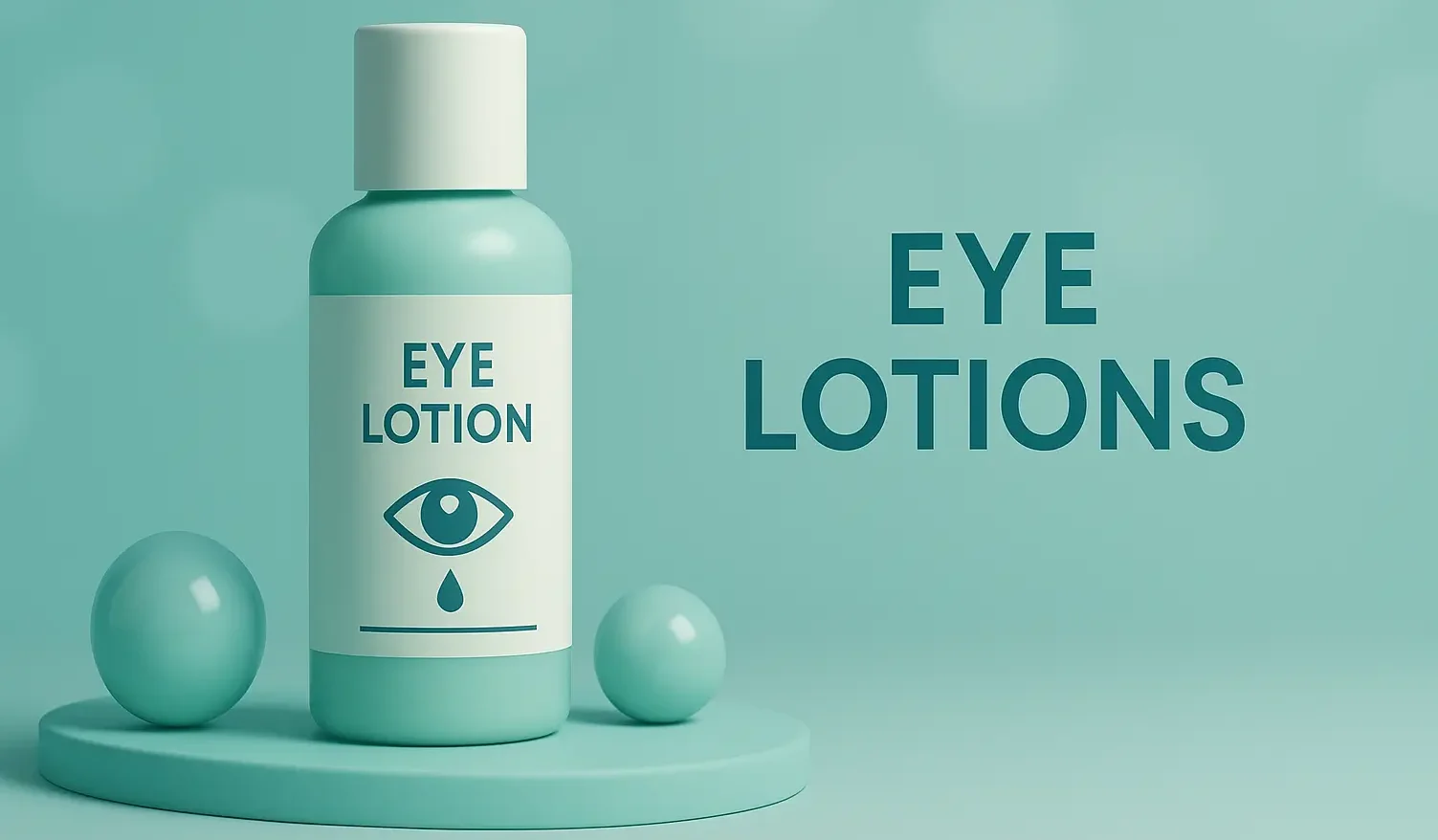
Introduction to Eye Lotions: Eye lotions are sterile aqueous solutions used to wash or irrigate the eyes. They help remove debris, chemicals, or other foreign materials. Components: Active Ingredient: Similar to ointments, can include both hydrophilic and lipophilic drugs. Emollients and Lubricants: To provide moisturizing effects. Thickeners: To achieve desired viscosity without being too thick. … Read more

Eye Ointments

Eye Ointments

Introduction to Eye Ointments: Eye ointments are semi-solid preparations intended for sustained drug release They are often used for conditions requiring prolonged drug contact, such as dry eye or infections. Components: Base: Typically, anhydrous and non-irritating (e.g., petrolatum, lanolin). Drug: Antibiotics (e.g., erythromycin), anti-inflammatory agents. Stabilizers and Preservatives: Enhance stability and prevent microbial growth. Surfactants: … Read more

Formulation Considerations for Ophthalmic Preparations

Formulation Considerations for Ophthalmic Preparations

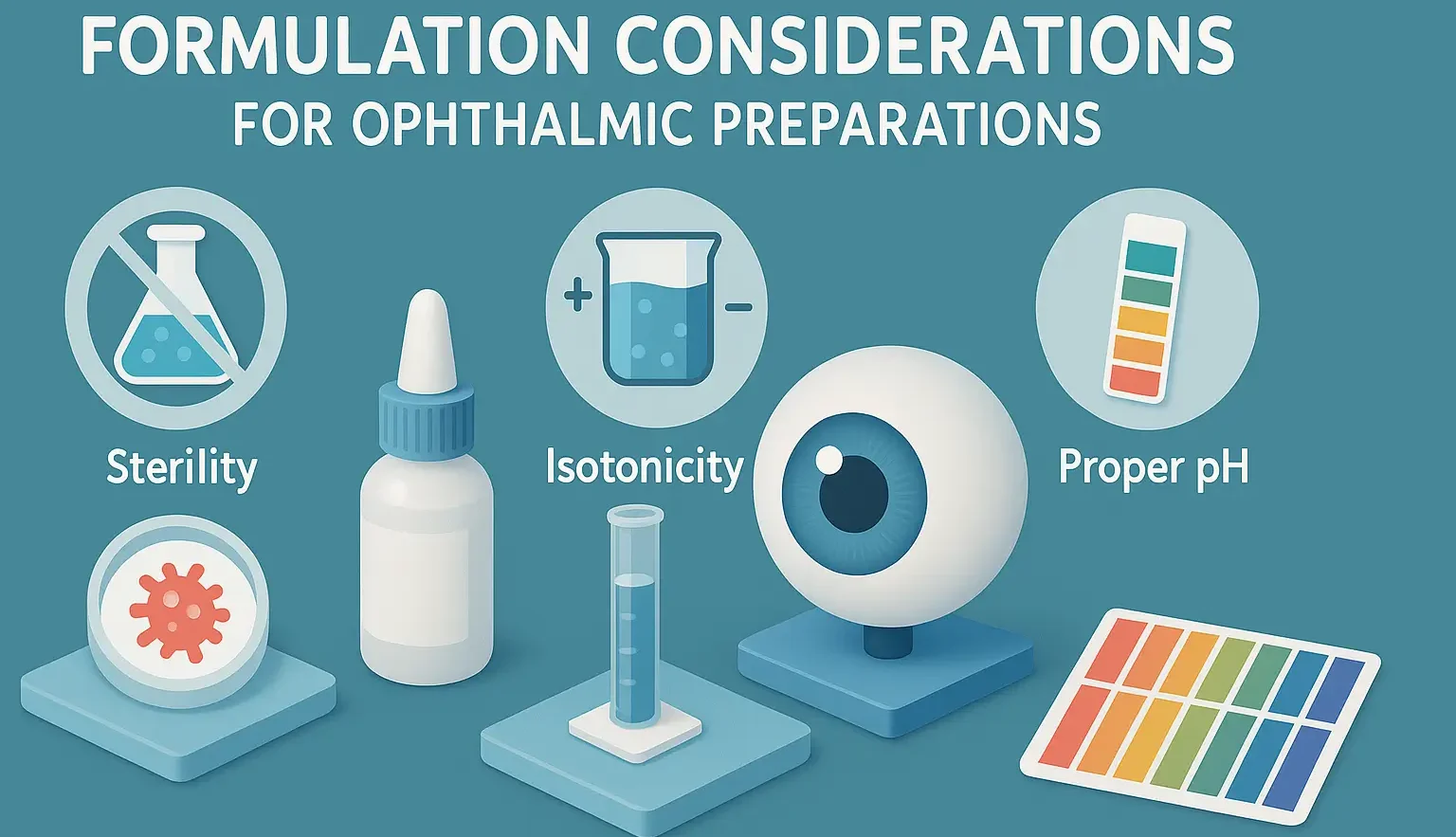
Introduction to Formulation Considerations for Ophthalmic Preparations Formulation Considerations for Ophthalmic Preparations involve ensuring sterility, isotonicity, proper pH, and particle size for safety and efficacy. It focusses on viscosity enhancers, preservatives, and minimizing irritation for patient comfort. Formulating ophthalmic preparations involves addressing unique challenges due to the sensitivity of ocular tissues and the need for … Read more

Quality Control Tests for Parenteral Products

Quality Control Tests for Parenteral Products

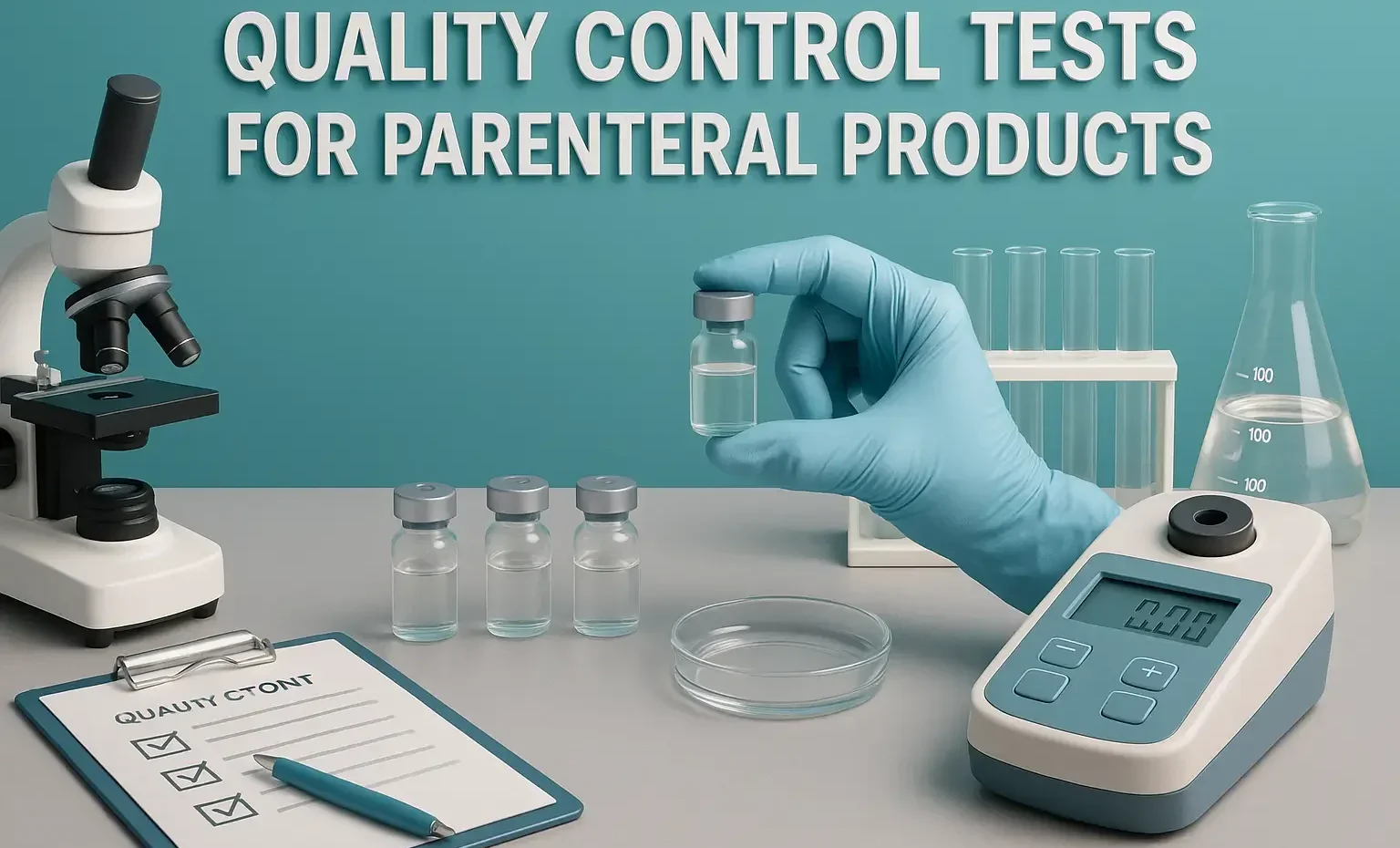
Quality Control Tests for Parenteral Products ensure product safety, sterility, and compliance.Quality Control Tests for Parenteral Products include sterility, pyrogen, particulate matter, pH, clarity, and leakage tests for reliable therapeutic use. Physical Tests: Particulate Matter Test: Detects visible and sub-visible particles using light obscuration or microscopy. Leakage Test: Ensures container integrity via dye ingress, vacuum, … Read more

Methods of Preparation of Ophthalmic

Methods of Preparation of Ophthalmic

Methods of Preparation of Ophthalmic involve aseptic compounding under sterile conditions to prevent contamination and ensure patient safety. Methods of Preparation of Ophthalmic vary for drops, ointments, and gels, requiring precise formulation, pH adjustment, and isotonicity. Aseptic Filtration: The formulation (solution) is passed through a sterile 0.22 μm membrane filter, removing bacteria and other particulates. … Read more