Analytical Techniques Used in Pharmaceutical Analysis

Analytical Techniques Used in Pharmaceutical Analysis

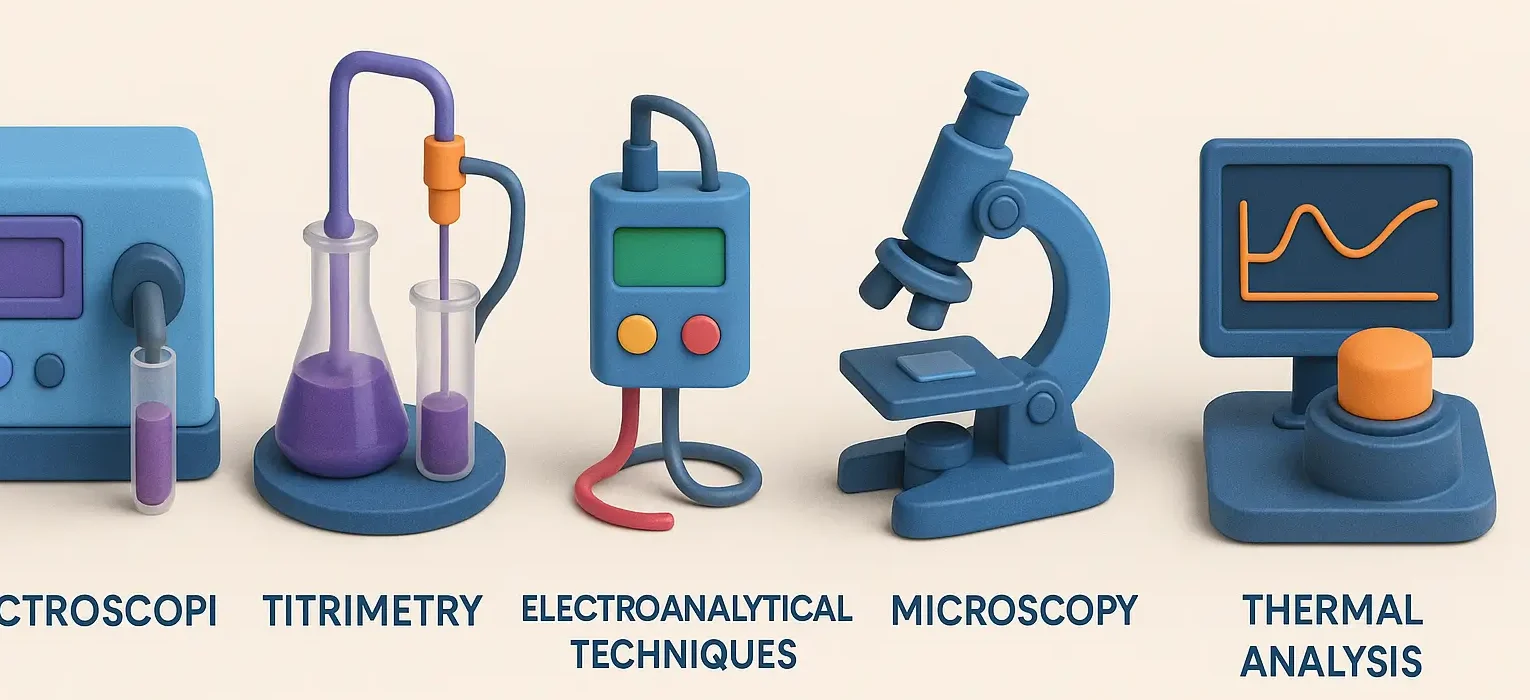
There are numerous analytical techniques used in pharmaceutical analysis, each with its specific applications and advantages. Most commonly analytical techniques used in pharmaceutical analysis: 1. Spectroscopy: Ultraviolet-Visible (UV-Vis) Spectroscopy: Analyzes the absorption of UV and visible light by molecules, providing information on concentration, purity, and molecular structure. Infrared (IR) Spectroscopy: Identifies functional groups and chemical … Read more

Definition and scope of pharmaceutical analysis

scope of pharmaceutical analysis

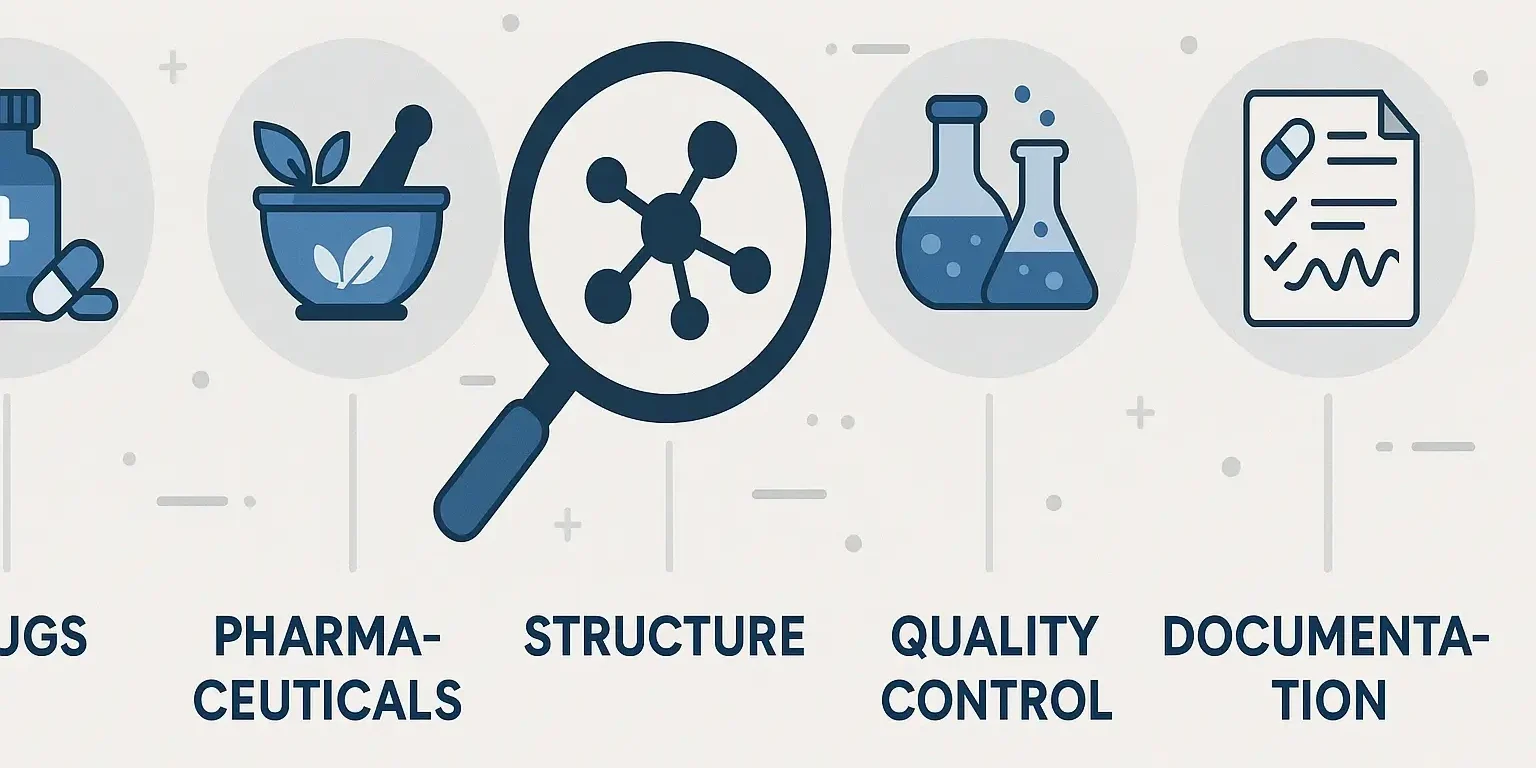
Scope of pharmaceutical analysis is a specialized branch of analytical chemistry focused on the identification, quantification, and determination of the quality, safety, and efficacy of pharmaceutical products. It involves the application of various analytical techniques and methodologies to ensure that drugs and other pharmaceutical substances adhere to established standards and regulatory requirements. Scope of Pharmaceutical … Read more

Storage Conditions, Precautions, and Pharmaceutical Applications of Radioactive Substances

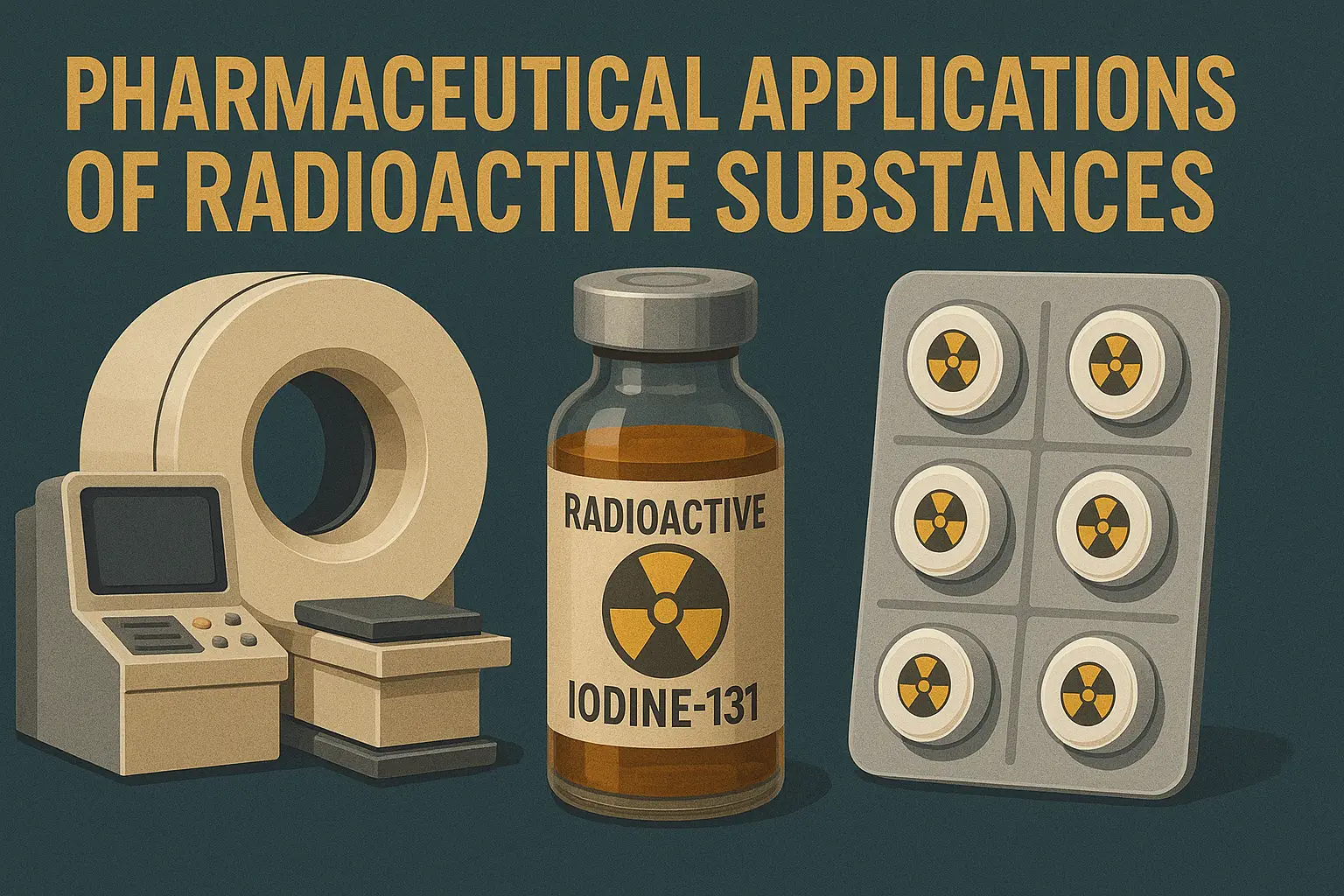
Pharmaceutical Applications of Radioactive Substances

Storage Conditions: Shielding: Use appropriate shielding materials to reduce radiation exposure. Lead containers or bricks are suitable for gamma emitters, while plexiglass or acrylic is effective for beta emitters. Alpha emitters can be stored in sealed containers as they can be blocked by container walls or even paper. Ventilation: Store radioactive materials in well-ventilated areas … Read more

Radioisotopes

Radioisotopes

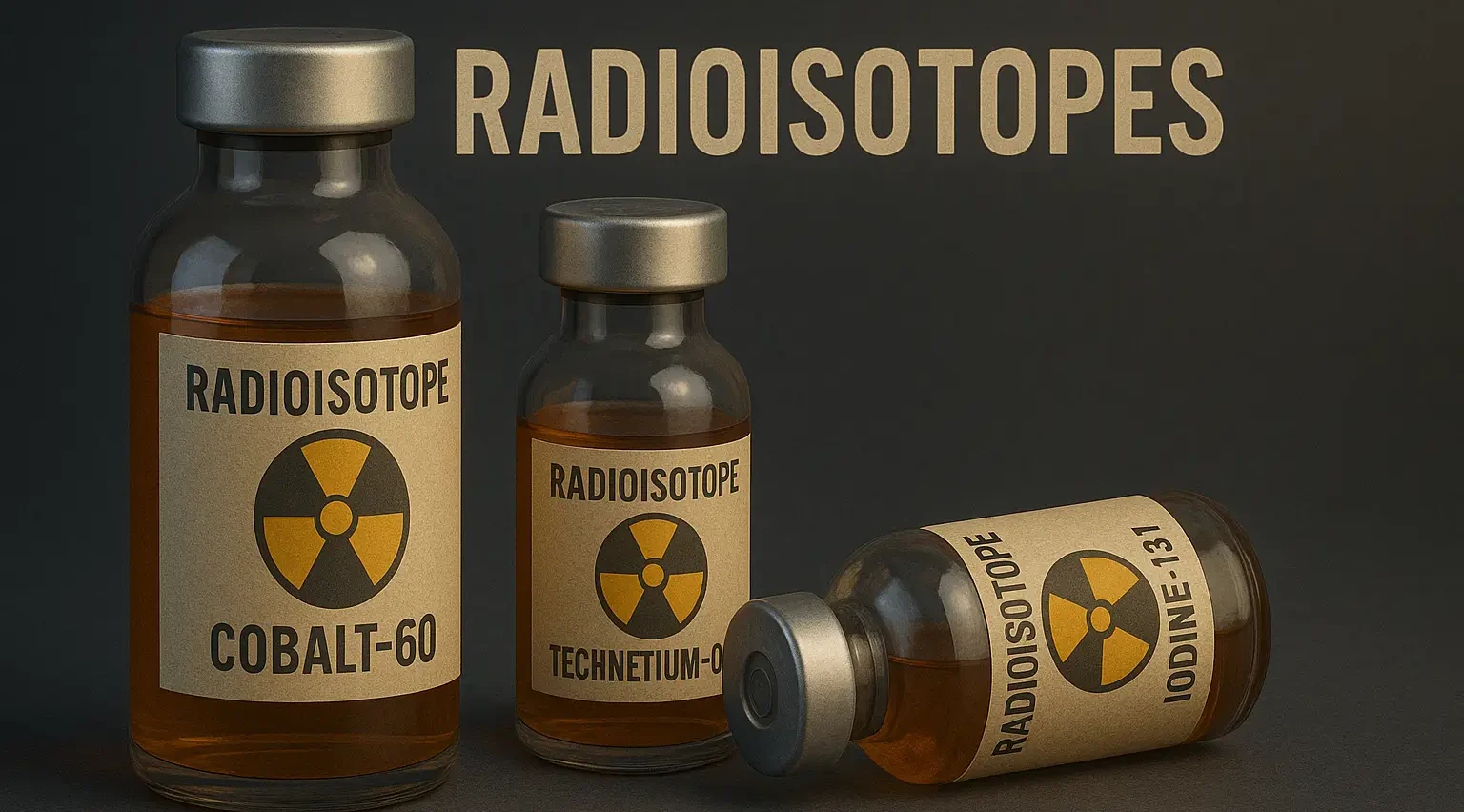
Radioisotopes are isotopes of an element with an unstable nucleus, causing them to emit radiation as they decay into more stable forms. Applications of Radioisotopes: Due to their radiation-emitting properties, radioisotopes are utilized in various fields: Medical Imaging and Treatment: Technetium-99m, Iodine-131, and Cobalt-60 are commonly used in diagnostic imaging and cancer treatment. Industrial Applications: … Read more

Half-Life

Half-Life

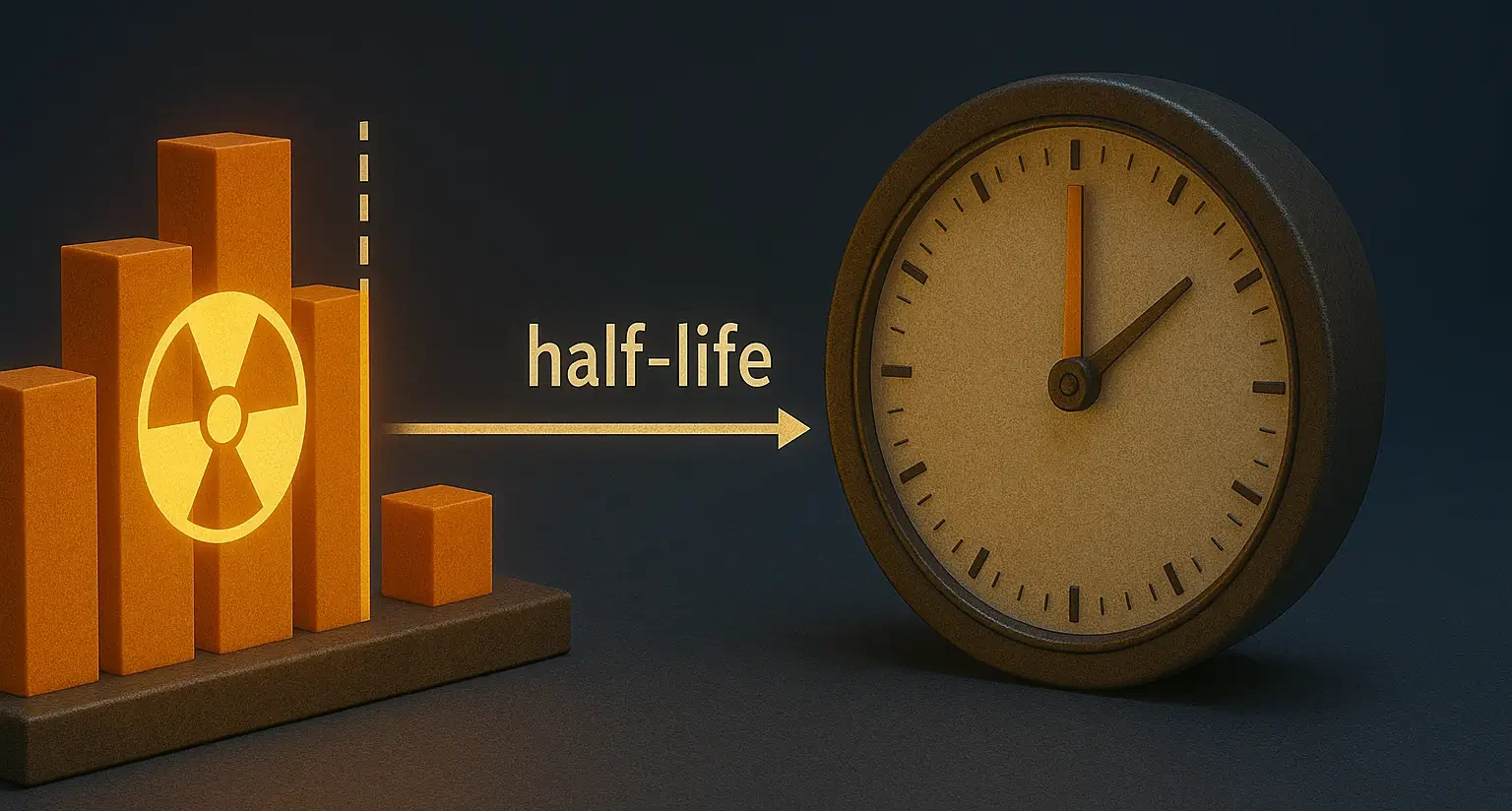
Half-life, denoted by ‘t₁/₂’, is the time required for half of the atoms in a radioactive sample to decay. It is a key measure of the stability of a radioactive isotope. Radioactive Decay: When a radioactive nucleus decays, it transforms into another element or isotope, emitting ionizing radiation. Decay is a random process, and the … Read more

α, β, γ radiations and their properties

alpha beta gamma radiations

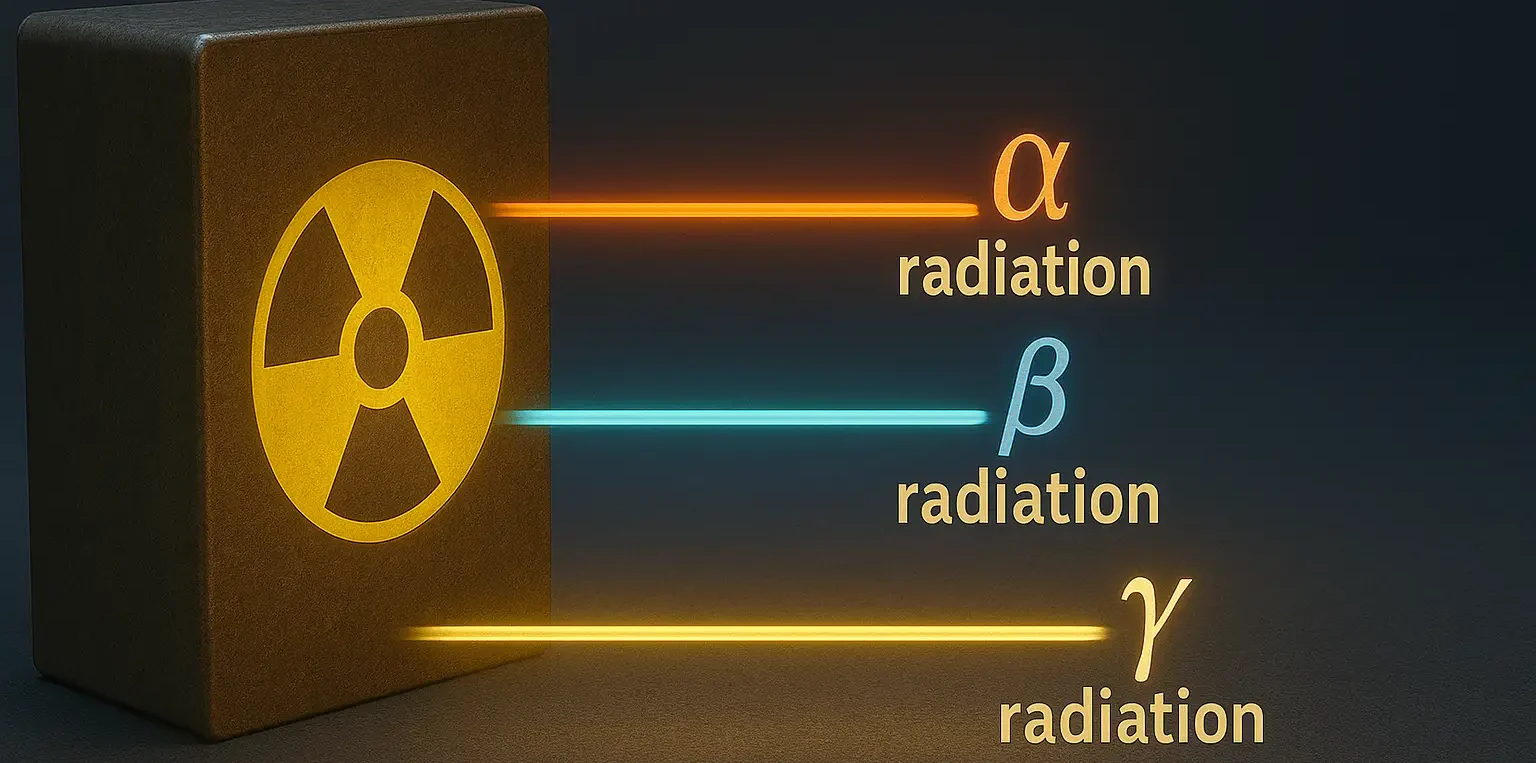
Alpha, beta, and gamma radiations are types of nuclear radiation: alpha consists of heavy, charged particles with low penetration, beta of light electrons/positrons with moderate penetration, and gamma of high-energy waves with deep penetration. Alpha (α), beta (β), and gamma (γ) radiation are three common types of ionizing radiation emitted during radioactive decay. They vary … Read more

Measurement of radioactivity

Measurement of radioactivity

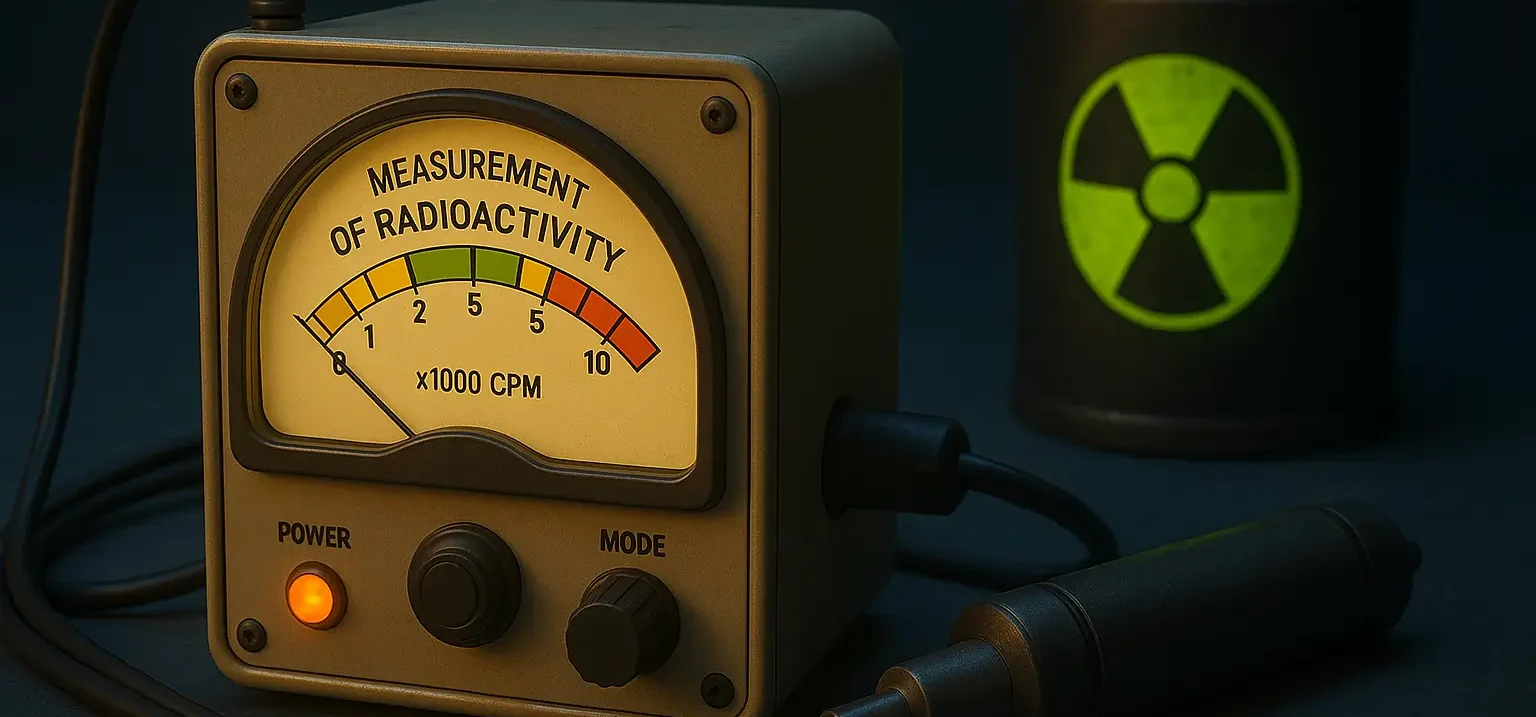
Radiopharmaceuticals contain radioactive isotopes used in nuclear medicine for diagnostic and therapeutic purposes. Accurate measurement of their radioactivity is essential for patient safety, regulatory compliance, and effective diagnostic or therapeutic procedures. Principles of Measurement of radioactivity Radioactivity is the release of energy from unstable atomic nuclei in the form of radiation. Units of Radioactivity: Becquerel … Read more

Radioactivity

Radioactivity

Radioactivity is a natural phenomenon where an unstable atomic nucleus loses energy by emitting radiation in the form of particles or electromagnetic waves, a process known as radioactive decay. The emitted particles or waves are known as ionizing radiation because they can ionize atoms or molecules by removing tightly bound electrons, creating charged particles (ions). … Read more

Stroke

Stroke

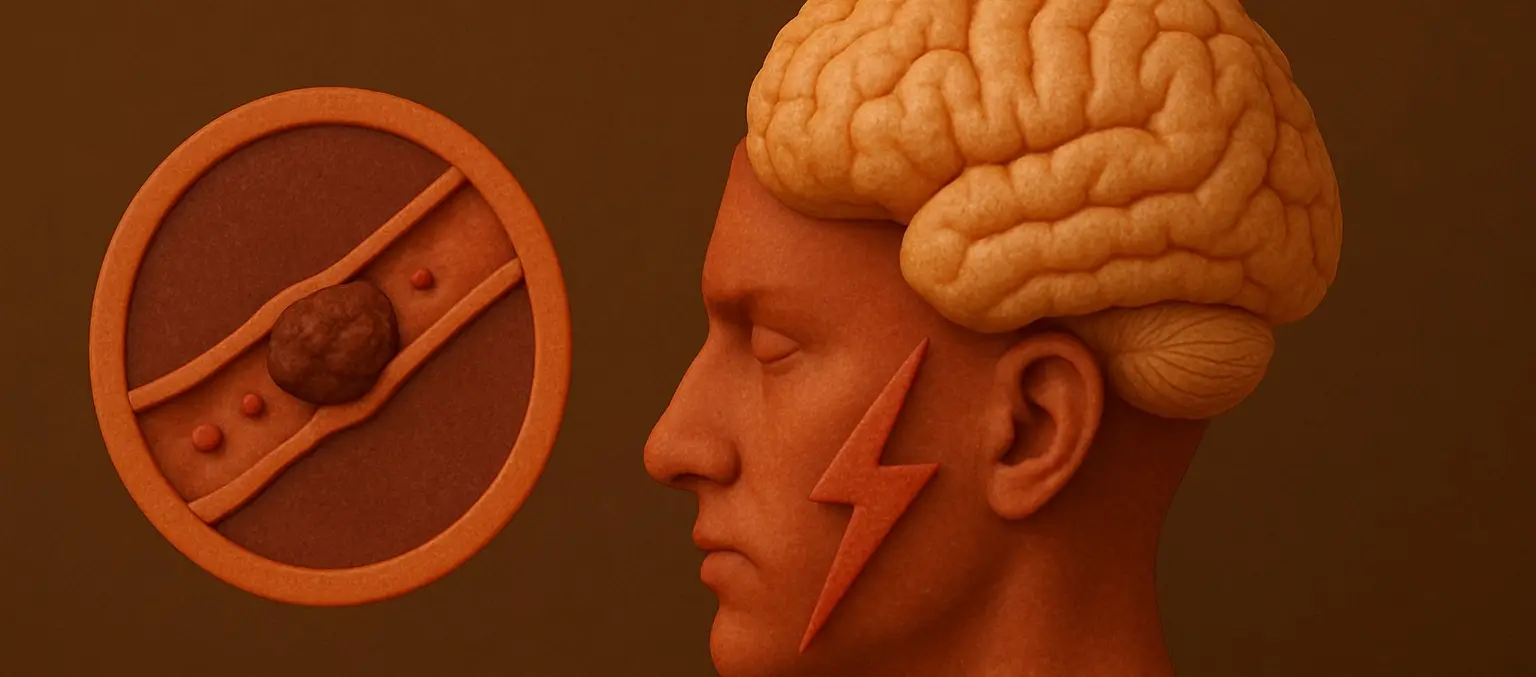
A stroke, also known as a cerebrovascular accident (CVA), occurs when the blood supply to part of the brain is interrupted or reduced, depriving brain tissue of oxygen and nutrients. Brain cells begin to die within minutes, making it a medical emergency. Types of Strokes Ischemic Stroke: Caused by a blockage in an artery supplying … Read more