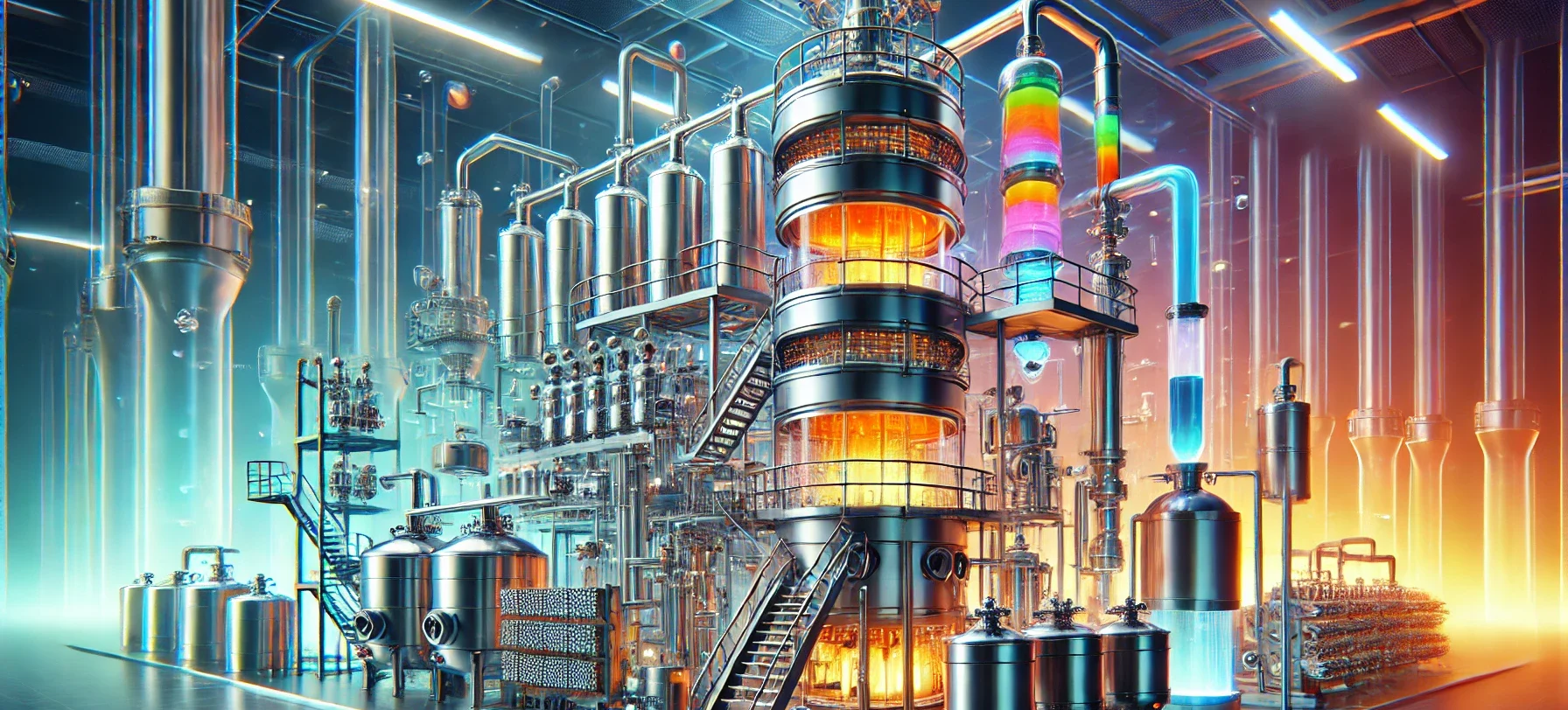
Breast (Mammary Gland)

Breast (Mammary Gland)
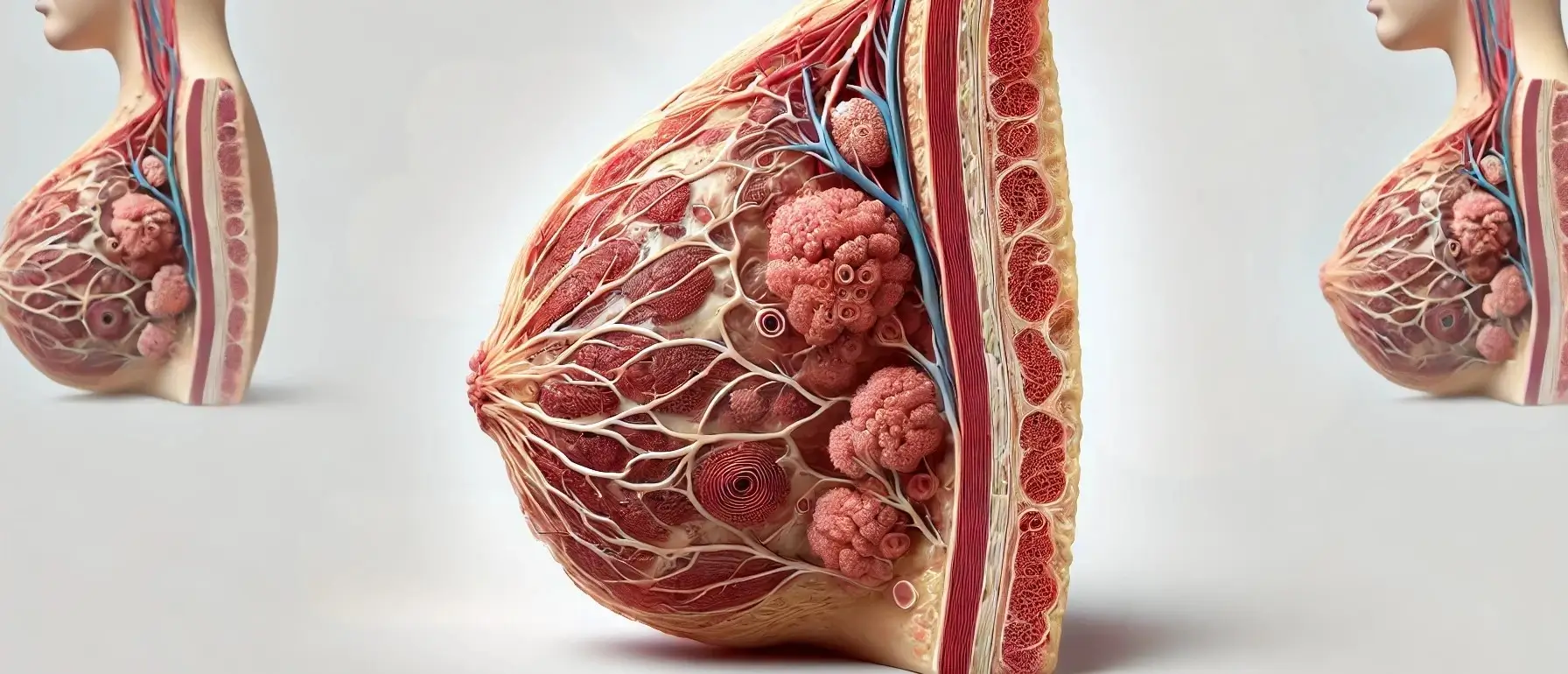
The breast, or mammary gland, is a paired, modified sweat gland located on the anterior thoracic wall. Its primary biological function is to produce and secrete milk to nourish infants, a process known as lactation. The breast is composed of glandular tissue (lobes and lobules), connective tissue (including fat), ducts that transport milk to the … Read more
Female reproductive system of Anatomy

The female reproductive system

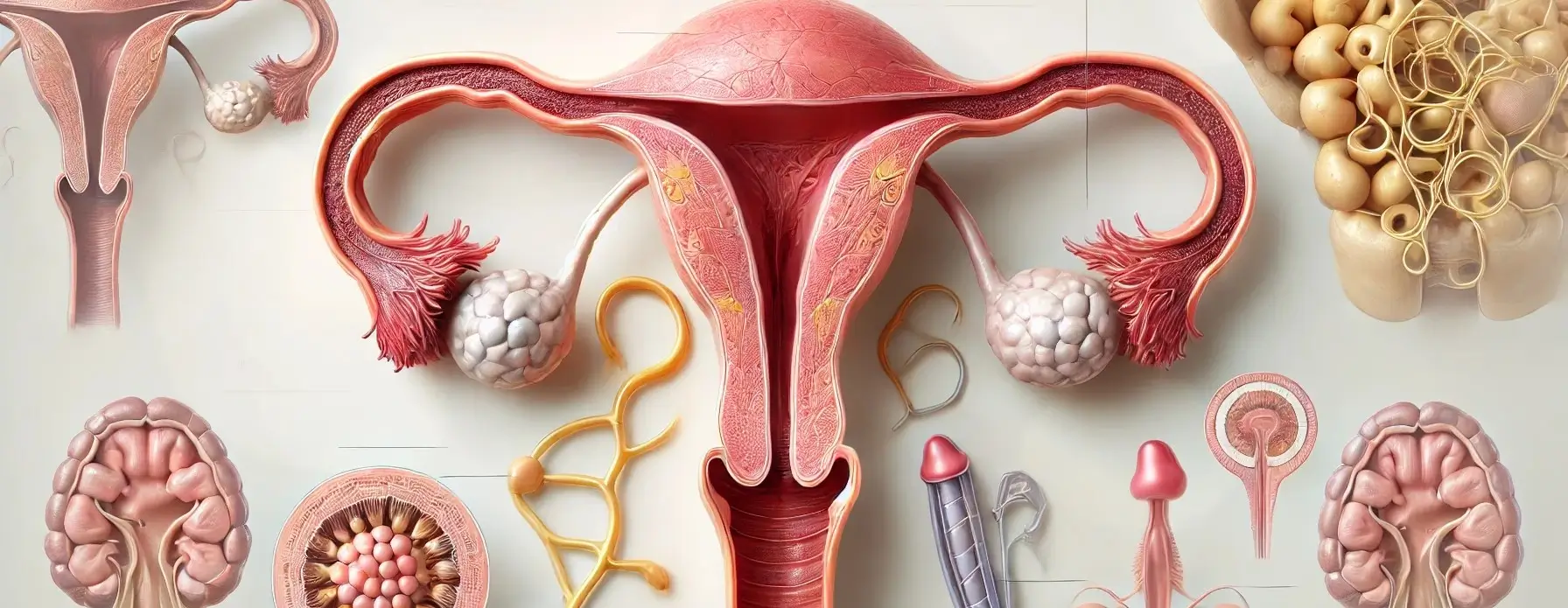
The female reproductive system consists of internal and external organs that function together for reproduction, hormone regulation, and the menstrual cycle. These organs are categorized into primary and accessory Primary Organ: Ovaries: The primary reproductive organs in female reproductive system responsible for producing ova (eggs) and secreting the hormones estrogen and progesterone. Each ovary contains … Read more

Sperm (Spermatozoa)

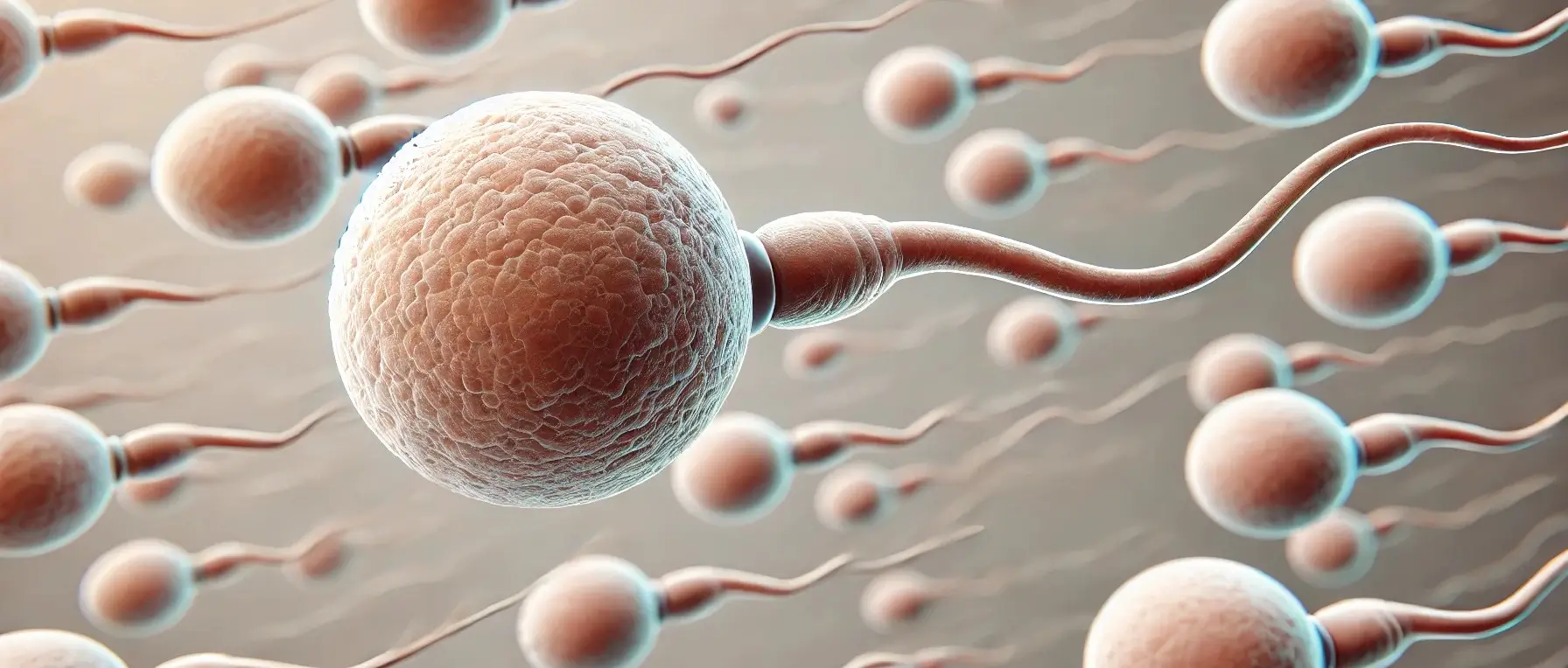
Sperm, or spermatozoa, are male reproductive cells that fertilize the female egg (ovum) to create an embryo, leading to the development of a fetus. Structure of Sperm (Spermatozoa) Sperm cells have a specialized structure consisting of three main parts: Head: Contains the nucleus with genetic material (DNA) passed to the offspring. Covered by the acrosome, … Read more

Male reproductive system of anatomy

Male reproductive system of anatomy

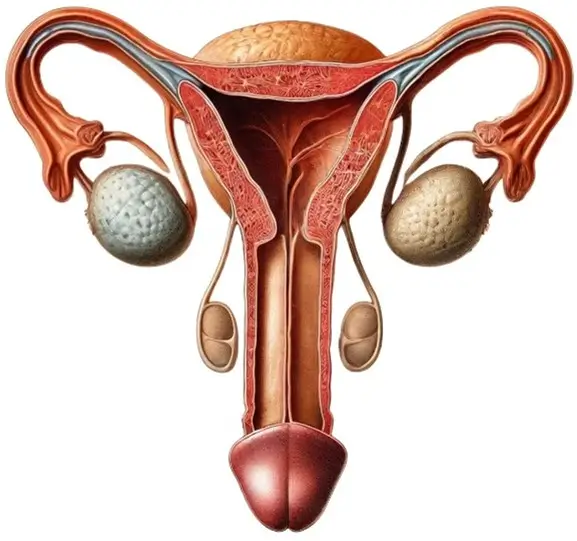
Male reproductive system is responsible for producing, storing, and transporting sperm and hormones needed for reproduction. It consists of both internal and external organs that work together to facilitate these functions. Here’s a detailed look at the Male reproductive system and its organs, classified as either primary or accessory organs: Primary Organ: Testes (Testicles): Located … Read more

Multiple Effect Evaporator (MEE)

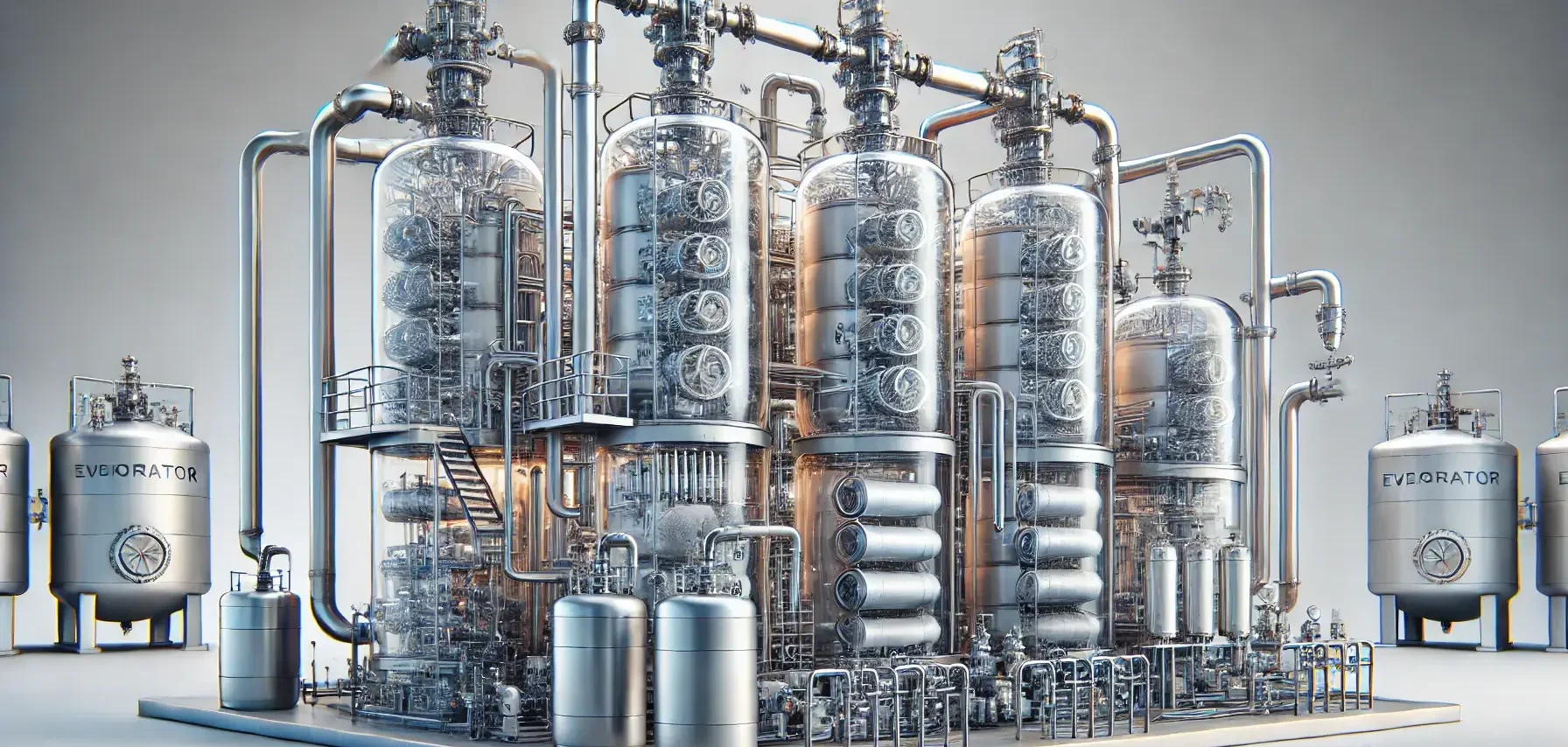
Multiple Effect Evaporator

Principle of Multiple Effect Evaporator: Utilizes the vapor produced from one effect (stage) to heat the next effect, thus reusing energy and improving overall efficiency. Construction of Multiple Effect Evaporator: Effects (Stages): Multiple evaporators connected in series. Heat Exchangers: In each effect where the liquid is heated. Condensers: To condense the vapor from each effect. … Read more

Forced Circulation Evaporator

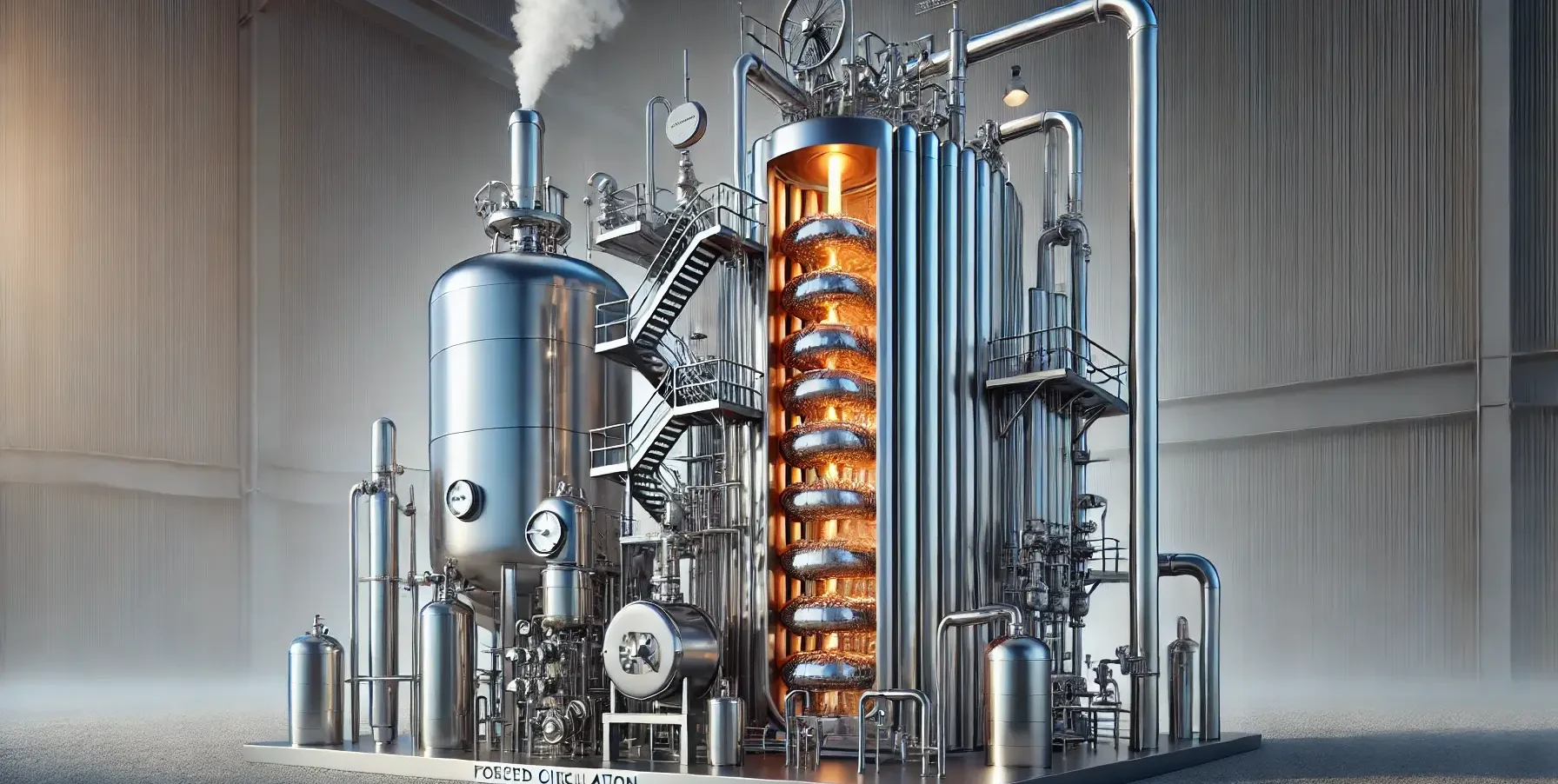
Forced Circulation Evaporator

Principle of Forced Circulation Evaporator: Uses mechanical pumps to circulate the liquid through the evaporator, enhancing the heat transfer rate and preventing fouling and scaling. Construction of Forced Circulation Evaporator: Heat Exchanger: Typically, a shell and tube design where the liquid is heated. Circulation Pump: Forces the liquid through the heat exchanger. Evaporator Body: Where … Read more

Simple Distillation

Simple Distillation

Principle of Simple Distillation: This distillation separates components of a mixture based on differences in their boiling points, typically when the boiling points differ significantly (more than 25°C). Methodology: Setup: Consists of a distillation flask, a heat source, a condenser, and a receiving flask. Heating: The mixture is heated in the distillation flask. Vaporization: The … Read more

Flash Distillation

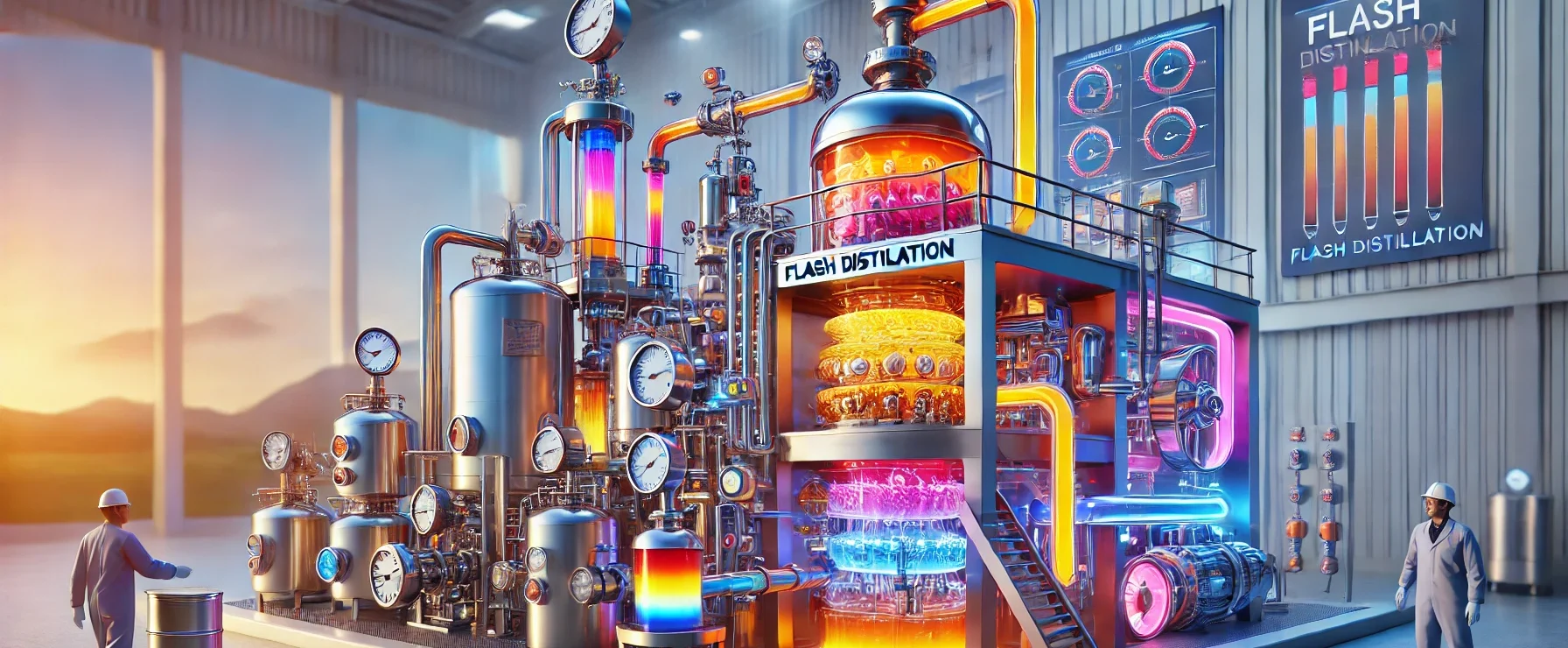
Flash Distillation

Principle of Flash Distillation: Flash distillation involves a single-stage separation process where the liquid mixture is partially vaporized by rapidly reducing the pressure or increasing the temperature. Methodology of Flash Distillation: Feed Introduction: The liquid mixture is introduced into a flash chamber. Pressure Reduction/Heating: The pressure is rapidly reduced, or the mixture is quickly heated, … Read more

Distillation

Distillation

Definition of Distillation: Distillation is a separation process that involves heating a liquid mixture to create vapor and then cooling the vapor to obtain a liquid. The process exploits differences in boiling points of components in the mixture to achieve separation. Objectives of Distillation: Separation of Components: To separate a mixture into its individual components … Read more