DDT (Dichlorodiphenyltrichloroethane)

DDT (Dichlorodiphenyltrichloroethane)
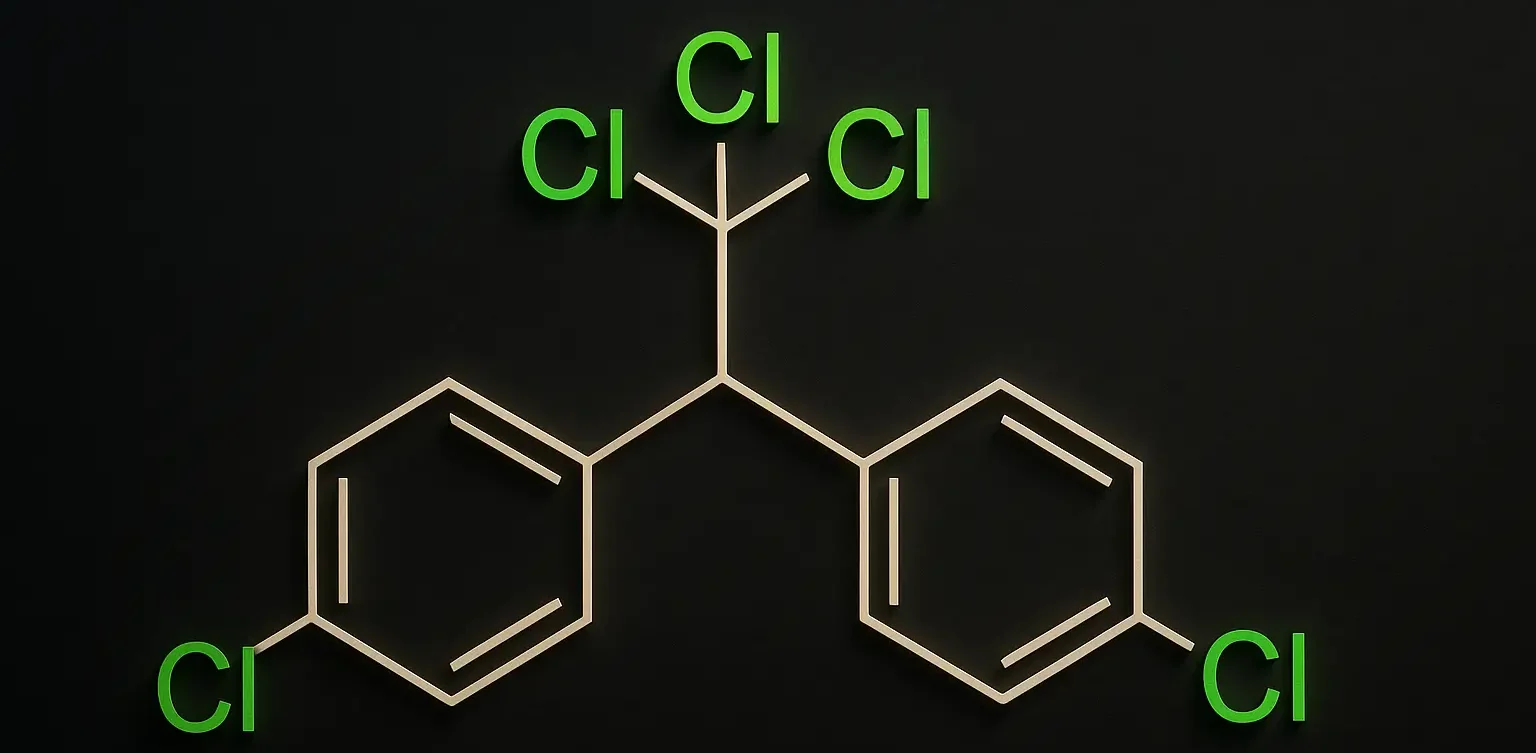
Structure of DDT (Dichlorodiphenyltrichloroethane): Chemical Formula: C14H9Cl5 Description: DDT is an organochlorine compound. Its structure includes two benzene rings connected by a trichloroethane group, with a total of five chlorine atoms—four on the benzene rings and one on the trichloroethane group. Uses: Widely used as an insecticide in agriculture to protect crops against pests. Played … Read more
Small Intestine

Small Intestine

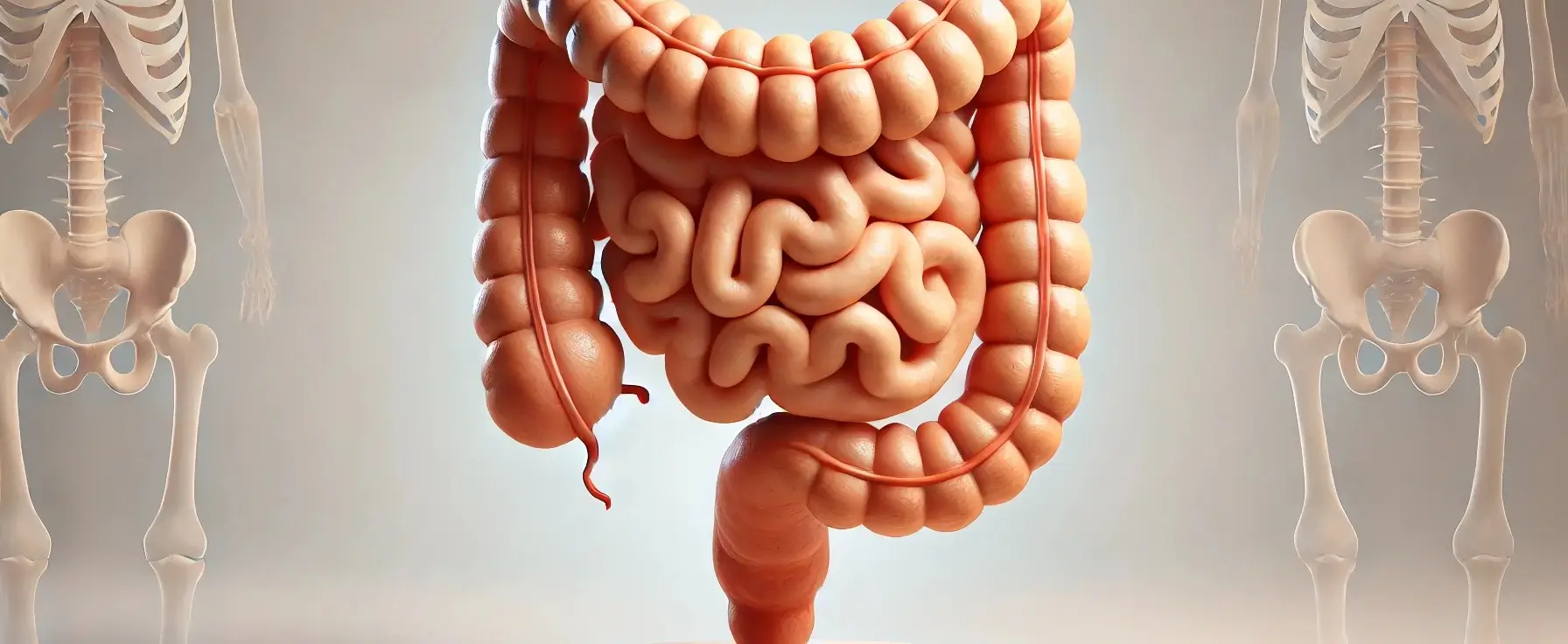
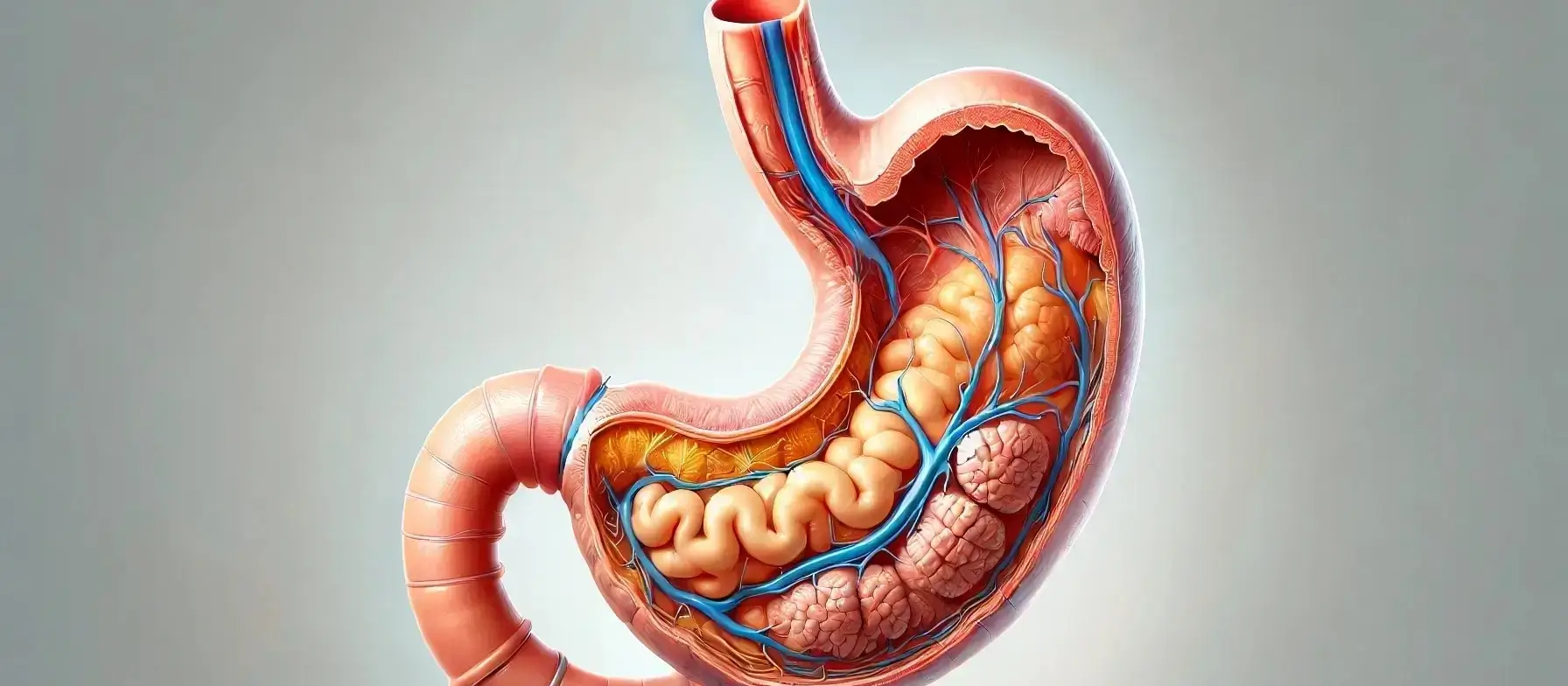
The small intestine is a long, coiled tube in the digestive system that connects the stomach to the large intestine. It is responsible for most of the digestion and absorption of nutrients from food. Anatomy The small intestine is a long, coiled tube, approximately 20 feet in length, divided into three main sections: the duodenum, … Read more

Reactions of Benzene

Reactions of Benzene

Reactions of Benzene: Benzene (C₆H₆) is a highly stable aromatic hydrocarbon due to its conjugated π-electron system. This stability makes benzene a prime candidate for electrophilic substitution reactions, where an electrophile replaces one of the hydrogen atoms on the benzene ring. Here are the key electrophilic substitution reactions of benzene: nitration, sulphonation, halogenation, Friedel-Crafts alkylation, … Read more

Hückel’s Rule

Hückel’s Rule

Hückel’s rule is a criterion used to determine if a molecule is aromatic. Aromatic compounds exhibit unusual stability and unique properties due to the delocalization of π electrons in a conjugated ring system. Here are the key points: Cyclic Structure: The molecule must have a ring structure. Planarity: The molecule must be planar, which allows … Read more

Aromatic Character in Benzene

Aromatic Character in Benzene

Explore the Aromatic Character in Benzene — aromatic compounds are a special class of cyclic compounds with exceptional stability due to the delocalized π electron cloud. Benzene is the prototypical aromatic compound, and its aromatic character can be understood through several criteria: Planarity: Benzene is a planar molecule, allowing optimal overlap of p orbitals. Cyclic … Read more

Large Intestine

The large intestine absorbs water and electrolytes from food, forming solid waste (feces) which is then excreted from the body. Anatomy The large intestine, or colon, is about 5 feet in length and is divided into several parts: the cecum, ascending colon, transverse colon, descending colon, sigmoid colon, rectum, and anus. 1. Cecum: A pouch-like … Read more

Resonance in Benzene

Resonance in Benzene

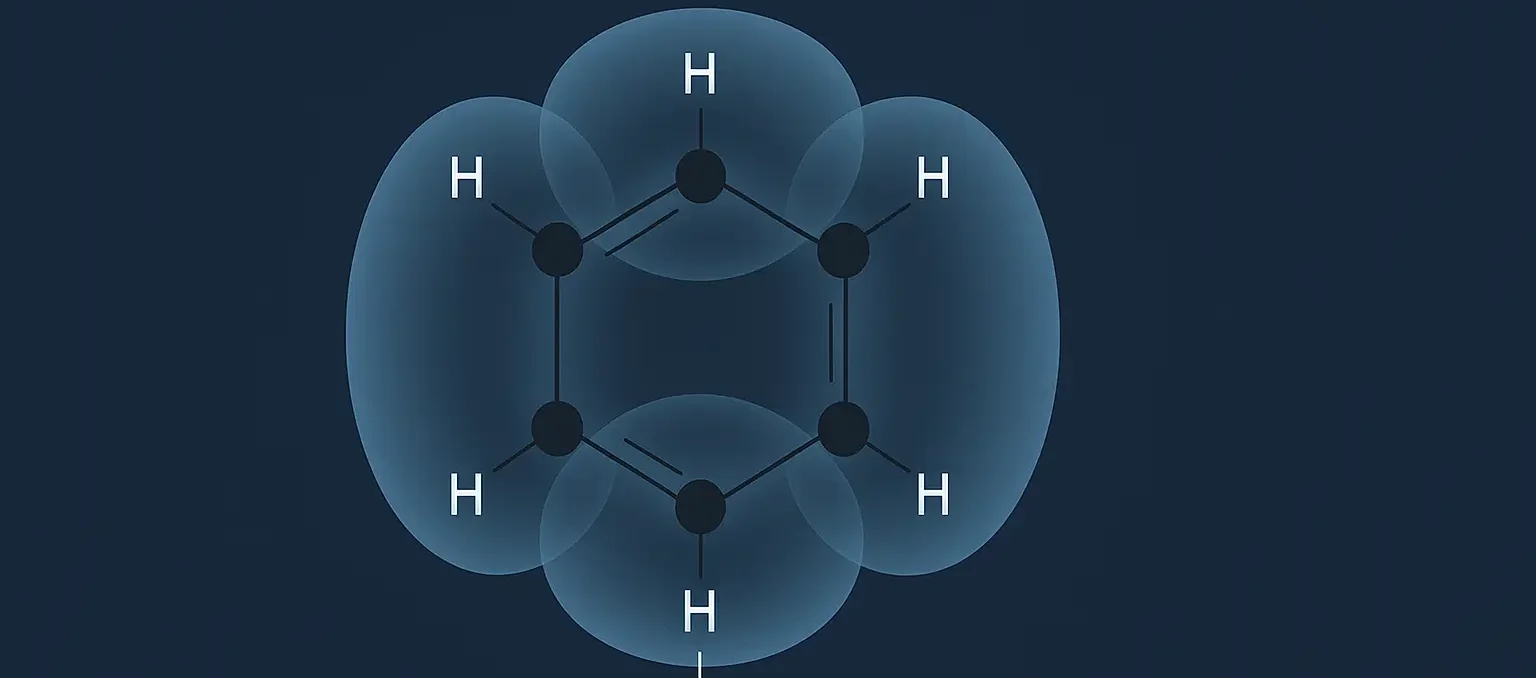
Benzene exhibits resonance, a phenomenon where the actual electronic structure is a hybrid of two or more contributing structures.  There are two main resonance structures: In one structure, double bonds are between C1-C2, C3-C4, and C5-C6. In the other structure, double bonds are between C2-C3, C4-C5, and C6-C1. These resonance structures imply that the π … Read more

Evidence in the Derivation of the Structure of Benzene

Evidence in the Derivation of the Structure of Benzene1

The structure of benzene has been the subject of extensive research and analysis, with significant evidence contributing to the derivation of its structure, since its discovery in 1825 by Michael Faraday. Various analytical, synthetic, and other experimental evidence have contributed to the derivation of its structure. Analytical Evidence in the Derivation of the Structure of … Read more

Benzene and its derivatives

Benzene and its derivatives1

Benzene (C₆H₆) and its derivatives are simple aromatic hydrocarbons, characterized by a six-carbon ring with alternating single and double bonds. The molecule is planar, with each carbon atom bonded to two other carbons and a hydrogen atom. Due to the presence of resonance structures, the electrons in the π-bonds are delocalized, which results in the … Read more