Therapeutic Index (TI)

Therapeutic Index (TI)
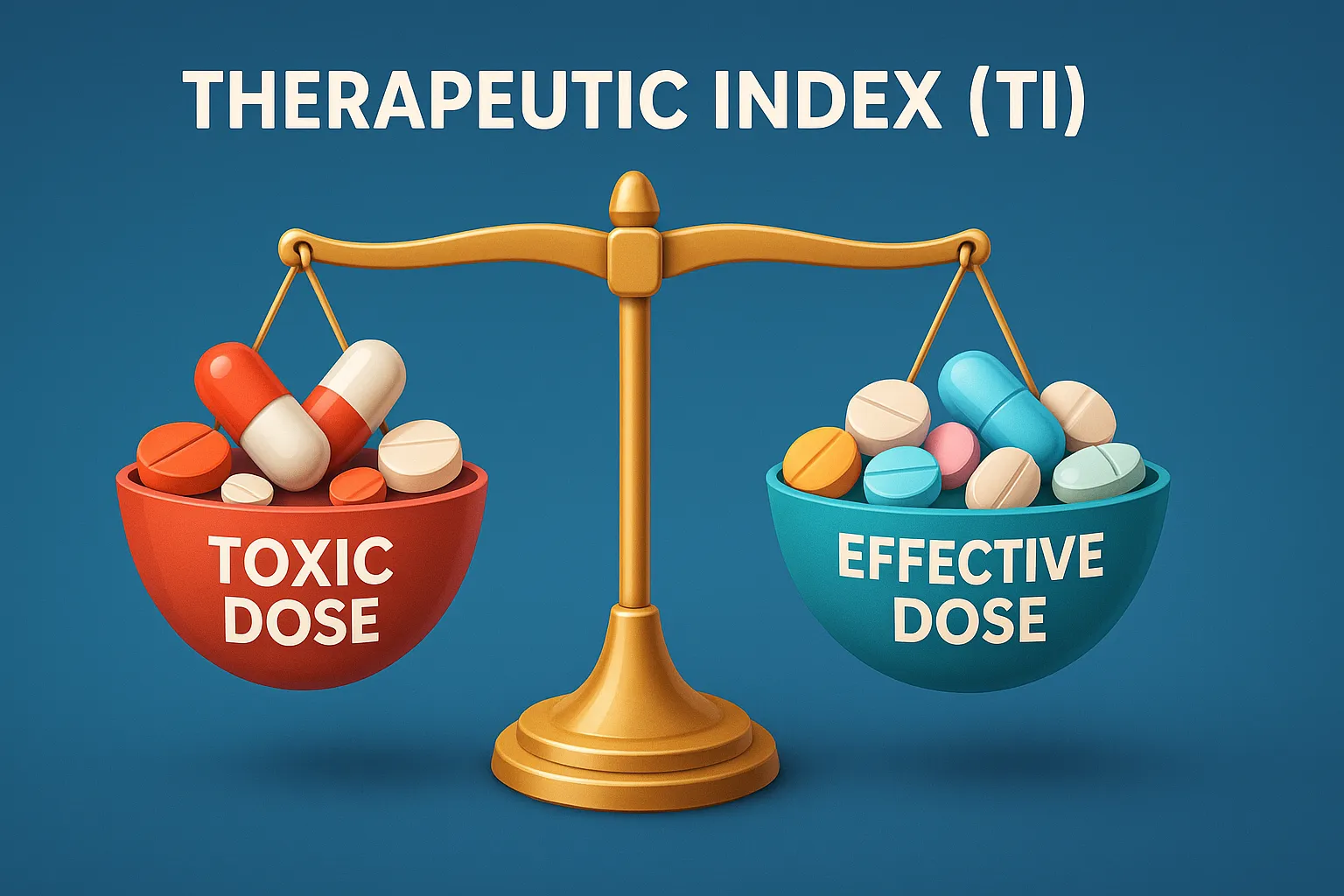
Therapeutic Index (TI) is the ratio between a drug’s toxic dose and effective dose, indicating its safety margin. Definition of Therapeutic Index (TI): The Therapeutic Index is a measure of drug safety. It compares the dose that causes toxicity to the dose that produces a therapeutic effect. Formula: $TI = \frac{LD_{50}}{ED_{50}}$ TD₅₀ = dose causing … Read more

Combined Effects of Drugs

Combined Effects of Drugs

Combined Effects of Drugs describe how two or more drugs interact, producing additive, synergistic, or antagonistic effects on the body. Combined Effects of Drugs When two or more drugs are used together, they may interact in different ways: Synergism Definition: Two drugs given together produce a greater effect than the sum of their individual effects. … Read more

Factors Modifying Drug Action

Factors Modifying Drug Action

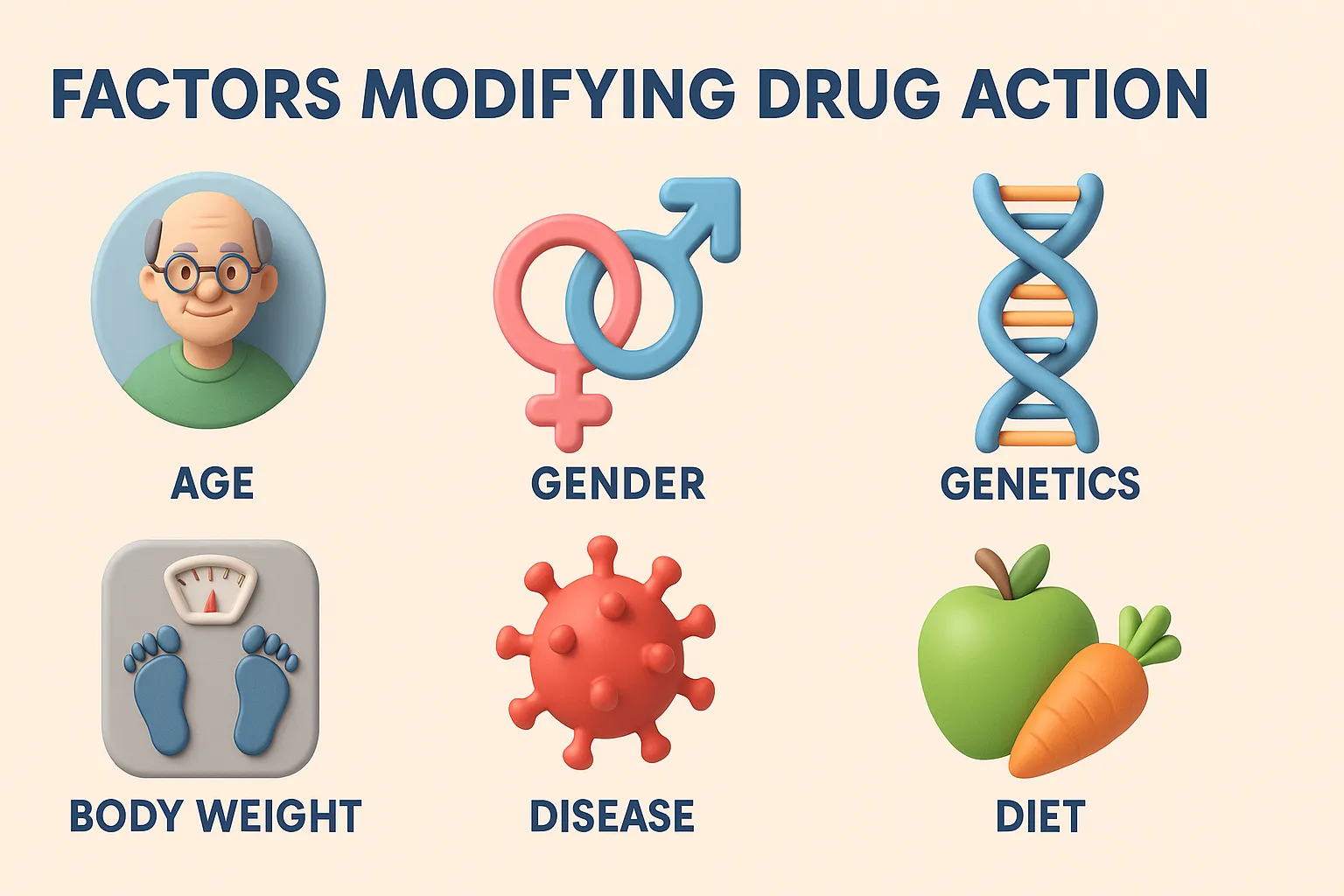
Factors Modifying Drug Action include age, body weight, genetics, sex, disease, diet, and drug interactions that influence a drug’s effects. Factors Modifying Drug Action Several factors can influence how a drug acts in the body: Age Neonates: Immature liver/kidneys → slower metabolism and excretion. Elderly: Reduced organ function → altered drug response. Body Weight & … Read more

Adverse Drug Reactions (ADRs)

Adverse Drug Reactions (ADRs)

Adverse Drug Reactions (ADRs) are harmful or unintended effects of medicines occurring at normal therapeutic doses. Definition of Adverse Drug Reactions (ADRs): An adverse drug reaction is an unintended and harmful response to a drug that occurs at normal therapeutic doses used in humans for prophylaxis, diagnosis, or treatment. Classification of ADRs: Type A (Augmented) … Read more

Drug Interactions

Drug Interactions

Drug interactions occur when one drug affects the action of another, altering effectiveness or causing side effects. Drug Interactions Drug interactions occur when the effect of one drug is altered by the presence of another drug, food, or substance. These can be classified as pharmacokinetic or pharmacodynamic. Pharmacokinetic Interactions These involve changes in the Absorption, … Read more

Drug Discovery Phase

Drug Discovery Phase

Drug discovery phase involves identifying and designing new drug molecules with potential therapeutic effects. This is the initial stage in developing a new drug, focused on identifying compounds that could become safe and effective medicines. Key Steps for Drug Discovery Phase: Target Identification and Validation A target is usually a protein, enzyme, or receptor involved … Read more

Preclinical Evaluation Phase

Preclinical Evaluation Phase

Preclinical evaluation phase tests drug safety and efficacy in lab and animal studies before human trials. This phase tests the lead compound in non-human subjects (cells and animals) to assess its safety, effectiveness, and behavior in the body. Major Objectives of Preclinical Evaluation Phase: Evaluate safety and toxicity Study pharmacokinetics (PK): what the body does … Read more

Clinical Trial Phase

Clinical Trial Phase

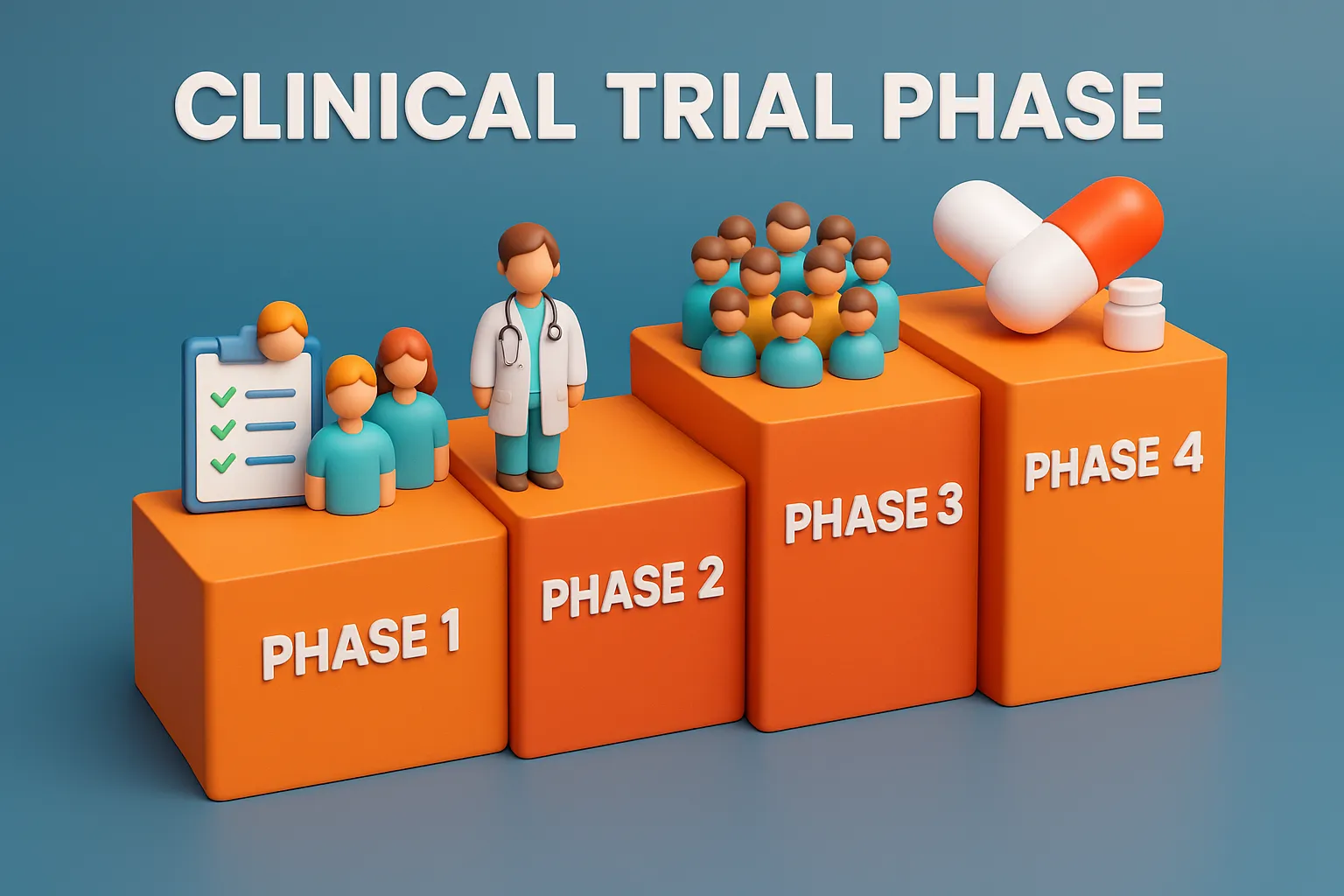
Clinical trial phase evaluates drug safety, dosage, and effectiveness in humans through structured studies. Clinical Trial Phase Involves systematic testing in humans, divided into several phases: Phase 0 (Optional): Microdosing studies in a few volunteers Assesses basic pharmacokinetics and drug-target interaction Phase I: Conducted in healthy volunteers (20–100) Focuses on safety, tolerability, and pharmacokinetics Determines … Read more

Pharmacovigilance

Pharmacovigilance

Pharmacovigilance monitors, detects, and prevents adverse drug effects to ensure safe and effective medicine use. Once a drug is on the market, it’s still under continuous surveillance through pharmacovigilance. Definition of Pharmacovigilance: It is the science and activities relating to the detection, assessment, understanding, and prevention of adverse effects or other drug-related problems. Key Activities: … Read more

Biperiden Hydrochloride

Biperiden Hydrochloride

Biperiden Hydrochloride treats Parkinson’s disease and drug-induced extrapyramidal symptoms. Biperiden Hydrochloride is an anticholinergic that balances acetylcholine and dopamine in the CNS. Chemical Formula: C₂₁H₂₉NO·HCl Mechanism of Action: Centrally selective M1 receptor antagonist Therapeutic Uses: Parkinson’s disease Drug-induced EPS Side Effects: CNS: confusion, drowsiness Dry mouth Tachycardia Constipation