Captopril

Captopril

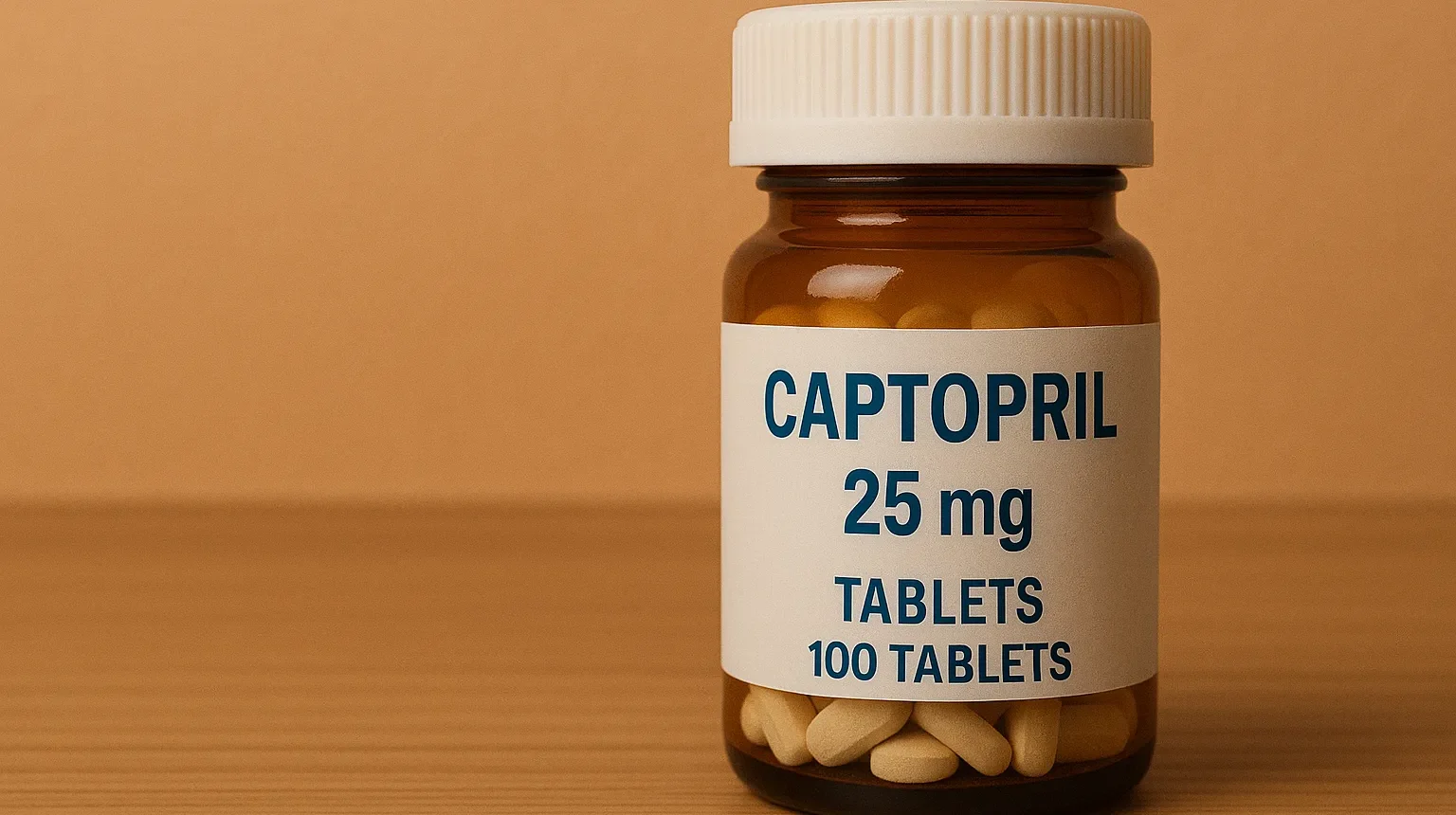
Captopril is an ACE inhibitor used to treat hypertension and heart failure by blocking angiotensin-converting enzyme and lowering blood pressure. Structure of Captopril Captopril is the first synthetic ACE inhibitor, featuring a sulfhydryl (-SH) group attached to a proline moiety. Chemical Formula: C₉H₁₇NO₃S Mode of Action ACE Inhibition: Blocks the angiotensin-converting enzyme (ACE), preventing the … Read more
Anti-Hypertensive Agents

Anti-Hypertensive Agents

Anti-Hypertensive Agents are drugs used to lower high blood pressure and reduce the risk of heart attack, stroke, and kidney disease. Anti-hypertensive agents are drugs used to manage high blood pressure (hypertension). They work through various mechanisms to lower blood pressure and reduce the risk of complications like heart attack, stroke, and kidney failure. Classification … Read more

Hypertension

Hypertension

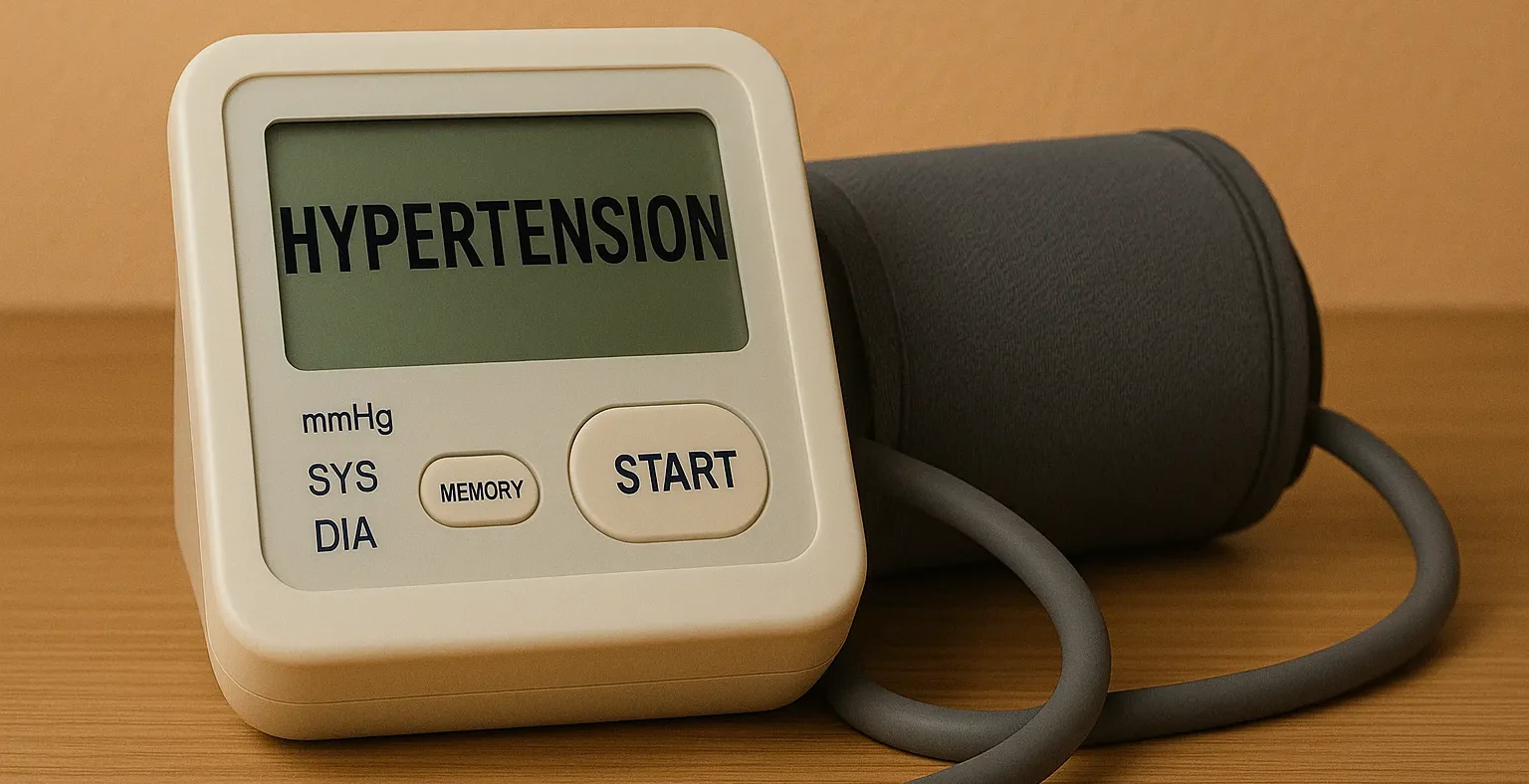
Hypertension commonly known as high blood pressure, is a chronic medical condition where the blood pressure in the arteries is persistently elevated. It increases the risk of heart disease, stroke, and other serious health issues. Blood Pressure Classification Category Systolic (mmHg) Diastolic (mmHg) Normal < 120 < 80 Pre-Hypertension 120 – 139 80 – 89 … Read more

Mannitol

Mannitol

Mannitol is an osmotic diuretic used to reduce intracranial and intraocular pressure by drawing fluid out through the kidneys. Structure of Mannitol Mannitol is a sugar alcohol with six hydroxyl groups, making it highly hydrophilic and osmotic. Chemical Formula: C₆H₁₄O₆ Mode of Action Osmotic Gradient Creation: Mannitol remains in the extracellular space, creating an osmotic … Read more

Timolol

Timolol

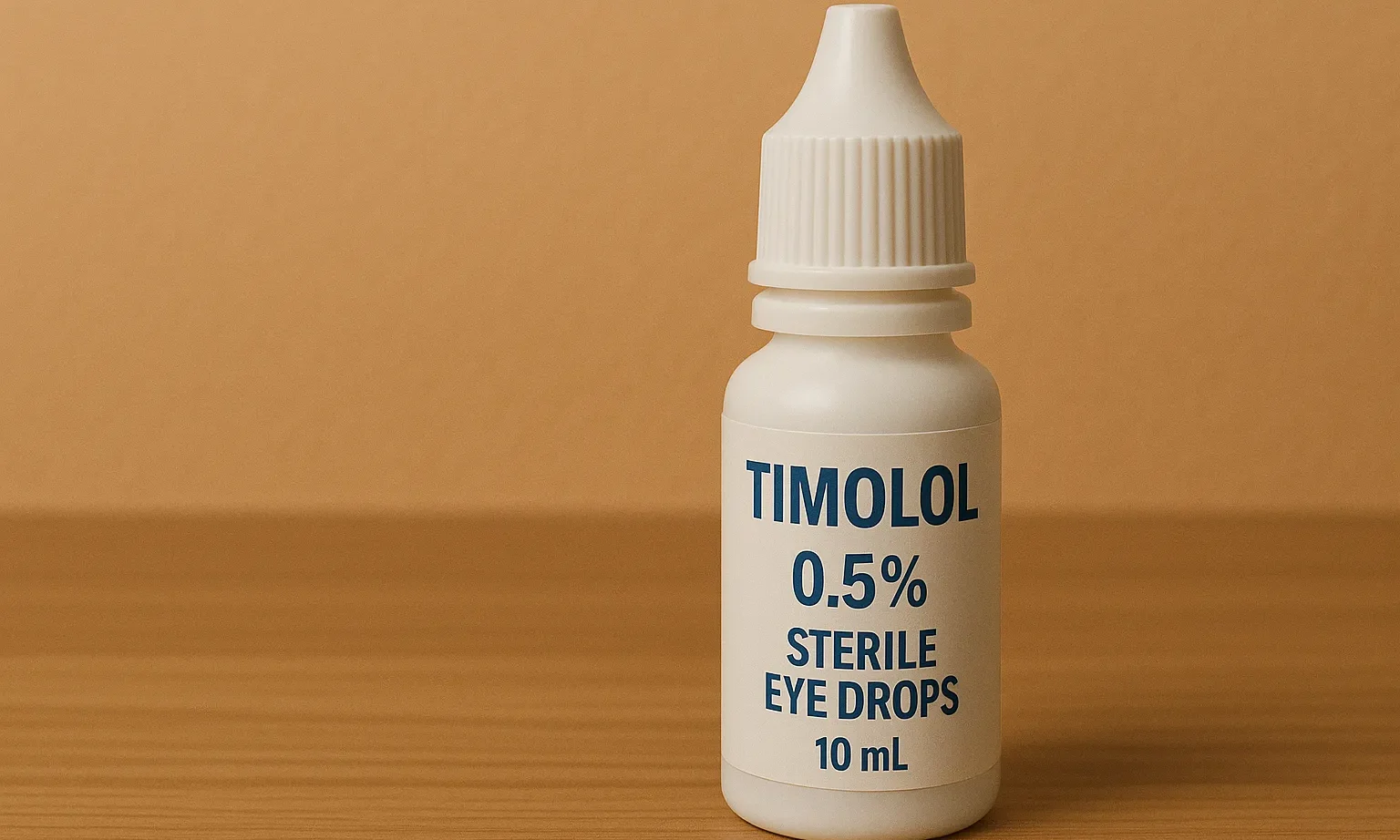
Timolol is a non-selective beta-blocker used to treat hypertension, angina, and glaucoma by reducing heart rate and intraocular pressure. Structure of Timolol Timolol is a non-selective beta-adrenergic receptor blocker featuring a diphenylmethanol structure with a secondary amine. Chemical Formula: C₁₅H₂₂N₂O₃ Mode of Action Beta-Blockade: Inhibits both β₁ and β₂ adrenergic receptors. Cardiac Effects: Reduces heart … Read more

Classification of Histamine

Classification of Histamine

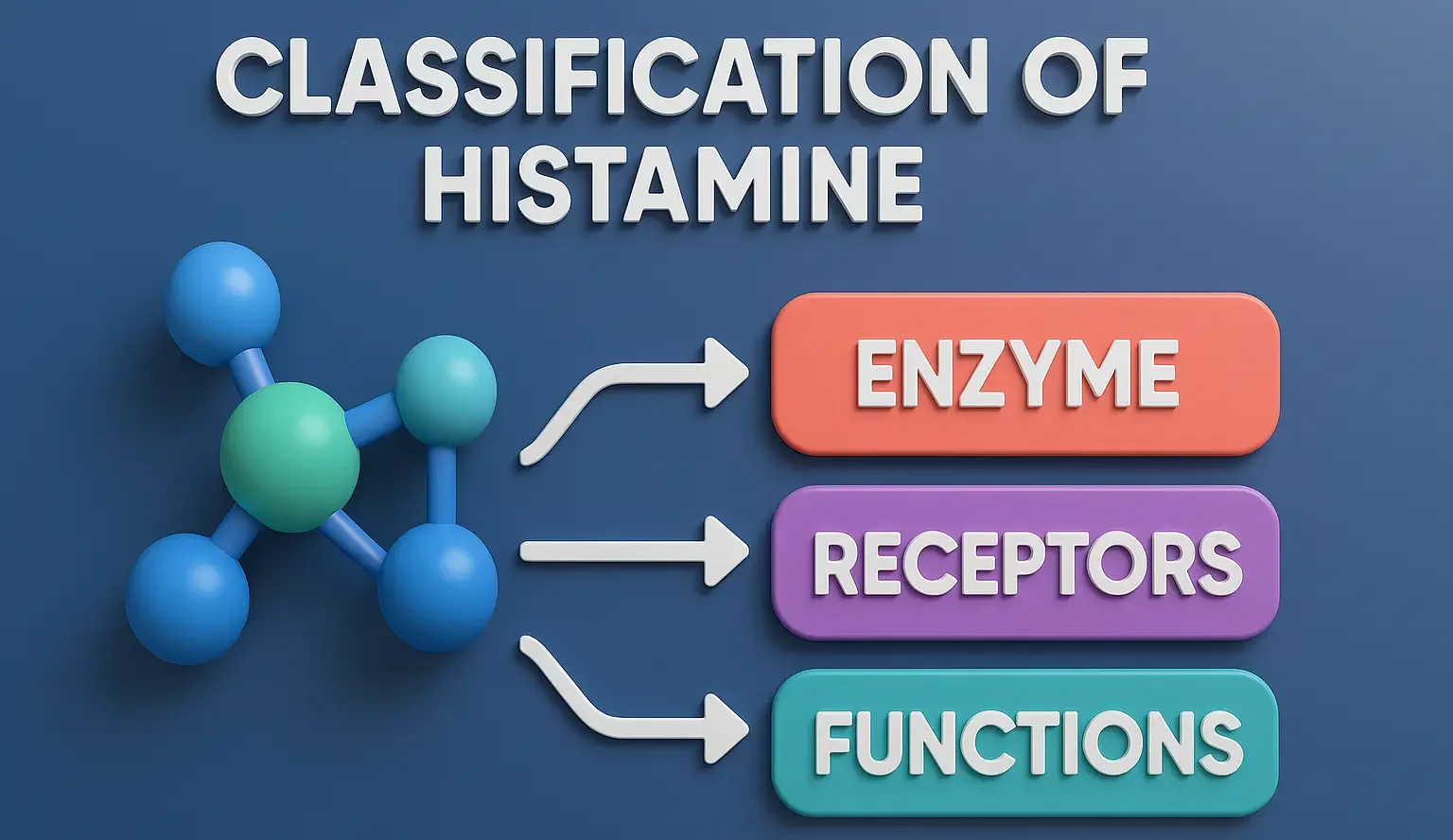
Classification of Histamine: Based on receptor types—H1, H2, H3, and H4 Classification of Histamine: Involved in allergy, gastric acid, CNS, and immunity. Histamine is a biogenic amine derived from the decarboxylation of the amino acid histidine. It plays pivotal roles in immune responses, gastric acid secretion, and as a neurotransmitter. Synthesis: From the amino acid … Read more

Introduction to Autacoids

Introduction to Autacoids

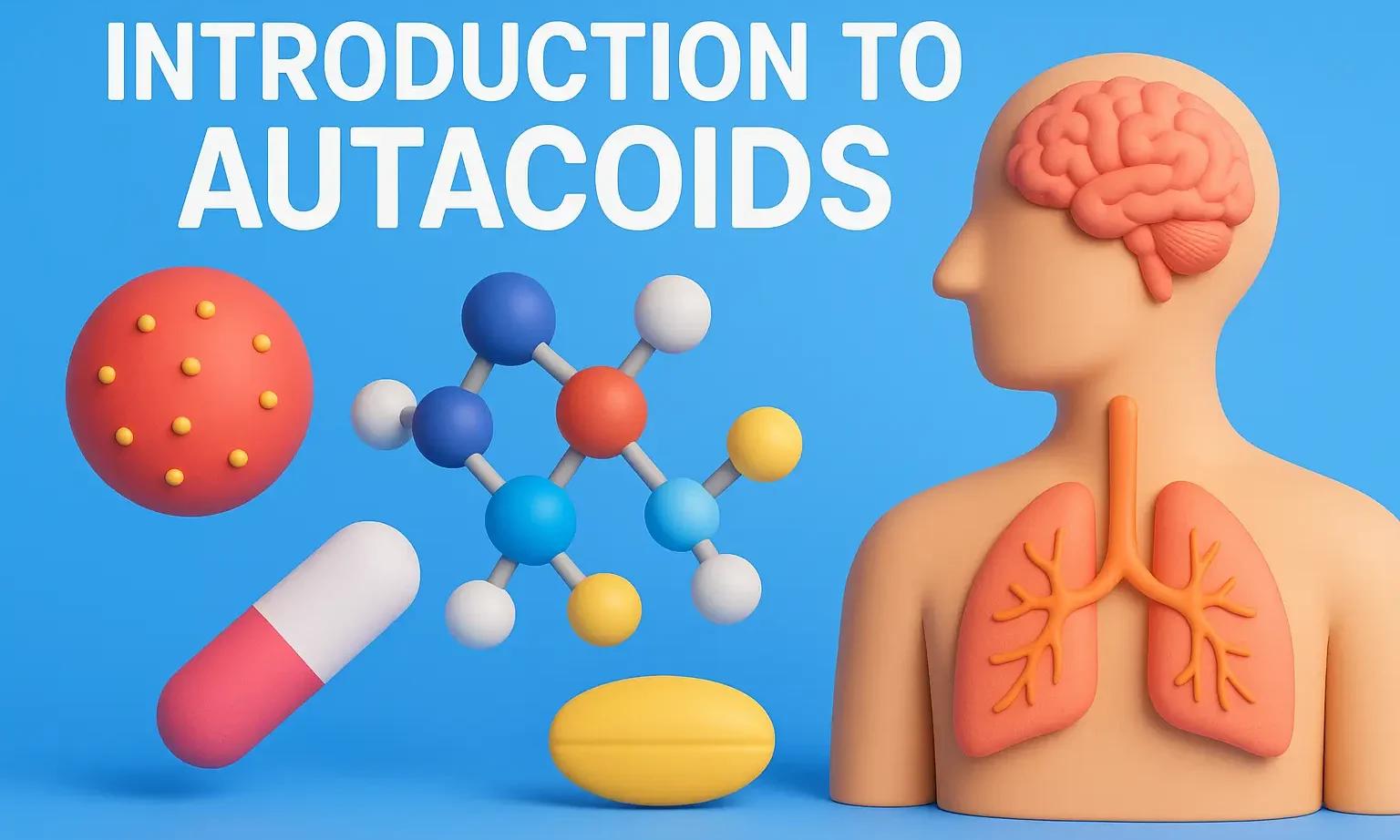
Introduction to Autacoids: Local hormones like histamine, serotonin, prostaglandins. Introduction to Autacoids: Used in allergy, inflammation, and cardiovascular disorders. What Are Autacoids? Autacoids are biologically active substances produced within the body that act locally to regulate various physiological functions. Unlike hormones, which are secreted into the bloodstream and act on distant targets, autacoids exert their … Read more

Triamterene

Triamterene

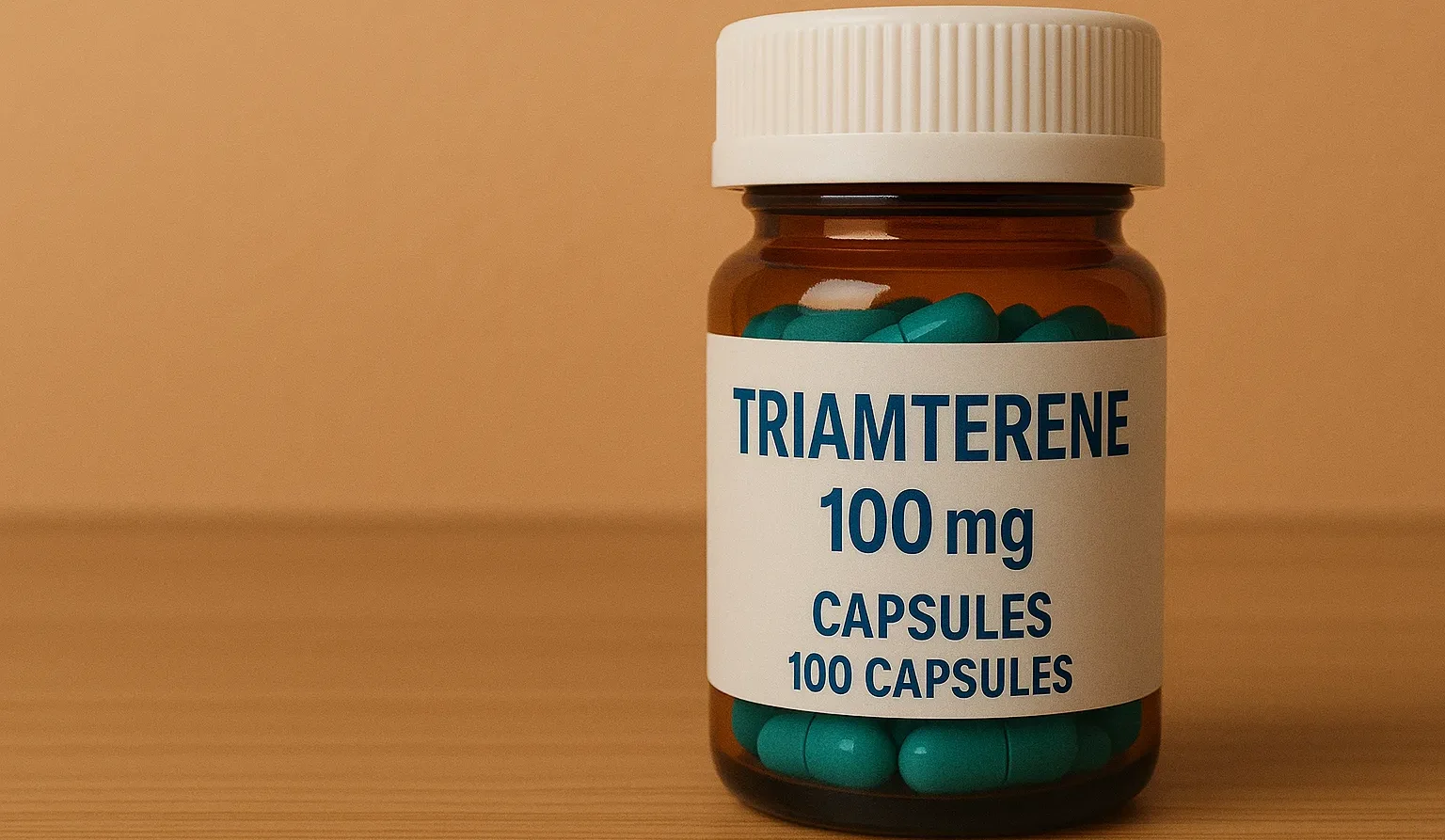
Triamterene is a potassium-sparing diuretic used to treat edema and hypertension by reducing sodium reabsorption without potassium loss. Structure of Triamterene Triamterene is a non-steroidal potassium-sparing diuretic with a triazine ring structure attached to an aromatic moiety and amine groups. Chemical Formula: C₁₆H₁₅N₃O₃ Mode of Action ENaC Inhibition: Blocks epithelial sodium channels (ENaC) in the … Read more

Anti-Diuretics

Anti-Diuretics

Definition of Anti-Diuretics: Anti-diuretics are agents that reduce urine production and increase water reabsorption in the kidneys. They are used to manage conditions like diabetes insipidus, nocturia, and certain cases of edema. Classes of Anti-Diuretics: 1. Desmopressin (DDAVP): Mechanism: Synthetic analog of vasopressin (antidiuretic hormone, ADH). Binds to V2 receptors in the renal collecting ducts, … Read more

Diuretics

Diuretics

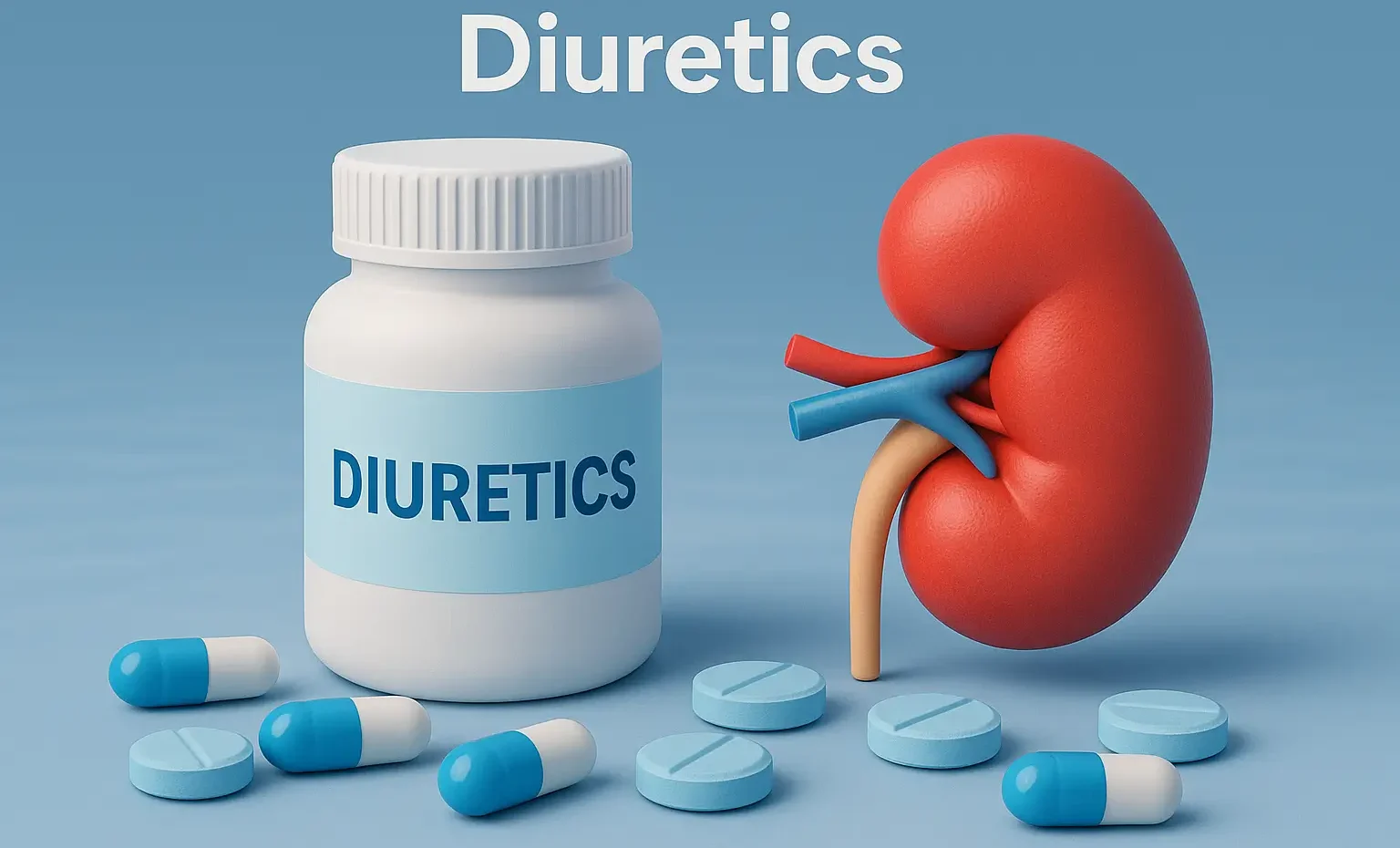
Definition of Diuretics: Diuretics are medications that promote the excretion of water and electrolytes by the kidneys, increasing urine output. They are used in conditions like hypertension, heart failure, edema, and certain renal disorders. Classes of Diuretics: 1. Thiazide Diuretics: Examples: Hydrochlorothiazide, Chlorthalidone, Indapamide. Mechanism: Inhibit the sodium-chloride symporter in the distal convoluted tubule, reducing … Read more