Glycyrrhetinic Acid

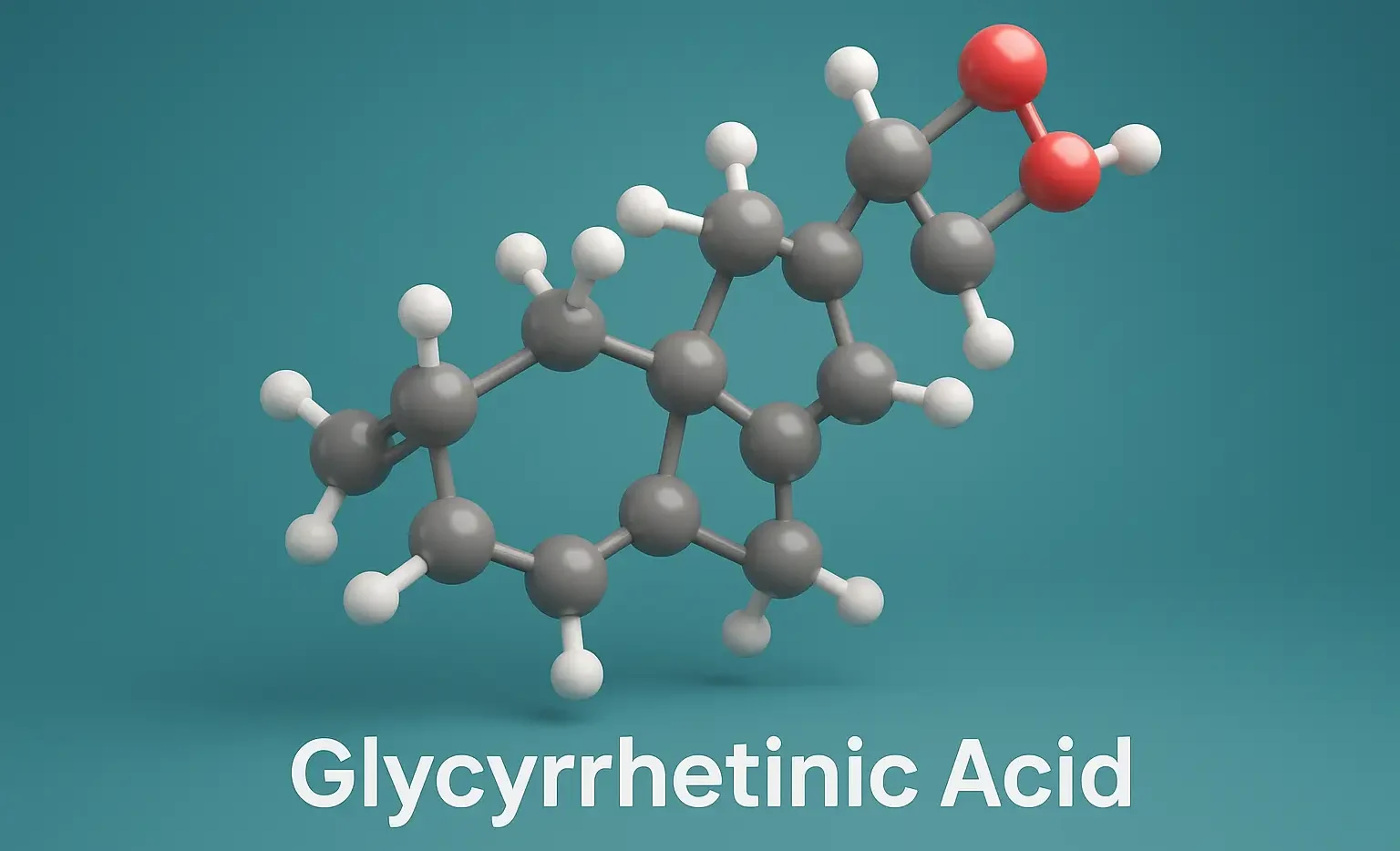
Source and Occurrence of Glycyrrhetinic Acid Glycyrrhetinic acid is derived from Glycyrrhiza glabra (licorice) root. It is the aglycone of glycyrrhizin, a triterpenoid saponin responsible for the sweet taste of licorice. Isolation Extraction: Alcoholic Extraction: Dried licorice root is powdered and extracted with ethanol or methanol to obtain the glycosides. Hydrolysis: Acid Hydrolysis: Glycyrrhizin is … Read more
Podophyllotoxin

Podophyllotoxin

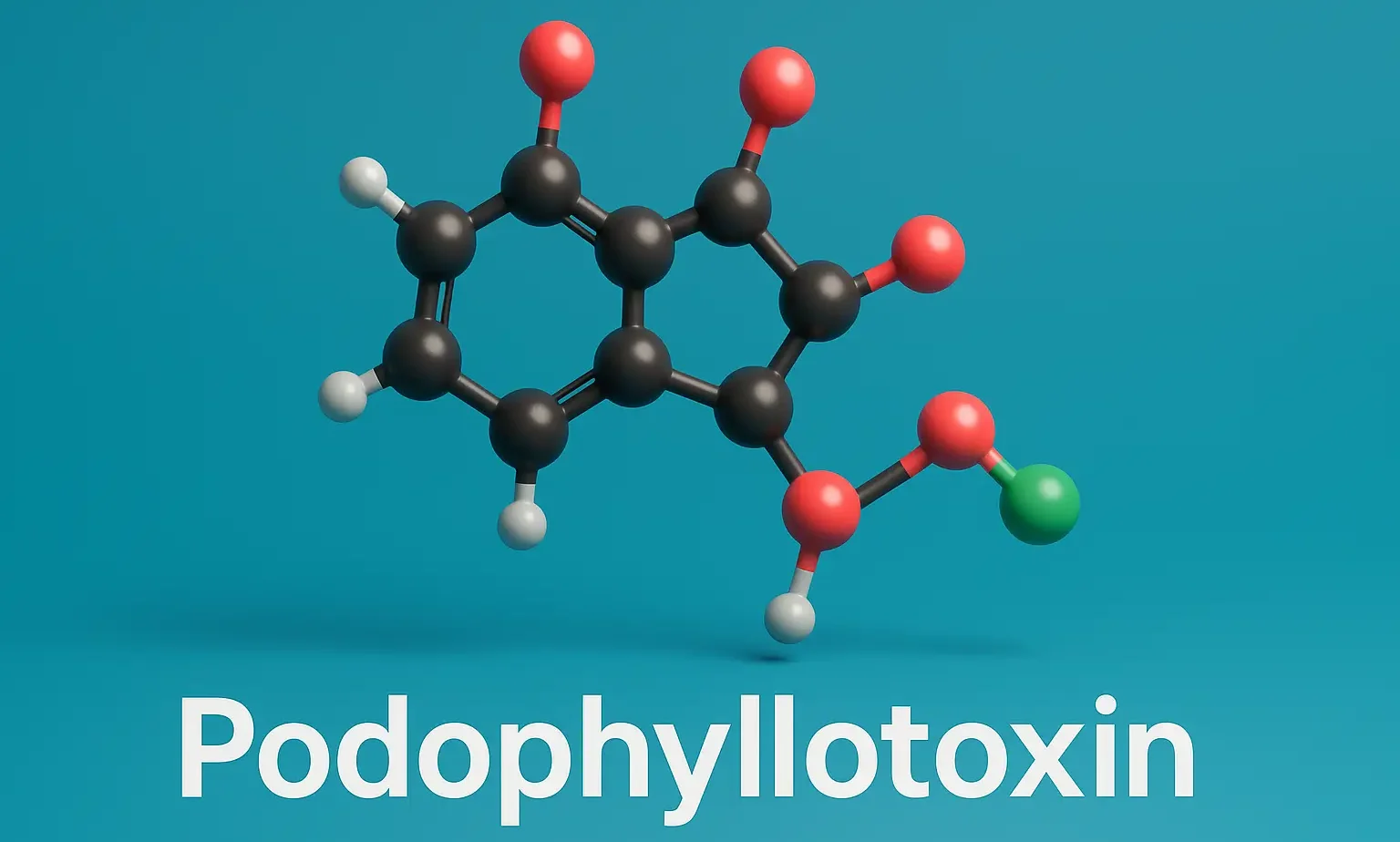
Source and Occurrence of Podophyllotoxin Podophyllotoxin is extracted from the roots and rhizomes of Podophyllum species (e.g., Podophyllum peltatum—Mayapple). It is a lignan with antiviral and anticancer properties. Isolation Extraction: Ethanolic or Methanolic Extraction: Dried Podophyllum roots are powdered and extracted with ethanol or methanol to obtain the resinous extract. Purification: Liquid-Liquid Extraction: Utilizing solvents … Read more

Resins

Resins

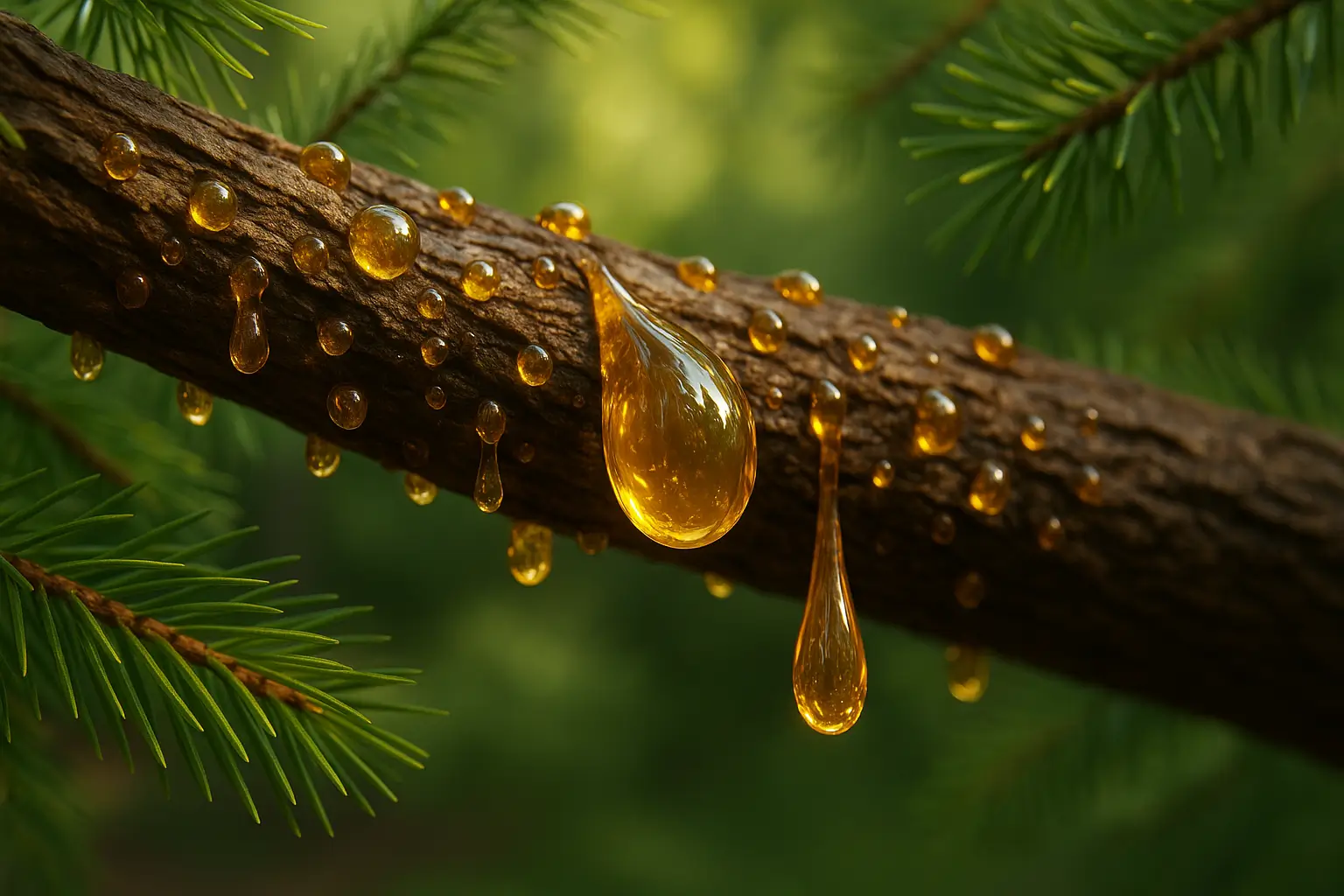
Definition of Resins Resins are viscous, solid or semi-solid mixtures of organic compounds, mainly terpenoids and derivatives, exuded by plants (especially conifers) and some insects for protection and structural purposes. Composition Diterpenes/Triterpenes: Backbone structures. Phenolic Compounds: Provide rigidity and reactivity. Other Compounds: Essential oils, alcohols, acids. Sources of Resins Plant Resin: E.g., pine resin, frankincense. … Read more

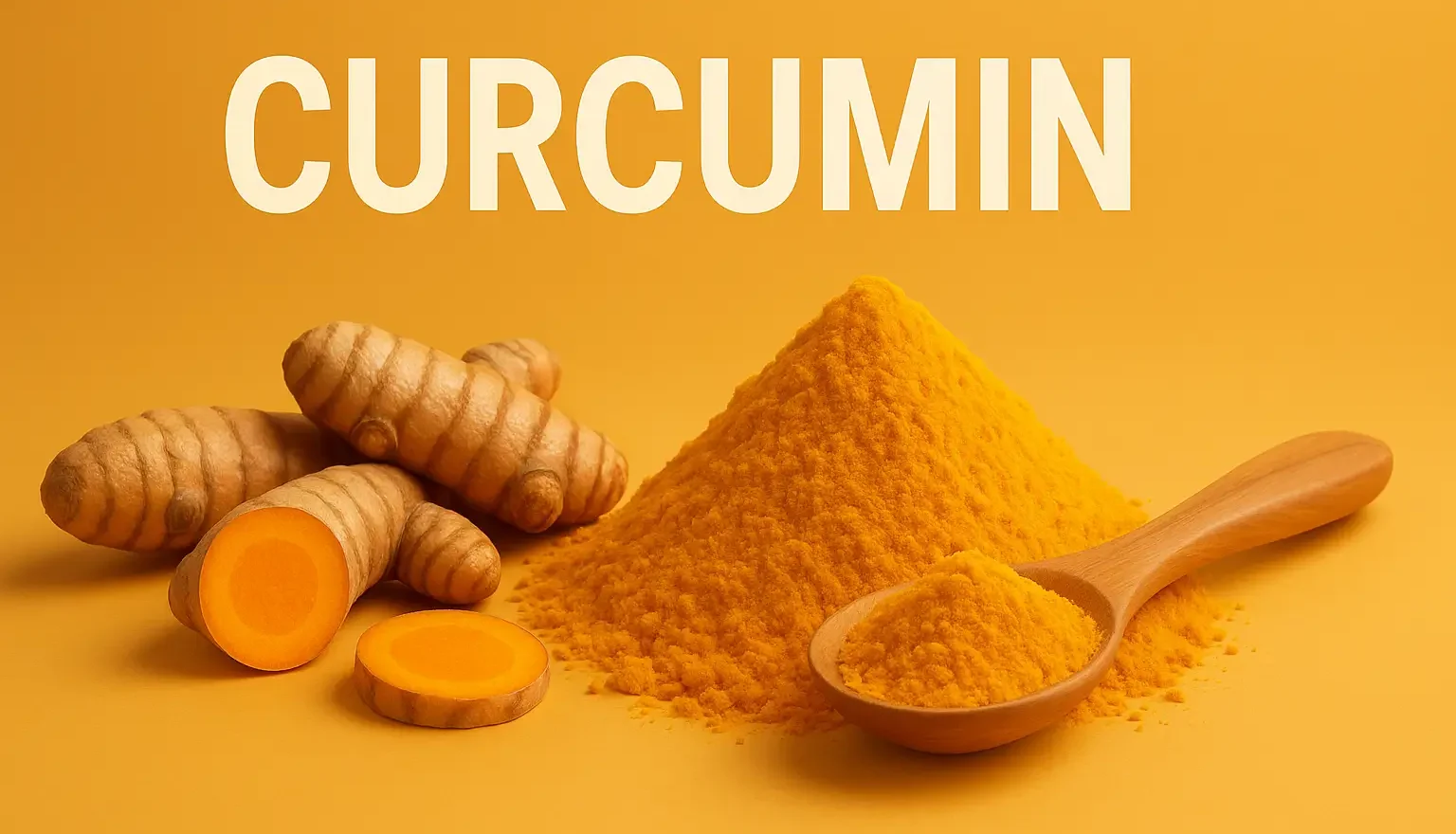
Curcumin

Curcumin

Source and Occurrence of Curcumin Curcumin is the principal curcuminoid found in Turmeric (Curcuma longa), a member of the ginger family. It is responsible for turmeric’s bright yellow color and has extensive applications in food, cosmetics, and pharmaceuticals due to its anti-inflammatory and antioxidant properties. Isolation Extraction: Solvent Extraction: Dried turmeric rhizomes are powdered and … Read more

Caffeine

Caffeine

Source and Occurrence of Caffeine Caffeine is a purine alkaloid found in Coffee beans (Coffea spp.), Tea leaves (Camellia sinensis), Cacao beans (Theobroma cacao), and Kola nuts (Cola spp.). It is a central nervous system stimulant. Isolation Extraction: Solvent Extraction: Ground coffee beans or tea leaves are extracted with water or organic solvents like dichloromethane … Read more

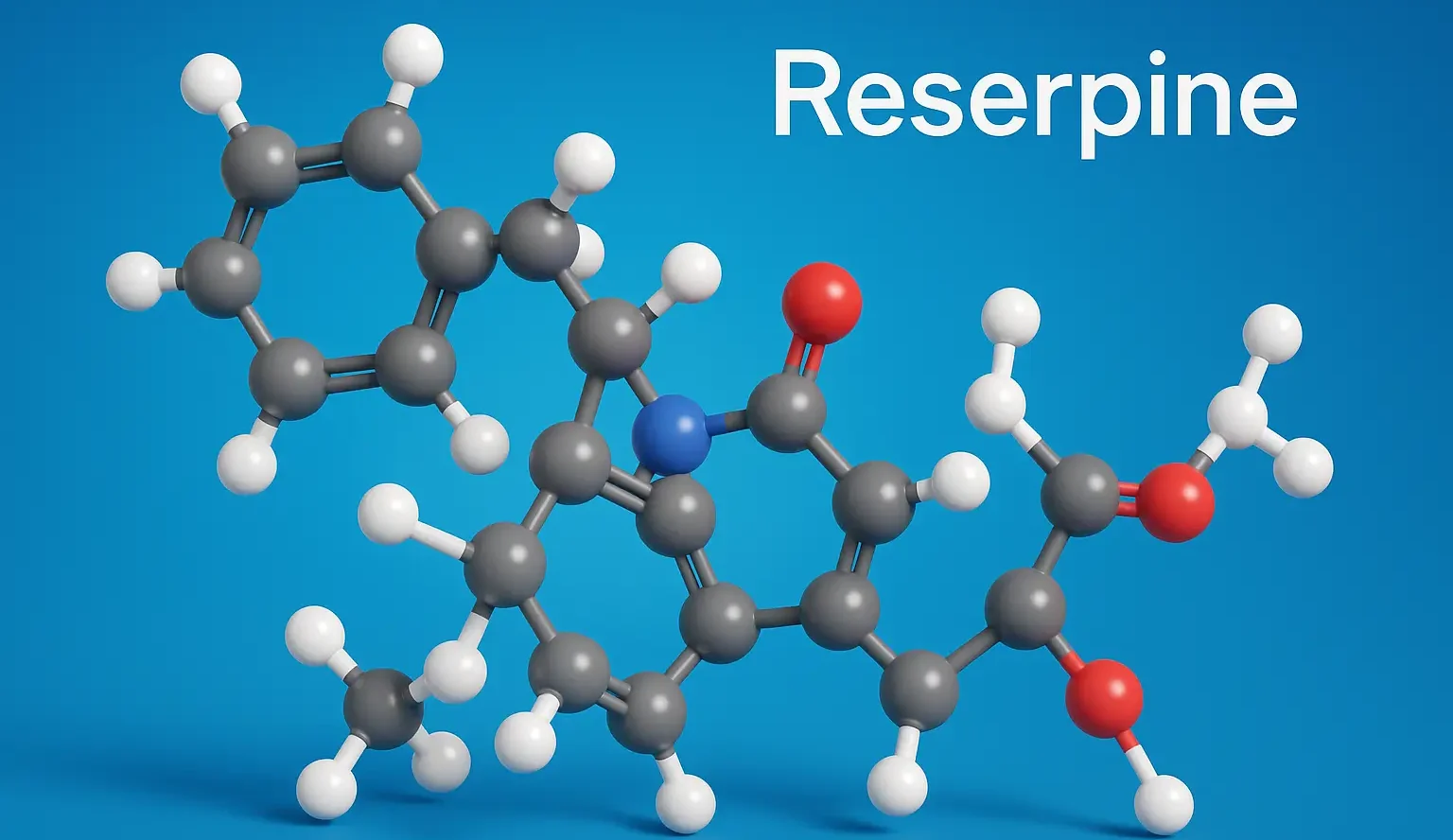
Reserpine

Reserpine

Source and Occurrence of Reserpine Reserpine is extracted from the roots of Rauwolfia serpentina (Indian snakeroot) and Rauwolfia vomitoria. It is an indole alkaloid with antihypertensive and antipsychotic properties. Isolation Extraction: Alcoholic Extraction: Dried and powdered Rauwolfia roots are extracted with ethanol or methanol to obtain the alkaloids. Purification: Acid-Base Extraction: The extract is acidified … Read more

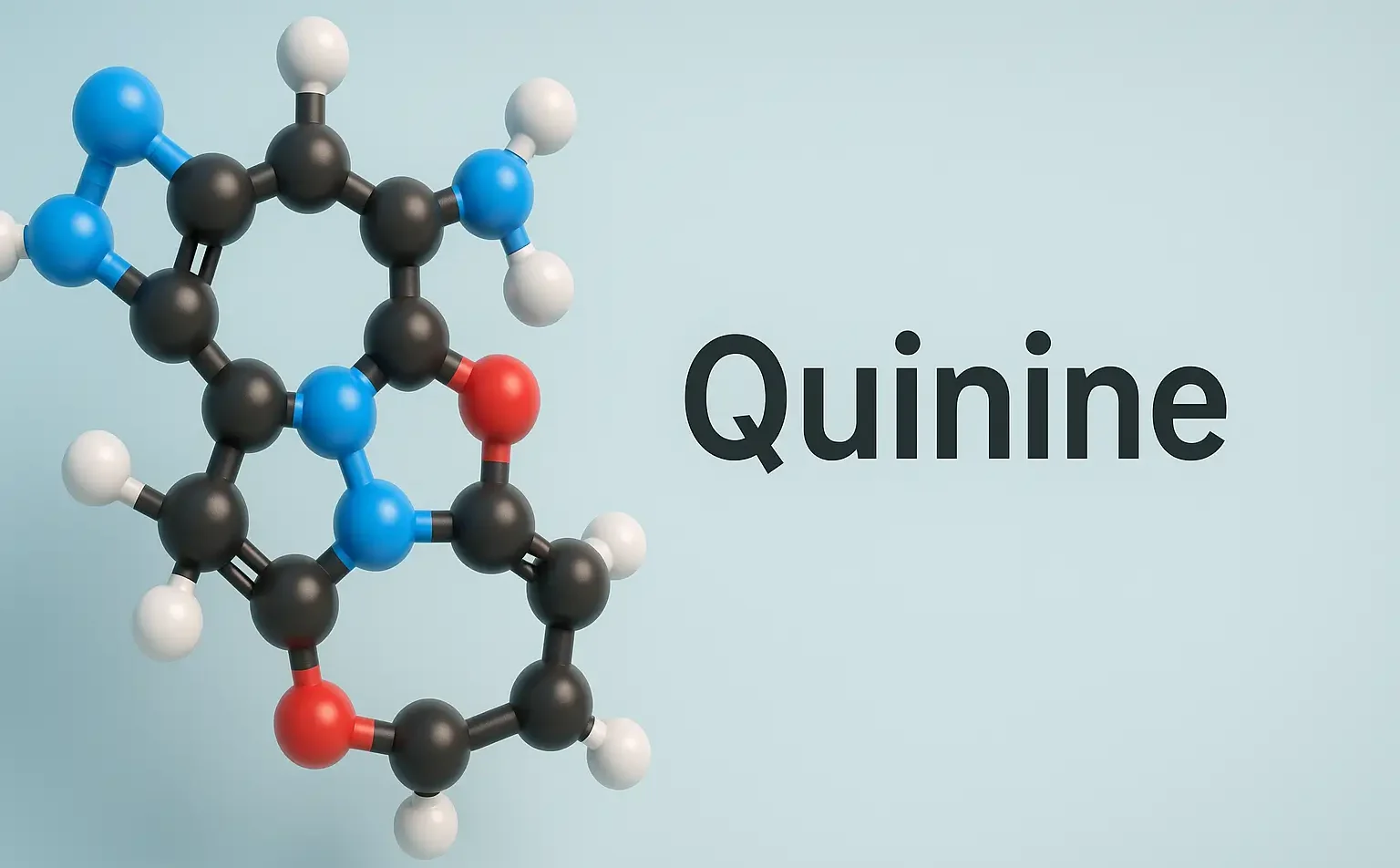
Quinine

Quinine

Source and Occurrence of Quinine Quinine is obtained from the bark of the cinchona tree (Cinchona officinalis, Cinchona bark). It is a bitter alkaloid with antimalarial properties. Isolation Extraction: Bark Processing: The bark is dried and powdered. Alkaloid Extraction: Mixed with an acidic aqueous solution (e.g., dilute HCl) to convert quinine into its water-soluble salt. … Read more

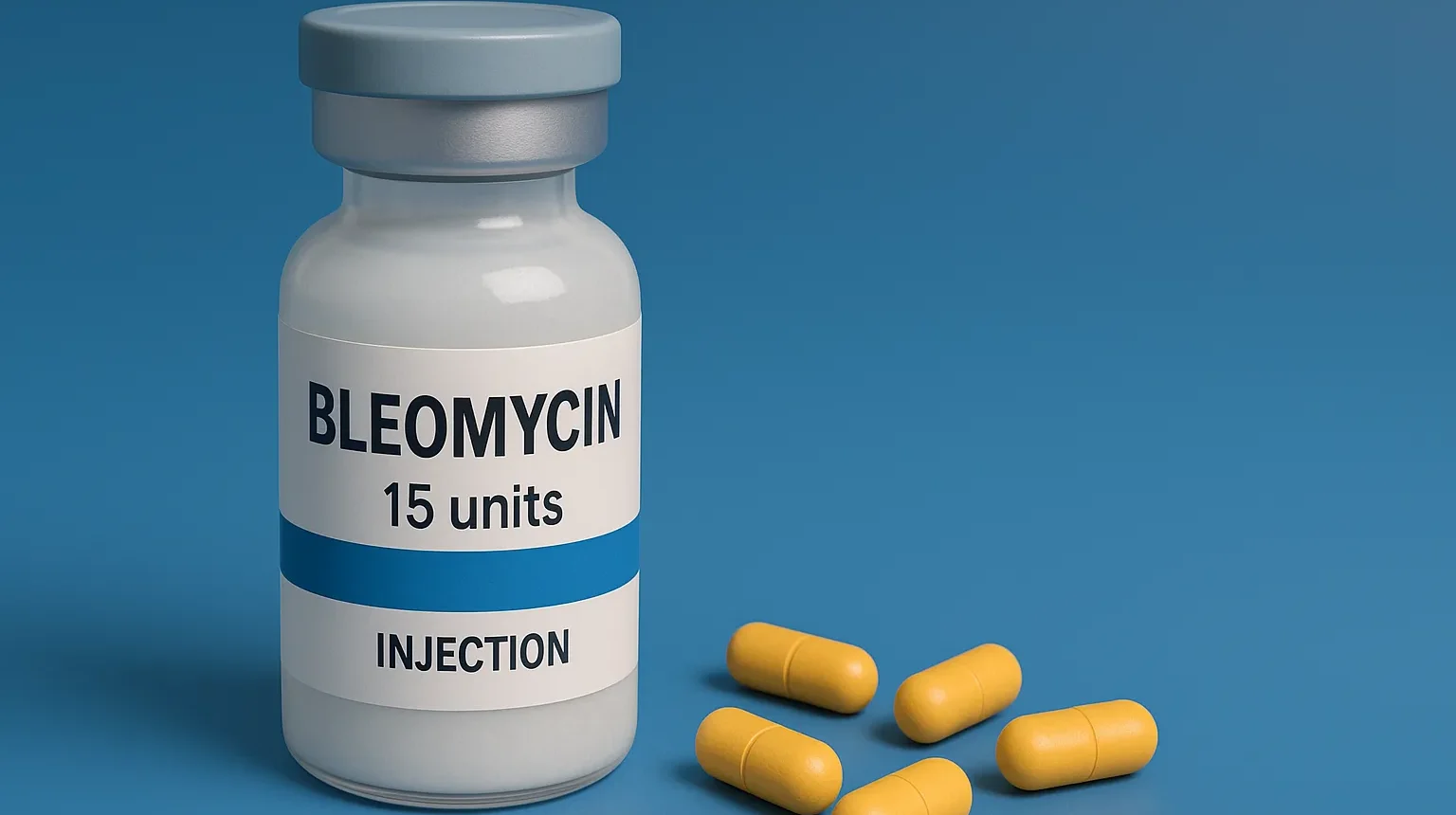
Bleomycin

Bleomycin

Bleomycin is an anti-neoplastic antibiotic used in cancers like Hodgkin’s lymphoma by inducing DNA strand breaks in cancer cells. Structure of Bleomycin It is a glycopeptide antibiotic comprising a metal-binding domain and a bithiazole ring, linked to a glycosidic sugar moiety. Chemical Formula: C₅₇H₇₉N₁₂O₂₉S₆ Mode of Action DNA Scission: Induces single and double-strand breaks in … Read more

Cisplatin

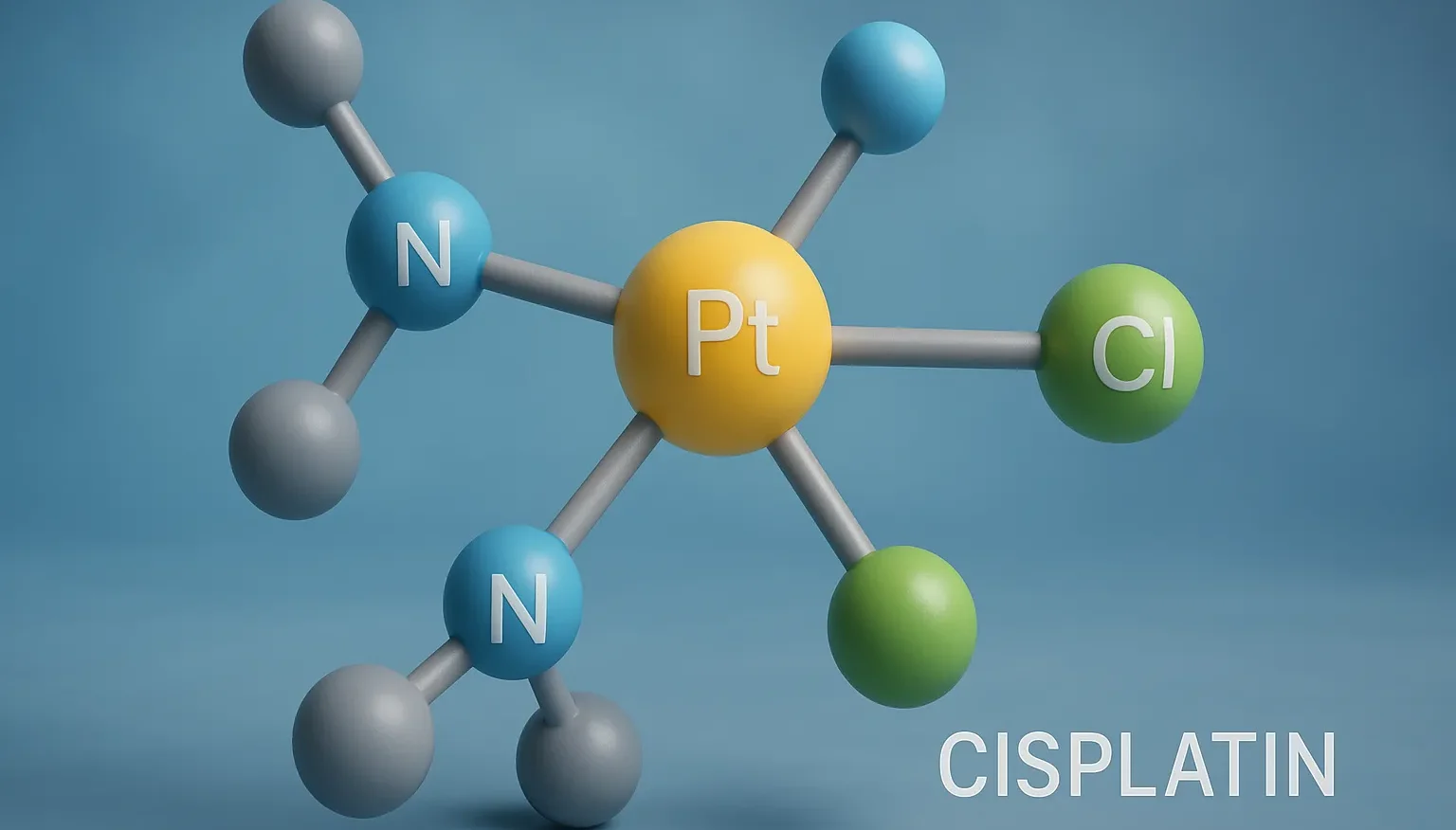
Cisplatin is an anti-neoplastic agent used in various cancers by forming DNA crosslinks, which inhibit replication and trigger cell death. Structure of Cisplatin Cisplatin is a platinum-based chemotherapeutic agent with a square planar geometry, featuring two chloride ligands and two amine groups bound to a central platinum atom. Chemical Formula: C₆H₁₈Cl₂N₄Pt Mode of Action DNA … Read more

Atropine

Atropine

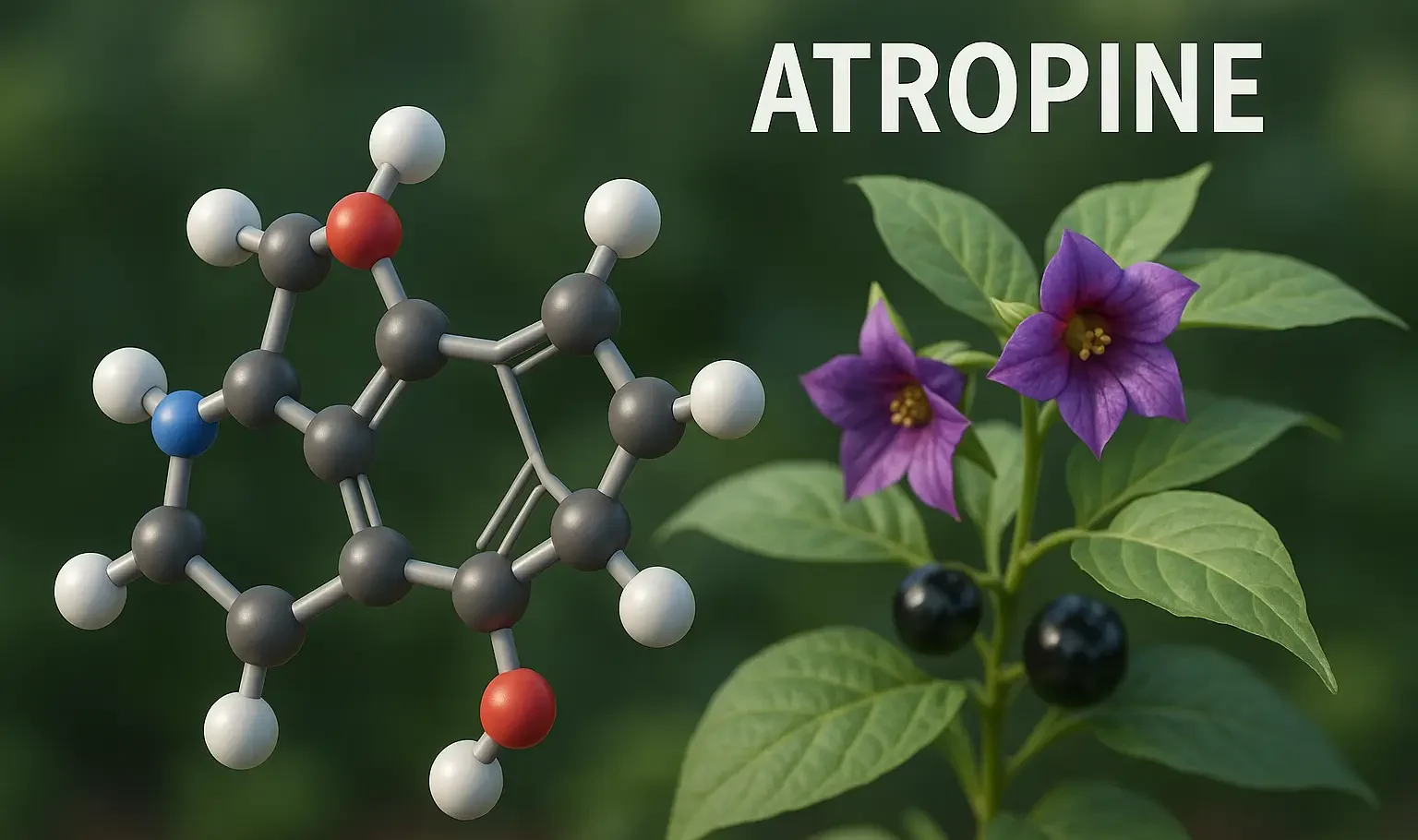
Source and Occurrence of Atropine Atropine is extracted from Atropa belladonna (deadly nightshade), Datura stramonium (jimsonweed), and other Solanaceae family members. It is a tropane alkaloid with potent antimuscarinic properties. Isolation Extraction: Acid-Base Extraction: Acidic Extraction: Plant material is treated with an aqueous acid (e.g., HCl) to convert atropine into its water-soluble salt. Basification: The … Read more