Pterocarpus (Tannins)

Pterocarpus (Tannins)
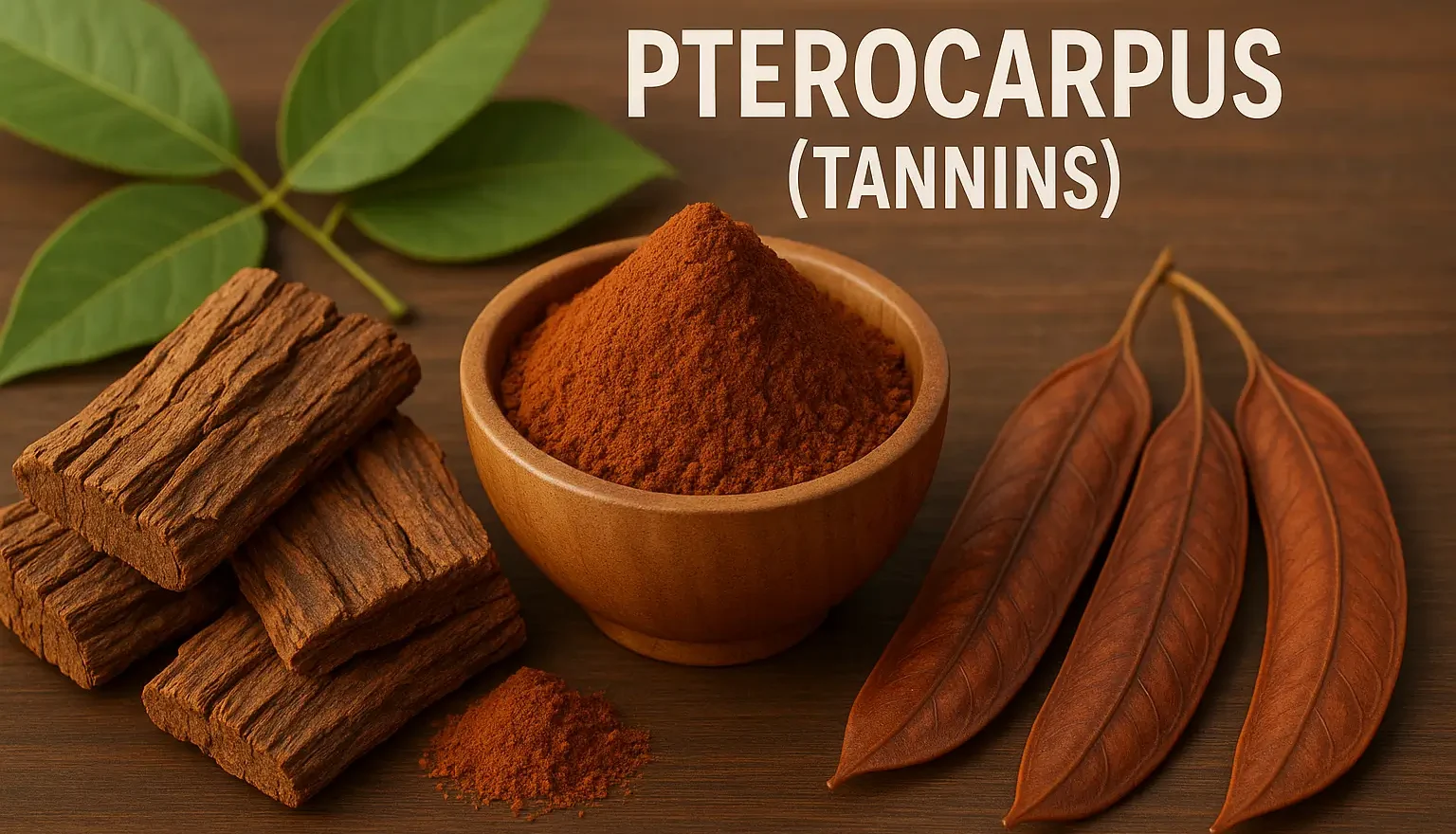
General Introduction to Pterocarpus (Tannins): Pterocarpus, particularly Pterocarpus marsupium, is a rich source of tannin and is traditionally used in the treatment of diabetes, skin diseases, and as an astringent. Synonyms of Pterocarpus (Tannins): Common name: Indian Kino, Malabar Kino Scientific name: Pterocarpus marsupium Synonyms: Vijayasar (Hindi) Biological Source: Obtained from the dried heartwood or … Read more


Pharmacopoeias

Pharmacopoeias

Pharmacopoeias are official reference documents that outline standardized specifications and quality requirements for drugs, their ingredients, and dosage forms. They serve as authoritative resources for pharmaceutical manufacturers, regulatory agencies, pharmacists, and healthcare professionals to ensure the quality, safety, and efficacy of medicines. Key Components of Pharmacopoeias: Monographs: Detailed descriptions of a specific drug substance, product, … Read more

Pharmacy as a career

Pharmacy as a career

Pharmacy as a career is a diverse and rewarding career with numerous opportunities for growth. Pharmacists play a crucial role in healthcare, ensuring the safe and effective use of medicines. Here are key reasons to consider a career in pharmacy: Diverse Career Opportunities for Pharmacy as a career: Pharmacists can work in various settings, including … Read more

Ambenonium Chloride

Ambenonium Chloride

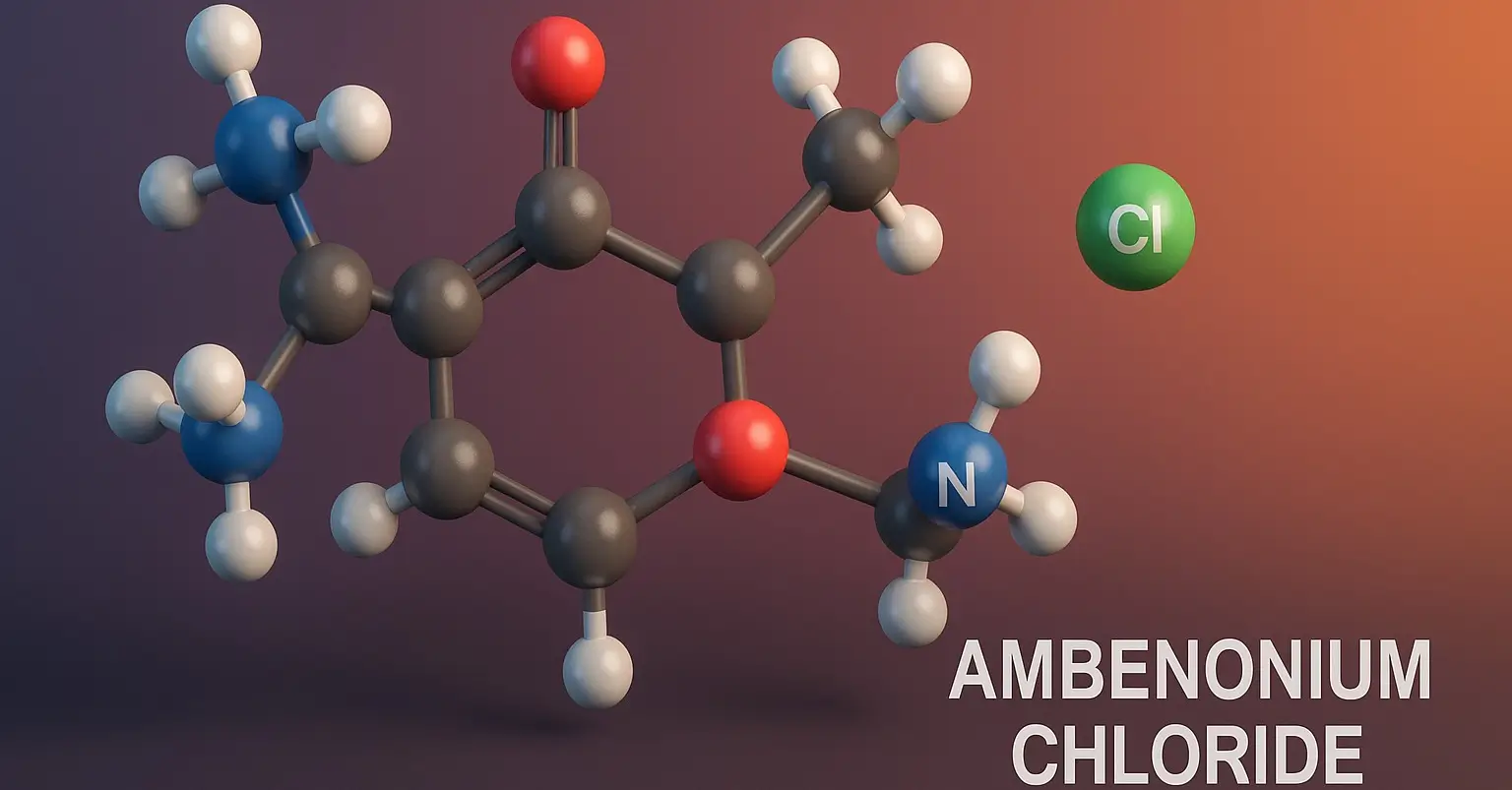
Ambenonium Chloride is a synthetic quaternary ammonium compound classified as a cholinesterase inhibitor. It functions by reversibly inhibiting the enzyme acetylcholinesterase, thereby increasing the concentration of acetylcholine at neuromuscular junctions. Chemical Formula: C₂₀H₂₈Cl₂N₄O₂ Mechanism of Action: Reversible AChE inhibitor Does not cross BBB Uses of Ambenonium Chloride: Myasthenia gravis (alternative to neostigmine/pyridostigmine) Side Effects of … Read more

Tacrine Hydrochloride

Tacrine Hydrochloride

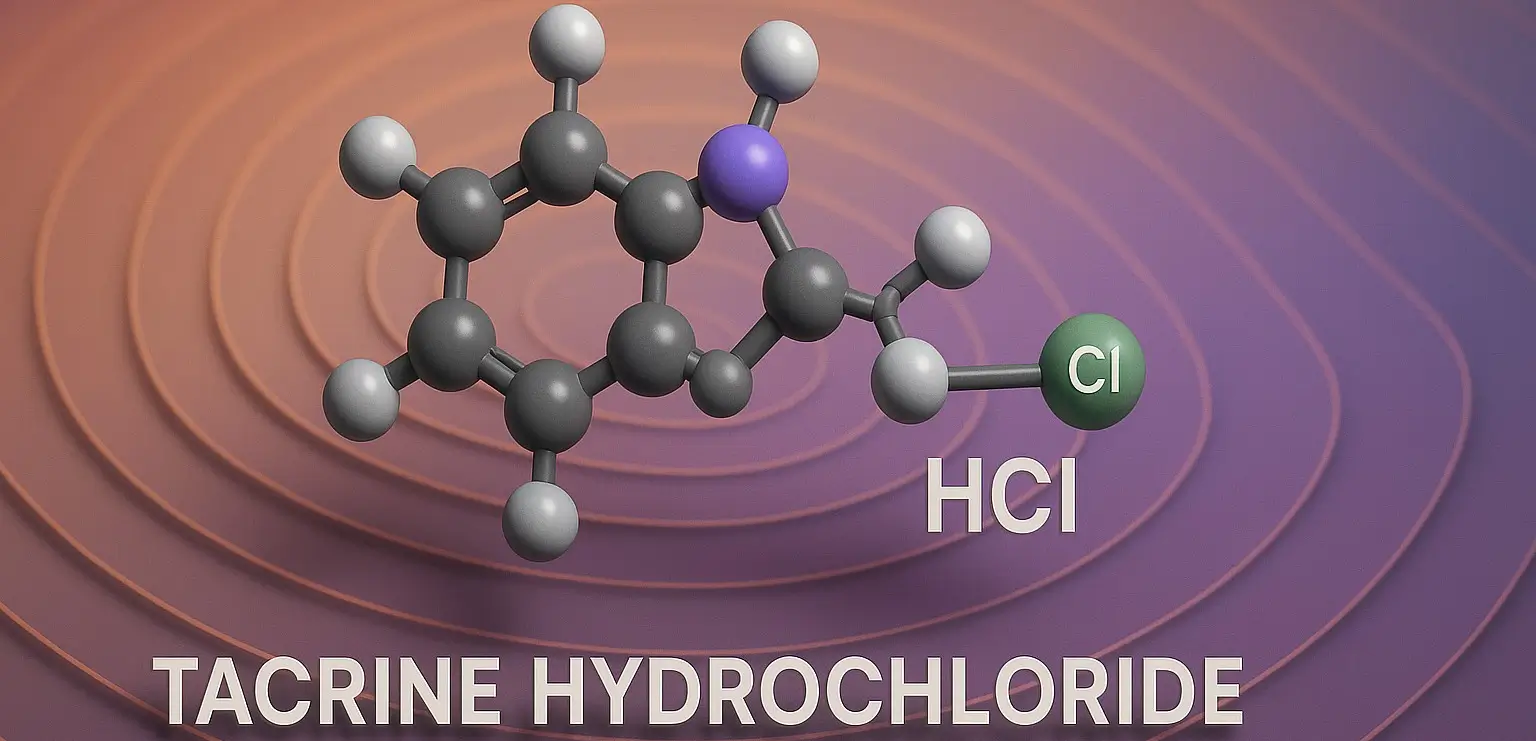
Tacrine Hydrochloride is the hydrochloride salt form of Tacrine, a centrally acting cholinesterase inhibitor. It is primarily used in the management of mild to moderate Alzheimer’s disease to enhance cholinergic transmission in the brain by inhibiting the enzyme acetylcholinesterase. Chemical Formula: C₁₃H₁₄ClN Mechanism of Action: Reversible AChE inhibitor; crosses BBB. Also has NMDA antagonist Uses … Read more

Chlorambucil

Chlorambucil

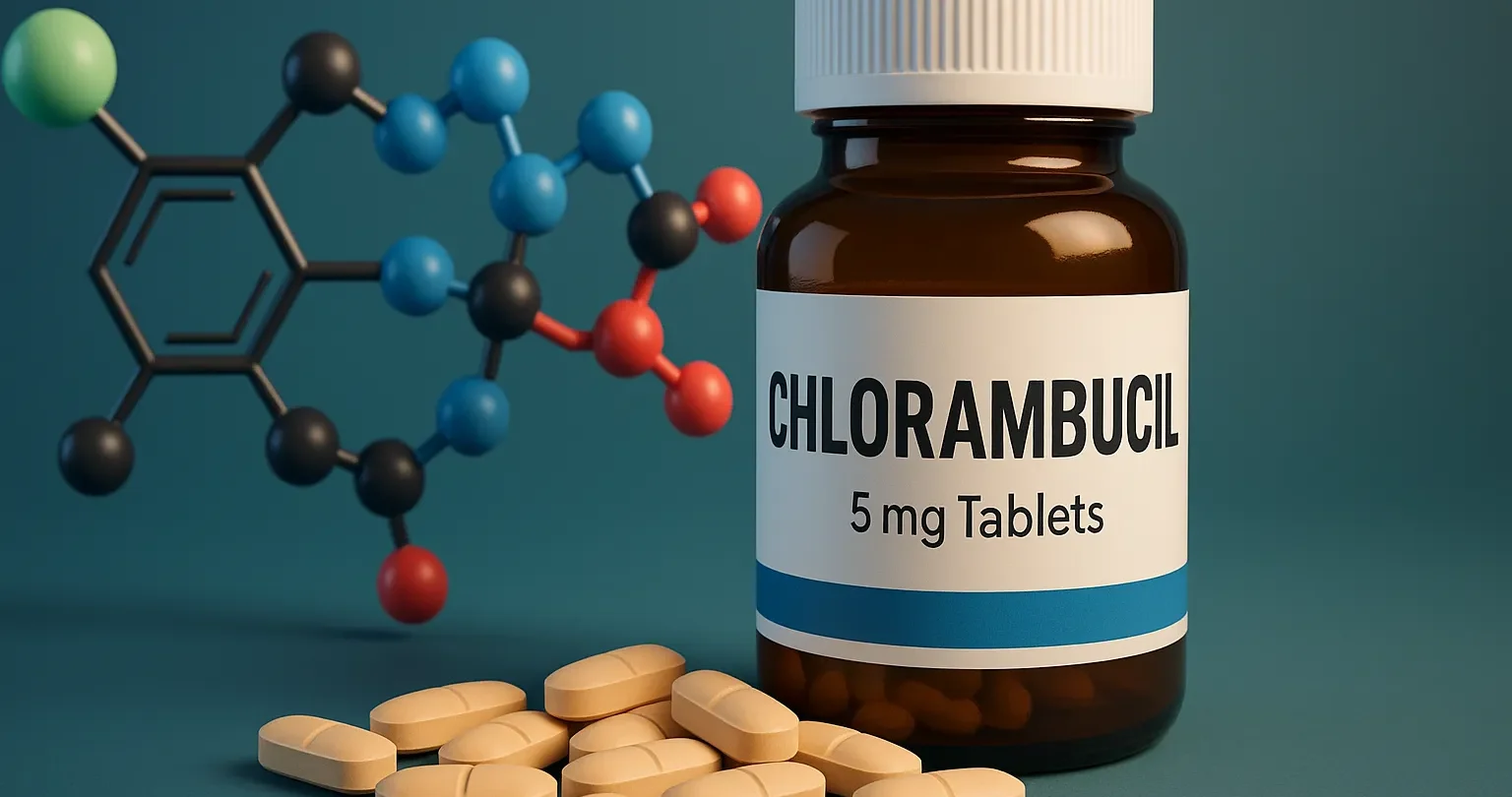
Chlorambucil is an anti-neoplastic alkylating agent used to treat leukemia and lymphomas by interfering with cancer cell DNA replication. Structure of Chlorambucil Chlorambucil is an oral nitrogen mustard alkylating agent with a chlorinated alkyl chain. Chemical Formula: C₁₄H₁₄Cl₂N₂O₂ Mode of Action DNA Crosslinking: Forms covalent bonds with DNA, leading to crosslinks that inhibit DNA replication. … Read more

Edrophonium Chloride

Edrophonium Chloride

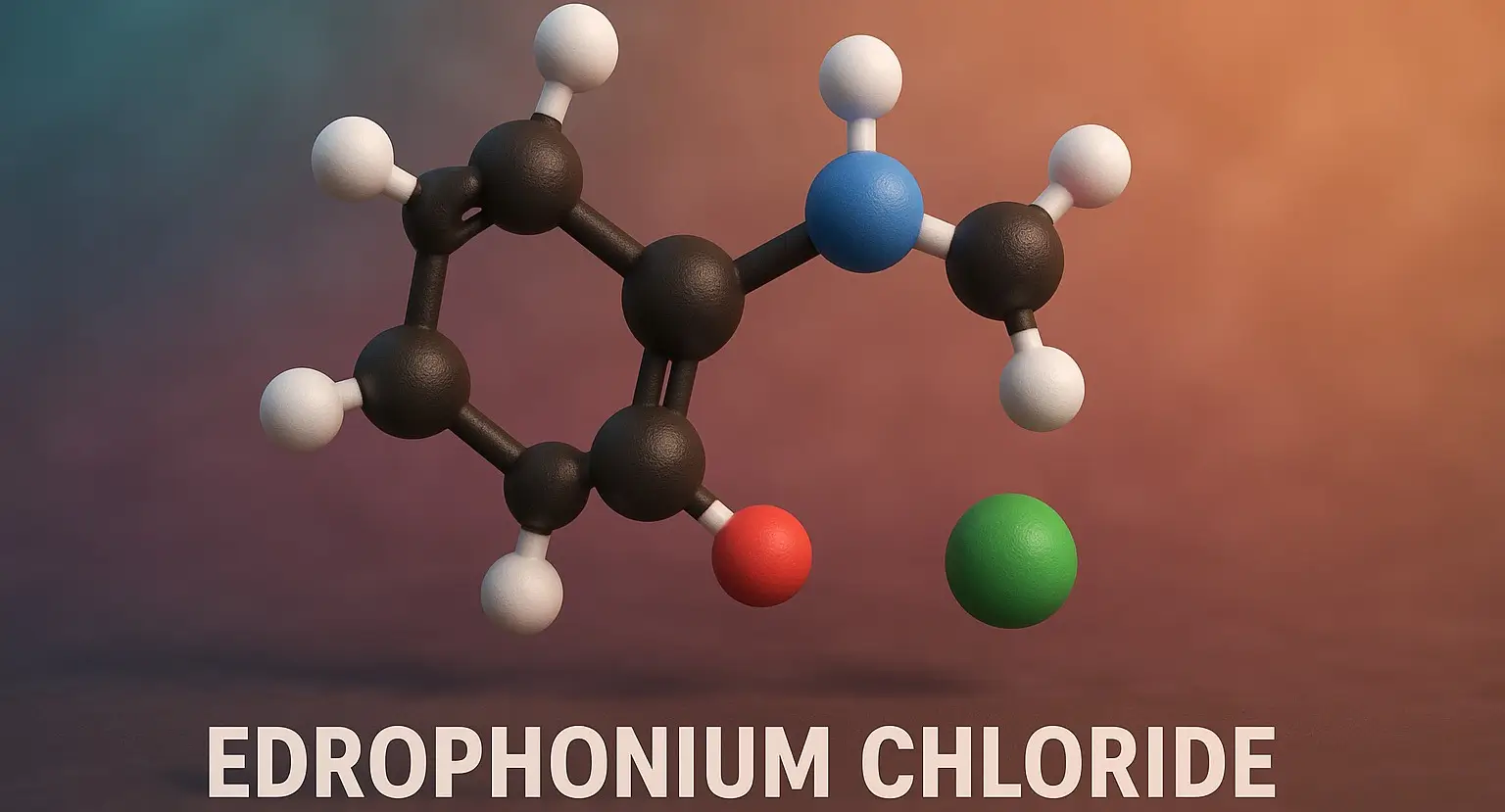
Edrophonium Chloride is a short-acting, quaternary ammonium compound classified as a reversible acetylcholinesterase inhibitor. It temporarily increases acetylcholine levels at neuromuscular junctions by inhibiting the enzyme acetylcholinesterase. Chemical Formula: C₁₀H₁₆ClNO Mechanism of Action: Short-acting reversible AChE inhibitor. Binds via electrostatic + hydrogen bonding, not covalent. Uses of Edrophonium Chloride: Diagnosis of myasthenia gravis (Tensilon test) … Read more

Melphalan

Melphalan

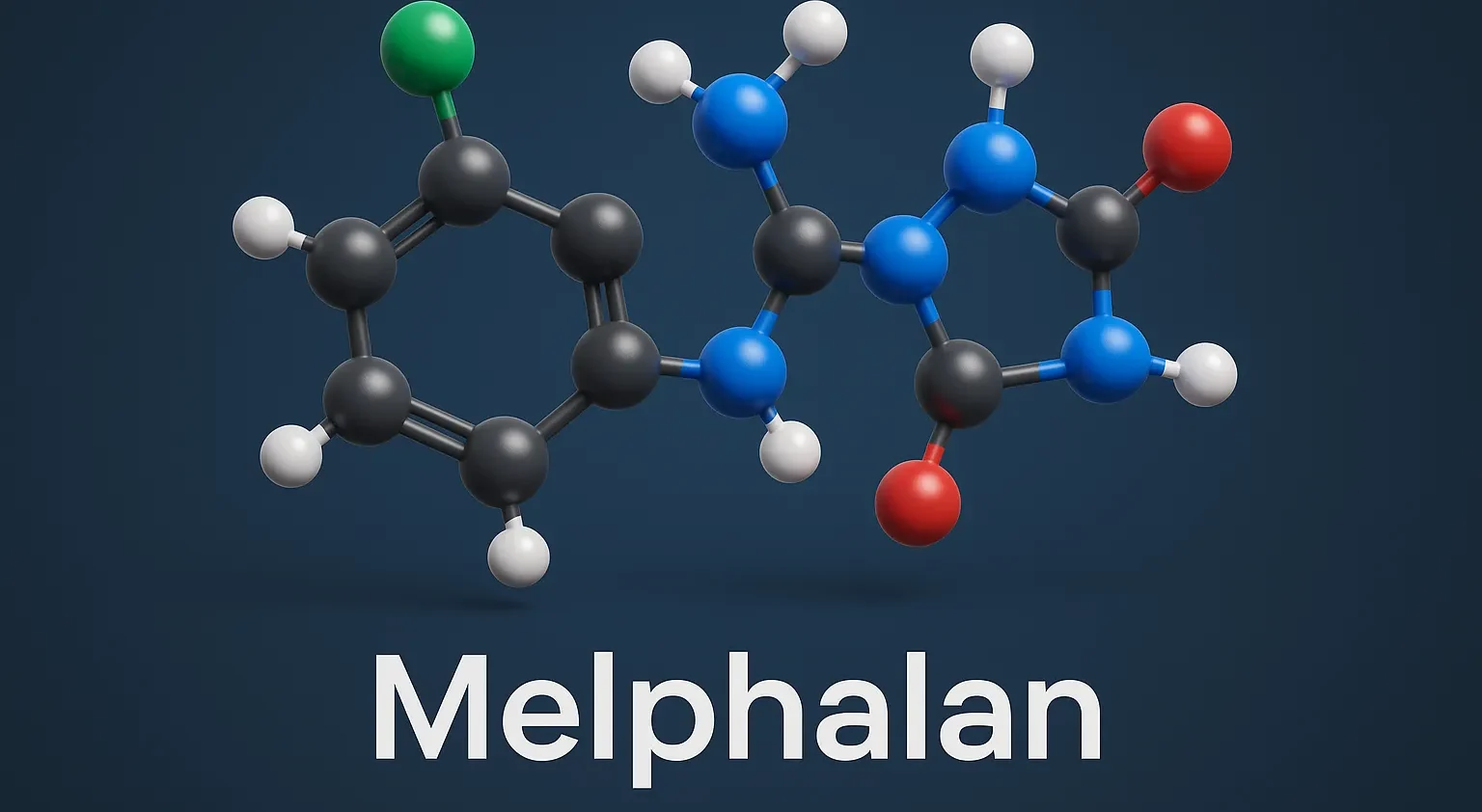
Melphalan, an anti-neoplastic alkylating agent, is used to treat multiple myeloma and ovarian cancer by damaging cancer cell DNA and inhibiting growth. Structure of Melphalan Melphalan is an alkylating agent belonging to the nitrogen mustard family, featuring a phenylalanine moiety. Chemical Formula: C₁₁H₁₄Cl₂N₂O₂ Mode of Action DNA Alkylation: Forms crosslinks with DNA, disrupting DNA synthesis … Read more

Cyclophosphamide

Cyclophosphamide

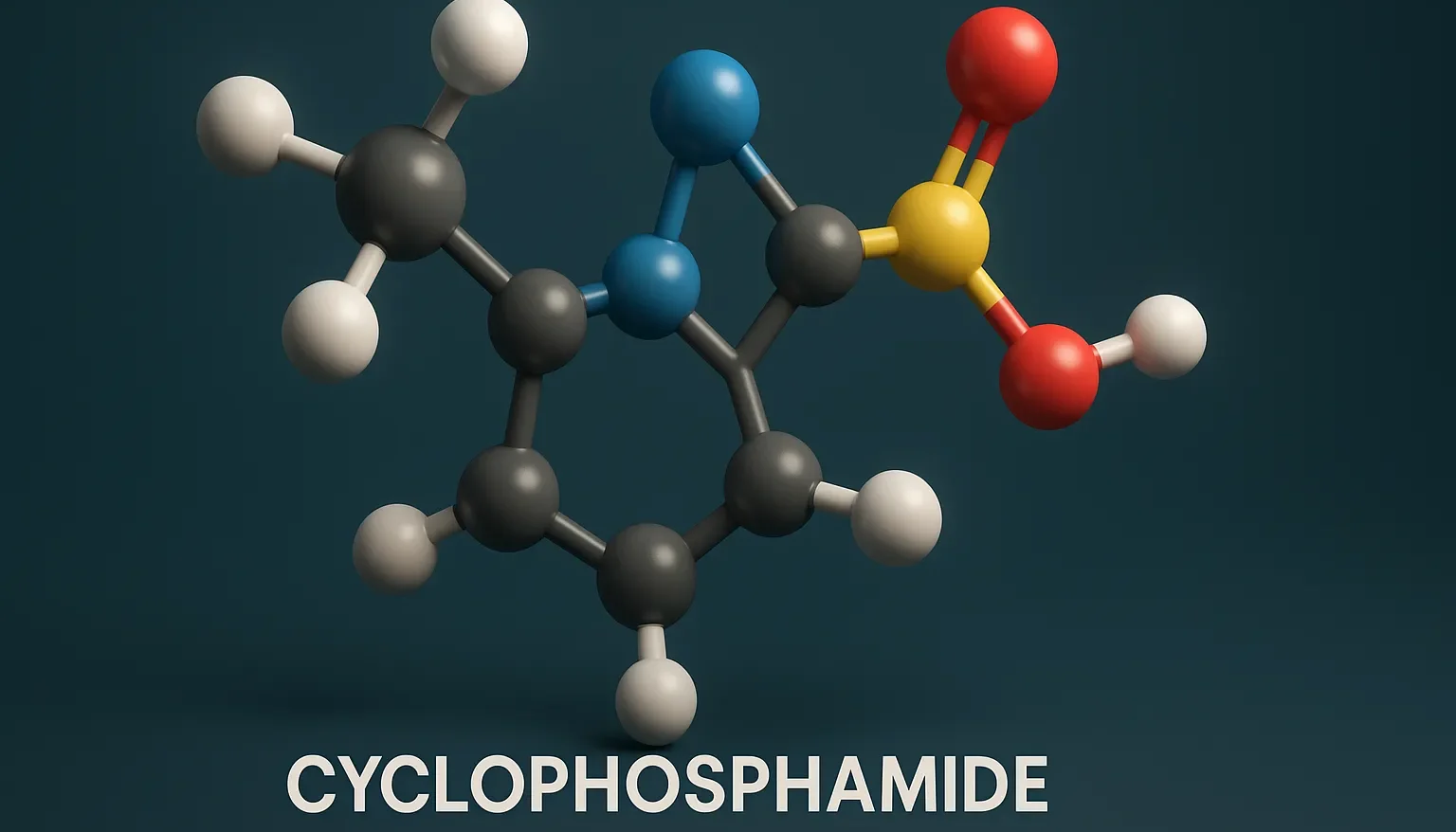
Cyclophosphamide is a widely used alkylating anti-cancer drug that targets DNA to treat lymphomas, leukemias, and solid tumors. Structure of Cyclophosphamide Cyclophosphamide is a prodrug alkylating agent with a nitrogen mustard structure attached to a phosphoramide moiety. Chemical Formula: C₈H₁₅Cl₂N₂O₂P Mode of Action Prodrug Activation: Metabolized in the liver to form active metabolites (phosphoramide mustard … Read more

Meclorethamine

Meclorethamine

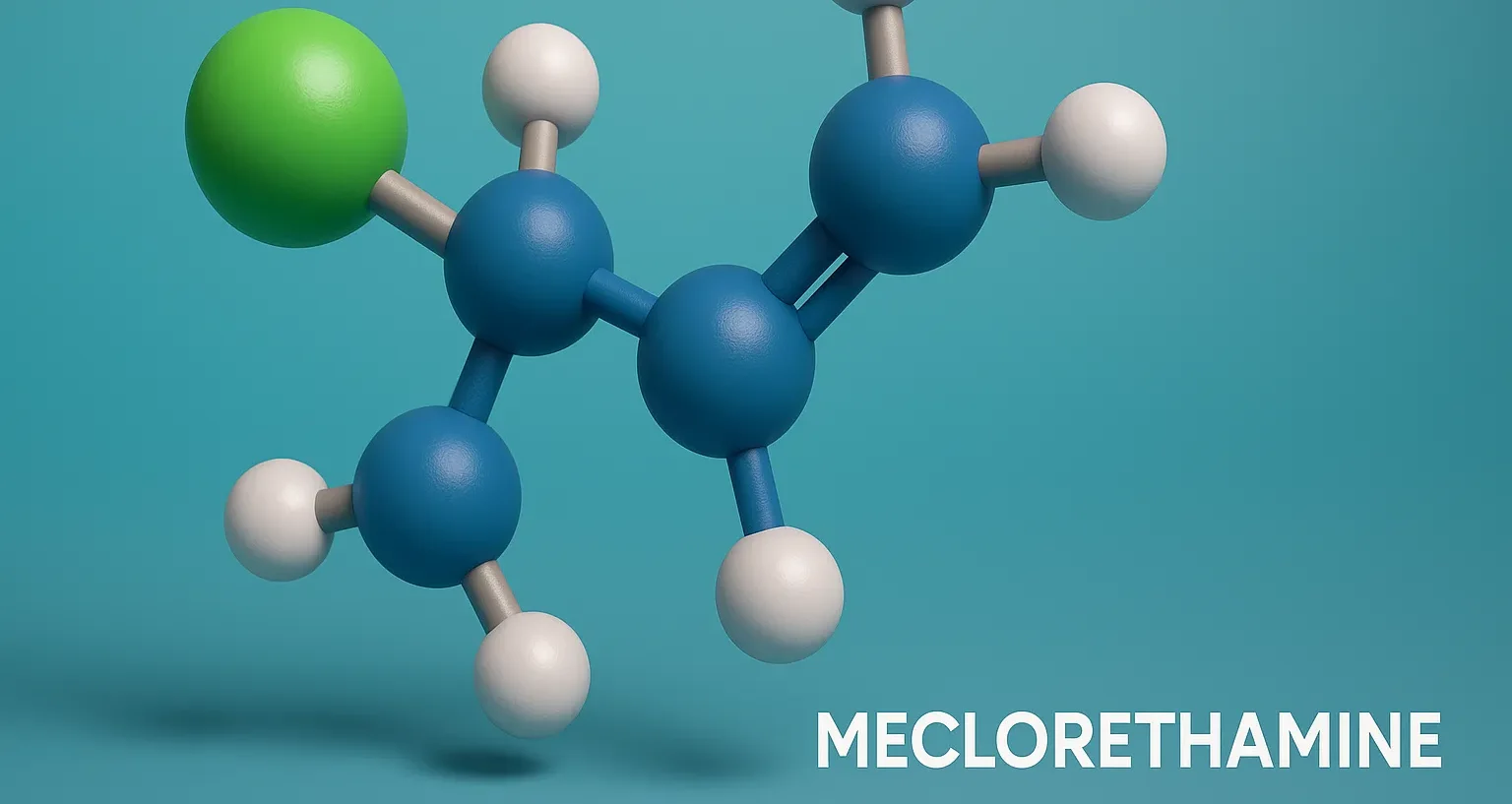
Meclorethamine is an alkylating anti-cancer drug that inhibits DNA replication, used in treating Hodgkin’s lymphoma and other cancers. Structure of Meclorethamine Meclorethamine, also known as nitrogen mustard, is one of the first alkylating agents used in chemotherapy. Its structure comprises: A mustard moiety with two chloroethyl groups attached to a nitrogen atom. Chemical Formula: C₄H₉Cl₂N … Read more