Introduction to Tannins

Tannins

Introduction to Tannins: Polyphenolic compounds found in plants with astringent properties. Introduction to Tannins: Used in leather tanning, medicine, and as antioxidants. Tannins are water-soluble polyphenolic compounds found in many plants that bind and precipitate proteins, offering astringent properties. Structure & Classification: Polyphenolic Nature: High-molecular-weight polyphenolic compounds. Types: Hydrolyzable Tannin: Gallic or ellagic acid esterified … Read more

Opium

Opium

General Introduction of Opium: Opium alkaloids are among the most ancient and widely used natural products, valued for their analgesic, antitussive, and sedative properties. They are primarily derived from the latex of the opium poppy. Synonyms of Opium: Common Name: Poppy alkaloids Scientific Name: Papaver somniferum alkaloids Other Names: Morphine, Codeine, Papaverine alkaloids Biological Source: … Read more

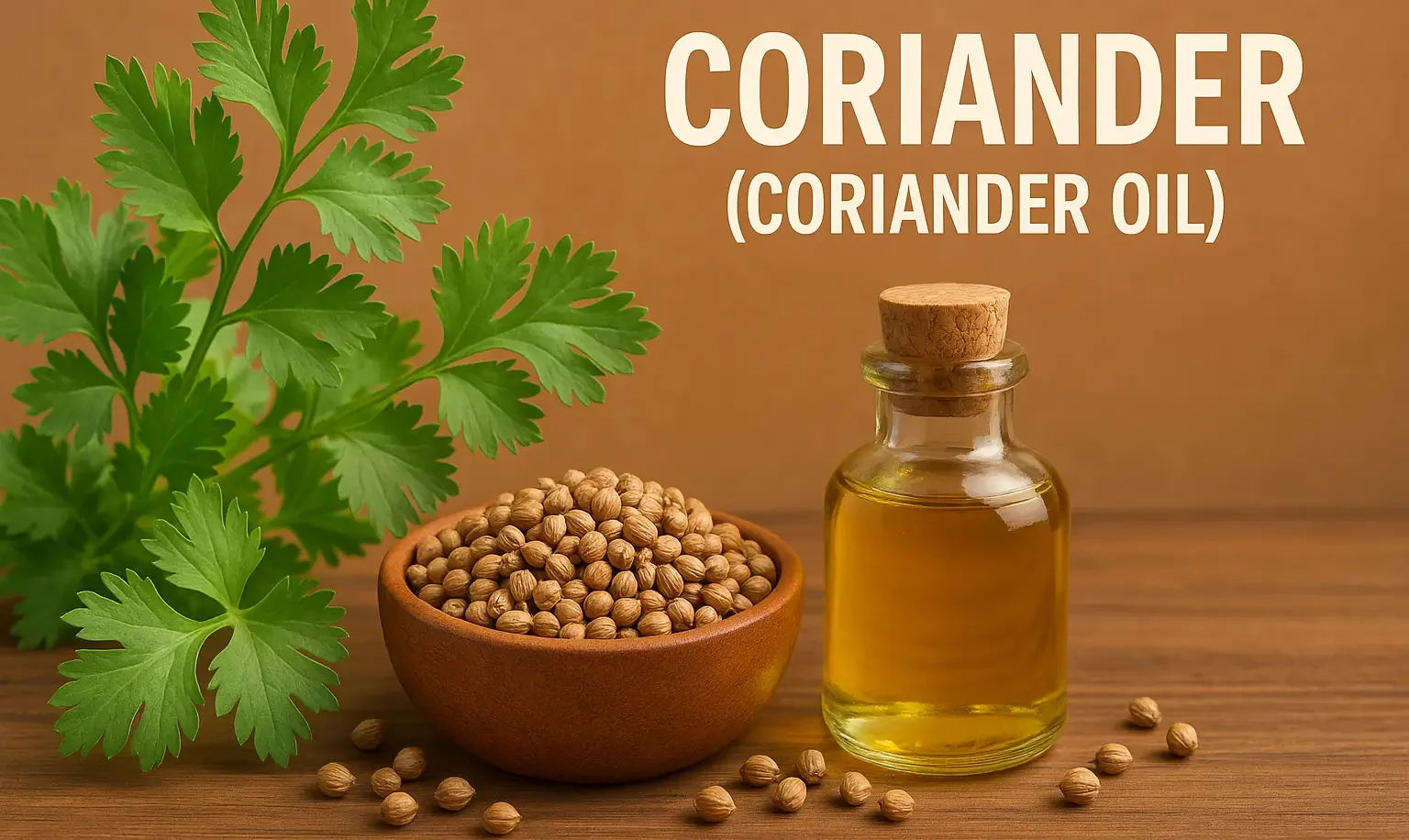
Coriander (Coriander Oil)

Coriander (Coriander Oil)

General Introduction to Coriander (Coriander Oil): Coriander oil is obtained from the seeds of Coriander and is valued for its digestive, antimicrobial, and anti-inflammatory properties. It is also a popular flavoring agent. Synonyms of Coriander: Common name: Coriander Scientific name: Coriandrum sativum Synonyms: Dhania (Hindi) Biological Source: Volatile oil is obtained from the dried fruits … Read more

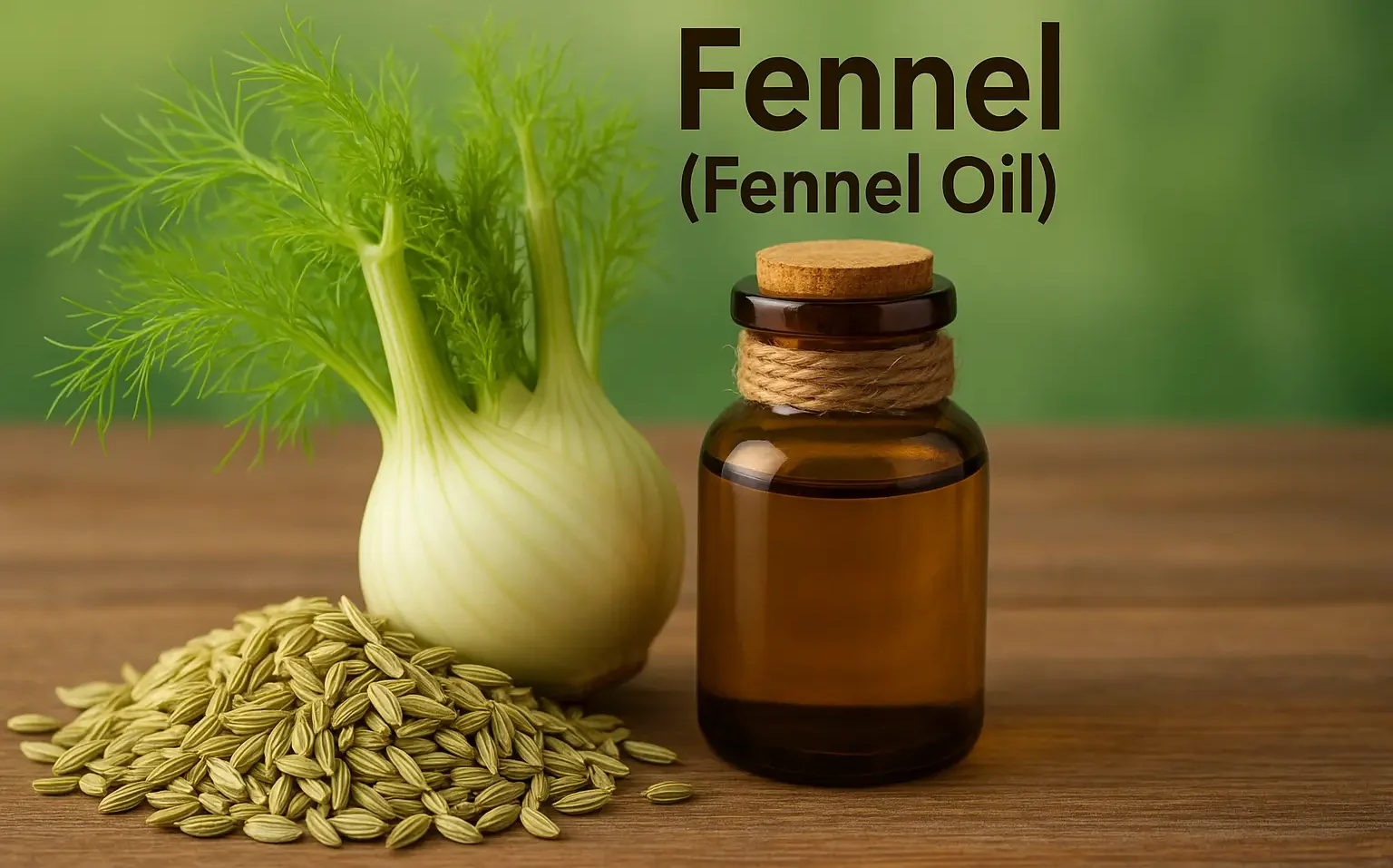
Fennel (Fennel Oil)

Fennel (Fennel Oil)

General Introduction to Fennel (Fennel Oil): Fennel oil is derived from the seeds of fennel and is known for its aromatic, carminative, and galactagogue properties. It is commonly used in treating digestive disorders and as a flavoring agent. Synonyms of Fennel (Fennel Oil): Common name: Fennel Scientific name: Foeniculum vulgare Synonyms: Saunf (Hindi) Biological Source: … Read more

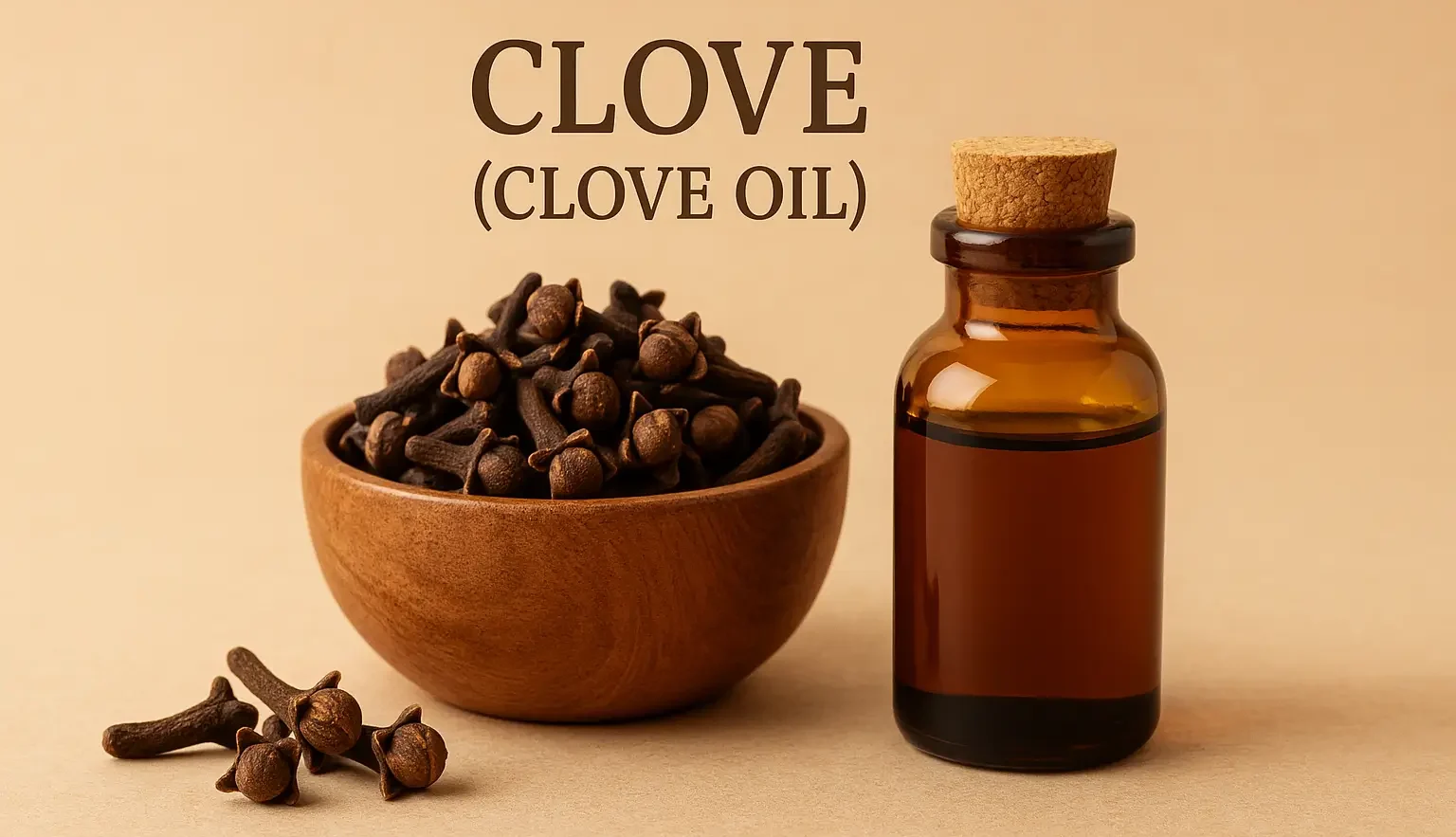
Clove (Clove Oil)

Clove (Clove Oil)

General Introduction to Clove (Clove Oil): Clove oil is a volatile oil known for its powerful antiseptic, analgesic, and aromatic properties. It is primarily used in dentistry for toothache relief and in traditional medicine as an antimicrobial agent. Synonyms of Clove: Common name: Clove Scientific name: Syzygium aromaticum (formerly Eugenia caryophyllus) Synonyms: Laung (Hindi) Biological … Read more

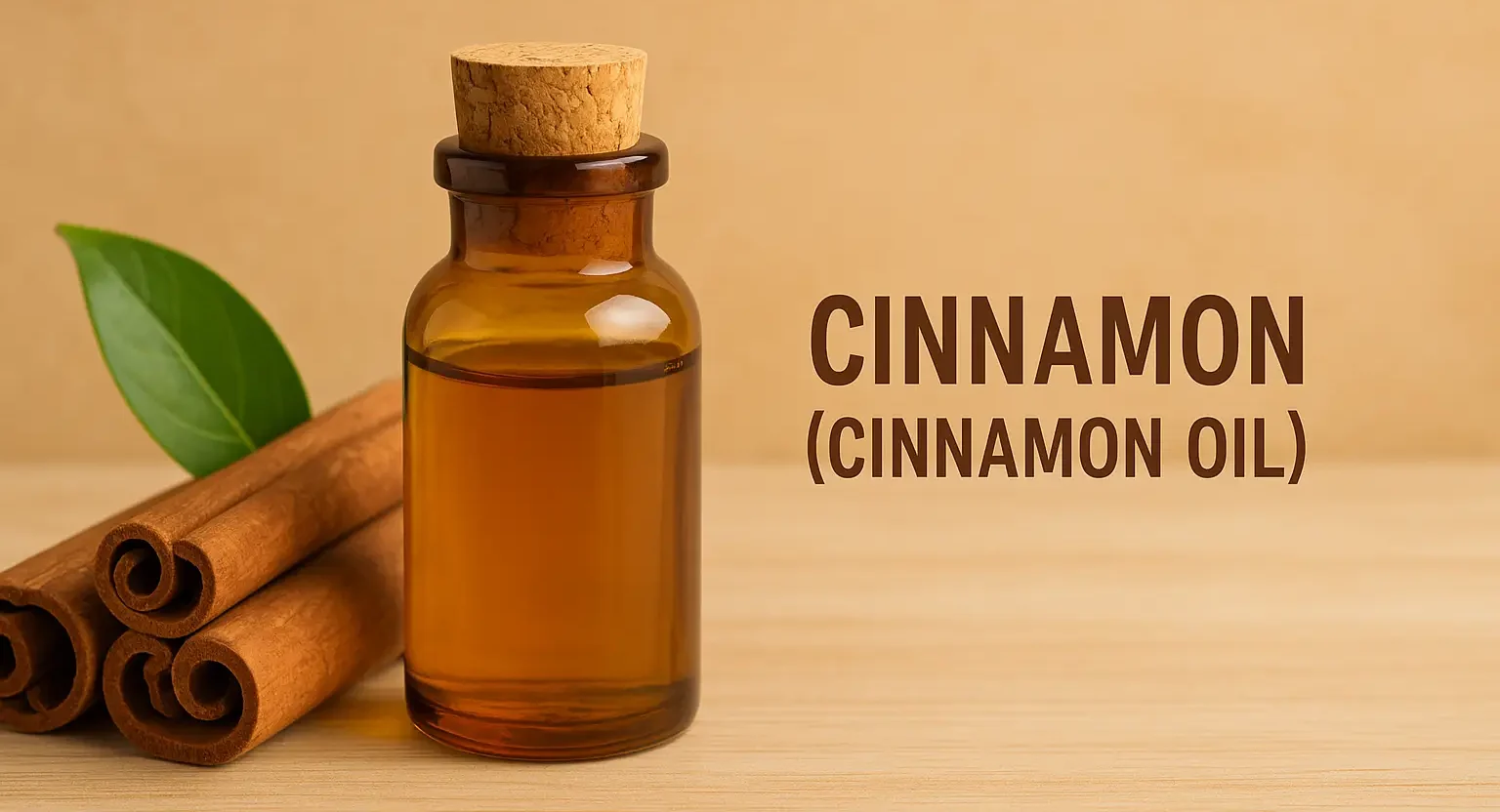
Cinnamon (Cinnamon Oil)

Cinnamon (Cinnamon Oil)

General Introduction to Cinnamon (Cinnamon Oil): A fragrant spice derived from the inner bark of Cinnamomum trees, known for its warm, sweet flavor and aromatic qualities. It is valued for its warming, antimicrobial, and antifungal properties, as well as its use as a flavoring agent. Synonyms of Cinnamon (Cinnamon Oil): Common name: Cinnamon Scientific name: … Read more

Pantoprazole

Pantoprazole

Pantoprazole, a powerful gastric proton pump inhibitor, helps treat GERD, erosive esophagitis, and stomach ulcers by reducing acid production. Structure of Pantoprazole It is a benzimidazole derivative characterized by a pyridine ring fused to a benzimidazole structure, containing a sulfoxide group and a pyridine-containing side chain. Chemical Formula: C₁₈H₁₉N₃O₄S Mode of Action Pantoprazole acts as … Read more

Rabeprazole

Rabeprazole

Rabeprazole, a potent gastric proton pump inhibitor, reduces stomach acid to treat GERD, peptic ulcers, and acid-related disorders. Structure of Rabeprazole It is a benzimidazole derivative with a pyridine ring fused to a benzimidazole core, containing a sulfone group and an ethoxy methyl group. Chemical Formula: C₁₈H₂₀N₄O₅S Mode of Action Rabeprazole functions as a proton … Read more

Lansoprazole

Lansoprazole

Lansoprazole, a gastric proton pump inhibitor, effectively reduces stomach acid to treat GERD, ulcers, and acid reflux symptoms. Structure of Lansoprazole It is a benzimidazole derivative similar to Omeprazole, featuring a pyridine ring fused to a benzimidazole core, a sulfoxide group, and an ethoxy group. Chemical Formula: C₁₆H₁₈F₂N₃O₂S Mode of Action Lansoprazole acts as a … Read more

Omeprazole

Omeprazole

Omeprazole is a proton pump inhibitor (PPI) used to treat acid reflux, ulcers, and GERD by blocking gastric acid production. Structure of Omeprazole It is a benzimidazole derivative characterized by a pyridine ring fused to a benzimidazole structure with a sulfoxide group and a methoxy group. Chemical Formula: C₁₉H₁₉N₃O₃S Mode of Action Omeprazole is a … Read more