
Tolazoline

Tolazoline

Tolazoline is a vasodilator drug primarily used to treat peripheral vascular diseases and sometimes as an antidote for vasoconstrictor overdoses, such as in cases of ergot poisoning or severe hypertension due to vasoconstrictive agents. It works by blocking alpha-adrenergic receptors, leading to relaxation of blood vessels and improved blood flow. Chemical Structure & Formula: Tolazoline … Read more
Beta Adrenergic Blockers

Beta Adrenergic Blockers

Beta Adrenergic Blockers inhibit the stimulation of beta-adrenergic receptors (β1 and β2), leading to decreased heart rate, cardiac output, and oxygen demand. Beta Adrenergic Blockers are commonly used for hypertension, angina, heart failure, arrhythmias, and anxiety disorders. Structure-Activity Relationship (SAR) of Beta Blockers The SAR of beta blockers is important for understanding their pharmacological properties: Aromatic … Read more

Alpha Adrenergic Blockers

Alpha Adrenergic Blockers

Alpha Adrenergic Blockers inhibit the activation of alpha-adrenergic receptors (α1 and α2), leading to vasodilation and decreased blood pressure. These drugs are commonly used for Alpha Adrenergic Blockers conditions such as hypertension, pheochromocytoma, and benign prostatic hyperplasia (BPH). Classification: Alpha blockers are classified into non-selective and selective types: Non-Selective (α1 and α2 blockers) These block … Read more

Adrenergic Antagonists

Adrenergic Antagonists

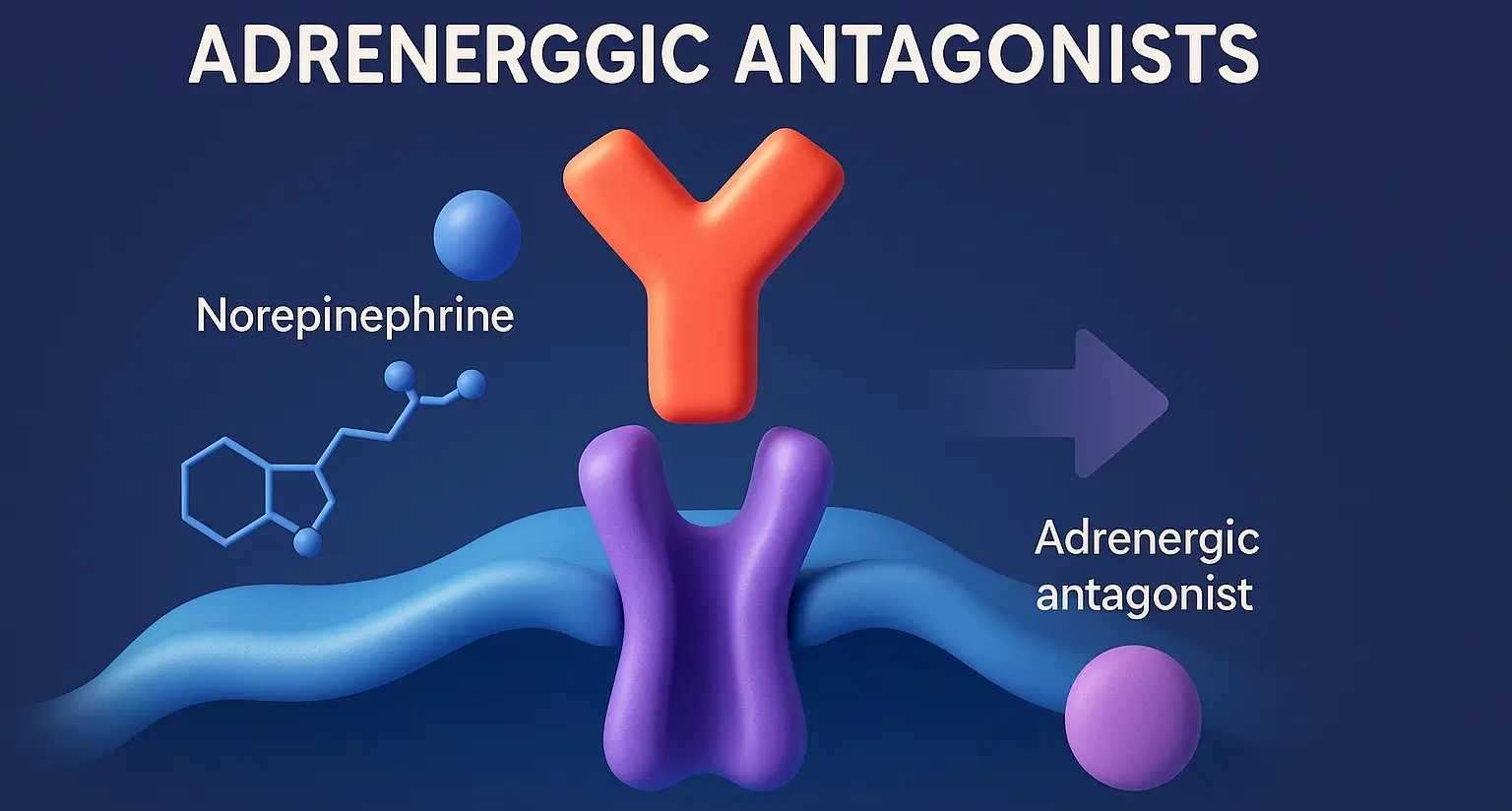
Adrenergic antagonists (also called adrenergic blockers or adrenolytics) are agents that bind to adrenergic (adrenaline/noradrenaline) receptors but do not activate them. By blocking these receptors, they inhibit the sympathetic (adrenergic) nervous system’s actions. Classification of Adrenergic Antagonists They are broadly divided based on the types of adrenergic receptors they block: Alpha-adrenergic blockers (or α-blockers) Beta-adrenergic … Read more

Metaraminol

Metaraminol

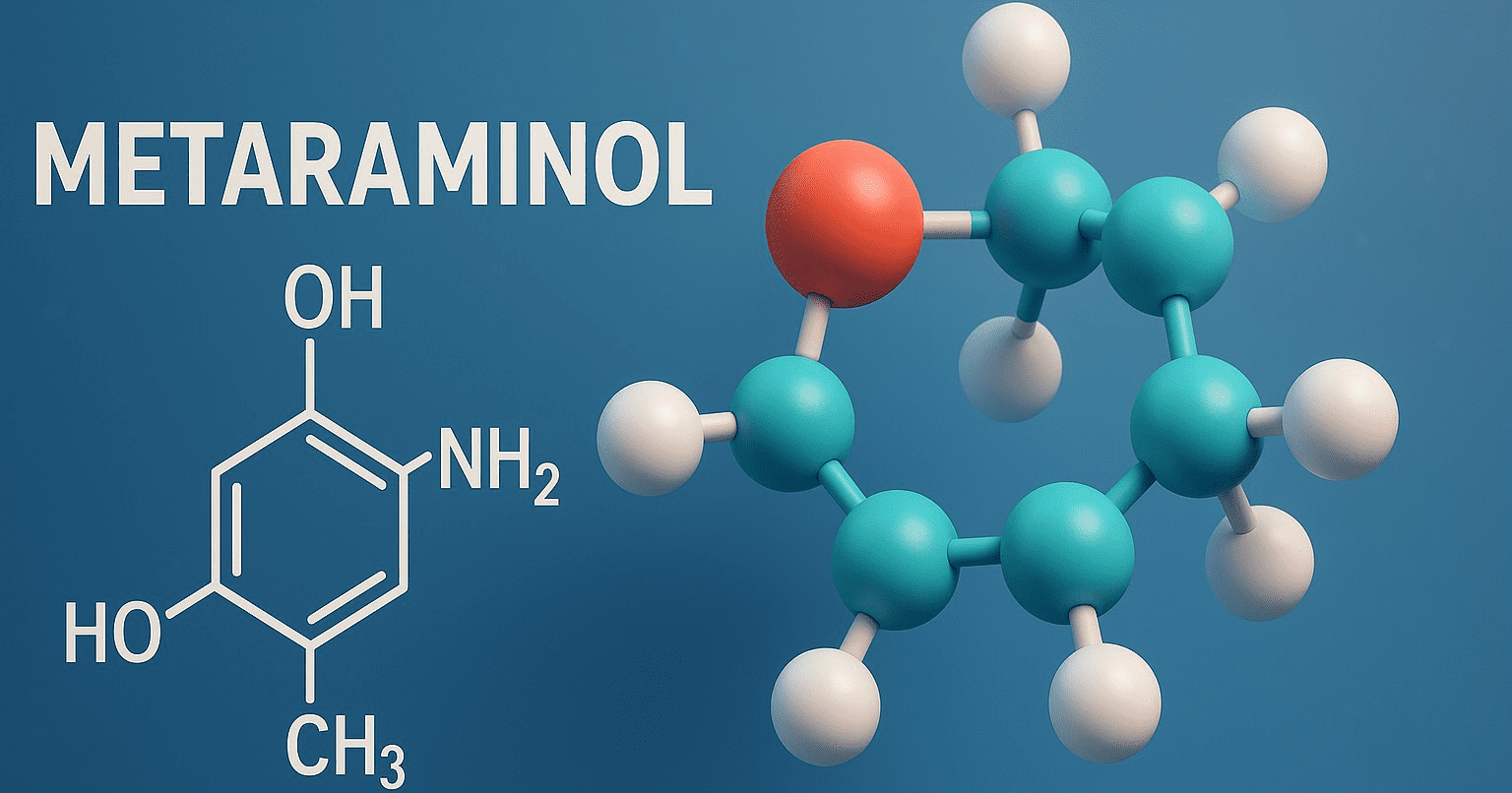
Metaraminol is a sympathomimetic agent primarily used to treat acute hypotension (low blood pressure), especially during anesthesia or shock. It works by stimulating alpha-adrenergic receptors, leading to vasoconstriction (narrowing of blood vessels), which increases blood pressure. Chemical Structure & Formula Chemical Formula: C₉H₁₃NO₂ Structure:   Mechanism of Action (Detailed) Directly stimulates α1 receptors → Vasoconstriction … Read more

Ephedrine

Ephedrine

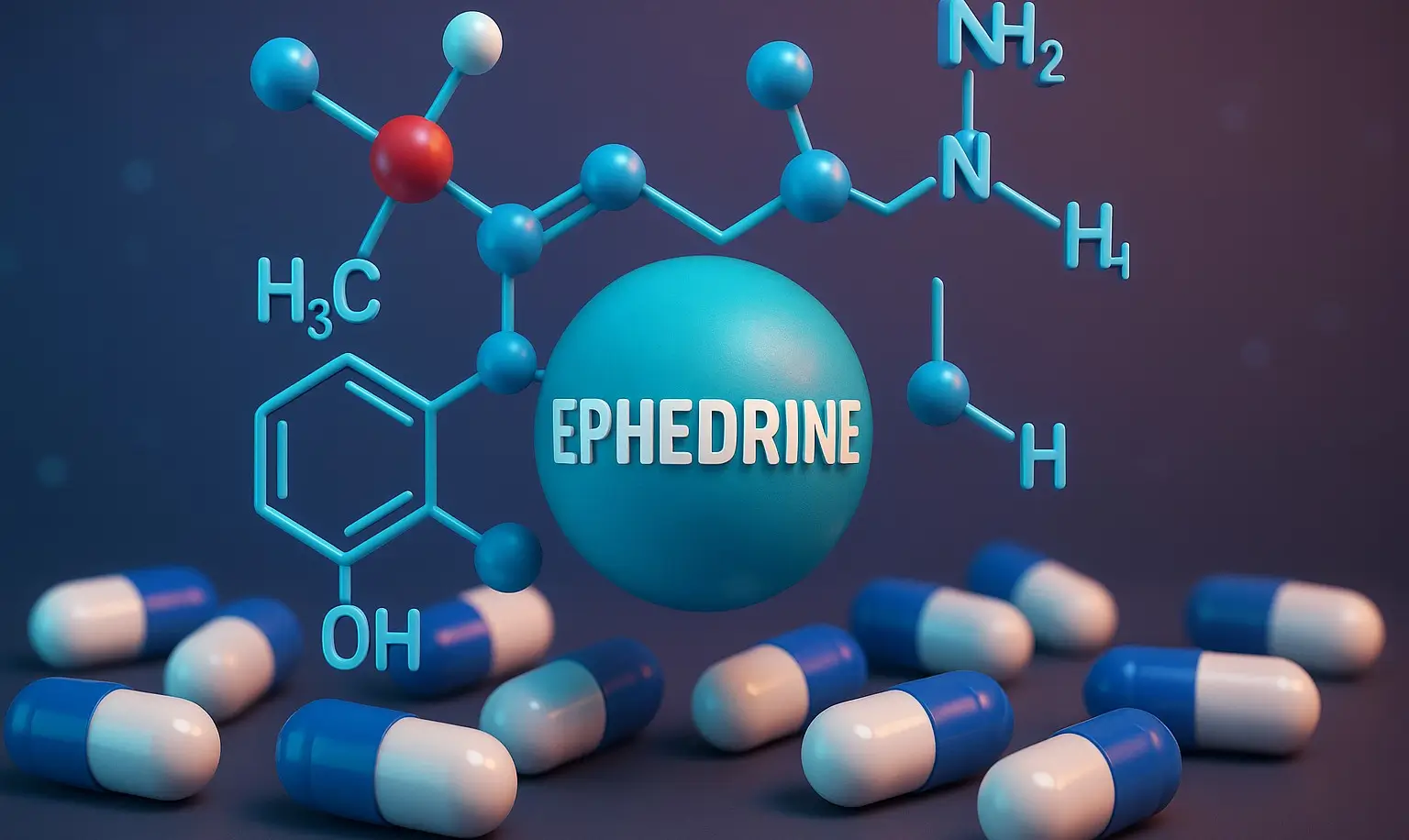
Ephedrine is a naturally occurring alkaloid and stimulant derived from the plant Ephedra. It acts as both a sympathomimetic agent and bronchodilator, stimulating the central nervous system by increasing the activity of norepinephrine. Medically, ephedrine is used to treat conditions such as hypotension, nasal congestion, and bronchospasm in asthma. Chemical Structure & Formula Chemical Formula: … Read more

Propylhexedrine

Propylhexedrine

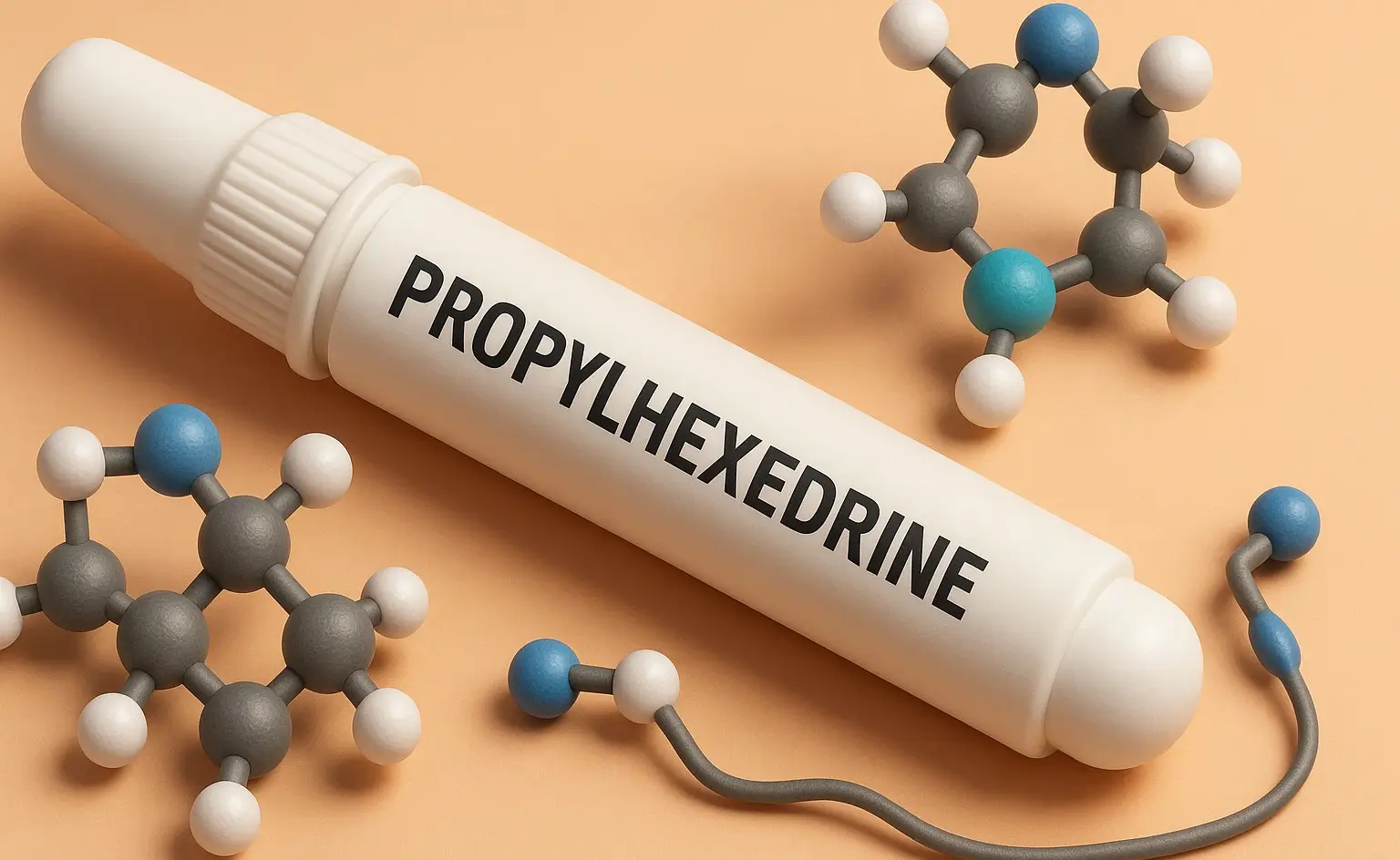
Propylhexedrine is a synthetic stimulant drug primarily used as a nasal decongestant. It is structurally related to amphetamines and works by constricting blood vessels in the nasal passages, which reduces swelling and congestion. Chemical Structure & Formula Chemical Formula: C₁₀H₁₅N Structure: Mechanism of Action (Detailed) Increases norepinephrine release from presynaptic nerve terminals. Mild dopamine release … Read more

Pseudoephedrine

Pseudoephedrine

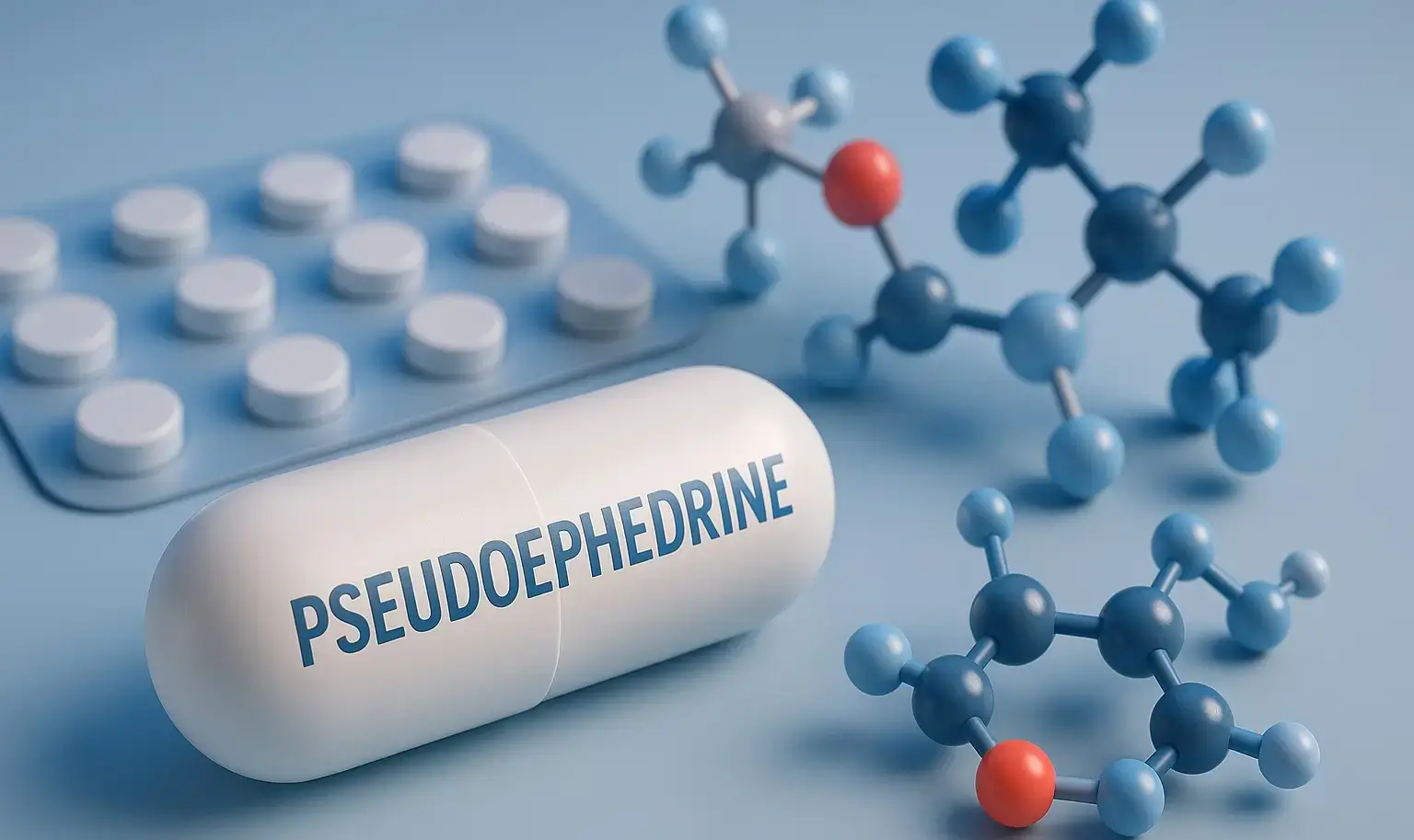
Pseudoephedrine is a sympathomimetic drug commonly used as a nasal decongestant. It works by constricting blood vessels in the nasal passages, which reduces swelling and congestion. Chemically related to ephedrine, pseudoephedrine is often found in over-the-counter cold and allergy medications. Chemical Structure & Formula Chemical Formula: C₁₀H₁₅NO Structure: Mechanism of Action (Detailed) Indirectly increases norepinephrine … Read more

Hydroxyamphetamine

Hydroxyamphetamine

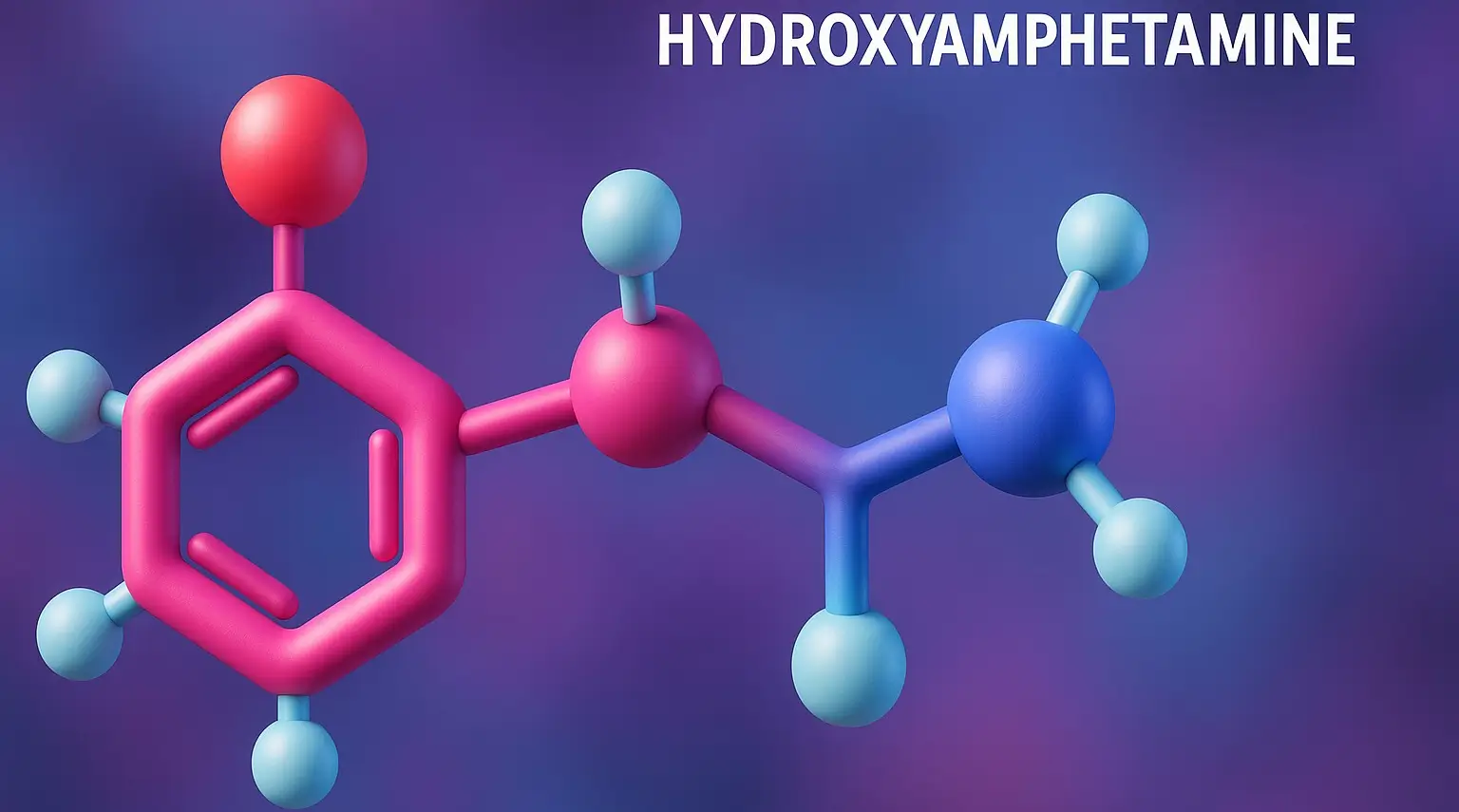
Hydroxyamphetamine is a pharmacological agent that stimulates the release of norepinephrine from nerve endings, leading to pupil dilation (mydriasis). It is commonly used in combination with tropicamide (as in the formulation Paremyd) to differentiate between preganglionic and postganglionic lesions in Horner’s syndrome. Chemical Structure & Formula Chemical Formula: C₉H₁₃NO Structure: Mechanism of Action (Detailed) Increases … Read more

Triphelenamine Hydrochloride

Triphelenamine Hydrochloride

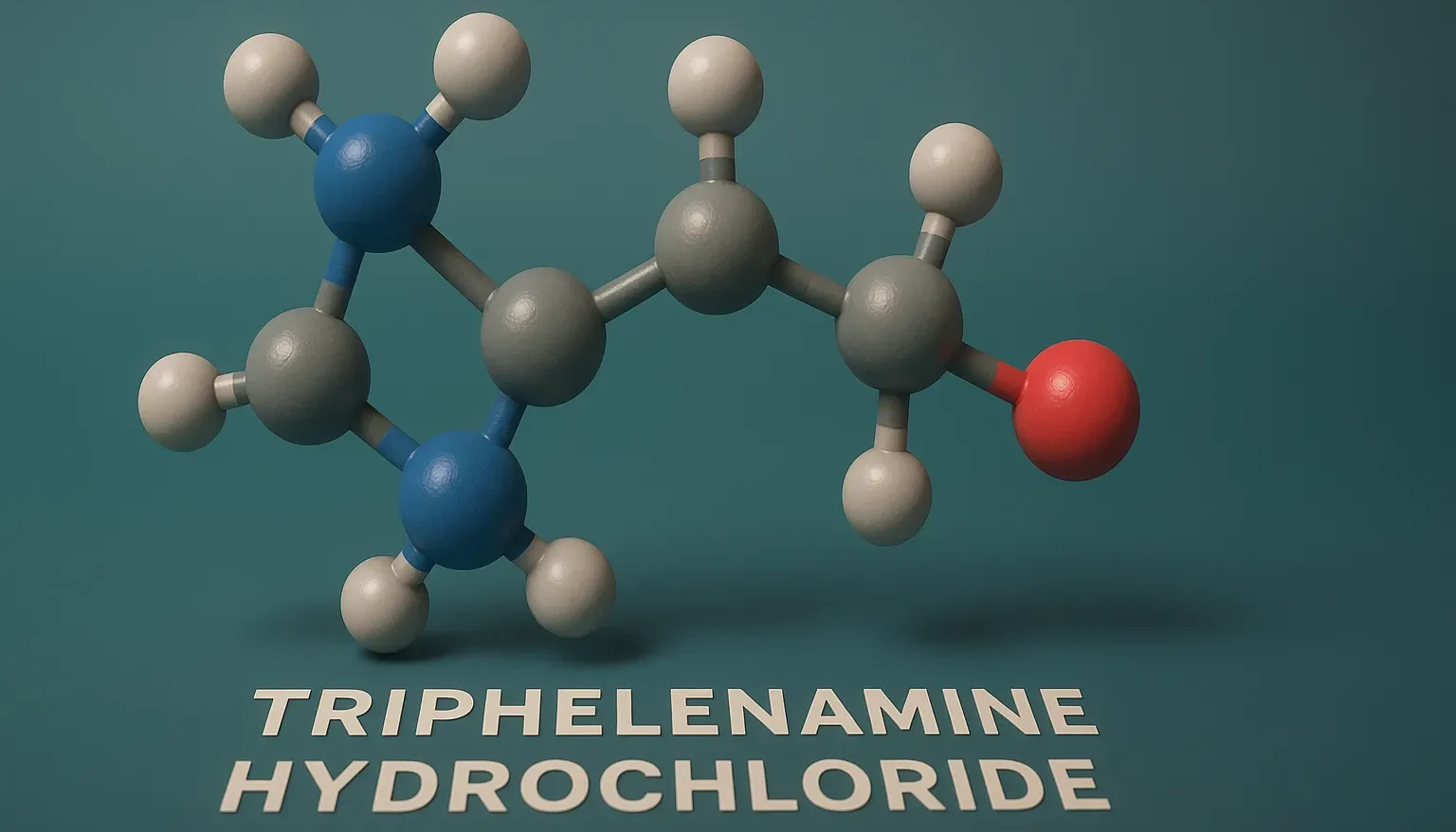
Triphelenamine Hydrochloride is a first-generation antihistamine known for its effectiveness in treating allergic conditions such as rhinitis, urticaria, and cold symptoms. Structure of Triphelenamine Hydrochloride Triphelenamine features a tricyclic structure with three benzene rings fused together, connected to an ethylamine side chain. The hydrochloride salt enhances solubility. Chemical Formula: C₁₄H₁₈N·HCl Mode of Action Blocks peripheral … Read more