Ophthalmic Preparations

Ophthalmic Preparations
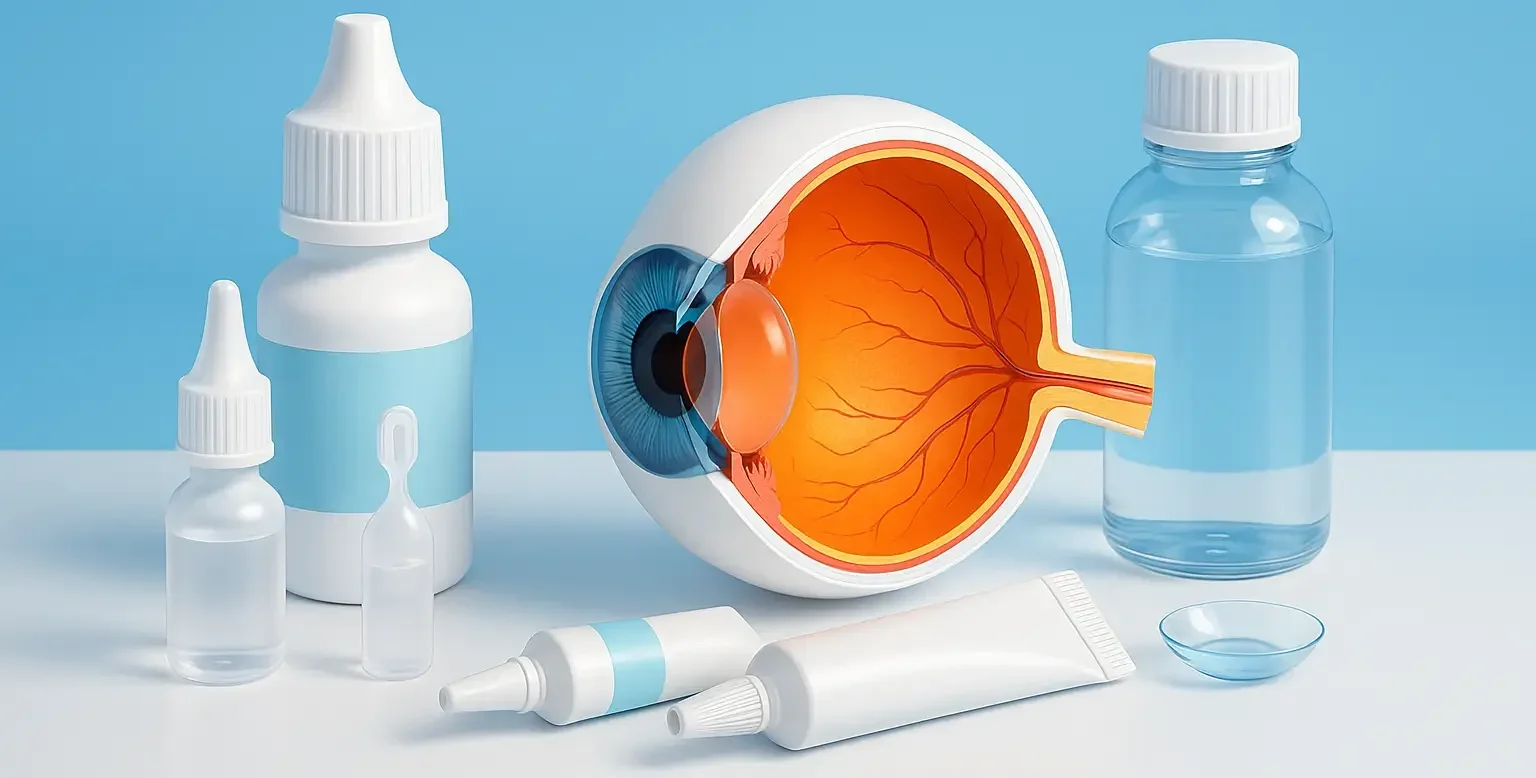
Introduction to Ophthalmic Preparations: Ophthalmic Preparations are medications formulated for direct application to the eye, addressing both anterior and posterior segment diseases. They encompass a range of dosage forms, including solutions, suspensions, ointments, gels, and emulsions, each tailored to deliver therapeutic agents effectively while minimizing discomfort and side effects. Key Objectives: Therapeutic Efficacy: Delivering the … Read more
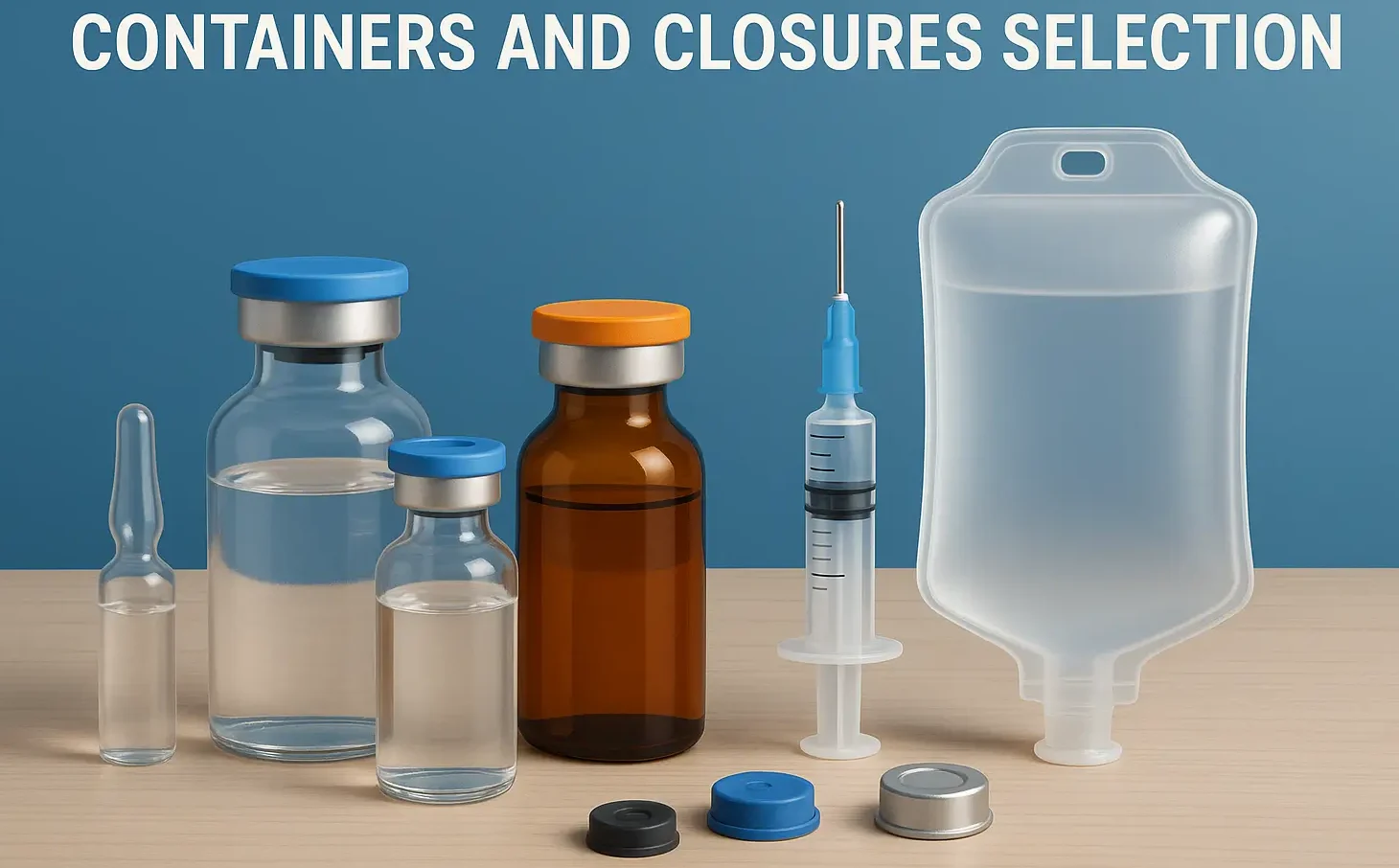
Containers and Closures Selection

Containers and Closures Selection

Containers and Closures Selection plays a critical role in ensuring product stability, sterility, and compatibility for parenteral preparations. Containers and Closures Selection also impacts packaging integrity, patient safety, and regulatory compliance in pharmaceutical manufacturing. Selection Criteria Material Compatibility: Containers and closures must not interact chemically with the formulation. Sterility: They should be capable of maintaining … Read more

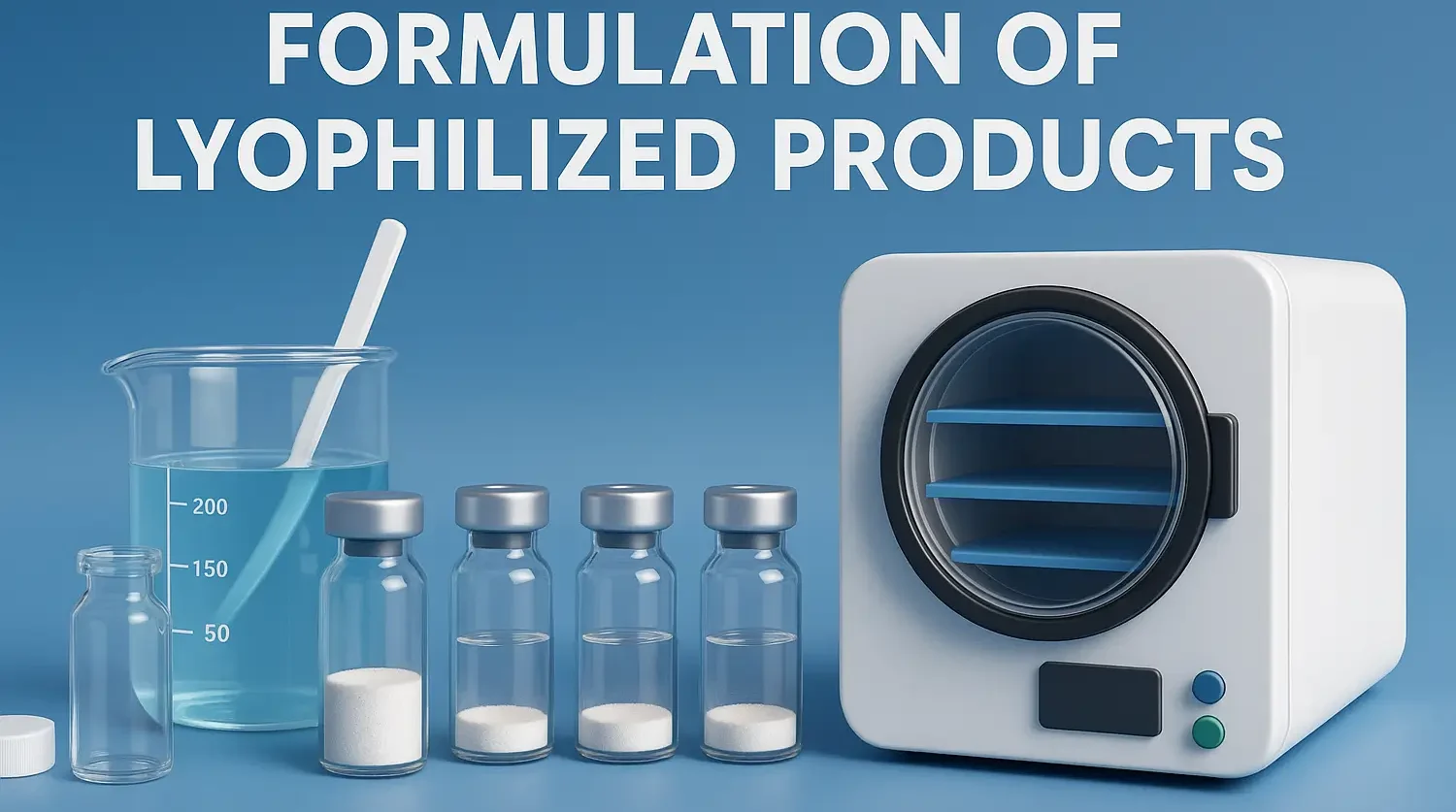
Formulation of Lyophilized Product

Formulation of Lyophilized Products

Formulation of Lyophilized Product involves selecting stable excipients and optimizing drug-solvent systems to ensure product stability during freeze-drying Formulation of Lyophilized Product ensures long-term stability, sterility, and rapid reconstitution. Lyophilized products are prepared using freeze-drying to extend the shelf life of drugs, especially those sensitive to heat or moisture. Steps in Lyophilization: Preparation of Solution: The drug … Read more

Formulation of Large Volume Parenterals (LVPs)

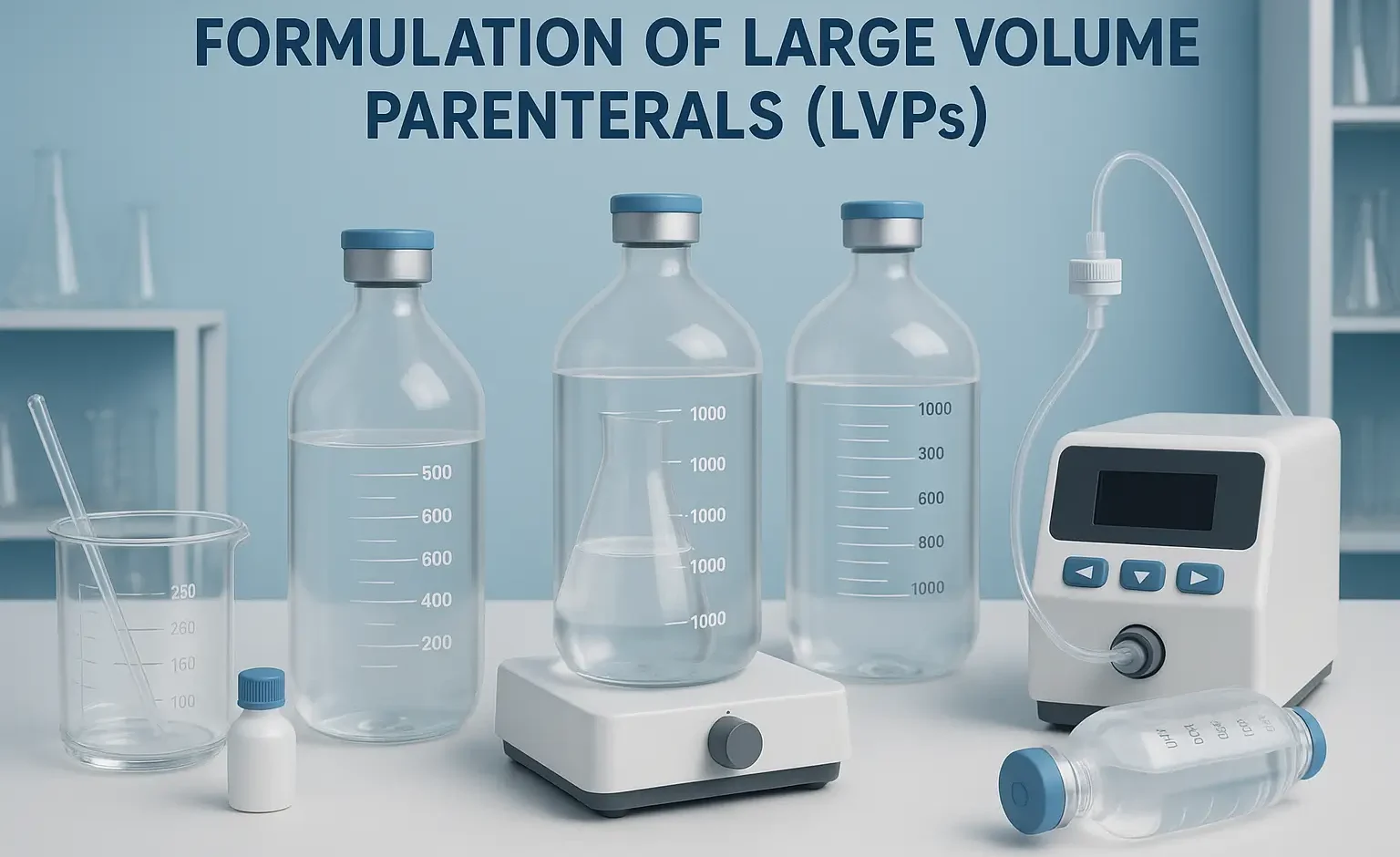
Formulation of Large Volume Parenterals (LVPs)

Formulation of Large Volume Parenterals (LVPs) involves sterile solutions over 100 mL, containing active drugs, solvents, and additives to ensure stability and isotonicity. Formulation of Large Volume Parenterals (LVPs) requires aseptic techniques, suitable containers, and strict quality control for safe intravenous administration LVPs are sterile solutions typically in volumes greater than 100 mL, used for intravenous … Read more

Formulation of Injections

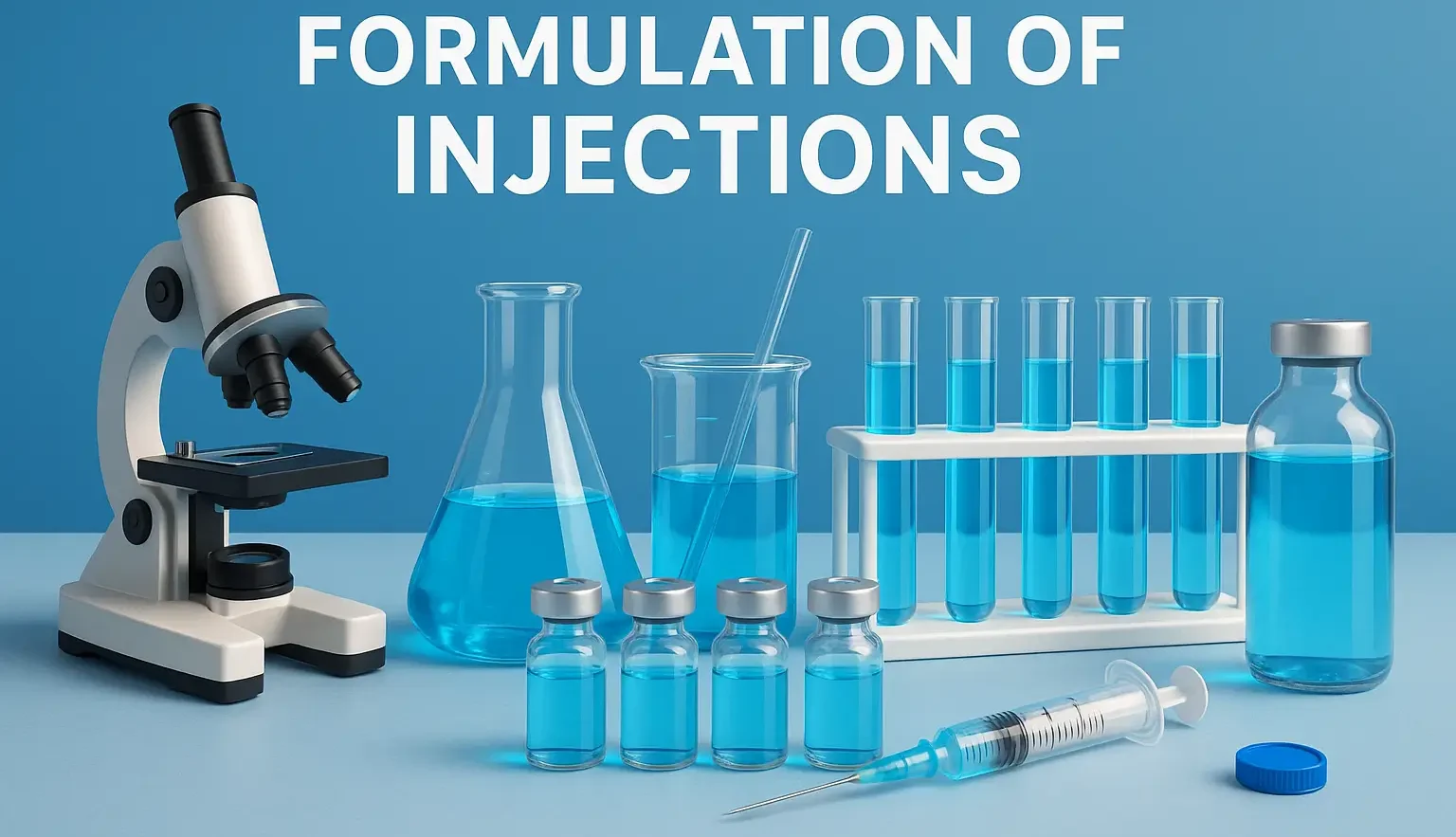
Formulation of Injections

Formulation of Injections involves selecting active ingredients, solvents, stabilizers, and preservatives to ensure sterility, stability, and bioavailability. Formulation of Injections ensures isotonicity, pH adjustment, and compatibility to maintain patient safety and therapeutic efficacy. Injections are sterile, pyrogen-free liquid preparations intended for parenteral administration. They can be solutions, suspensions, or emulsions, depending on the drug’s properties. … Read more

Aseptic Processing

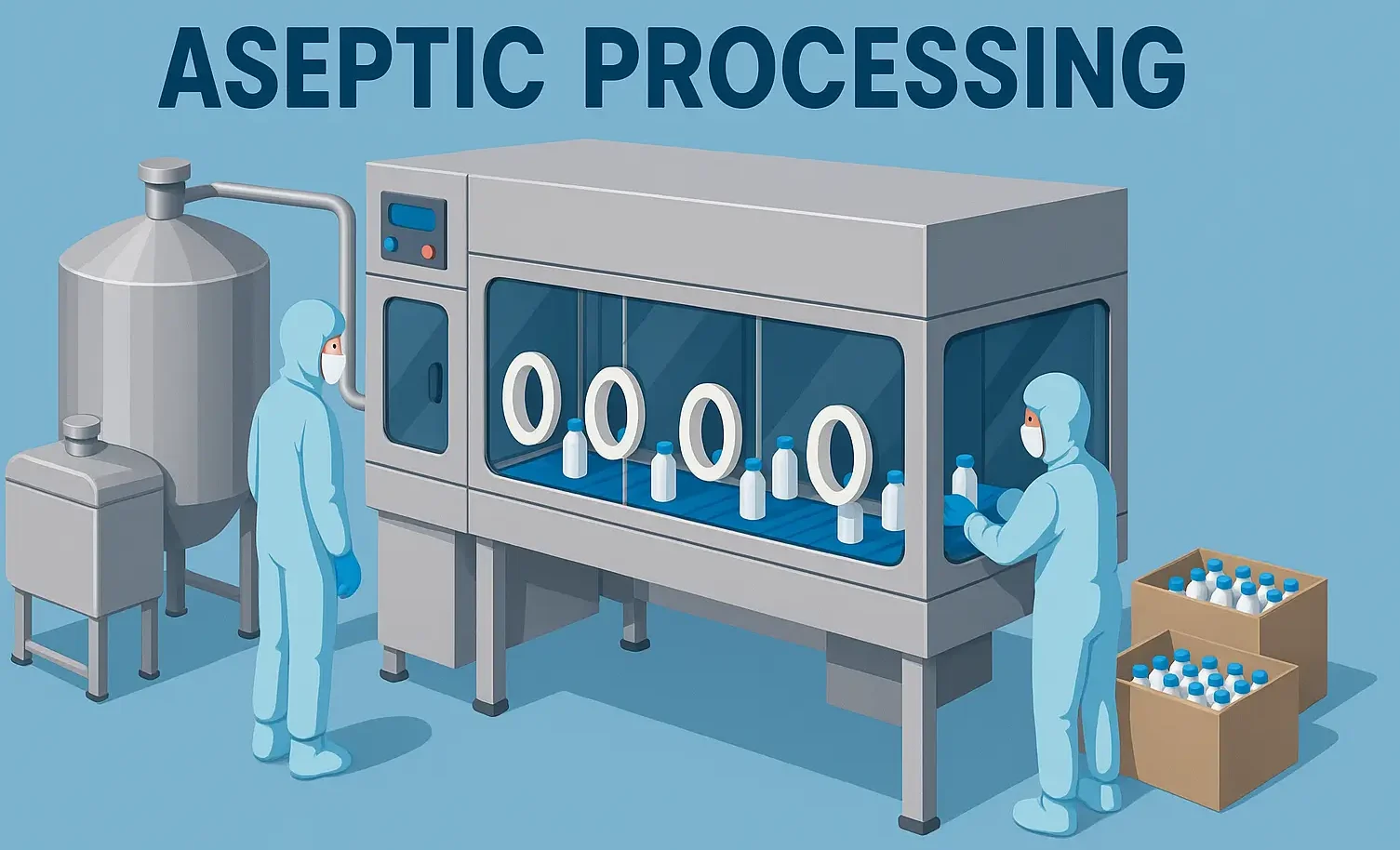
Aseptic Processing

Introduction to Aseptic Processing: Aseptic Processing Production is the technique of manufacturing sterile products by ensuring the sterilization of the drug, container, and closure separately before combining them under sterile conditions. Aseptic Processing Production prevents microbial contamination during the formulation of parenteral and other sterile dosage forms, ensuring product safety and efficacy. Key components include: … Read more

Production Facilities and Controls

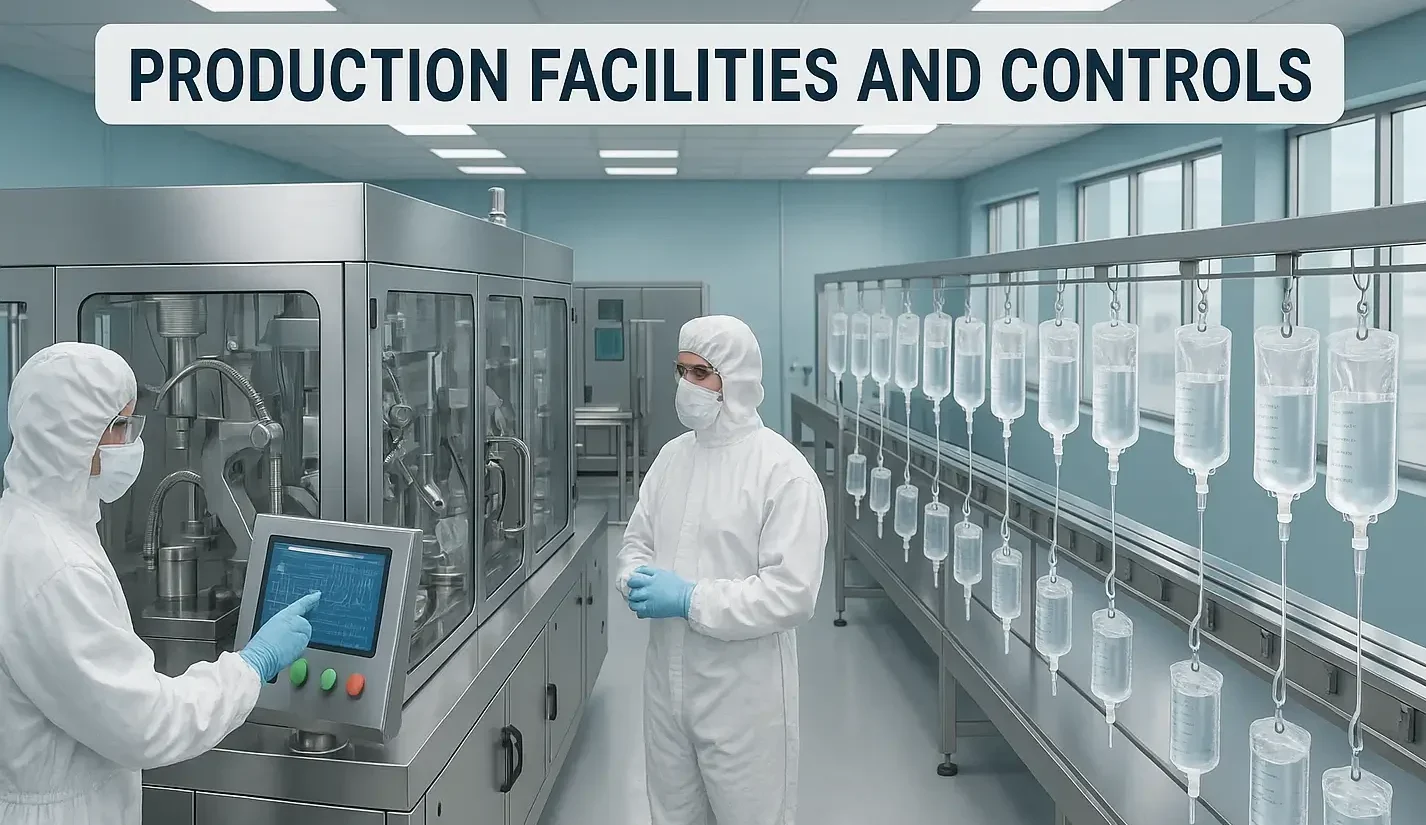
Production Facilities and Controls

Production Facilities and Controls requires specially designed cleanrooms, HEPA-filtered air systems, and restricted personnel access to maintain aseptic conditions. Production Facilities and Controls also include rigorous environmental monitoring, validated sterilization processes, and regular maintenance of sterile equipment. Production Facilities: Clean Rooms: Controlled environments with regulated temperature, humidity, and particulate levels to prevent contamination. Laminar Air … Read more

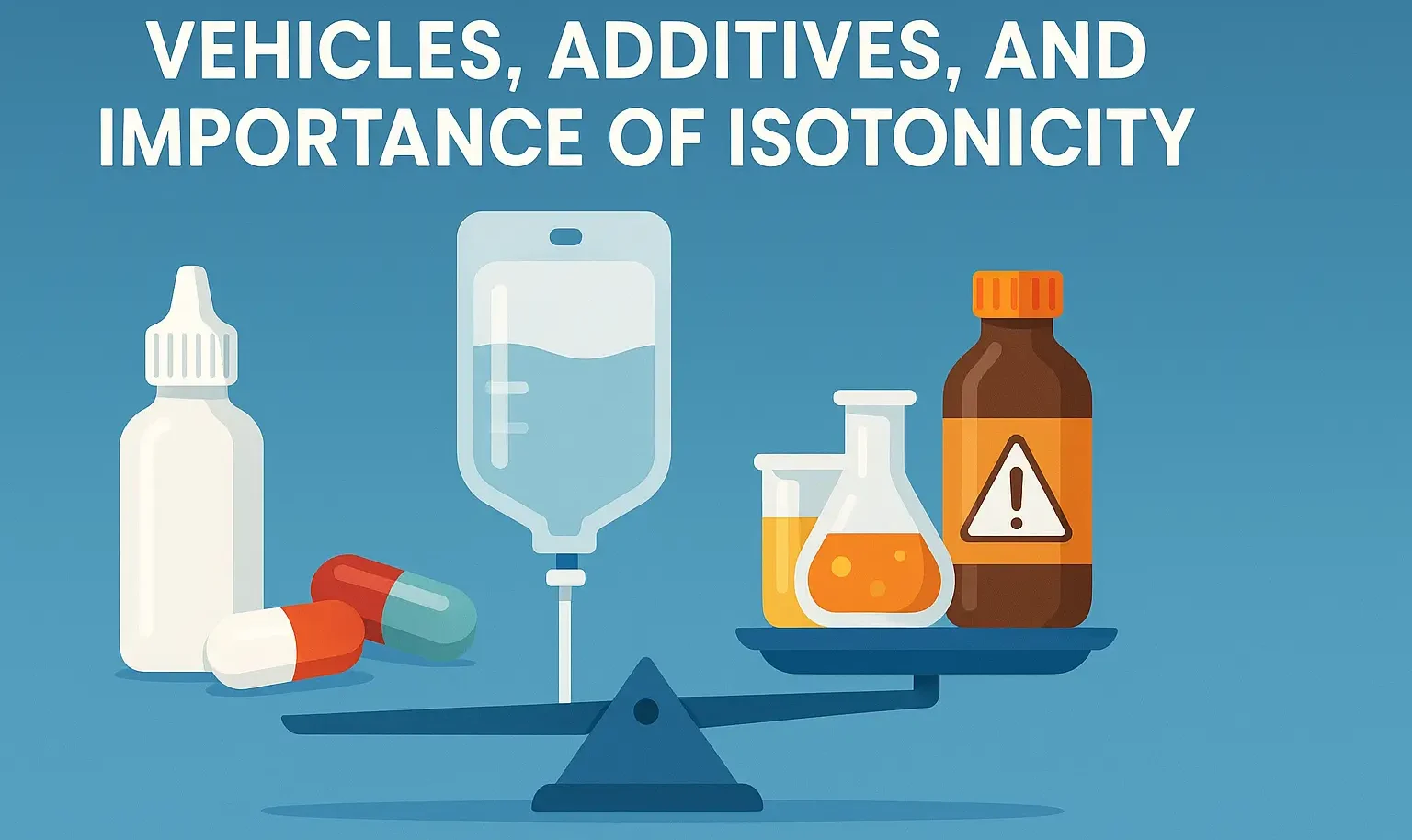
Vehicles, Additives, and Importance of Isotonicity

Vehicles, Additives, and Importance of Isotonicity

Vehicles, Additives, and Importance of Isotonicity play a crucial role in pharmaceutical formulations by ensuring drug solubility, stability, and patient acceptability. Vehicles and Additives also help maintain osmotic balance to prevent irritation or tissue damage. Vehicles The medium in which the drug is dissolved or suspended. Common vehicles include: Water for Injection (WFI): Highly purified … Read more

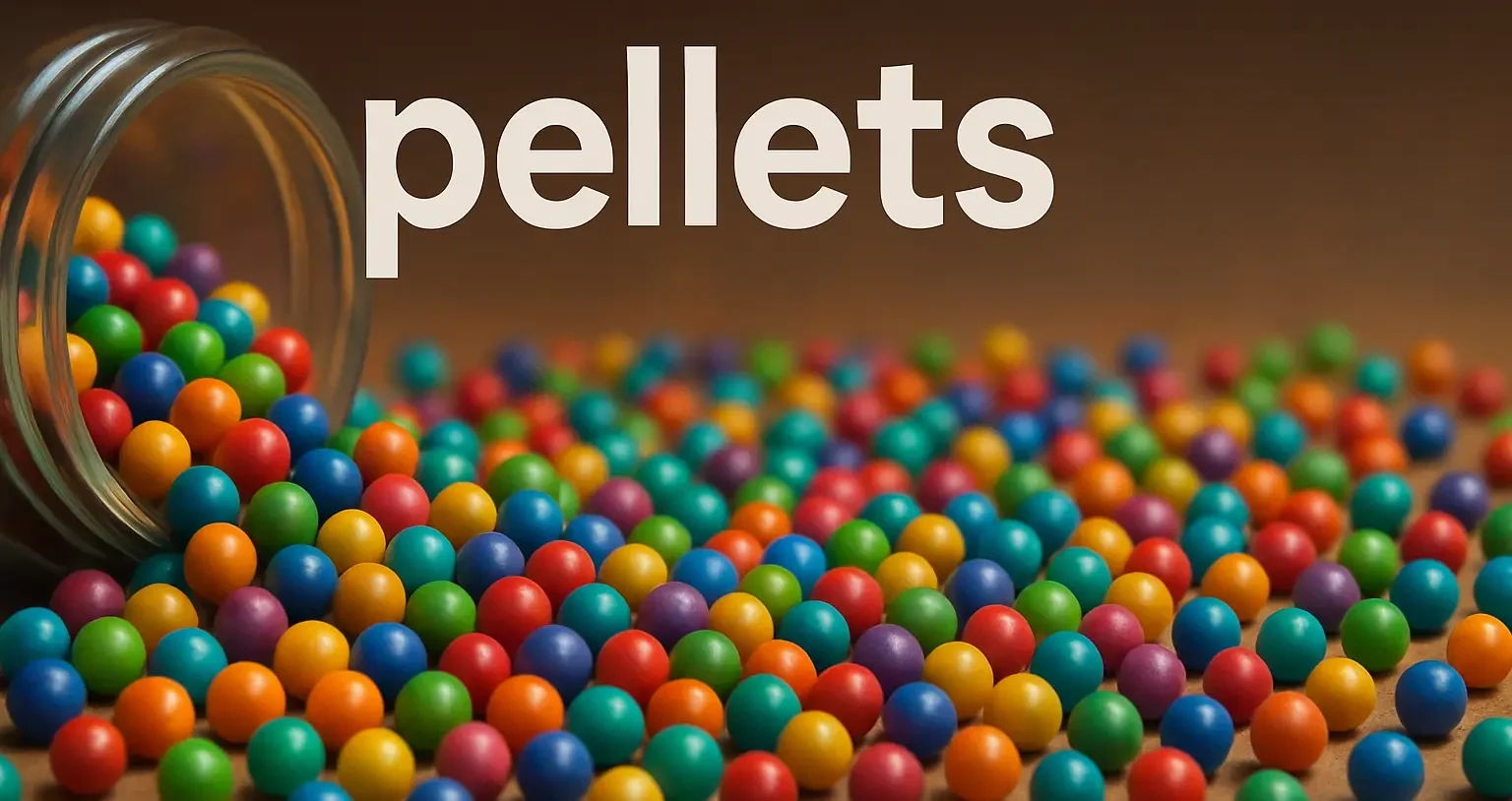
Pellets

Pellets

Introduction to Pellets Pellets are small, free-flowing, spherical or semi-spherical solid dosage forms ranging in size from 0.5 mm to 2.0 mm. They are primarily used in the pharmaceutical industry to deliver active pharmaceutical ingredients (APIs) and exhibit excellent uniformity, flowability, and versatility. Key Features: Shape and Size: Typically spherical, though slightly oval or irregular … Read more

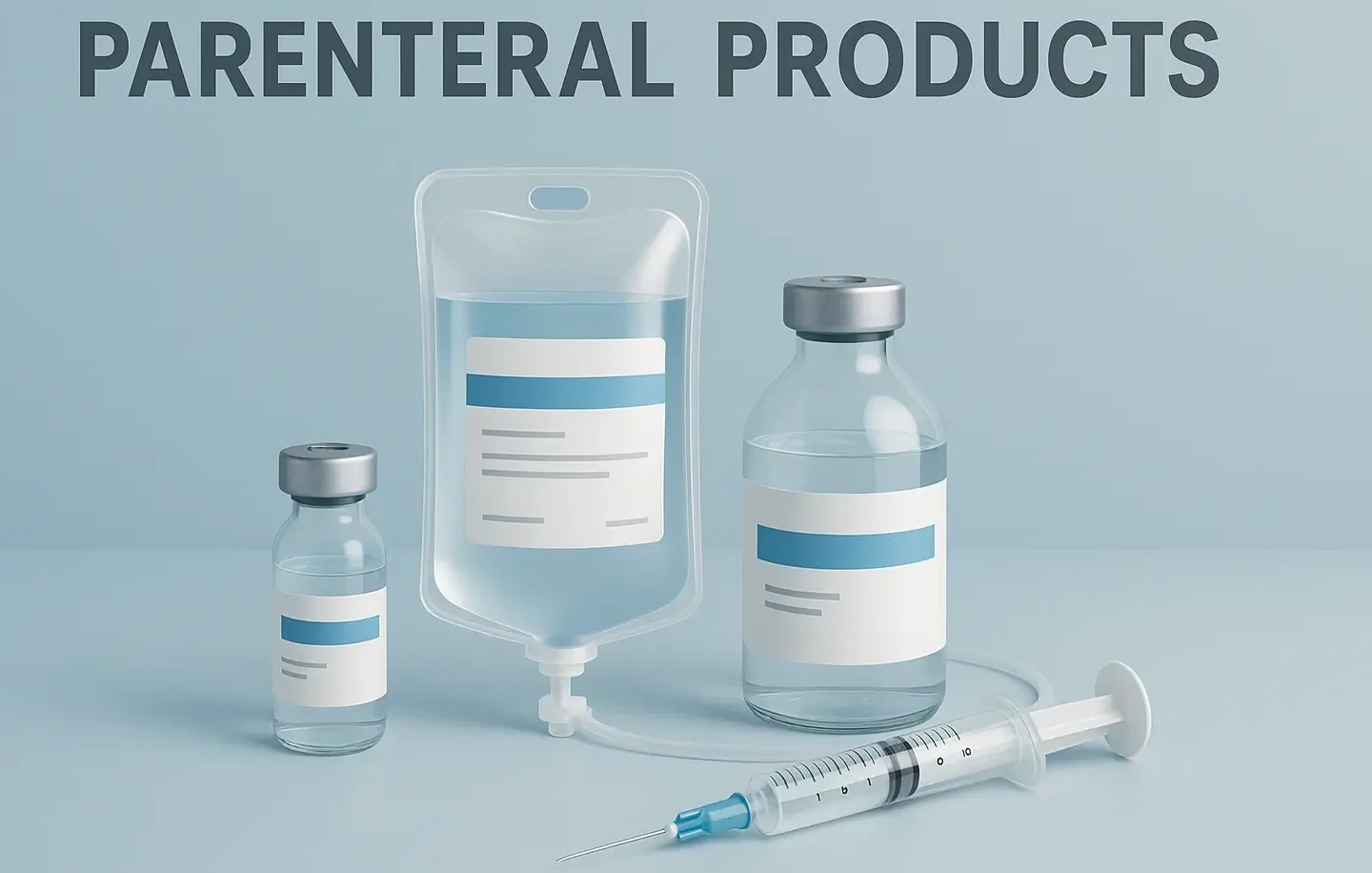
Parenteral Products

Parenteral Products

Definition of Parenteral Products Parenteral Products refer to pharmaceutical preparations intended for administration by routes that bypass the digestive system, primarily through injections. This includes: Intravenous (IV): Directly into a vein. Intramuscular (IM): Into a muscle. Subcutaneous (SC): Under the skin. Intradermal (ID): Into the dermis layer of the skin. Other Routes: Such as epidural, … Read more