Advantages and disadvantages of liquid dosage forms
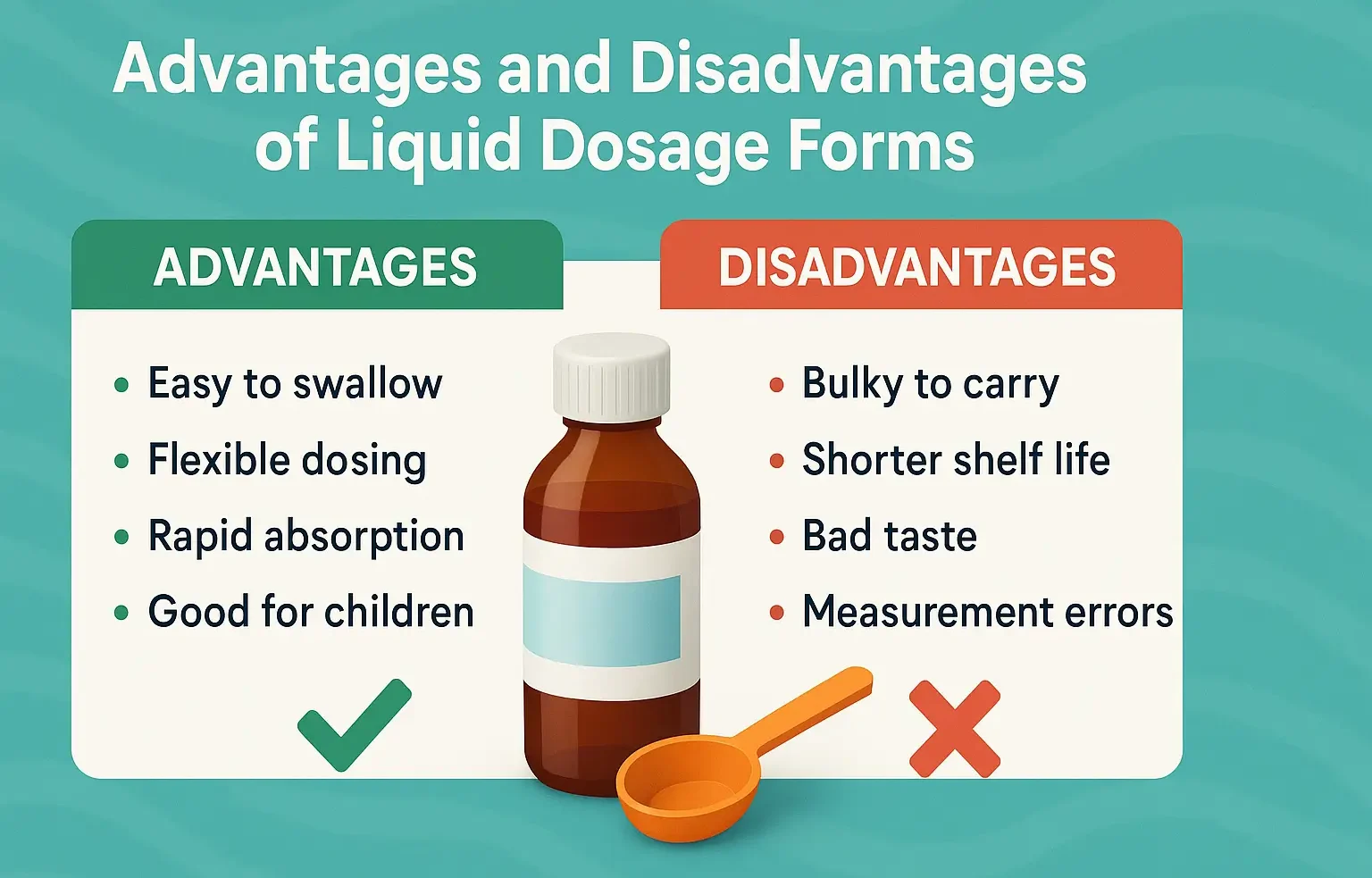
Liquid dosage forms include solutions, suspensions, emulsions, syrups, and elixirs, among others. They offer several advantages and disadvantages compared to other dosage forms like solids or semisolids. Advantages of liquid dosage forms: Ease of administration: Liquid dosage forms are generally easy to swallow, making them suitable for paediatric, geriatric, or dysphagic patients who may have … Read more
Geometric dilutions

Geometric dilutions

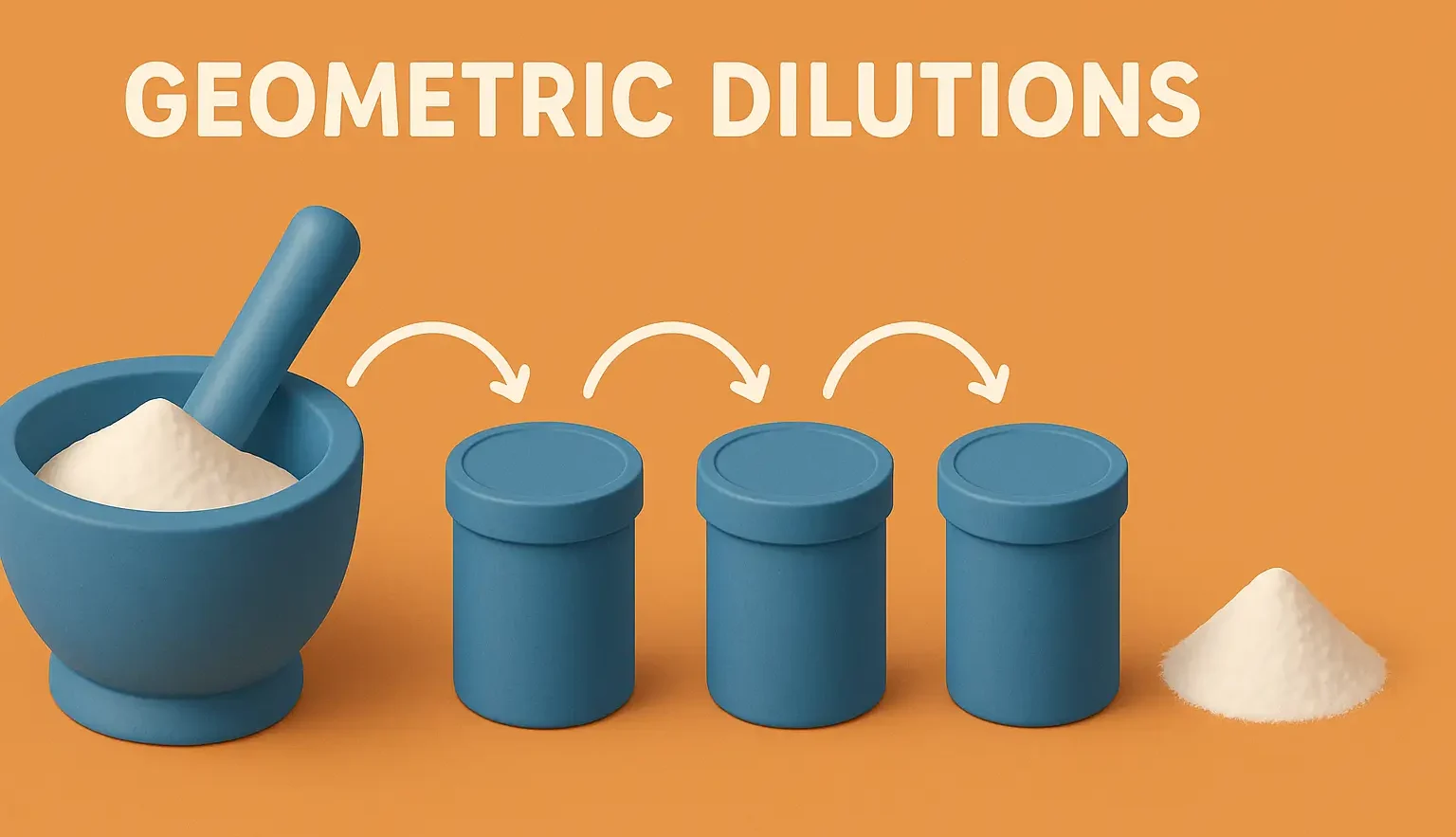
Geometric dilution is a compounding technique used in pharmacy to achieve a homogeneous mixture when combining ingredients with significantly different quantities. This method ensures even distribution of a potent active ingredient with a larger amount of diluent or excipient, which is crucial for maintaining accurate dosing and consistent therapeutic effects. Steps in Geometric Dilutions: Start … Read more

Eutectic mixture

Eutectic mixture

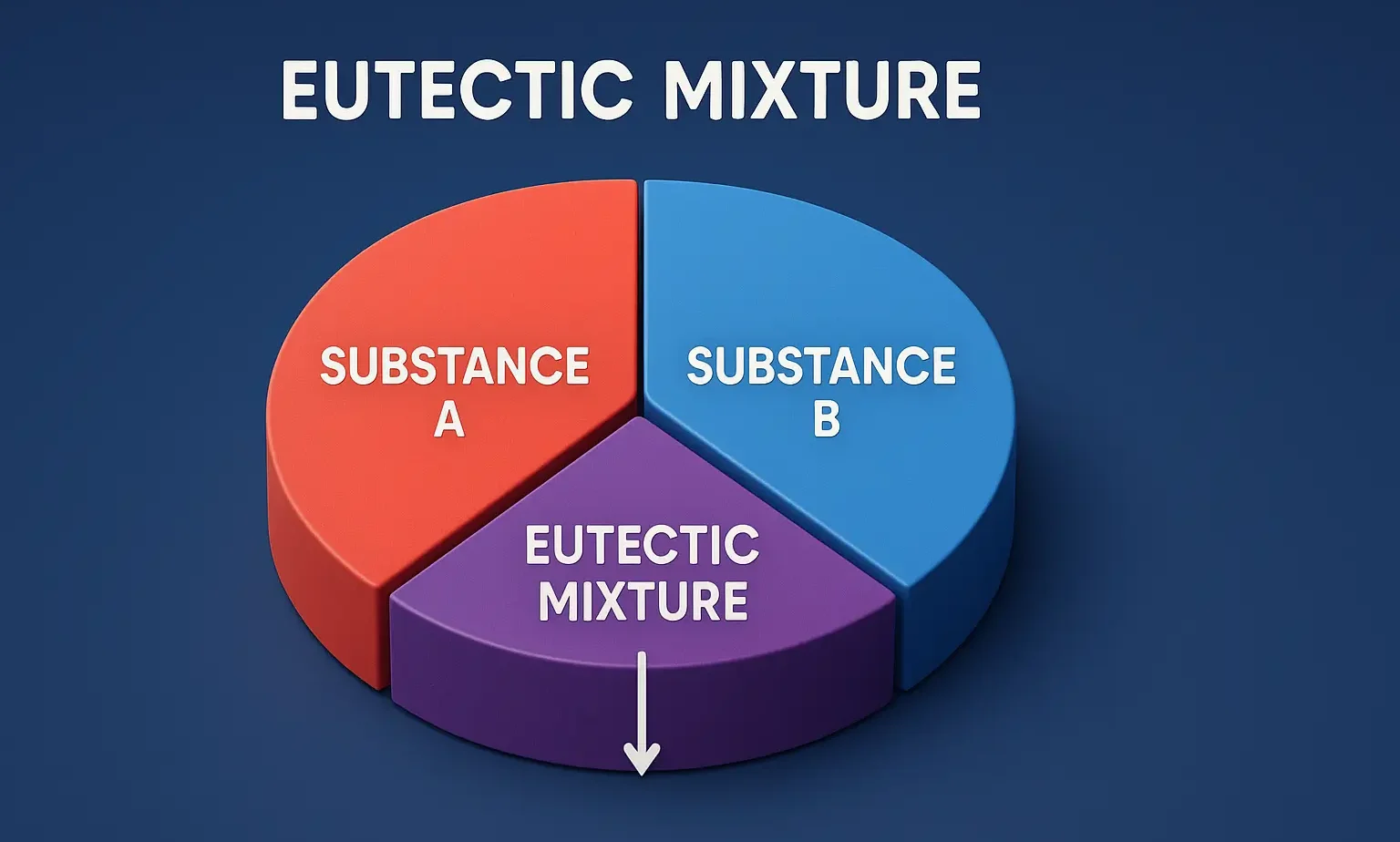
Eutectic Mixture can present challenges during the formulation, compounding, and storage of the final product. Eutectic Mixture may also impact the drug release profile, bioavailability, and overall therapeutic efficacy of the final product. When two or more components in a powder formulation form a eutectic mixture, they can create a mass that is sticky, pasty, … Read more

Hygroscopic Powders

Hygroscopic Powders

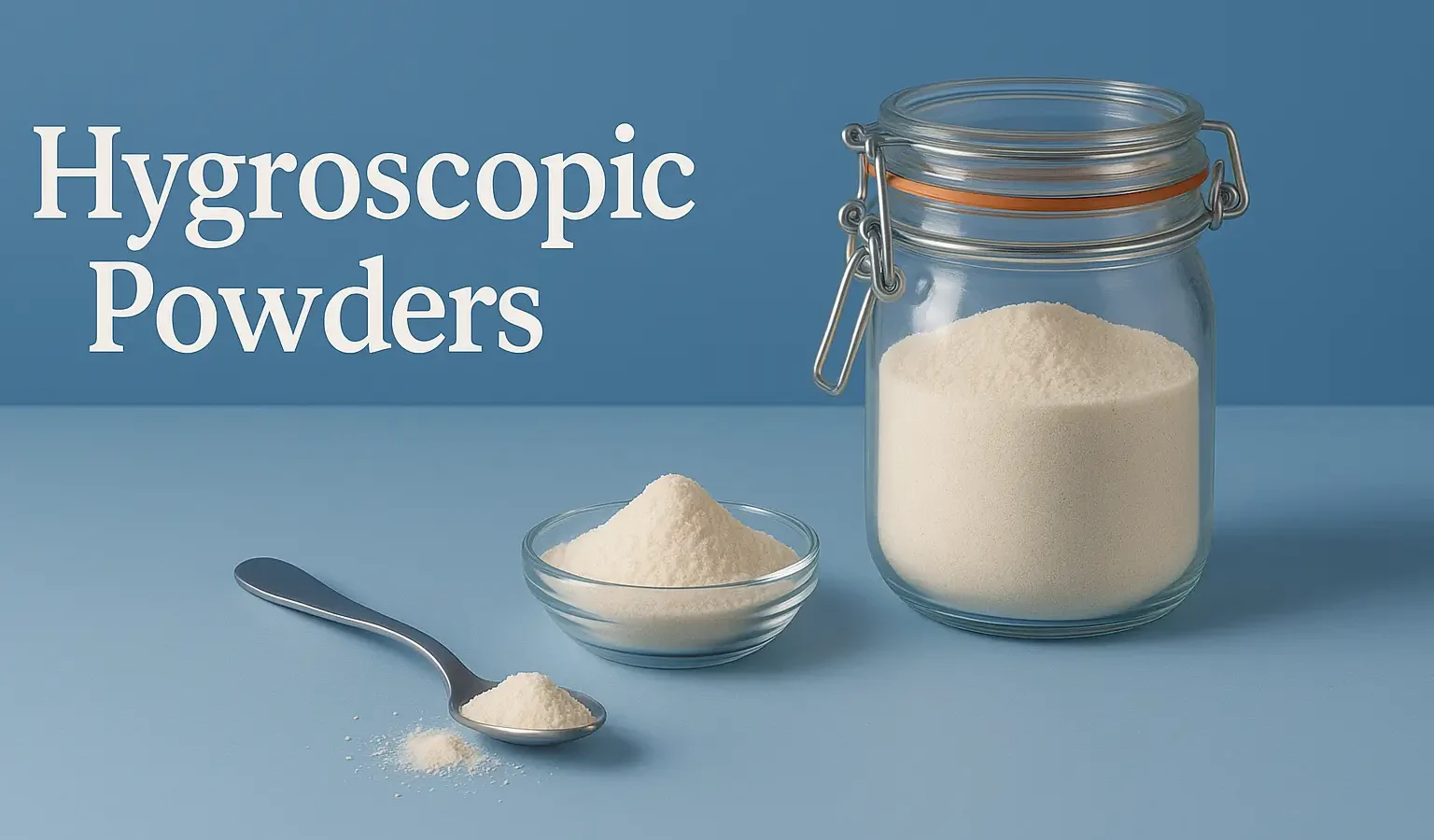
Hygroscopic powders are pharmaceutical powders that tend to absorb moisture from the environment. These powders can readily take up water vapor from the atmosphere and may even become wet or form a solution under highly humid conditions. Hygroscopic powders can be found in various pharmaceutical formulations, such as bulk powders, divided powders, or as components … Read more

Efflorescent Powders

Efflorescent Powders (2)

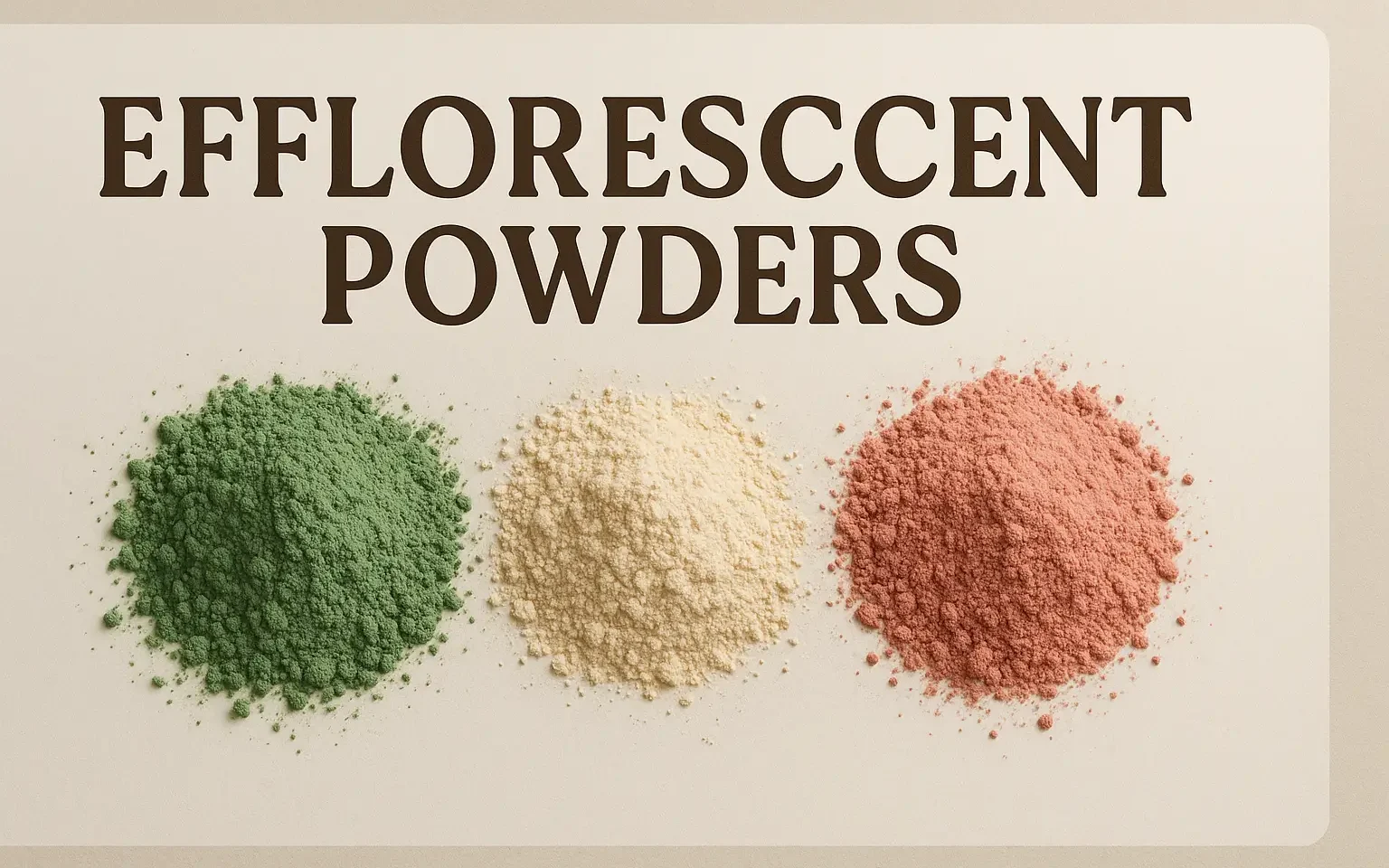
Efflorescent powders refer to a class of pharmaceutical powders that contain hydrates, which are substances that have water molecules incorporated into their crystal structure. When these hydrates are exposed to a low-humidity environment or are subjected to heat, they can release water molecules, a process known as efflorescence. Although efflorescent powders aren’t a specific type … Read more

Effervescent Powders

Effervescent powders are pharmaceutical dosage forms that, when dissolved in water or another liquid, produce a fizzy, carbonated solution. They typically contain an active pharmaceutical ingredient (API), along with a mixture of an acid and a base, which react to generate carbon dioxide gas when in contact with water. Effervescent powders are commonly used for … Read more

Dusting Powders

Dusting Powders

Dusting powders are topical pharmaceutical powders applied to the skin or mucous membranes for various therapeutic purposes. They are usually formulated with active ingredients and inert excipients to create a finely ground, free-flowing powder. Dusting powders can be used to treat various skin conditions, reduce friction, absorb moisture, or provide a cooling sensation. Types of … Read more

Steady-State Drug Levels

Steady State Drug Levels describe equilibrium concentration reached with repeated dosing when drug input equals elimination. Definition of Steady-State Drug Levels: Steady state (Css) is reached when the rate of drug administration = rate of drug elimination. Occurs after ~4-5 half-lives of continuous dosing. Why It Matters Maintains consistent therapeutic levels Minimizes risk of toxicity … Read more

Multicompartment Models in Pharmacokinetics

Multicompartment Models in Pharmacokinetics

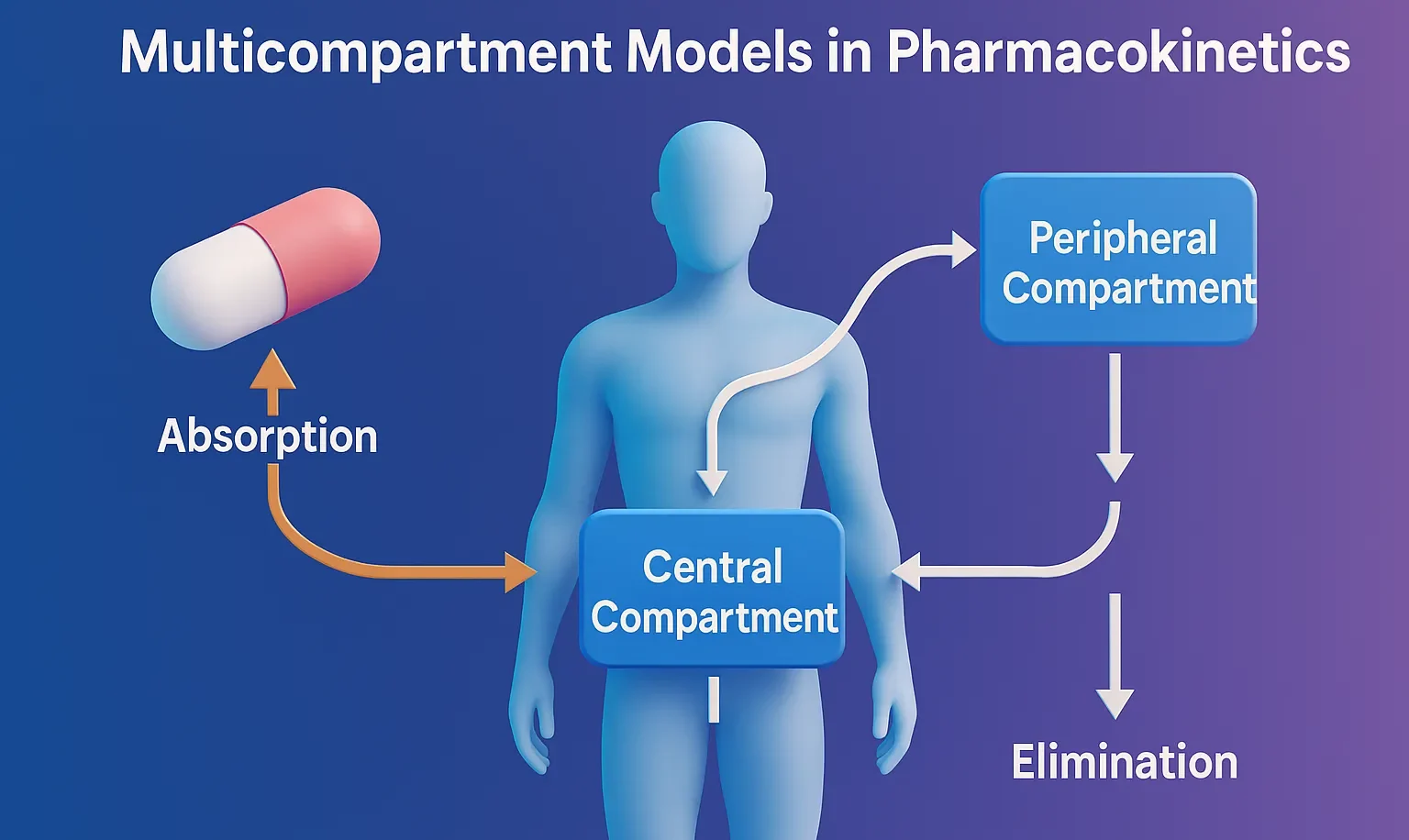
Multicompartment Models in Pharmacokinetics explain complex drug distribution and elimination across central and peripheral compartments. The body is often not homogeneous; after administration, a drug may distribute at different rates to different tissues. Multicompartment models are used to better describe drug distribution and elimination when it doesn’t fit simple one-compartment models. Definition of Multicompartment Models … Read more

Kinetics of Multiple Dosing

Kinetics of Multiple Dosing

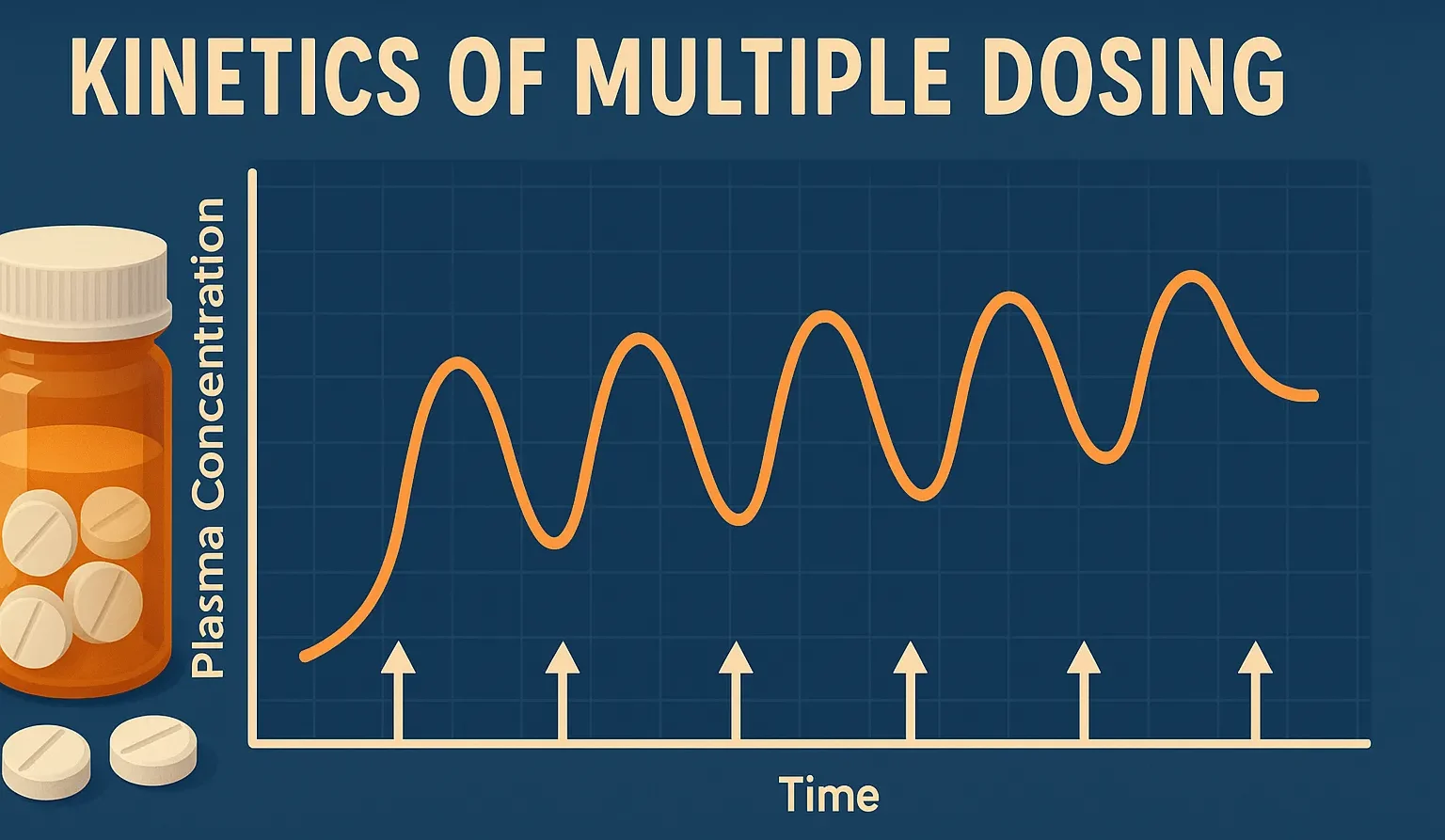
Kinetics of Multiple Dosing explains drug accumulation, steady state concentration, and dosing intervals in pharmacokinetics. Kinetics of Multiple Dosing When drugs are given at regular intervals (e.g., every 8 hours), the drug accumulates in the body until a steady state is reached. Key Concepts: Accumulation: Occurs when drug is administered before previous doses are fully … Read more