
Rheology

Rheology

Rheology is the science of flow and deformation of matter, especially liquids and semisolids. In physical pharmaceutics, understanding rheology is crucial for: Designing liquid formulations (e.g., syrups, emulsions, suspensions), Semi-solids (e.g., creams, ointments, gels), And ensuring proper processing, mixing, filling, and dispensing of products. Rheology is important for: Processing (pumping, mixing, filling bottles) Product performance … Read more
Synthesis of Isoquinoline

Synthesis of Isoquinoline

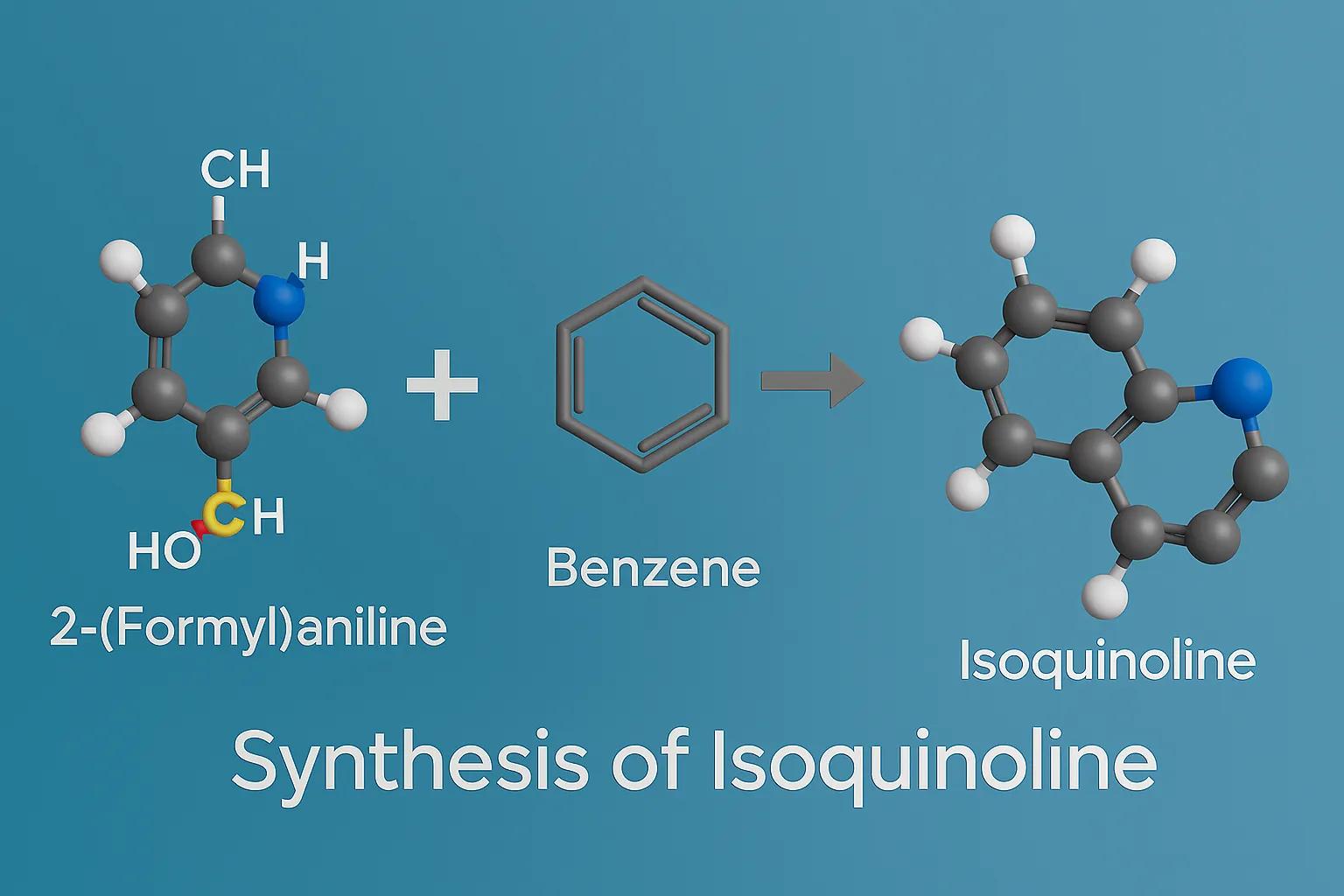
Synthesis of Isoquinoline covers Bischler–Napieralski, Pictet–Spengler, and Pomeranz–Fritsch routes with key steps for drug design. Bischler–Napieralski Synthesis Reactants: β-Phenylethylamine + acyl chloride → Cyclization Reagents: POCl₃ or P₂O₅ (dehydrating agents) Steps: Acylation of phenylethylamine Cyclization under acidic conditions Dehydrogenation → Isoquinoline Pomeranz–Fritsch Reaction Reactants: Benzaldehyde + aminoacetaldehyde diethyl acetal Conditions: Acidic cyclization Reaction: Benzaldehyde  + … Read more

Synthesis of Indole

Synthesis of Indole

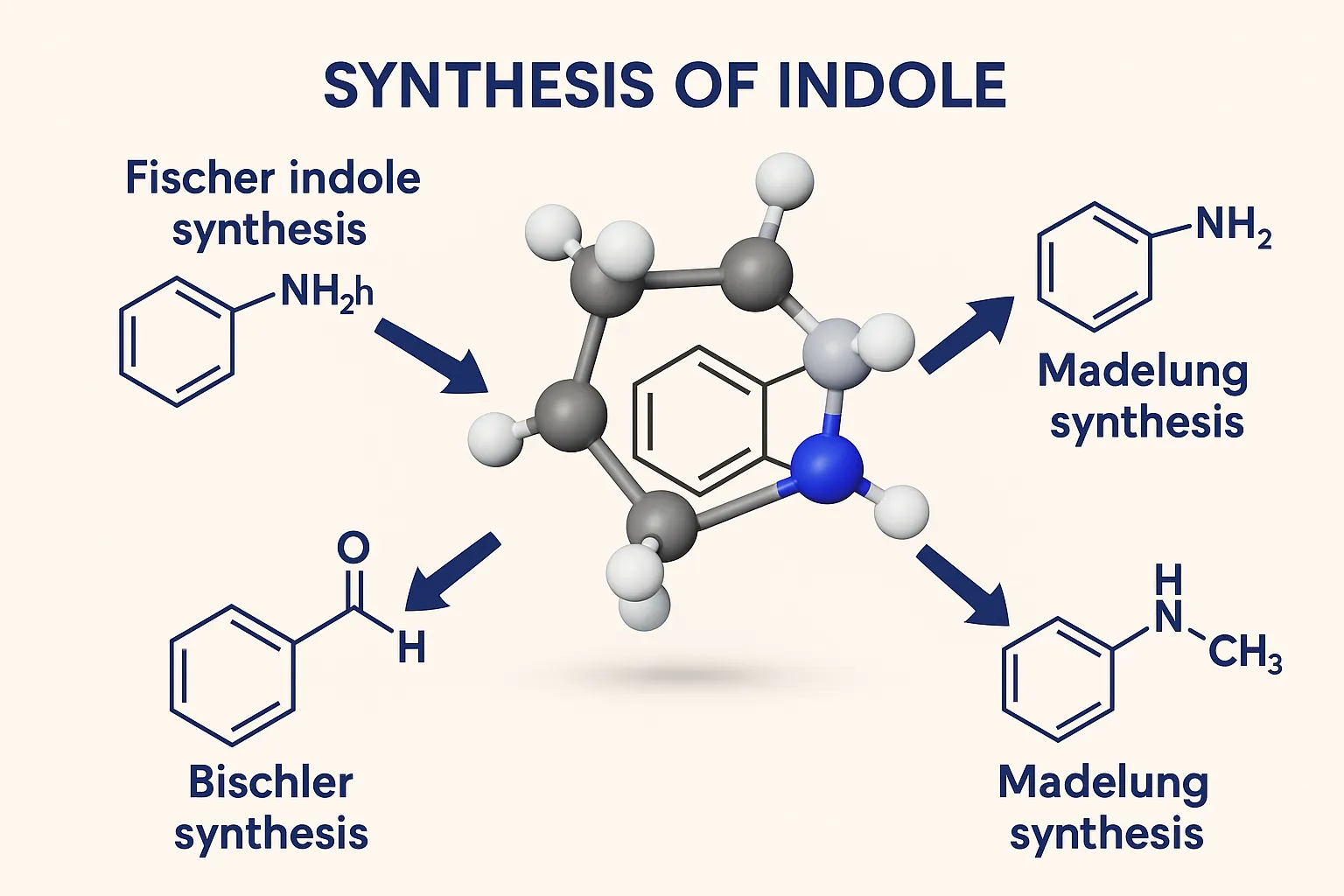
Synthesis of Indole covers Fischer indole, Madelung, Bartoli, and Nenitzescu methods with key steps for medicinal chemistry. Fischer (Most common method) Reactants: Phenylhydrazine + Aldehyde or Ketone Conditions: Acidic, heat Example: Phenylhydrazine  +  Acetone  →  Indole (after cyclization and rearrangement) Mechanism: Hydrazone formation [3,3]-Sigmatropic rearrangement (Fischer) Cyclization and aromatization Bischler–Möhlau Indole Synthesis Reactants: Aniline + … Read more

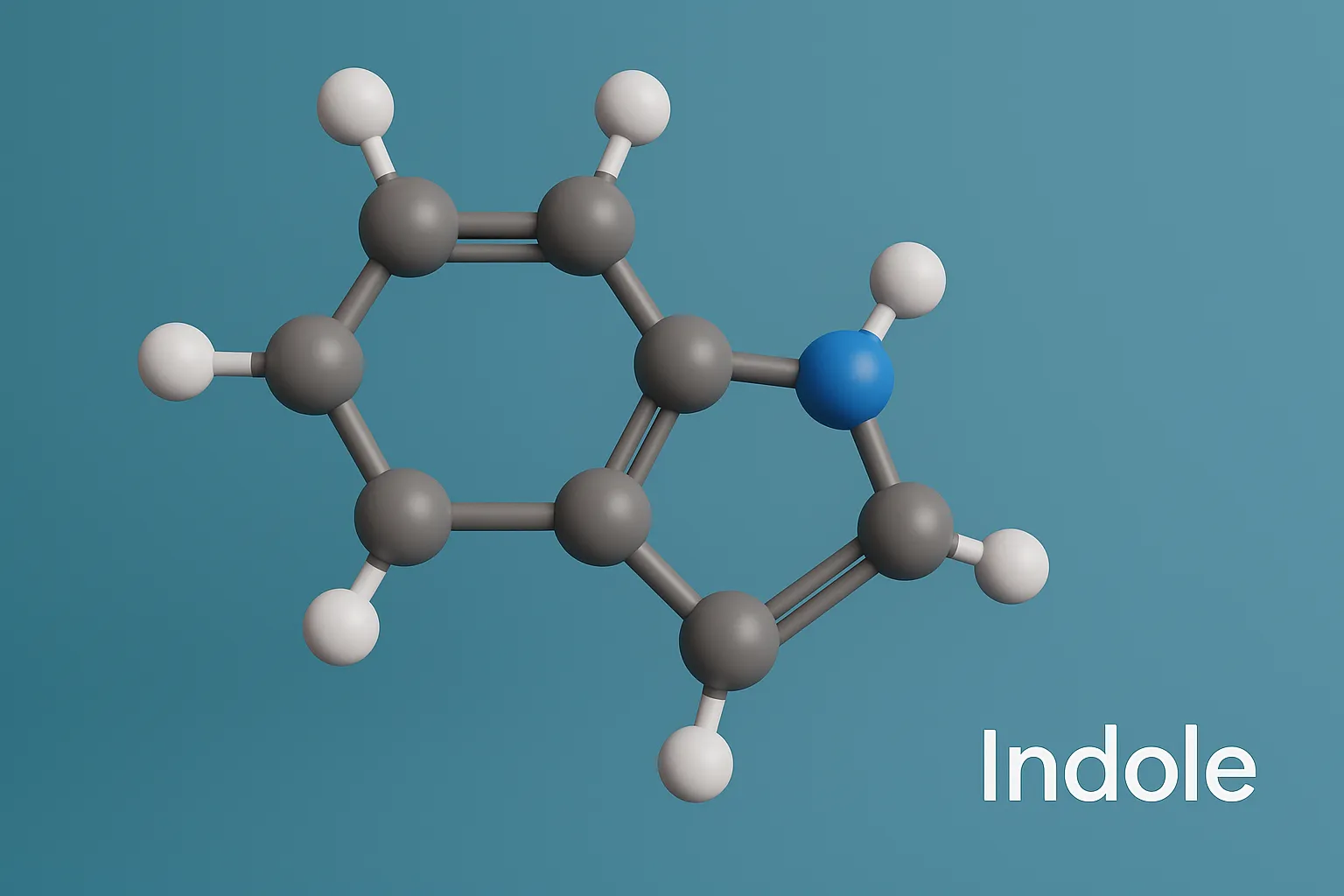
Indole

Indole

Indole is a bicyclic heterocyclic compound found in tryptophan, alkaloids, and widely used in pharmaceuticals and organic synthesis. Chemical Formula of Indole: C₈H₇N Physical Properties of Indole: Property Value Appearance White to pale yellow crystals Melting Point ~52 °C Boiling Point ~254 °C Solubility Soluble in ethanol, ether, slightly in water Basicity Very weak (non-basic) … Read more

Reactions of Acridine

Reactions of Acridine

Reactions of Acridine involve electrophilic substitution, oxidation, and reduction processes important in pharmaceuticals and dyes. Reactions of Acridine Electrophilic Substitution (EAS) Preferred at positions 2 and 7 (central ring). Examples: Nitration: 2-nitroacridine (HNO₃ + H₂SO₄) Halogenation: Br₂ → 2-bromoacridine Nucleophilic Substitution (NAS) C-9 and neighboring positions can undergo substitution when activated (e.g., by halogen + … Read more

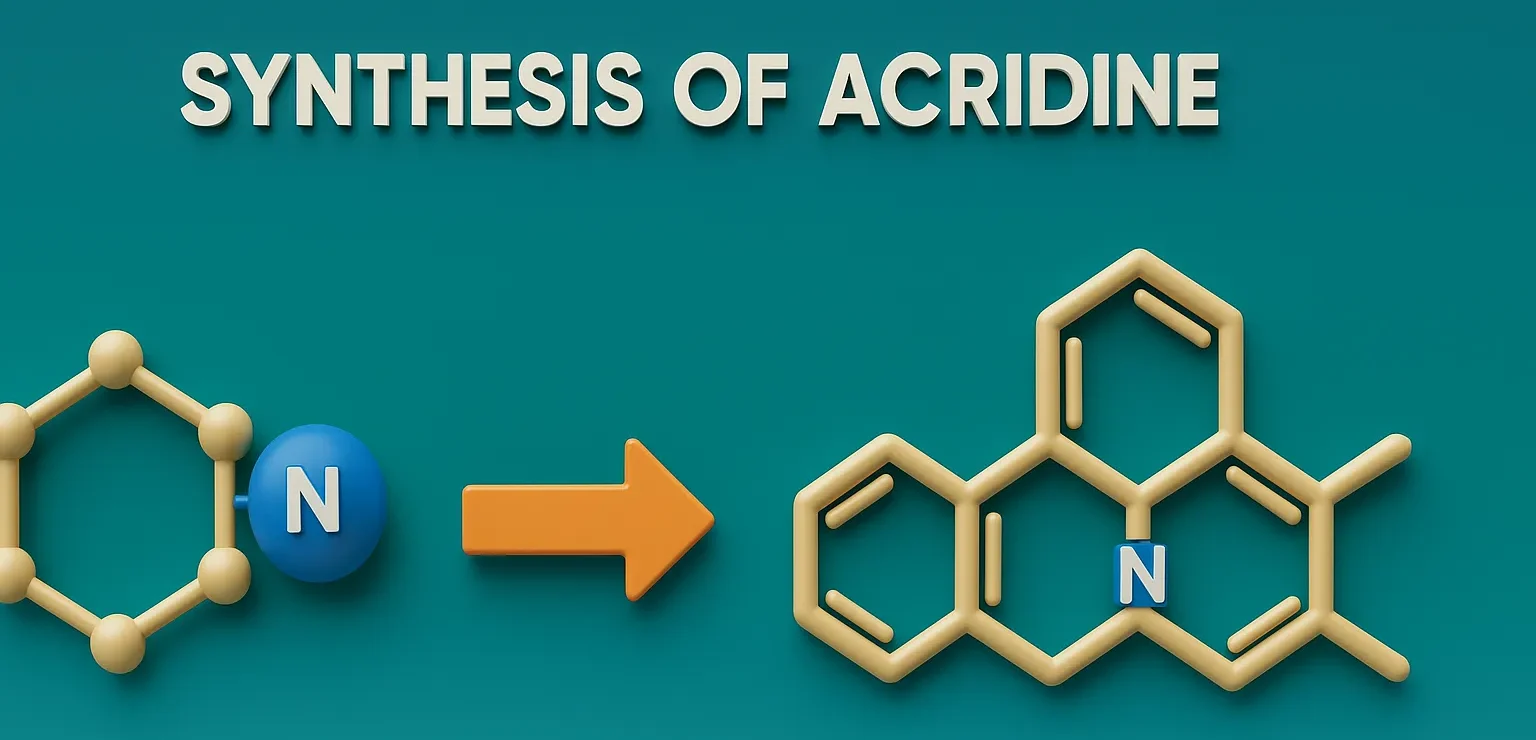
Synthesis of Acridine

Synthesis of Acridine

Synthesis of Acridine covers Bernthsen condensation, Ullmann coupling, and intramolecular cyclization for dyes and drug discovery. Bernthsen Synthesis (Classical Method) Reactants: Diphenylamine + Carboxylic acid (or acid anhydride) Catalyst: Zinc chloride (ZnCl₂) Conditions: High temperature (~250–270 °C) Reaction: Diphenylamine + Formic acid → Acridine + Water Mechanism: Involves Friedel–Crafts acylation, cyclization, and dehydration. From Anthranilic … Read more

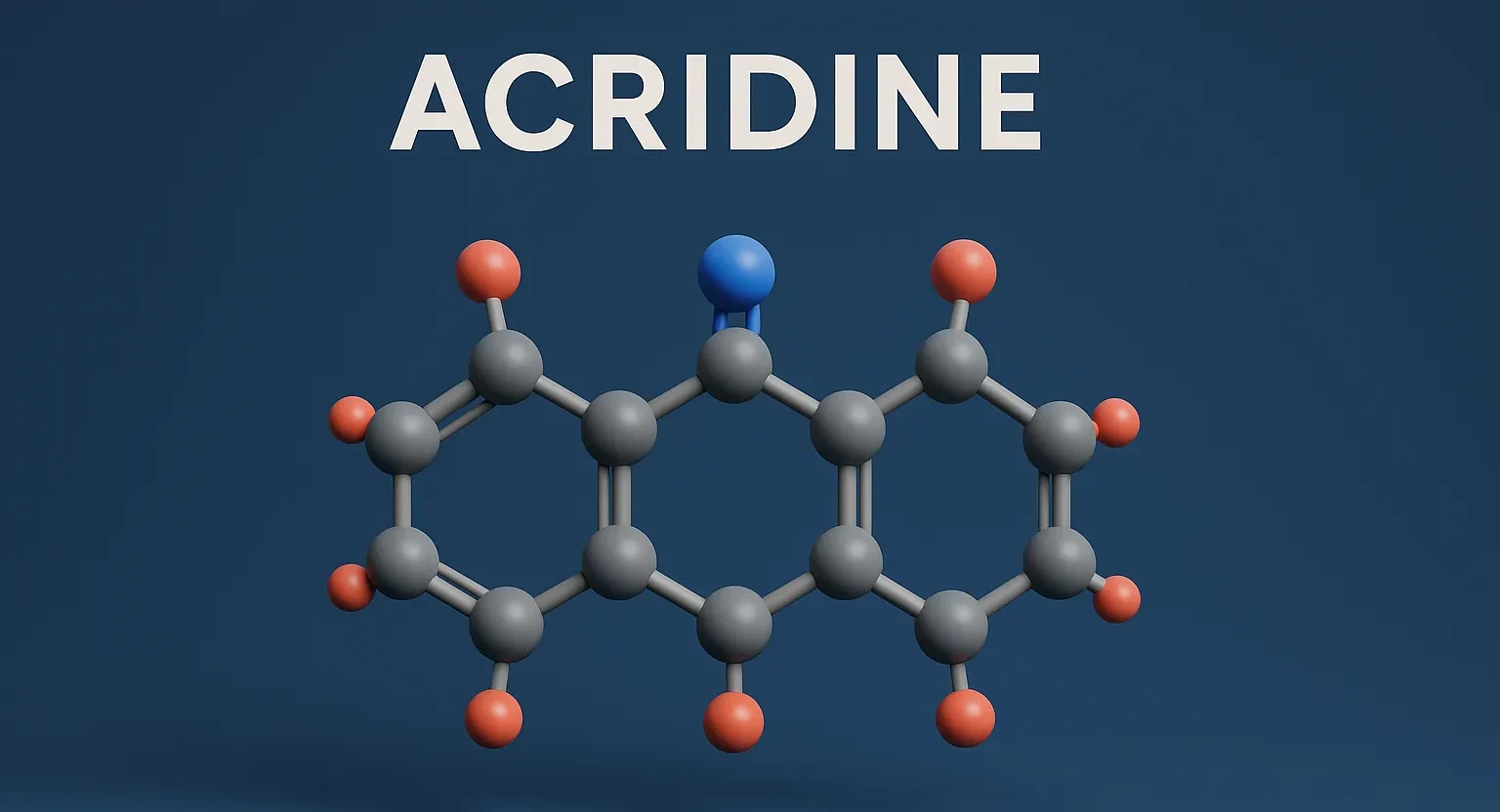
Acridine

Acridine

Acridine is a nitrogen heterocyclic compound used in dyes, antiseptics, and anticancer research in medicinal chemistry. Chemical Formula of Acridine: C₁₃H₉N Physical Properties of Acridine: Property Value Appearance Yellow crystalline solid Melting Point ~110 °C Boiling Point ~345 °C Solubility Slightly soluble in water, soluble in ethanol and ether Basicity pKa ~5.5 Medicinal Uses: Used … Read more

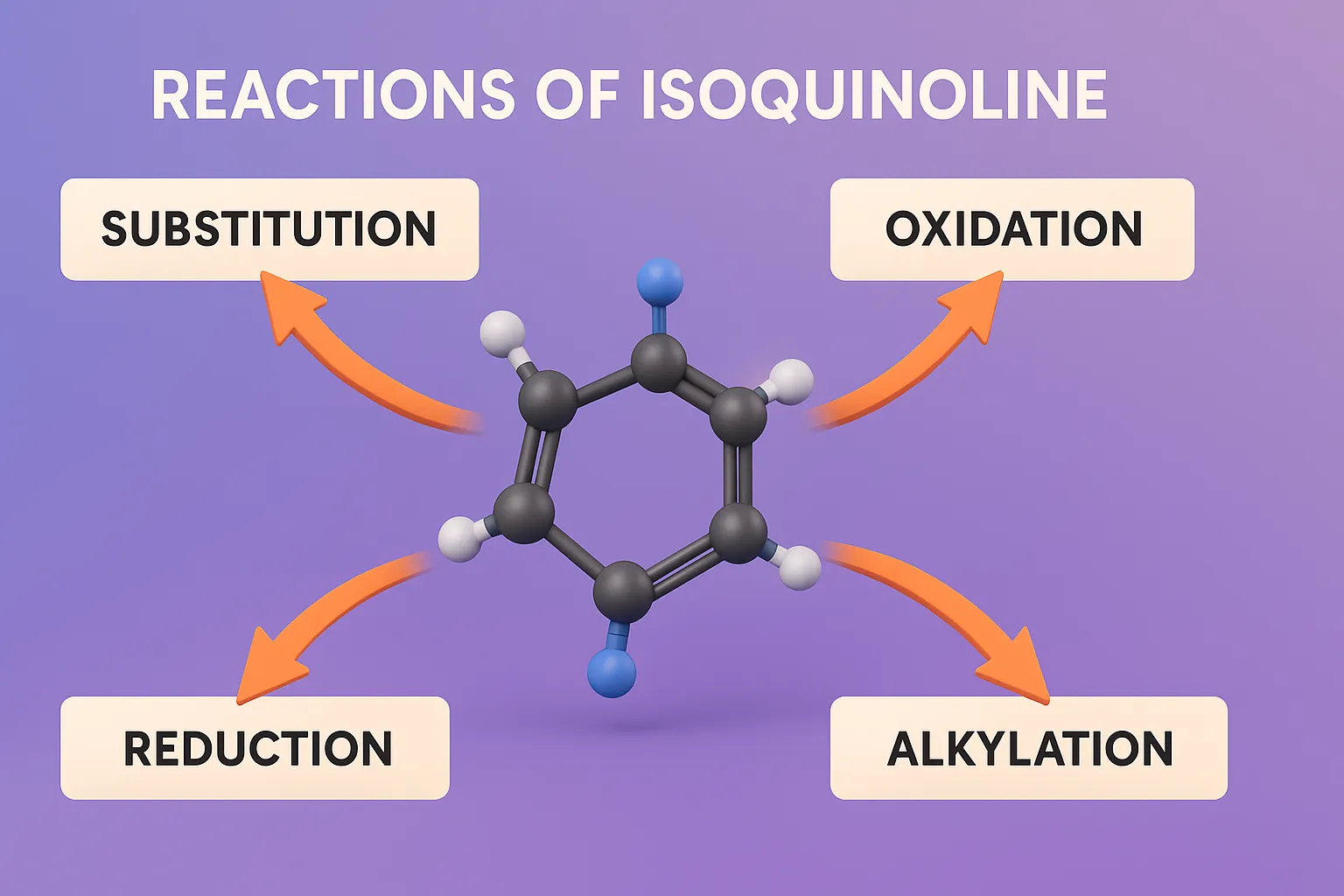
Reactions of Isoquinoline

Reactions of Isoquinoline

Reactions of Isoquinoline include electrophilic substitution, nucleophilic substitution, oxidation, and reduction important in medicinal chemistry. Reactions of Isoquinoline Electrophilic Aromatic Substitution (EAS) Preferred at benzene ring positions: Especially C-5 and C-8 (similar to quinoline). EAS is harder on the pyridine ring (C-1 to C-4). Examples: Nitration: HNO₃/H₂SO₄ → 5-nitroisoquinoline Bromination: Br₂/FeBr₃ → 5-bromoisoquinoline Sulfonation: Concentrated … Read more

Introduction to Colloidal Dispersions

Introduction to Colloidal Dispersions

Introduction to Colloidal Dispersions explains systems with particles sized 1–1000 nm dispersed in a medium. Introduction to Colloidal Dispersions highlights applications in pharmacy, food, cosmetics, and medicine. Colloidal Dispersions is a biphasic system where very small particles (1–1000 nm) of one substance (dispersed phase) are evenly distributed throughout another (dispersion medium). It bridges the gap … Read more

Protective Action of Colloids

Protective Action of Colloids

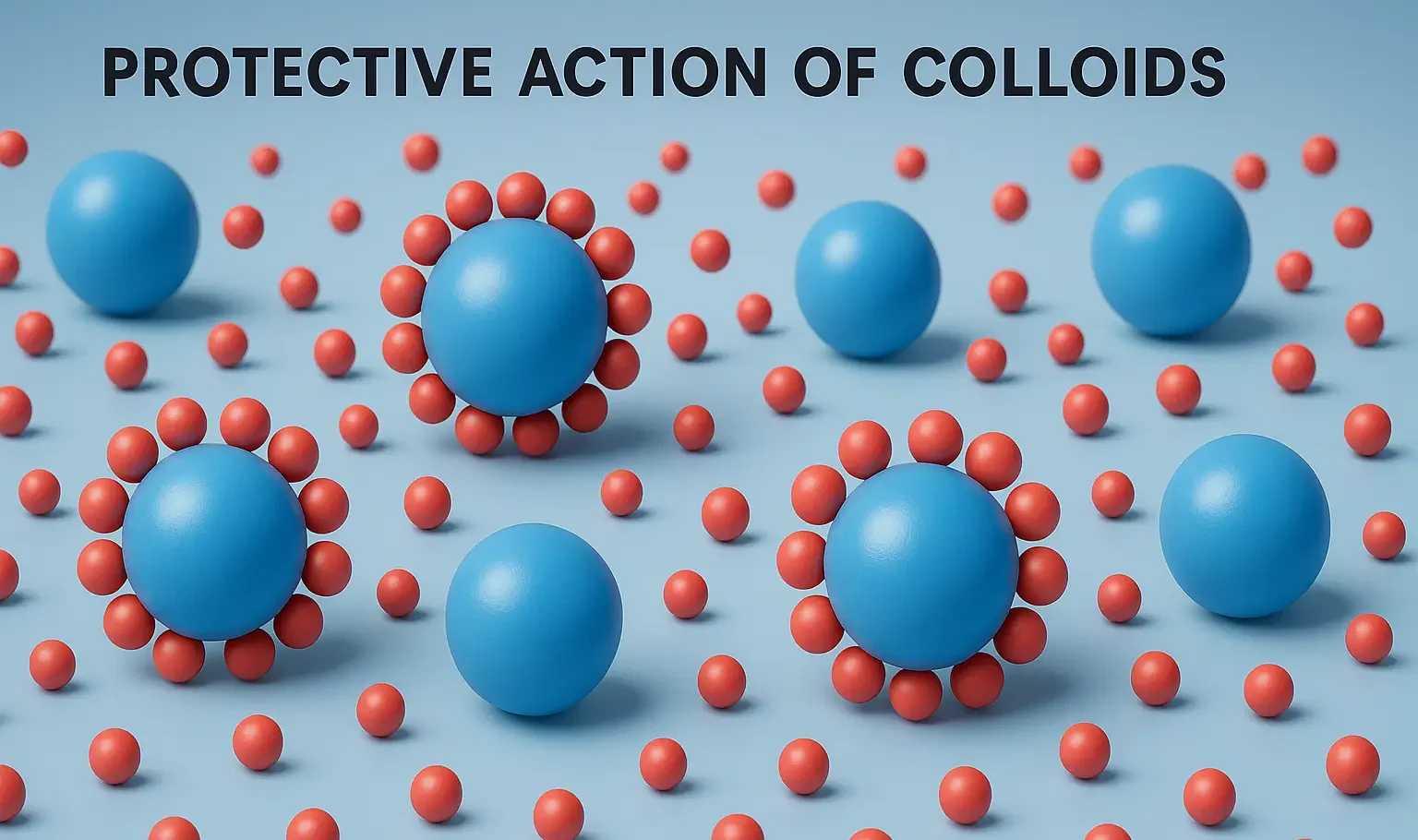
Protective Action of Colloids prevents coagulation by stabilizing dispersed particles. It is vital in pharmaceuticals, food, and industrial formulations. Definition: The ability of lyophilic colloids to protect lyophobic colloids from coagulation by electrolytes. Mechanism: Lyophilic colloids form a protective layer around lyophobic particles, preventing them from aggregating. Protective Colloid: A lyophilic colloid (such as gelatin … Read more