Quinoline

Quinoline

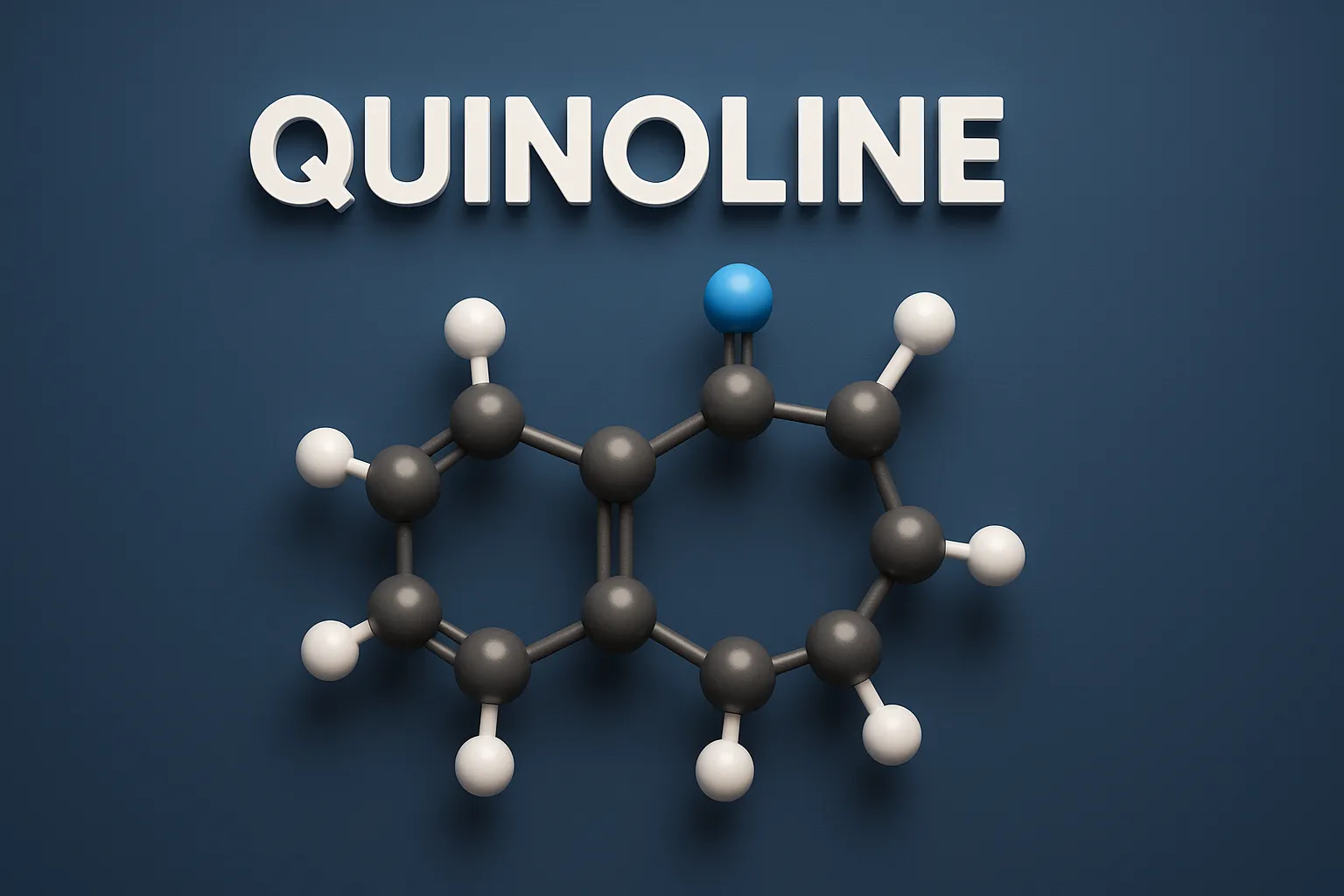
Quinoline is a nitrogen-containing heterocyclic compound widely used in antimalarial drugs, dyes, and medicinal chemistry research. Chemical Formula of Quinoline: C₉H₇N Physical Properties of Quinoline: Property Value Appearance Colorless to yellow liquid Boiling Point ~238 °C Melting Point ~-15 °C Solubility Slightly soluble in water Basicity Lower than pyridine (pKa ~4.9) Medicinal Uses: Core structure … Read more
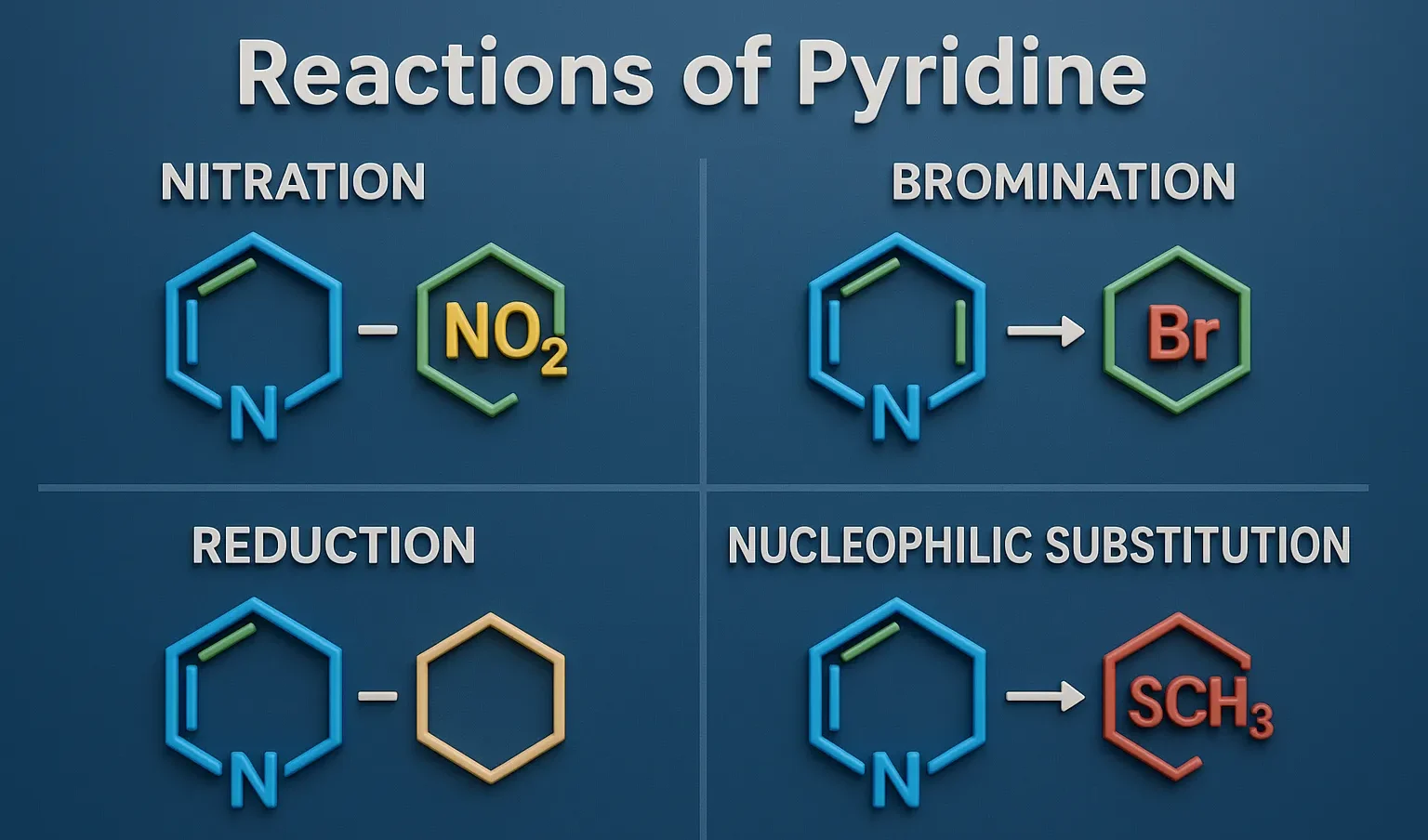
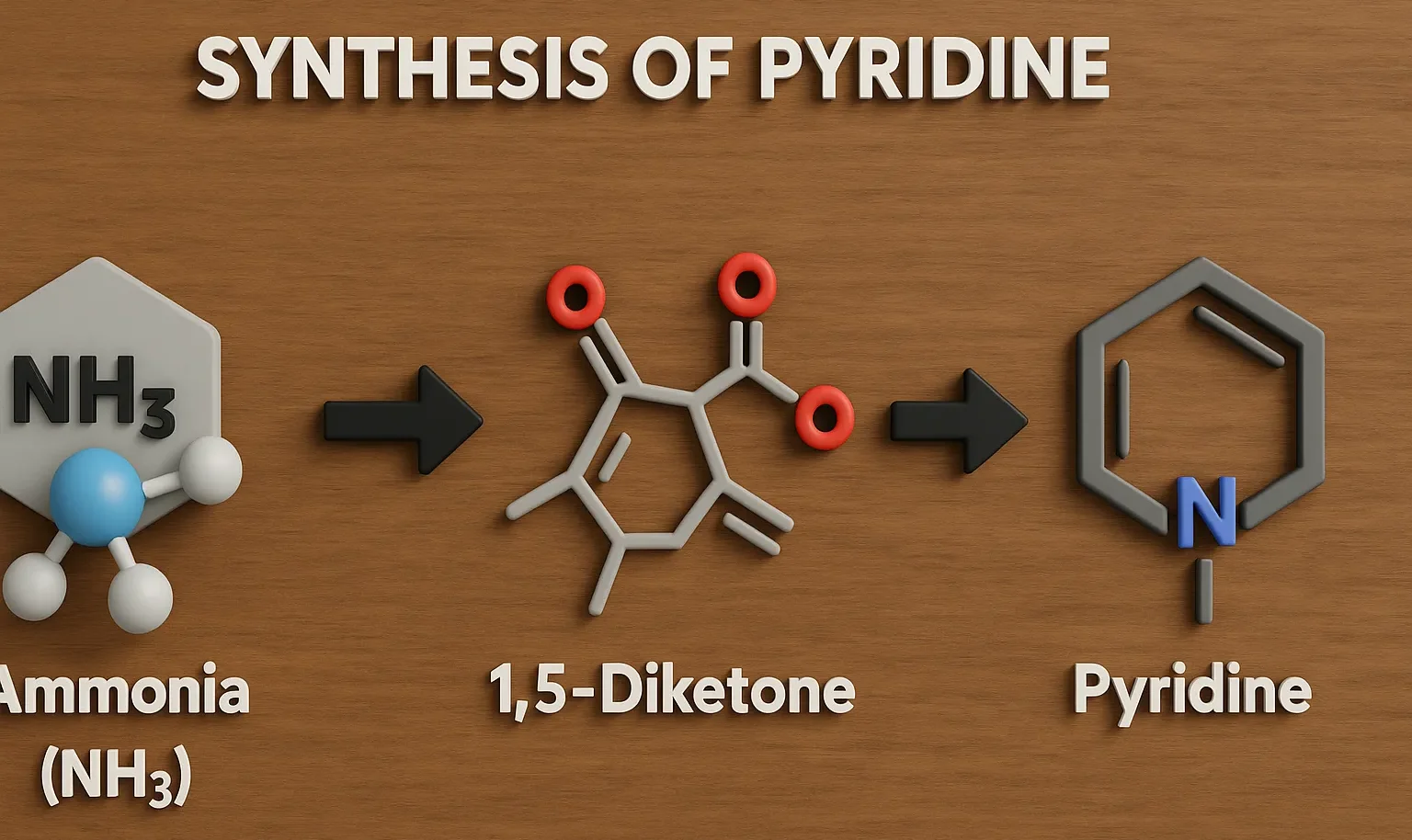
Reactions of Pyridine

Reactions of Pyridine

Reactions of Pyridine include electrophilic substitution, nucleophilic substitution, oxidation, and reduction important in drug synthesis. Reactions of Pyridine Electrophilic Aromatic Substitution (EAS) Due to nitrogen’s electron-withdrawing nature, pyridine is much less reactive than benzene toward EAS. Preferred Positions: C-3 (meta) is the most reactive site for EAS (less destabilized intermediate). Deactivation: Protonation or complexation with … Read more

Synthesis of Pyridine

Synthesis of Pyridine

Synthesis of Pyridine covers Hantzsch, Kröhnke, and Bohlmann–Rahtz routes with reagents, mechanisms, and medicinal chemistry applications. Hantzsch Pyridine Synthesis (most common lab method) Reactants: Aldehyde + β-keto ester + ammonia Conditions: Reflux in ethanol Example: 2 CH₃COCH₂COOEt  +  CH₃CHO  +  NH₃  →  Dihydropyridine  →  Pyridine (oxidation) The dihydropyridine intermediate is oxidized (e.g., with nitric acid … Read more

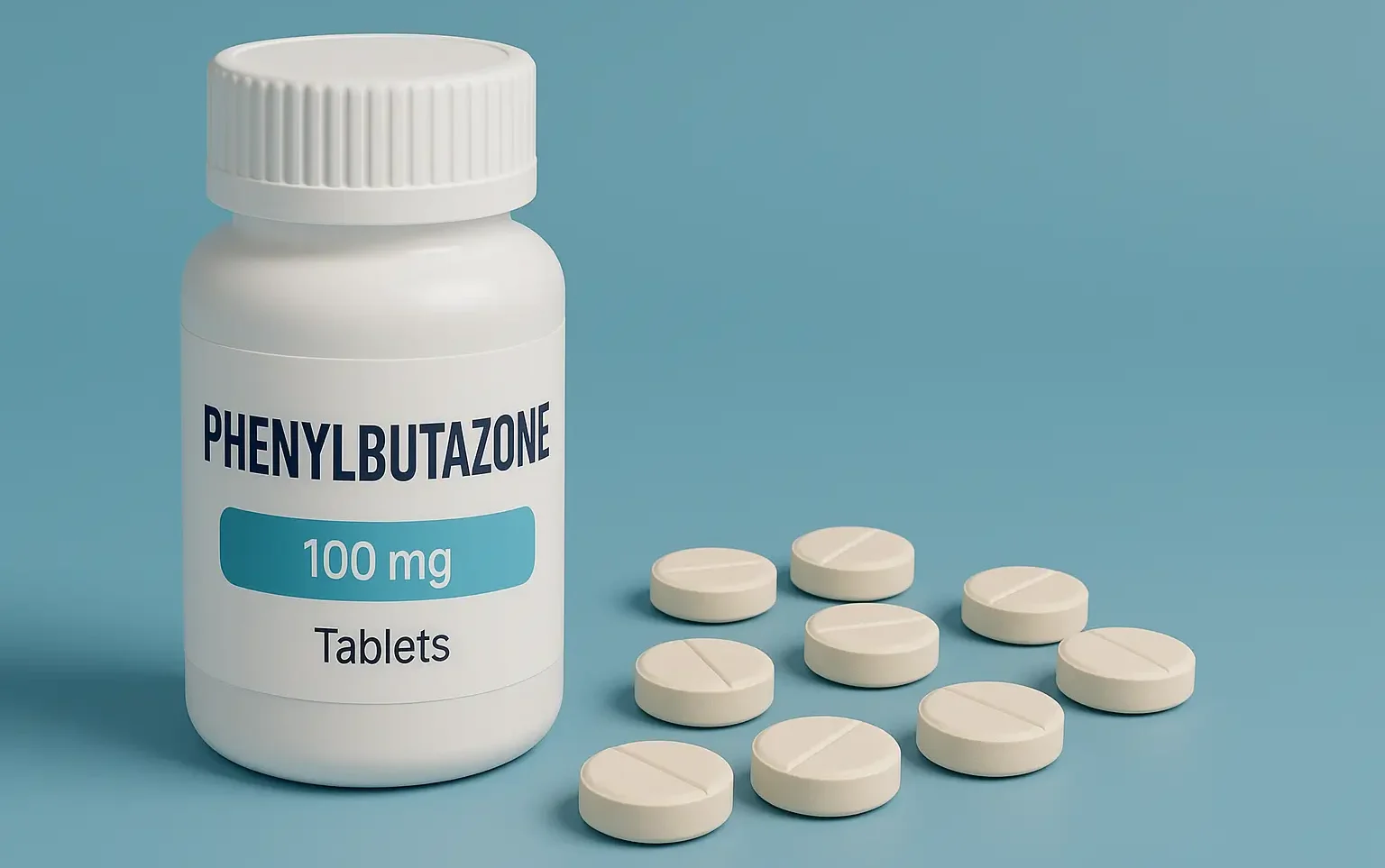
Phenylbutazone

Phenylbutazone blocks COX enzymes, reducing prostaglandin synthesis to relieve pain and swelling. It is an NSAID used for arthritis, gout, and pain relief in inflammatory conditions. Chemical Formula: C₁₉H₂₀N₂O₂ Mechanism of Phenylbutazone: Potent non-selective COX inhibitor Strong anti-inflammatory effect Uses of Phenylbutazone: Ankylosing spondylitis (rare) Gout (historical) Side Effects: Aplastic anemia Agranulocytosis GI toxicity Notes: … Read more

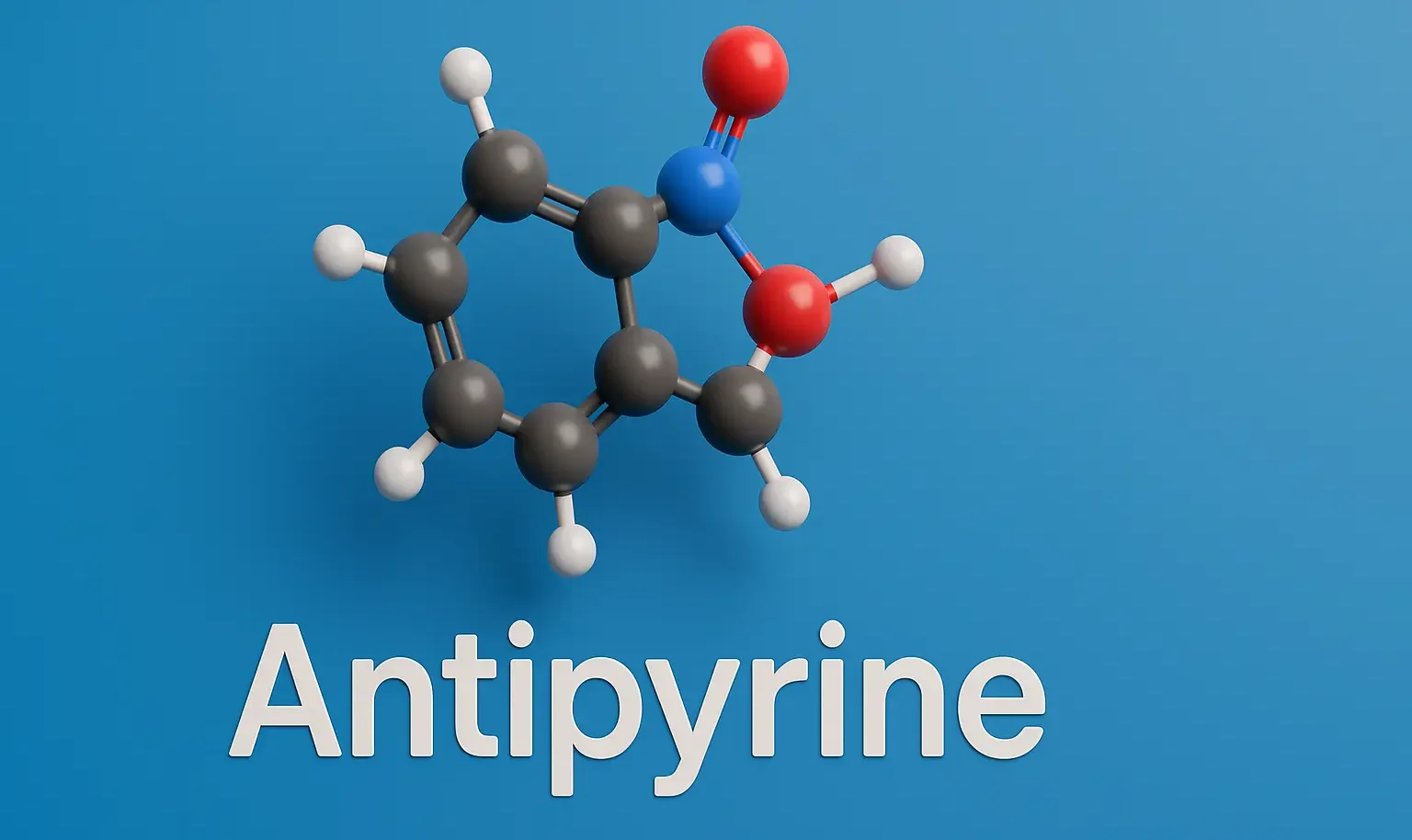
Antipyrine

Antipyrine

Antipyrine is used as an analgesic and antipyretic, often in ear preparations for pain relief. It works by inhibiting prostaglandin synthesis, reducing pain, fever, and inflammation. Chemical Formula: C₁₁H₁₂N₂O Mechanism of Antipyrine: COX inhibition Also acts as antipyretic and analgesic Uses of Antipyrine: Historical use for fever, pain Component in ear drop formulations today Side … Read more

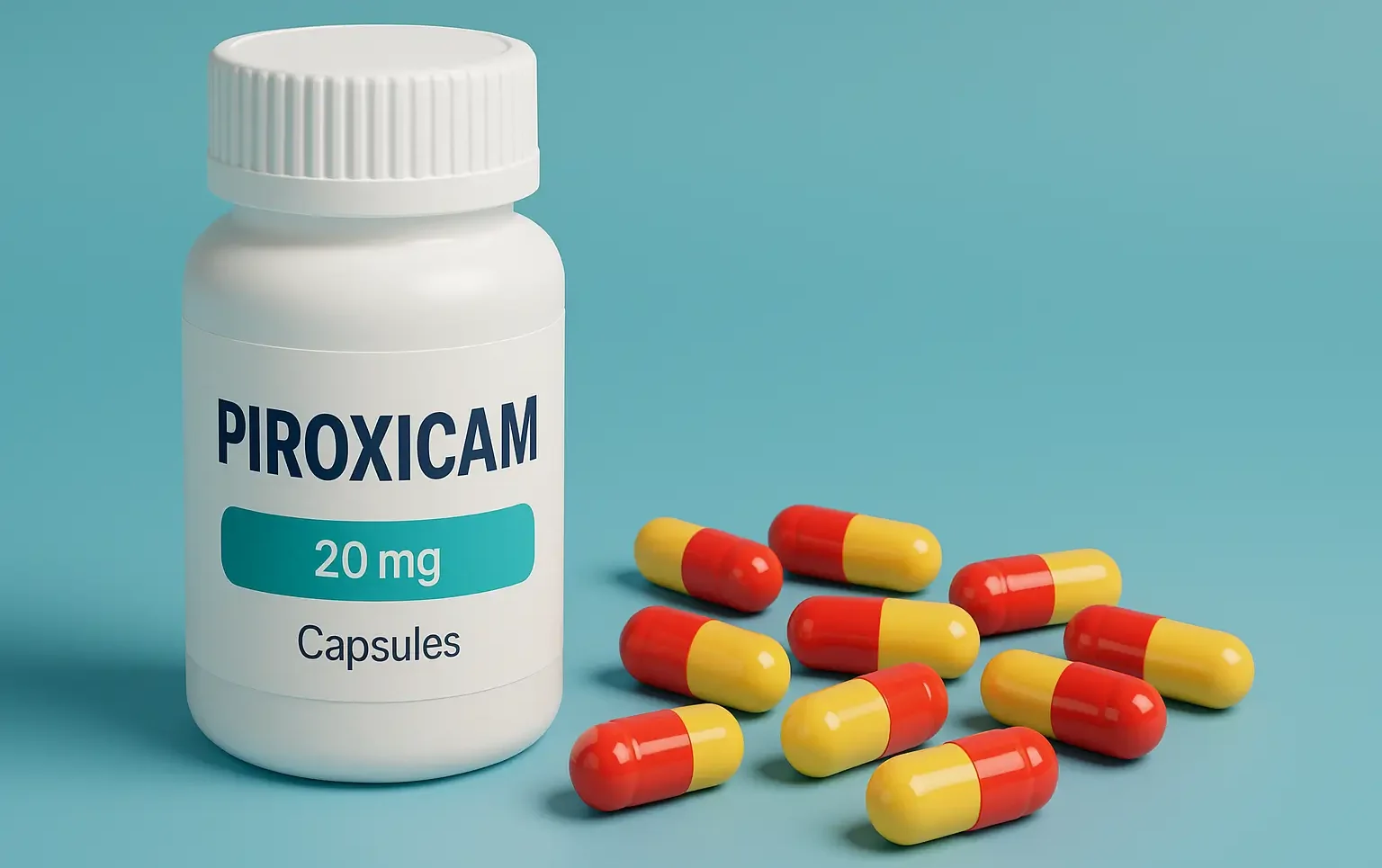
Piroxicam

Piroxicam

Piroxicam blocks COX enzymes, reducing prostaglandin synthesis to relieve pain and swelling. It is an NSAID for long-term management of arthritis, pain, and inflammation. Chemical Formula: C₁₅H₁₃N₃O₄S Mechanism of Piroxicam: Non-selective COX inhibitor Long half-life (~50 hrs) Uses of Piroxicam: Chronic inflammatory conditions (OA, RA) Once-daily dosing Side Effects: GI irritation/ulceration Photosensitivity Headache Notes: Long-acting … Read more

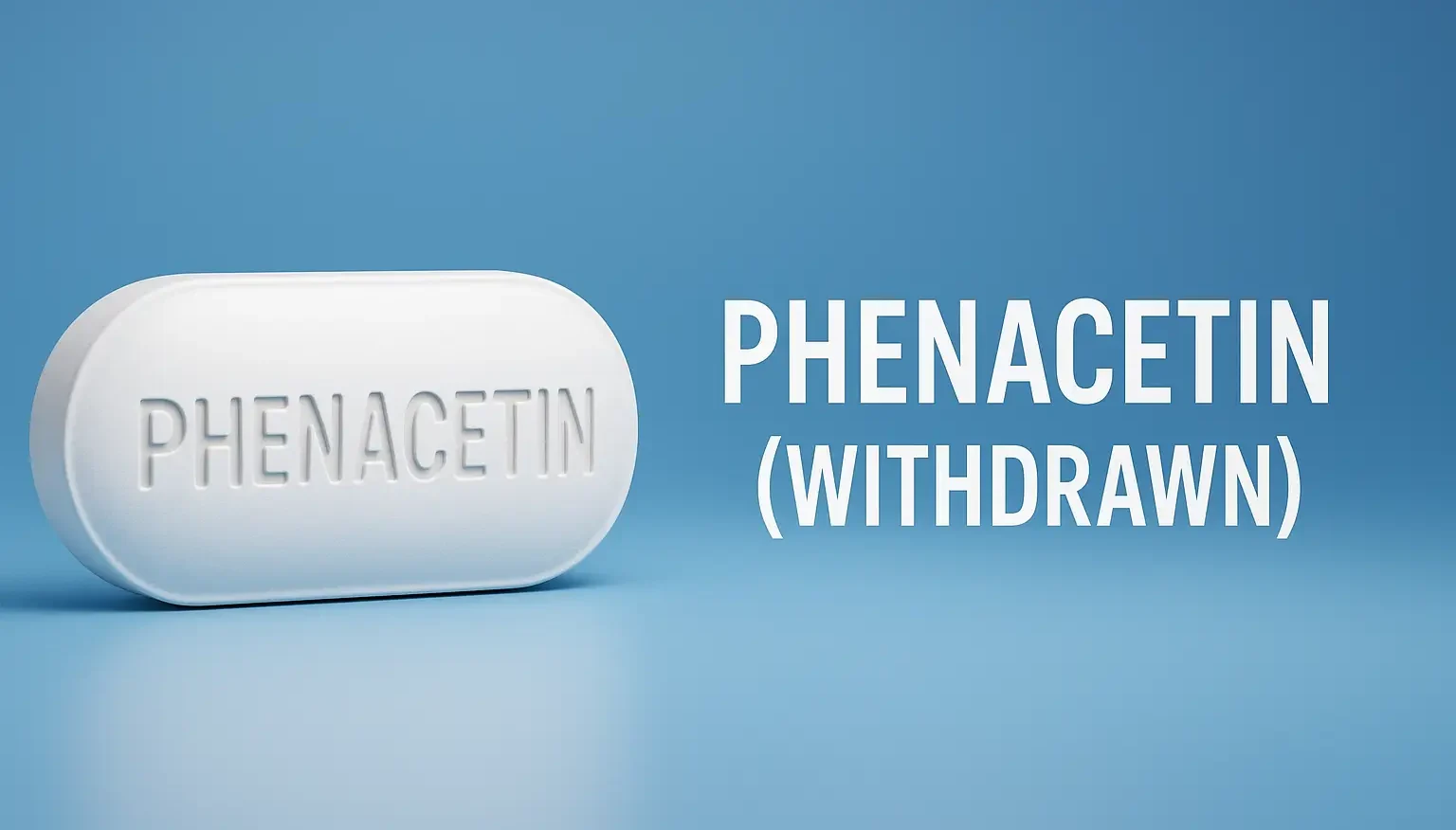
Phenacetin (Withdrawn)

Phenacetin (Withdrawn)

Phenacetin (Withdrawn) was withdrawn due to nephrotoxicity and carcinogenic risks linked to long use. It was once used as an analgesic and antipyretic for pain and fever relief. Chemical Formula: C₁₀H₁₃NO₂ Mechanism of Phenacetin (Withdrawn) : Central COX inhibition Mild analgesic and antipyretic Uses of Phenacetin (Withdrawn): Formerly used for fever and pain Side Effects: … Read more

Synthesis of Oxazole

Synthesis of Oxazole

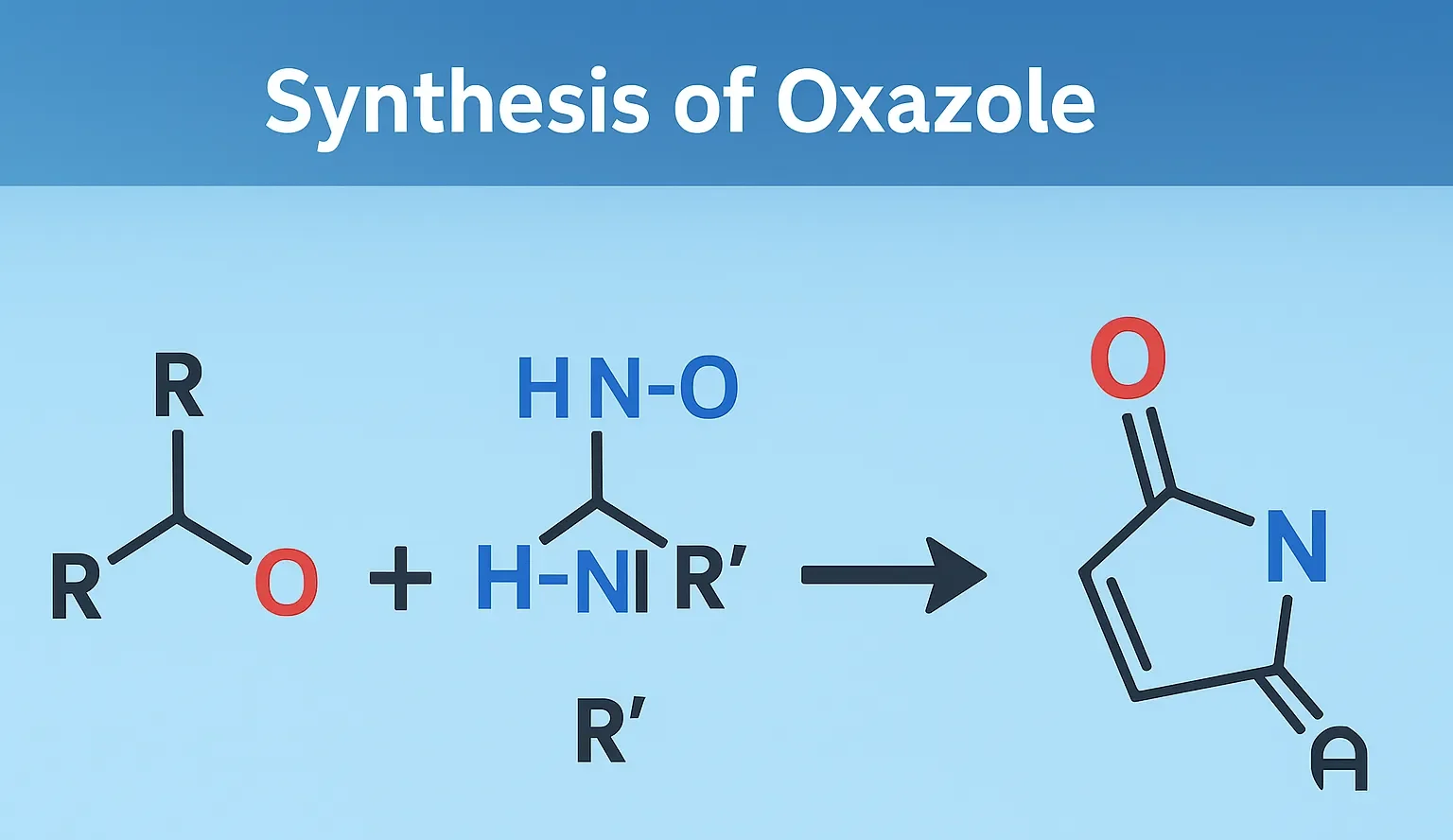
Synthesis of Oxazole involves methods like Robinson-Gabriel synthesis, Fischer oxazole synthesis, and cyclization of α-acylaminoketones. Robinson–Gabriel Synthesis (Classical method) Reactants: α-acylaminoketones Reagents: Acidic dehydrating agents (e.g., P₂O₅, POCl₃) Reaction: R–CO–CH₂–NH–CO–R’ → Oxazole (via cyclodehydration) Mechanism: Intramolecular cyclization Dehydration Aromatization Bredereck Synthesis Reactants: α-haloketone + formamide Reaction: CH₃COCH₂Cl + HCONH₂ → 2-methyl-oxazole Good for substituted oxazoles … Read more

Reactions of Oxazole

Reactions of Oxazole

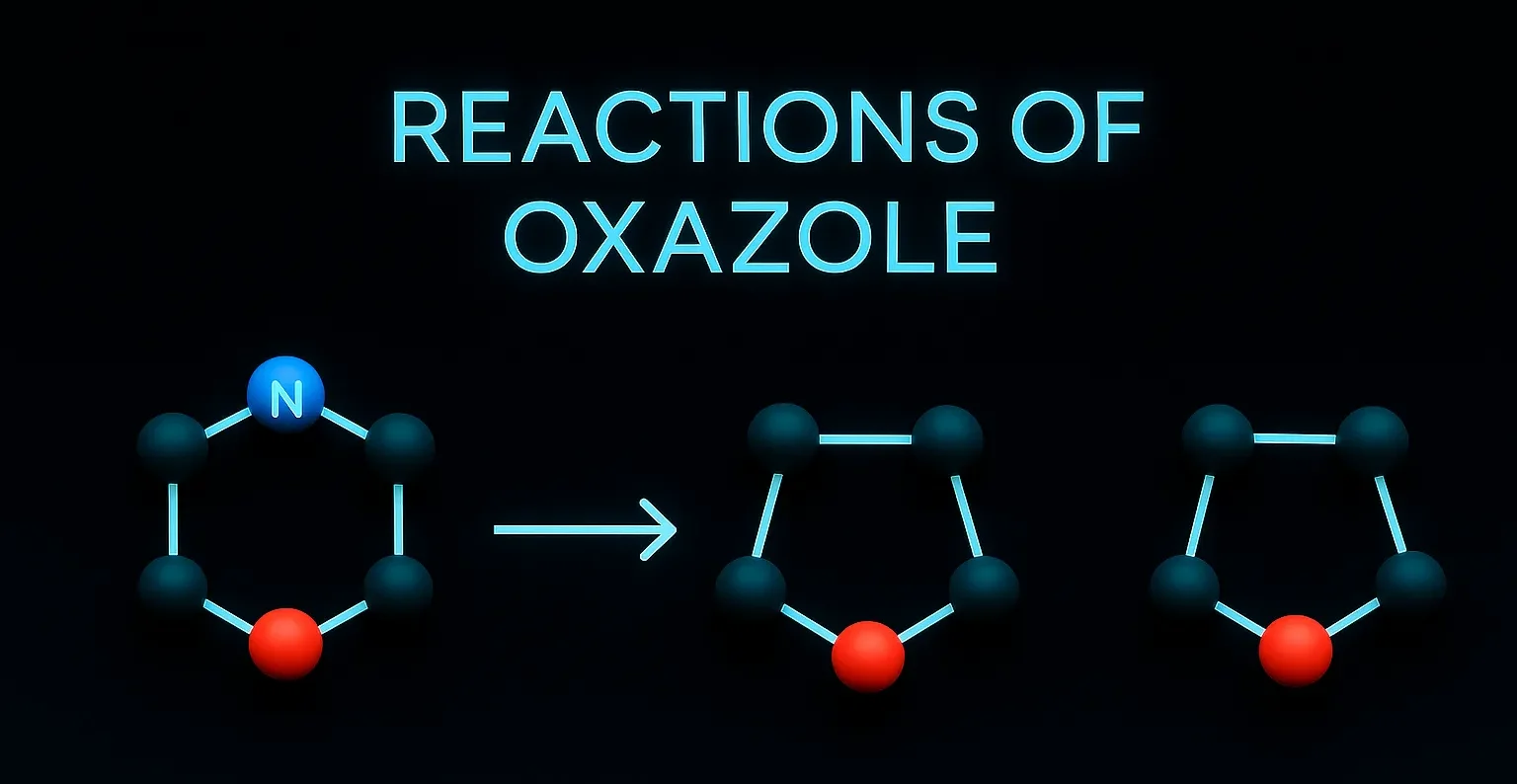
Reactions of Oxazole include electrophilic substitution at the 5-position, nucleophilic substitution at the 2-position, and ring-opening reactions. Electrophilic Aromatic Substitution (EAS) The ring is electron-deficient (due to N and O), so EAS is more difficult than in pyrrole, furan, or imidazole. Most reactive site: C-5, due to resonance stabilization of the intermediate. Examples: Nitration (HNO₃/H₂SO₄) … Read more

Pyridine

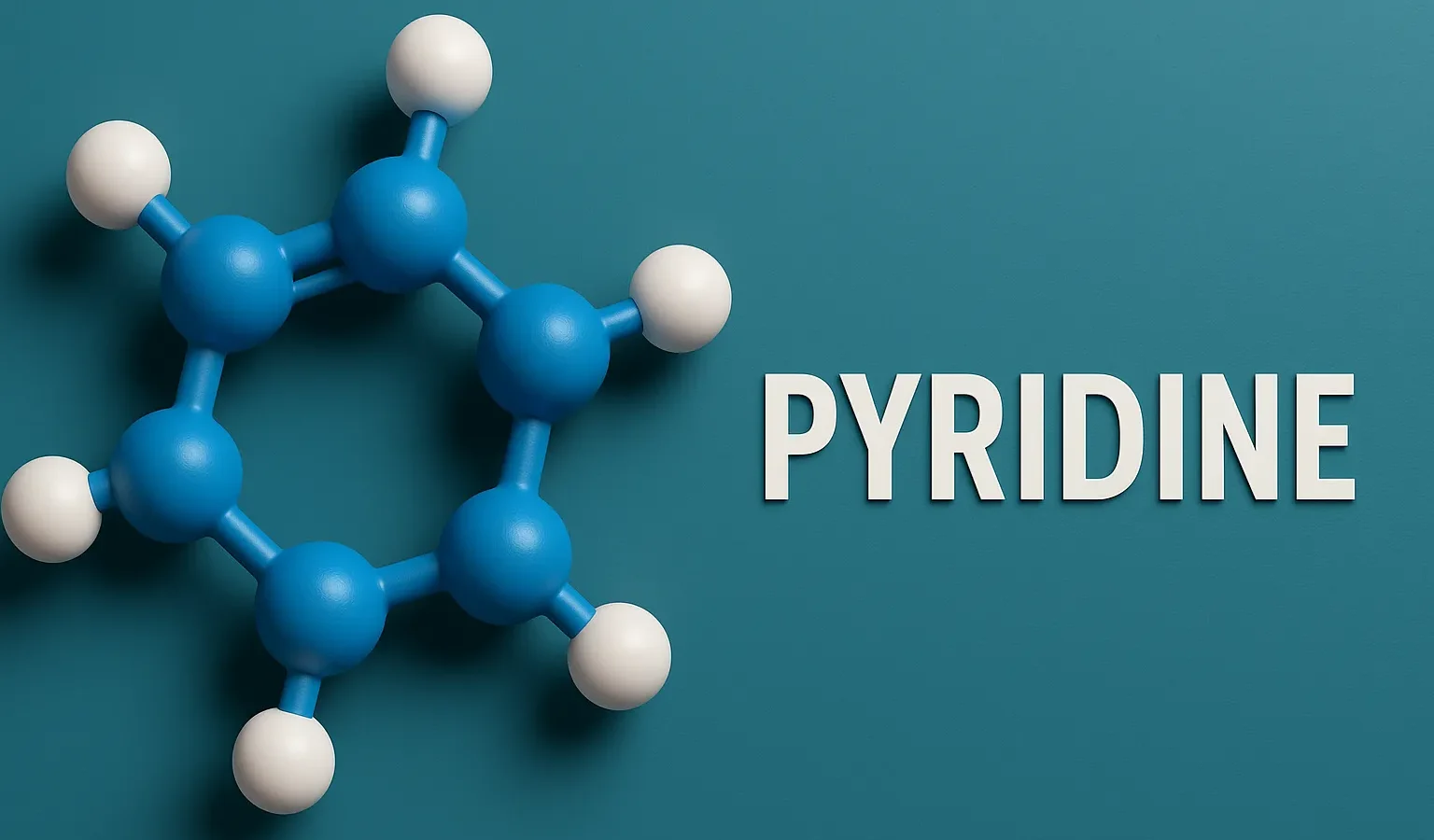
Pyridine is a nitrogen-containing heterocyclic compound essential in pharmaceuticals, agrochemicals, and organic synthesis. Chemical Formula of Pyridine: C₅H₅N Physical Properties of Pyridine: Property Value Appearance Colorless liquid Odor Fish-like, unpleasant Boiling Point ~115 °C Melting Point ~-41 °C Solubility Miscible with water and organics Basicity (pKa of conjugate acid) ~5.2 (moderately basic) Medicinal Uses: Pyridine … Read more