Synthesis of Imidazole

Synthesis of Imidazole
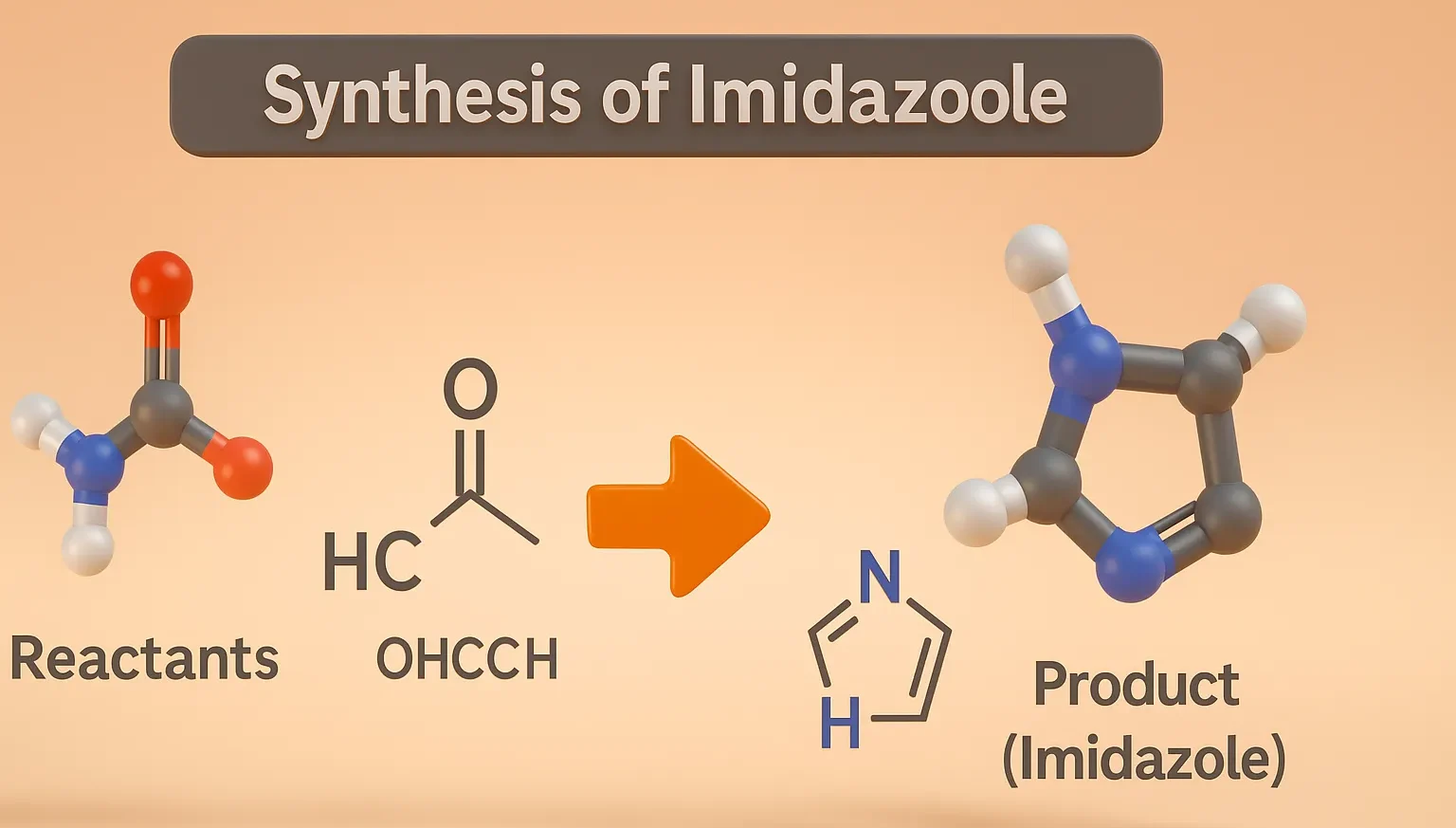
Synthesis of Imidazole includes Debus synthesis and Radiszewski method using glyoxal, aldehyde, and ammonia. Synthesis of Imidazole Debus–Radziszewski Synthesis (most commonly used) Reactants: Aldehyde (e.g., formaldehyde) 1,2-dicarbonyl compound (e.g., glyoxal) Ammonia (or primary amines) Reaction: Glyoxal  +  NH₃  +  CH₂O  →  Imidazole  +  H₂O Mechanism: Schiff base formation Cyclization via nucleophilic attack Aromatization by dehydration … Read more
Imidazole

Imidazole is a five-membered aromatic heterocycle with two non-adjacent nitrogen atoms, widely used in drugs. Chemical Formula of Imidazole: C₃H₄N₂ Physical Properties of Imidazole: Property Value Appearance White crystalline solid Melting Point ~90–91 °C Boiling Point ~257 °C Solubility Very soluble in water and polar solvents Basicity More basic than pyrazole Medicinal Uses: Present in … Read more

Reactions of Pyrazole

Reactions of Pyrazole

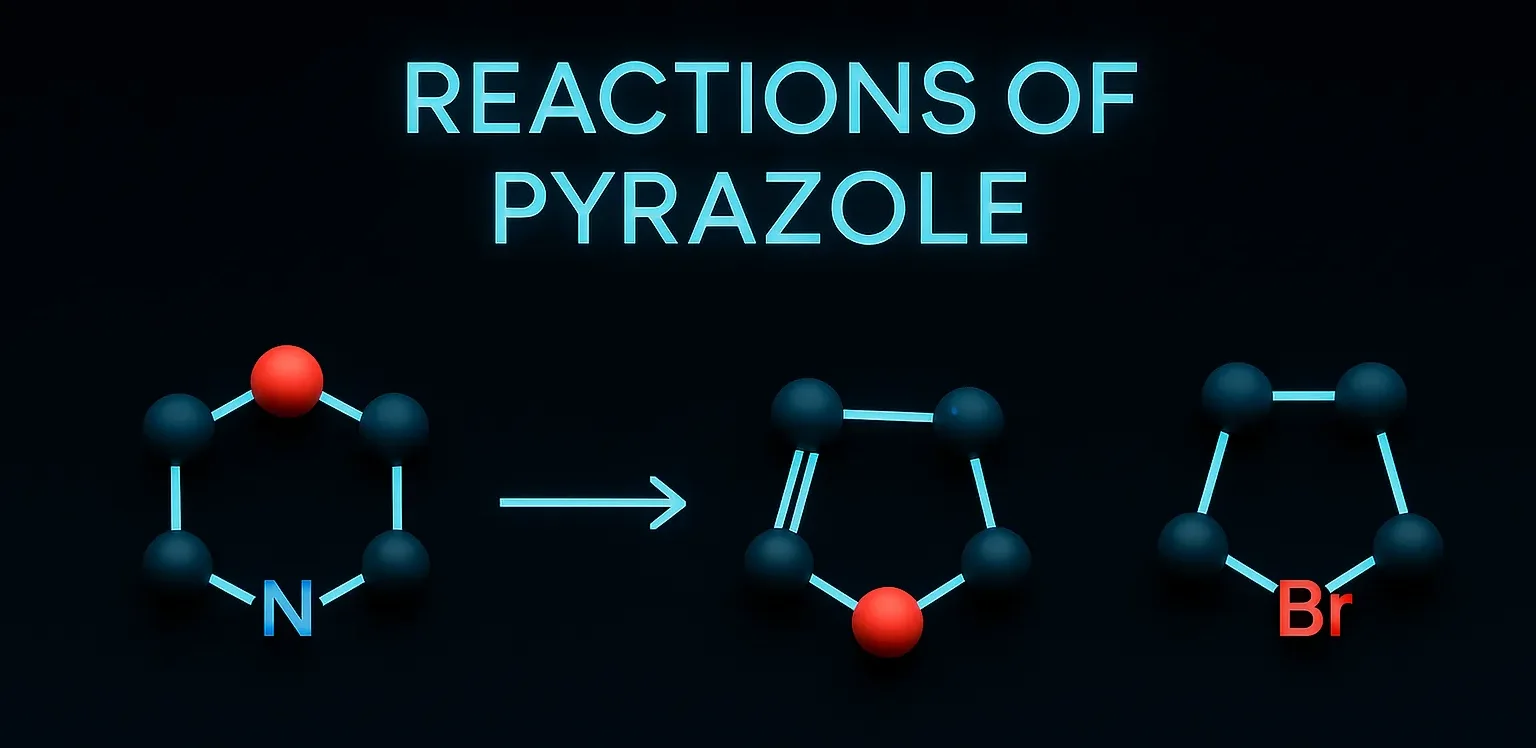
Reactions of Pyrazole mainly include electrophilic substitution at the 4-position and oxidation or reduction pathways. Reactions of Pyrazole Tautomerism: Pyrazole exhibits prototropic tautomerism between N-1 and N-2. 1H-pyrazole    ⇌    2H-pyrazole This affects reactivity at the nitrogen atoms and the electron density distribution on the ring. Electrophilic Substitution Reactions (EAS): Due to the electron-rich ring, EAS … Read more

Synthesis of Pyrazole

Synthesis of Pyrazole

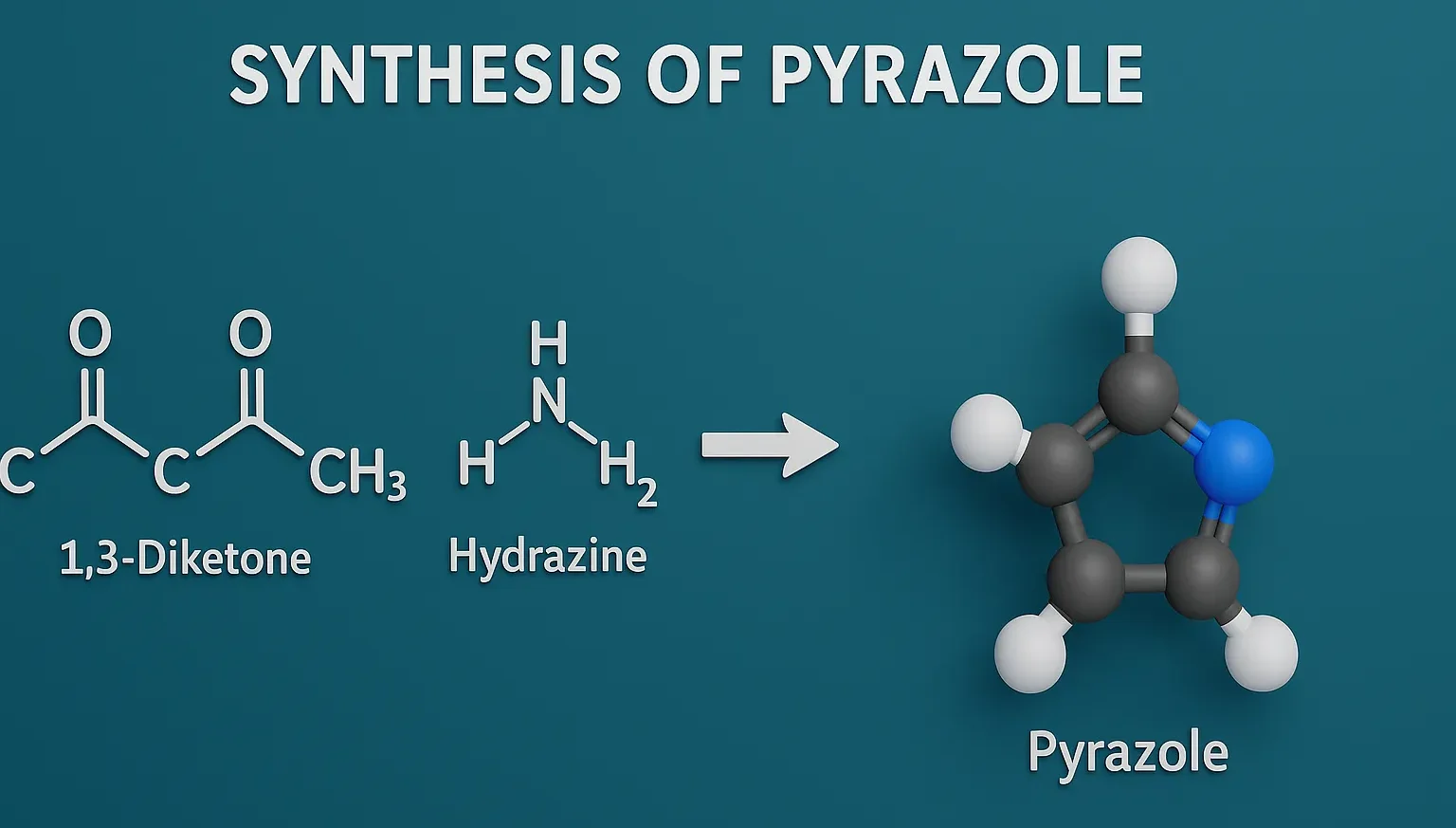
Synthesis of Pyrazole involves methods like Knorr synthesis using 1,3-dicarbonyl compounds and hydrazines. Condensation of 1,3-Dicarbonyl Compounds with Hydrazine (most common method) Reactants: 1,3-diketones (e.g., acetylacetone) Hydrazine (NH₂NH₂) or substituted hydrazines Reaction: CH₃COCH₂COCH₃  +  NH₂NH₂  →  3,5-Dimethylpyrazole  +  H₂O Mechanism: Formation of hydrazone at one carbonyl Intramolecular cyclization Elimination of water → Pyrazole ring Advantages: … Read more

Pyrazole

Pyrazole

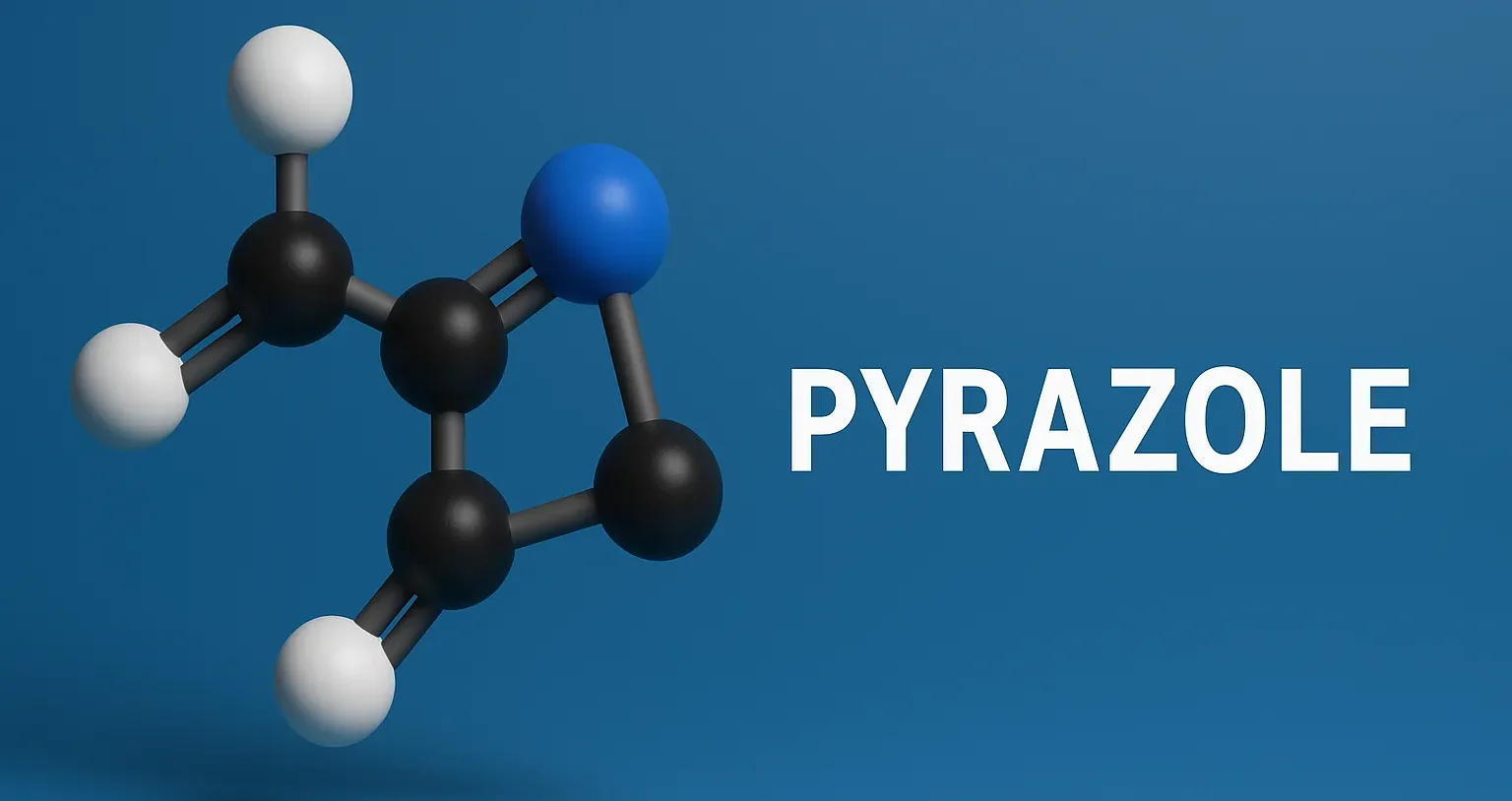
Pyrazole is a five-membered aromatic heterocyclic compound with two adjacent nitrogen atoms, used in medicines and agrochemicals. Chemical Formula of Pyrazole: C₃H₄N₂ Physical Properties: Property Value Appearance White crystalline solid Melting Point ~66 °C Boiling Point ~186 °C Solubility Soluble in water, alcohol, ether Basicity Weakly basic Medicinal Uses: Found in analgesic, anti-inflammatory, antipyretic, and … Read more

Electrophilic Reactivity

Electrophilic Reactivity

Electrophilic Reactivity is the tendency of aromatic or unsaturated compounds to undergo reactions with electron-seeking species (electrophiles). Reactivity toward EAS depends on electron density in the ring. More electron-rich rings react more easily. Comparison of EAS Reactivity Compound Electron Density Reactivity toward EAS Preferred Position of Attack Pyrrole Highest Most reactive Position-2 (α) Furan Moderate … Read more

Aromaticity: Relative Stability of the π-System

Aromaticity: Relative Stability of the π-System

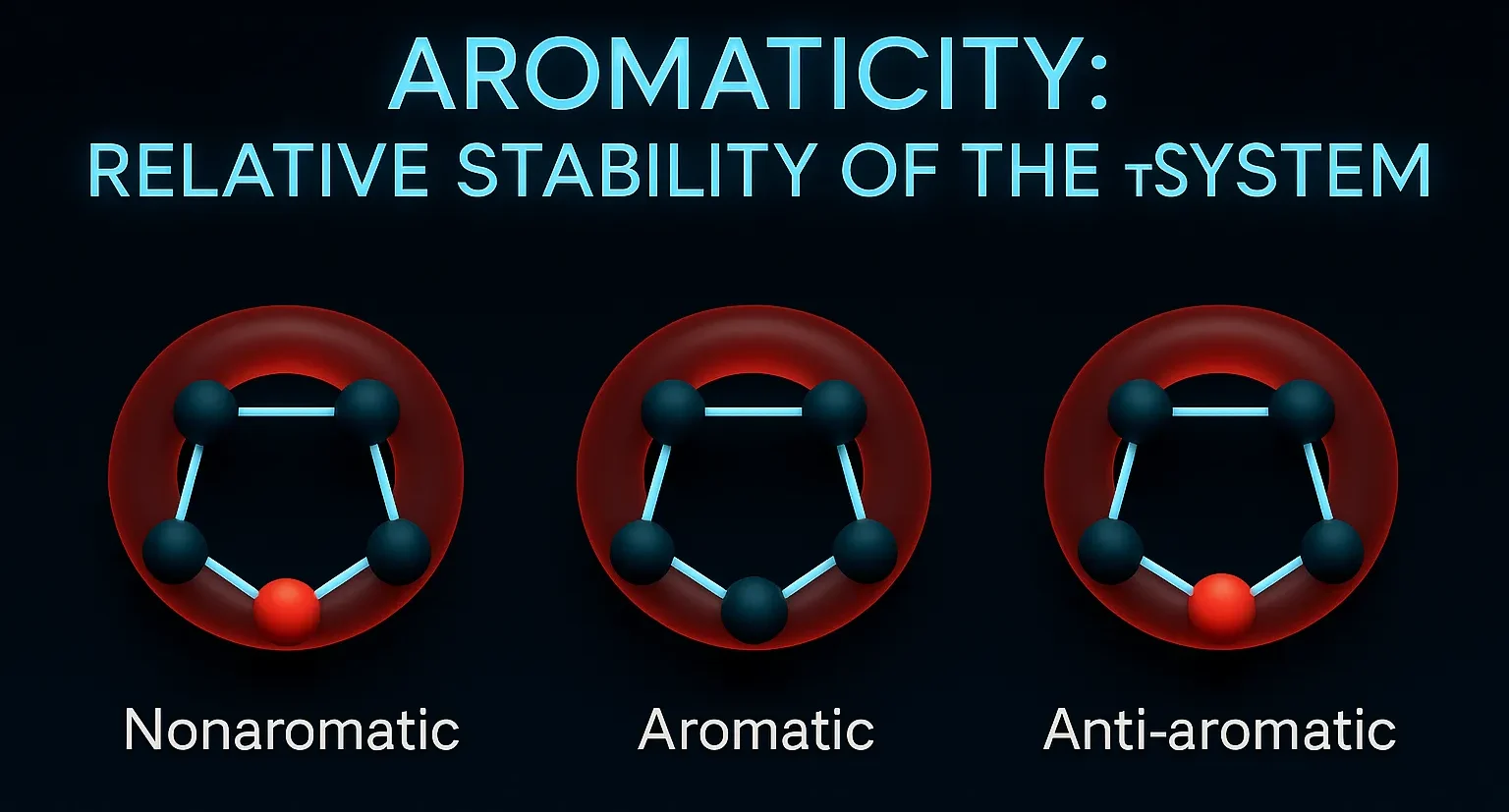
Aromaticity: Relative Stability of the π-System explains how delocalized π-electrons in cyclic conjugated systems provide extra stability compared to non-aromatic compounds. Aromaticity: Relative Stability of the π-System All three compounds—pyrrole, furan, and thiophene—are aromatic because they each have: A 5-membered ring 4 carbon atoms contributing 4 π-electrons One heteroatom (N, O, or S) that donates … Read more

Thiophene: Synthesis and Reactions

Thiophene: Synthesis and Reactions

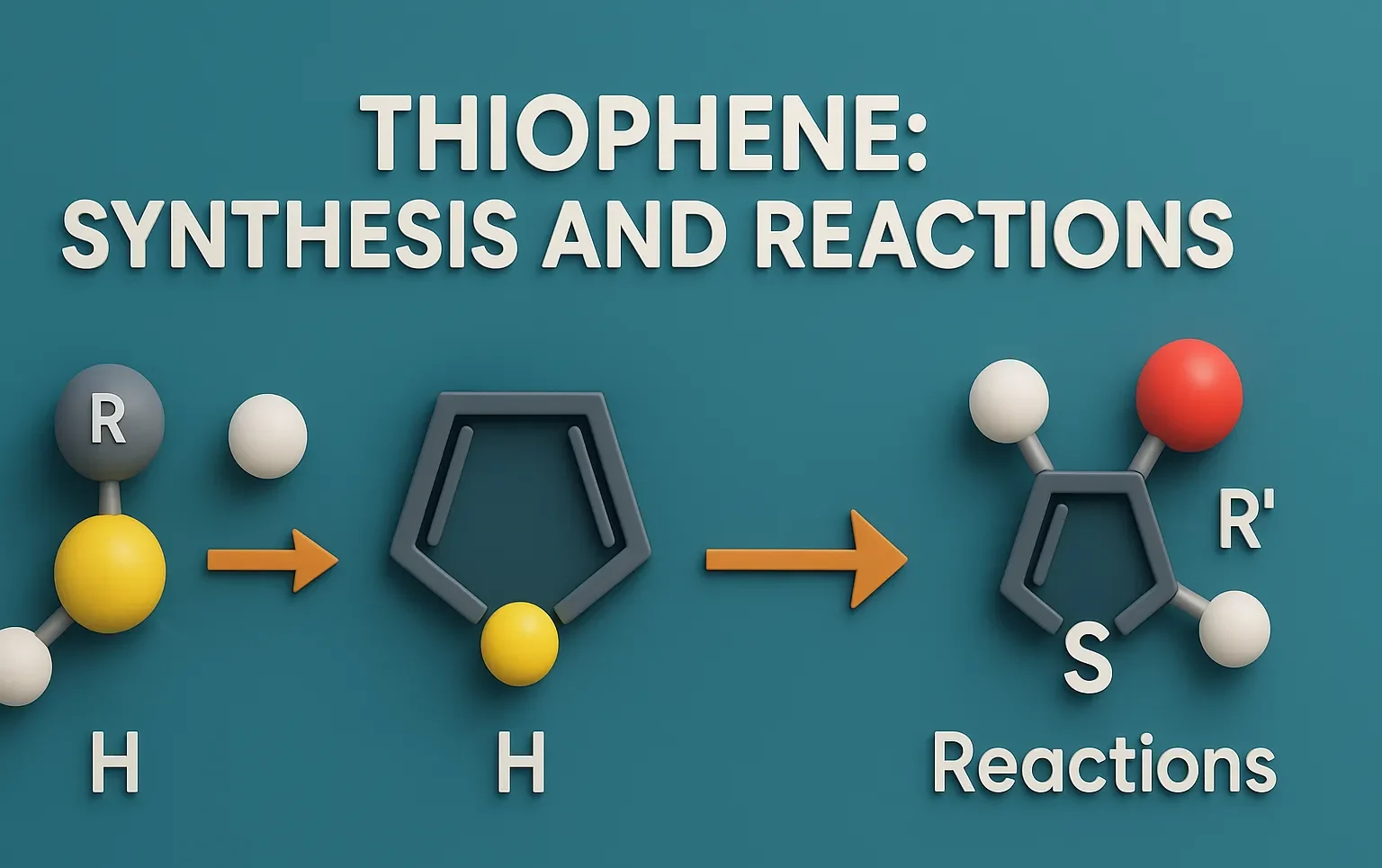
Thiophene: Synthesis and Reactions include Paal-Knorr and Gewald synthesis methods, with electrophilic substitution as the main reaction pathway. Thiophene: Synthesis and Reactions Synthesis of Thiophene Paal–Knorr Thiophene Synthesis Reagents: 1,4-dicarbonyl compound + phosphorus pentasulfide (P₂S₅) or Lawesson’s reagent Reaction: O=CH–CH₂–CH₂–CHO  +  P₂S₅  →  Thiophene  +  byproducts Fiesselmann Thiophene Synthesis Reagents: α-haloketone + alkyl thioglycolate (or … Read more

Pyrrole: Synthesis and Reactions

Pyrrole Synthesis and Reactions

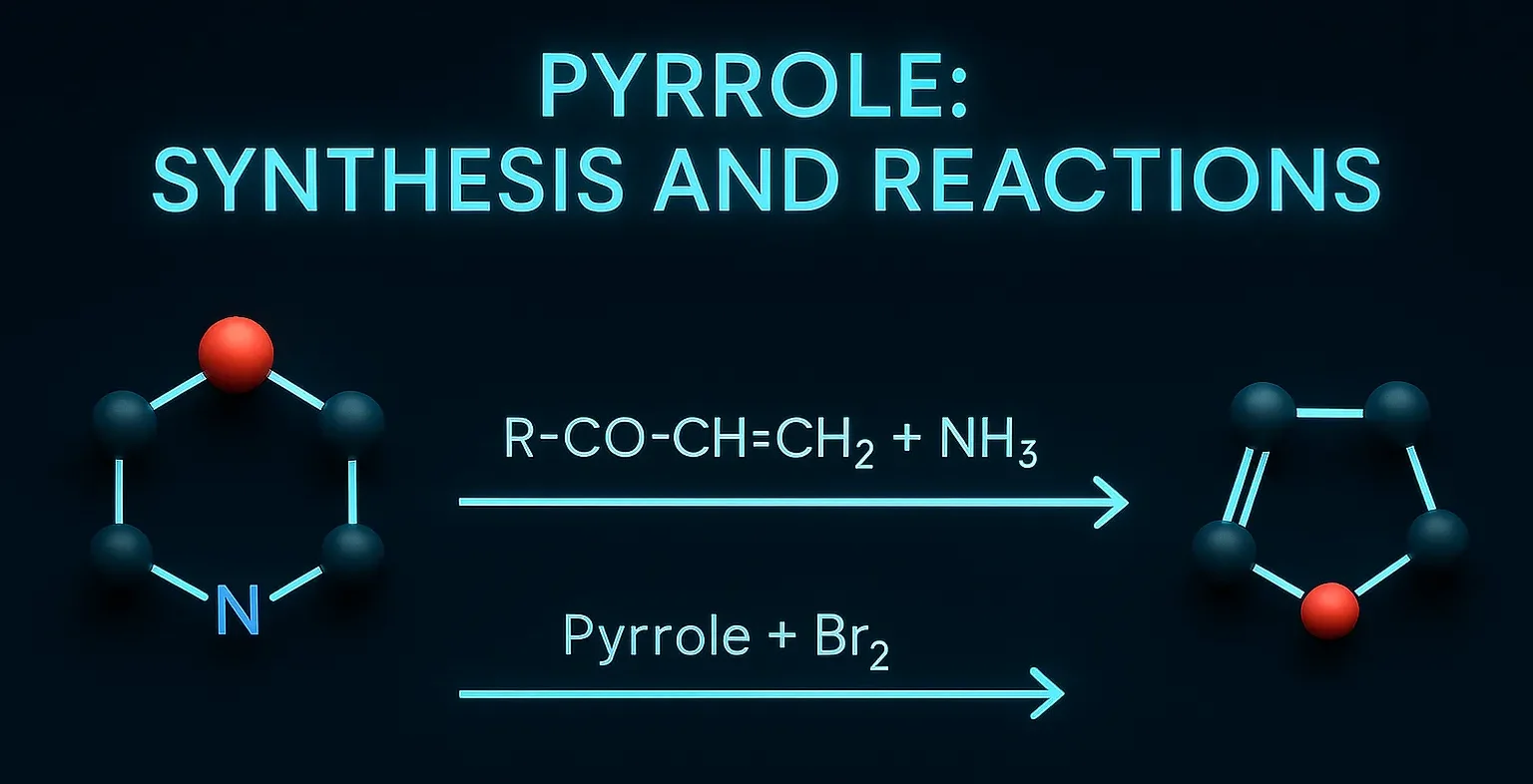
Pyrrole: Synthesis and Reactions include methods like Paal-Knorr synthesis and Knorr synthesis, with reactions such as electrophilic substitution at the 2-position. Synthesis of Pyrrole Hantzsch Pyrrole Synthesis Reagents: β-ketoester, ammonia or primary amine, and a 1,3-dicarbonyl compound Reaction: CH₃COCH₂COOEt  +  BrCH₂COCH₃  +  NH₃ →  Substituted pyrrole Knorr Pyrrole Synthesis Reagents: α-amino ketone + β-ketoester Mechanism: … Read more

Furan

Furan

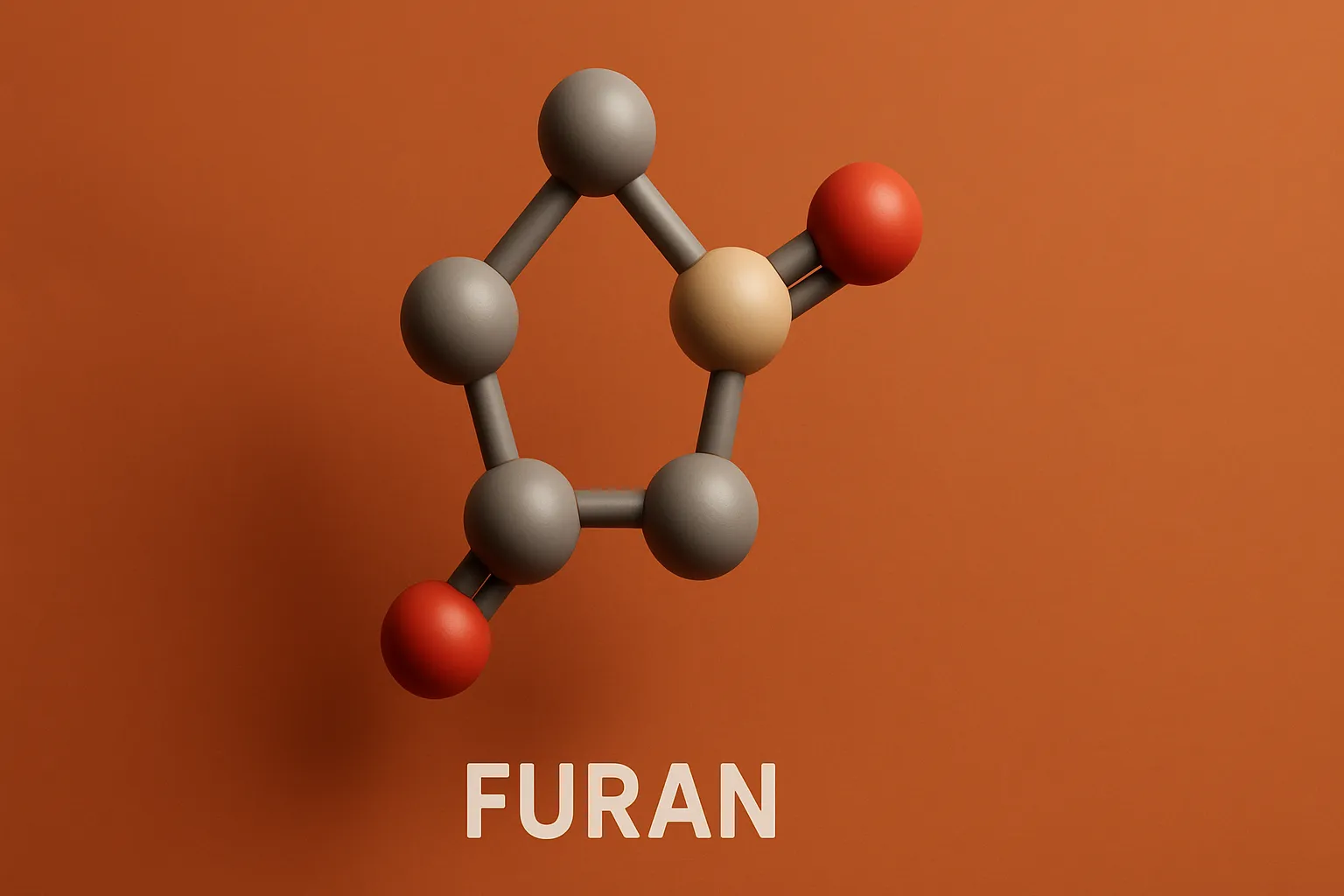
Furan is a five-membered aromatic heterocyclic compound with one oxygen atom, used in pharmaceuticals and fine chemicals. Chemical Formula of Furan: C₄H₄O Physical Properties of Furan: Property Value Appearance Colorless, volatile liquid Odor Ether-like Boiling Point 31.4 °C Melting Point -85.6 °C Solubility Soluble in ether, alcohol; partially in water Density ~0.936 g/cm³ Medicinal Uses: … Read more