Personnel Hygiene

Personnel Hygiene

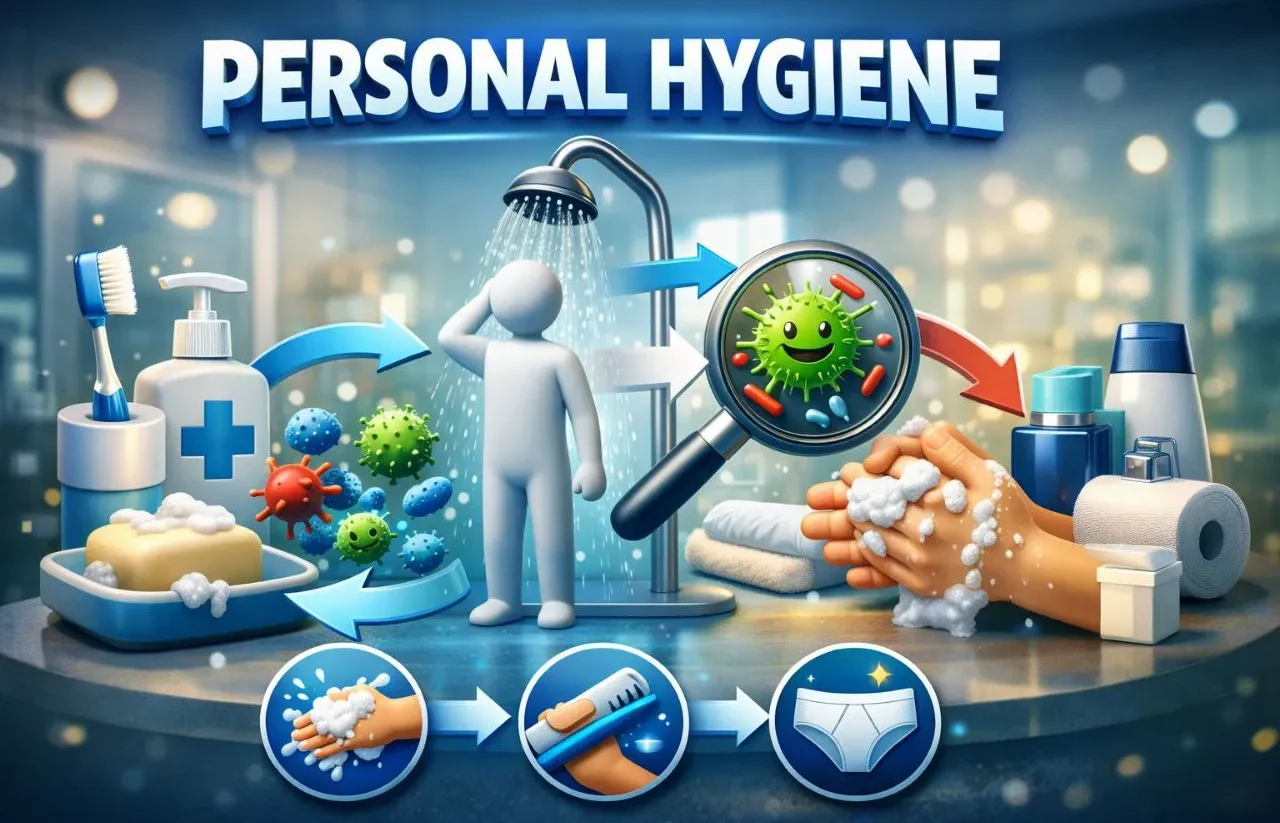
Personnel hygiene is essential to prevent contamination of pharmaceutical products, especially critical in sterile manufacturing environments. Key Hygiene Practices: Regular handwashing and sanitation procedures. Use of protective garments such as gloves, masks, gowns, hairnets, and shoe covers. Avoidance of jewellery, cosmetics, or personal items in production areas. Regular health check-ups to ensure personnel do not … Read more


Training

Training

Proper training ensures product quality, safety, and regulatory compliance. Training programs should be well-documented, regularly updated, and tailored to employee roles. Importance of Training Training equips employees with the knowledge and skills needed to meet quality standards, understand their responsibilities, and comply with regulations. Types of Training Induction Training: For new employees to familiarize them … Read more

Personnel responsibilities

Personnel responsibilities

Pharmaceutical manufacturing and quality assurance require a well-defined organizational structure where responsibilities of personnel at different levels are clearly assigned. The key personnel typically include: Key Personnel & Responsibilities: Senior Management Establishes quality policy and ensures adequate resources. Ensures GMP and regulatory compliance. Approves SOPs and policies. Quality Assurance (QA) Personnel Ensures GMP compliance and … Read more

Definition of QbD

Definition of QbD

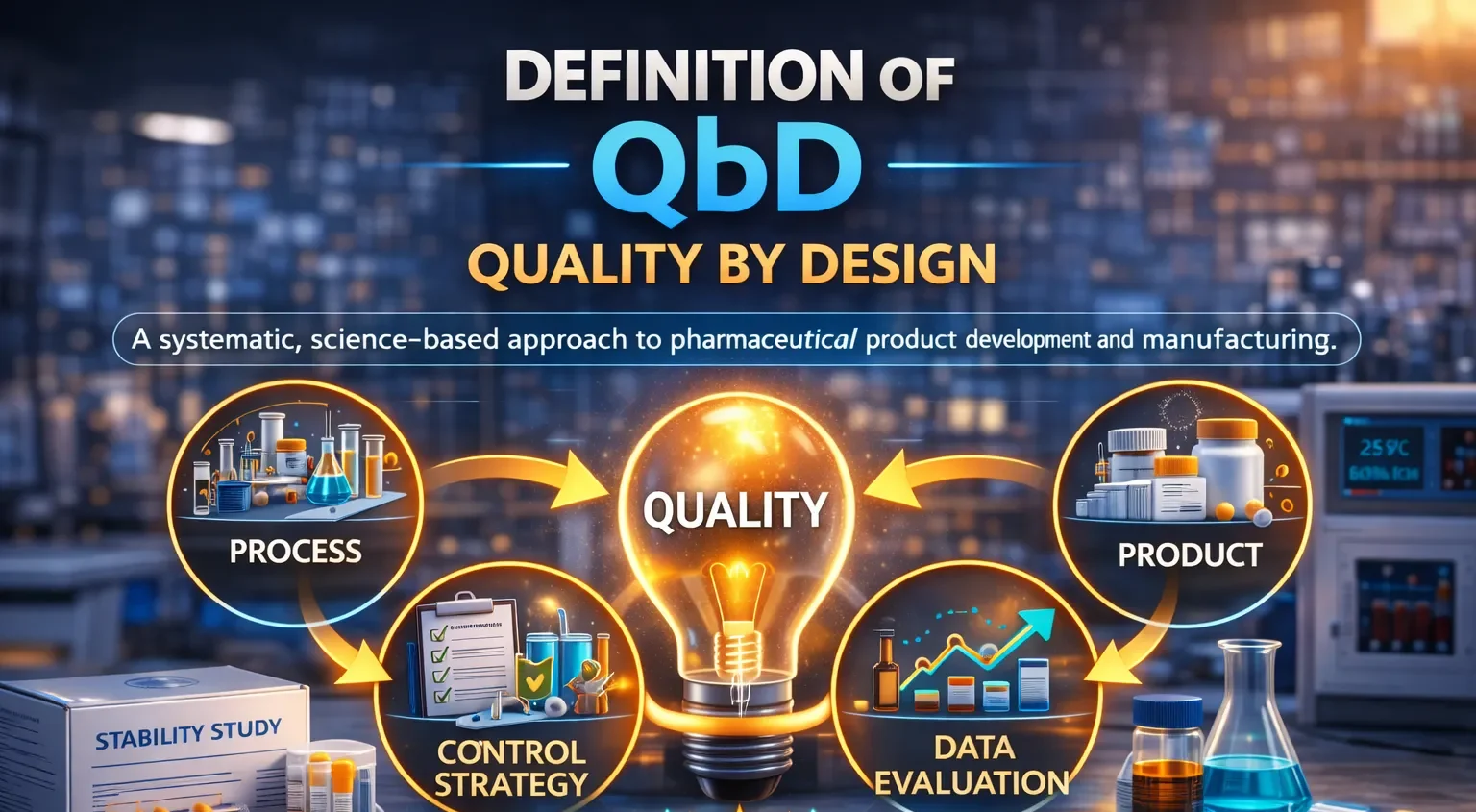
Definition of QbD explains quality by design principles risk management and systematic approach in pharmaceutical development. Definition of QbD Quality by Design (QbD) is a systematic approach to pharmaceutical development that focuses on designing processes and formulations to ensure built-in quality rather than relying on end-product testing. Overview of QbD Developed as part of ICH … Read more

ICH Stability Testing Guidelines (Q1)

ICH Stability Testing Guidelines (Q1)

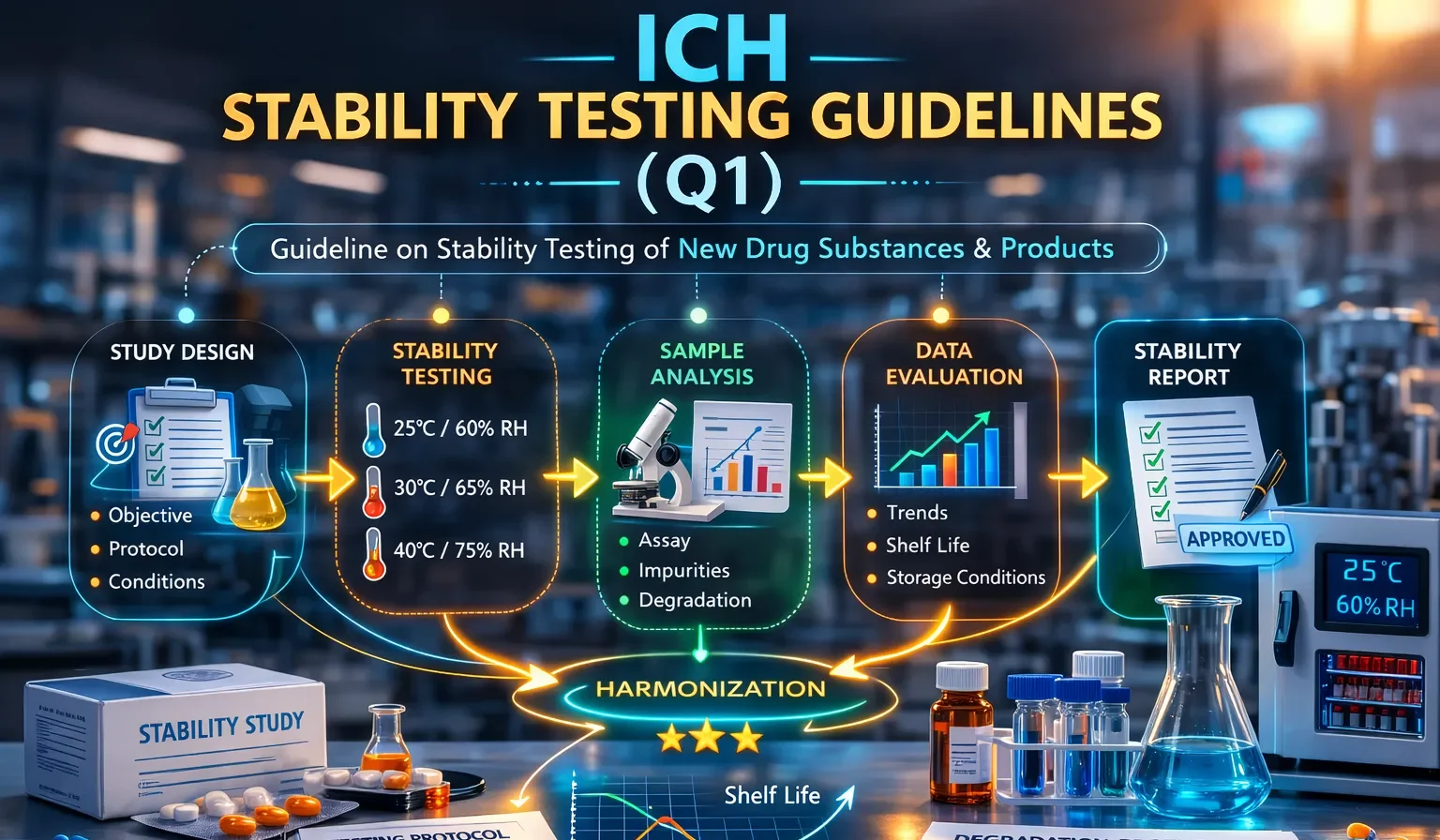
ICH Stability Testing Guidelines (Q1) explain stability study design climatic zones storage conditions and shelf life evaluation. ICH Stability Testing Guidelines (Q1) Stability testing ensures that a pharmaceutical product maintains its identity, strength, quality, and purity over time under various environmental conditions. The ICH Q1 guidelines provide a framework for conducting these tests. Key Stability … Read more

Brief Overview of QSEM

Brief Overview of QSEM

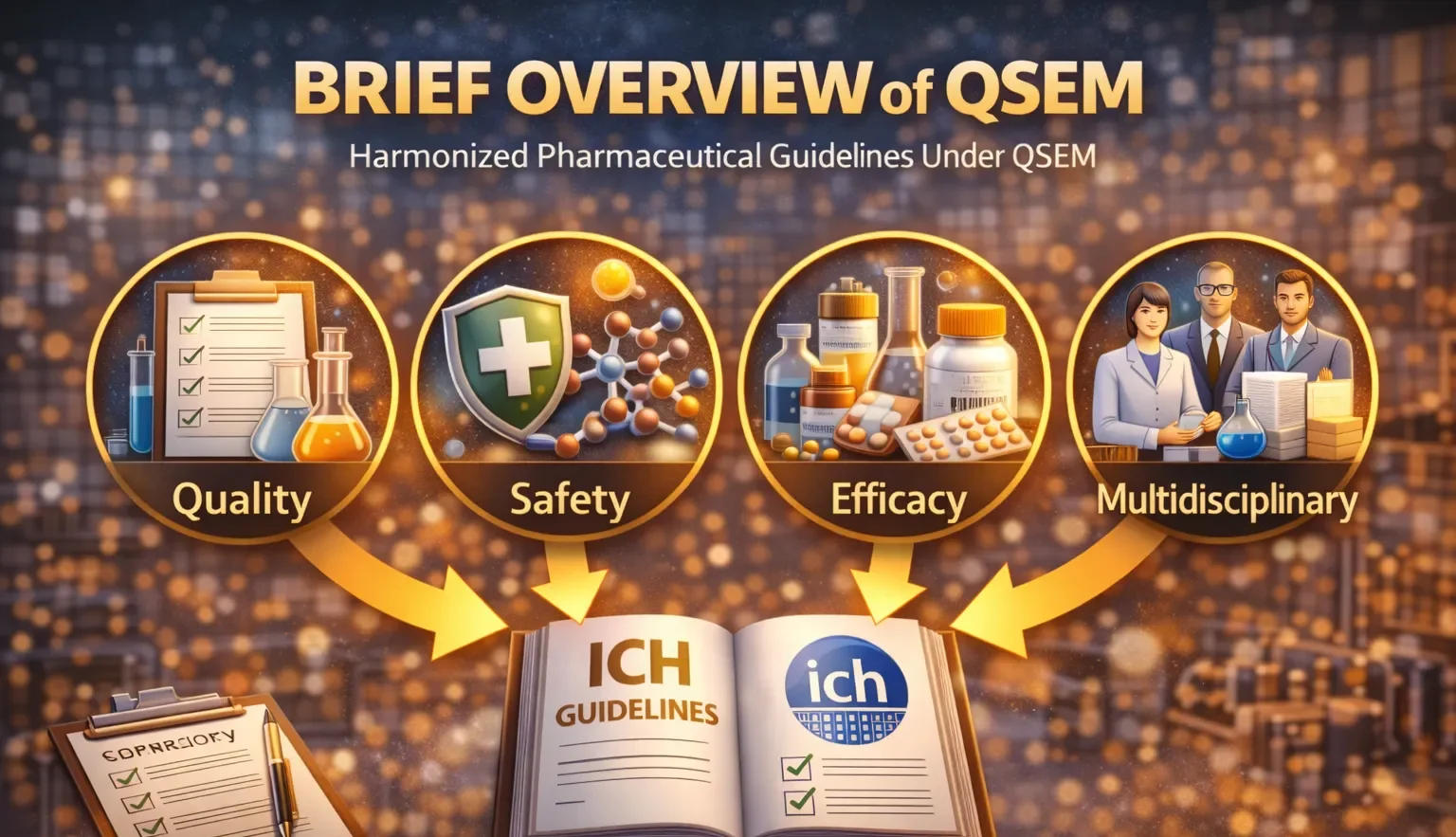
Brief Overview of QSEM explains quality safety efficacy and multidisciplinary guidelines under ICH framework. Brief Overview of QSEM ICH guidelines are divided into four primary categories called QSEM: Q:Quality: Related to chemical and pharmaceutical quality of drugs. S:Safety: Related to preclinical safety assessments. E:Efficacy: Related to clinical studies and clinical safety. M:Multidisciplinary: Covering cross-cutting regulatory … Read more

Process of Harmonization

Process of Harmonization

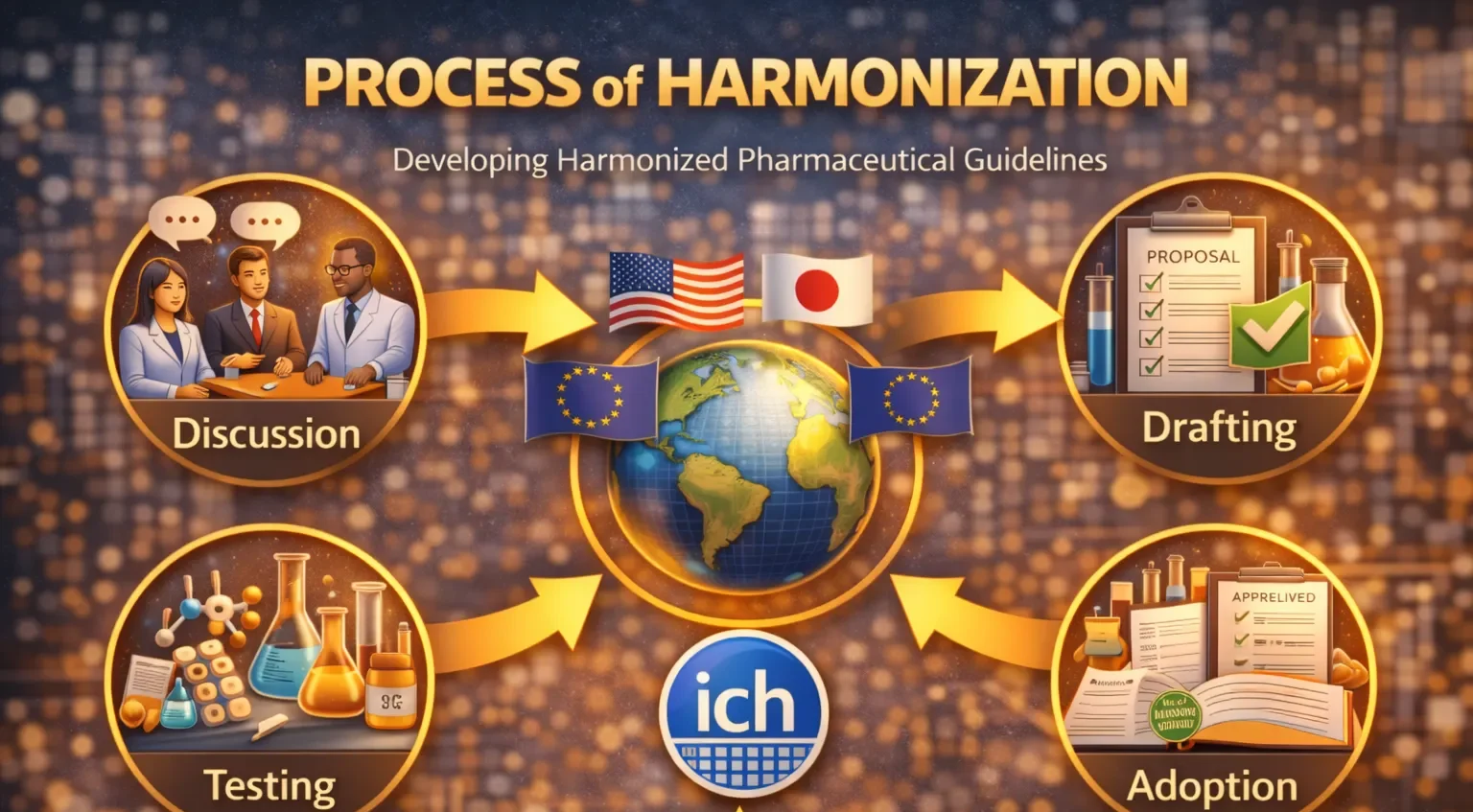
The ICH harmonization process follows a structured five-step approach: Step 1: Consensus Building: Experts from different regions discuss and draft a harmonized guideline. Step 2: Official Draft: The draft is approved by the ICH Steering Committee. Step 3: Regulatory Consultation: Public and regulatory authorities review and comment on the draft. Step 4: Final Adoption: The … Read more

ICH Participants

ICH Participants

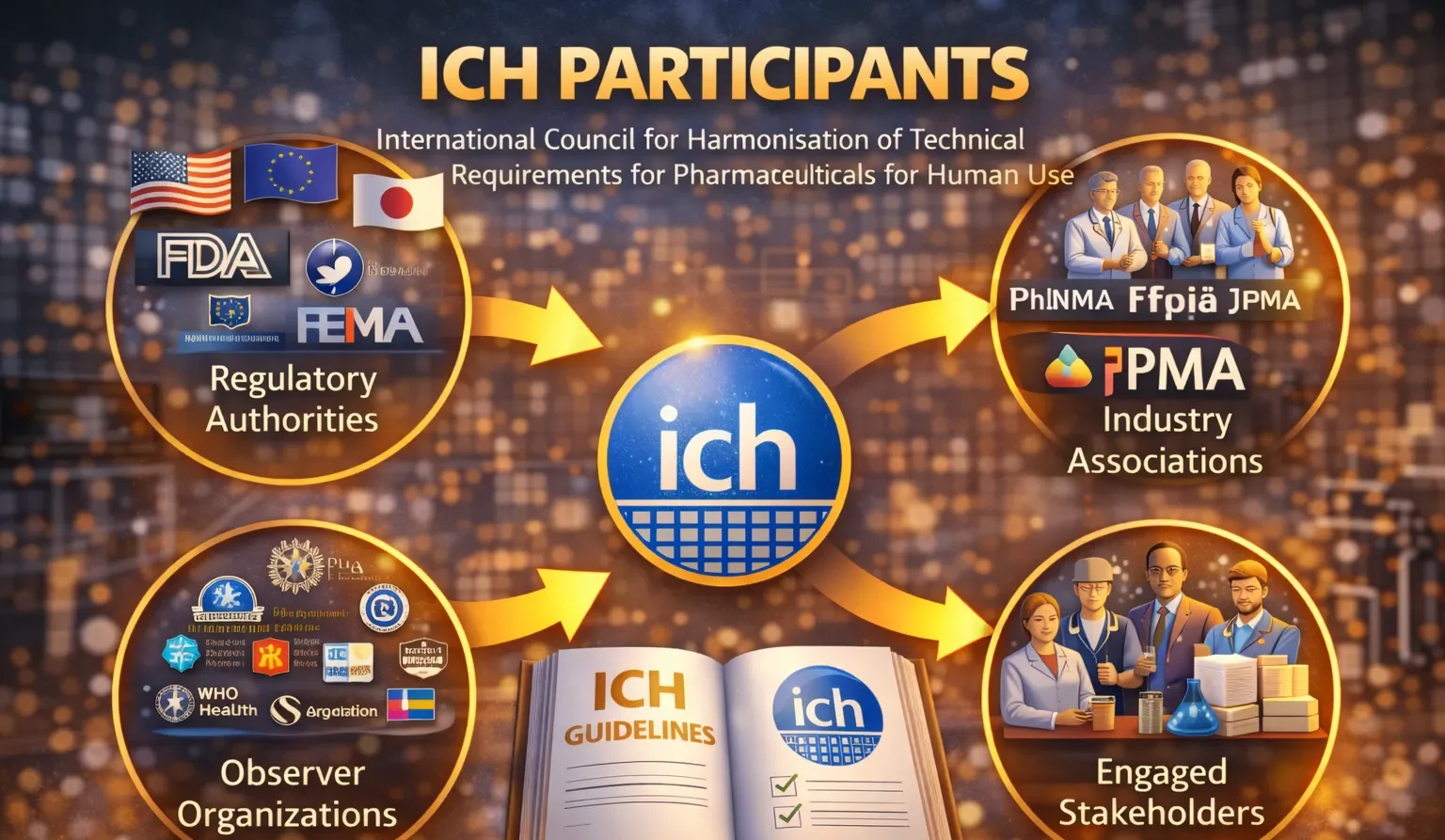
ICH Participants The ICH consists of global regulators and industry representatives. Major participants include: Founding Regulatory Members: USA: FDA (Food and Drug Administration) Europe: EMA (European Medicines Agency) Japan: PMDA (Pharmaceuticals and Medical Devices Agency) Industry Representatives: Pharmaceutical Research and Manufacturers of America (PhRMA) European Federation of Pharmaceutical Industries and Associations (EFPIA) Japan Pharmaceutical Manufacturers … Read more

Purpose of ICH Guidelines

Purpose of ICH Guidelines

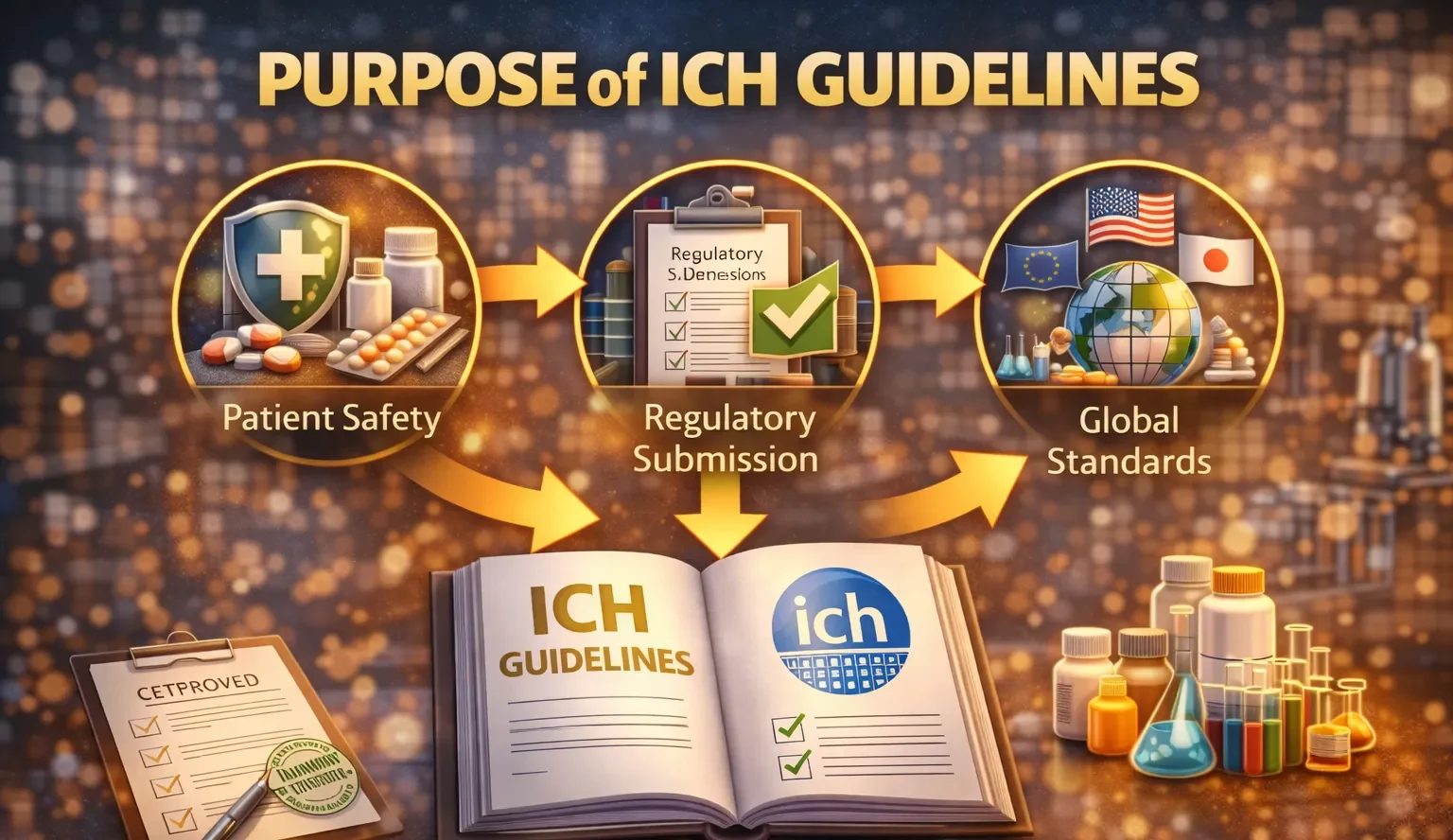
The International Council for Harmonisation of Technical Requirements for Pharmaceuticals for Human Use (ICH) was established to standardize and harmonize regulatory requirements for drug development and registration across different countries. The primary goal is to ensure that safe, effective, and high-quality medicines are developed efficiently while minimizing duplication of efforts in regulatory submissions. Key Objectives … Read more

ICH Guidelines

ICH Guidelines

Definition of ICH Guidelines The International Council for Harmonisation of Technical Requirements for Pharmaceuticals for Human Use (ICH) develops ICH Guidelines to standardize pharmaceutical development, registration, and post-approval processes globally. These guidelines ensure safety, efficacy, and quality in pharmaceuticals while facilitating efficient regulatory approvals across regions. Key ICH Guidelines ICH Guideline Title Key Focus ICH … Read more