
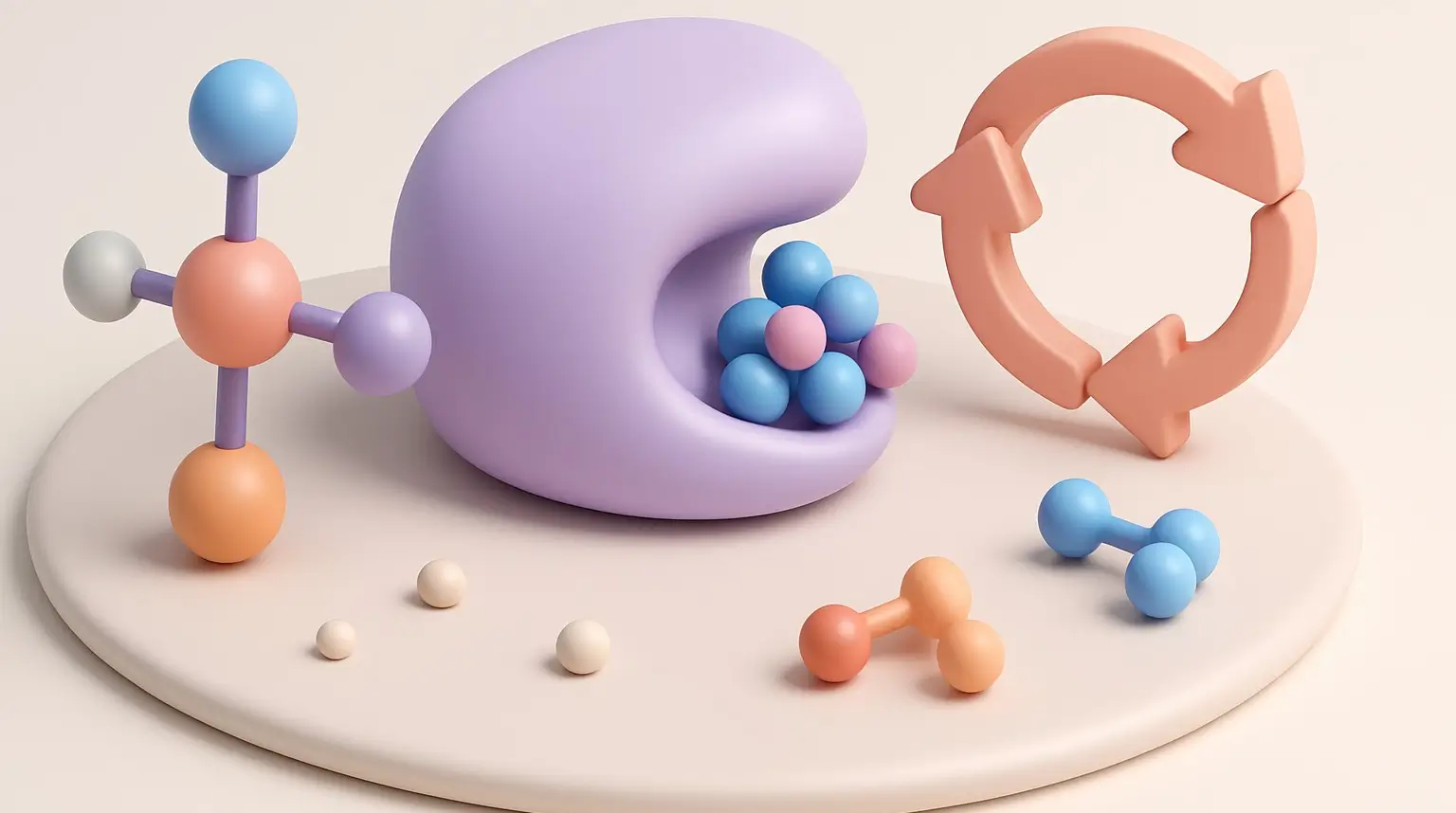
- Amino acid metabolism encompasses the various biochemical processes involved in the synthesis, breakdown, and interconversion of acids, which are the building blocks of proteins.
- It is crucial for maintaining cellular function, growth, and repair.
- It can be broadly classified into two categories:
Anabolism:
- The synthesis of proteins from simpler precursors.
- There are 20 standards, 11 of which can be synthesized by the human body (non-essential) and 9 that must be obtained through diet (essential).
- The process of protein synthesis, known as translation, occurs at ribosomes and involves the use of mRNA, tRNA, and aminoacyl-tRNA synthetases.
Catabolism of Amino Acid:
- The breakdown of acids and proteins for energy production, the generation of metabolic intermediates, or the removal of excess nitrogen.
- General Reactions in Metabolism:
Advertisements

-
Transamination of Amino Acid:
- Process: Transfer of a group from one to a keto acid.
- Enzyme: Transaminase (aminotransferase).
- Importance: Produces new amino acids and plays a role in nitrogen balance.
-
Deamination:
- Process: Removal of an amino group from an amino acid, producing a keto acid and ammonia (NH3).
- Types: Oxidative deamination (common in liver) and non-oxidative deamination.
- Importance: Converts into usable energy and removes excess nitrogen.
-
Decarboxylation:
- Process: Removal of a carboxyl group (-COOH) from an acid, releasing carbon dioxide (CO2).
- Enzyme:
- Importance: Produces bioactive amines and neurotransmitters, such as dopamine, serotonin, GABA, and histamine.
- These reactions are fundamental for utilizing in various physiological processes, including energy production, neurotransmitter synthesis, and maintaining nitrogen balance.
Advertisements