HMP shunt and its significance

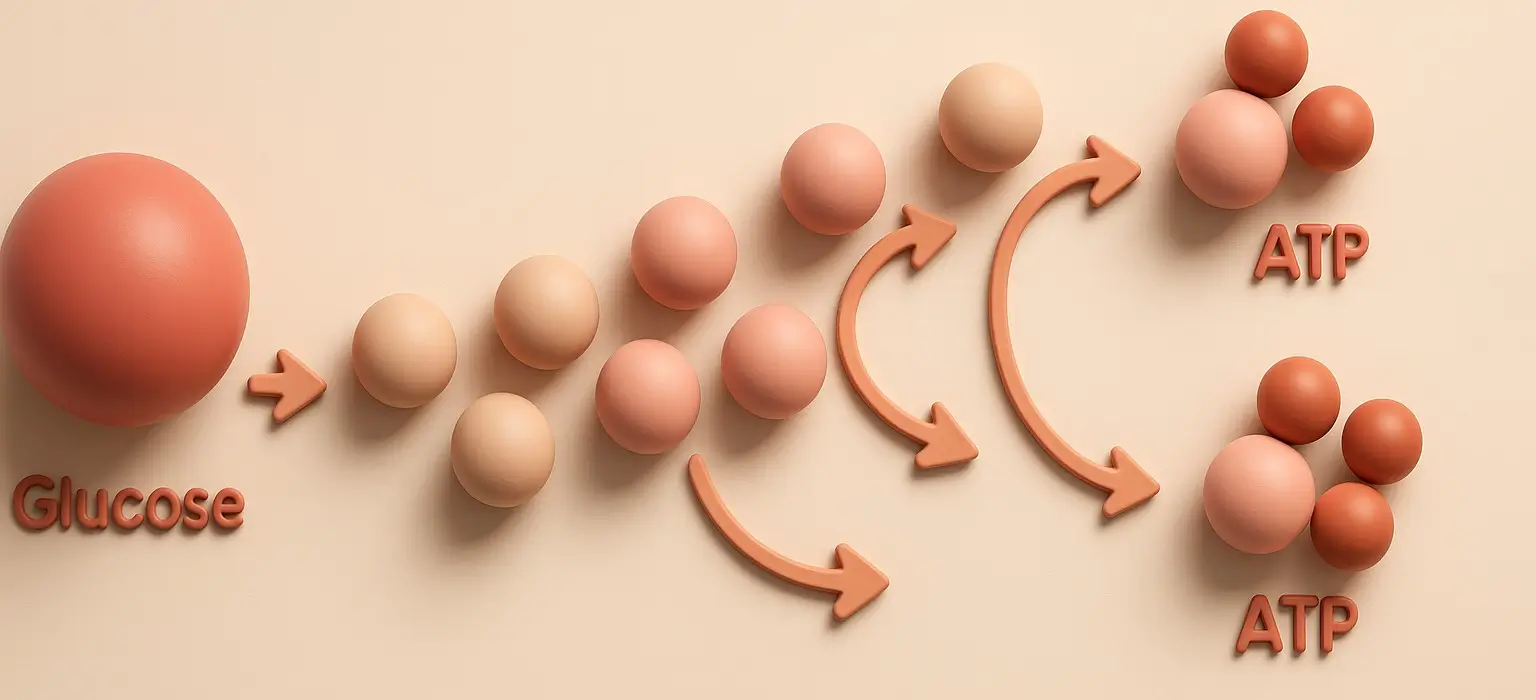
HMP shunt and its significance
The HMP shunt (Hexose Monophosphate), also known as the Pentose Phosphate Pathway (PPP), is a crucial cytoplasmic pathway that supports cellular functions such as NADPH production and ribose-5-phosphate synthesis. It is essential for biosynthetic processes and protection against oxidative stress. HMP Shunt Pathway / Phases of the HMP Shunt The pathway is bifurcated into two … Read more
Citric acid cycle- Pathway, energetics and significance

Citric acid cycle- Pathway, energetics and significance

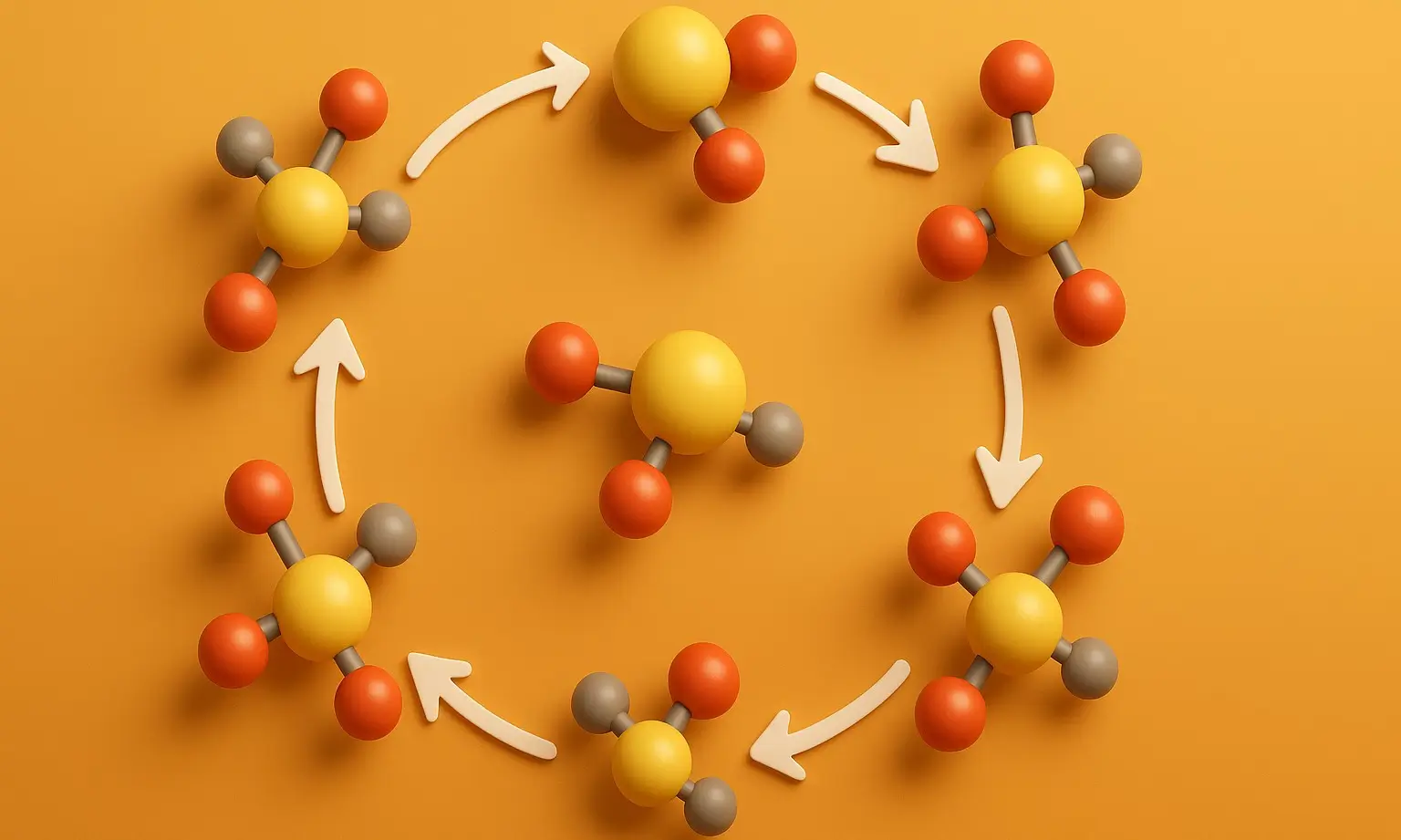
The Citric Acid Cycle, also known as the Krebs cycle or the Tricarboxylic Acid (TCA) cycle, is a cornerstone of cellular metabolism, pivotal in the breakdown and conversion of carbohydrates, fats, and proteins into usable energy. This cycle takes place in the mitochondrial matrix of eukaryotic cells, where it serves the dual purpose of generating … Read more

Gluconeogenesis- Pathway and its significance

Gluconeogenesis- Pathway and its significance

Gluconeogenesis is a crucial metabolic pathway that synthesizes glucose from non-carbohydrate sources, maintaining stable blood glucose levels during fasting, prolonged exercise, or low carbohydrate intake. It occurs mainly in the liver and kidneys. Gluconeogenesis Pathway Gluconeogenesis reverses most steps of glycolysis, except for three key steps where it uses unique enzymes: Pyruvate to Phosphoenolpyruvate (PEP): … Read more

Glycolysis – Pathway, energetics, and significance

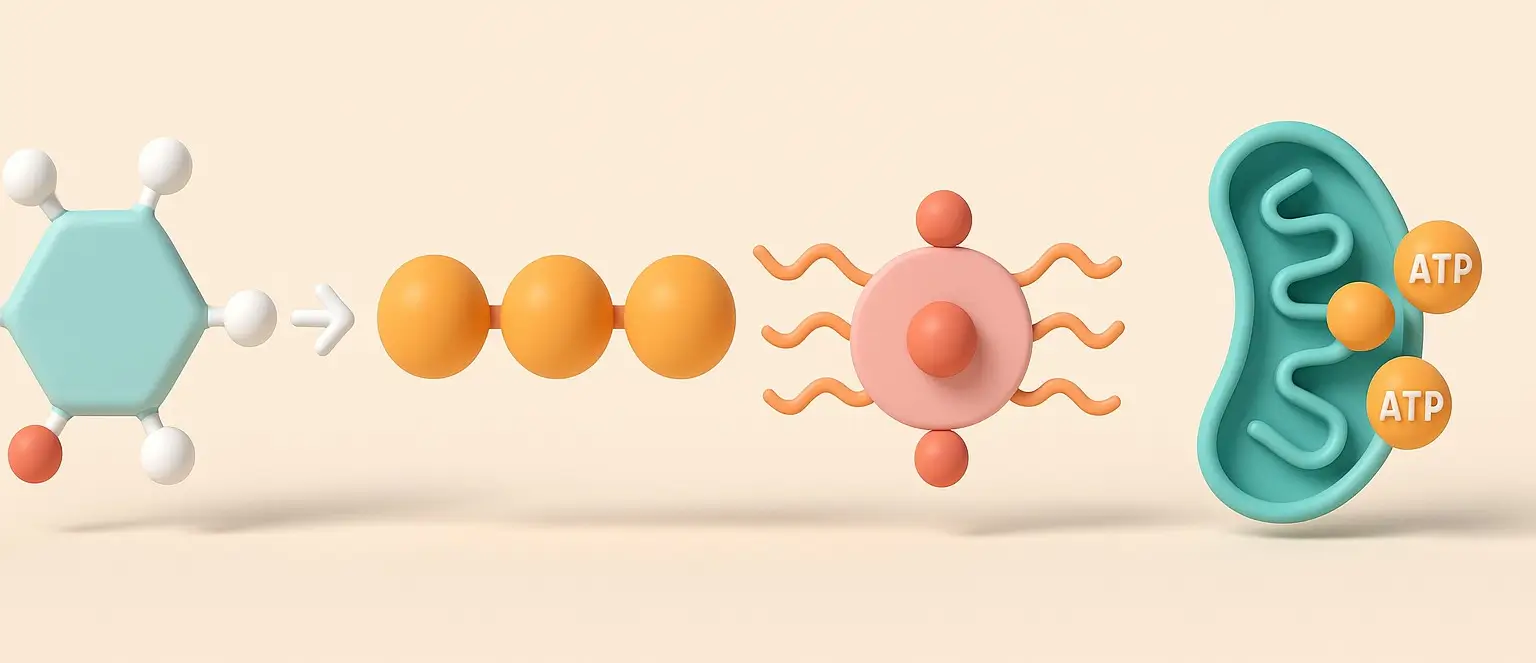
Glycolysis

Glycolysis is a pivotal biochemical pathway in the metabolism of glucose, leading to the production of pyruvate, ATP (adenosine triphosphate), and NADH (nicotinamide adenine dinucleotide). It occurs in the cytoplasm of cells and operates under anaerobic conditions, meaning it does not require oxygen. This process plays a critical role in generating energy and precursor molecules … Read more

Metabolism Carbohydrate: Key Stages

Carbohydrate Metabolism Key Stages

Carbohydrate metabolism involves the synthesis, breakdown, and transformation of carbohydrates, primarily for energy production. Let’s delve into the key stages of carbohydrate metabolism in a detailed and organized manner: Glycolysis Location: Cytoplasm of the cells Process: The conversion of glucose (a six-carbon molecule) into two molecules of pyruvate (three carbons each). Energy Yield: 2 ATP … Read more

Translation or Protein synthesis

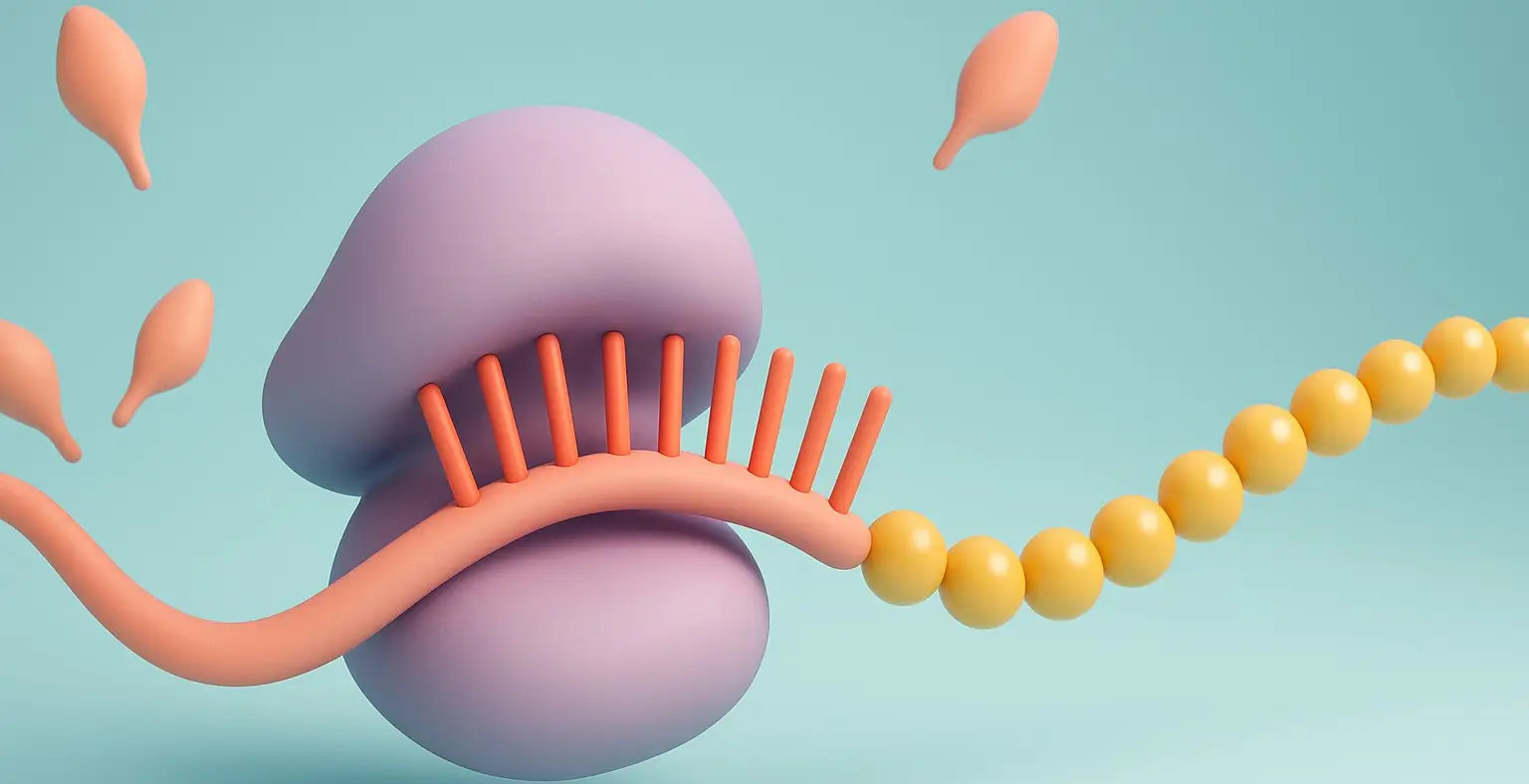
Translation or Protein synthesis

Translation or Protein synthesis Definition  Translation, or protein synthesis, is the process by which the genetic code contained within messenger RNA (mRNA) is decoded by ribosomes to produce specific proteins. Proteins are essential for various cellular functions, including structure, function, and regulation of the body’s tissues and organs. Translation occurs in the cytoplasm of cells … Read more

Inhibitors of Translation

Inhibitors of Translation

Inhibitors of Translation, the process of protein synthesis from mRNA, can be inhibited by various compounds that target specific components or stages of this process. These inhibitors are crucial in research for elucidating mechanisms of translation and serve as valuable antibiotics in medicine. However, their potential toxicity to eukaryotic cells necessitates careful management of their … Read more

Genetic code

Genetic code

The genetic code is the set of rules used by living cells to translate information encoded within genetic material (DNA or mRNA sequences) into proteins. It is essentially the blueprint for how the sequences of nucleotides in DNA and RNA are converted into the amino acid sequences of proteins. Components of the Genetic Code Nucleotides: … Read more

RNA synthesis Differences between in eukaryotes and prokaryotes

Differences between RNA synthesis in eukaryotes and prokaryotes

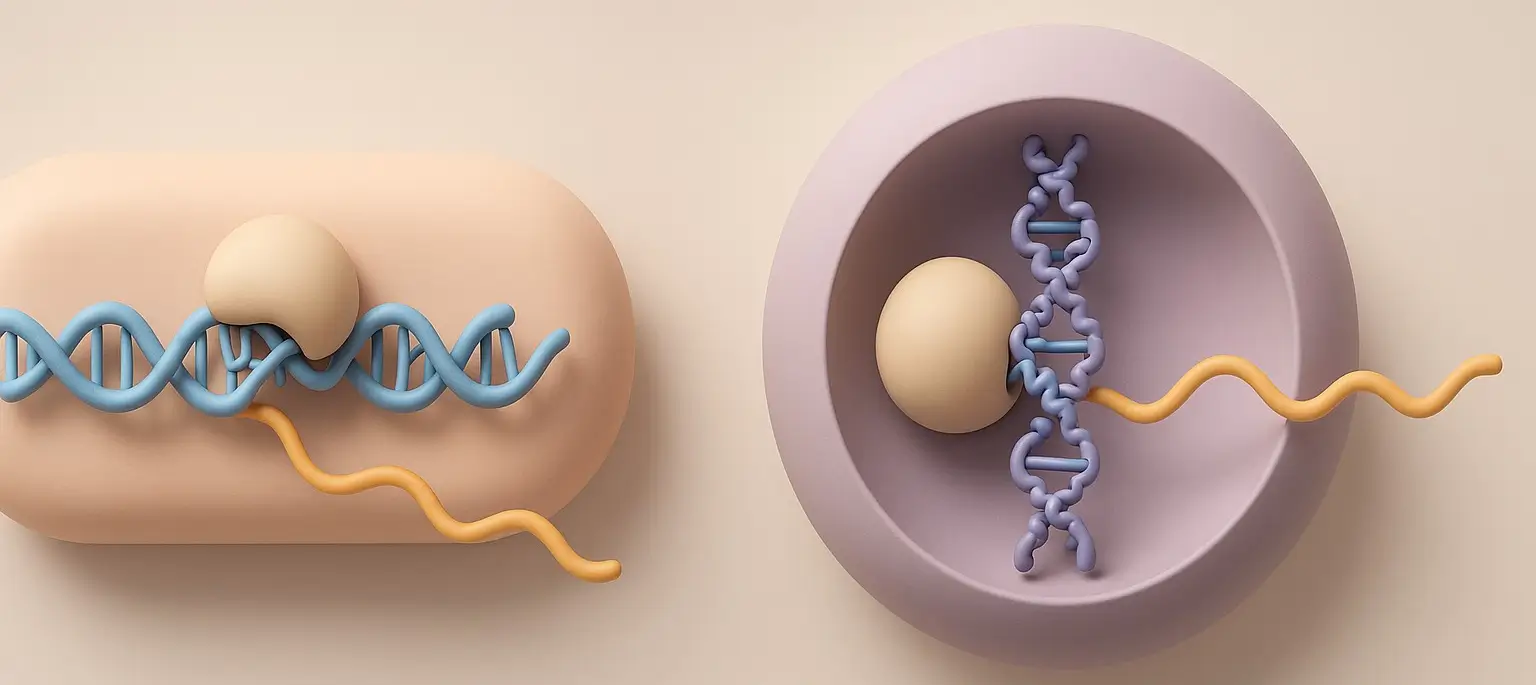
RNA synthesis, also known as transcription, is the biological process by which RNA is produced from a DNA template. While the core mechanism is conserved across all domains of life, significant differences exist between eukaryotes and prokaryotes due to variations in cellular structure and regulation. Feature Eukaryotes Prokaryotes Cellular Location Nucleus (transcription), Cytoplasm (translation) Cytoplasm … Read more

Transcription or RNA Synthesis: Overview

Transcription or RNA Synthesis Overview

Transcription or RNA Synthesis is the process by which a segment of DNA is copied into RNA by the enzyme RNA polymerase.  is the first step in the expression of genes, leading to the synthesis of proteins. Here’s an overview of the transcription process: Steps of Transcription Initiation: Promoter Region: RNA Synthesis begins at a … Read more