ASU Drugs Consultative Committee (ASU-DCC)

ASU Drugs Consultative Committee (ASU-DCC)

ASU Drugs Consultative Committee (ASU-DCC) ASU Drugs Consultative Committee (ASU-DCC) explains role functions and regulatory importance in traditional medicine drug governance. Establishment and Legal Basis: Constituted under Section 33D of the Drugs and Cosmetics Act, 1940. Functions as a consultative body for central and state governments. Composition The ASU DCC consists of representatives from: State … Read more
ASU Drugs Technical Advisory Board (ASU-DTAB)

ASU Drugs Technical Advisory Board (ASU-DTAB)

Establishment and Legal Basis: Constituted under Section 33D of the Drugs and Cosmetics Act, 1940. Functions as a consultative body for central and state governments. Composition The ASU DCC consists of representatives from: State governments and union territories Central regulatory authorities Domain experts in ASU drug regulation Mandate and Functions Harmonization of Enforcement – Ensures … Read more

Case Study of Neem

Case Study of Neem

Background Scientific Name: Azadirachta indica Traditional Uses: Used in Ayurveda and Unani medicine for its antifungal, antibacterial, and insecticidal properties. Used in agriculture as a natural pesticide. Neem oil is used in skin treatments and personal care products. The Patent Controversy In 1995, the European Patent Office (EPO) granted a patent (EP0436257B1) to W.R. Grace … Read more

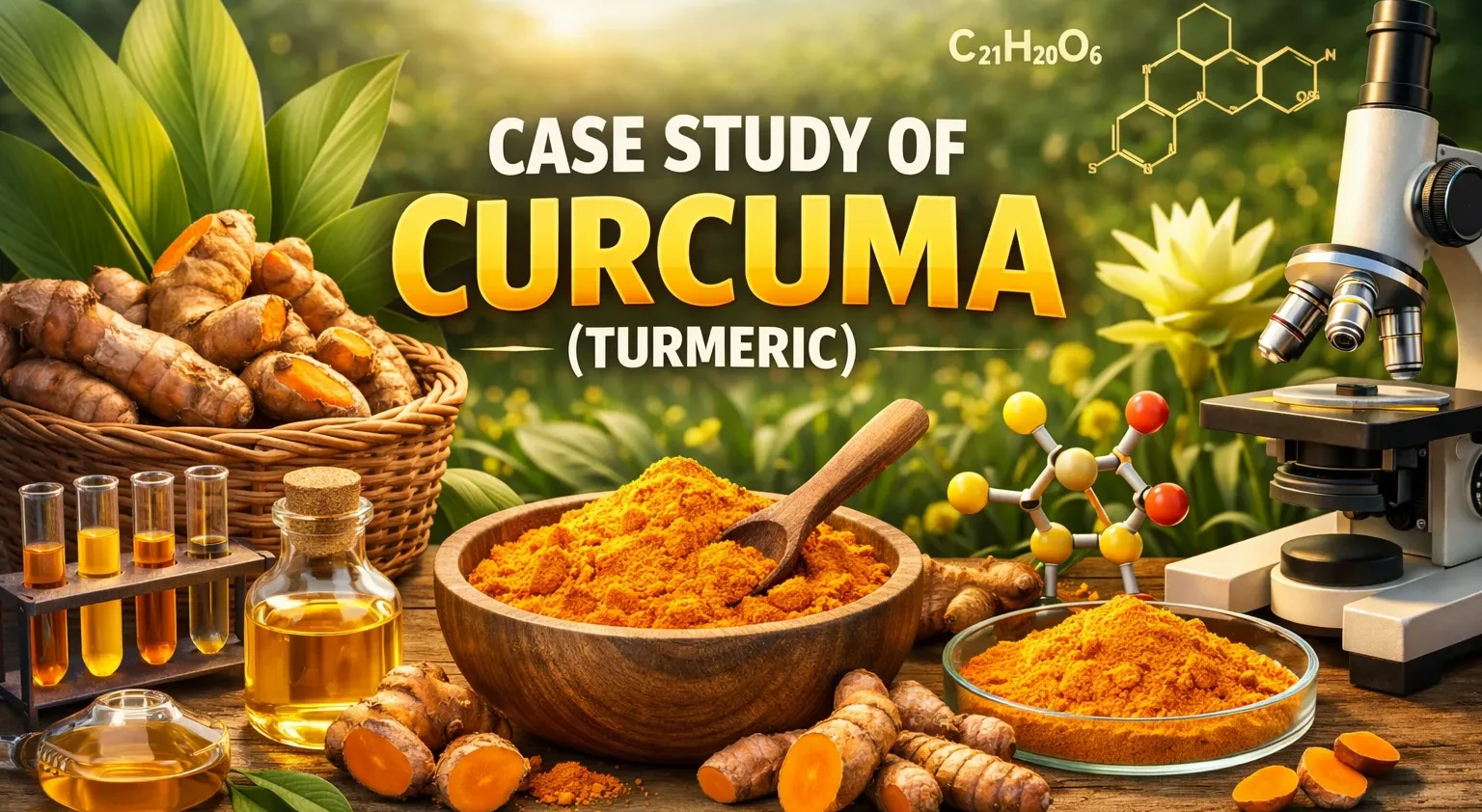
Case Study of Curcuma (Turmeric)

Case Study of Curcuma (Turmeric)

Background Scientific Name: Curcuma longa Traditional Uses: Used in Ayurveda and traditional Indian medicine for wound healing, anti-inflammatory, and antiseptic properties. Commonly applied to cuts, burns, and skin conditions. Used in cooking, religious rituals, and skincare. The Patent Controversy In 1995, the United States Patent and Trademark Office (USPTO) granted a patent (US Patent No. … Read more

Patenting Aspects of Traditional Knowledge and Natural Products

Patenting Aspects of Traditional Knowledge and Natural Products

Introduction Traditional Knowledge (TK) refers to knowledge passed down through generations within communities, often related to medicinal plants, natural resources, and healing practices. Natural products, such as plant extracts, have significant commercial potential in industries like pharmaceuticals, cosmetics, and agriculture. However, patenting TK and natural products is controversial due to concerns like biopiracy, exploitation of … Read more

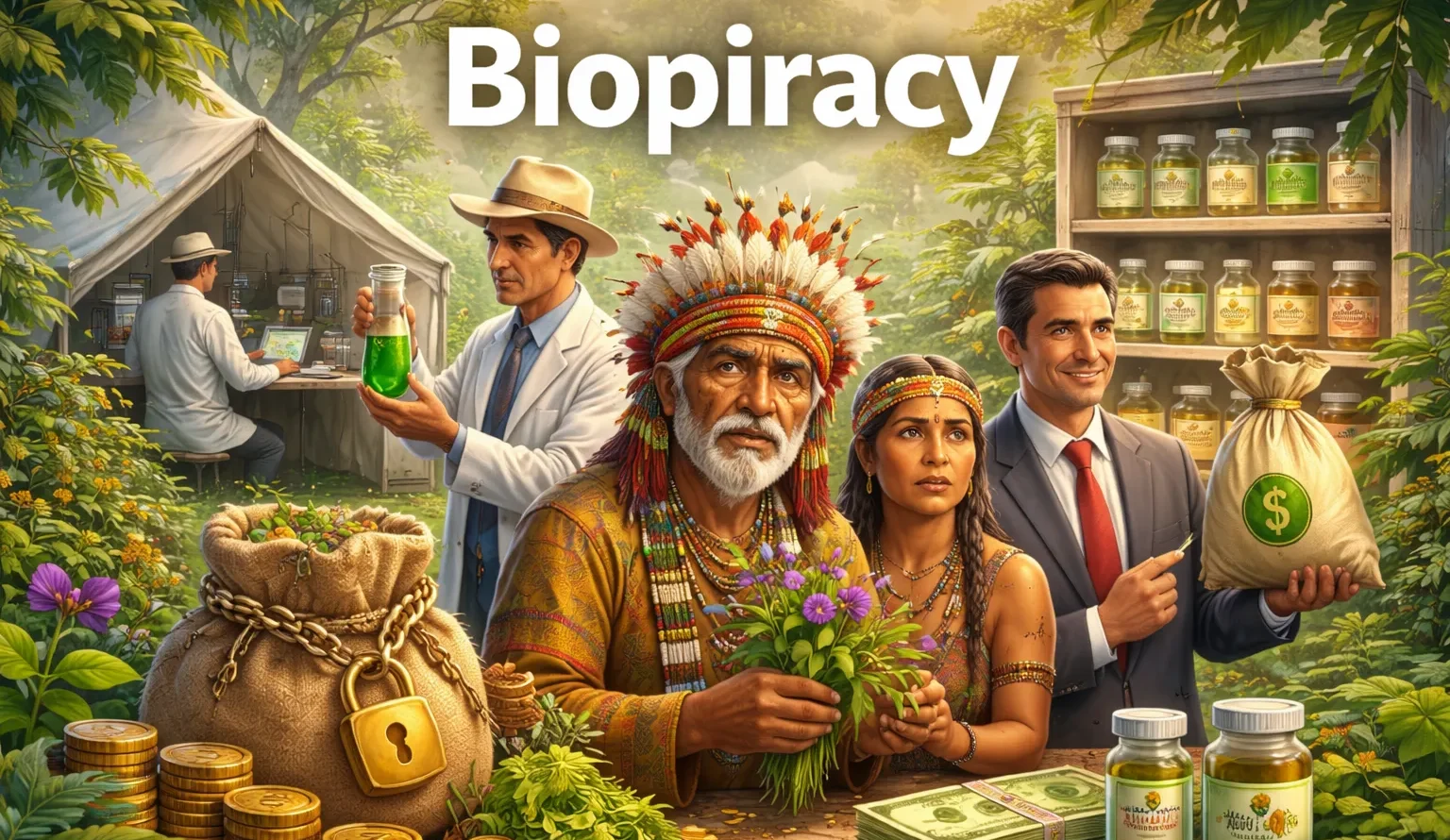
Biopiracy

Biopiracy

Biopiracy refers to the exploitation of biological resources or traditional knowledge of indigenous communities without consent or compensation. It undermines indigenous rights, biodiversity conservation, and sustainable development. Examples of Biopiracy: Neem Tree Case (India): Neem (Azadirachta indica) has been used in India for pest control and medicinal purposes. A patent was granted for a neem-based … Read more

Bioprospecting

Bioprospecting

Bioprospecting refers to the systematic exploration of biological resources for commercially valuable genetic and biochemical properties. It is commonly used in pharmaceutical, agricultural, cosmetic, and other industries. Process of Bioprospecting: Exploration & Collection: Identify and collect biological resources, often in biodiversity-rich areas. Identification & Taxonomy: Classify species and assess traditional knowledge associated with them. Screening … Read more

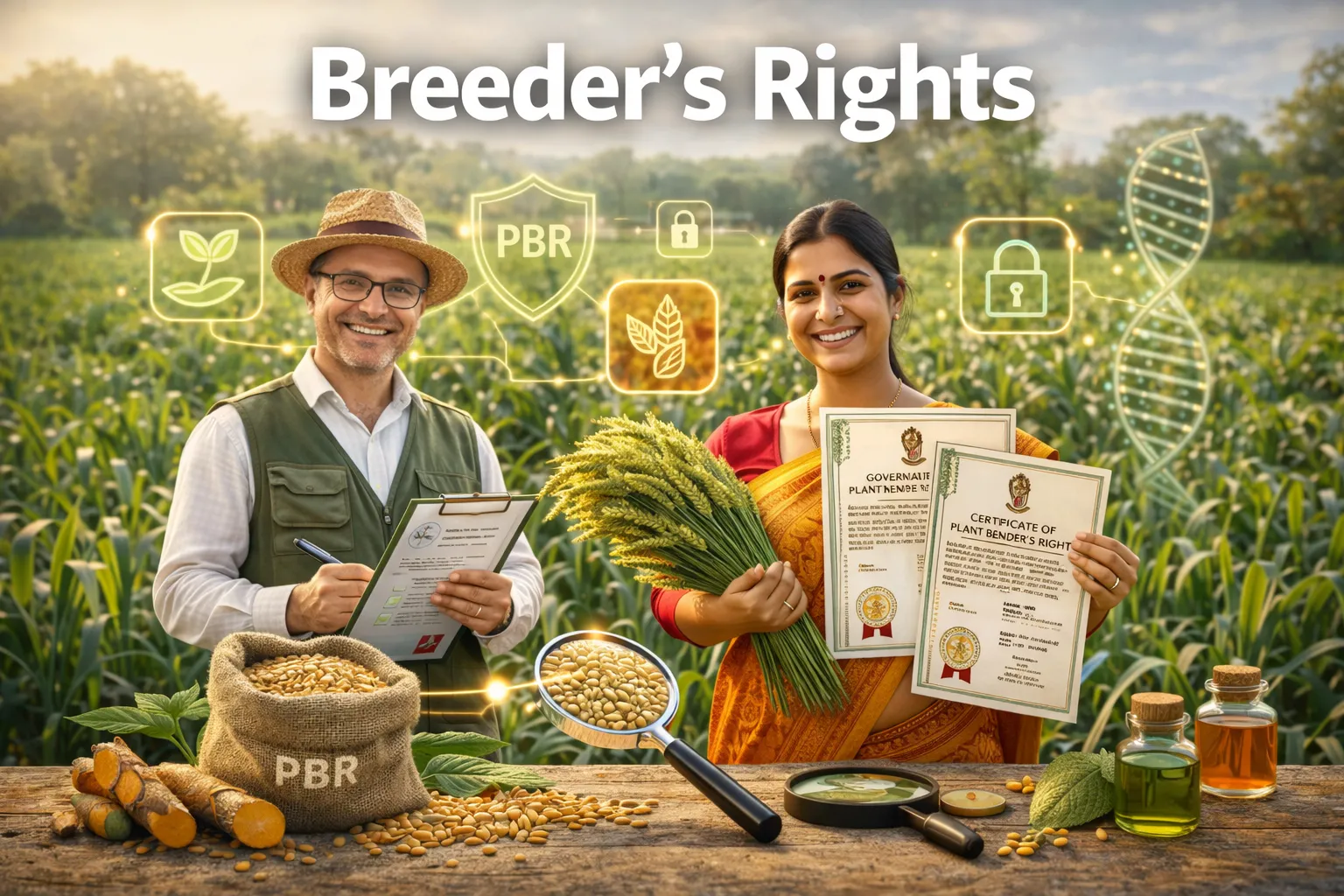
Breeder’s Rights

Breeder's Rights

Breeder’s Rights Plant Breeder’s Rights (PBR) or Plant Variety Protection (PVP) grant exclusive control over the propagating and harvested material of a new plant variety for a specified period (typically 20-25 years). Eligibility Criteria: A plant variety must be: Novel: Not commercially sold beyond a specified period. Distinct: Clearly distinguishable from existing varieties. Uniform: Consistently … Read more

Farmers’ Rights

Farmers' Rights

Farmers’ rights refer to the rights of farmers to use, save, exchange, and sell traditional seeds and plant genetic resources. These rights are recognized under the International Treaty on Plant Genetic Resources for Food and Agriculture (ITPGRFA), which aims to promote conservation and sustainable use. Key Farmers’ Rights Right to Save Seeds: Farmers can save, … Read more

Intellectual Property Rights (IPR)

Intellectual Property Rights (IPR)

Intellectual Property Rights (IPR) are legal rights granted to individuals over their creations, allowing them exclusive control for a certain period. Types of Intellectual Property Rights Patents (for inventions) Copyrights (for literary and artistic works) Trademarks (for brand identity) Trade secrets (for confidential formulas and techniques, like the Coca-Cola recipe) Importance of IPR: Encourages Innovation: … Read more