Organic farming

Organic farming

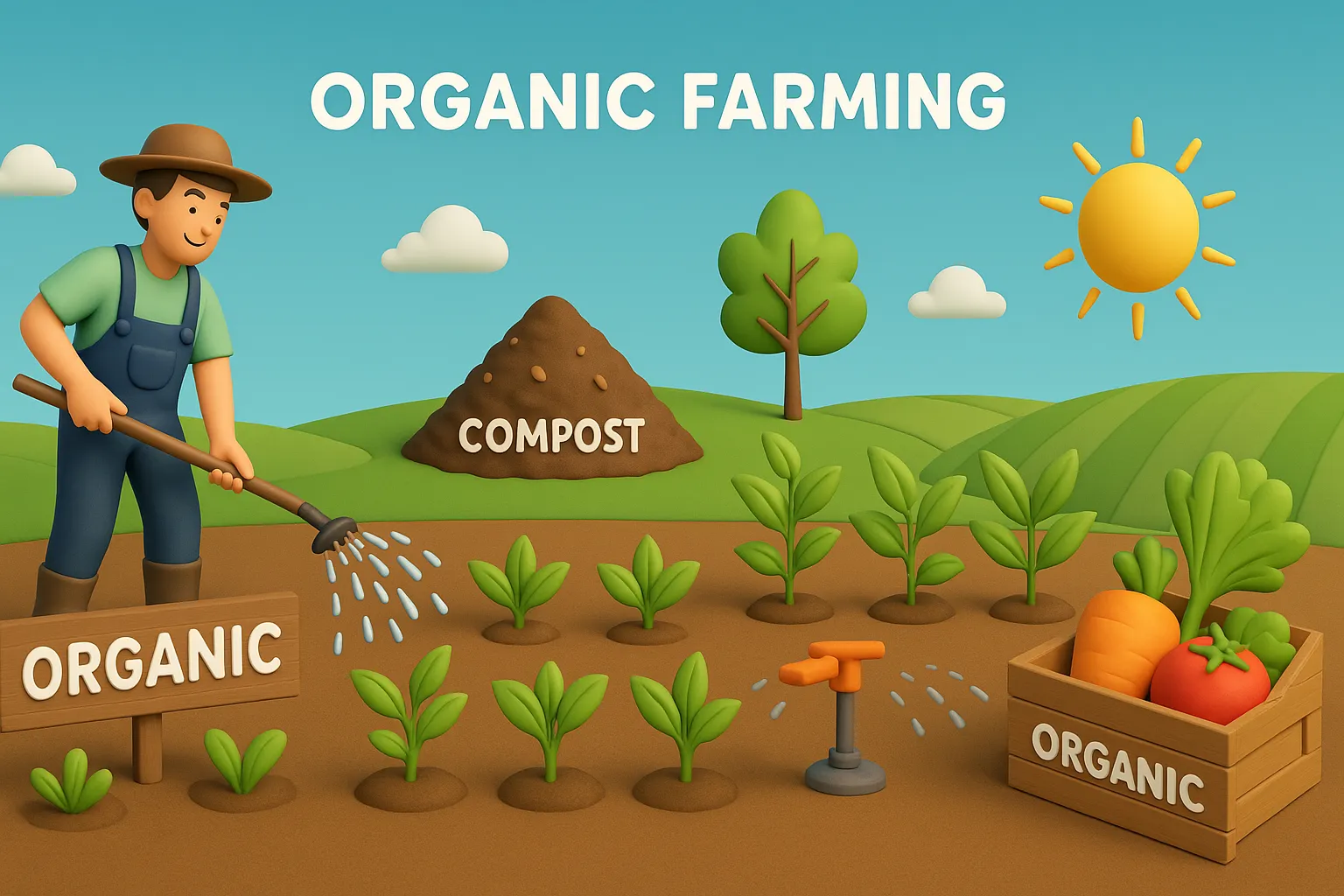
Organic farming is a sustainable agricultural method that avoids synthetic fertilizers and pesticides, instead relying on natural inputs to maintain soil health, pest control, and biodiversity. It promotes environmental sustainability, animal welfare, and farmer well-being. Principles of Organic Farming: Prioritizing Soil Health – Enhancing fertility using compost, crop rotation, and organic matter. Promoting Biodiversity – … Read more
Pest and Pest management in medicinal plants

Pest and Pest management in medicinal plants

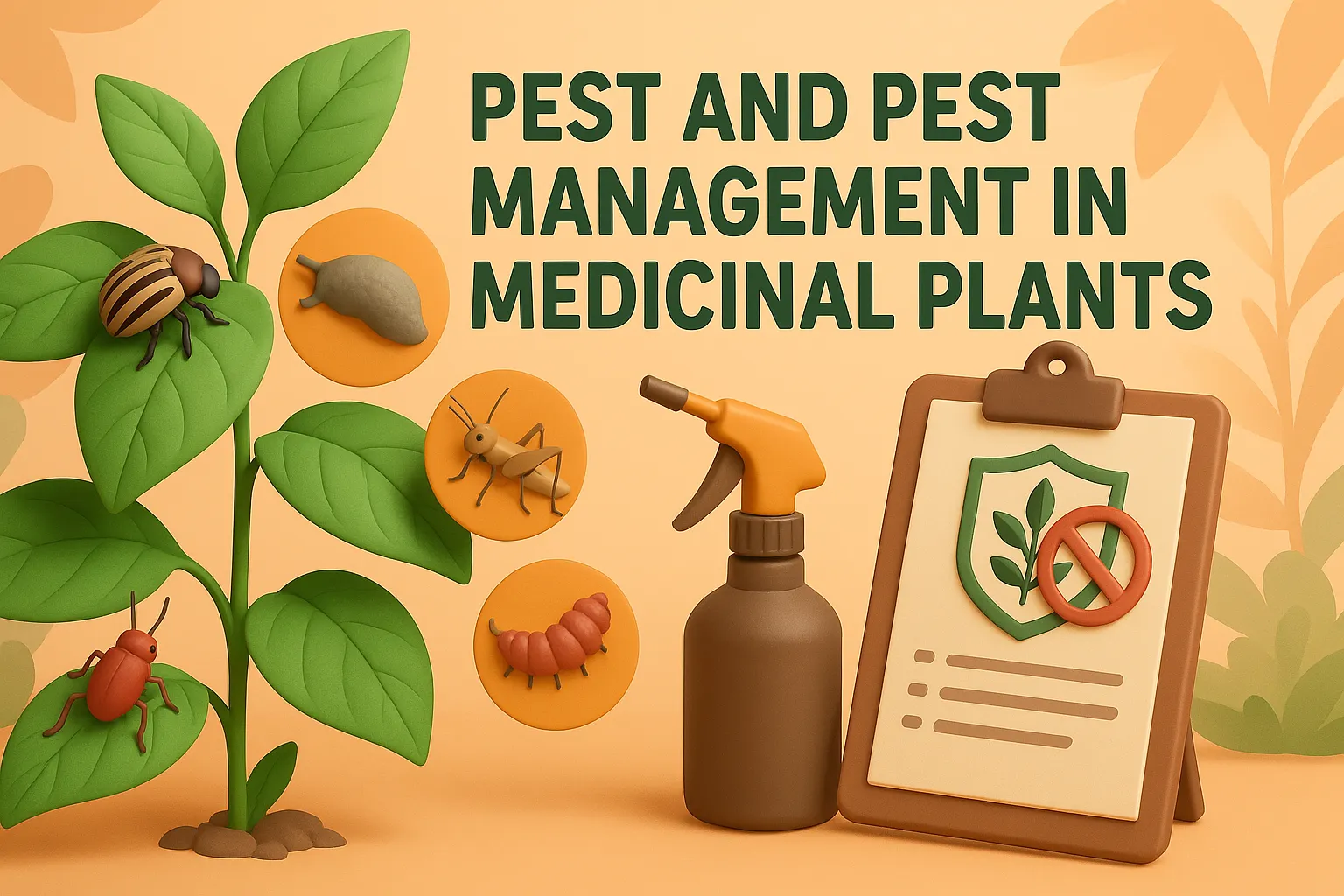
Pest and Pest Management in Medicinal Plants focus on controlling insects and diseases using biological, cultural, and organic methods. What is a Pest? Pests are organisms that cause damage to crops, livestock, and other economically or ecologically important organisms. They reduce yield, lower quality, and increase production costs, threatening sustainability. Types of Pests: Insects – … Read more

Biopesticides/bioinsecticides

Biopesticides

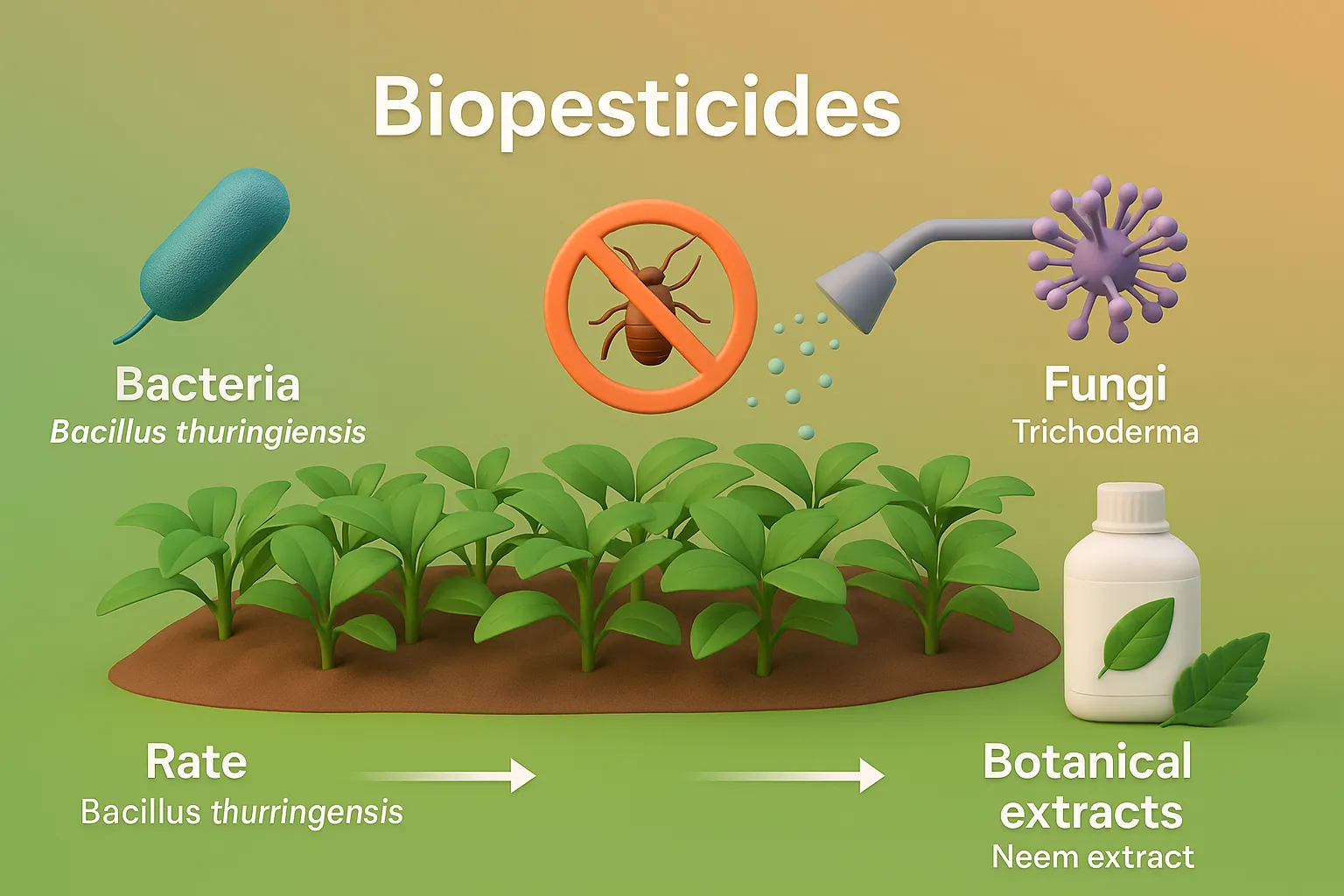
Biopesticides/bioinsecticides are natural pest control agents derived from microbes and plants used for safe and sustainable farming. Biopesticides and Bioinsecticides Biopesticides, also known as biological pesticides, are natural pest control agents derived from bacteria, fungi, viruses, plants, and other living organisms. They effectively manage insects, mites, and plant pathogens while being environmentally friendly and safer … Read more

Types of Suppository bases

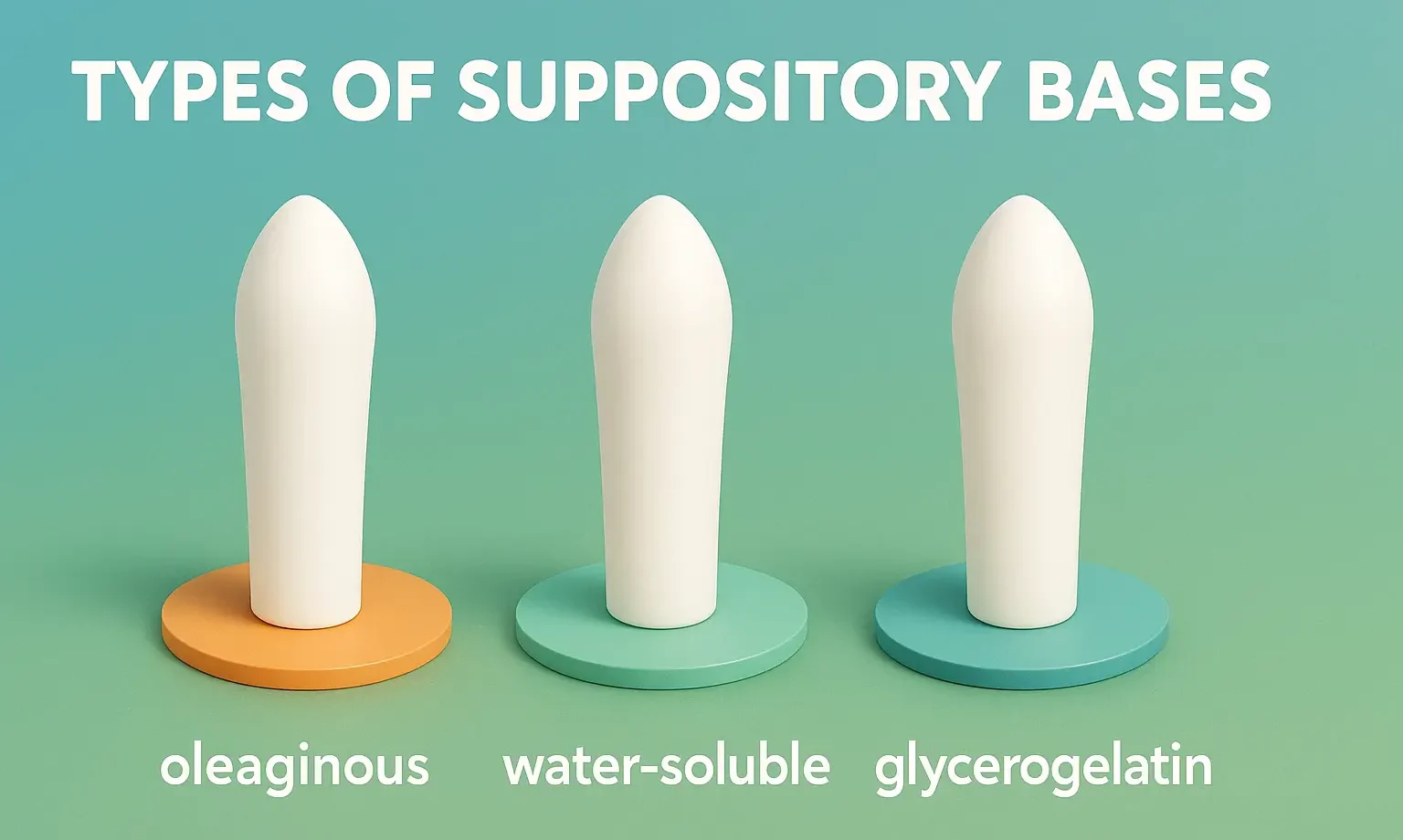
Types of Suppository bases

Suppository bases are vehicles that carry the active ingredients in suppositories. They are classified into two main categories: lipophilic (fat-soluble) and hydrophilic (water-soluble). The choice of base depends on factors such as drug solubility, stability, and release characteristics. 1. Lipophilic Bases Cocoa Butter (Theobroma Oil) A natural fat from cocoa beans, widely used in suppositories. … Read more

Displacement value and its calculations

Displacement value & its calculations

Displacement value (D.V.) is a crucial concept in the preparation of suppositories, particularly when using the fusion molding method. It helps determine the amount of suppository base required to incorporate a specific amount of active pharmaceutical ingredient (API) while maintaining the desired weight of the suppository. Key Concepts: Displacement Value (D.V.): The amount of suppository … Read more

Evaluation of semi solid dosages forms

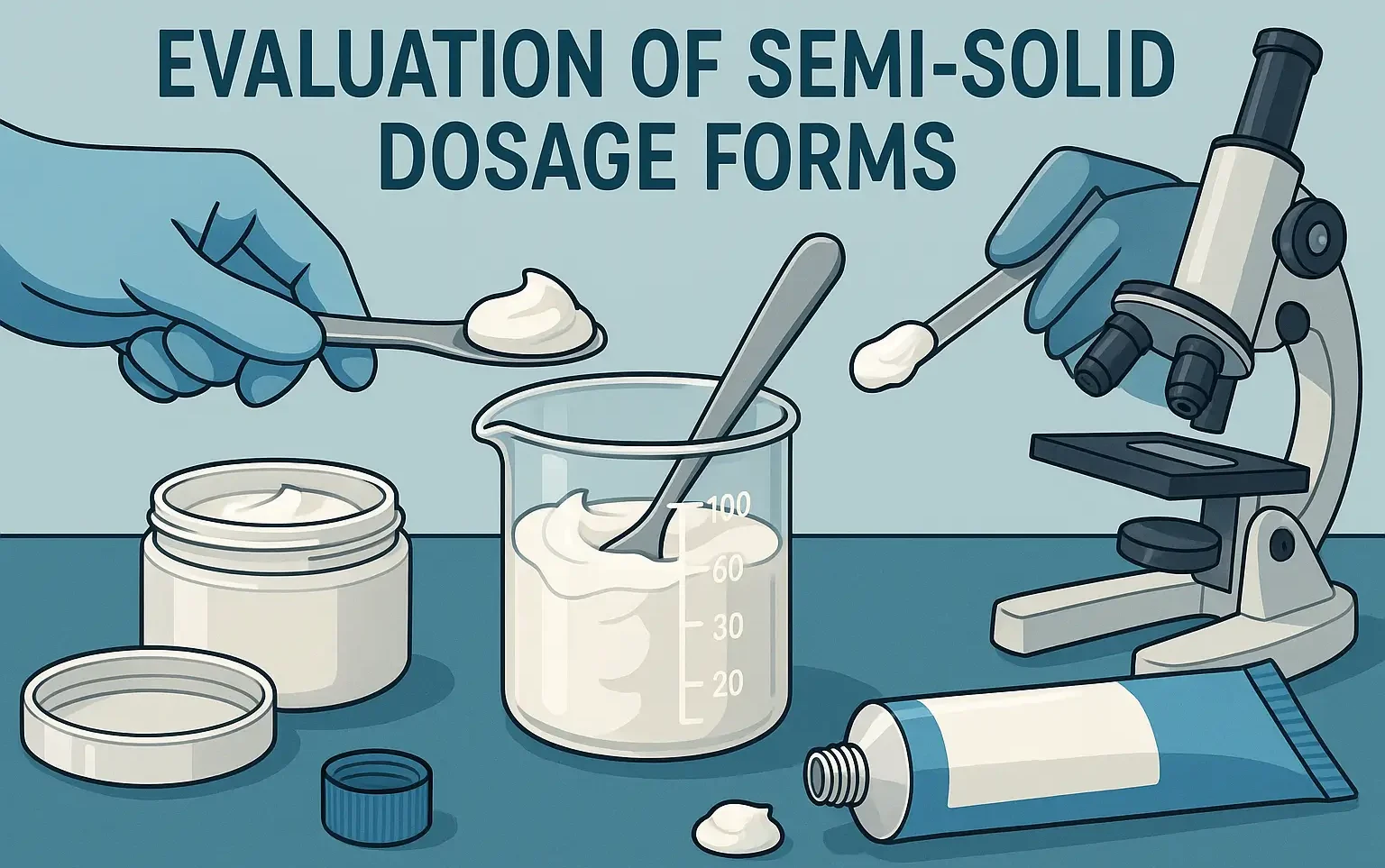
Evaluation of semi solid dosages forms

Evaluation of semi-solid dosage forms involves assessing key parameters to ensure quality, safety, efficacy, and stability. These parameters include: Appearance: Visual examination for uniformity in color, texture, and homogeneity, along with any signs of phase separation, sedimentation, or crystal growth. pH: Critical for stability, efficacy, and patient acceptability, especially for aqueous-based formulations. The pH must … Read more

Collection of herbs

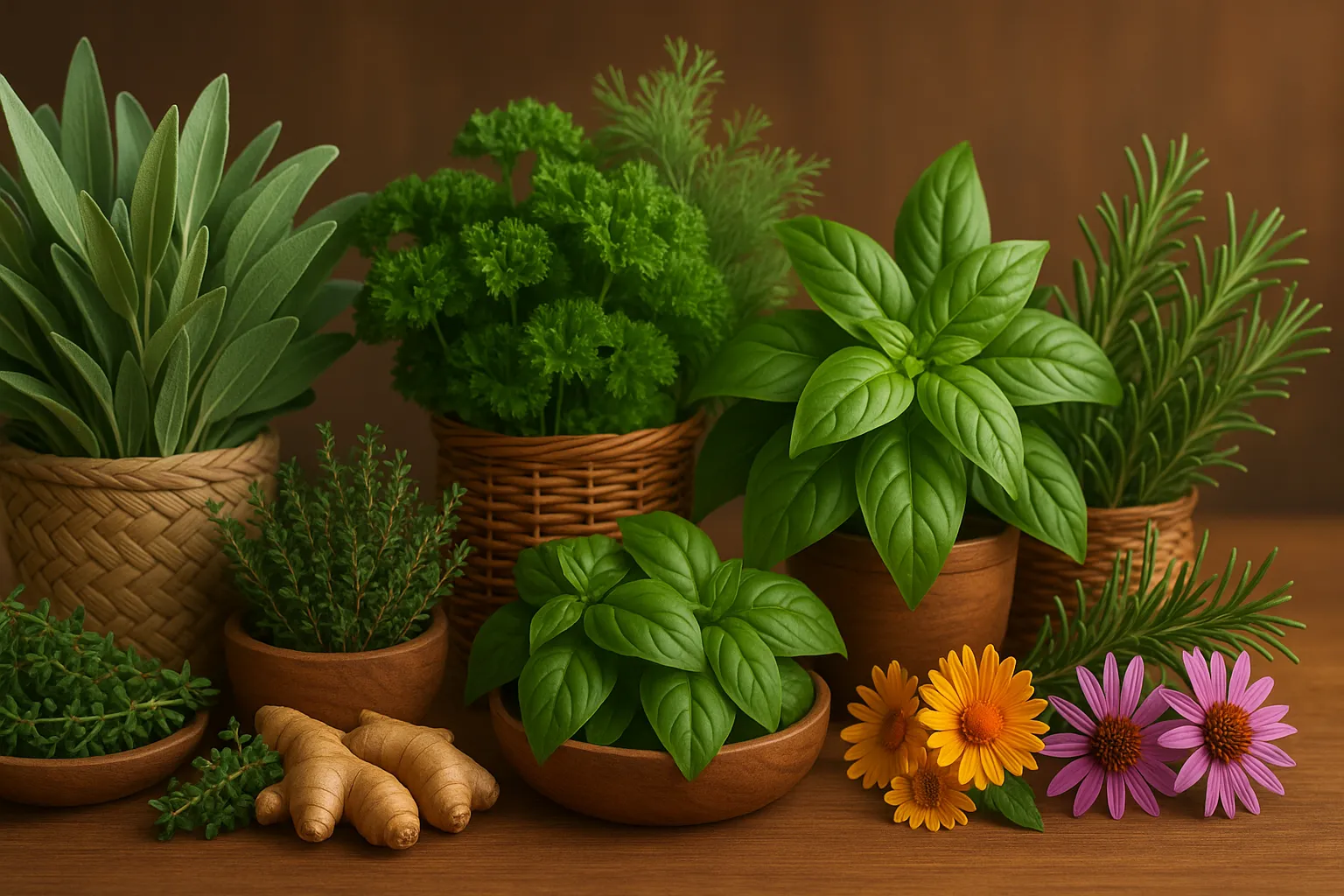
Collection of herbs

Collection of herbs requires proper timing, handling, and storage to preserve active constituents and therapeutic quality of plants. Collection of herbs Collecting herbs is a rewarding activity that provides fresh ingredients for cooking, natural remedies, and aromatic scents. Proper collection ensures maximum potency, sustainability, and safety. Key Tips for Collecting Herbs: Timing: Harvest herbs when … Read more

Cultivation of herbal plants

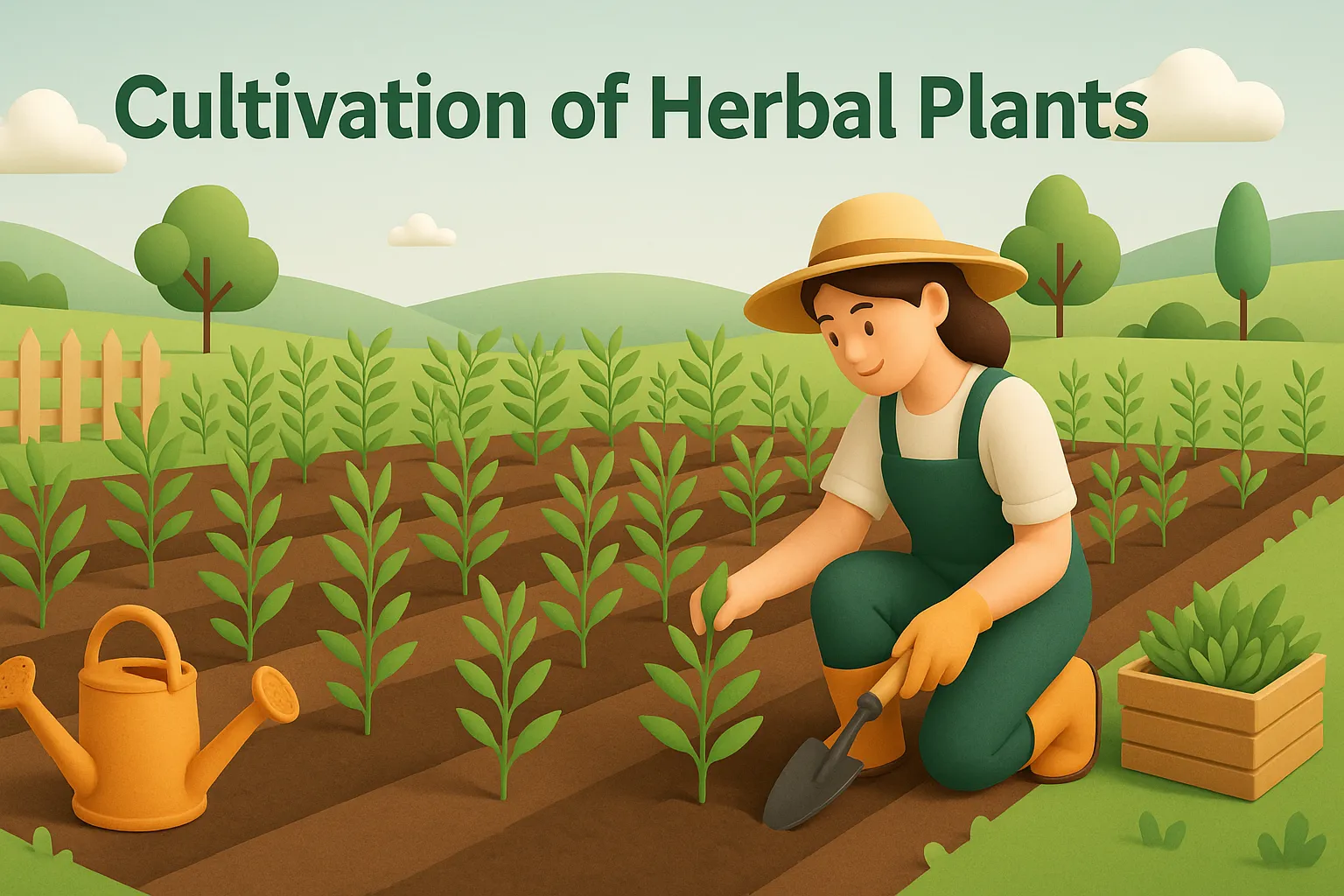
Cultivation of herbal plants

Cultivation of herbal plants involves soil selection, propagation, irrigation, and harvesting practices to ensure quality medicinal herbs. Cultivation of herbal plants Cultivating herbal plants can be rewarding, whether for personal use or commercial purposes. Proper cultivation ensures healthy plant growth, potency, and sustainability. Key Steps for Herbal Cultivation: Choose the Right Location: Most herbs prefer … Read more

Selection, Identification, and Authentication of Herbal Materials

Selection, Identification, and Authentication of Herbal Materials

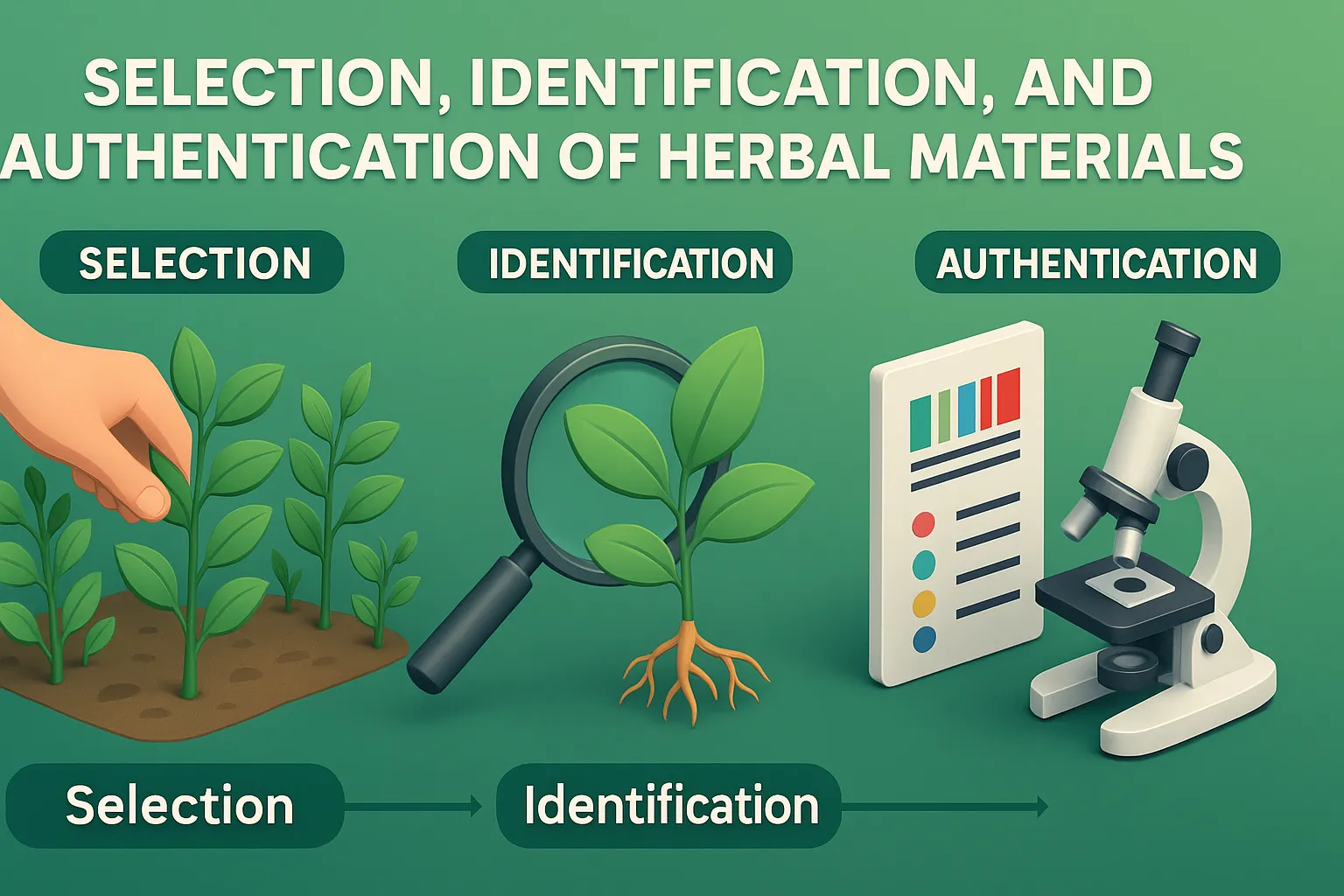
Selection Identification and Authentication of Herbal Materials ensure quality, purity, and safety of medicinal plants in herbal medicine. Ensuring the safety, efficacy, and quality of herbal materials involves three key steps: selection, identification, and authentication. 1. Selection of Herbal Materials The selection process ensures the right plant material is used for herbal medicine or products. … Read more

Source of Herbs

Source of Herbs

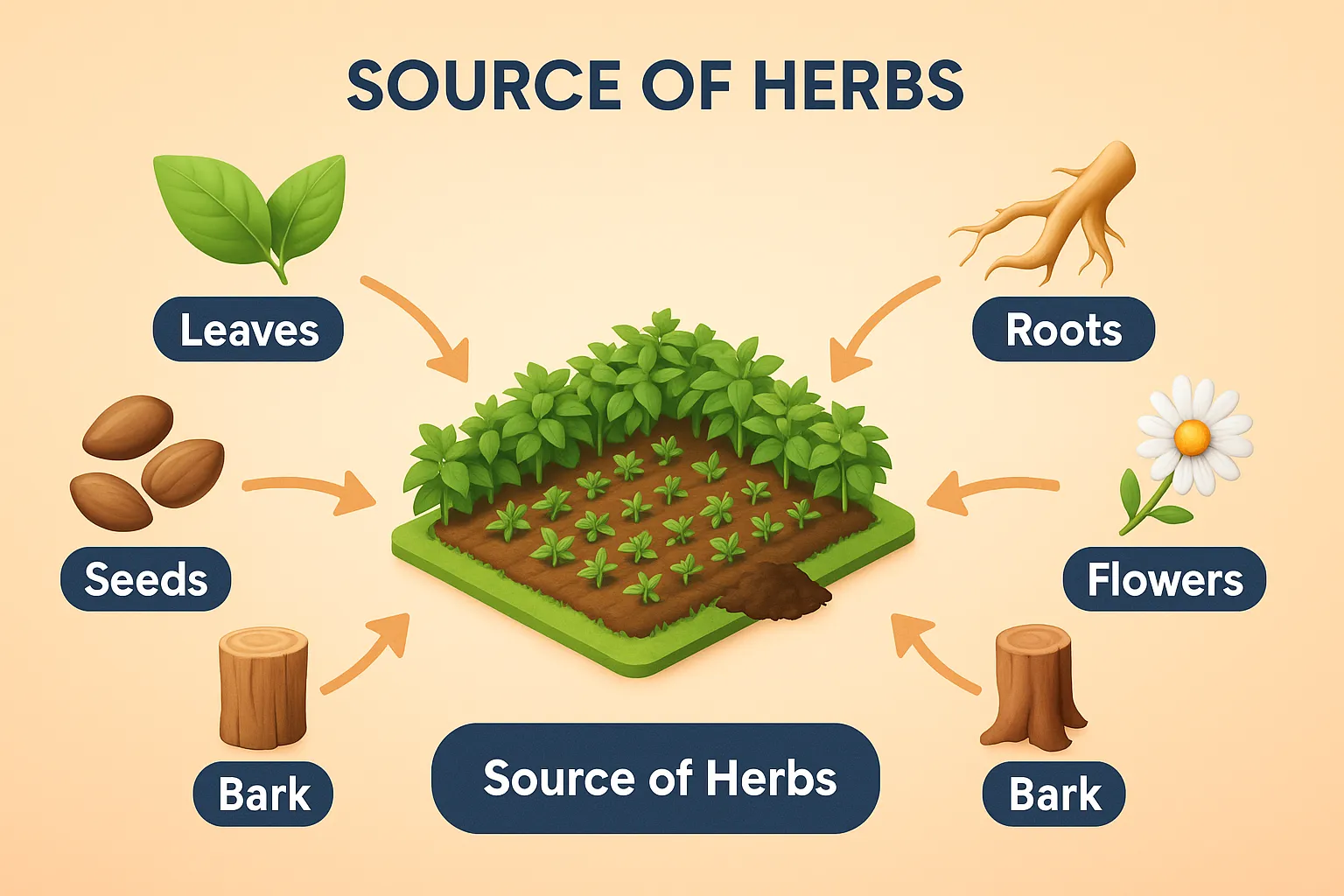
Source of Herbs includes wild collection, cultivation, and commercial farming to obtain medicinal plants for therapeutic products. Wild Sources of Herbs Wild herbs grow naturally in the environment and are harvested for medicinal or culinary use. Common Wild Herb Sources: Forests – Ginseng, goldenseal, elderberry Meadows – Chamomile, yarrow Mountains – Ginkgo, ginseng, echinacea Wetlands … Read more