Paediatric Dose Calculations

Paediatric dose calculations

Paediatric Dose Calculations is complex due to the physiological differences between children and adults, affecting drug pharmacokinetics and pharmacodynamics. Several methods are used to calculate the appropriate Paediatric Dose Calculations based on age, body weight, and body surface area (BSA). Age-Based Dosing Methods Young’s Formula (For children aged 2-12 years): Formula: Pediatric dose = (Age … Read more
Posology

Posology

Definition of Posology Posology is derived from the Greek words “posos” meaning “how much” and “logos” meaning “science.” It refers to the study of drug dosages, which includes not only the amount of the drug to be administered but also the frequency and duration of treatment. Posology aims to determine the correct dosage to achieve … Read more

Handling of Prescription: Steps and Responsibilities

Handling of Prescription Steps and Responsibilities

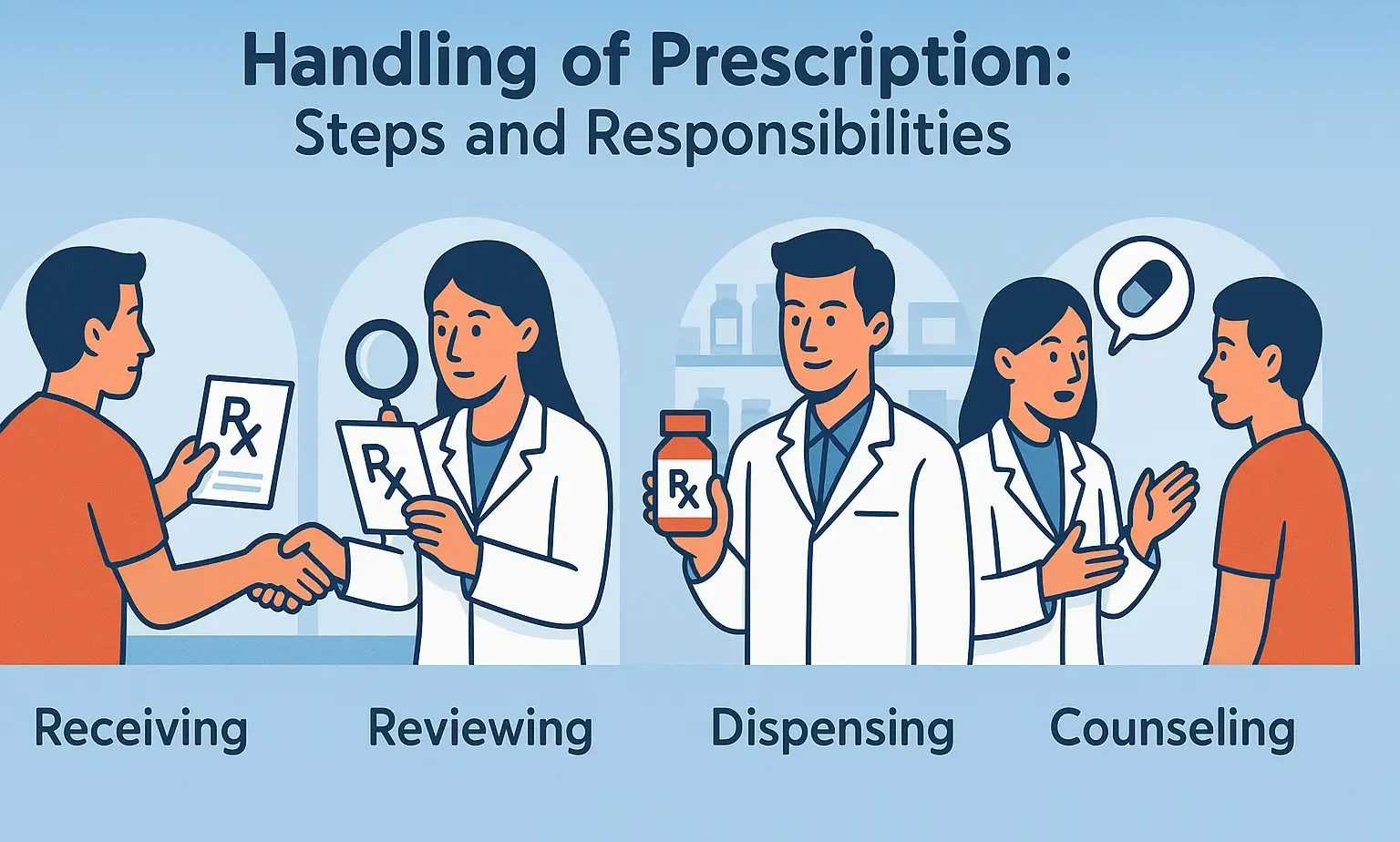
Handling a prescription Steps and Responsibilities is a critical responsibility for pharmacists to ensure the safe and effective dispensing of medications. The process involves several steps: Receiving: The pharmacist receives the prescription, either directly from the patient or electronically from the prescriber. The prescription is reviewed for completeness, legibility, and all necessary information. Reading and … Read more

Parts of a Prescription & Overview

Parts of a Prescription & Overview

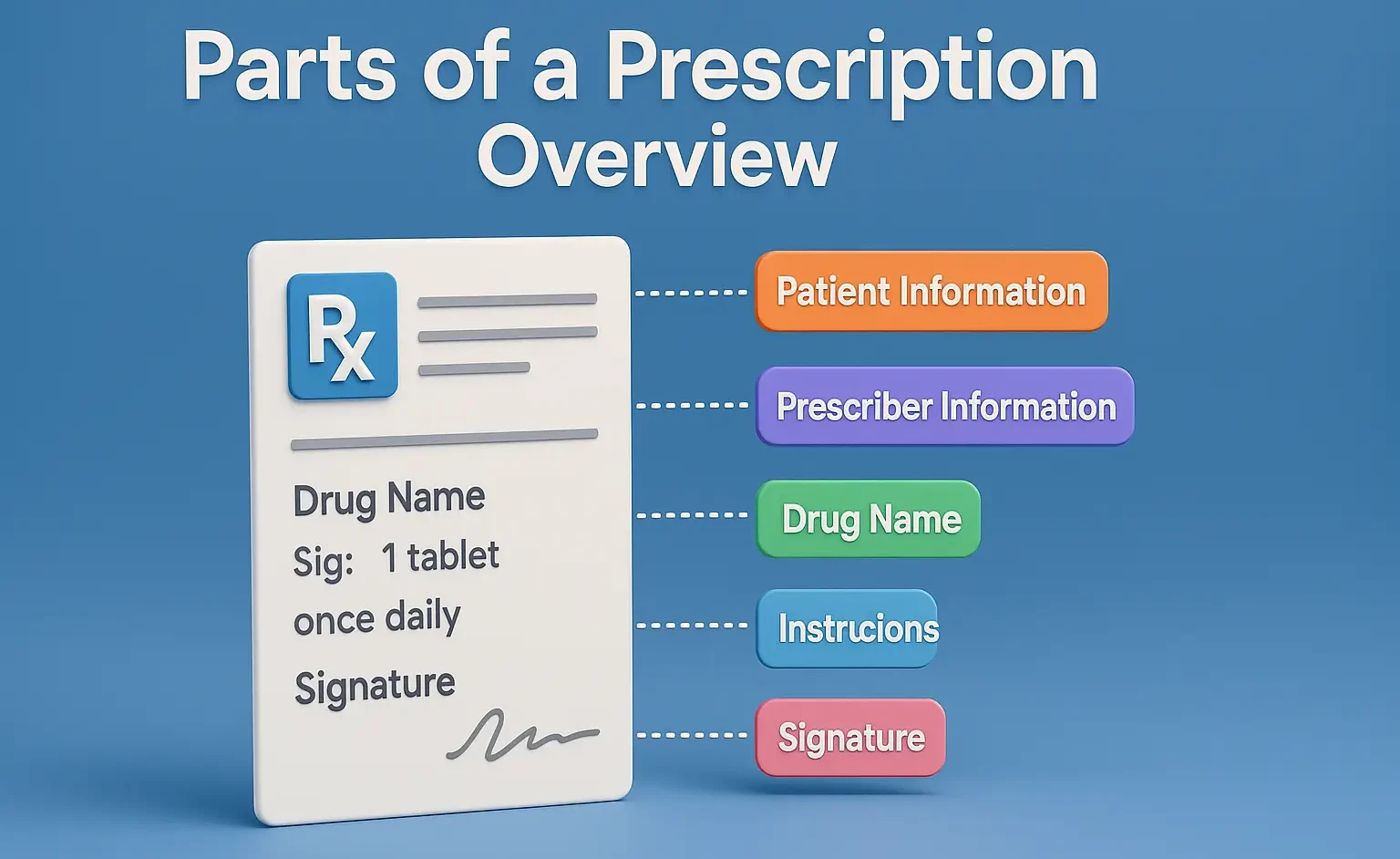
A prescription is a written or electronic communication from a licensed healthcare provider to a pharmacist, authorizing the dispensing of a specific medication to a patient. It serves as a legal document that provides detailed instructions regarding the medication type, strength, dosage, and duration. Prescriptions are crucial in ensuring safe and effective medication use. Date: … Read more

History of Indian pharmacyHistory of Indian pharmacy

Introduction to Dosage Forms

Dosage forms are the physical formulations of drugs, prepared to ensure the safe, effective, and accurate administration of the active pharmaceutical ingredient (API) to patients. They are designed to account for various factors, including the drug’s properties, pharmacokinetics (how the drug is absorbed, distributed, metabolized, and excreted), pharmacodynamics (the effects of the drug on the … Read more

History of Indian pharmacy

History of Indian pharmacy

History of Indian pharmacy traces ancient Ayurveda, Siddha, and herbal traditions in drug use. The History of the Pharmacy profession in India can be divided into four main phases: ancient history, the colonial period, the post-independence period, and the modern era. Ancient History: Pharmacy in India has roots in traditional systems of medicine like Ayurveda, … Read more

Second-Order Reactions

Second-Order Reactions

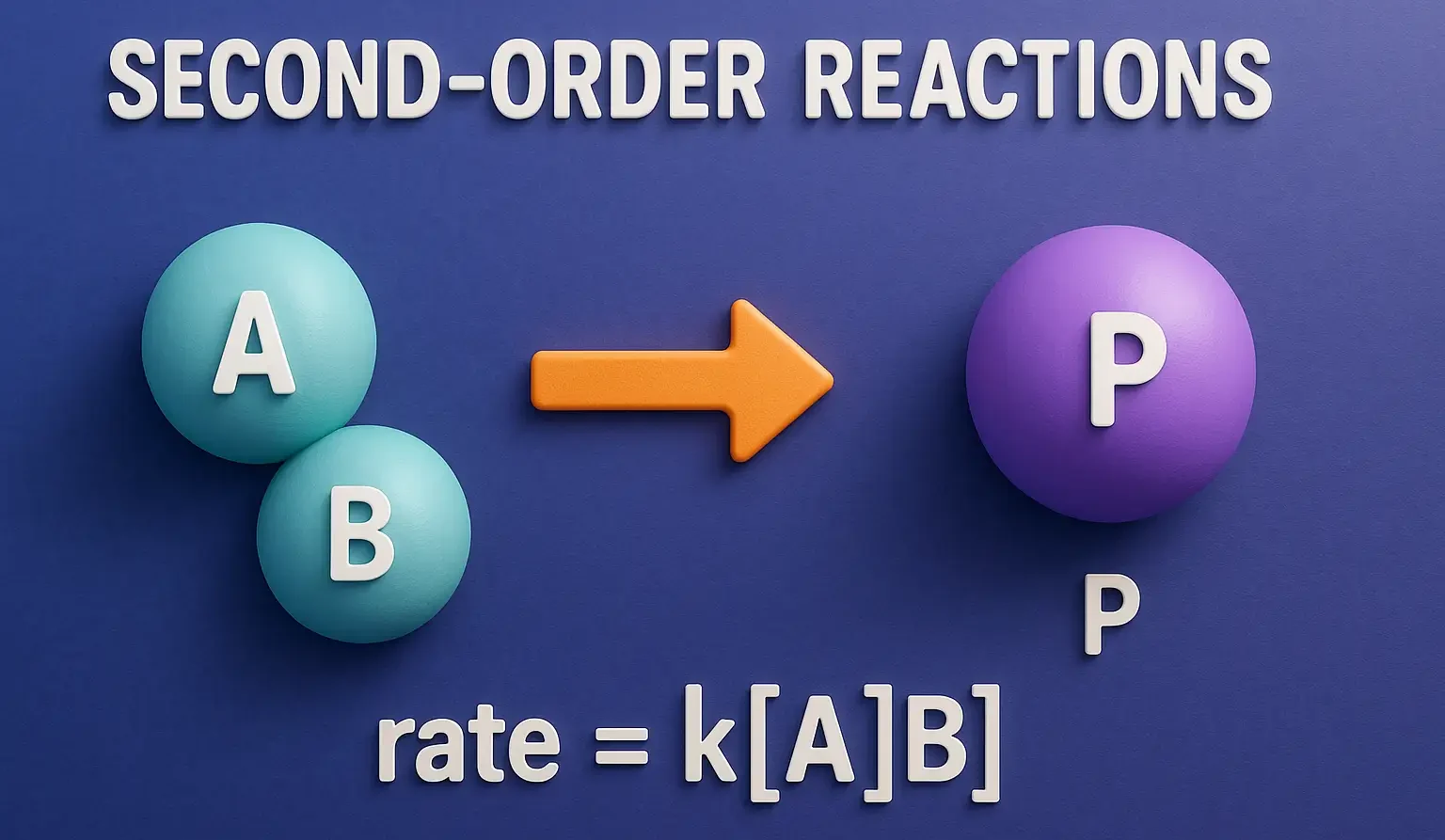
Definition: Rate depends on either: Square of one reactant: $\text{Rate} = k[A]^2$ Product of two reactants: $\text{Rate} = k[A][B]$ Integrated form (when A = B): $\tfrac{1}{[A]_t} = \tfrac{1}{[A]_0} + kt$ Derivation: Separate variables: $\frac{d[A]}{[A]^2} = -k \, dt$ Integrate both sides: $\int_{[A]_0}^{[A]} \frac{d[A]}{[A]^2} = -k \int_{0}^{t} dt$ $\left[ -\frac{1}{[A]} \right]_{[A]_0}^{[A]} = -kt$ $- \frac{1}{[A]} + … Read more

Photolytic Degradation and Its Prevention

Photolytic Degradation and Its Prevention

Definition: Photolytic (or photodegradation) is the degradation of drug substances due to exposure to light, especially UV and visible light. It leads to chemical breakdown and loss of potency, or formation of toxic by-products. Mechanism: Light provides energy that excites electrons in drug molecules. Excited-state molecules may undergo bond cleavage, oxidation, or isomerization. Photodegradation can … Read more

Accelerated Stability Testing (AST) and Expiration Dating

Accelerated Stability Testing (AST) and Expiration Dating

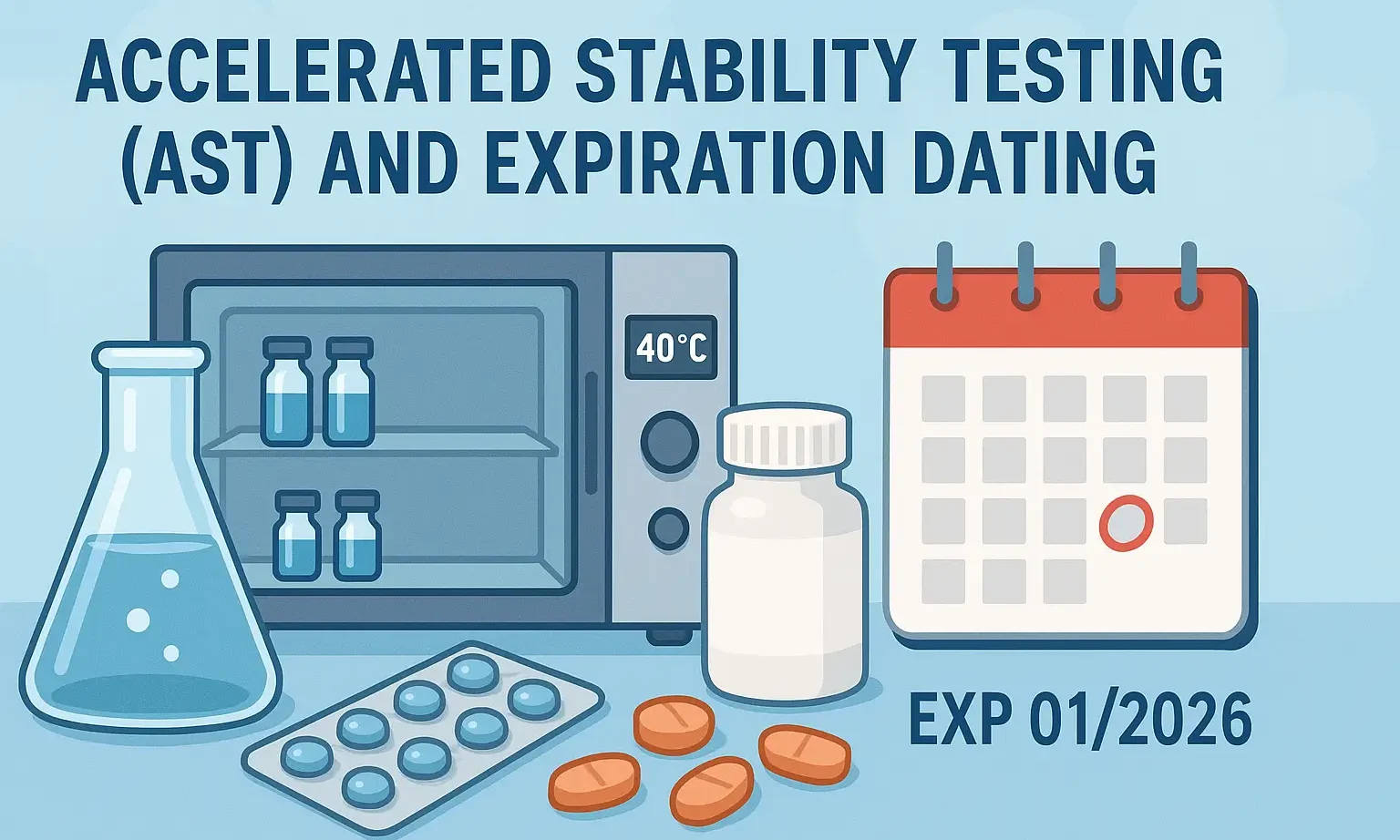
Purpose: Accelerated Stability Testing (AST) and Expiration Datingis used to predict the shelf life (expiration date) of a pharmaceutical product by subjecting it to elevated stress conditions (temperature, humidity, light) to speed up degradation reactions. Why It’s Important: Ensures drug efficacy, safety, and quality over time. Helps set expiration dates and storage recommendations. Aids in … Read more

Oxidation: Mechanism and Drug Groups Affected

Oxidation Mechanism and Drug Groups Affected

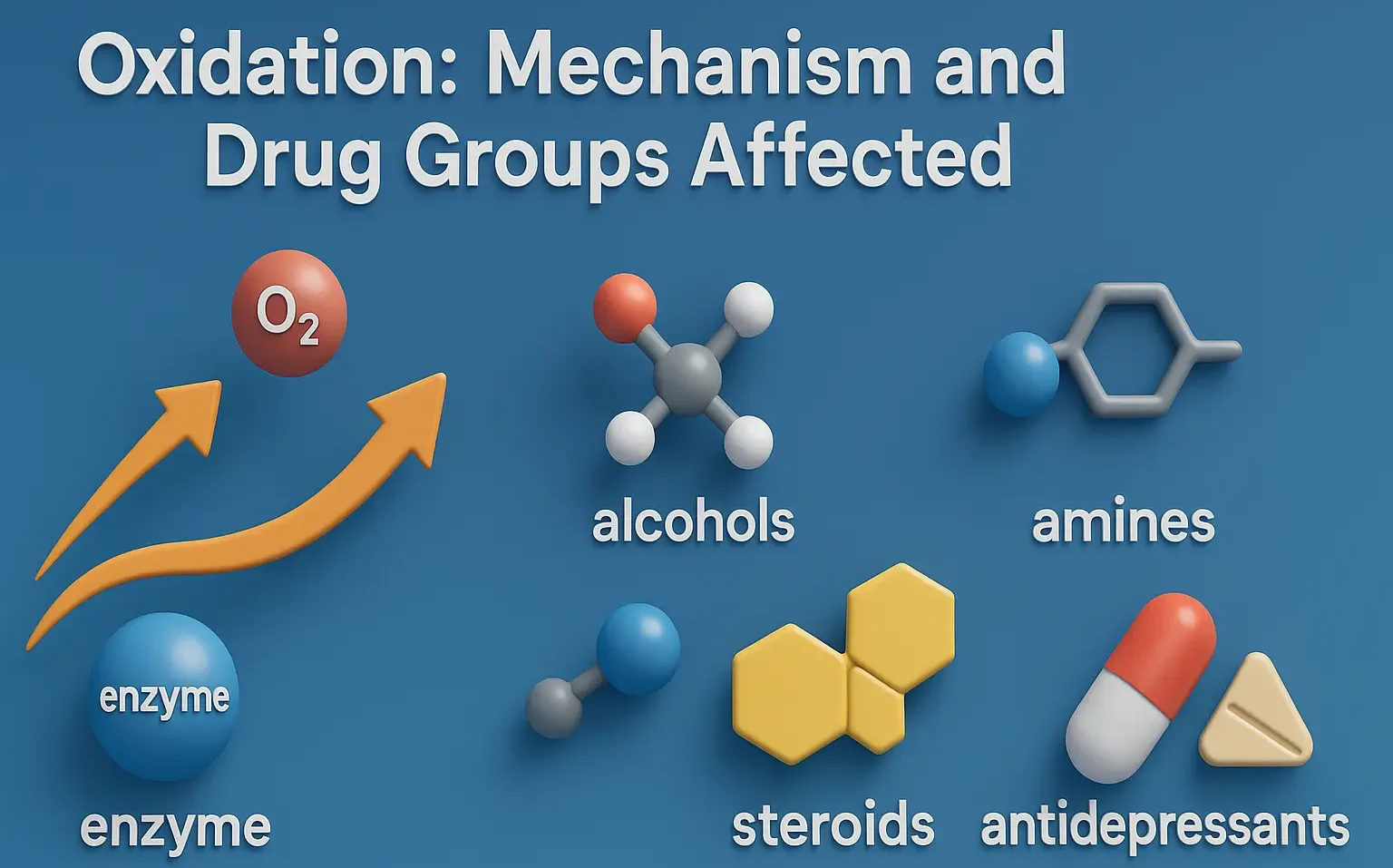
Mechanism: Oxidation is a process involving electron loss, often initiated by oxygen or free radicals. It can be accelerated by light, heat, trace metals, or pH. Basic pathway: $RH + O_2 \;\rightarrow\; ROOH \;\rightarrow\; RO\cdot + OH\cdot$ $\mathrm{RH} + \mathrm{O}_2 \rightarrow \mathrm{ROOH} \rightarrow \mathrm{RO}^{\bullet} + \mathrm{OH}^{\bullet}$ Commonly Affected Drug Classes: Phenols: epinephrine, morphine Thiols: captopril … Read more