Elastic And Plastic Deformation

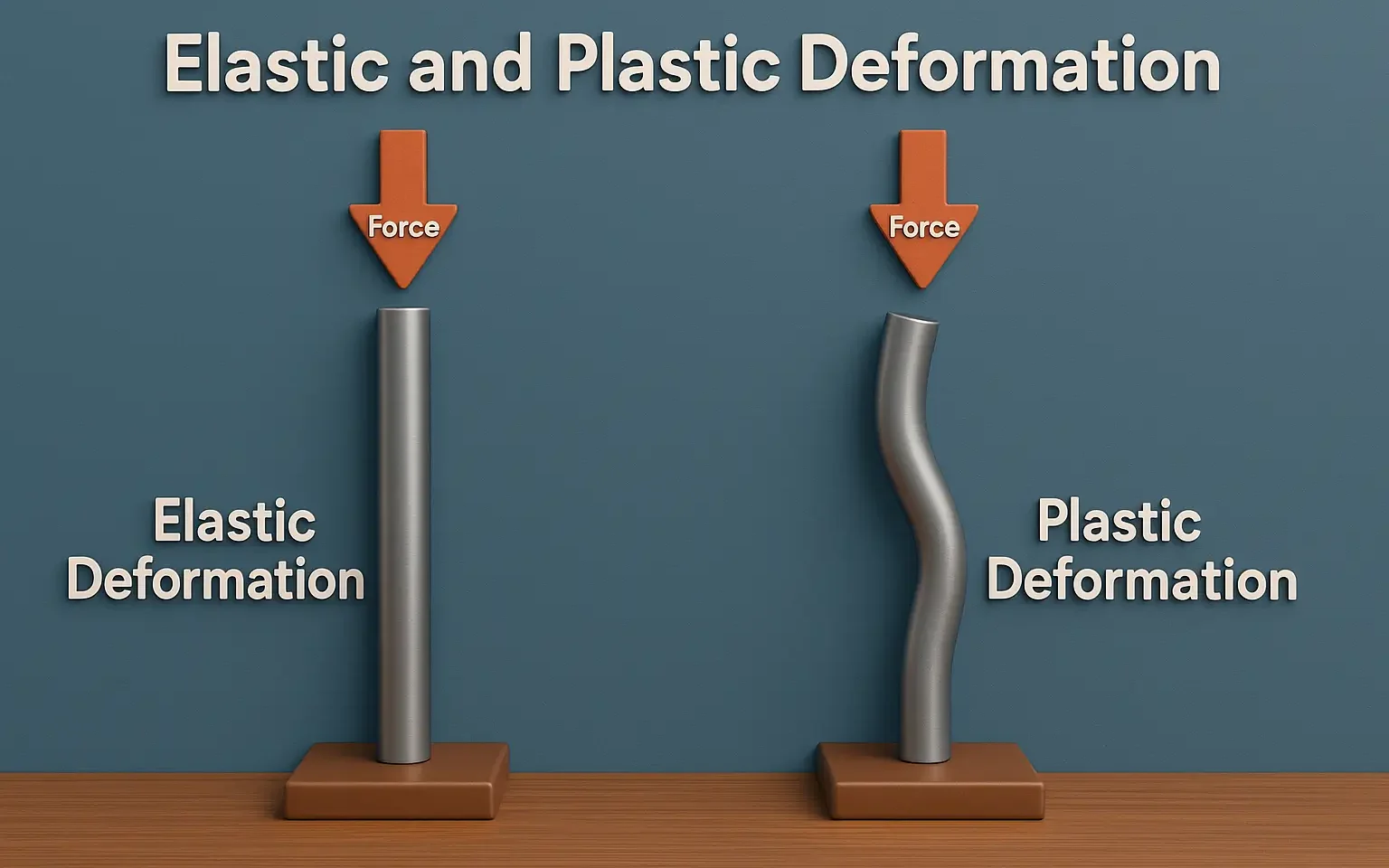
Elastic and Plastic Deformation explains temporary vs permanent shape changes in materials under stress. Elastic and Plastic Deformation is key in material science for strength, durability, and design. When an external force is applied to a solid, it may change shape or size. This is called deformation. It can be elastic or plastic depending on … Read more

Rotational Viscometer (Brookfield Viscometer)

Rotational Viscometer (Brookfield Viscometer)

Rotational Viscometer (Brookfield Viscometer) works by measuring torque on a spindle rotating in fluid. Rotational Viscometer (Brookfield Viscometer) measures viscosity of liquids in pharmaceuticals and industries. Principle: Measures the torque required to rotate a spindle at constant speed in the sample. The resistance to rotation is a function of the sample’s viscosity. $\eta \propto \frac{\text{Torque}}{\text{Angular … Read more

Falling Sphere Viscometer (Stoke’s Law Viscometer)

Falling Sphere Viscometer (Stoke’s Law Viscometer)

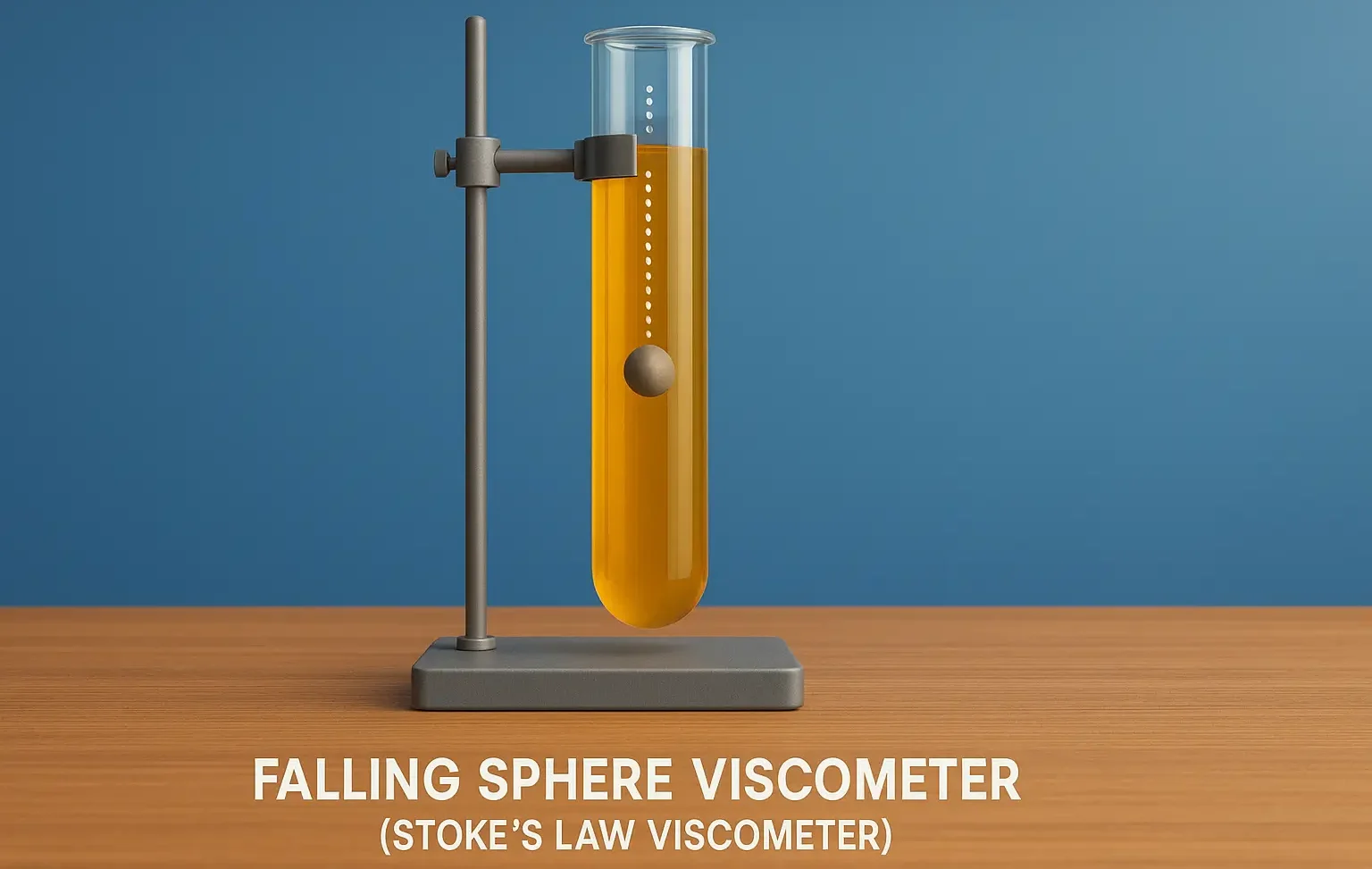
Falling Sphere Viscometer (Stoke’s Law Viscometer) is used in labs for accurate fluid viscosity analysis. Falling Sphere Viscometer (Stoke’s Law Viscometer) measures viscosity by tracking a sphere’s fall through liquid. Principle: A ball (usually steel or glass) falls through the test liquid under gravity. The terminal velocity of the ball is used to calculate viscosity, … Read more

Capillary Viscometer (Ostwald Viscometer)

Capillary Viscometer (Ostwald Viscometer)

Capillary Viscometer (Ostwald Viscometer) measures viscosity by timing liquid flow through a narrow tube. Capillary Viscometer (Ostwald Viscometer) is widely used in labs for comparing fluid viscosities. Principle: Based on Poiseuille’s Law, which describes the laminar flow of liquid through a capillary. Time taken for a fixed volume of liquid to flow between two marks … Read more

Thixotropy In Formulation

Thixotropy In Formulation

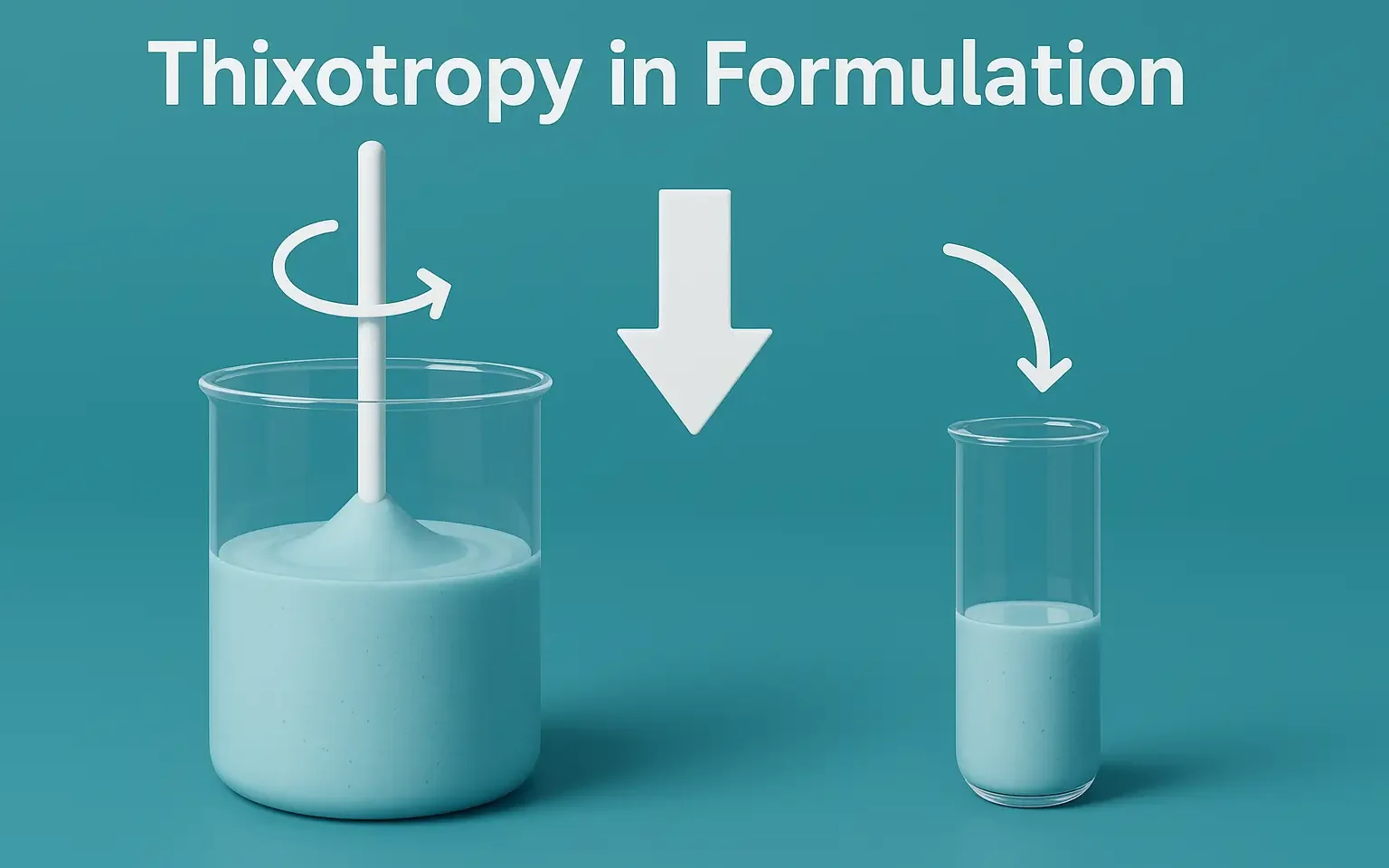
Thixotropy in Formulation describes reversible gel-to-sol transitions under shear, improving dosage form handling. Thixotropy In Formulation is a desirable property in liquid pharmaceutical systems, which should have: High consistency in the container. Yet pour or spread easily upon use. Procaine benzyl penicillin (procaine penicillin) combines benzyl penicillin with the local anaesthetic procaine. Thixotropy enhances suspension … Read more

Purine

Purine

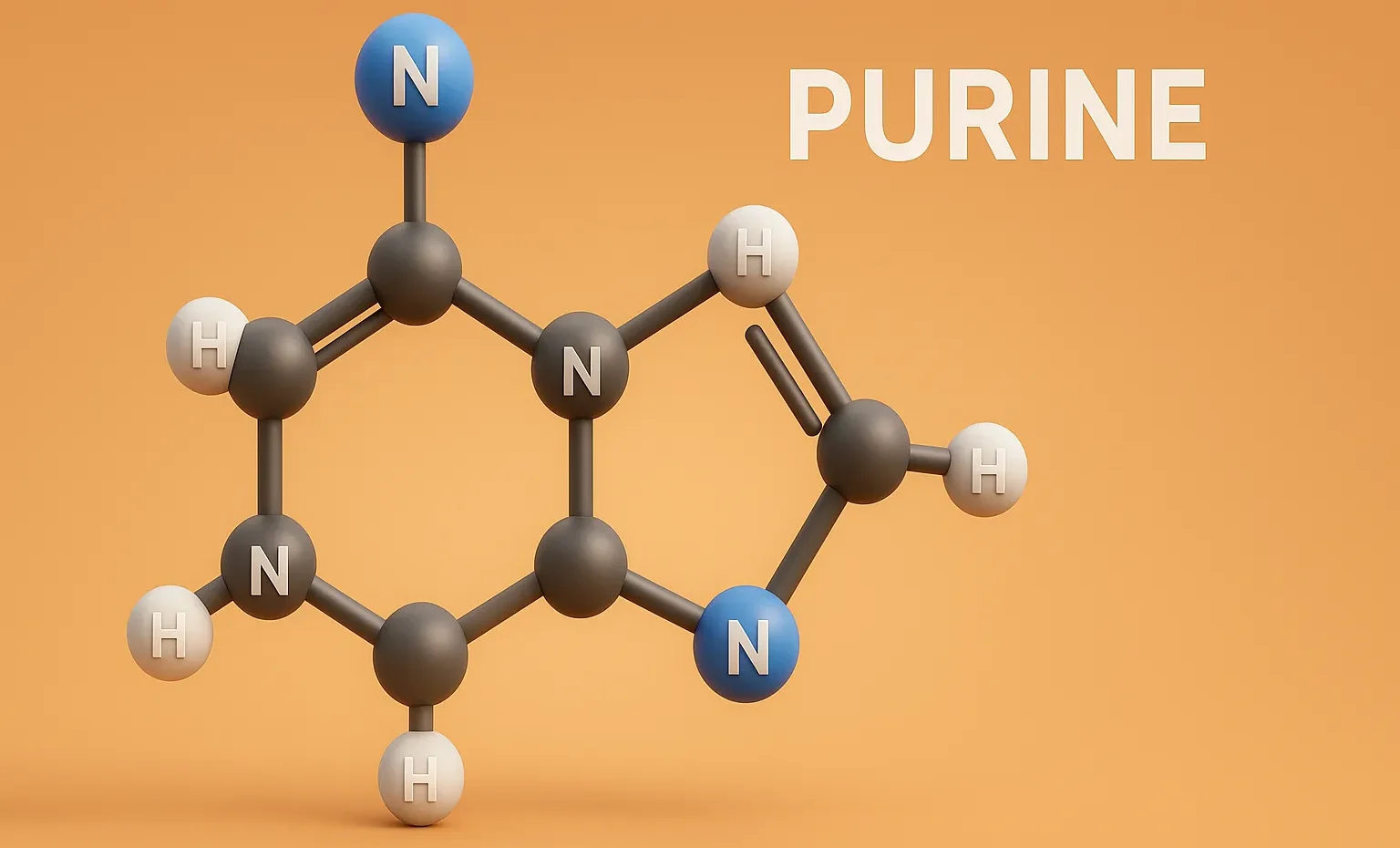
Purine is a bicyclic heterocyclic compound forming the basis of nucleic acids, coenzymes, and many pharmaceutical agents. Structure A fused bicyclic ring: pyrimidine ring fused with imidazole. Molecular formula: C₅H₄N₄ Found in DNA and RNA (adenine and guanine). Synthesis Traube Synthesis Multi-step process starting from 4,5-diaminopyrimidine, formic acid or formamide, then cyclization. Produces purine nucleus. … Read more

Pyrimidine

Pyrimidine

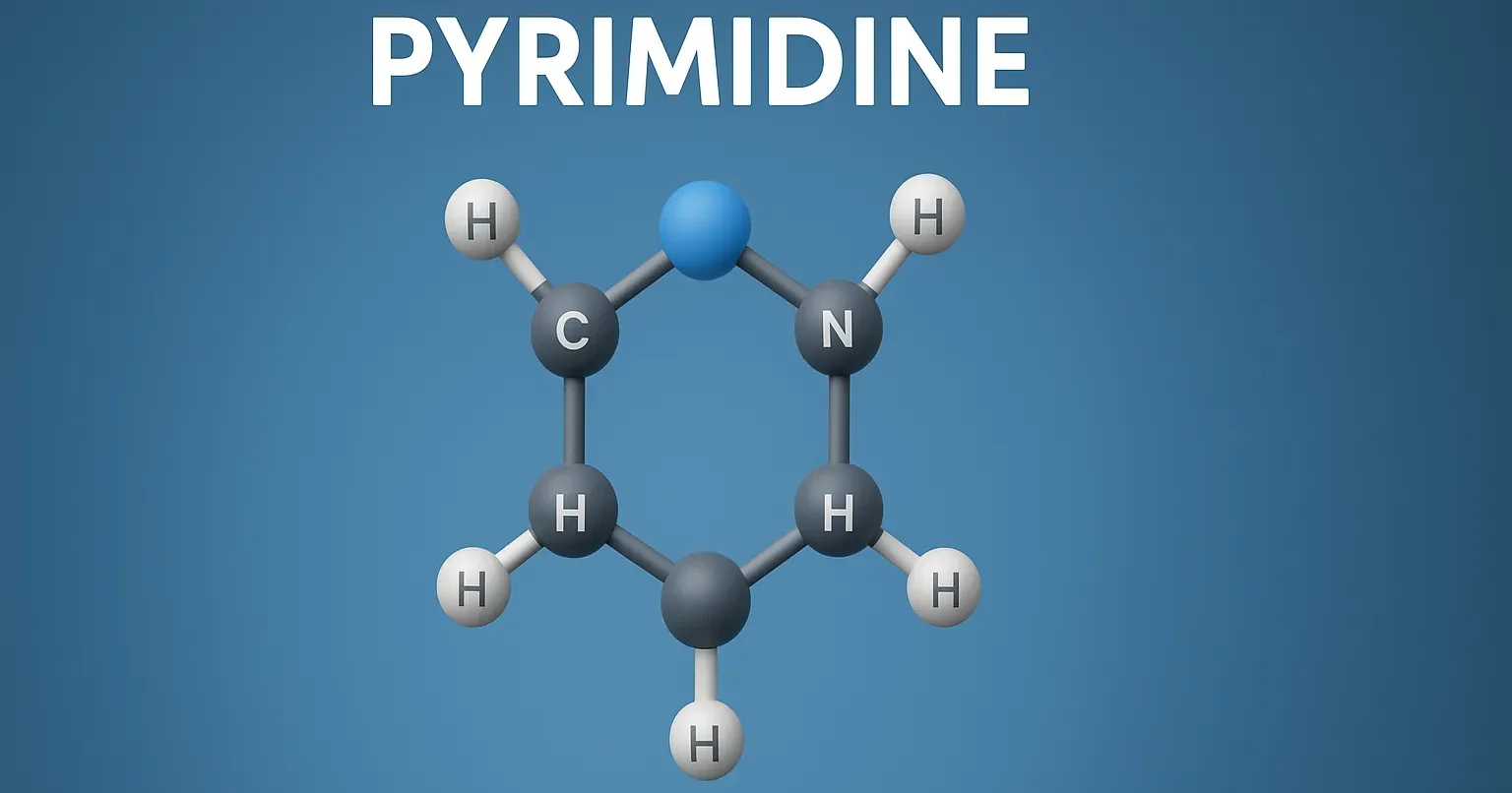
Pyrimidine is a six-membered heterocyclic compound with nitrogen atoms, essential in nucleic acids, drugs, and medicinal chemistry. Structure It is a six-membered aromatic heterocycle with two nitrogen atoms at positions 1 and 3. Molecular formula: C₄H₄N₂ Synthesis Biginelli Reaction (for substituted pyrimidines) Reactants: β-keto ester, aldehyde, and urea or thiourea. Conditions: Acidic catalysis, heating. Mechanism: … Read more

Azepines

Azepines

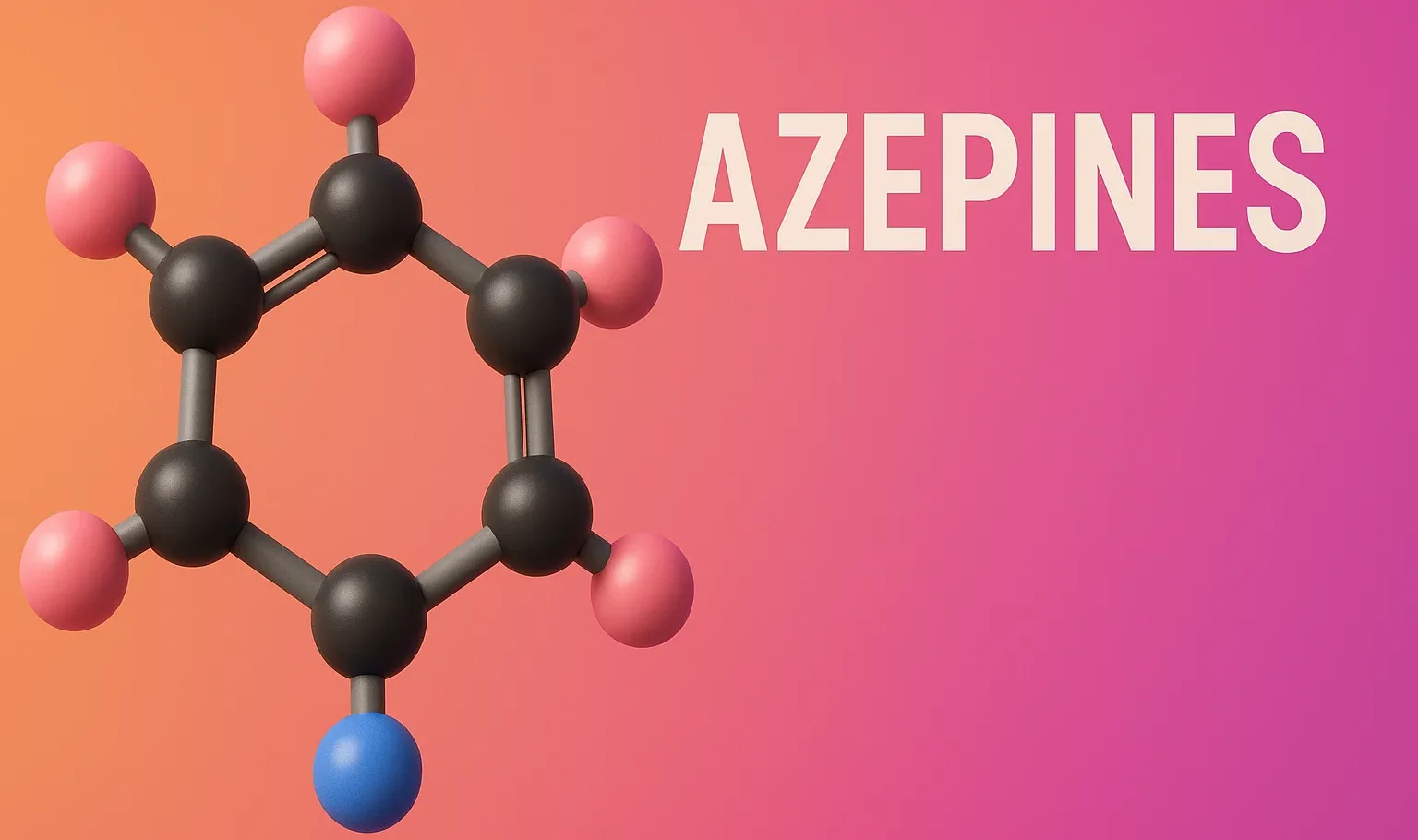
Azepines are seven-membered heterocyclic compounds important in medicinal chemistry and drug design for CNS and therapeutic agents. Structure These are seven-membered heterocycles with one nitrogen atom. Can be saturated or unsaturated (aromatic). There are several subclasses: Azepine (basic) Diazepine (2 N atoms – as in benzodiazepines) Thiazepine (N and S atoms) Synthesis of Azepines Ring … Read more

Reactions of Indole

Reactions of Indole

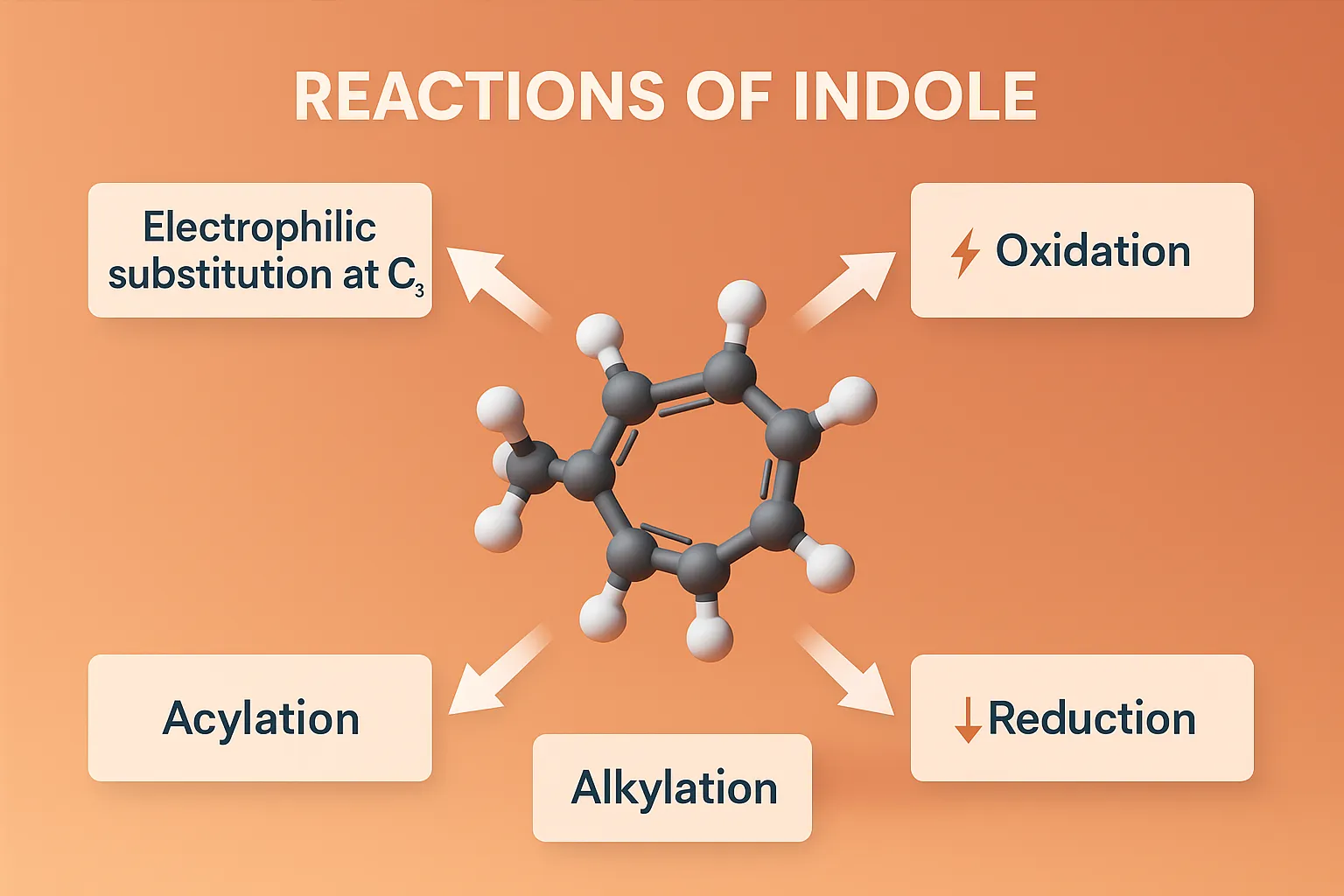
Reactions of Indole include electrophilic substitution, oxidation, reduction, and cyclization pathways vital in drug synthesis. Reactions of Indole Electrophilic Substitution (EAS) Very reactive at C-3 (due to resonance stabilization of carbocation intermediate). Secondarily reactive at C-2. Examples: Nitration: dilute HNO₃ → 3-nitroindole Halogenation: Br₂ → 3-bromoindole Friedel–Crafts acylation: at C-3 Vilsmeier–Haack Reaction: POCl₃/DMF → 3-formylindole … Read more

Basicity of Pyridine

Basicity of Pyridine

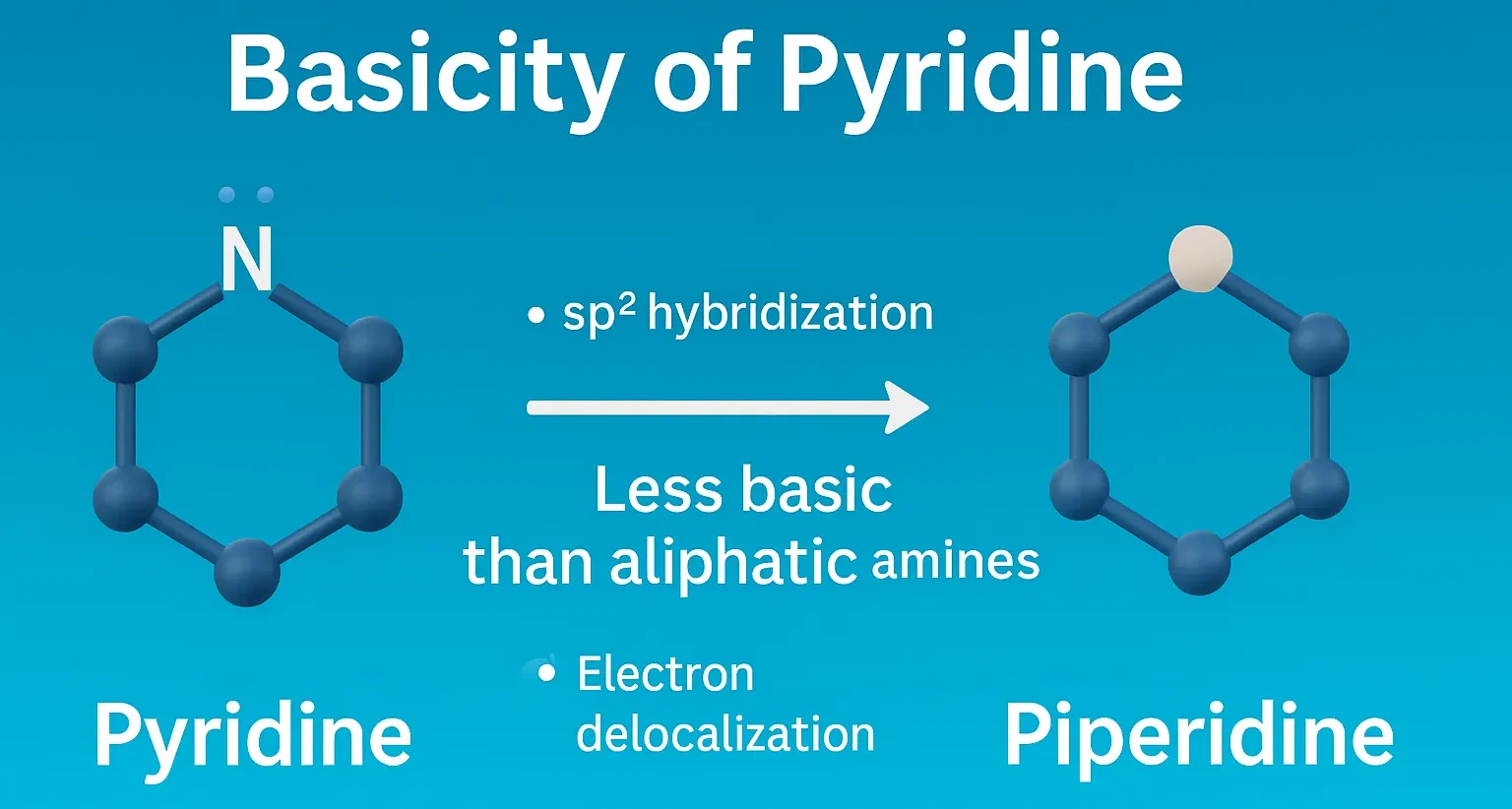
Basicity of Pyridine explains its nitrogen lone pair, resonance effects, and comparison with pyrrole and aliphatic amines. The basicity of pyridine refers to its ability to accept a proton (H⁺), which depends on the availability of its lone pair of electrons on the nitrogen atom. Structure and Basicity Pyridine is an aromatic heterocycle with the … Read more