Classification of General Anesthetics

Classification of General Anesthetics
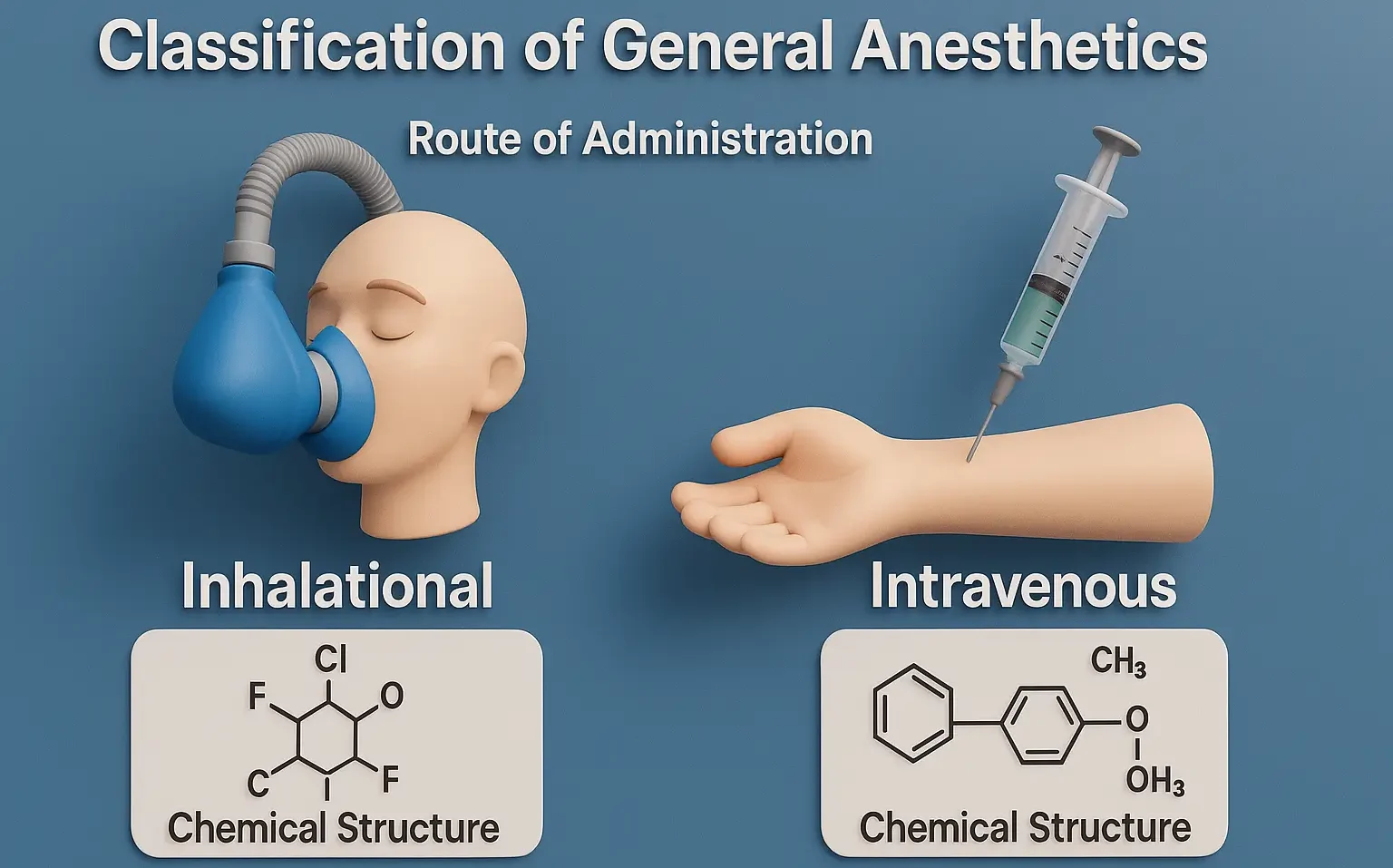
Classification of General Anesthetics is based on route (inhalation, intravenous) and chemical nature. General anesthetics are classified based on: Route of Administration Chemical Structure Inhalation Anesthetics These are gases or volatile liquids administered via inhalation. Common for their ease of control and pleasant induction. Examples: Halothane Methoxyflurane Enflurane Sevoflurane Isoflurane Desflurane Intravenous Anesthetics Administered through … Read more

General Anesthetics

General Anesthetics

Definition of General Anesthetics: General anesthetics are drugs that induce a reversible loss of consciousness. They are used during surgical procedures to render the patient unconscious, unresponsive, and incapable of feeling pain. Administration routes: Intravenous (IV) Inhalation Stages of General Anesthesia General anesthesia is typically divided into four stages, from the initial administration to the … Read more

Felbamate

Felbamate

Felbamate blocks NMDA receptors and modulates GABA, reducing abnormal neuronal excitability. It is an anticonvulsant effective in treating partial seizures and Lennox-Gastaut syndrome. Formula: C₁₁H₁₄N₂O₄ Mechanism of Action: Blocks NMDA receptors Potentiates GABA-A Uses of Felbamate: Refractory epilepsy Lennox-Gastaut syndrome Side Effects of Felbamate: Aplastic anemia Hepatotoxicity Insomnia, headache Notes: Reserved for severe, resistant epilepsy

Gabapentin

Gabapentin

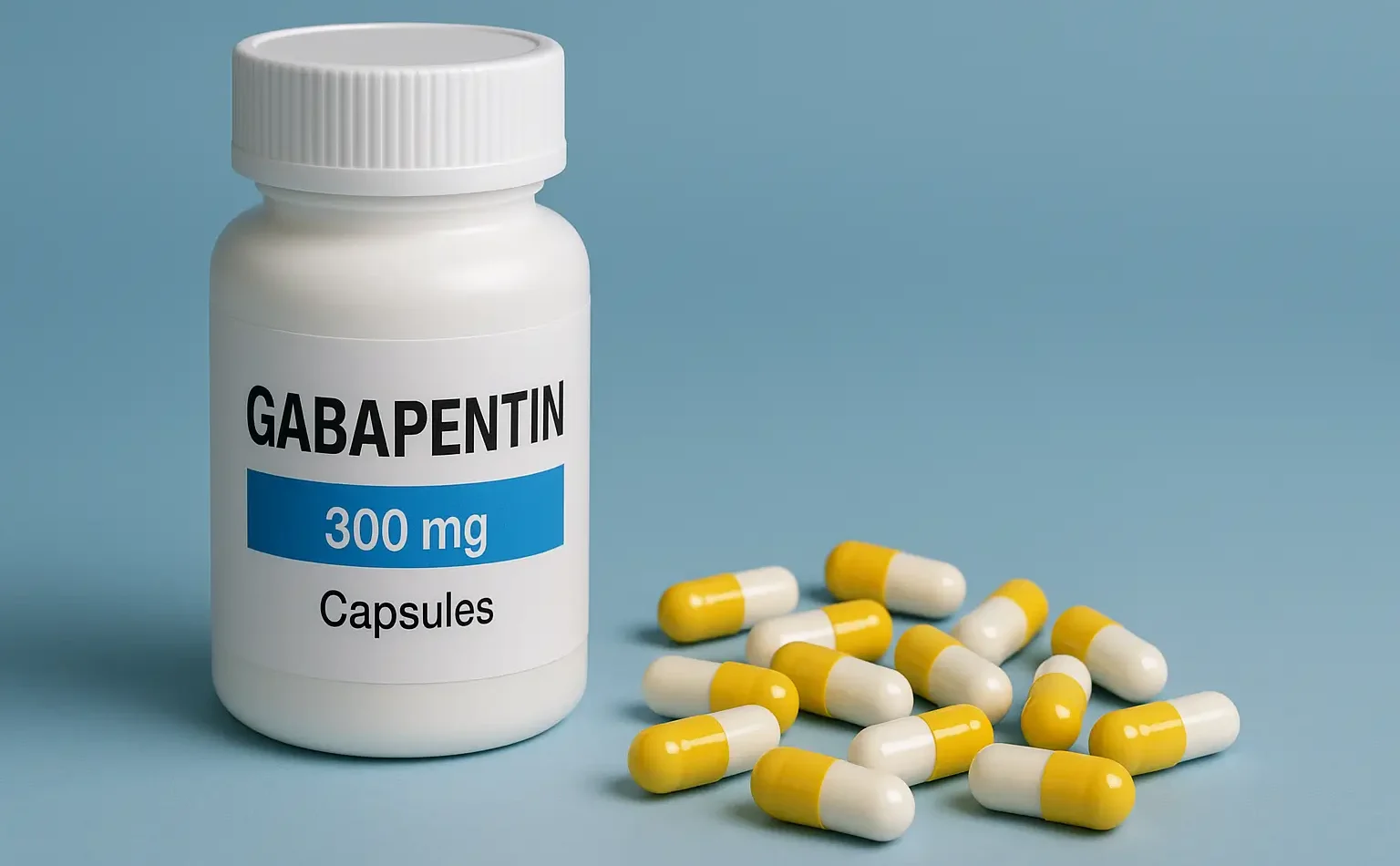
Gabapentin modulates calcium channels, reducing excitatory neurotransmitter release in the CNS. It is prescribed for neuropathic pain, partial seizures, and restless leg syndrome. Formula: C₉H₁₇NO₂ Mechanism of Gabapentin: Binds α2δ subunit of voltage-gated calcium channels Reduces excitatory neurotransmitter release Uses of Gabapentin: Partial seizures Neuropathic pain Postherpetic neuralgia Side Effects: Drowsiness Weight gain Ataxia Notes: … Read more

Primidone

Primidone

Primidone metabolizes to phenobarbital and PEMA, enhancing GABA to reduce neuronal excitability. It is prescribed for epilepsy, controlling partial and generalized tonic-clonic seizures. Formula: C₁₂H₁₄N₂O₂ Mechanism of Primidone: GABA-A enhancement via phenobarbital metabolite Direct Na⁺ channel effects Uses of Primidone: Generalized tonic-clonic seizures Essential tremor Side Effects: Sedation Nausea Ataxia Notes: Used in patients who … Read more

Valproic Acid

Valproic Acid

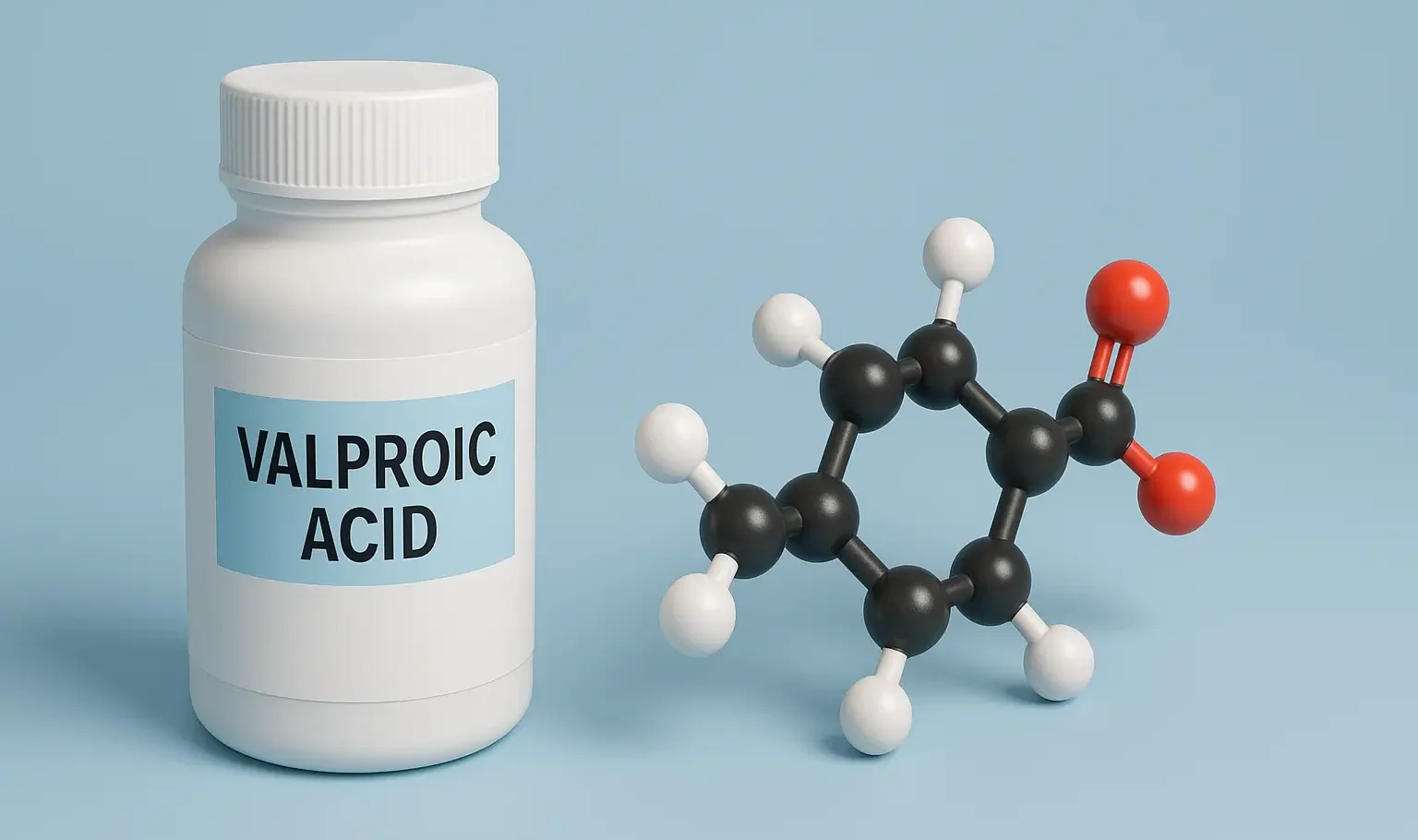
Valproic Acid treats epilepsy, bipolar disorder, and prevents migraine attacks. It increases GABA levels, stabilizing neuronal firing and reducing seizures. Formula: C₈H₁₆O₂ Mechanism of Action: Na⁺ channel blocker T-type Ca²⁺ channel inhibitor ↑ GABA levels by inhibiting GABA transaminase Uses of Valproic Acid: Broad-spectrum AED (absence, myoclonic, tonic-clonic, partial) Bipolar disorder Migraine prophylaxis Side Effects … Read more

Clonazepam

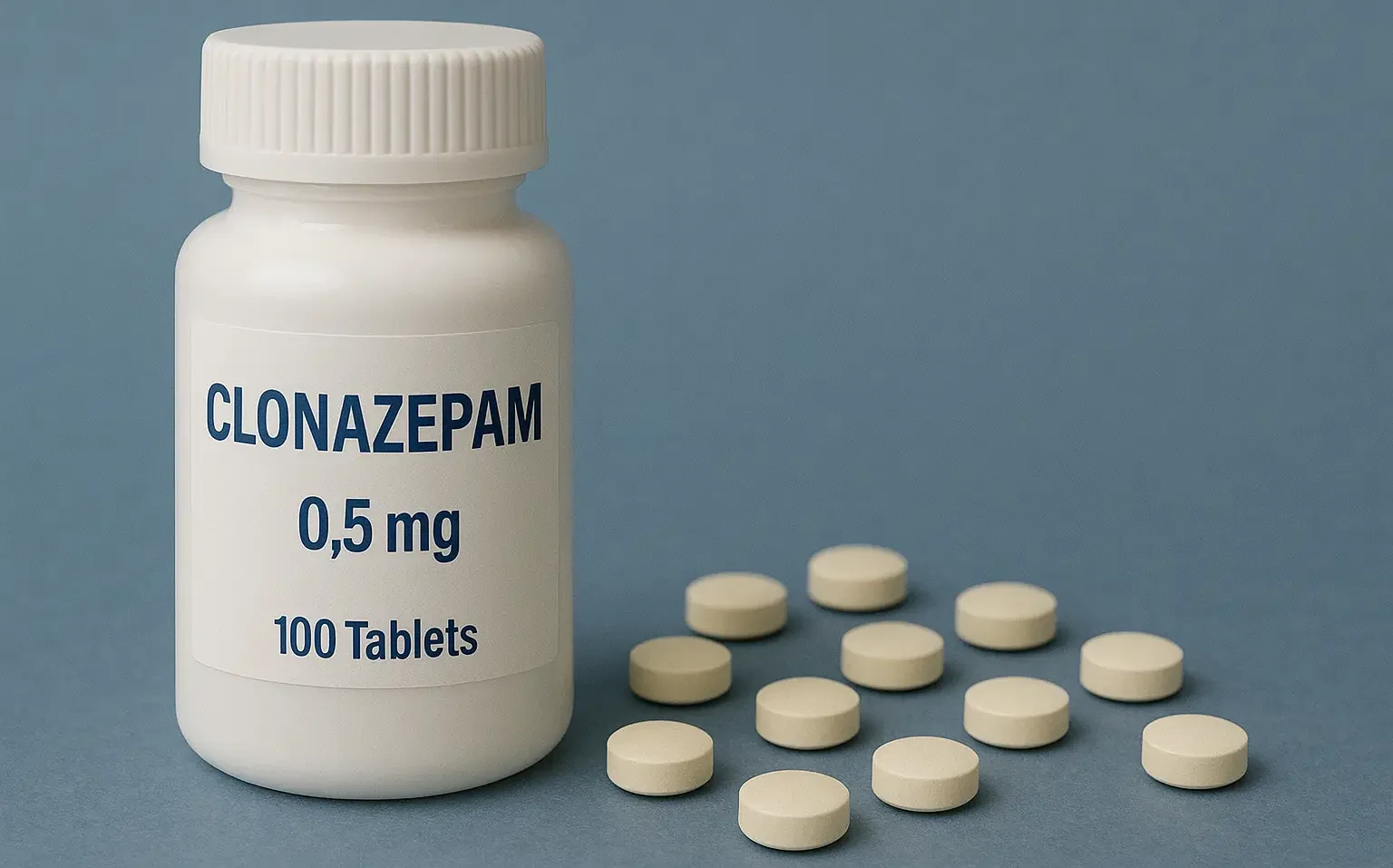
Clonazepam treats seizures, panic disorders, and anxiety with long-lasting relief. It is a benzodiazepine that enhances GABA activity, producing anticonvulsant and anxiolytic effects. Formula: C₁₅H₁₀ClN₃O₃ Mechanism of Action: Enhances GABA-A receptor → ↑ Cl⁻ influx Also decreases thalamic burst firing Uses of Clonazepam: Absence seizures Myoclonic seizures Infantile spasms Panic disorder Side Effects of Clonazepam: … Read more

Structure–Activity Relationship (SAR) of Anticonvulsants

Structure–Activity Relationship (SAR) of Anticonvulsants

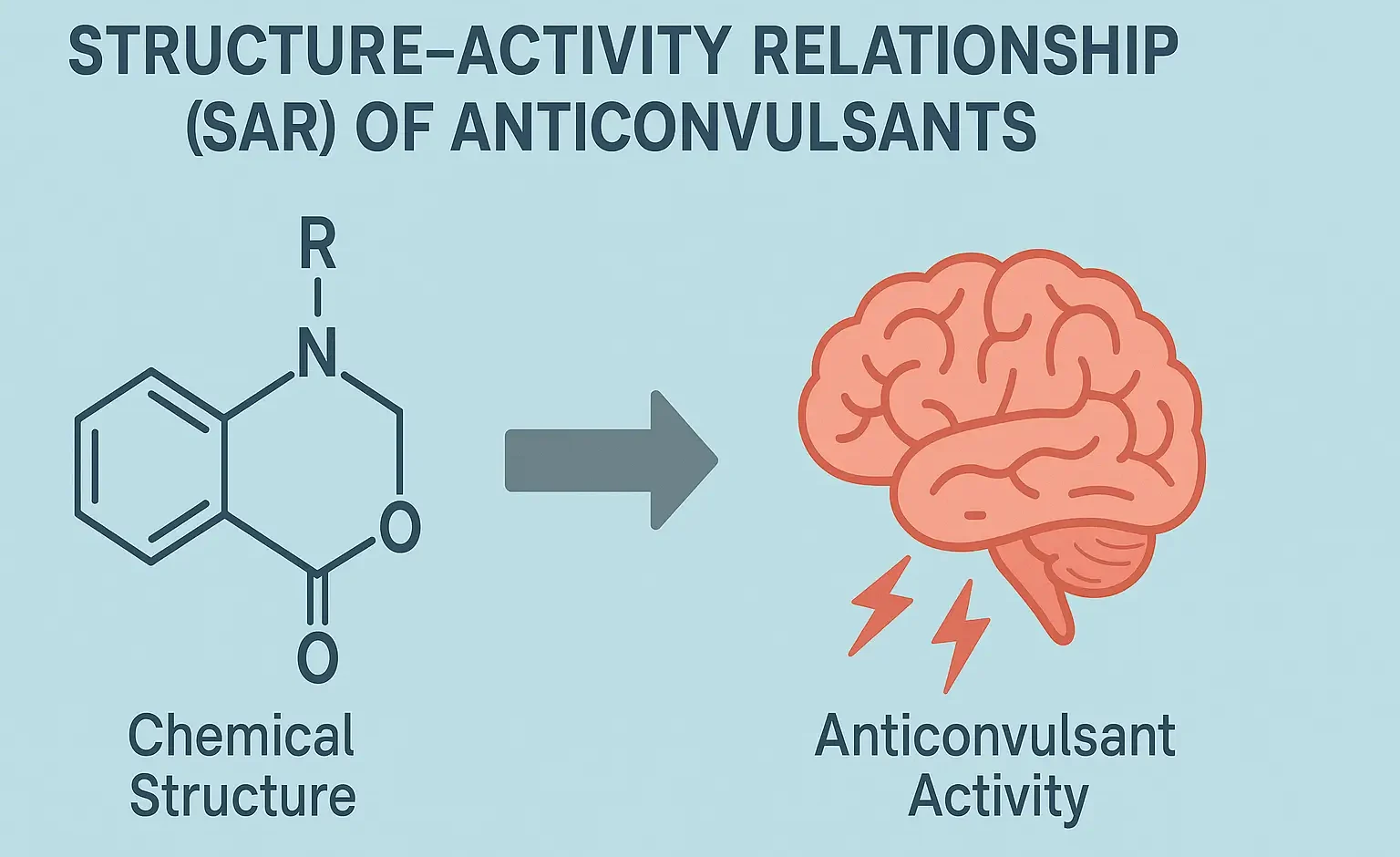
Structure–Activity Relationship (SAR) of Anticonvulsants explains molecular features crucial for seizure control. Structure–Activity Relationship (SAR) of Anticonvulsants links chemical modifications to efficacy and safety. Anticonvulsants vary structurally but share key SAR features within their classes: Hydantoins (e.g., Phenytoin): Diphenyl groups on the hydantoin ring are crucial. Electron-withdrawing groups enhance potency. Hydrogen bonding supports sodium channel … Read more

Drug Dependence

Drug Dependence

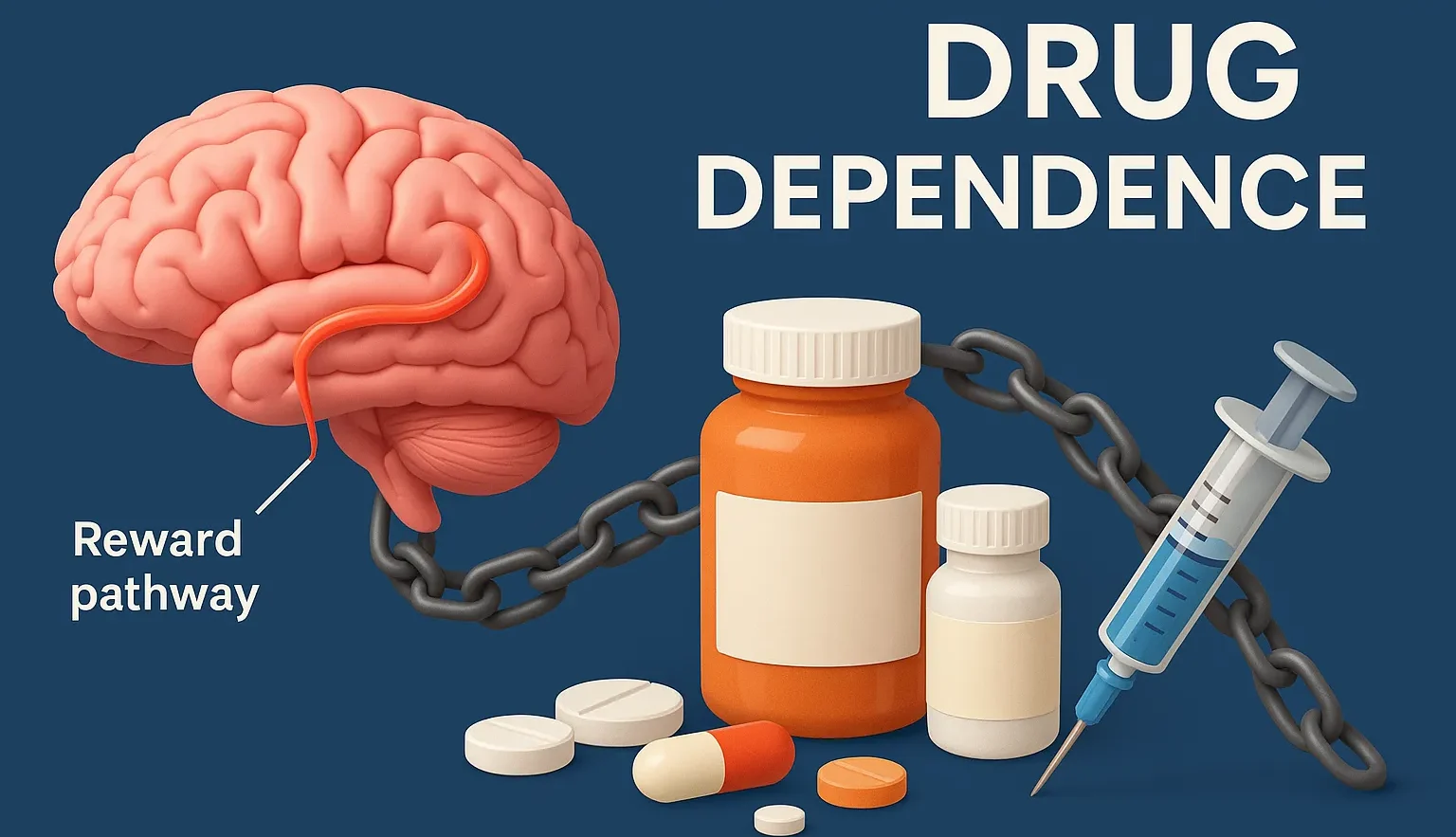
Definition of Drug Dependence: Dependence is a state where the body adapts to the presence of a drug, and withdrawal symptoms occur upon stopping the drug. Types: Physical Dependence Characterized by withdrawal symptoms upon drug discontinuation Result of neuroadaptation Common with: opioids, benzodiazepines, alcohol Examples of Withdrawal Symptoms: Opioids: Yawning, cramps, diarrhea, mydriasis Alcohol: Tremors, … Read more

Drug Tolerance

Drug Tolerance

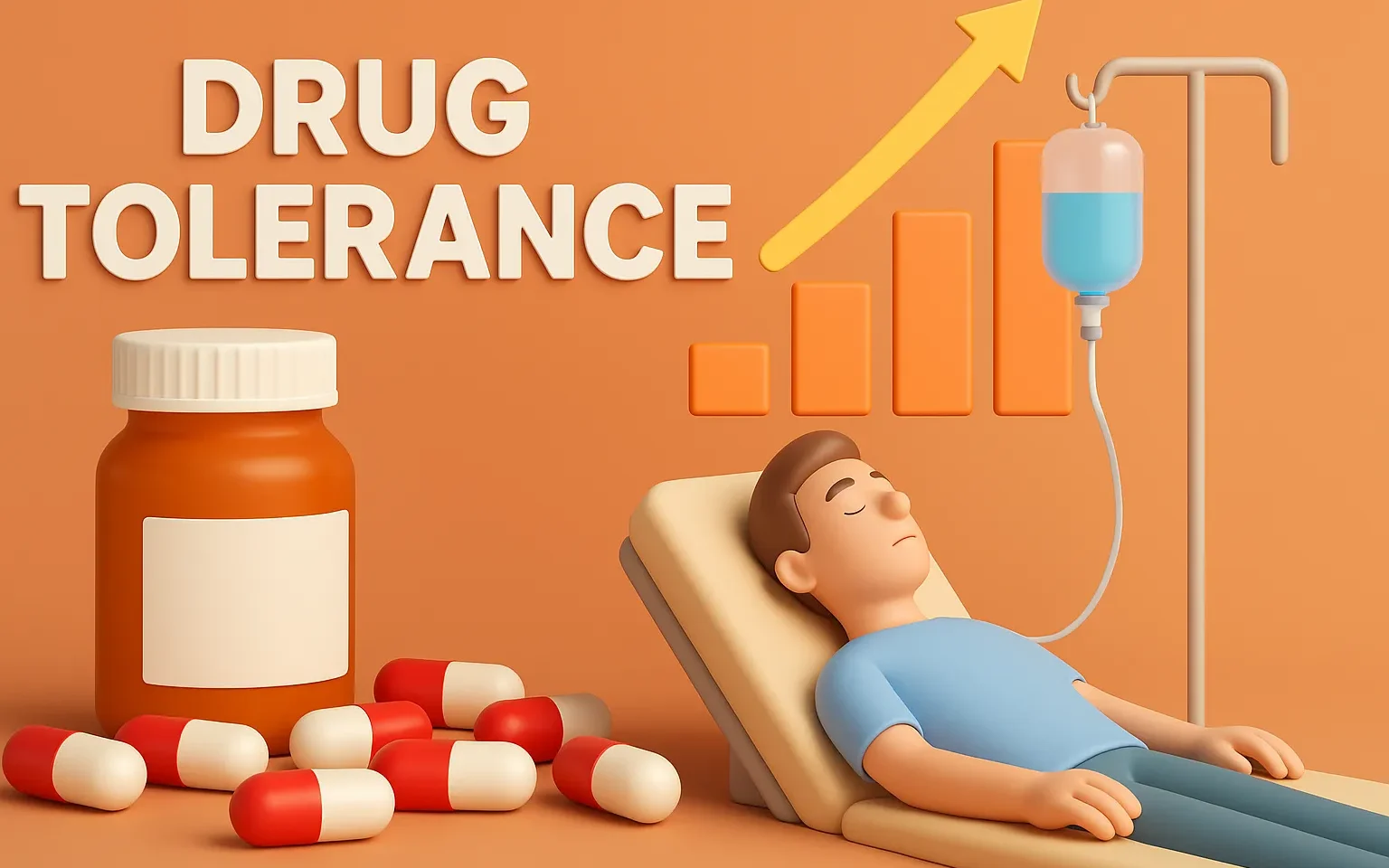
Definition of Drug Tolerance: Tolerances is a reduced response to a drug following repeated use, requiring higher doses to achieve the same effect. Types of Tolerance: Pharmacokinetic (Metabolic) Tolerance Increased drug metabolism reduces drug levels Example: Chronic alcohol use induces CYP2E1, increasing alcohol metabolism Pharmacodynamic (Cellular) Tolerance Downregulation or desensitization of receptors Example: Decreased μ-opioid receptor … Read more