Drug Abuse

Drug Abuse

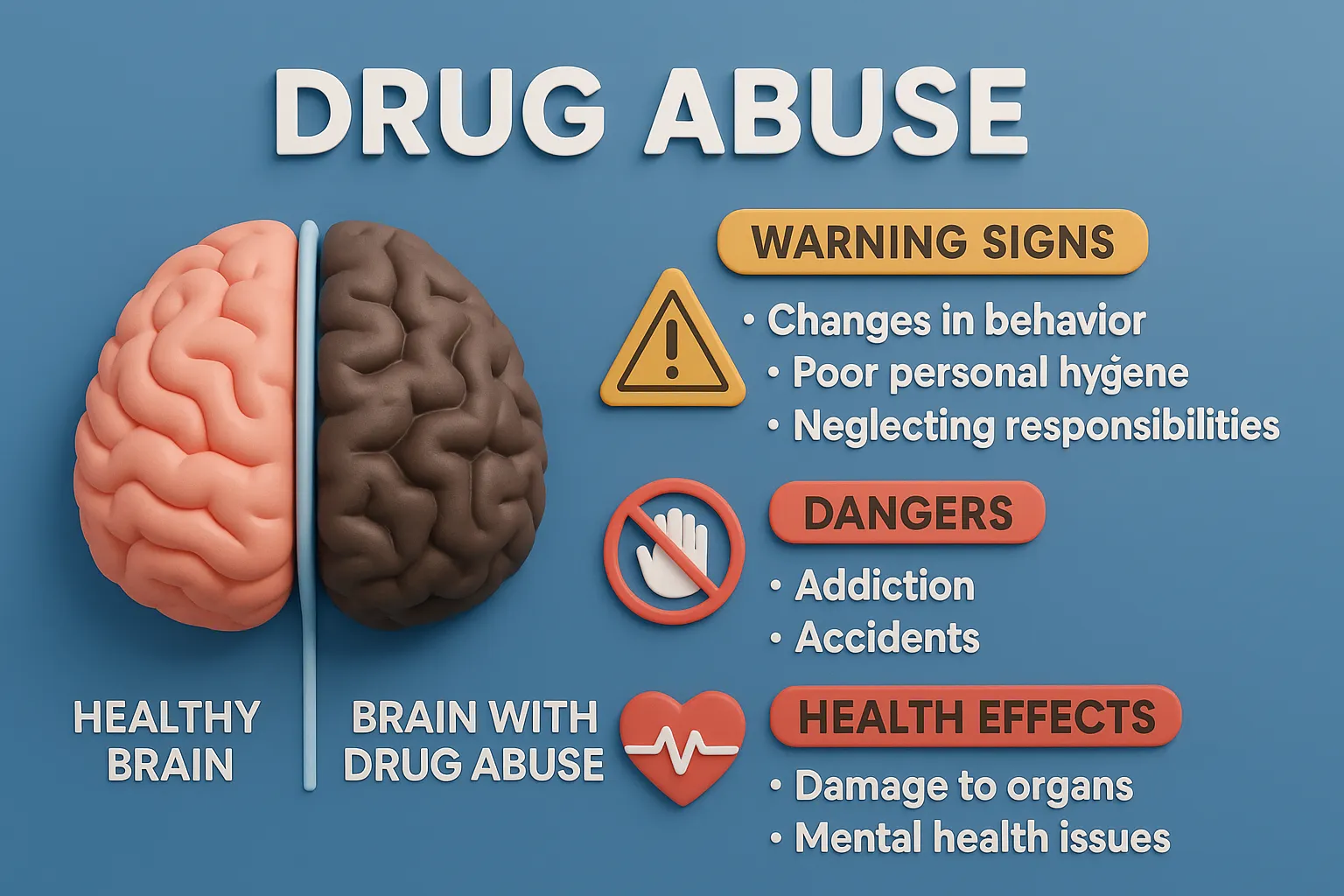
Definition of Drug Abuse: Drug abuse is the intentional use of a drug for non-medical purposes, often to experience its psychoactive effects, leading to social, legal, or health problems. Characteristics: Use outside of medical supervision Taking higher doses than prescribed Using illicit drugs Often the first step toward addiction Examples: Using opioids for euphoria Using … Read more

Drug Addiction

Drug Addiction

Definition of Drug Addiction: It is a chronic, relapsing disorder characterized by: Compulsive drug-seeking behavior Loss of control over drug use Continued use despite harmful consequences Key Feature of Drug Addiction: It involves psychological and neurobiological changes, particularly in the mesolimbic dopamine system (brain reward system). Neurobiological Mechanism: Addiction is mainly mediated through the mesolimbic … Read more

Opioid Antagonists

Opioid Antagonists

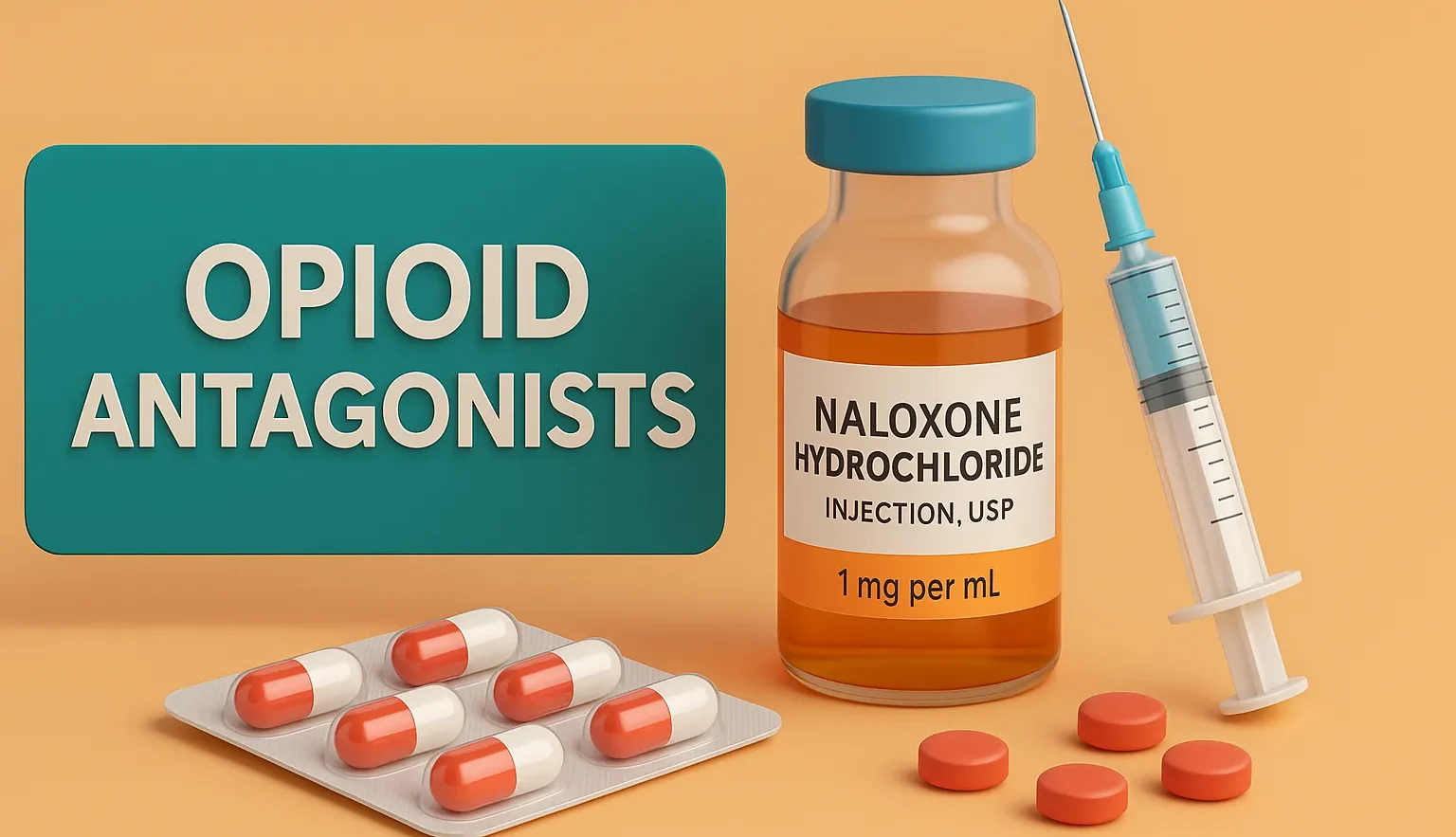
Opioid Antagonists are drugs that block opioid receptors, reversing opioid effects and treating overdose or dependence. Definition: Drugs that block opioid receptors, reversing the effects of opioids. They have high affinity but no intrinsic activity at opioid receptors. Main Opioid Antagonists: Naloxone Pure opioid antagonist (high affinity for μ-receptors) Rapid onset, short duration (1–2 hours) … Read more

Carbamazepine

Carbamazepine

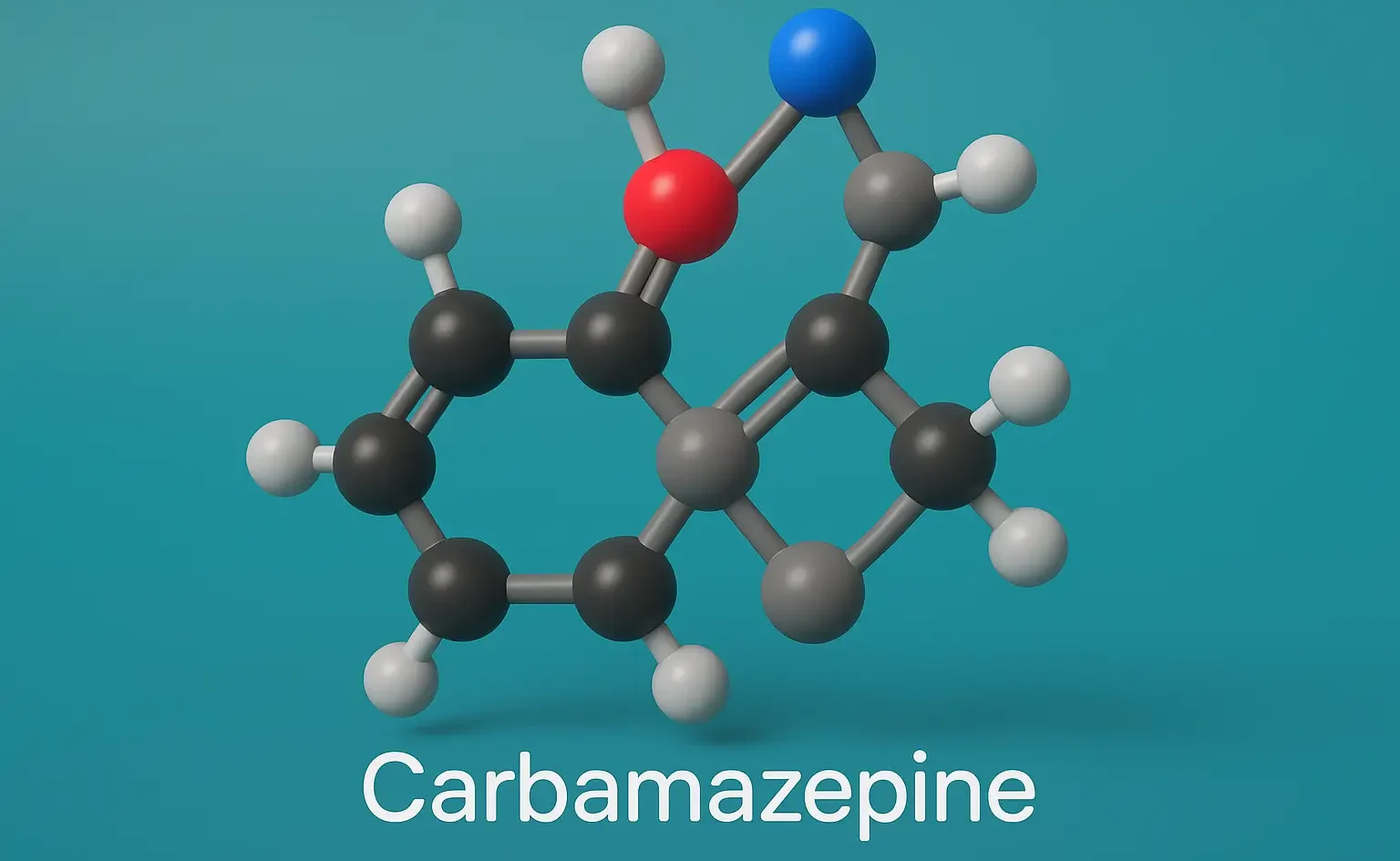
Carbamazepine treats epilepsy, trigeminal neuralgia, and bipolar disorder effectively It stabilizes neuronal membranes by blocking voltage-gated sodium channels. Formula: C₁₅H₁₂N₂O Mechanism of Carbamazepine: Na⁺ channel blocker → inhibits repetitive neuronal firing Also modulates glutamate release Uses of Carbamazepine: Focal & generalized tonic-clonic seizures Trigeminal neuralgia Bipolar disorder (mania) Side Effects: Diplopia, ataxia SIADH → hyponatremia … Read more

Phenacemide

Phenacemide

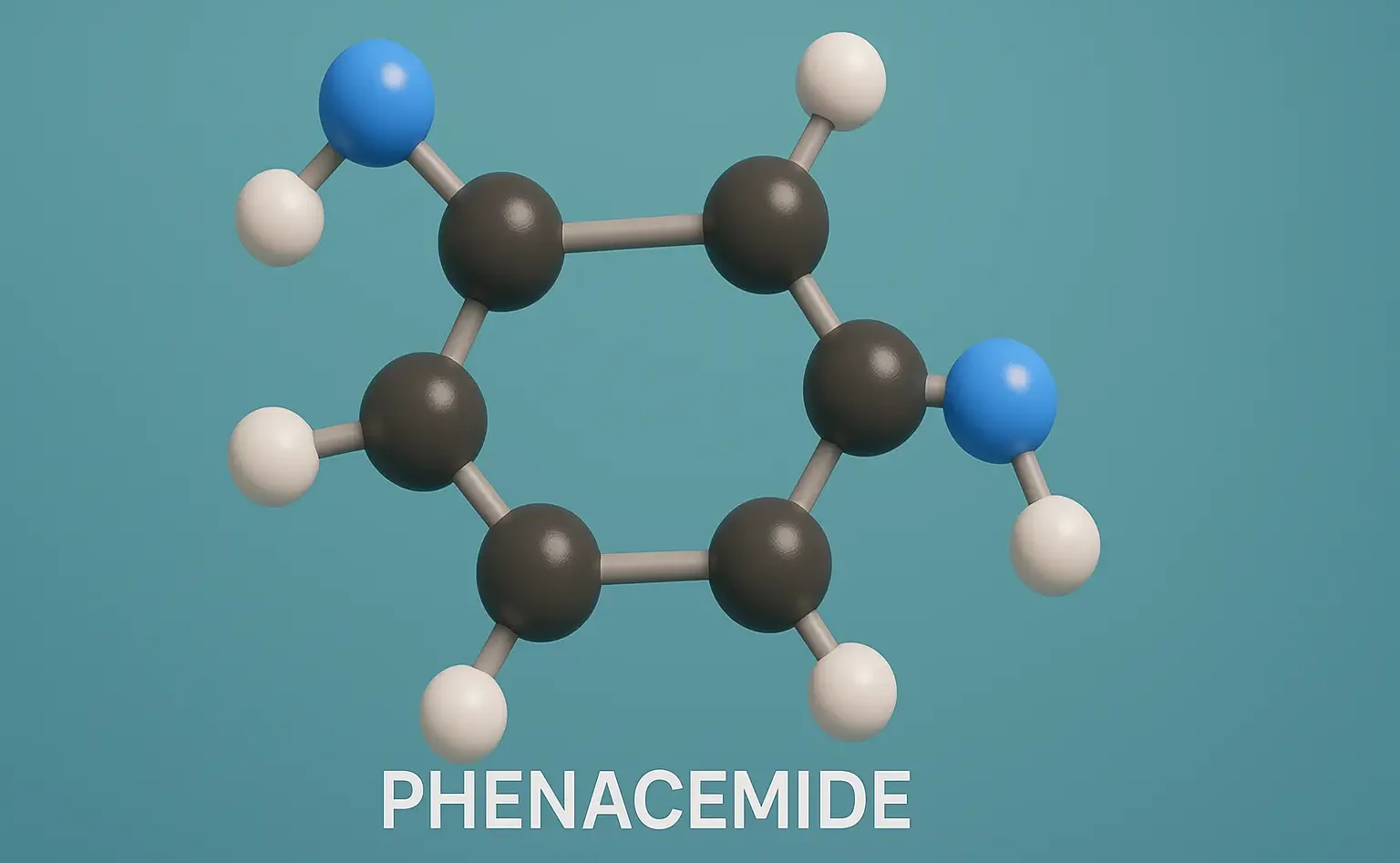
Phenacemide is an anticonvulsant used in refractory epilepsy when other treatments fail. It stabilizes neuronal activity, reducing abnormal electrical discharges in the brain. Formula: C₉H₁₀N₂O₂ Mechanism of Phenacemide: Unclear; likely stabilizes neuronal membranes Possibly inhibits Na⁺ channels Uses of Phenacemide: Refractory epilepsy (no longer used) Side Effects: Severe toxicity: Aplastic anemia Liver damage Psychosis

Methsuximide

Methsuximide

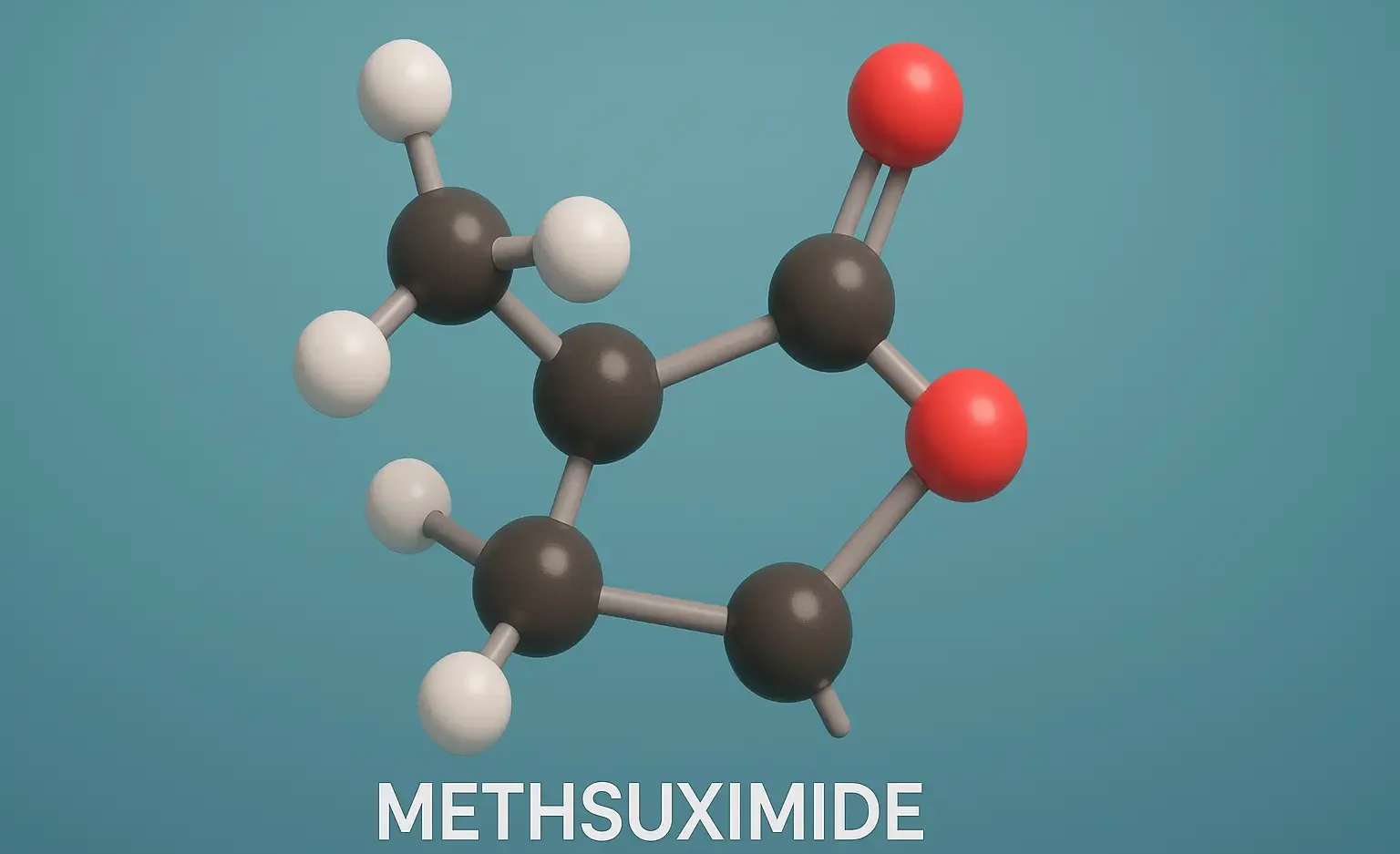
Methsuximide is prescribed for controlling absence seizures when other drugs are less effective. It reduces abnormal neuronal firing by blocking T-type calcium channels in the CNS. Chemical Formula: C₁₂H₁₅NO₂ Mechanism of Methsuximide : T-type Ca²⁺ channel blockade Therapeutic Uses of Methsuximide: Refractory absence seizures May be used when ethosuximide fails Side Effects: CNS effects: dizziness, … Read more

Phensuximide

Phensuximide

Phensuximide treats absence seizures by controlling abnormal brain electrical activity. It reduces T-type calcium currents, stabilizing neuronal excitability in epilepsy. Chemical Formula: C₁₁H₁₃NO₂ Mechanism of Action: T-type calcium channel blocker Therapeutic Uses of Phensuximide: Absence seizures (older use) Side Effects of Phensuximide: Drowsiness GI upset Hepatic dysfunction Less effective than ethosuximide

Ethosuximide

Ethosuximide

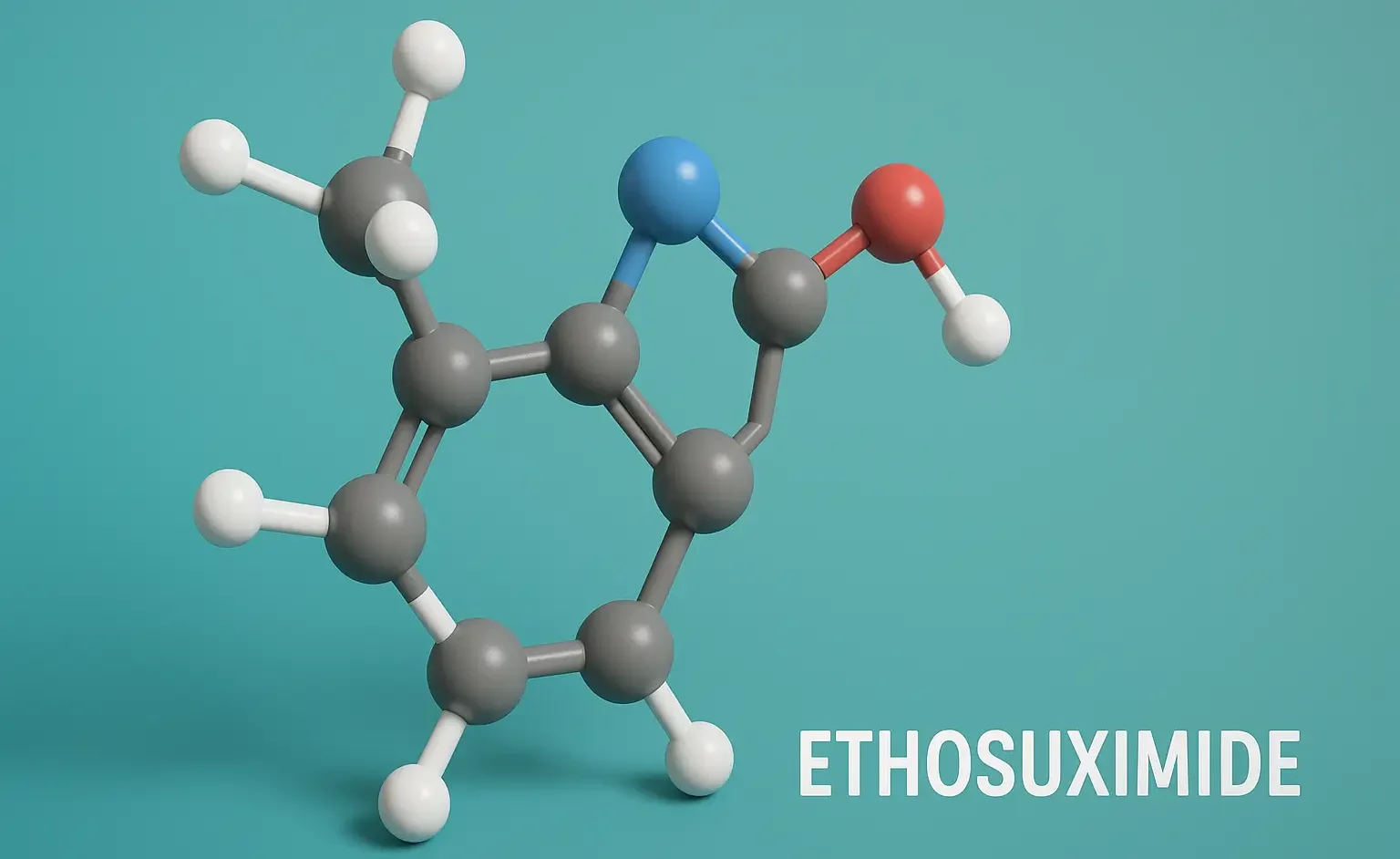
Ethosuximide is effective in treating absence seizures by reducing abnormal brain activity. It blocks T-type calcium channels in neurons, stabilizing electrical activity. Chemical Formula: C₇H₁₁NO₂ Mechanism of Action: Selectively inhibits T-type calcium channels Suppresses thalamic burst firing → prevents spike-wave discharges Therapeutic Uses: First-line agent for absence seizures Side Effects: GI upset (nausea, vomiting) Drowsiness … Read more

Paramethadione

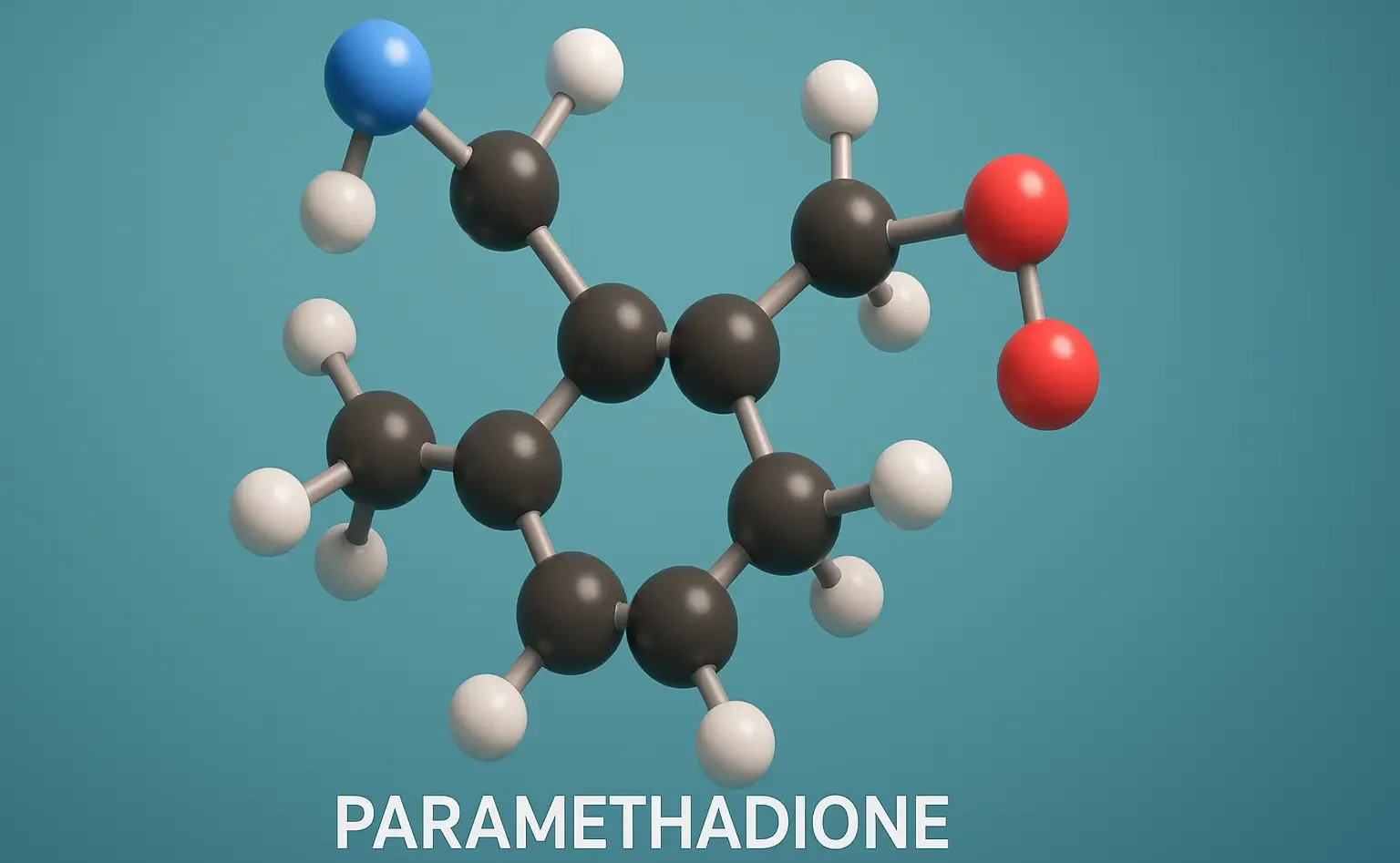
Paramethadione reduces neuronal excitability by blocking T-type calcium channels in the CNS. It is prescribed for absence seizures when other treatments are less effective. Chemical Formula: C₆H₁₁NO₂ Mechanism of Action: Same as trimethadione (T-type Ca²⁺ channel blocker) Therapeutic Uses of Paramethadione: Absence seizures (less effective than trimethadione) Side Effects of Paramethadione: Milder than trimethadione but … Read more

Trimethadione

Trimethadione

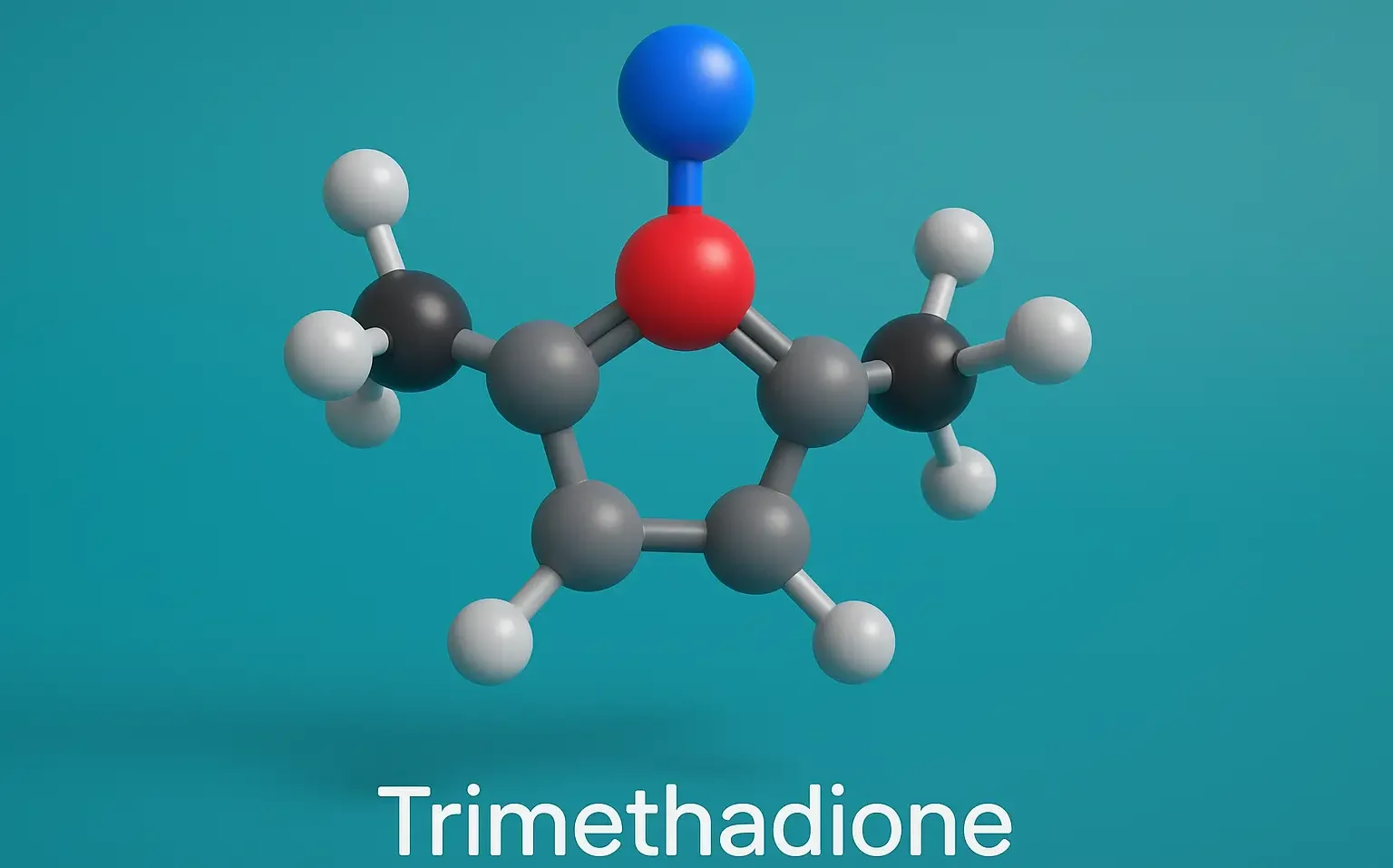
Trimethadione is prescribed for absence seizures when other treatments are ineffective It stabilizes neuronal activity by reducing T-type calcium currents in the thalamus.. Chemical Formula: C₆H₁₁NO₂ Mechanism of Action: Blocks T-type Ca²⁺ channels in thalamic neurons Reduces thalamocortical rhythmicity (key in absence seizures) Therapeutic Uses of Trimethadione: Absence seizures (historical) Occasionally used in refractory cases … Read more