
Biosensor: Working and Applications in the Pharmaceutical Industry
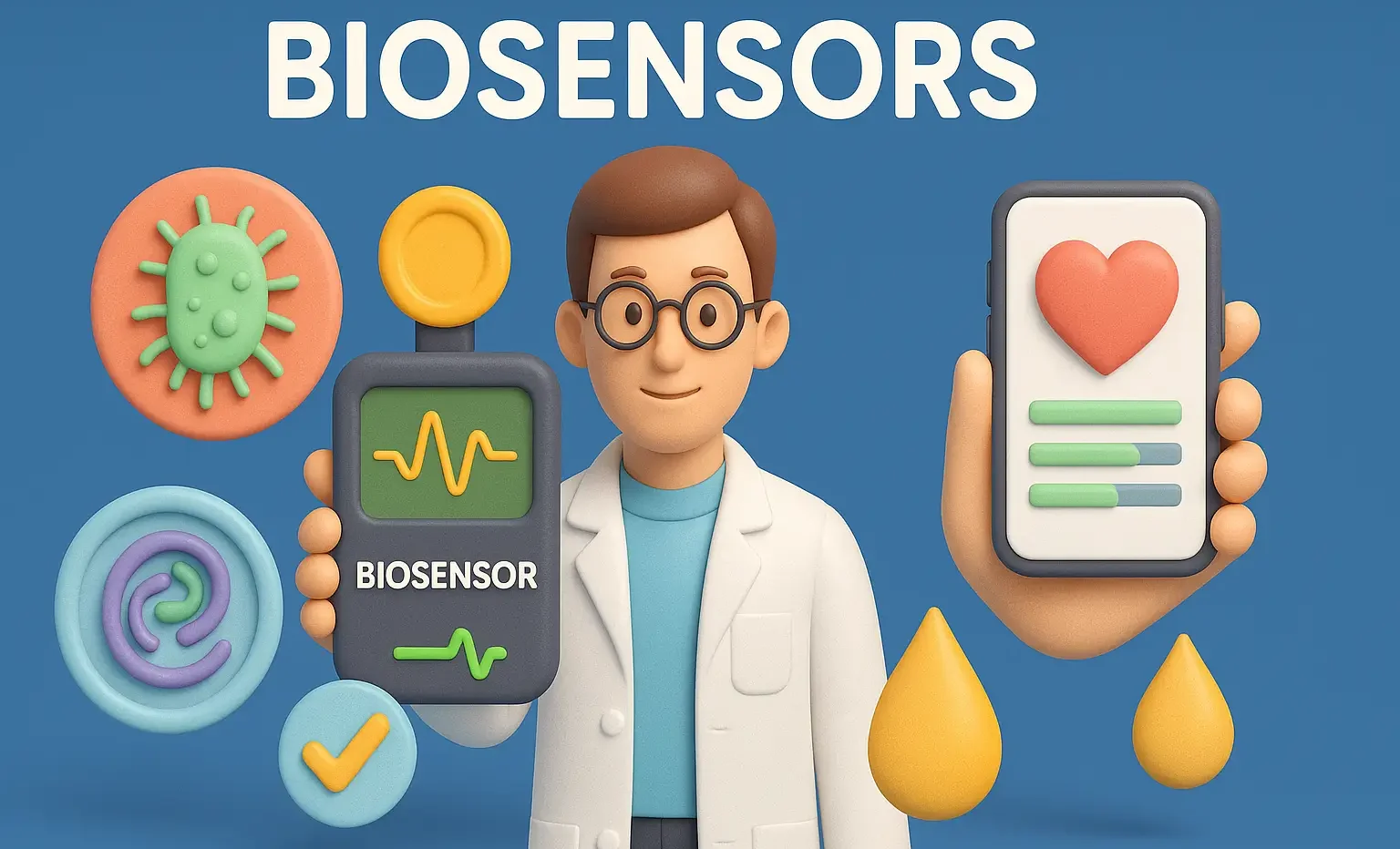
biosensors

What Are Biosensors? A biosensor is an analytical device that converts a biological response into a measurable signal. It consists of: Bioreceptor A biological element (enzyme, antibody, nucleic acid, aptamer, or cells) that specifically interacts with the target analyte (e.g., glucose). Transducer Converts the biorecognition event into a detectable signal (electrical, optical, thermal, or mass … Read more
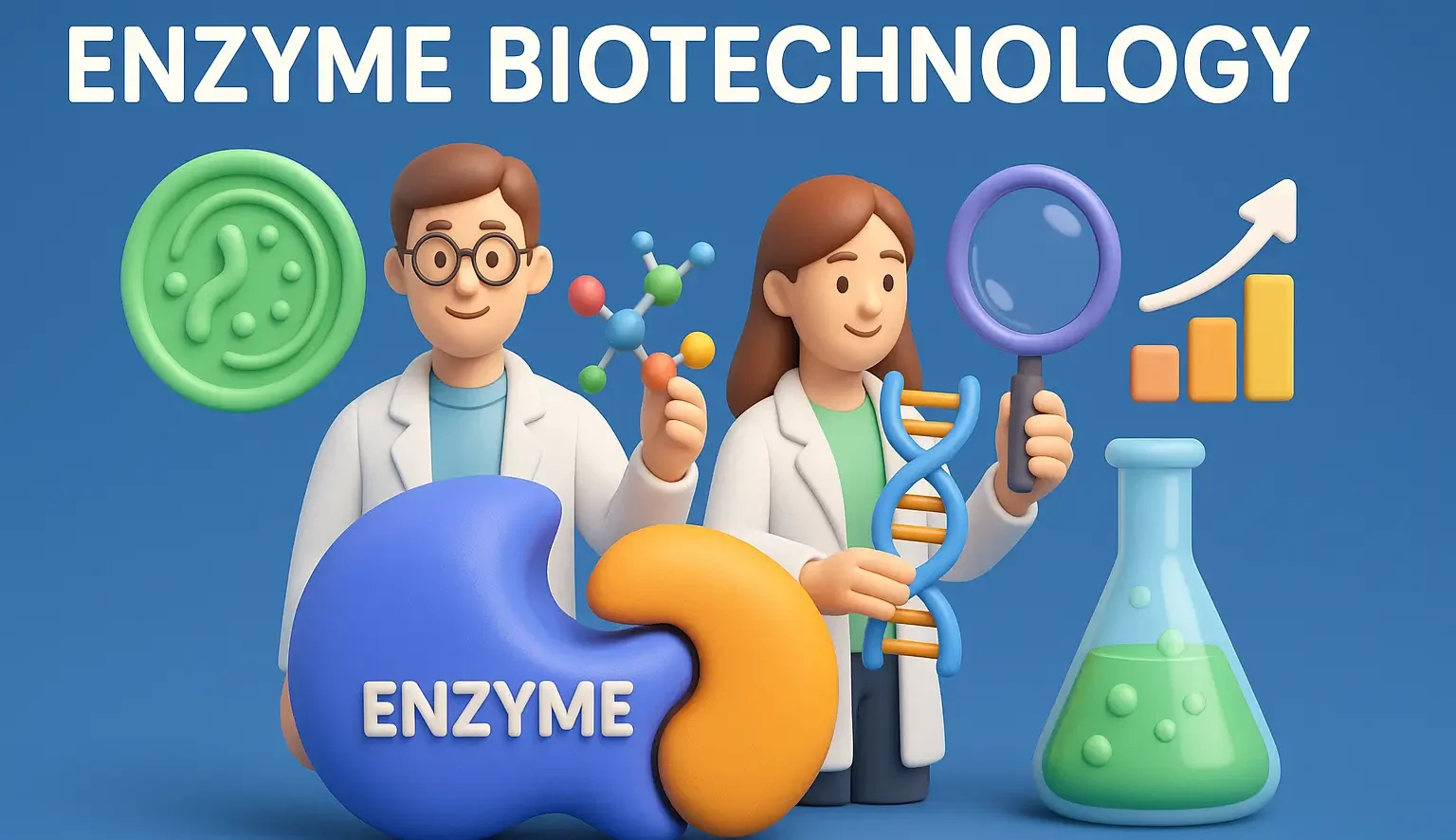
Enzyme Biotechnology – Methods of Enzyme Immobilization and Applications

Role of Enzymes in Pharmaceutical Biotechnology Enzymes act as biological catalysts, accelerating chemical reactions in drug manufacturing and diagnostics with high specificity and efficiency under mild conditions. In pharmaceuticals, enzymes are used to: Synthesize complex molecules (e.g., chiral intermediates, antibiotics, drug precursors). Facilitate diagnostics as key components in diagnostic kits. Modify drugs through conjugation and … Read more

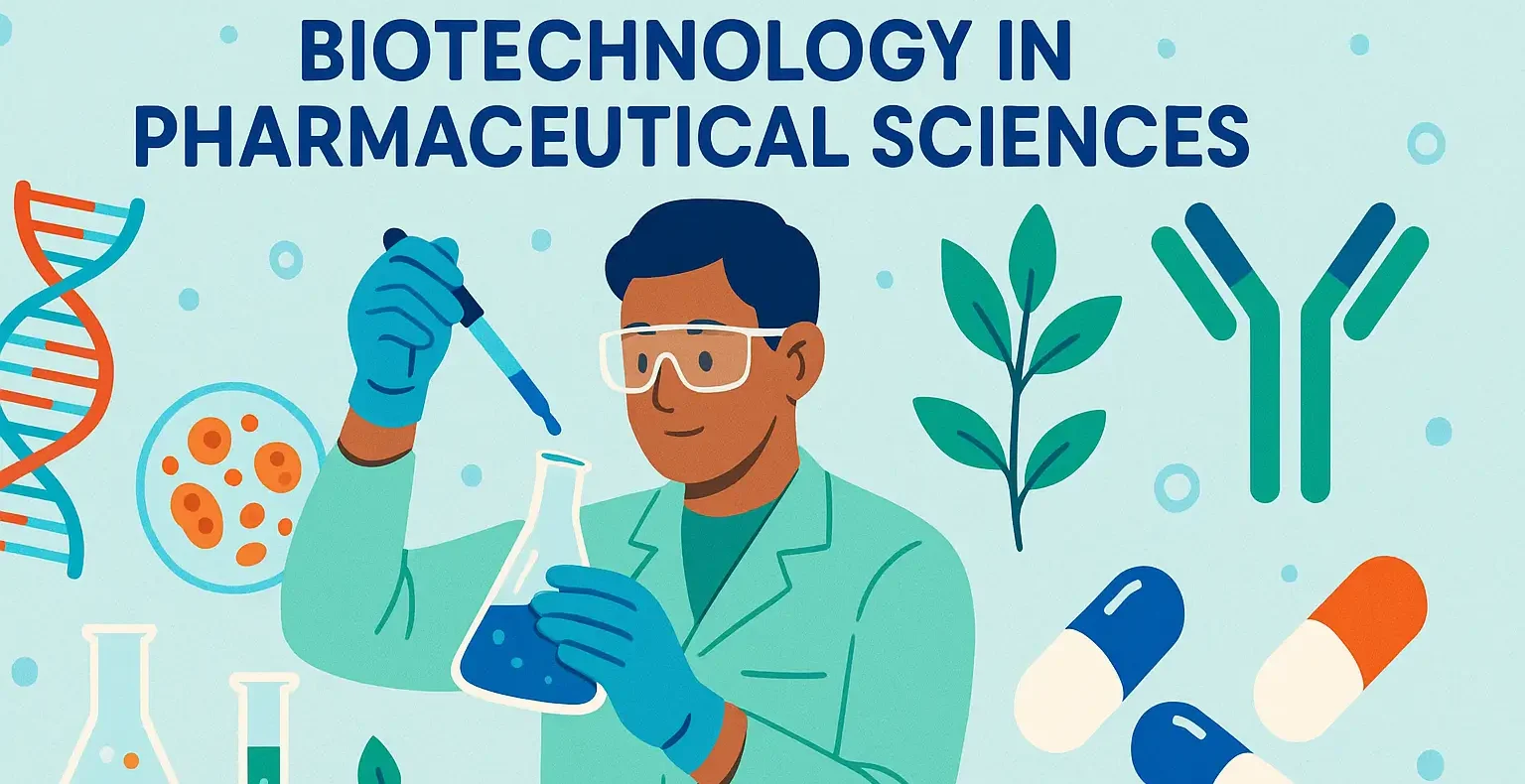
Introduction to Biotechnology in Pharmaceutical Sciences

Introduction to Biotechnology in Pharmaceutical Sciences

What Is Biotechnology? Biotechnology broadly refers to the use of living organisms (bacteria, yeast, mammalian cells, plant cells, etc.) or their components (enzymes, DNA, RNA, and other biomolecules) to develop products and processes that improve human life. In the pharmaceutical sciences, biotechnology primarily focuses on discovering, developing, and manufacturing drugs and diagnostics by leveraging biological … Read more