
Aminoglycosides

Aminoglycosides

Historical Background of Aminoglycosides First discovered in 1944 (Streptomycin by Selman Waksman). Used mainly for Gram-negative infections and tuberculosis. Nomenclature of Aminoglycosides Contain amino sugars linked by glycosidic bonds. Common names: Streptomycin Neomycin Kanamycin Stereochemistry Multiple chiral centers in aminosugar moieties. The specific orientation of hydroxyl and amino groups affects activity and bacterial binding. Structure-Activity … Read more
Cephalosporins

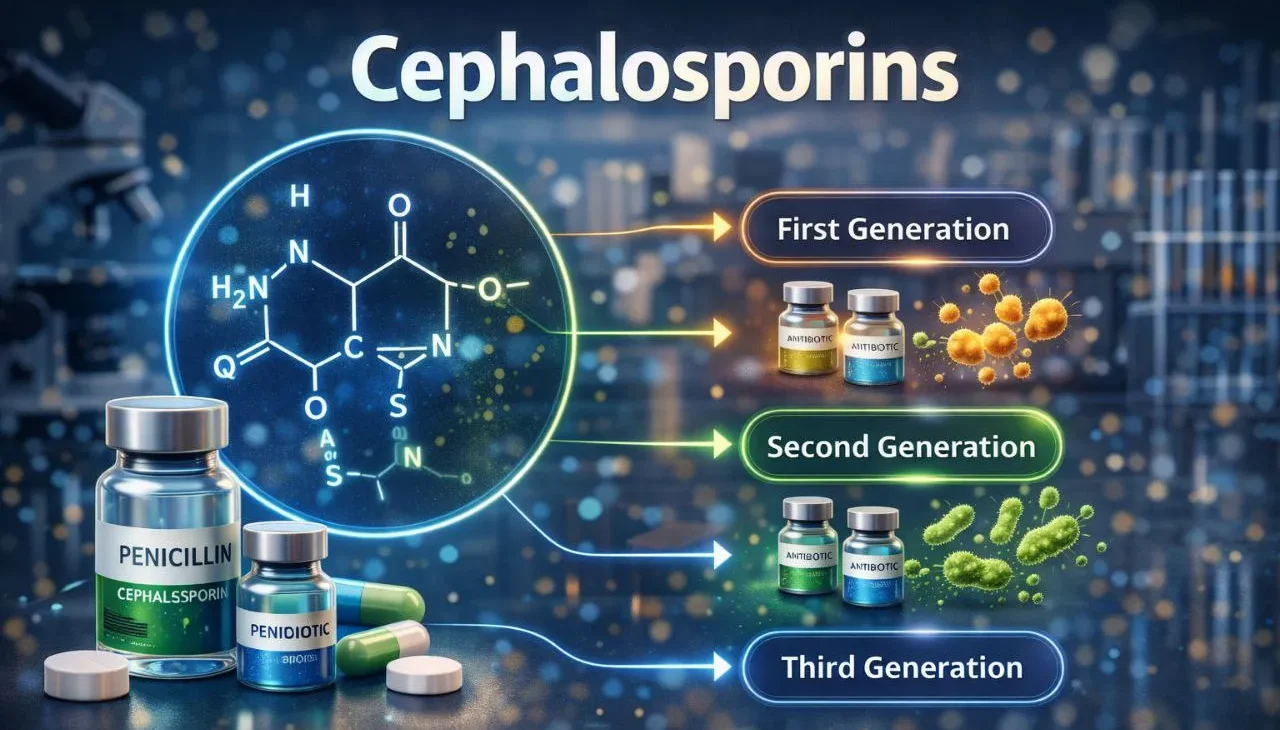
Chemical Structure / Formula of Cephalosporins Core Structure: β-lactam ring fused to a dihydrothiazine ring (unlike penicillins, which have a thiazolidine ring). Different generations have variable side chains affecting their spectrum of activity. Mechanism of Action Similar to penicillins: inhibit bacterial cell wall synthesis by targeting penicillin-binding proteins (PBPs), leading to bacterial lysis. More resistant … Read more

Urinary Tract Infections (UTIs)

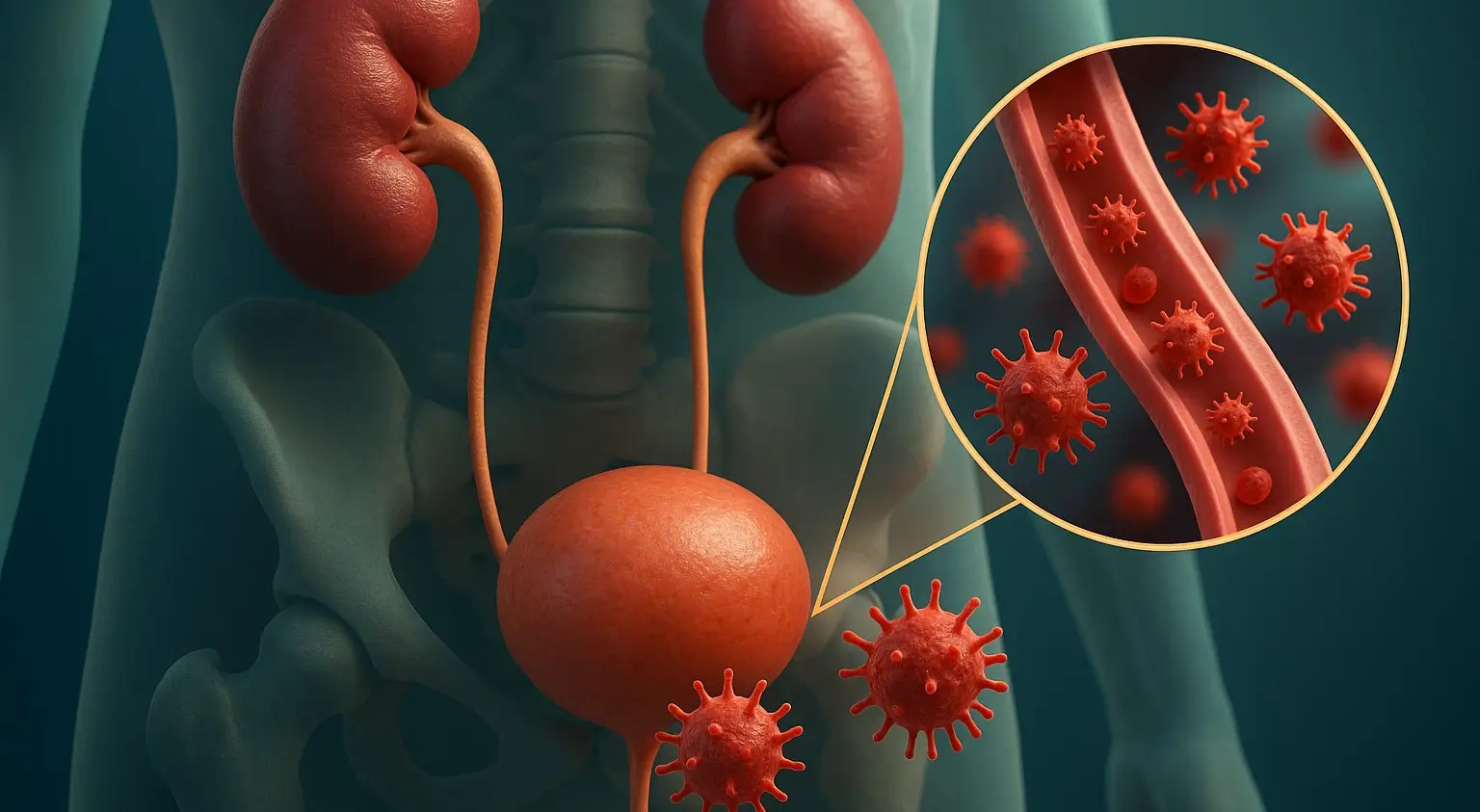
Urinary Tract Infections (UTIs) is an infection that affects any part of the urinary system, including the kidneys, ureters, bladder, and urethra. Most infections involve the lower urinary tract – the bladder and the urethra. Signs and Symptoms of Urinary Tract Infections (UTIs) Lower UTI (Cystitis – Infection of the Bladder): Dysuria: Pain or burning … Read more

Asthma

Asthma

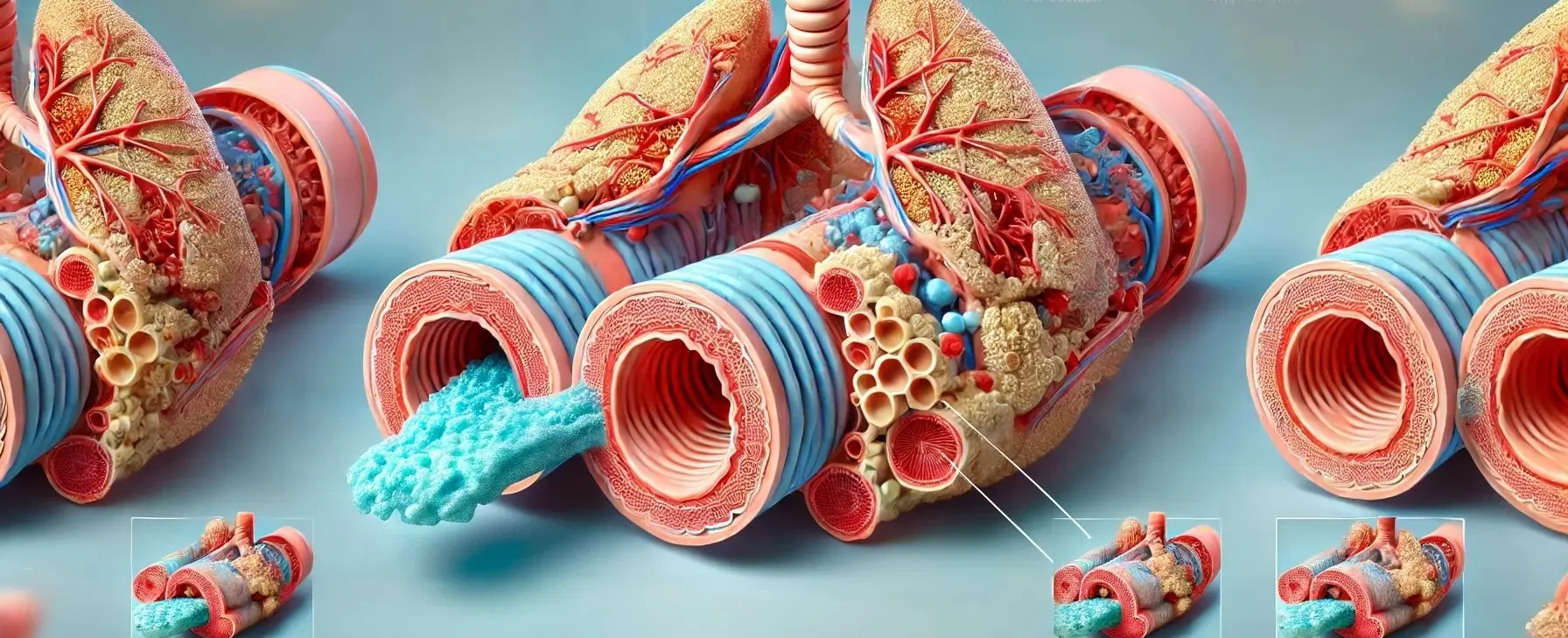
Asthma is a chronic respiratory condition characterized by inflammation and narrowing of the airways (bronchi) that carry air in and out of the lungs. This inflammation and constriction can cause episodes of wheezing, breathlessness, chest tightness, and coughing, particularly at night or early in the morning. Asthma affects people of all ages, but it often … Read more

Emetics

emetics

Overview of Emetics: Emetics are agents used to induce vomiting, primarily to remove toxic substances from the stomach before absorption into the bloodstream. They work by activating the body’s natural vomiting reflex, involving both the central nervous system and the gastrointestinal tract. Mechanism of Action of Emetics: Vomiting, or emesis, is regulated by the brain’s … Read more