Antitussives

Antitussives

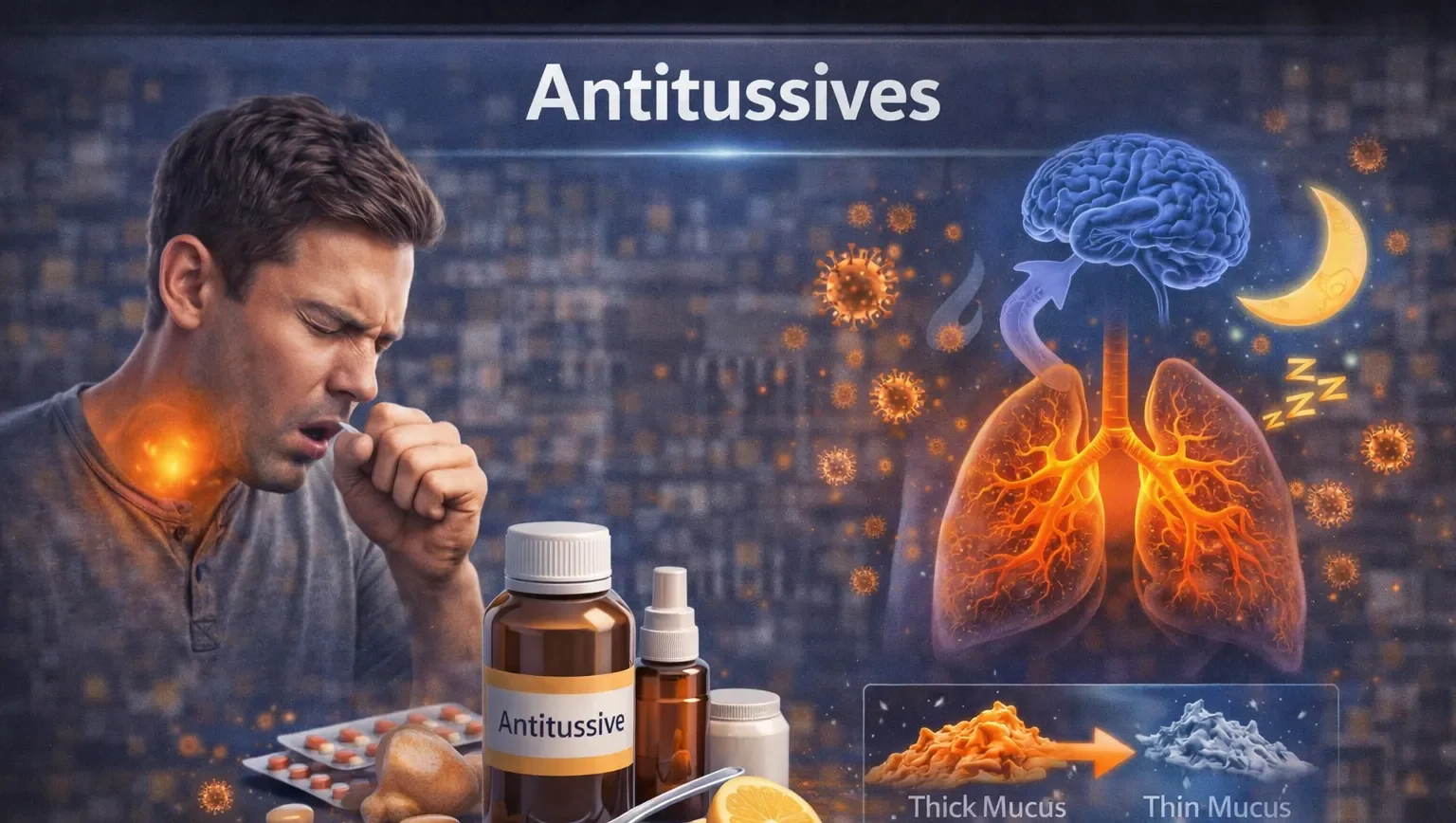
Antitussives are drugs that suppress the cough reflex by acting on the cough center or peripheral pathways to relieve dry cough. Purpose: Used in dry, irritating, non-productive cough to suppress the cough reflex. Antitussives Function: Suppress or reduce the urge to cough Use: For non-productive (dry) coughs Mechanism: Act on the cough center in the … Read more

Expectorants

Expectorants

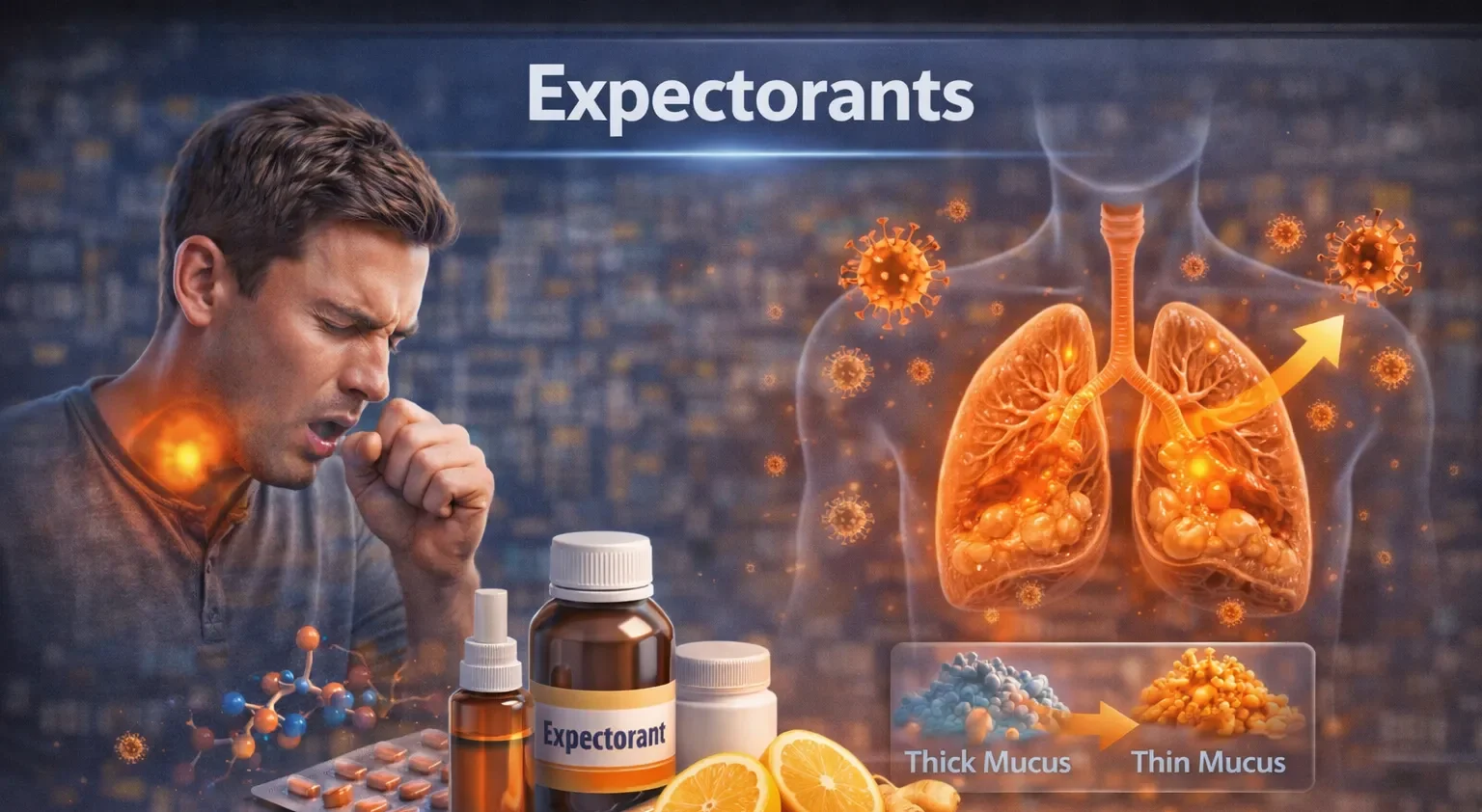
Expectorants are drugs that increase respiratory mucus secretion and help loosen and remove sputum from the respiratory tract. Purpose: Used to treat productive (wet) cough by facilitating mucus clearance. Expectorants Function: Loosen and thin mucus, making it easier to expel Use: For productive (wet) coughs Mechanism: Increase secretions and reduce mucus viscosity Examples: Guaifenesin Types … Read more

Cough

Cough

Cough is a protective reflex that clears the airways of mucus, irritants, foreign particles, or infections. It can be: Productive (wet): Produces mucus or phlegm Non-productive (dry): No mucus produced Types of Cough Productive Cough “Wet” cough that expels mucus Common in colds, bronchitis, pneumonia Non-Productive Cough “Dry” cough with no mucus Caused by irritants, … Read more

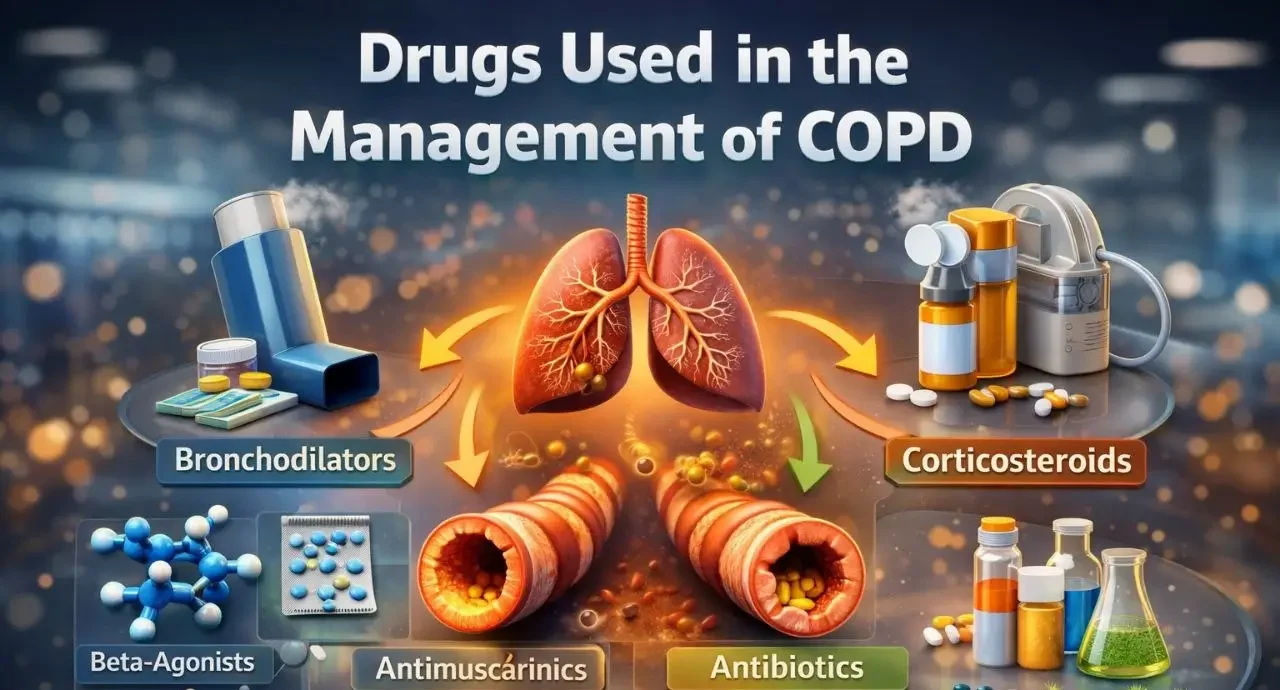
Drugs Used in the Management of COPD

Drugs Used in the Management of COPD

Drugs Used in the Management of COPD include bronchodilators, corticosteroids, and other agents to improve airflow and reduce symptoms. Types of Drugs Used in COPD Management Bronchodilators Function: Relax airway muscles to ease breathing Types: Beta-agonists (e.g., Salbutamol) Anticholinergics (e.g., Ipratropium) Combination inhalers Inhaled Corticosteroids (ICS) Reduce airway inflammation Used in moderate to severe cases … Read more

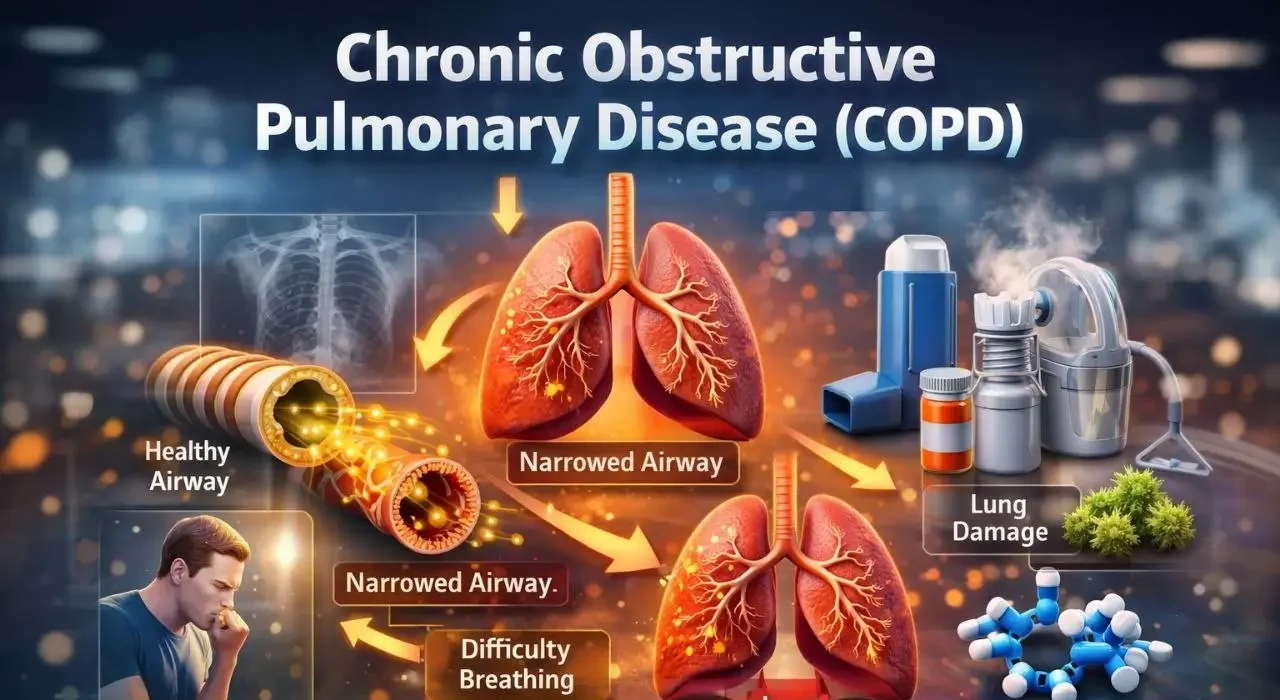
Chronic Obstructive Pulmonary Disease (COPD)

Chronic Obstructive Pulmonary Disease (COPD)

What is COPD? Chronic Obstructive Pulmonary Disease (COPD) is a progressive respiratory condition that causes difficulty in breathing. It includes: Chronic Bronchitis: Inflammation and narrowing of airways with excessive mucus production. Emphysema: Damage to alveoli (air sacs), reducing lung function. Refractory Asthma: Asthma that doesn’t respond well to standard treatments. Causes: Long-term exposure to irritants … Read more

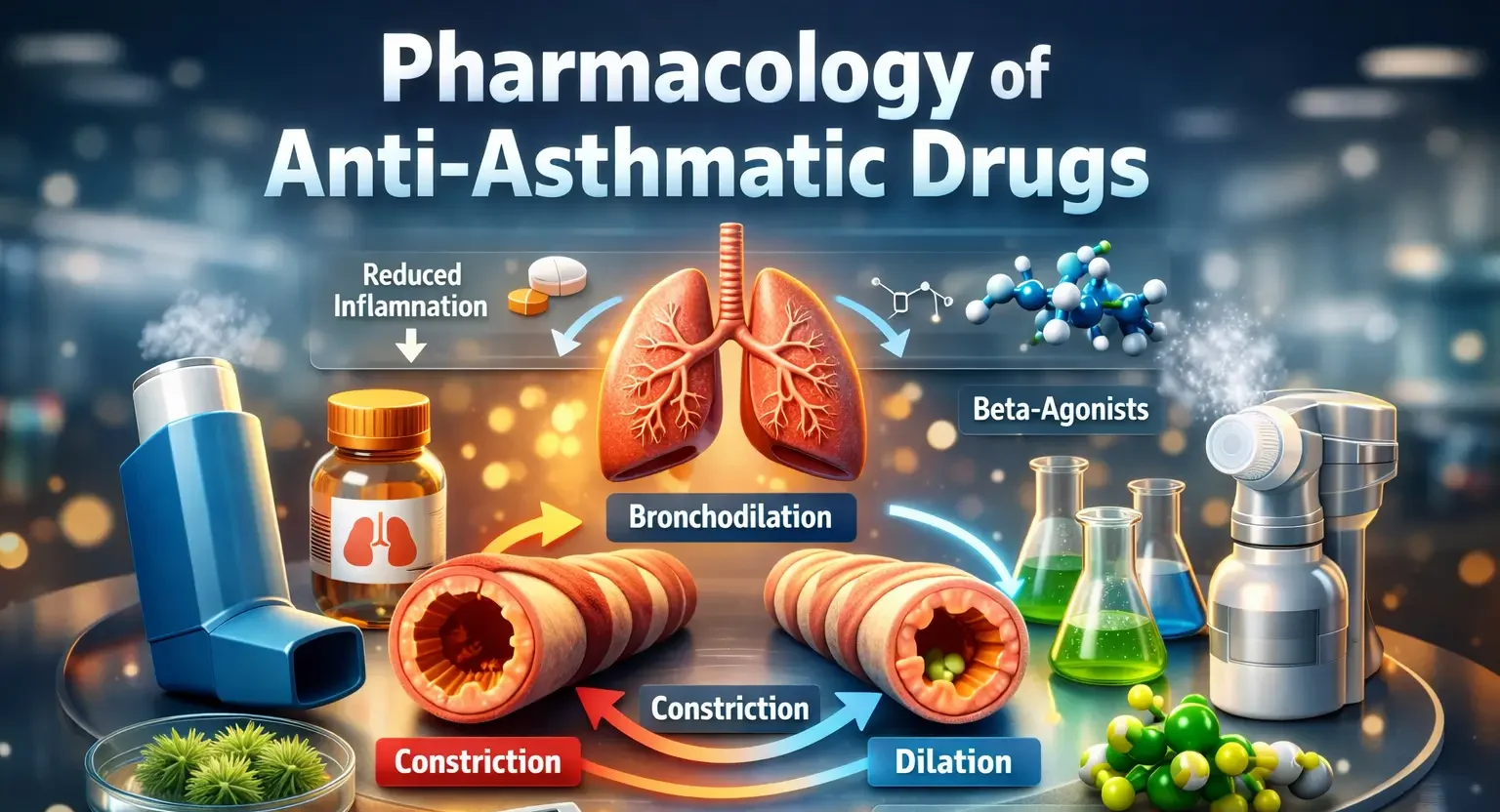
Pharmacology of anti-asthmatic drugs

Pharmacology of anti-asthmatic drugs

Pharmacology of anti-asthmatic drugs Pharmacology of Anti-Asthmatic Drugs explains mechanisms and actions of drugs used to relieve bronchoconstriction and airway inflammation. Main Classes of Anti-Asthmatic Drugs Bronchodilators These drugs relieve bronchoconstriction and are primarily used in acute asthma attacks. β2-Adrenergic Agonists Examples: Salbutamol (short-acting), Salmeterol (long-acting) Mechanism: Stimulate β2-receptors in bronchial smooth muscle → ↑ … Read more

Tuberculosis (TB)

Tuberculosis (TB)

What is Tuberculosis? Tuberculosis (TB) is a bacterial infection caused by Mycobacterium tuberculosis. While it primarily affects the lungs, it can also spread to other parts of the body, such as the kidneys, spine, and brain. How is TB Spread? TB is an airborne disease, meaning it spreads when an infected person coughs or sneezes, … Read more

Chloramphenicol (SAR & Synthesis included)

Chloramphenicol (SAR & Synthesis included)

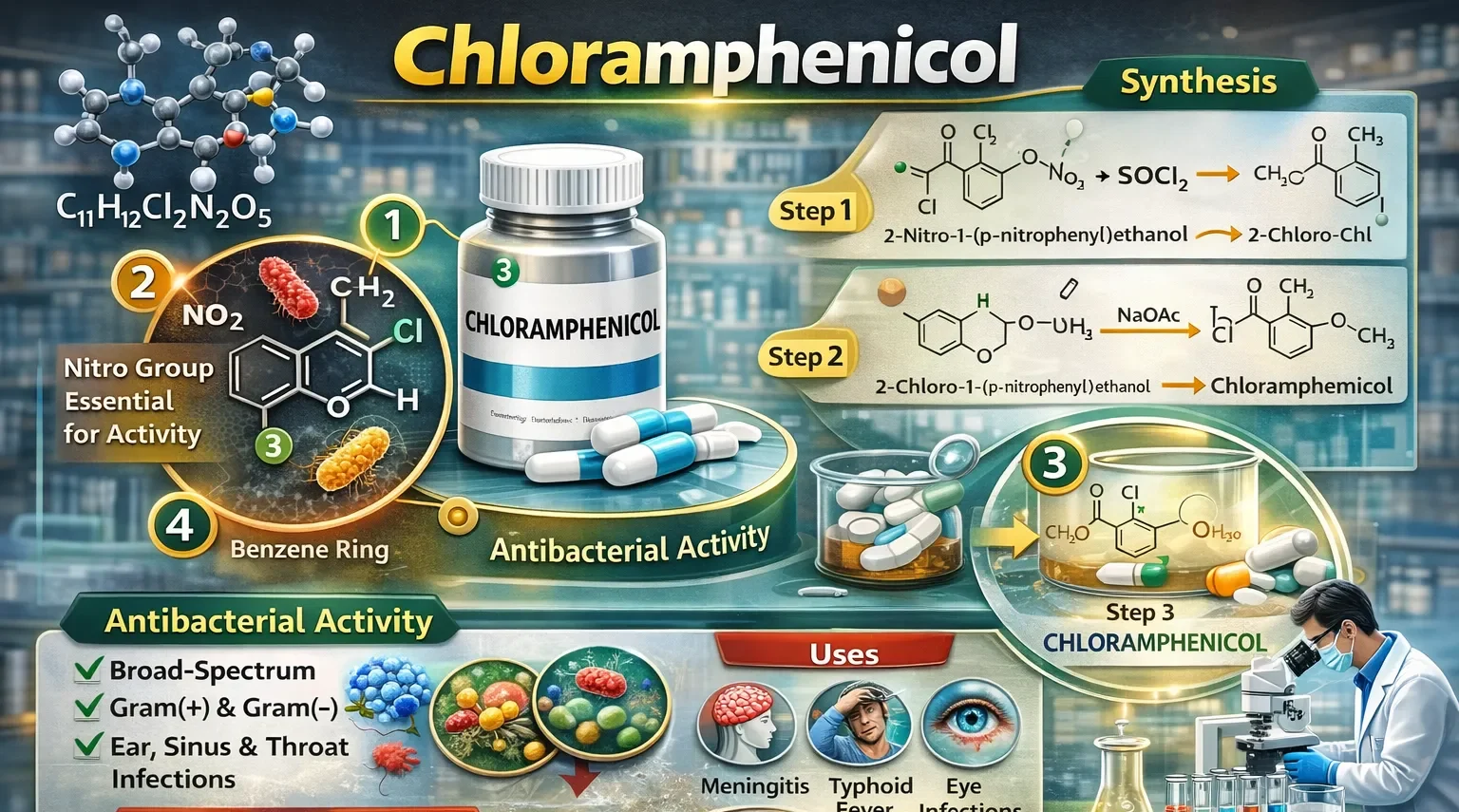
Chemical Structure / Formula of Chloramphenicol  Formula: C₁₁H₁₂Cl₂N₂O₅ Structure: Contains a nitrobenzene ring, a dichloroacetamide group, and a hydroxylated propanediol moiety. Mechanism of Action Binds to the 50S ribosomal subunit, inhibiting peptidyl transferase activity and preventing peptide bond formation. Bacteriostatic at low doses but bactericidal against some bacteria (e.g., Haemophilus influenzae, Neisseria meningitidis). Uses Meningitis … Read more

Macrolides

Macrolides

Historical Background of Macrolides First discovered in 1952 (Erythromycin from Saccharopolyspora erythraea). Used for respiratory infections and atypical bacteria. Nomenclature of Macrolides Named after the macrocyclic lactone ring. Examples: Erythromycin Clarithromycin Azithromycin Stereochemistry 14-, 15-, or 16-membered lactone rings. Various sugar moieties (e.g., desosamine, cladinose). Structure-Activity Relationship (SAR) Lactone ring size: Affects ribosomal binding. Sugar … Read more

Tetracyclines

Tetracyclines

Historical Background of Tetracyclines Discovered in 1948 from Streptomyces aureofaciens. Broad-spectrum antibiotic class. Nomenclature of Tetracyclines Named after their four-fused cyclic structure. Examples: Tetracycline Doxycycline Minocycline Oxytetracycline Chlortetracycline Stereochemistry Four fused rings (hydronaphthacene nucleus). α-stereochemistry at C-4 is crucial for activity. Structure-Activity Relationship (SAR) Hydroxyl and amine groups: Affect bacterial ribosome binding. Modifications at C-5, … Read more