
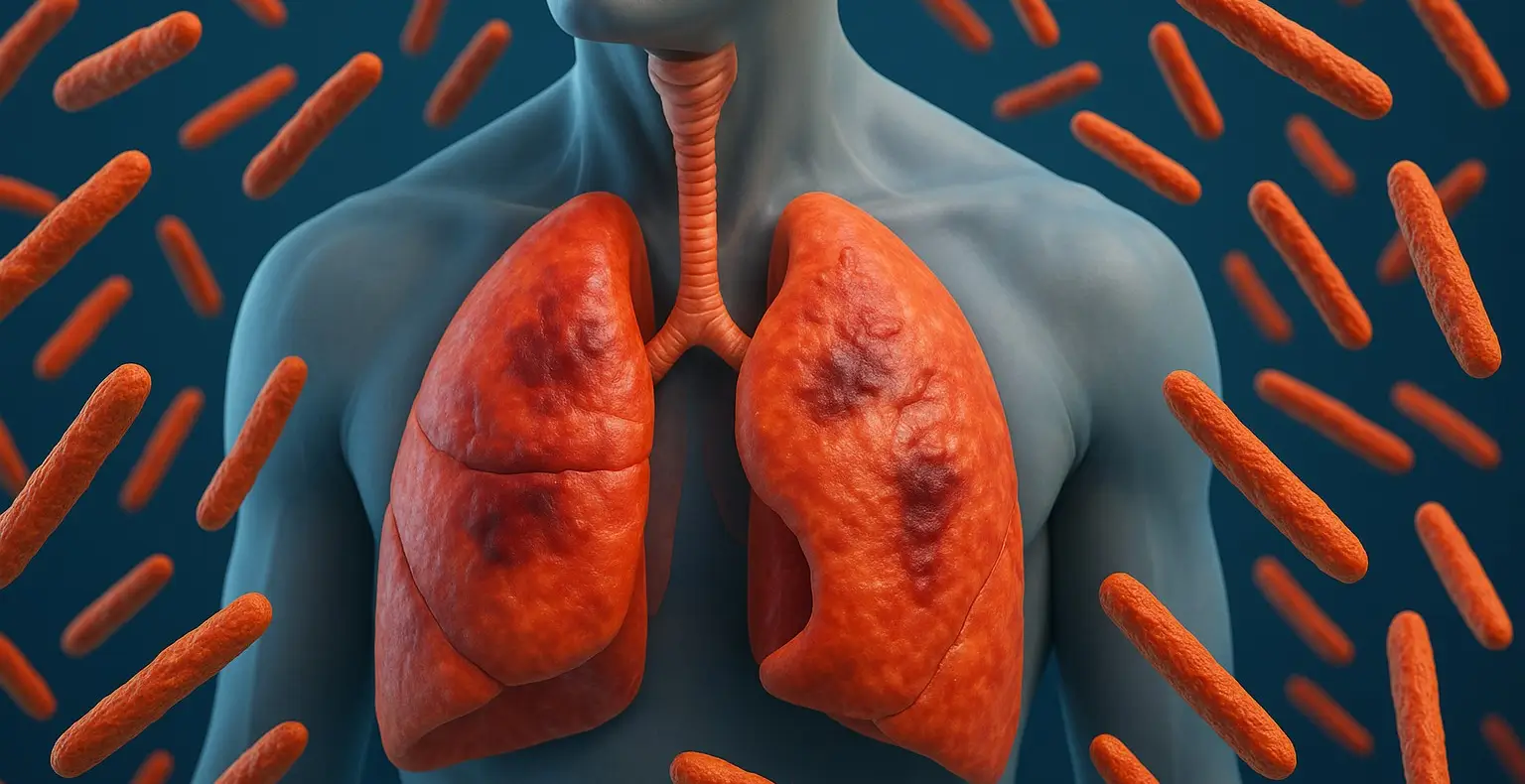
What is Tuberculosis?
- Tuberculosis (TB) is a bacterial infection caused by Mycobacterium tuberculosis.
- While it primarily affects the lungs, it can also spread to other parts of the body, such as the kidneys, spine, and brain.
How is TB Spread?
- TB is an airborne disease, meaning it spreads when an infected person coughs or sneezes, releasing bacteria into the air.
- It can also be transmitted through sharing needles or other injection equipment contaminated with infected blood.
Symptoms of Tuberculosis
- Symptoms of TB can vary but commonly include:
- Persistent cough (lasting more than three weeks)
- Chest pain
- Coughing up blood
- Fatigue
- Fever
- Night sweats
- Unexplained weight loss
- However, not everyone infected with TB develops symptoms.
- The bacteria can remain dormant in the body for years, a condition known as latent TB infection (LTBI).
Advertisements
TB Treatment
- Tuberculosis is treatable with antibiotics, but treatment is long and complex, typically lasting six to nine months or longer.
- It involves a combination of several medications to prevent the development of drug-resistant TB strains.
Importance of Completing Treatment
- Even if symptoms improve, it is essential to complete the full course of treatment to ensure complete eradication of the bacteria.
- Incomplete treatment can lead to drug resistance, making TB harder to treat and more dangerous.
Prevention of Tuberculosis
Prevention strategies include:
Advertisements
- Avoiding close contact with infected individuals
- Vaccination (BCG vaccine) in high-risk populations
- Early diagnosis and treatment to prevent the spread of TB
Screening and High-Risk Groups
Screening for TB is recommended for individuals at higher risk, including:
- People with weakened immune systems (e.g., HIV patients)
- Those who have had close contact with an infected person
Advertisements