β-Lactamase Inhibitors

β-Lactamase Inhibitors

Chemical Structure / Formula of β-Lactamase Inhibitors Examples: Clavulanic acid (C8H9NO5), Sulbactam (C8H11NO5S), Tazobactam (C10H12N4O5S). Contain a β-lactam ring but lack strong antibacterial activity themselves. Clavulanic acid Mechanism of Action Irreversibly bind to bacterial β-lactamases, preventing them from breaking down β-lactam antibiotics. Given in combination with penicillins or cephalosporins (e.g., Amoxicillin-Clavulanate). Uses Used with penicillins … Read more
Cephalosporins

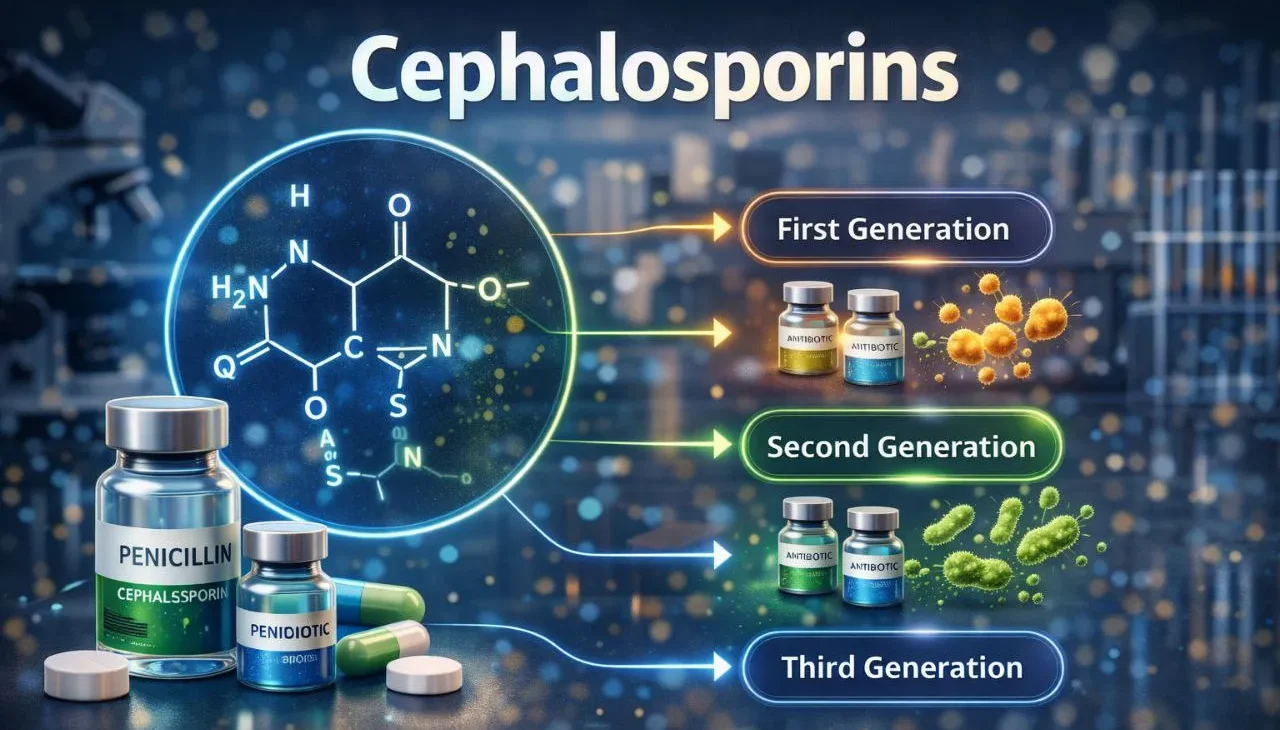
Chemical Structure / Formula of Cephalosporins Core Structure: β-lactam ring fused to a dihydrothiazine ring (unlike penicillins, which have a thiazolidine ring). Different generations have variable side chains affecting their spectrum of activity. Mechanism of Action Similar to penicillins: inhibit bacterial cell wall synthesis by targeting penicillin-binding proteins (PBPs), leading to bacterial lysis. More resistant … Read more

Penicillin

Penicillin

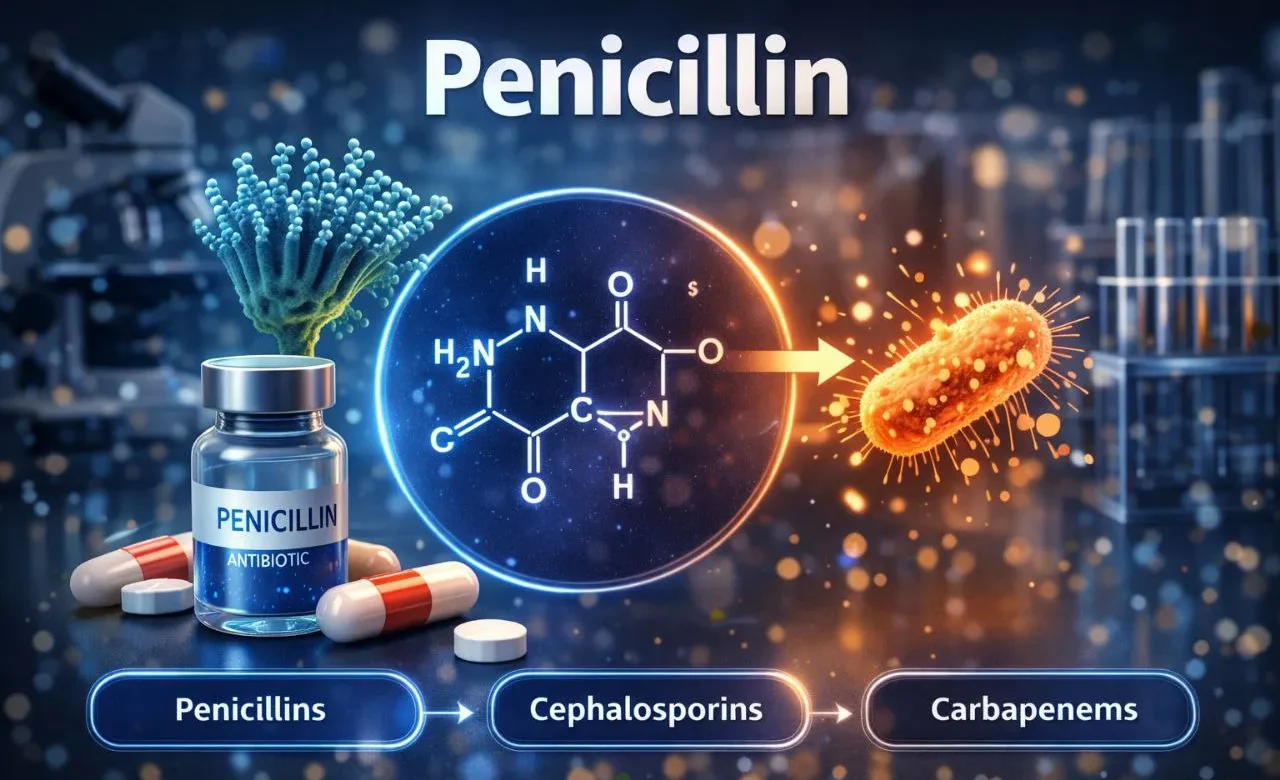
Chemical Structure / Formula of Penicillin General Formula: C9H11N2O4S (for Penicillin G) Core Structure: β-lactam ring fused to a thiazolidine ring. Mechanism of Action Inhibits bacterial cell wall synthesis by binding to penicillin-binding proteins (PBPs), which are essential for peptidoglycan cross-linking. This leads to cell wall instability and bacterial lysis via autolysins. Uses Effective against … Read more

β-Lactam Antibiotics

β-Lactam Antibiotics

Historical Background of β-Lactam Antibiotics Discovered in 1928 by Alexander Fleming (Penicillin). First widely used antibiotic class. β-Lactam antibiotics revolutionized bacterial infection treatment. Nomenclature Named after the β-lactam ring, a four-membered cyclic amide. Subclasses: Penicillins (e.g., Penicillin G, Amoxicillin) Cephalosporins (e.g., Ceftriaxone, Cefuroxime) β-Lactamase inhibitors Monobactams (e.g., Aztreonam) Stereochemistry Penicillins have a fused bicyclic system … Read more

Classification of Antibiotics

Classification of Antibiotics

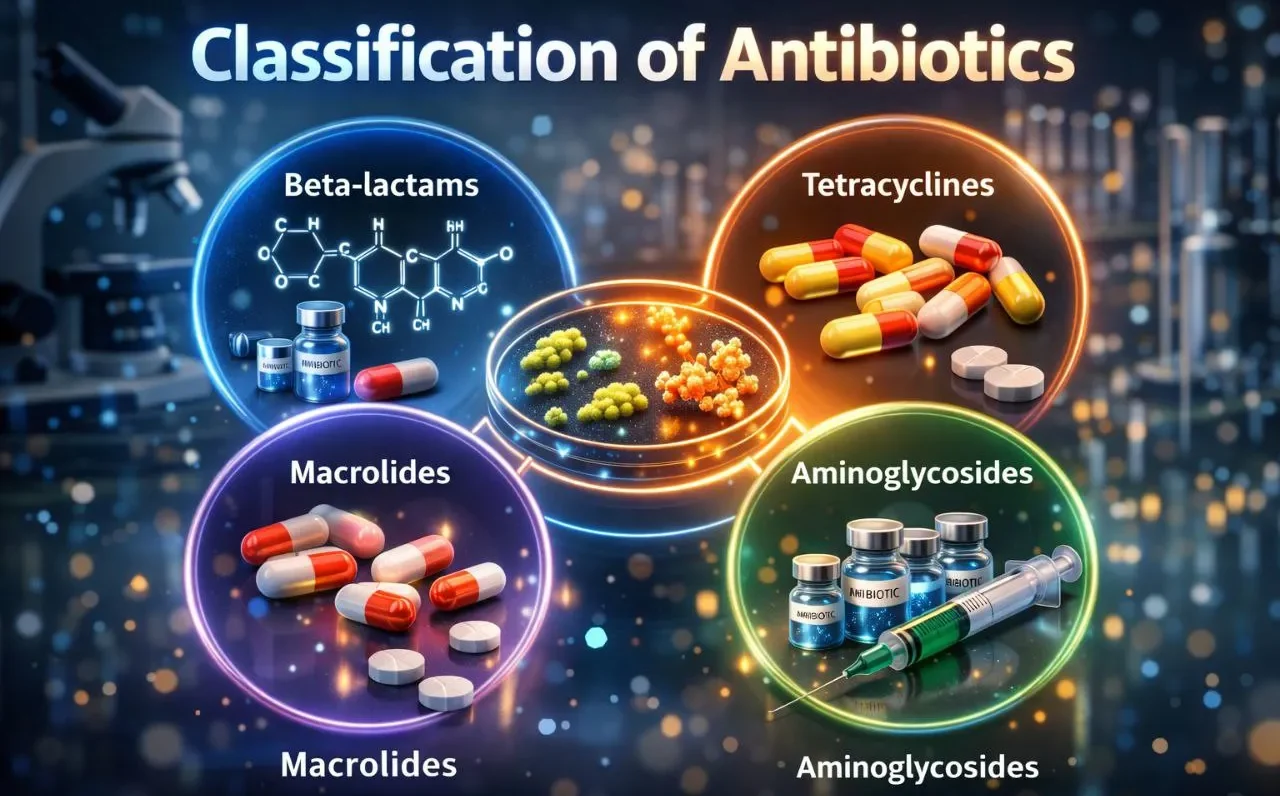
Classification of antibiotics describes grouping based on chemical structure mechanism of action spectrum of activity and main clinical uses. Classification of Antibiotics Here is the classification with short explanations and examples: β-Lactam Antibiotics: Inhibit bacterial cell wall synthesis by targeting penicillin-binding proteins (PBPs). Examples: Penicillin, Cephalosporin, β-Lactamase Inhibitors, Monobactams Aminoglycosides: Inhibit bacterial protein synthesis by … Read more

Antibiotics

Antibiotics

Introduction to Antibiotics These are medications used to treat bacterial infections. They work by killing or inhibiting the growth of bacteria, which helps alleviate symptoms and prevent the spread of infection. It can treat a wide range of bacterial infections, including respiratory infections, urinary tract infections, and skin infections. Important Note:  These are not effective … Read more

Urinary Tract Infections (UTIs)

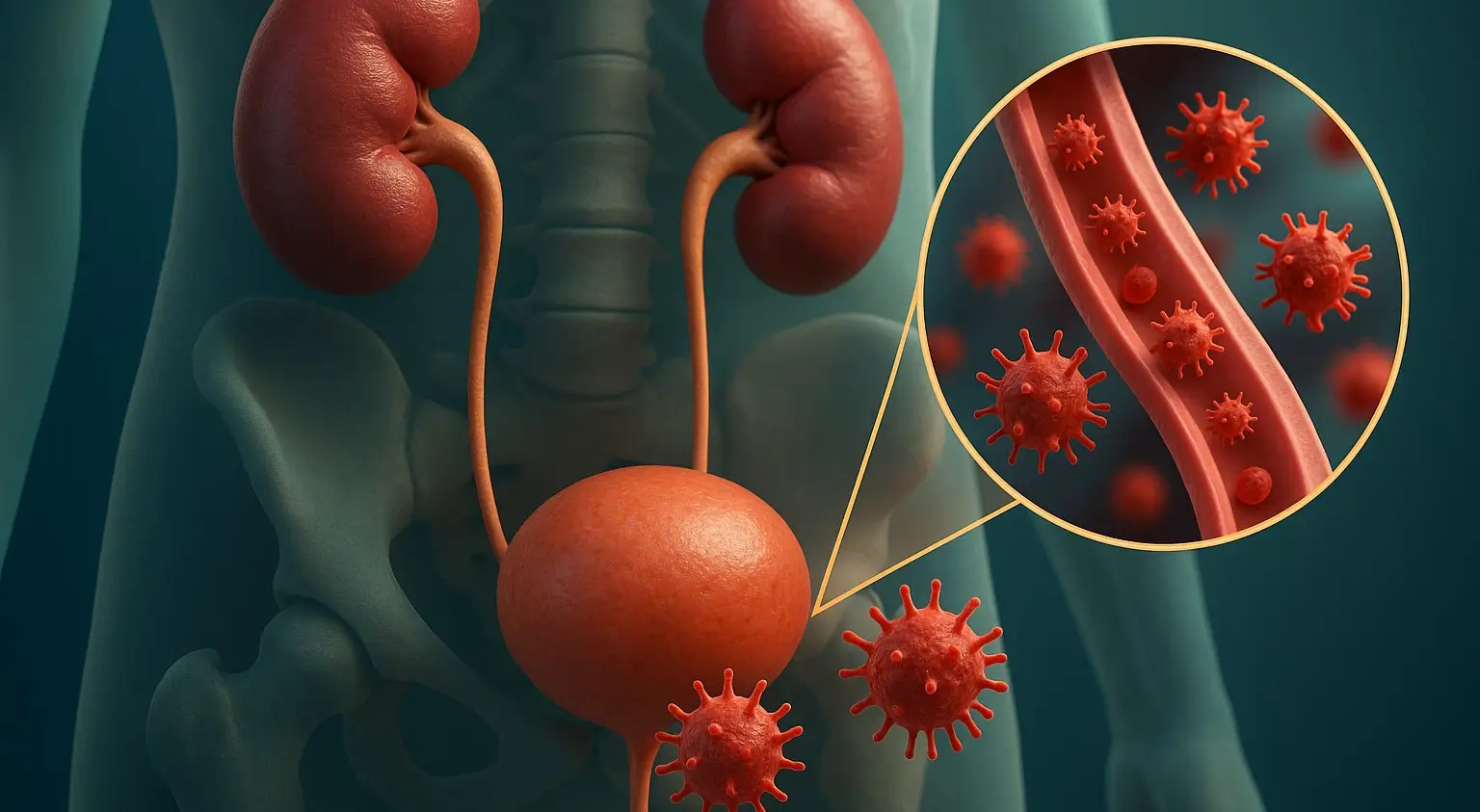
Urinary Tract Infections (UTIs) is an infection that affects any part of the urinary system, including the kidneys, ureters, bladder, and urethra. Most infections involve the lower urinary tract – the bladder and the urethra. Signs and Symptoms of Urinary Tract Infections (UTIs) Lower UTI (Cystitis – Infection of the Bladder): Dysuria: Pain or burning … Read more