Purchase Specifications for Raw Materials

Purchase Specifications for Raw Materials
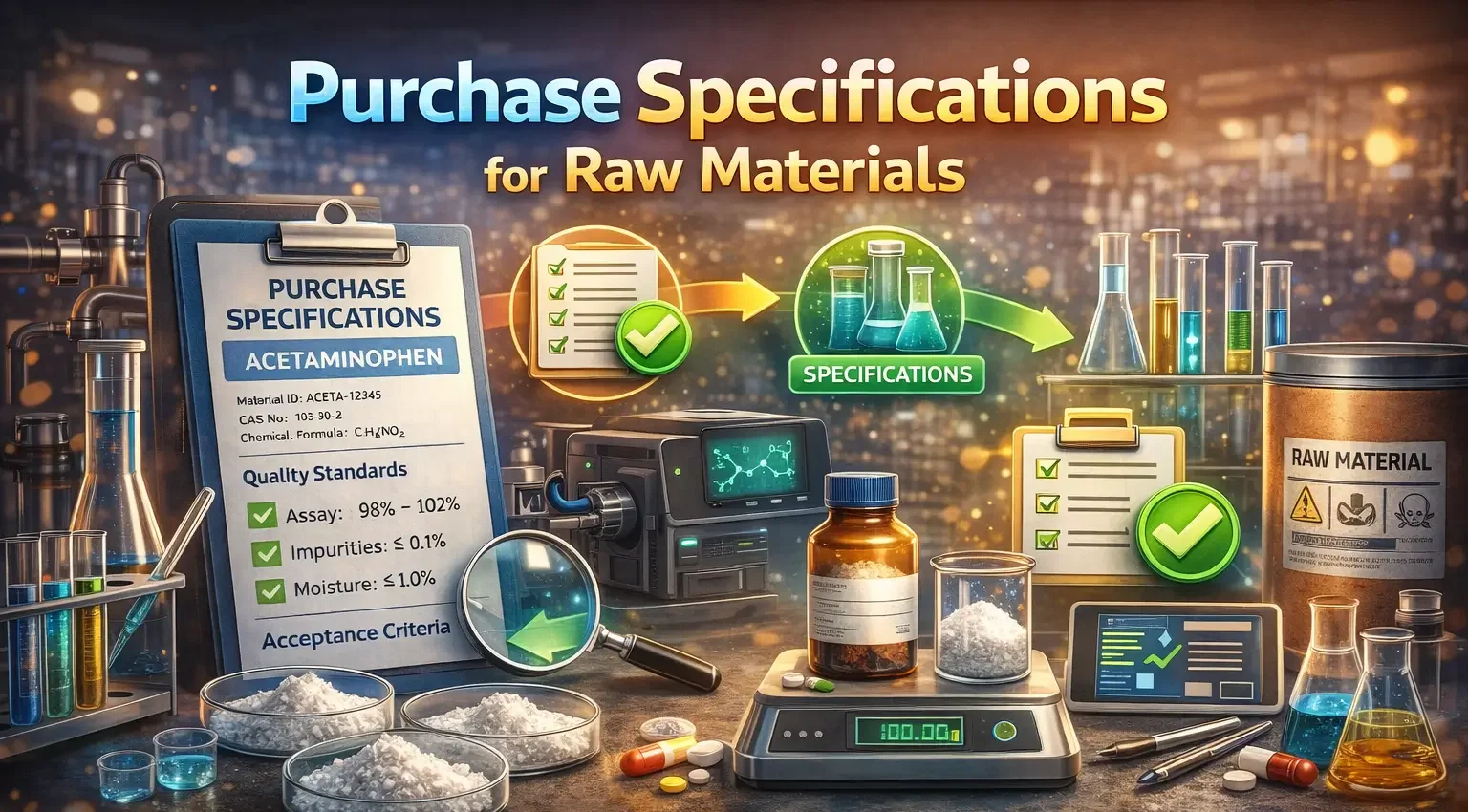
Purchase Specifications for Raw Materials explain quality standards testing requirements and documentation for pharmaceutical raw material procurement. Purchase Specifications for Raw Materials Clear specifications ensure quality consistency and regulatory compliance of incoming materials, directly impacting final product quality. Typical Elements of Raw Material Specifications: Identification and description: Clearly defined chemical, physical, or biological properties. Quality … Read more
Personnel Hygiene

Personnel hygiene is essential to prevent contamination of pharmaceutical products, especially critical in sterile manufacturing environments. Key Hygiene Practices: Regular handwashing and sanitation procedures. Use of protective garments such as gloves, masks, gowns, hairnets, and shoe covers. Avoidance of jewellery, cosmetics, or personal items in production areas. Regular health check-ups to ensure personnel do not … Read more

Maintenance of Equipment

Maintenance of Equipment

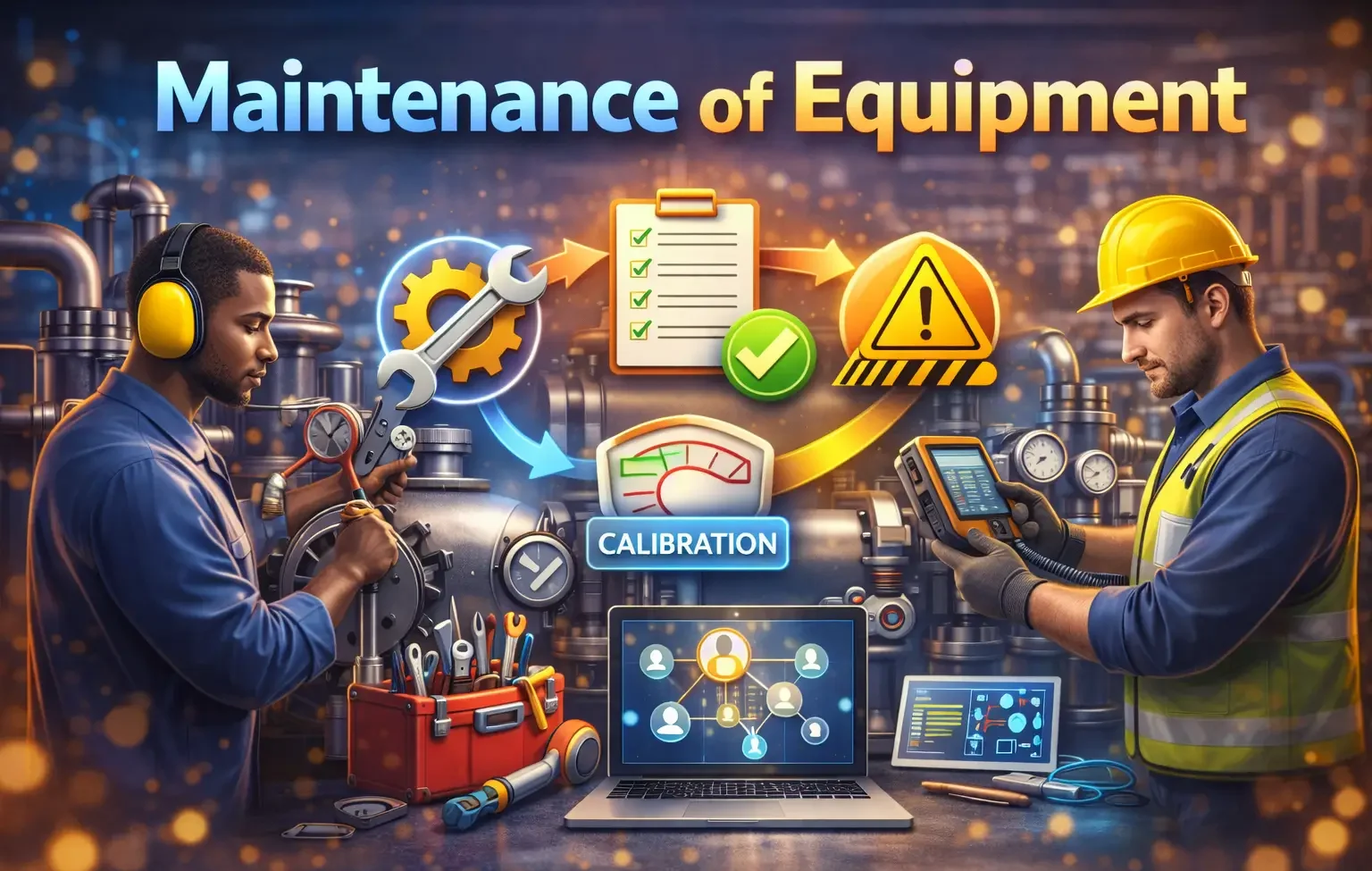
Regular maintenance of equipment is essential to ensure consistent performance, prevent breakdowns, and comply with GMP guidelines. Types of Maintenance Preventive Maintenance: Scheduled servicing, lubrication, and cleaning of equipment. Regular calibration of instruments (e.g., balances, temperature sensors). Inspection of wear and tear (belts, motors, filters). Corrective Maintenance: Immediate repair of breakdowns or faults. Replacement of … Read more

Purchase Specifications for Equipment

Purchase Specifications for Equipment

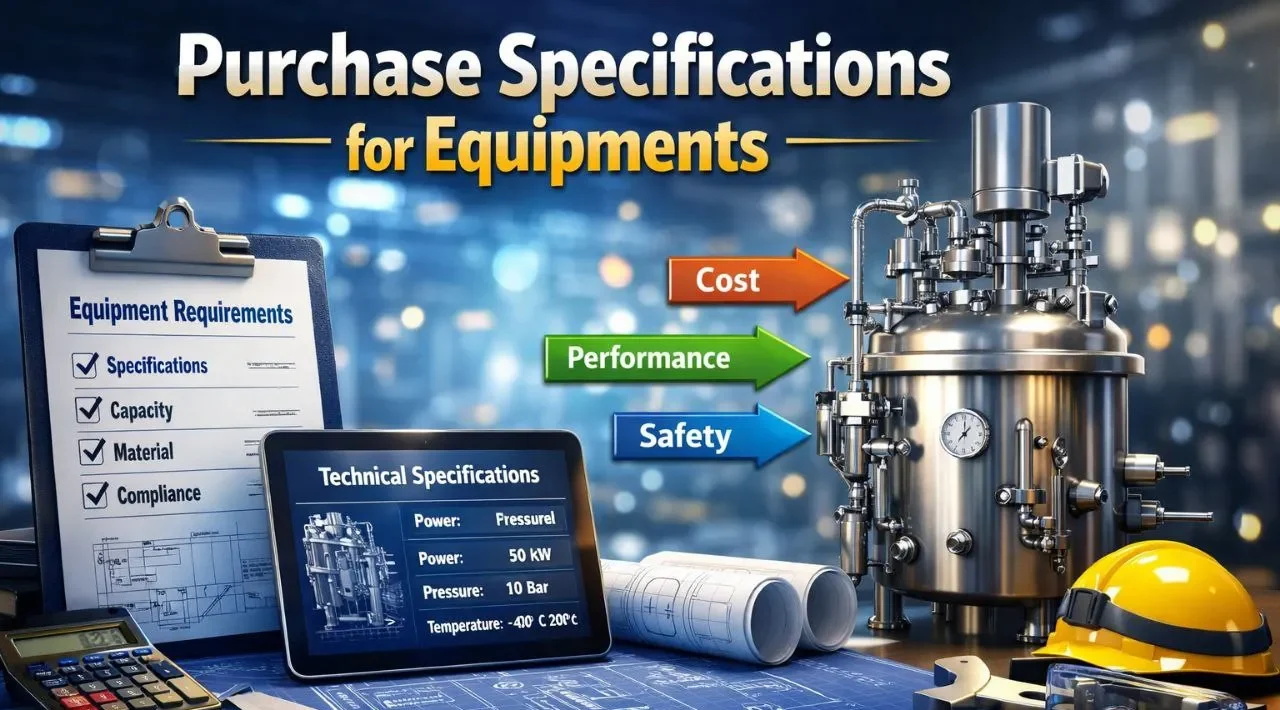
Purchase Specifications for Equipment explain technical requirements standards and documentation for procuring pharmaceutical machinery. To ensure quality, purchase specifications should be clearly defined before procuring pharmaceutical equipment. Key Purchase Specifications Equipment Description (Type, function, and application). Material of Construction (Stainless steel grade, non-reactive coatings). Capacity & Performance Requirements (Batch size, speed, accuracy). Automation & Control … Read more

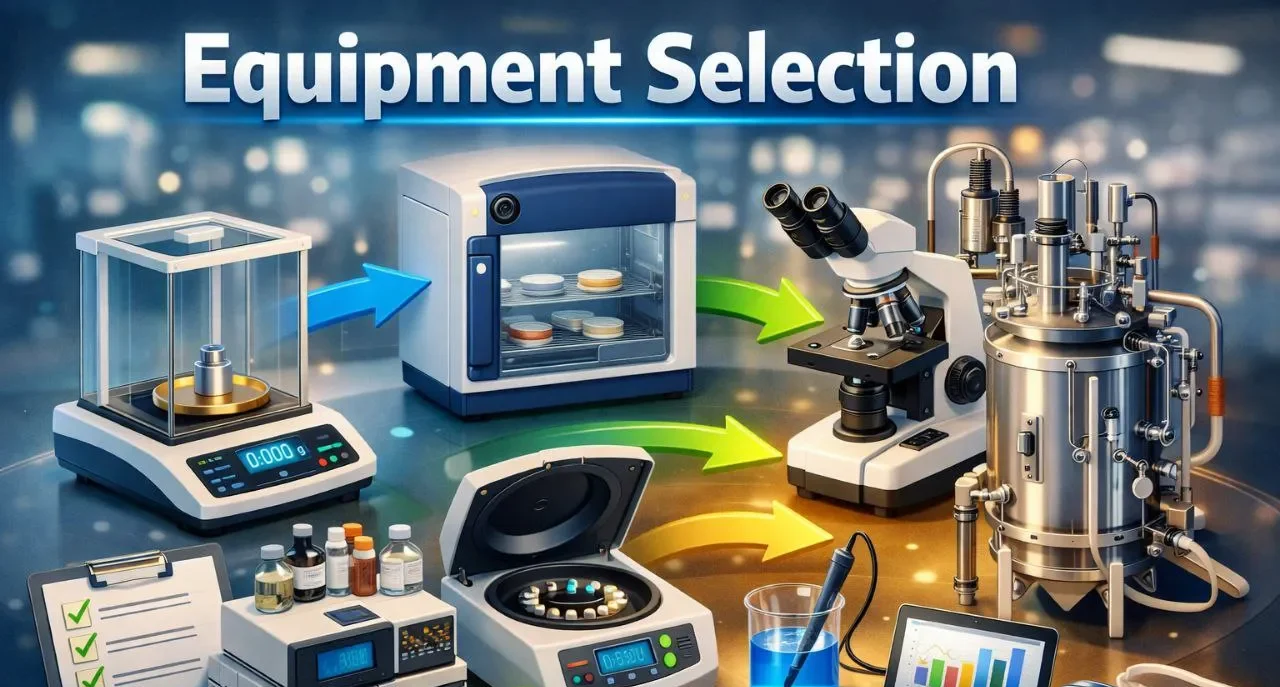
Equipment Selection

Equipment Selection

Equipment Selection explains criteria specifications and considerations for choosing machinery in pharmaceutical manufacturing. Selecting appropriate equipment is critical to achieving consistent product quality and meeting regulatory expectations. Factors Influencing Equipment Selection: Product type and dosage form (e.g., tablets, capsules, injectables) Capacity and output requirements Material compatibility (stainless steel, polymers, glass, etc.) Compliance with GMP and … Read more

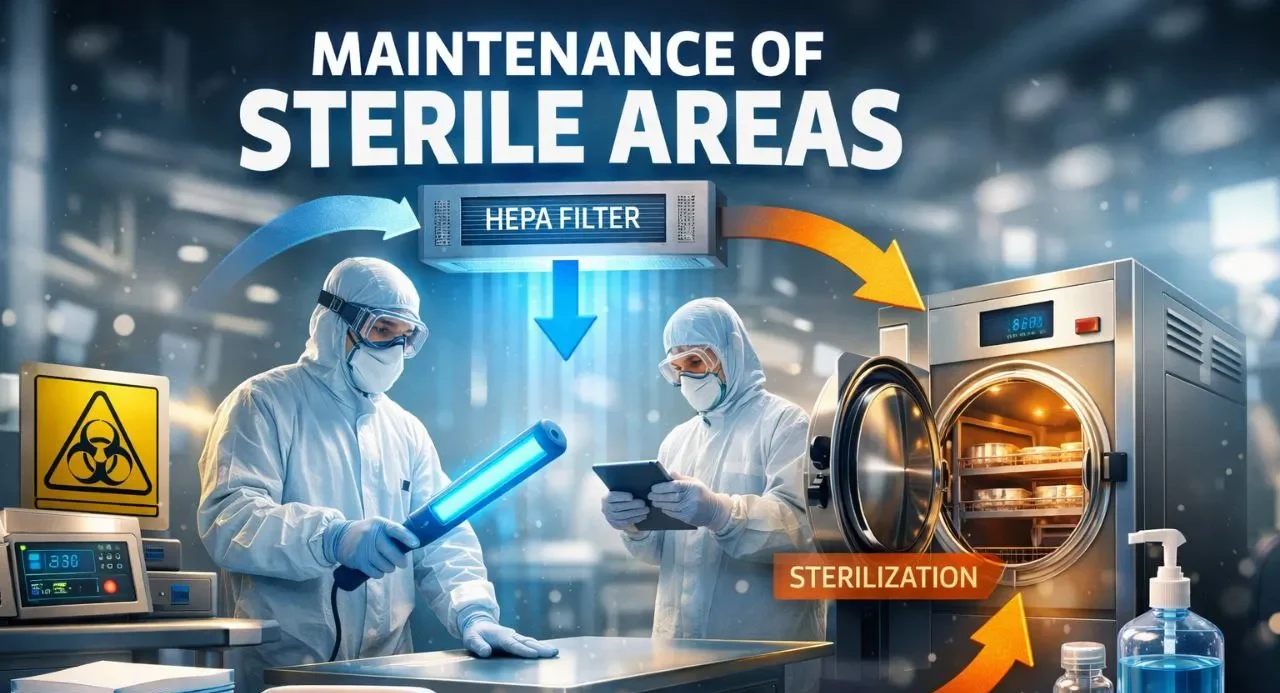
Maintenance of Sterile Areas

Maintenance of Sterile Areas

Maintenance of Sterile Areas explains cleaning monitoring and control procedures to maintain sterile pharmaceutical environments. Maintaining sterile areas in pharmaceutical facilities is essential to prevent contamination and ensure compliance with regulatory standards. Maintenance of Sterile Areas Regular Cleaning Routine cleaning of surfaces, equipment, and floors using approved agents. Strict adherence to a cleaning schedule. Personnel … Read more

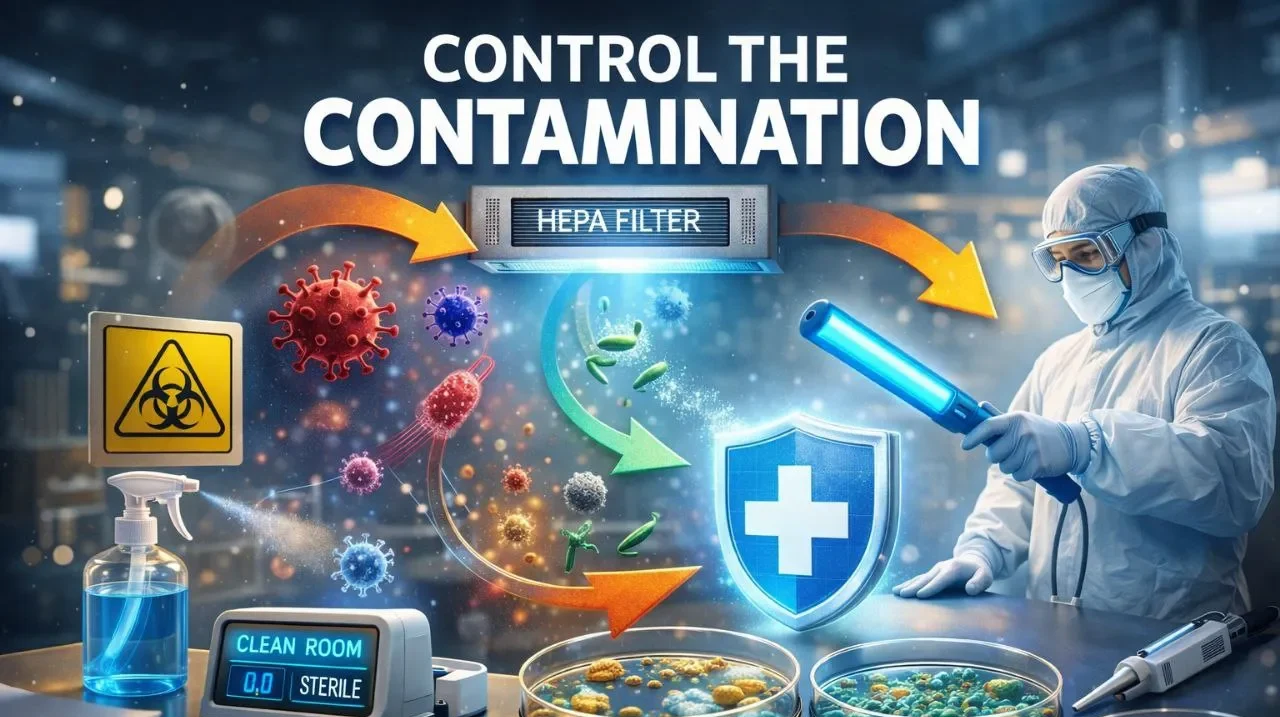
Control of Contamination

Control of Contamination

Control of Contamination explains preventive measures monitoring and procedures to maintain product purity and safety. What is Contamination? Contamination refers to the presence of harmful microorganisms, chemicals, or foreign matter in a product or environment, compromising product safety and quality. Main Sources of Contamination Personnel – Contaminants from skin, hair, clothing, and footwear. Environment – … Read more

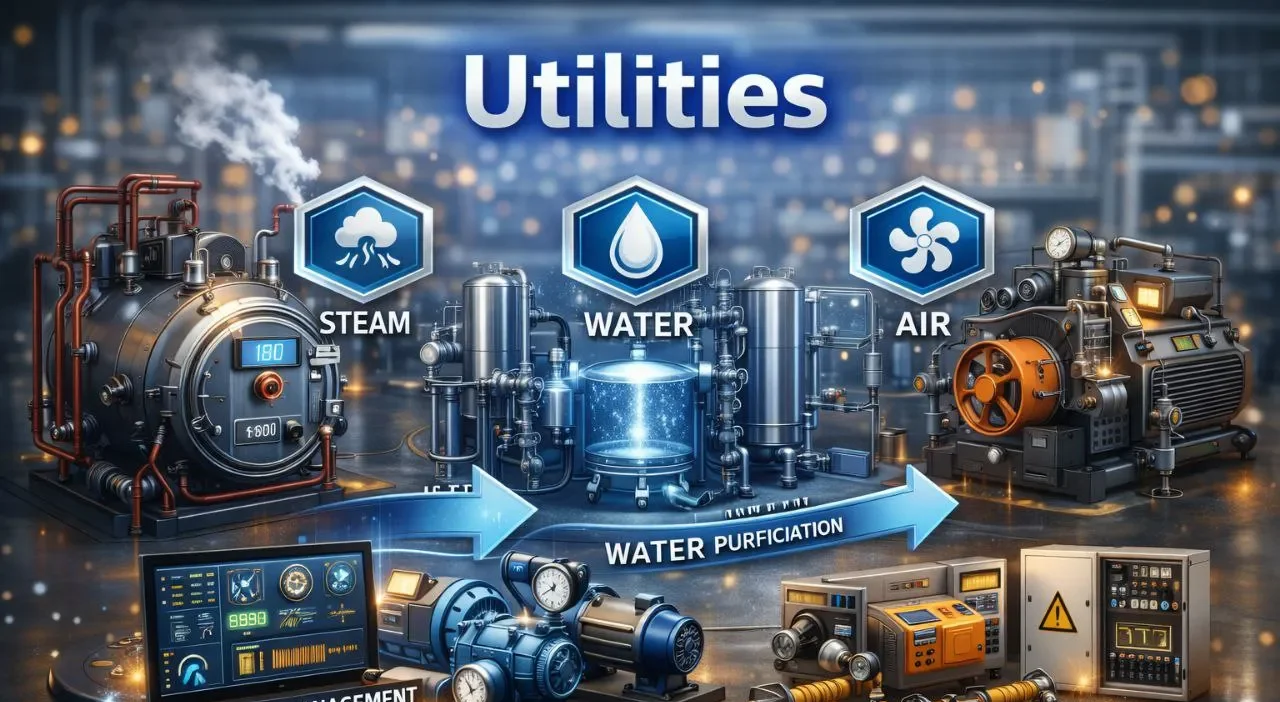
Utilities

Utilities

Utilities must be maintained to assure quality, reliability, and compliance with regulatory standards. Key Utilities in Sterile Areas HVAC System Maintains positive pressure to prevent contaminant entry. Uses HEPA filtration to remove airborne particles. Cleanroom Suits Worn by personnel to minimize contamination from skin cells and other particles. Made from sterilizable materials for hygiene. Sterilization … Read more

Environmental Control in Pharmaceutical Facilities

Environmental Control in Pharmaceutical Facilities

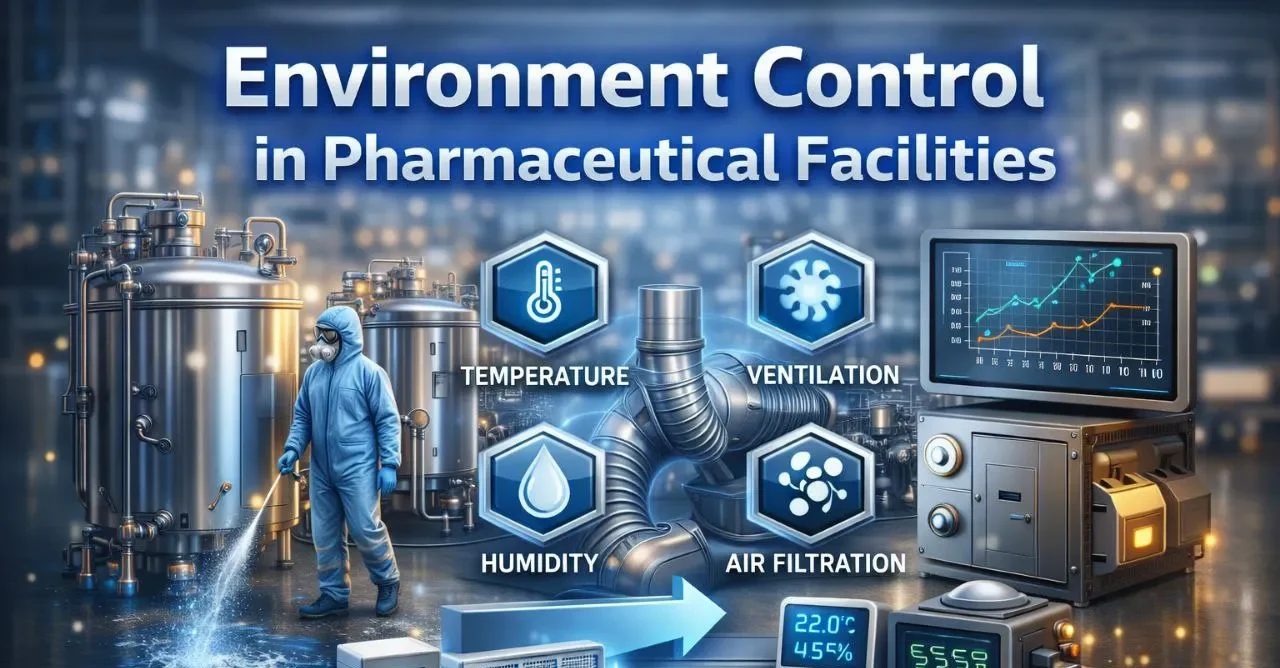
Environmental Control in Pharmaceutical Facilities explains monitoring of air temperature humidity and contamination control. Introduction to Environmental Control in Pharmaceutical Facilities Environmental control is essential for maintaining product integrity and preventing contamination in manufacturing, storage, and testing areas. Key factors include temperature, humidity, air quality, and pressure differentials, especially in sterile environments. Key Environmental Control … Read more

Maintenance and Sanitation in Pharmaceutical Facilities

Maintenance and Sanitation in Pharmaceutical Facilities

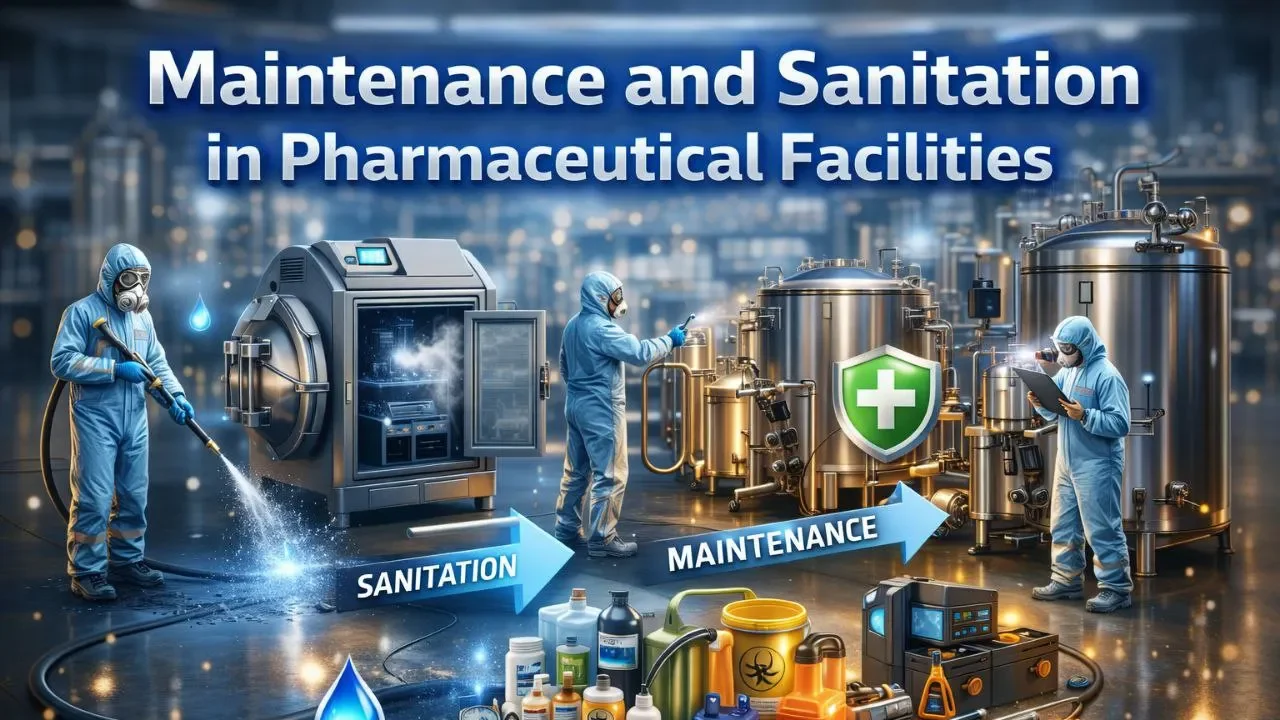
Maintenance and Sanitation in Pharmaceutical Facilities Maintenance and Sanitation in Pharmaceutical Facilities explain cleaning procedures upkeep and hygiene control in manufacturing areas. Maintenance Maintenance ensures the physical structure and equipment of the pharmacy function efficiently, preventing breakdowns and ensuring compliance with regulations. Key Aspects: Routine Inspections: Identify issues early. Repairs & Replacements: Address faults promptly. … Read more