Plant Layout in Pharmaceutical Manufacturing

Plant Layout in Pharmaceutical Manufacturing
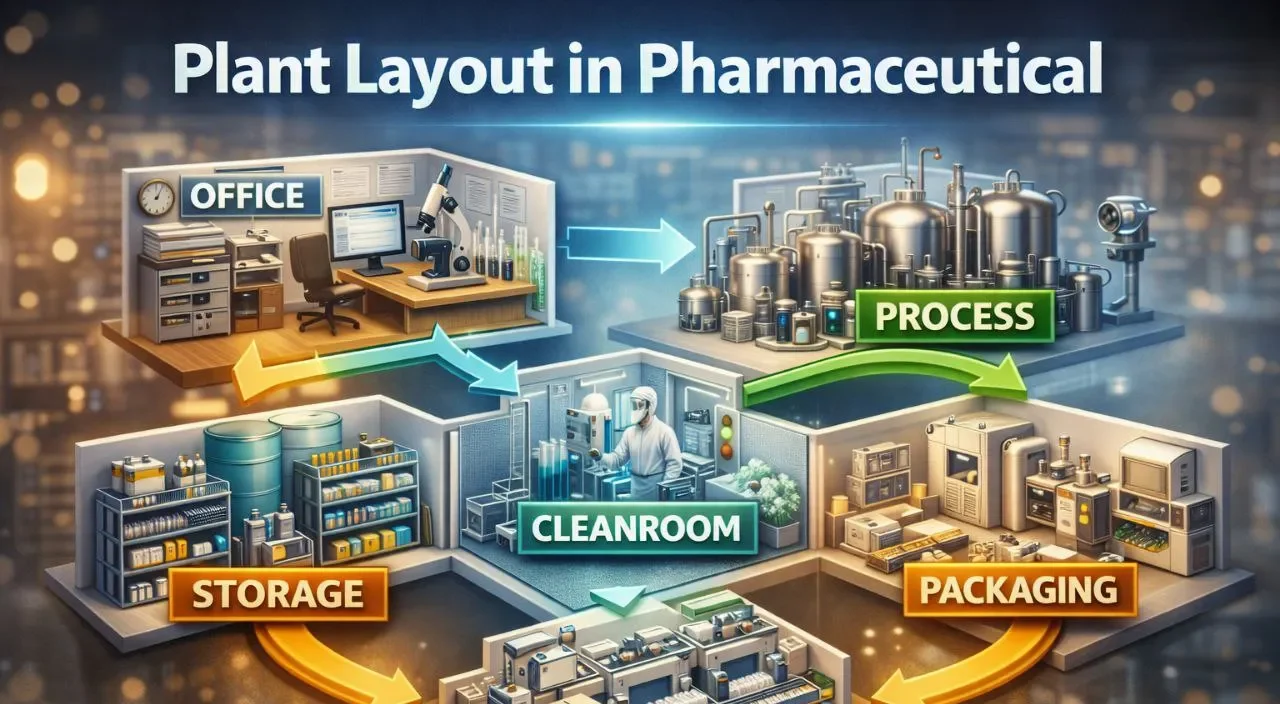
Plant Layout in Pharmaceutical Manufacturing explains facility design workflow and space planning for efficient drug production. Plant Layout in Pharmaceutical Manufacturing A well-planned plant layout ensures smooth operations while preventing contamination risks. The layout should follow a unidirectional flow of personnel, raw materials, and finished products to prevent mix-ups. Basic Principles of Plant Layout Logical … Read more

Design and Construction of Pharmaceutical Premises

Design and Construction of Pharmaceutical Premises

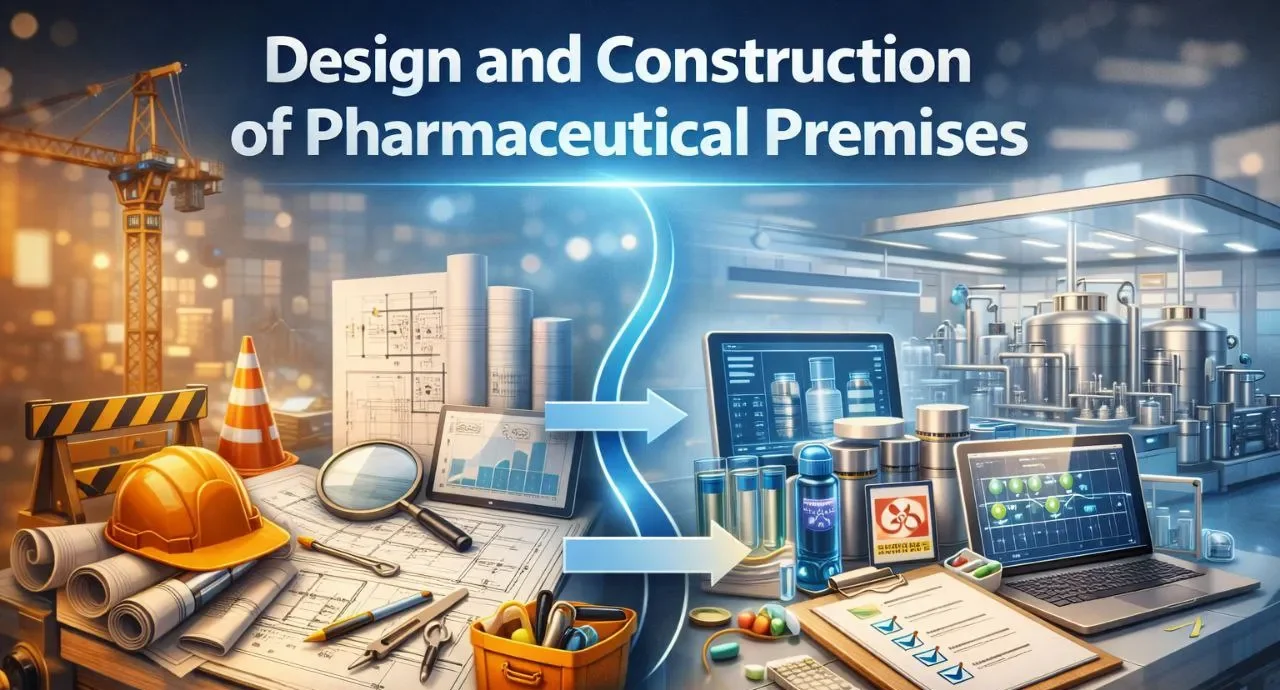
Design and Construction of Pharmaceutical Premises The design and construction of pharmaceutical premises are essential for ensuring the quality, safety, and effectiveness of pharmaceutical products. Manufacturing facilities must be carefully planned to provide a controlled environment that minimizes contamination, supports efficient workflow of materials and personnel, and allows easy cleaning and maintenance. Proper facility design … Read more

Premises

Premises

Premises refer to the physical location and facilities used for producing or providing products and services. Their condition is crucial for ensuring safety and quality, making them a key aspect of quality assurance. Key Aspects of Premises in Quality Assurance Design and Layout Optimized for efficient operations. Consider material flow, equipment arrangement, and construction methods. … Read more

Personnel Records

Personnel Records

Proper maintenance of personnel records is crucial to demonstrate compliance and enable traceability in quality assurance processes. Types of Personnel Records: Employee Qualification Records: Educational background and qualifications. Work experience details. Training Records: Initial and ongoing training documents. Certifications and evaluations. Health and Hygiene Records: Medical check-ups and health clearances. Records of illness or injuries … Read more

Personnel Hygiene

Personnel Hygiene

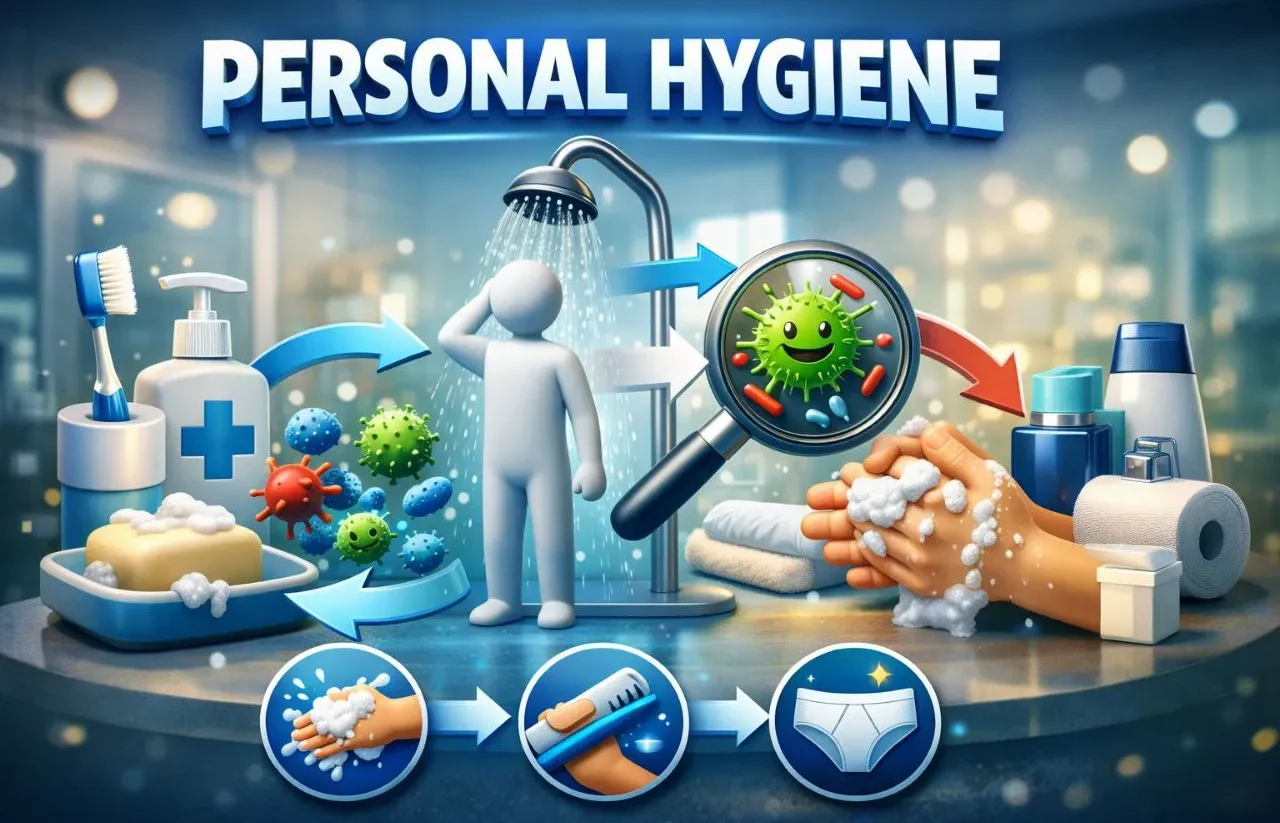
Personnel hygiene is essential to prevent contamination of pharmaceutical products, especially critical in sterile manufacturing environments. Key Hygiene Practices: Regular handwashing and sanitation procedures. Use of protective garments such as gloves, masks, gowns, hairnets, and shoe covers. Avoidance of jewellery, cosmetics, or personal items in production areas. Regular health check-ups to ensure personnel do not … Read more

Training

Training

Proper training ensures product quality, safety, and regulatory compliance. Training programs should be well-documented, regularly updated, and tailored to employee roles. Importance of Training Training equips employees with the knowledge and skills needed to meet quality standards, understand their responsibilities, and comply with regulations. Types of Training Induction Training: For new employees to familiarize them … Read more

Personnel responsibilities

Personnel responsibilities

Pharmaceutical manufacturing and quality assurance require a well-defined organizational structure where responsibilities of personnel at different levels are clearly assigned. The key personnel typically include: Key Personnel & Responsibilities: Senior Management Establishes quality policy and ensures adequate resources. Ensures GMP and regulatory compliance. Approves SOPs and policies. Quality Assurance (QA) Personnel Ensures GMP compliance and … Read more

Definition of QbD

Definition of QbD

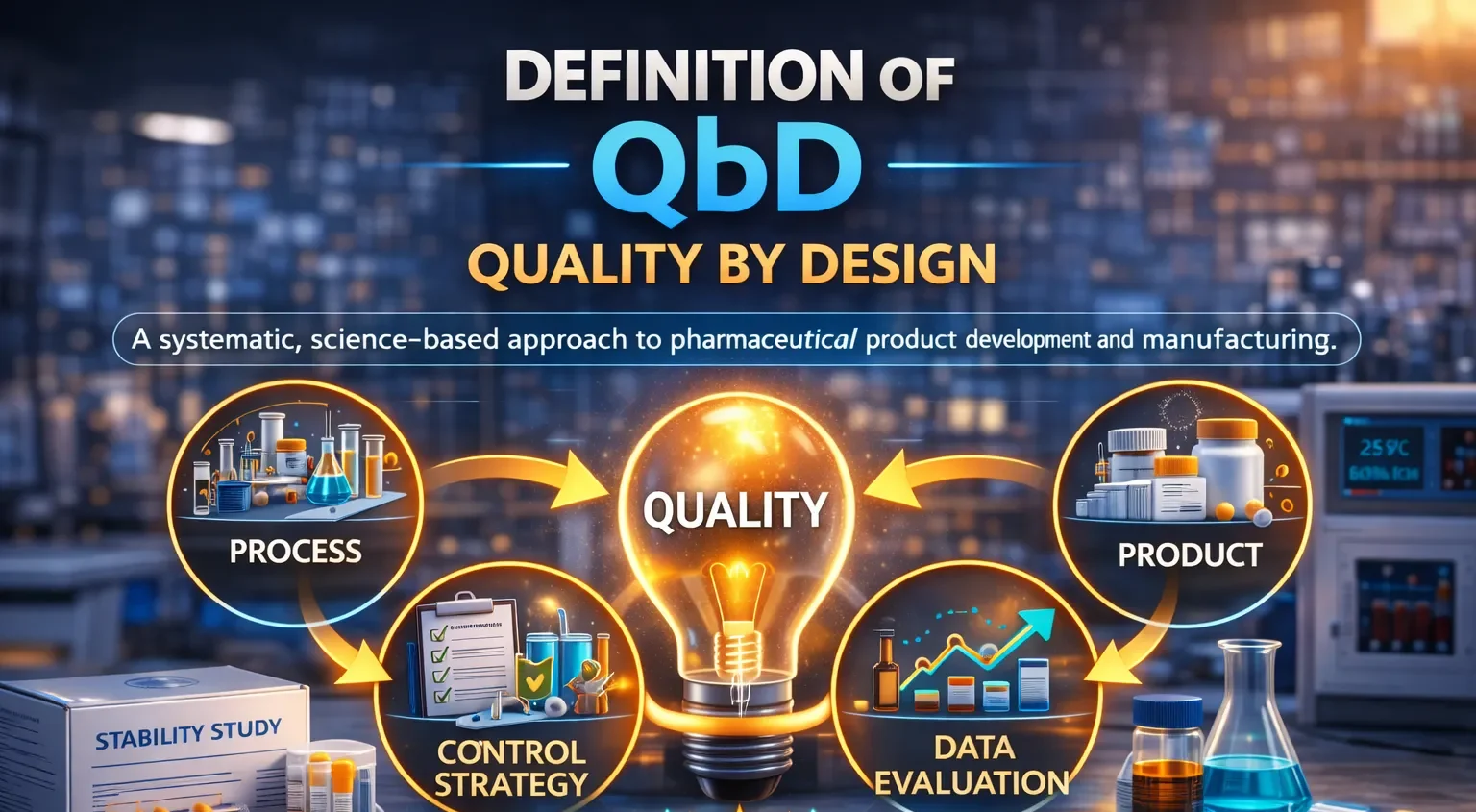
Definition of QbD explains quality by design principles risk management and systematic approach in pharmaceutical development. Definition of QbD Quality by Design (QbD) is a systematic approach to pharmaceutical development that focuses on designing processes and formulations to ensure built-in quality rather than relying on end-product testing. Overview of QbD Developed as part of ICH … Read more

ICH Stability Testing Guidelines (Q1)

ICH Stability Testing Guidelines (Q1)

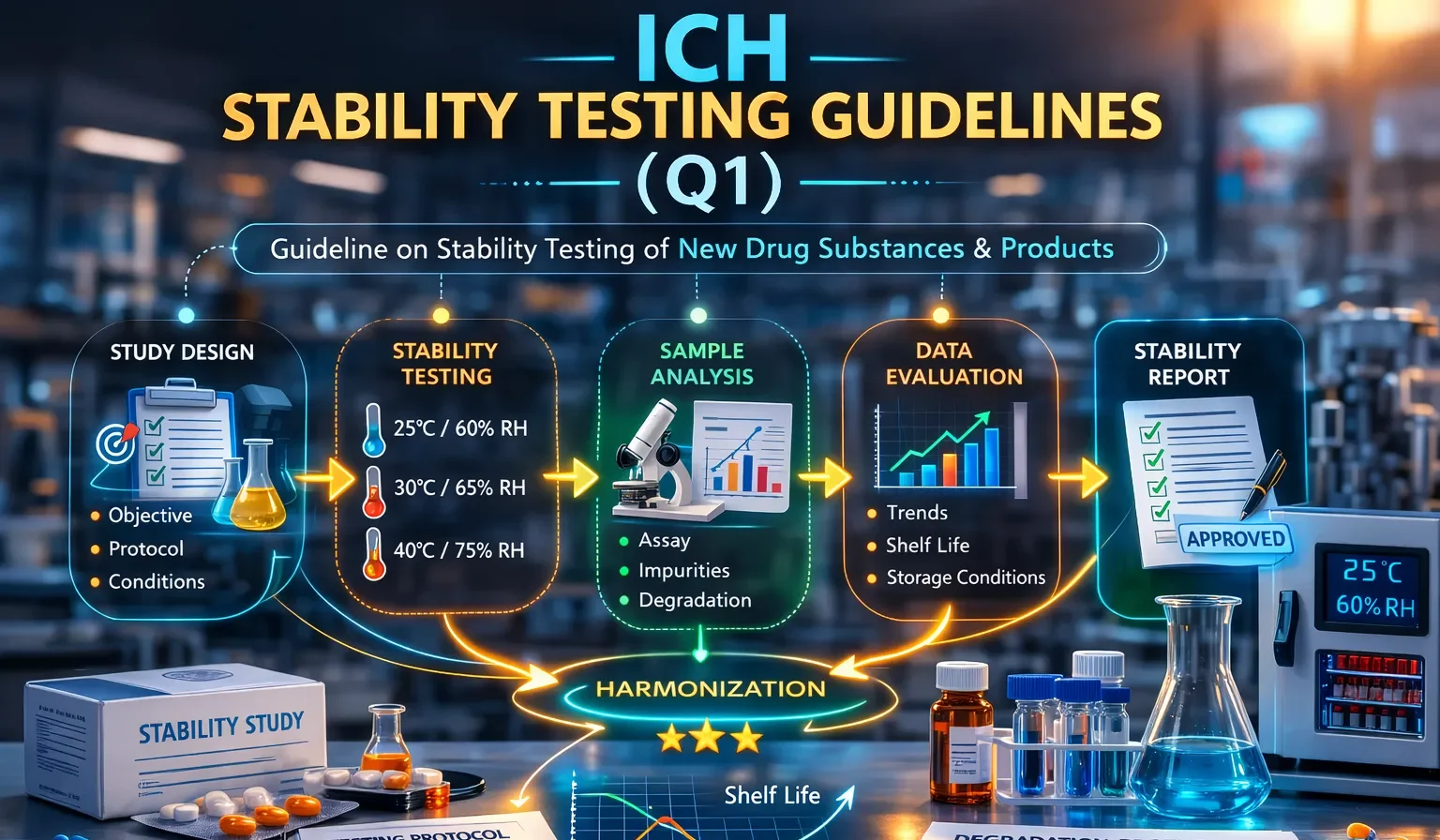
ICH Stability Testing Guidelines (Q1) explain stability study design climatic zones storage conditions and shelf life evaluation. ICH Stability Testing Guidelines (Q1) Stability testing ensures that a pharmaceutical product maintains its identity, strength, quality, and purity over time under various environmental conditions. The ICH Q1 guidelines provide a framework for conducting these tests. Key Stability … Read more

Brief Overview of QSEM

Brief Overview of QSEM

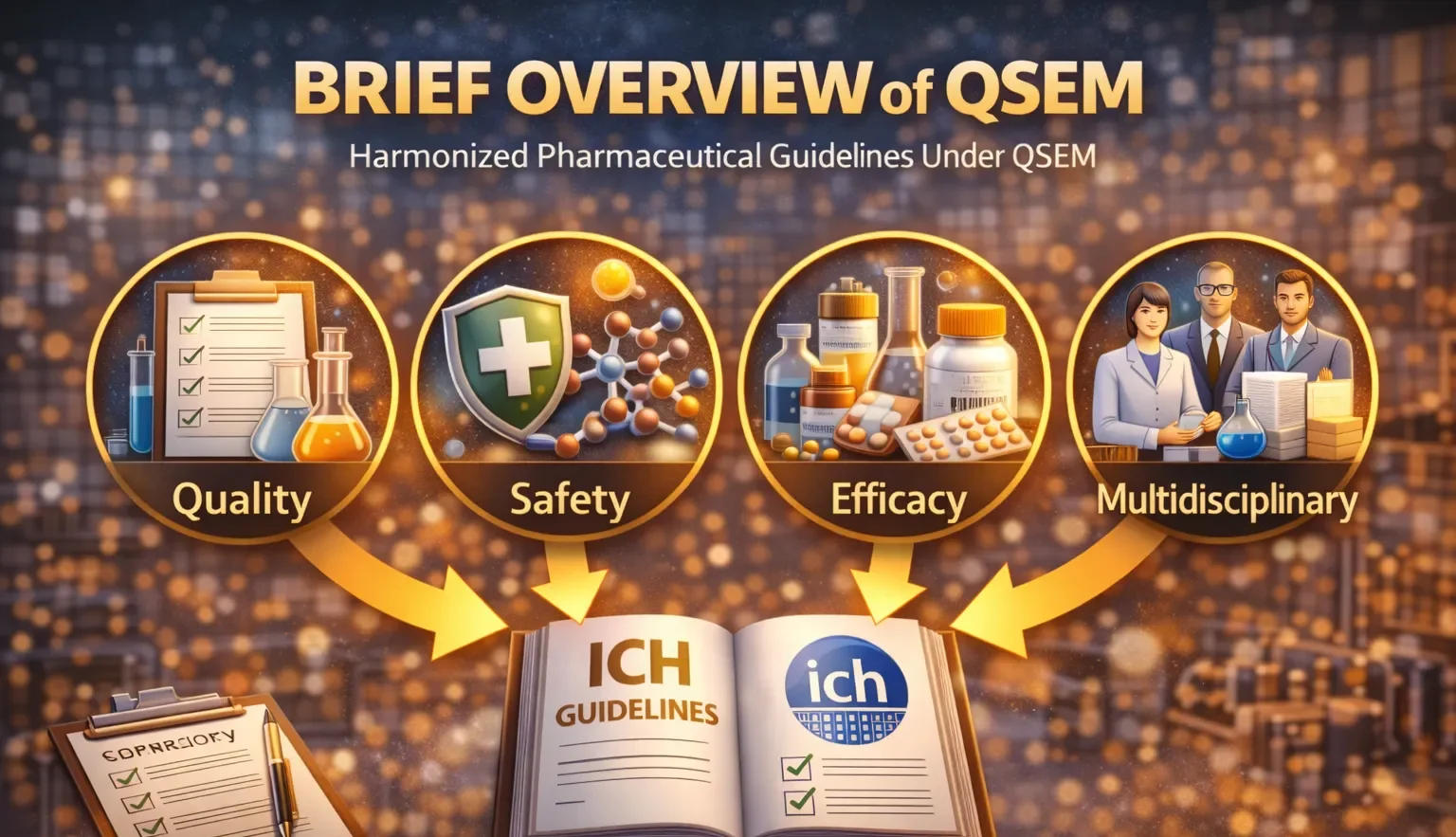
Brief Overview of QSEM explains quality safety efficacy and multidisciplinary guidelines under ICH framework. Brief Overview of QSEM ICH guidelines are divided into four primary categories called QSEM: Q:Quality: Related to chemical and pharmaceutical quality of drugs. S:Safety: Related to preclinical safety assessments. E:Efficacy: Related to clinical studies and clinical safety. M:Multidisciplinary: Covering cross-cutting regulatory … Read more