Quality Audit

Quality Audit

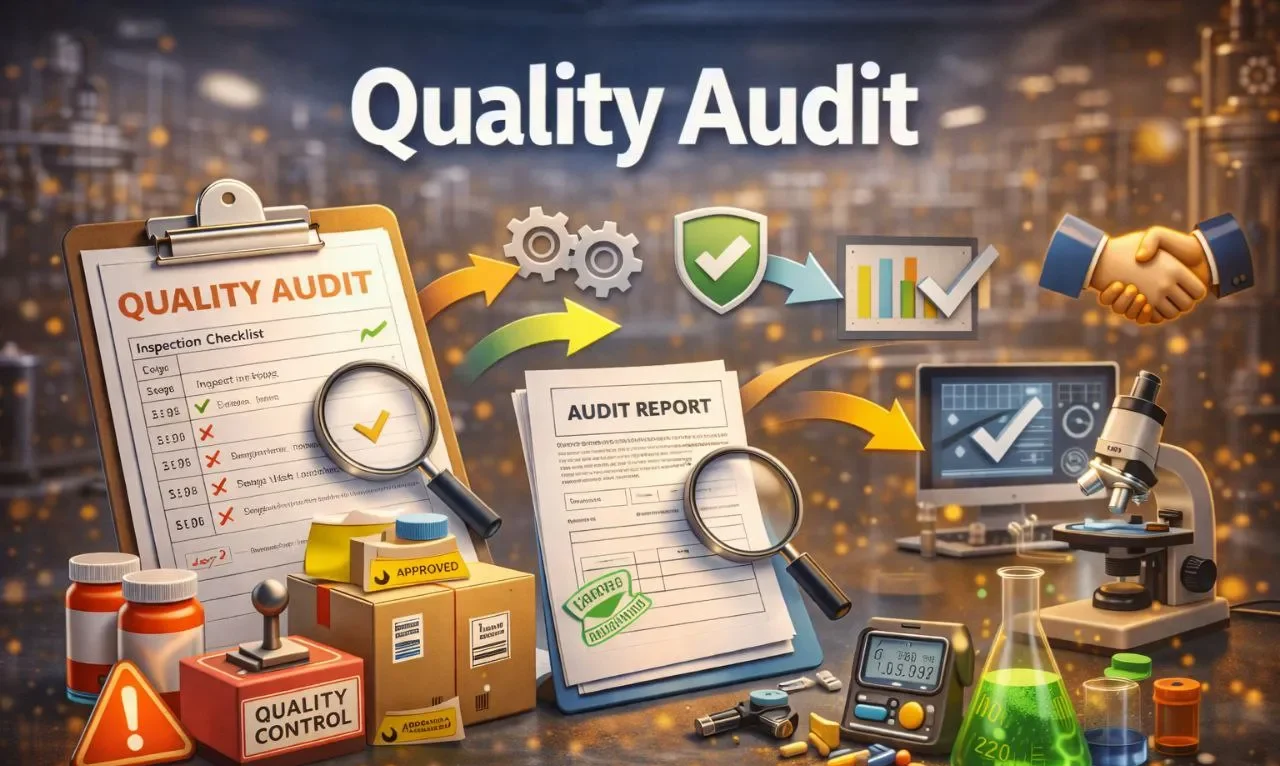
A Quality Audit is a systematic examination of the quality management system (QMS) to ensure compliance with GMP, WHO, FDA, and other regulatory requirements. Purpose of a Quality Audit Ensure the QMS is operating effectively and efficiently. Identify areas of non-compliance and opportunities for improvement. Enhance product quality, customer satisfaction, and regulatory compliance. Required by … Read more
Standard Operating Procedures (SOPs)

Standard Operating Procedures (SOPs)

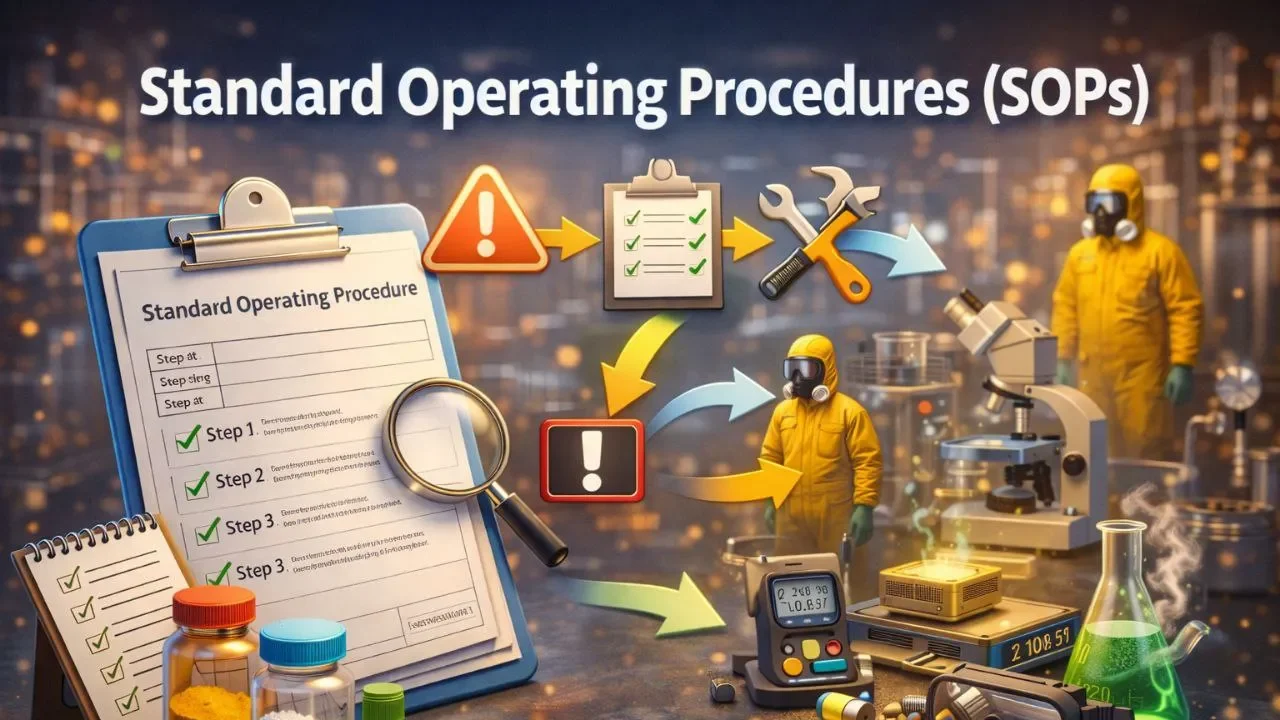
Standard Operating Procedures (SOPs) are written instructions that outline the standard process for various tasks in the pharmaceutical industry. Purpose of Standard Operating Procedures (SOPs) Maintain consistency and quality in operations. Ensure compliance with Good Manufacturing Practices (GMP). Provide training material for employees. Reduce the risk of errors and deviations. Types of SOPs Manufacturing SOPs … Read more

Master Formula Record (MFR)

Master Formula Record (MFR)

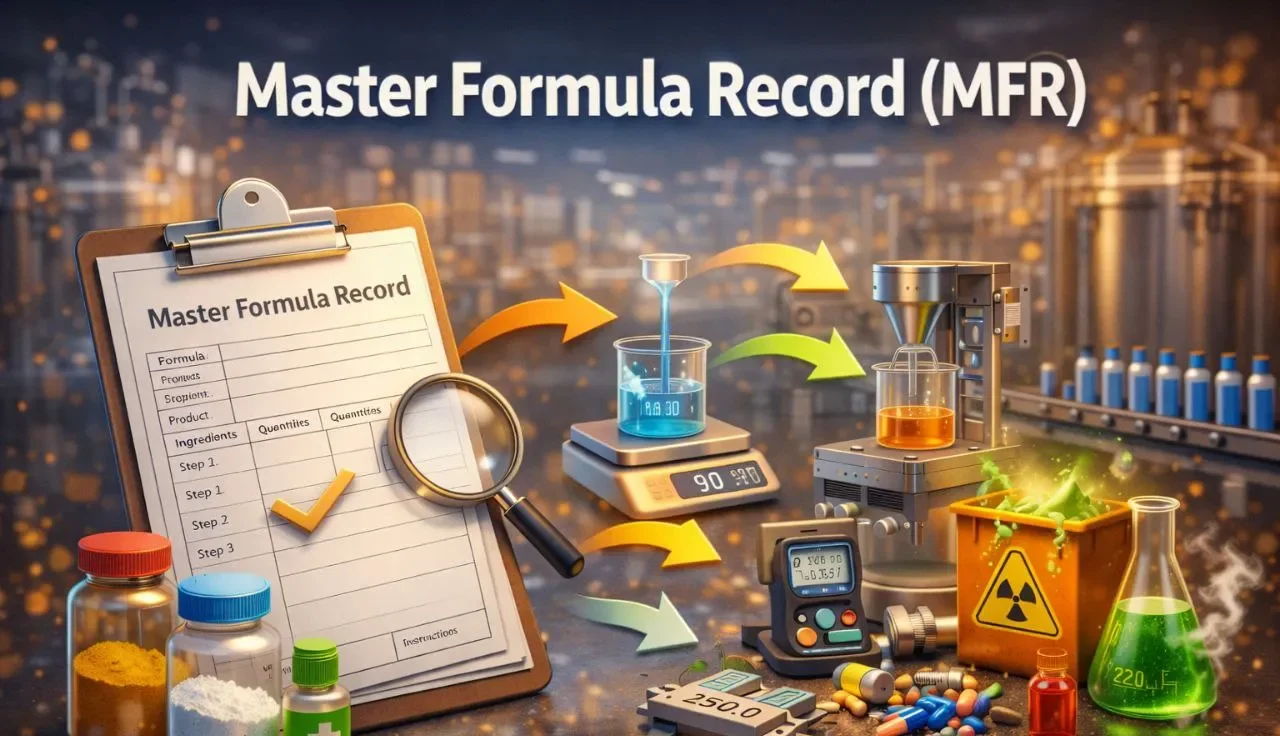
Master Formula Record (MFR) The Master Formula Record (MFR), also called the Master Manufacturing Formula (MMF), serves as the approved blueprint for manufacturing each pharmaceutical product. Purpose of MFR Provides a standardized recipe for drug production. Ensures quality and consistency across all batches. Helps in regulatory approvals and audits. Contents of MFR Product Name, Dosage … Read more

Batch Formula Record (BFR) / Batch Manufacturing Record (BMR)

Batch Formula Record (BFR) / Batch Manufacturing Record (BMR)

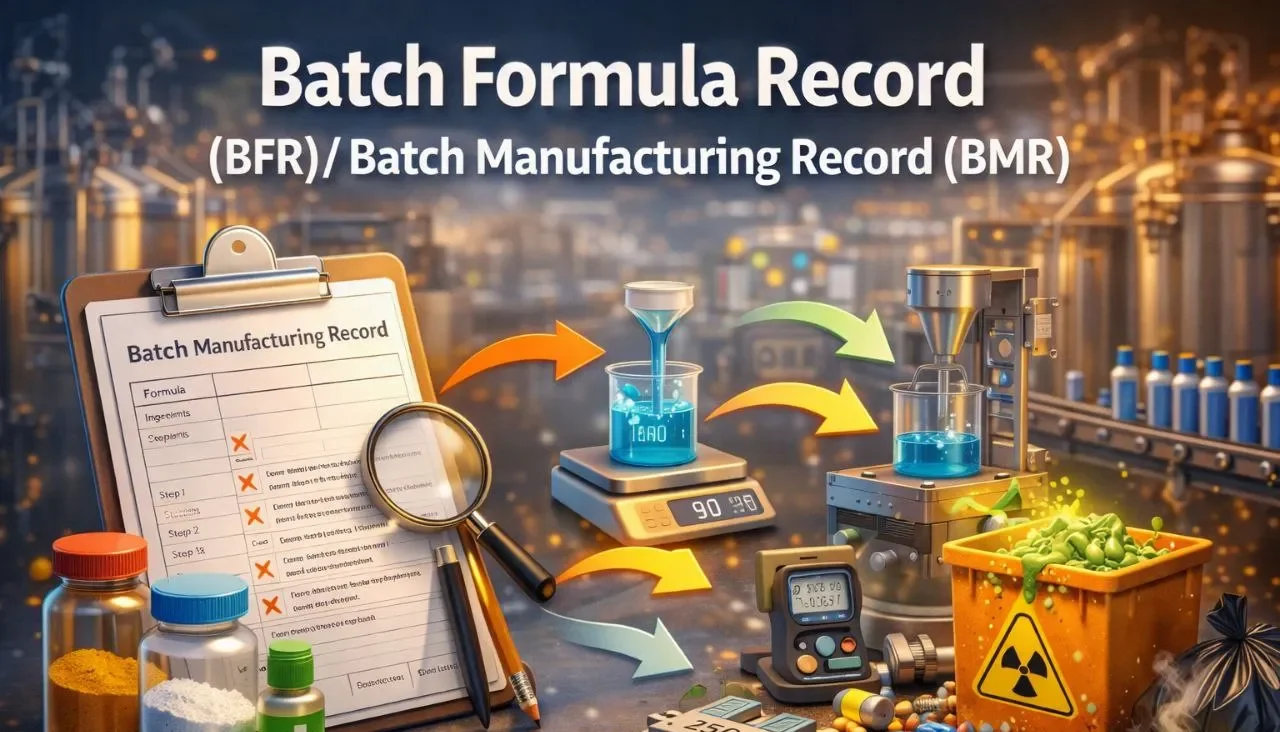
Batch Formula Record (BFR) / Batch Manufacturing Record (BMR) A Batch Formula Record (BFR), also known as the Batch Manufacturing Record (BMR), is a document that provides a detailed history of a specific batch of a pharmaceutical product from start to finish. Purpose of BFR/BMR Ensures consistency and uniformity in drug production. Provides a legal … Read more

Waste Disposal

Waste Disposal

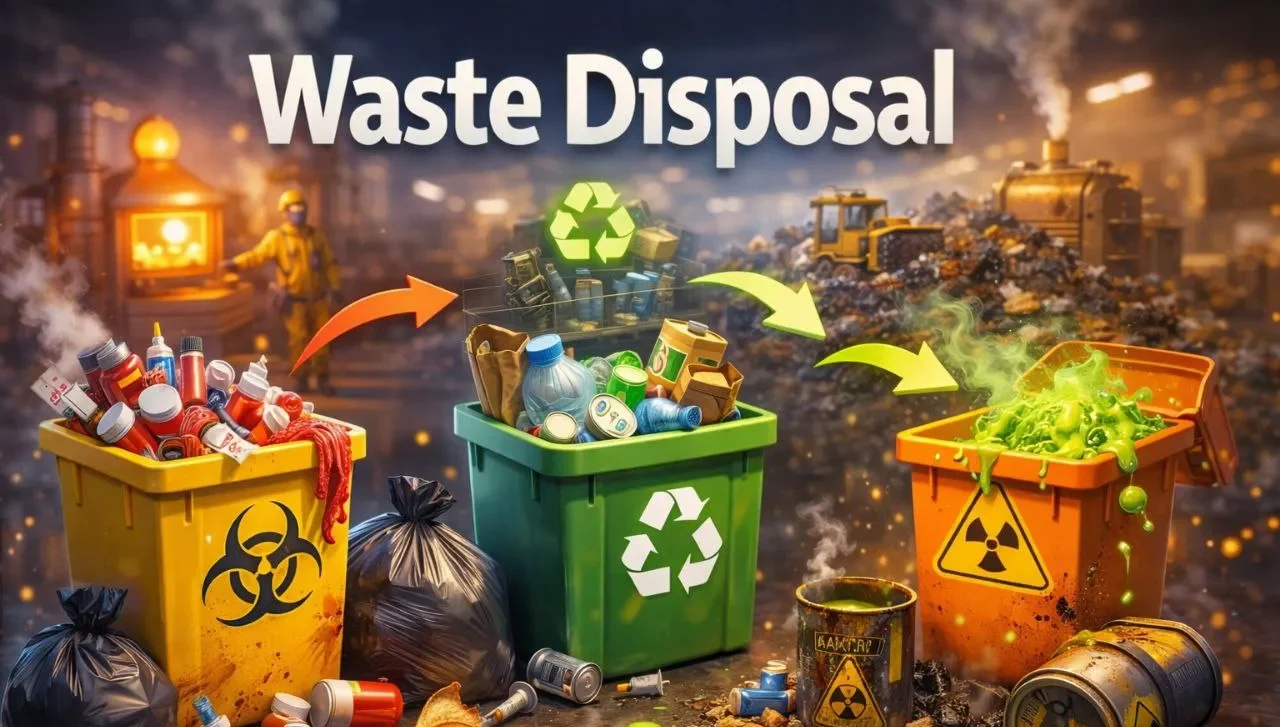
Waste Disposal explains safe handling treatment and disposal of pharmaceutical waste to protect health and environment. Definition and Relevance Pharmaceutical waste includes: Expired, damaged, or contaminated products Laboratory reagents and chemicals Manufacturing by-products Recalled and non-recoverable items Proper disposal prevents misuse, environmental pollution, and regulatory violations. Types of Pharmaceutical Waste Expired or Unused Medicines – … Read more

Product Recall

Product Recall

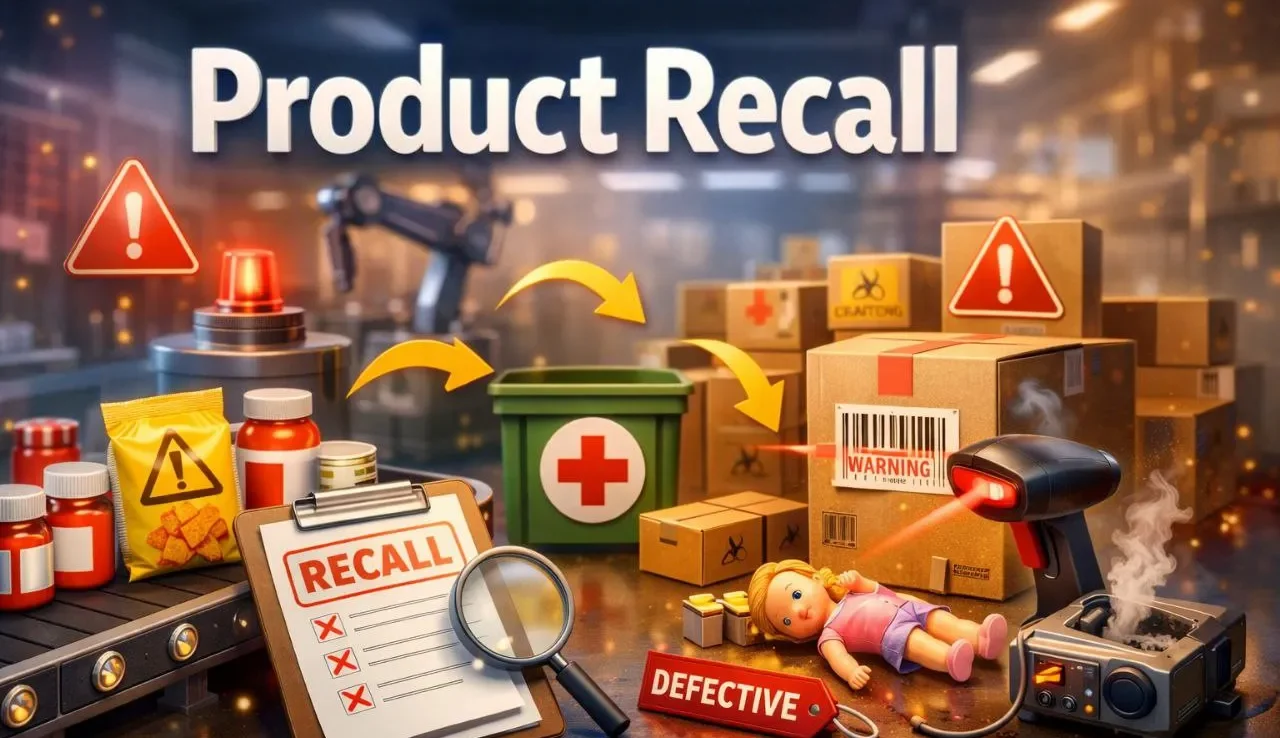
A recall is an action taken to remove a defective or potentially harmful pharmaceutical product from the market. Recalls can be voluntary (initiated by the manufacturer) or mandatory (ordered by regulatory authorities). Classification of Recalls Recalls are classified based on the severity of the risk: Class I Recall (Most Critical) Involves products that can cause … Read more

Handling of Return Good

Handling of Return Good

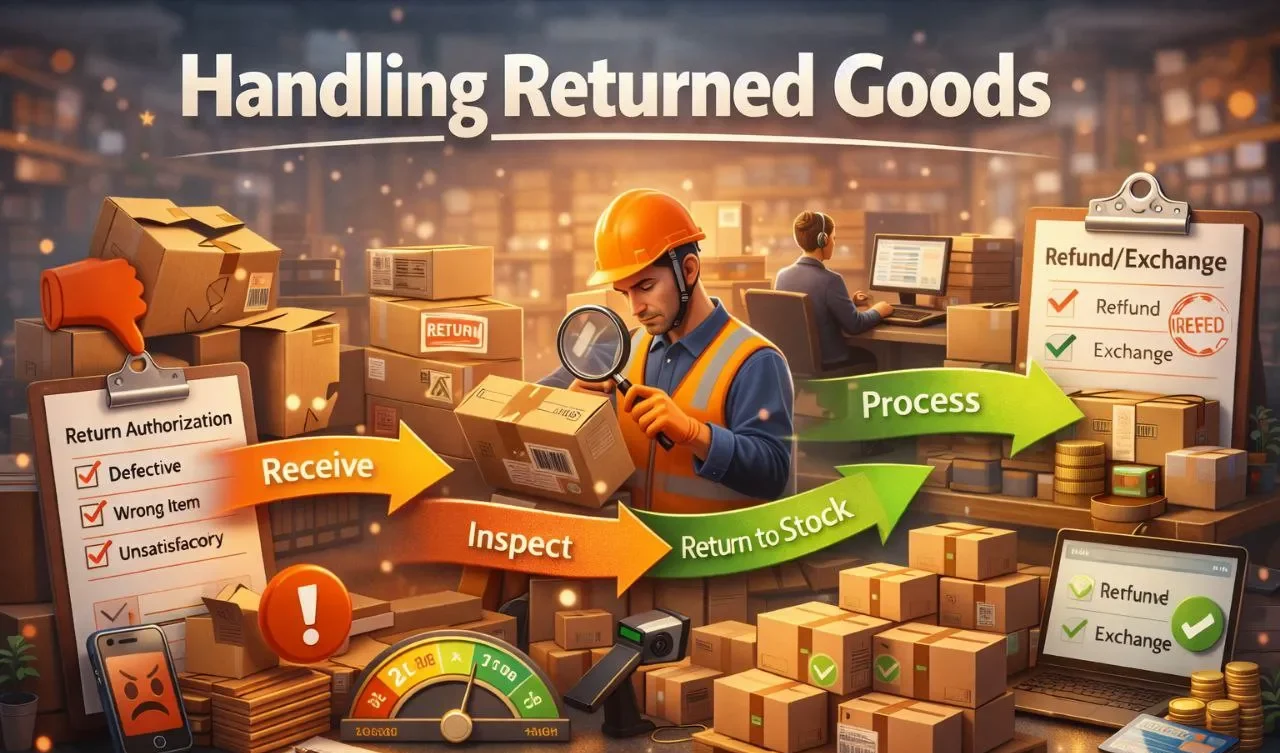
Handling of Return Goods explains procedures for receiving evaluating and managing returned pharmaceutical products. Handling of Return Good Returned goods are pharmaceutical products sent back by distributors, pharmacies, or customers due to various reasons, such as damaged packaging, expired stock, or regulatory issues. Reasons for Product Returns Damaged or defective products (e.g., broken tablet strips, … Read more

Evaluation of complaints

Evaluation of complaints

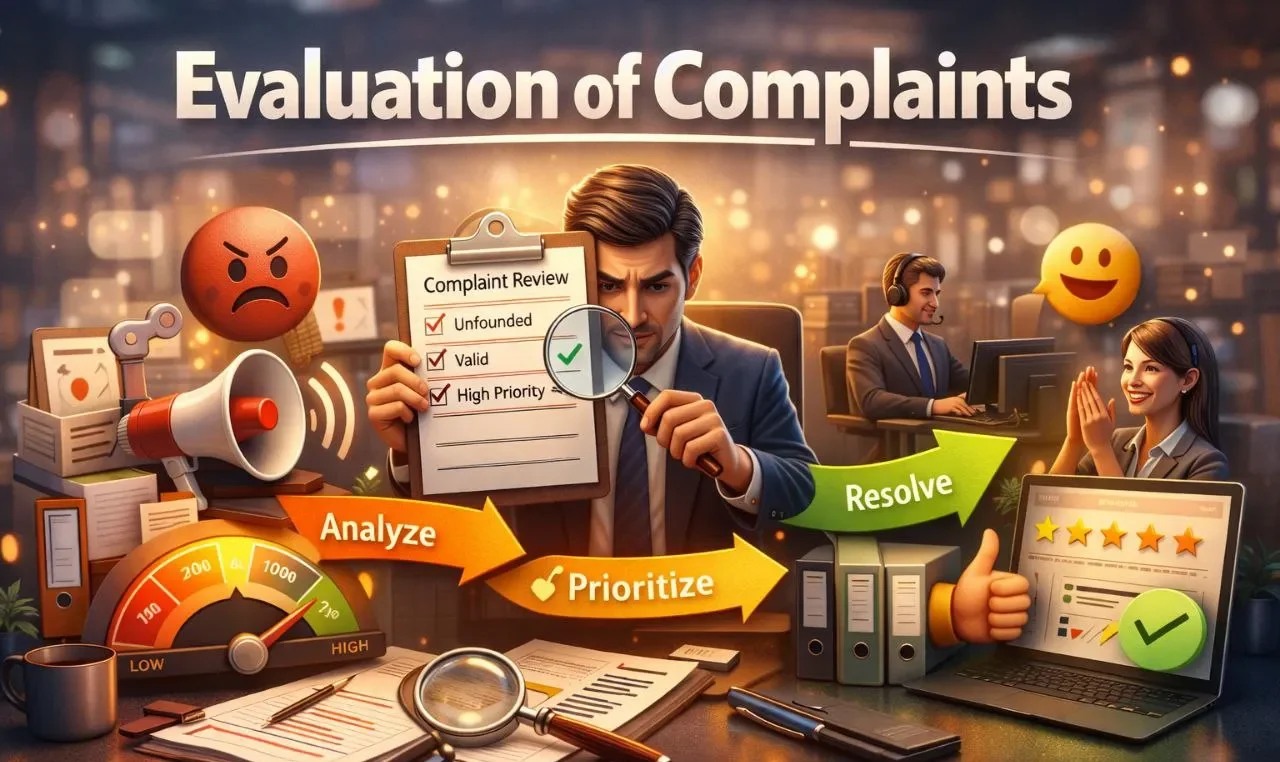
Evaluation of complaints Evaluation of Complaints explains procedures for assessing product complaints and determining corrective actions. Significance The systematic evaluation of complaints is crucial for continuous quality improvement. It serves multiple purposes: Identifies trends or patterns that point to a systemic problem (e.g., recurring manufacturing defect). Enhances risk management by prioritizing complaints based on potential … Read more

Complaints

Complaints

Complaints explain reporting investigation and resolution of issues related to pharmaceutical products and services. Definition and Importance A complaint in the pharmaceutical industry refers to any written, oral, or electronic expression of dissatisfaction related to the quality, safety, efficacy, or performance of a pharmaceutical product. It can come from multiple sources: Patients Healthcare professionals Wholesalers/distributors … Read more

Maintenance of Stores for Raw Materials

Maintenance of Stores for Raw Materials

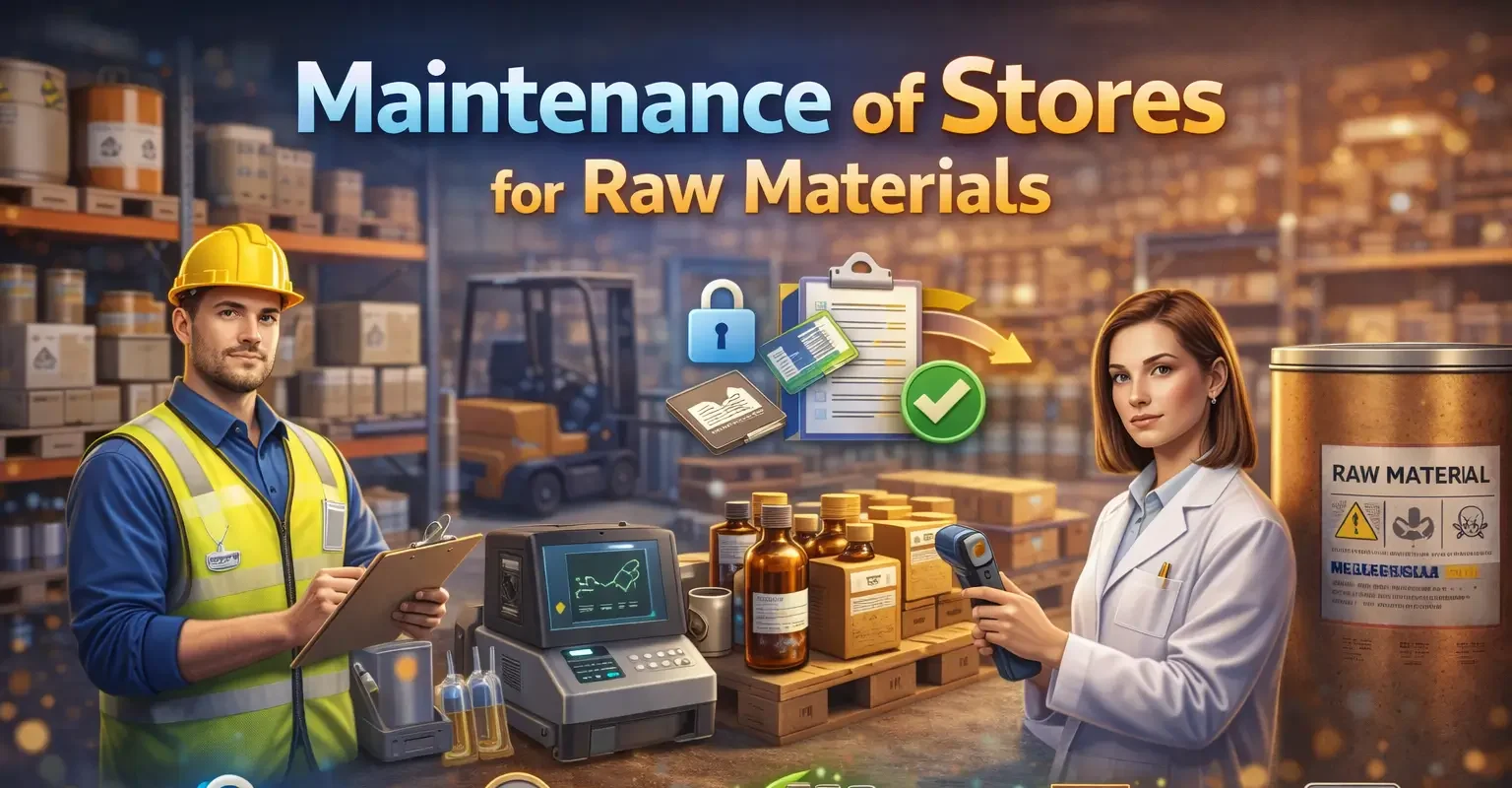
Maintenance of Stores for Raw Materials explains storage conditions handling practices and inventory control to ensure material quality. Maintenance of Stores for Raw Materials Proper storage and handling of raw materials are essential to prevent contamination, degradation, and mix-ups. Storage Conditions Temperature-Controlled Storage Cold chain for temperature-sensitive APIs. Humidity-Controlled Environment Prevents moisture absorption. Proper Segregation … Read more