Apparent Volume of Distribution (Vd)

Apparent Volume of Distribution (Vd)
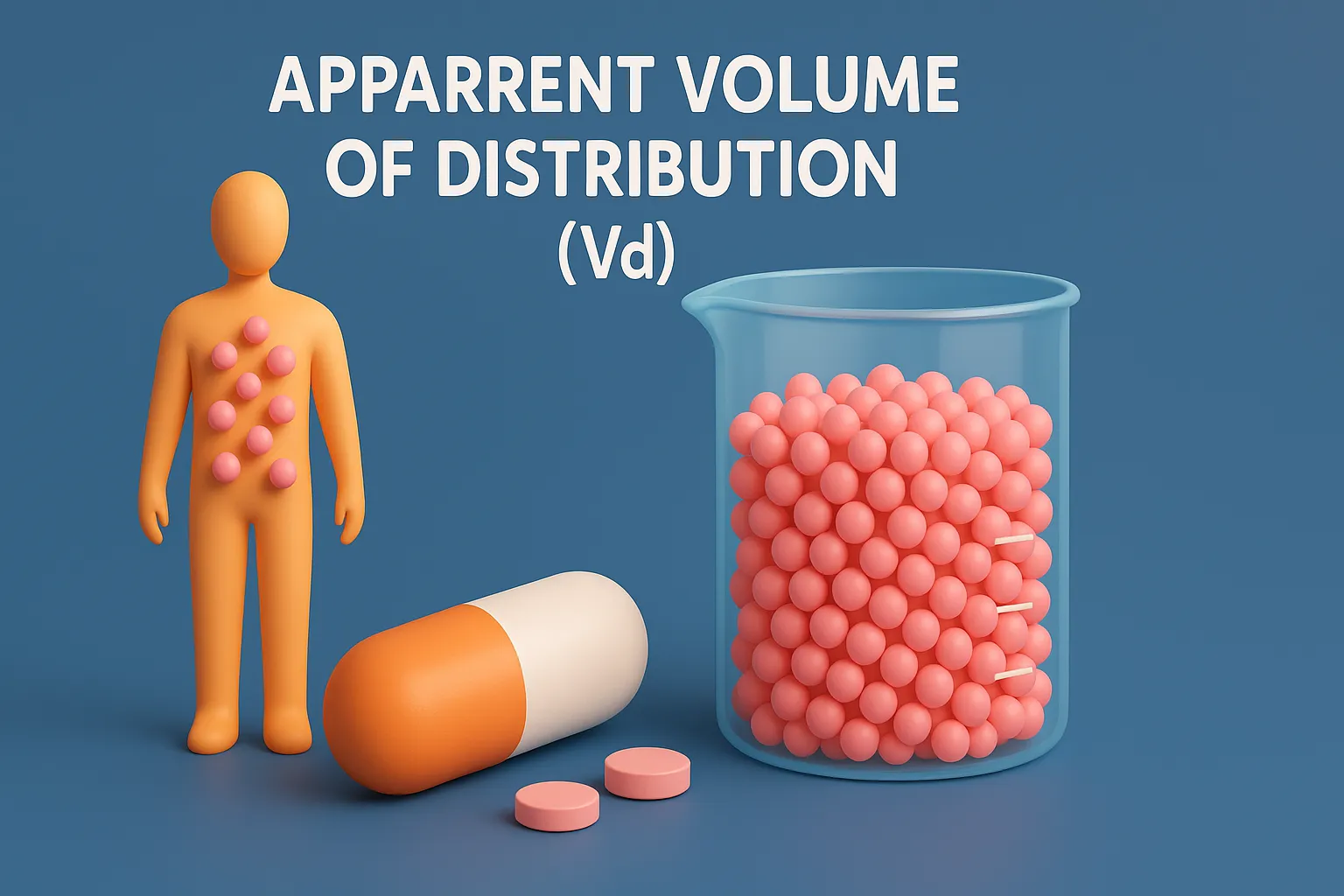
Apparent Volume of Distribution explains drug distribution between plasma and tissues, guiding dosing and pharmacokinetics. Definition: The apparent volume of distribution (Vd) is a theoretical pharmacokinetic parameter that describes the distribution of a drug in the body. It represents the hypothetical volume in which a drug would need to be evenly distributed to match its … Read more
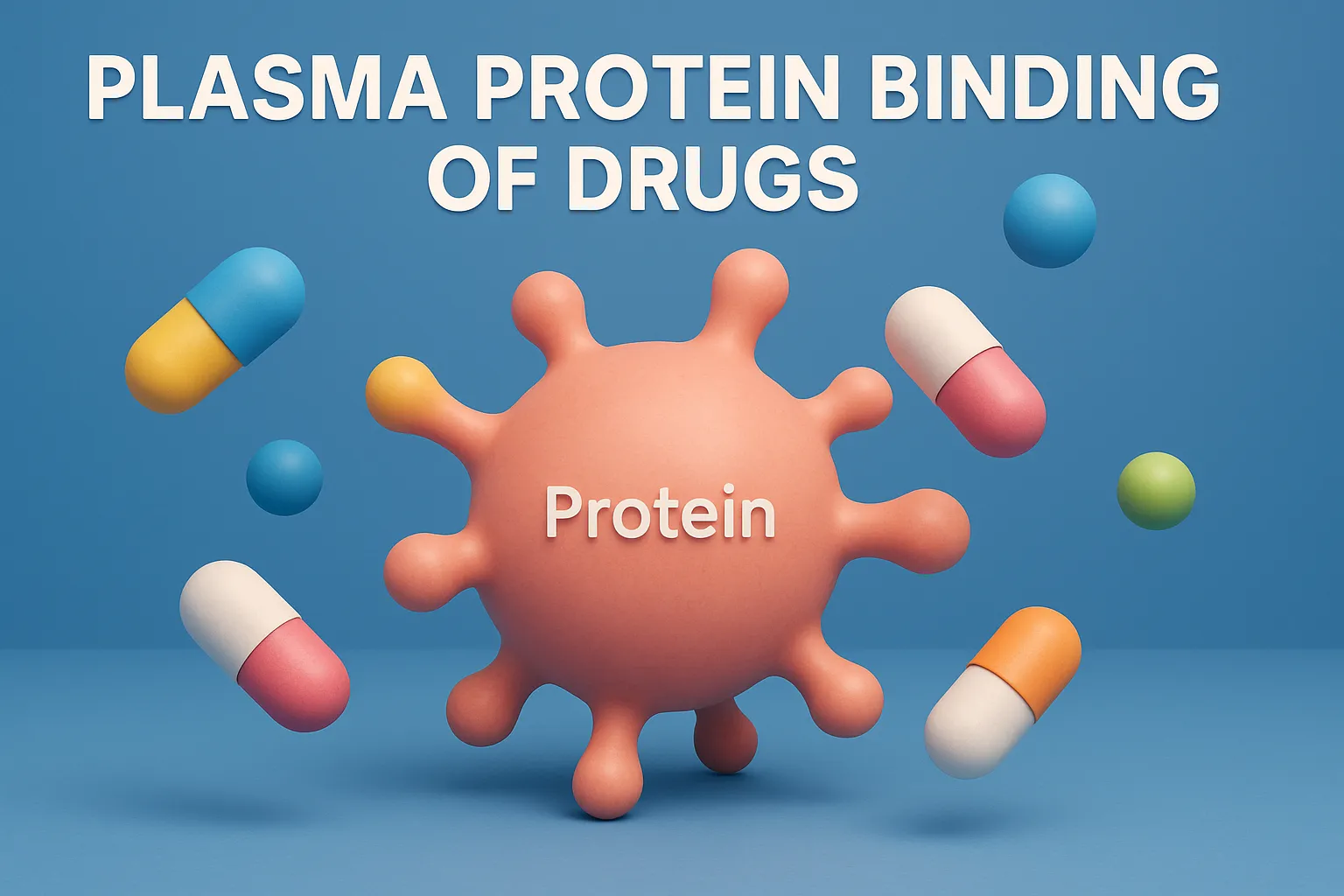
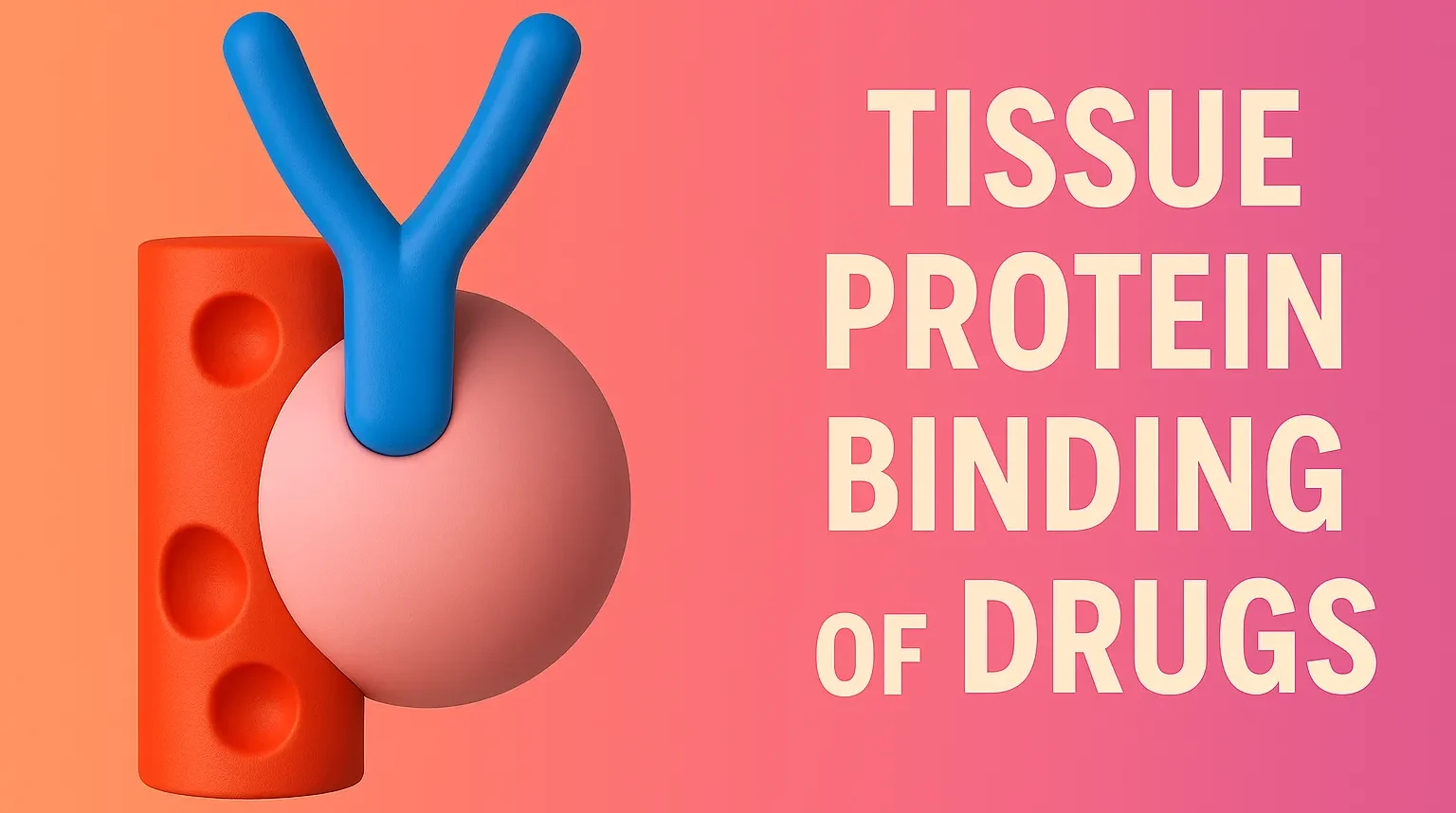
Plasma Protein Binding of Drugs

Plasma Protein Binding of Drugs

Plasma Protein Binding of Drugs affects free drug levels, distribution, efficacy, and elimination in pharmacokinetics. Mechanism of Plasma Protein Binding: Reversible Binding: Drugs form non-covalent interactions (e.g., hydrophobic, hydrogen bonding, electrostatic) with plasma proteins, maintaining a dynamic equilibrium between bound and free drug. Competition for Binding Sites: Multiple drugs can bind to the same site, … Read more

Tissue Protein Binding of Drugs

Tissue Protein Binding of Drugs

Tissue Protein Binding of Drugs influences drug storage, release, duration of action, and overall pharmacological effects. Tissue Protein Binding of Drugs Tissue binding refers to the interaction between drugs and intracellular, extracellular, membrane, or receptor proteins in various organs, affecting drug distribution and elimination. Mechanism of Tissue Protein Binding: Intracellular Binding: Drugs bind to intracellular … Read more

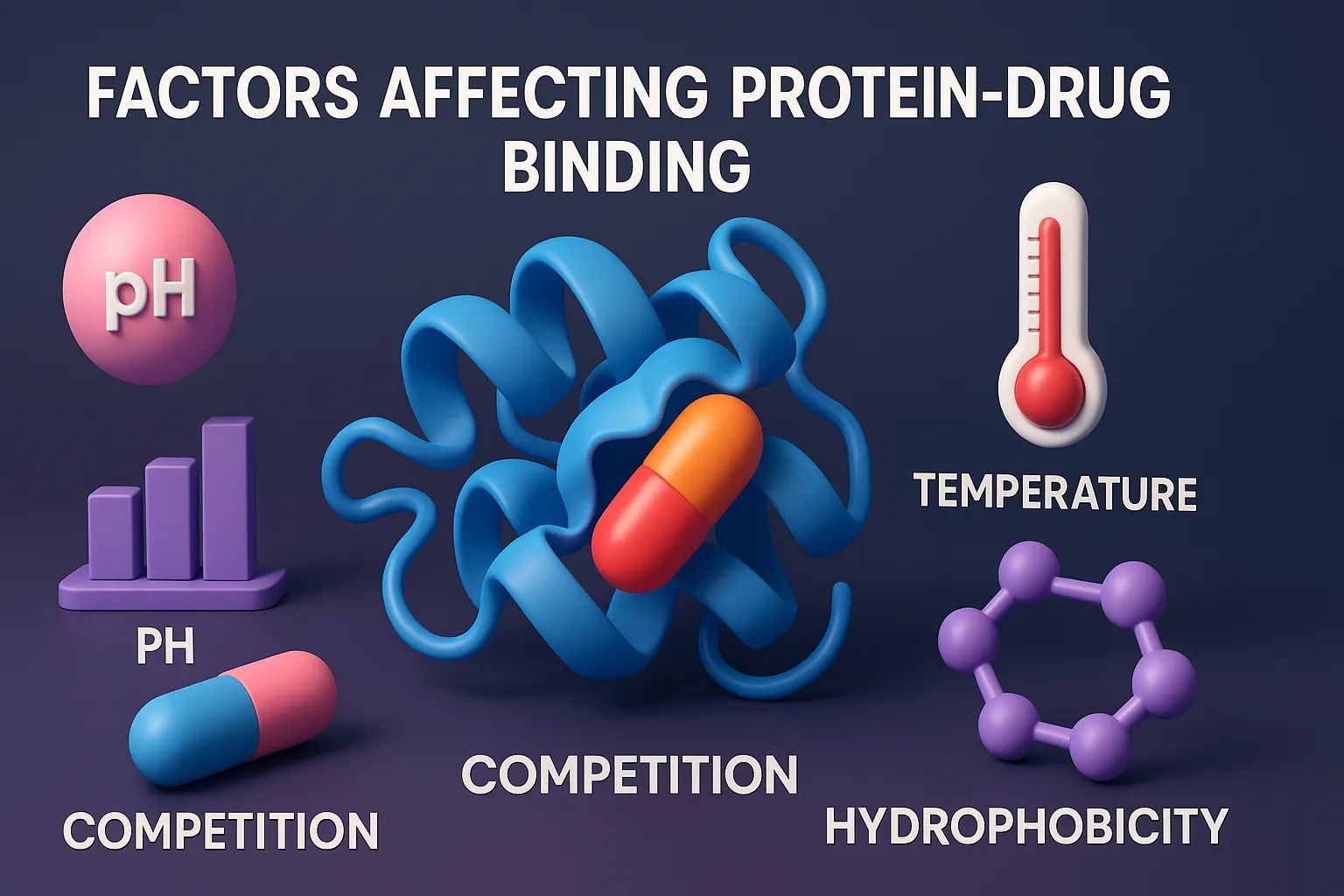
Factors Affecting Protein-Drug Binding

Factors Affecting Protein-Drug Binding

Factors Affecting Protein-Drug Binding include drug concentration, protein levels, affinity, and disease conditions. Protein-drug binding influences pharmacokinetics, pharmacodynamics, and drug efficacy. Several factors determine the extent and specificity of drug binding to proteins. 1. Drug Properties Chemical Structure Size, shape, and functional groups influence binding affinity. Similar drugs may compete for the same binding site. … Read more

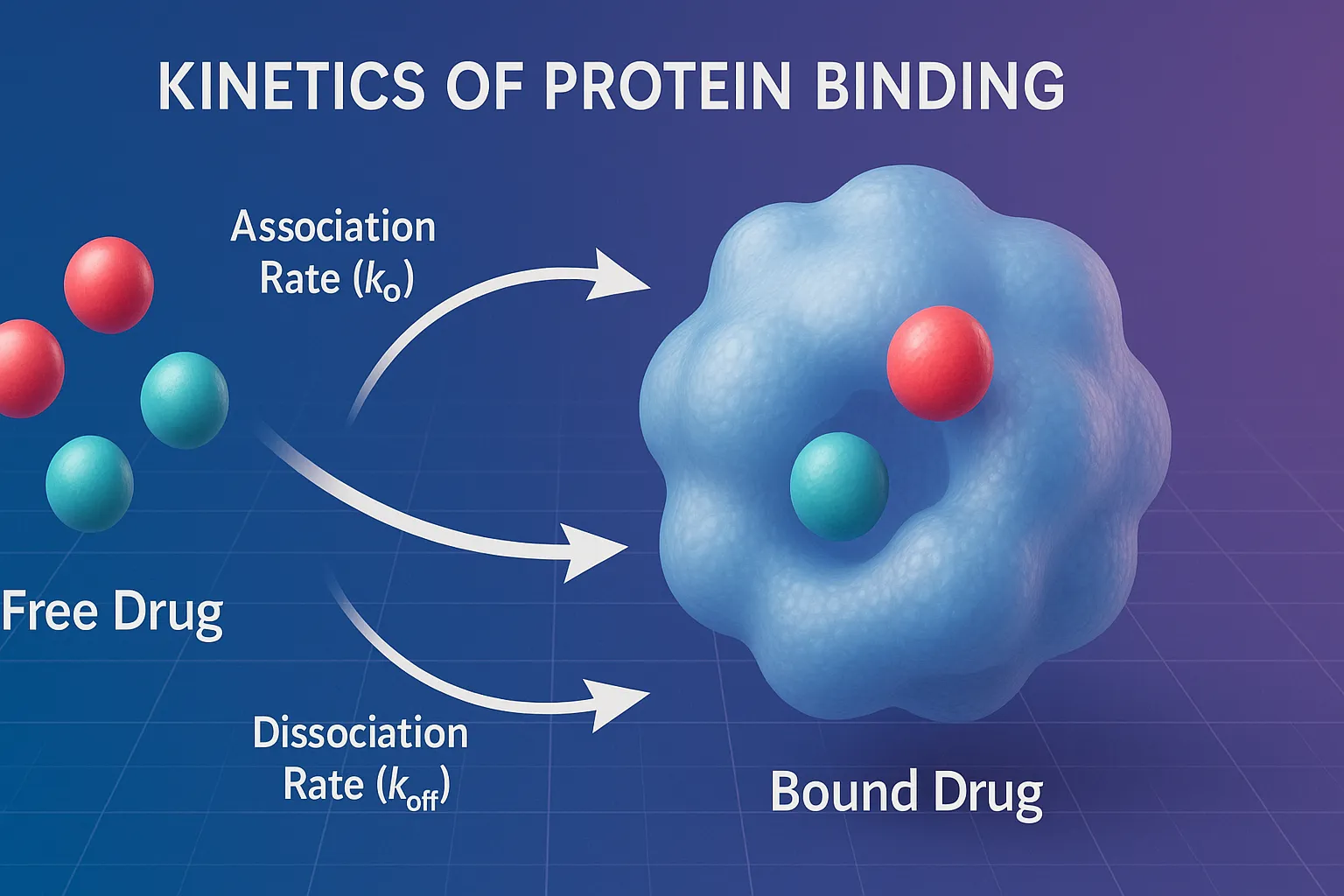
Kinetics of Protein Binding

Kinetics of Protein Binding

Kinetics of Protein Binding describes drug–protein association and dissociation rates impacting pharmacokinetics and dynamics. Protein binding kinetics describes the interaction between a drug (D) and a protein (P) to form a drug-protein complex (DP). This process follows a reversible equilibrium: $D + P \;\rightleftharpoons\; DP$ Rate of Drug-Protein Binding The association and dissociation of drug-protein … Read more

Clinical significance of protein binding of drugs

Clinical significance of protein binding of drugs

Clinical significance of protein binding of drugs lies in its effect on drug action, half-life, interactions, and therapeutic outcomes. Clinical significance of protein binding of drugs Protein binding significantly impacts a drug’s pharmacokinetics, pharmacodynamics, and therapeutic effectiveness. Understanding this process is crucial for optimizing drug therapy. Drug Distribution Only the unbound (free) drug can cross … Read more

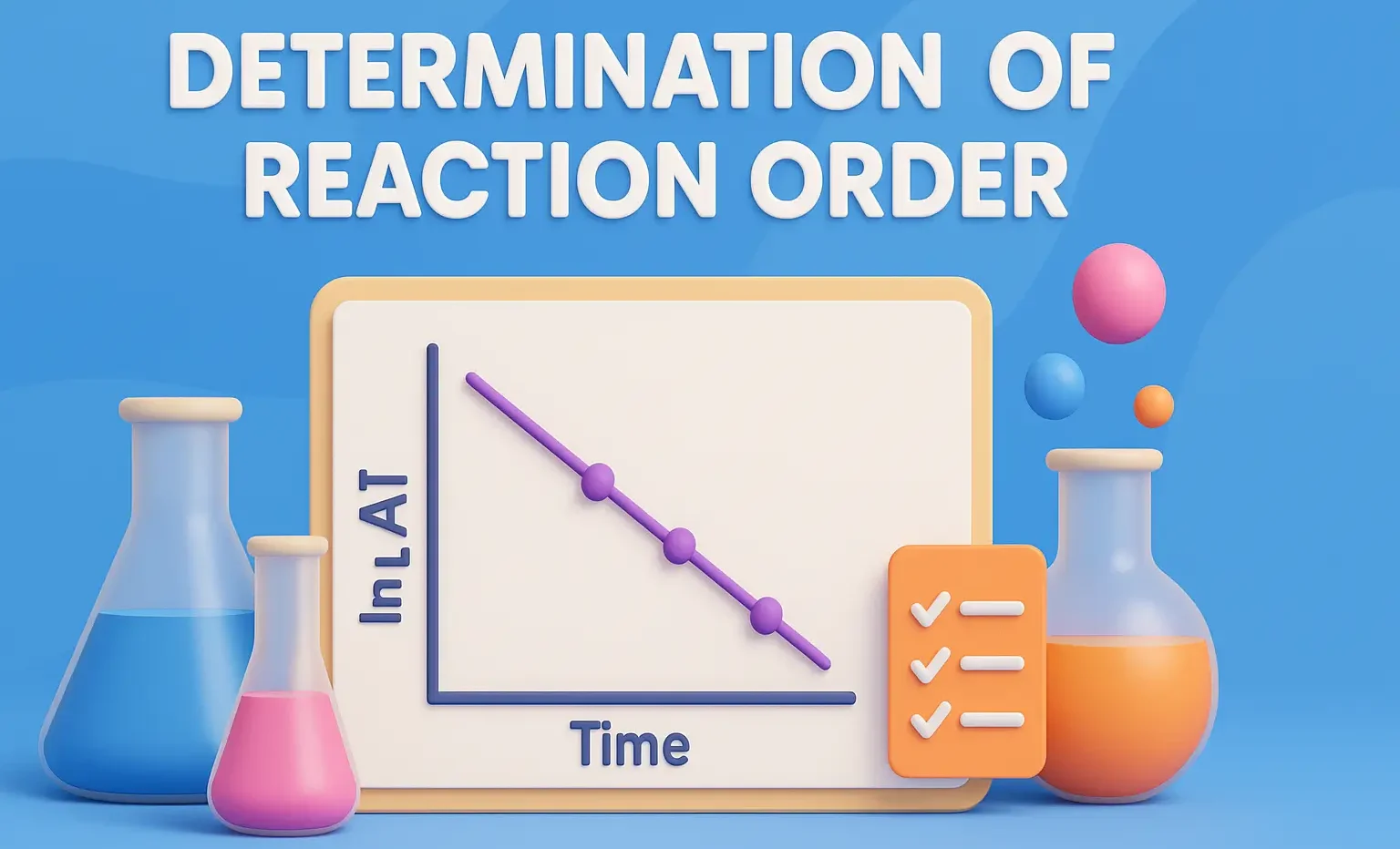
Determination of Reaction Order

Determination of Reaction Order

Determination of Reaction Order defines how reactant concentration influences reaction rate. Determining the order of a degradation reaction involves monitoring concentration over time and fitting data to various integrated rate equations. Methods of Determination of Reaction Order: Graphical Method Plot concentration vs. time for different rate laws: Zero order: [A] vs. time (linear) First order: … Read more

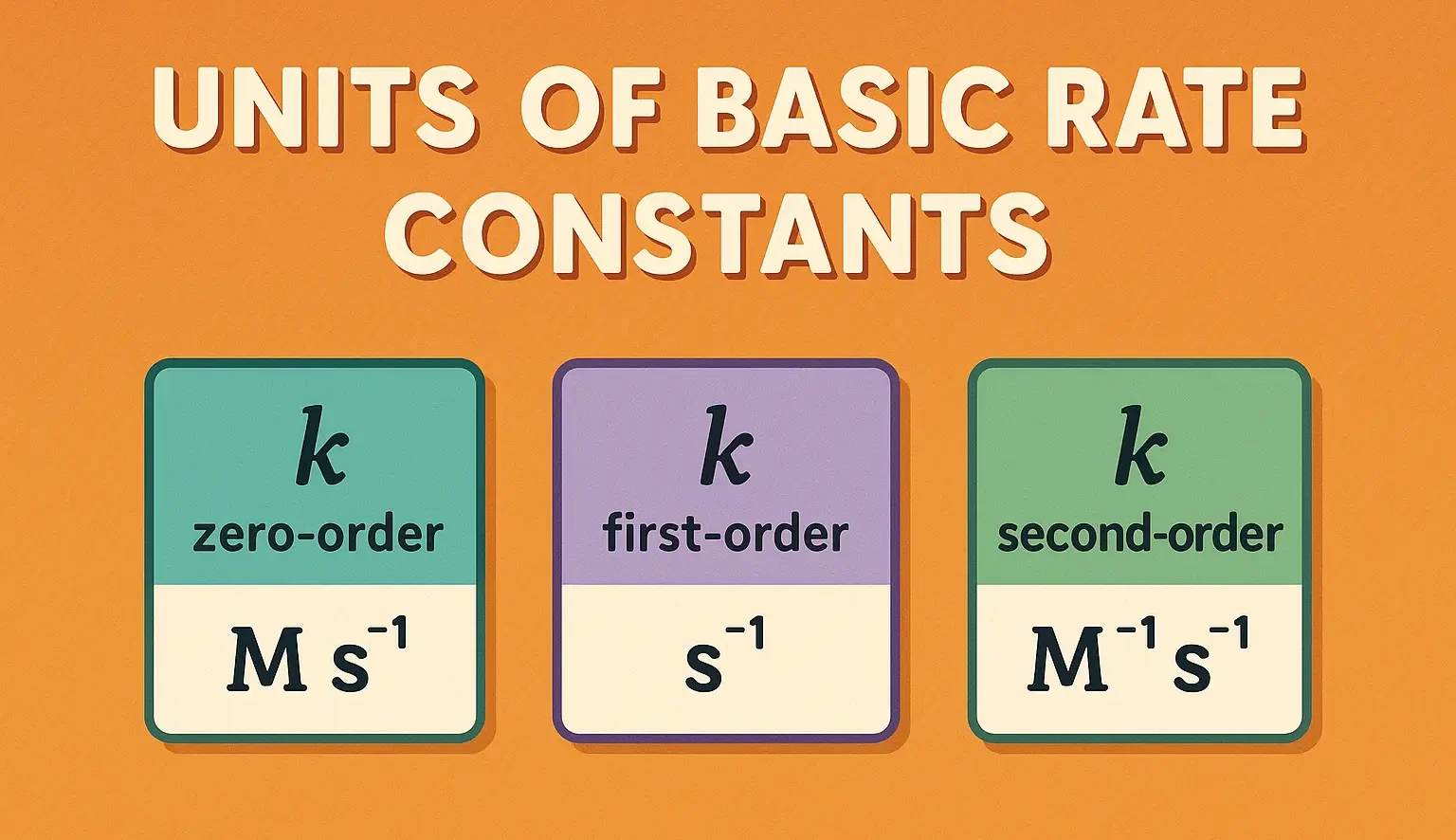
Units of Basic Rate Constants

Units of Basic Rate Constants

The units of k depend on the reaction order. To ensure the rate has units of concentration/time (e.g., mol/L·s), units of k vary: Reaction Order Rate Expression Units of k Zero Rate = k mol·L⁻¹·s⁻¹ or concentration/time First Rate = s⁻¹ or time⁻¹ Second Rate = L·mol⁻¹·s⁻¹ or concentration⁻¹·time⁻¹v

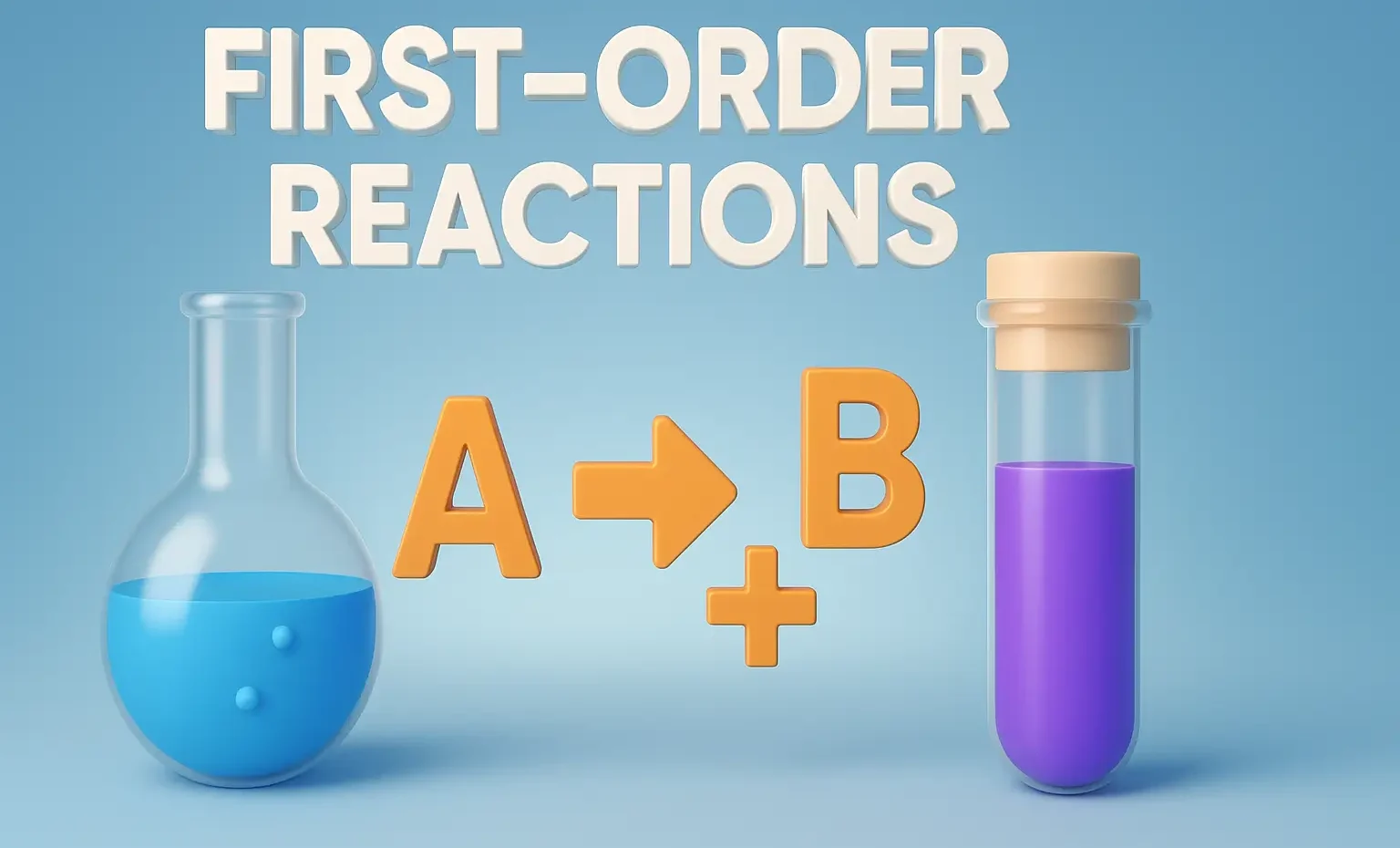
First-Order Reactions

First-Order Reactions

First-Order Reactions are vital in drug stability, absorption, and pharmacokinetic studies. Definition: Rate of degradation is proportional to the concentration of the drug. Rate law: Derivation: Separate variables: $\text{Rate} = -\frac{d[A]}{dt} = k[A]$ Integrate both sides: $\frac{d[A]}{[A]} = -k \, dt$ Integrated form: $\int_{[A]_0}^{[A]} \frac{d[A]}{[A]} = -k \int_{0}^{t} dt$ $\ln [A] – \ln [A]_0 = … Read more

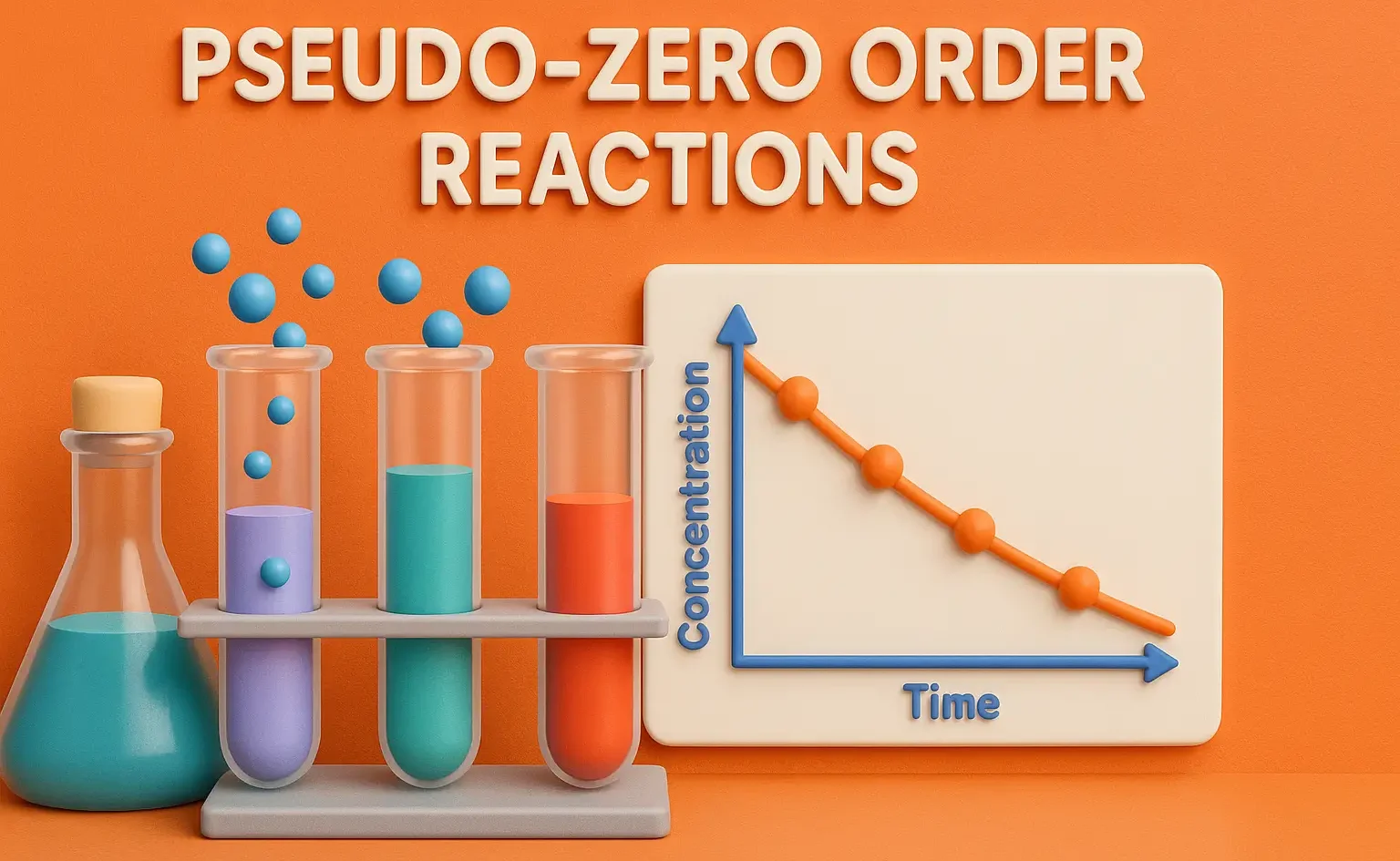
Pseudo-Zero Order Reactions

Pseudo-Zero Order Reactions

Pseudo-Zero Order Reactions are key in controlled drug delivery ensuring steady plasma levels. Not a true kinetic order, but appears zero-order due to constant concentration of one or more reactants. Occurs when a reactant is in large excess or is replenished (e.g., oxygen or water in excess). Often used in formulation studies where degradation appears … Read more