
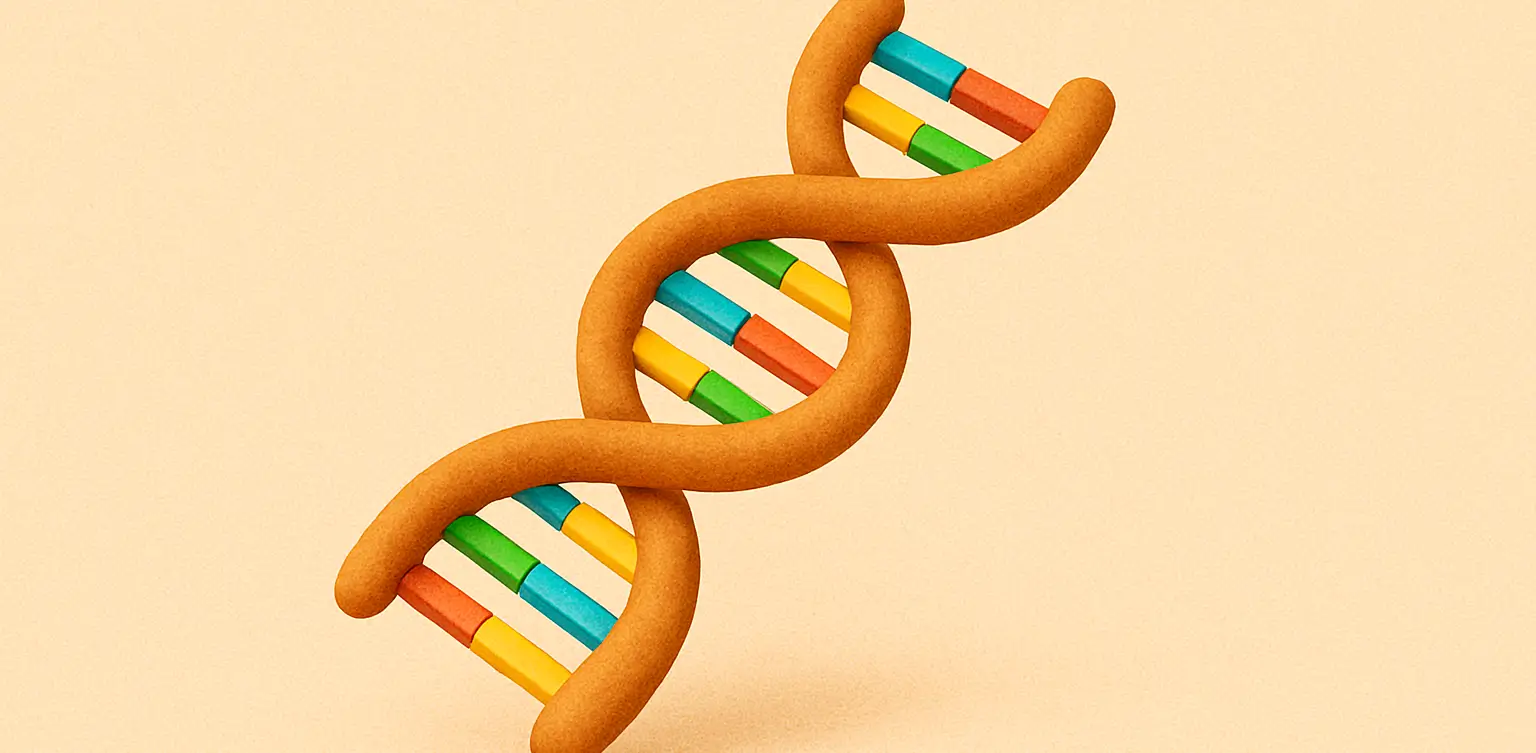
- DNA ligase is an enzyme essential for DNA replication and repair.
- It catalyzes the formation of phosphodiester bonds between adjacent nucleotides, sealing breaks in the sugar-phosphate backbone of DNA.
-
Mechanism of Action
- Catalyzes the formation of phosphodiester bonds between 3′-OH and 5′-phosphate ends of DNA strands.
- Requires ATP or NAD+ as an energy source.
-
Specificity
- Highly specific for joining complementary DNA strands at the break site.
- Can distinguish between single-stranded and double-stranded DNA ends.
-
Applications
- Used in molecular biology and genetic engineering techniques:
- DNA cloning – joins compatible DNA fragments to form recombinant DNA.
- Gene synthesis, site-directed mutagenesis, and DNA sequencing.
Types of DNA Ligase
-
Eukaryotic Types:
- DNA Ligase I – Involved in DNA replication.
- DNA Ligase III – Functions in DNA repair.
- DNA Ligase IV – Involved in double-strand break repair.
-
Prokaryotic DNA Ligase:
- A single type, similar in function to DNA Ligase I in eukaryotes.
Advertisements