
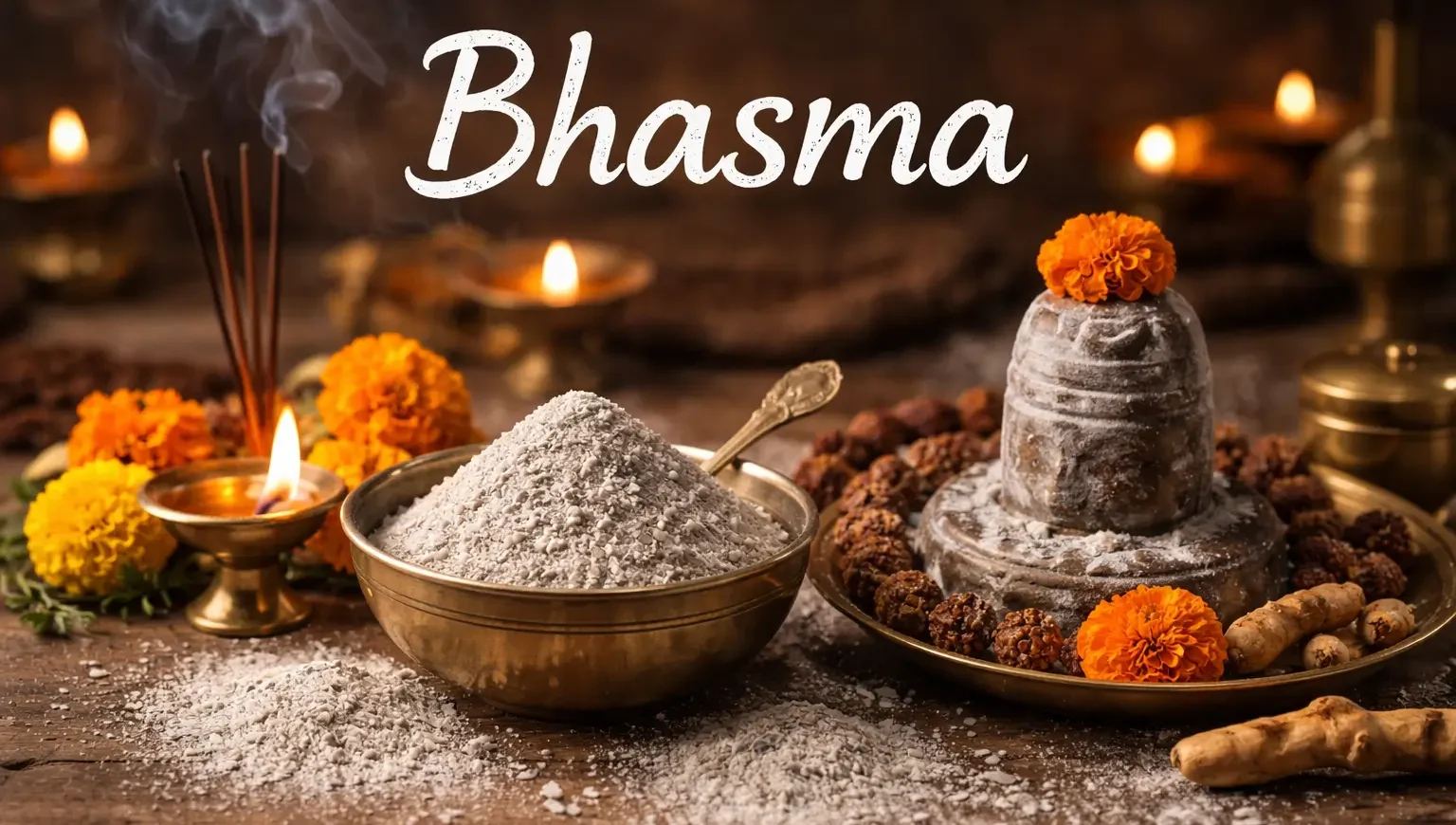
Definition of Bhasma
- Bhasma refers to calcined preparations of metals, minerals, or animal products (e.g., pearls, shells) used therapeutically in Ayurveda.
- Bhasmas are often used for their potent Rasayana (rejuvenating) effects, but they must be carefully prepared to ensure safety.
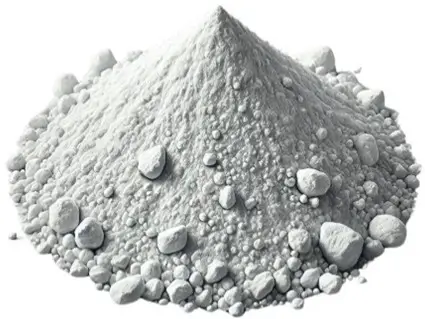
Preparation Steps (Generalized)
-
Shodhana (Purification):
- Raw metals/minerals are repeatedly subjected to processes (like washing in herbal juices, heating, quenching in specific liquids) to remove impurities and reduce toxicity.
-
Marana (Calcination):
- The purified substance is ground with herbal juices or other reagents to create a paste.
- The paste is placed in earthen crucibles and calcined (heated to high temperatures in a pit furnace), a process often repeated multiple times (Puta system).
- Repeated incineration at carefully controlled temperatures transforms metals/minerals into microfine, bioavailable ash.
-
Amrutikarana (Enhancement) [optional step]:
- Sometimes post-calcination processes further detoxify and potentiate the ash.
Advertisements
Standardization
- Physical Assessment: Finely divided, lustrous, characteristic color, floating test (for certain bhasmas).
- Particle Size: Often in the nanometer to micron scale.
- Chemical Analysis: X-ray diffraction (XRD), atomic absorption spectroscopy (AAS), or ICP-MS to confirm the form of the metal/oxide and ensure absence of toxic residues.
- Safety Studies: Because heavy metals are involved, rigorous toxicity testing is critical.