Waste Disposal

Waste Disposal

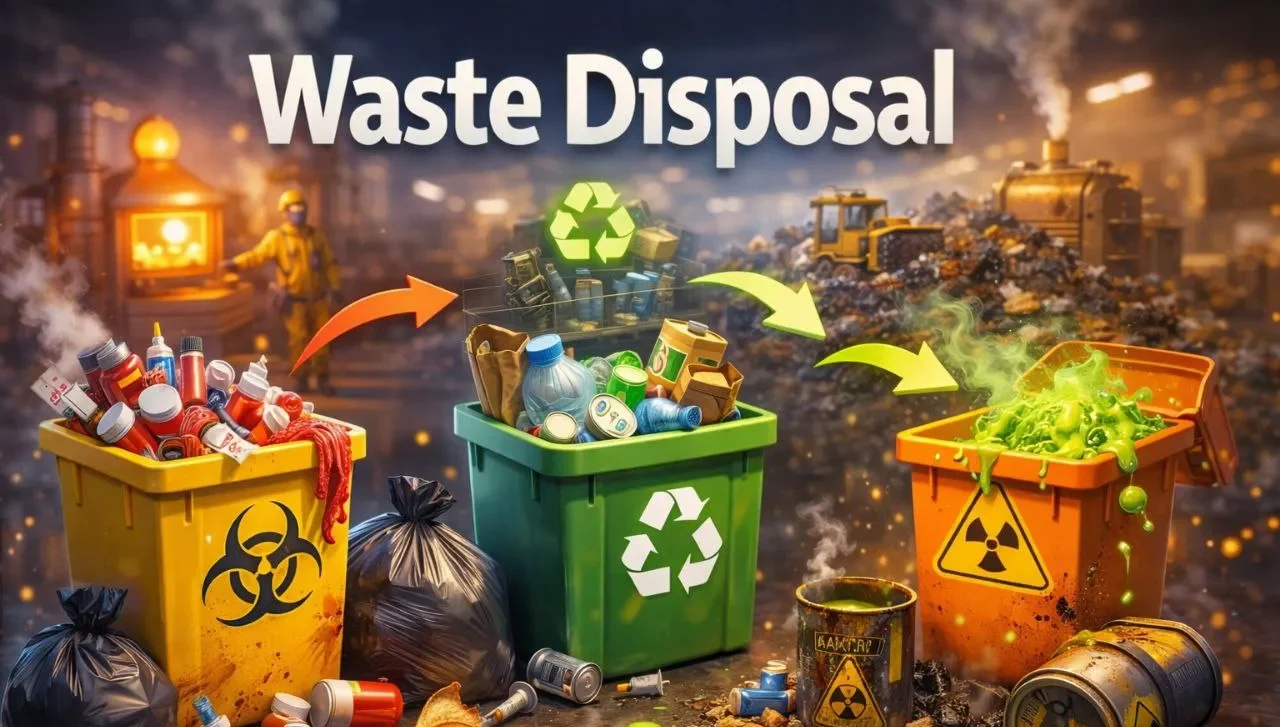
Waste Disposal explains safe handling treatment and disposal of pharmaceutical waste to protect health and environment. Definition and Relevance Pharmaceutical waste includes: Expired, damaged, or contaminated products Laboratory reagents and chemicals Manufacturing by-products Recalled and non-recoverable items Proper disposal prevents misuse, environmental pollution, and regulatory violations. Types of Pharmaceutical Waste Expired or Unused Medicines – … Read more
Product Recall

Product Recall

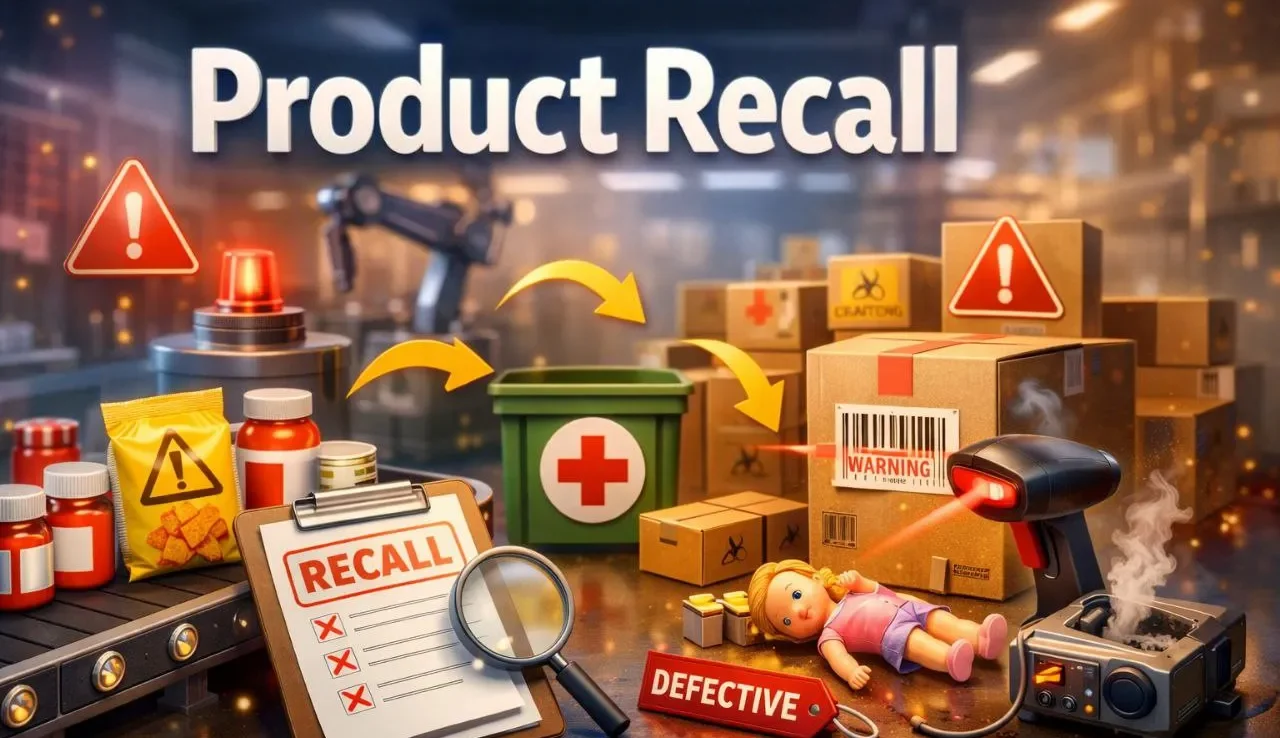
A recall is an action taken to remove a defective or potentially harmful pharmaceutical product from the market. Recalls can be voluntary (initiated by the manufacturer) or mandatory (ordered by regulatory authorities). Classification of Recalls Recalls are classified based on the severity of the risk: Class I Recall (Most Critical) Involves products that can cause … Read more

Handling of Return Good

Handling of Return Good

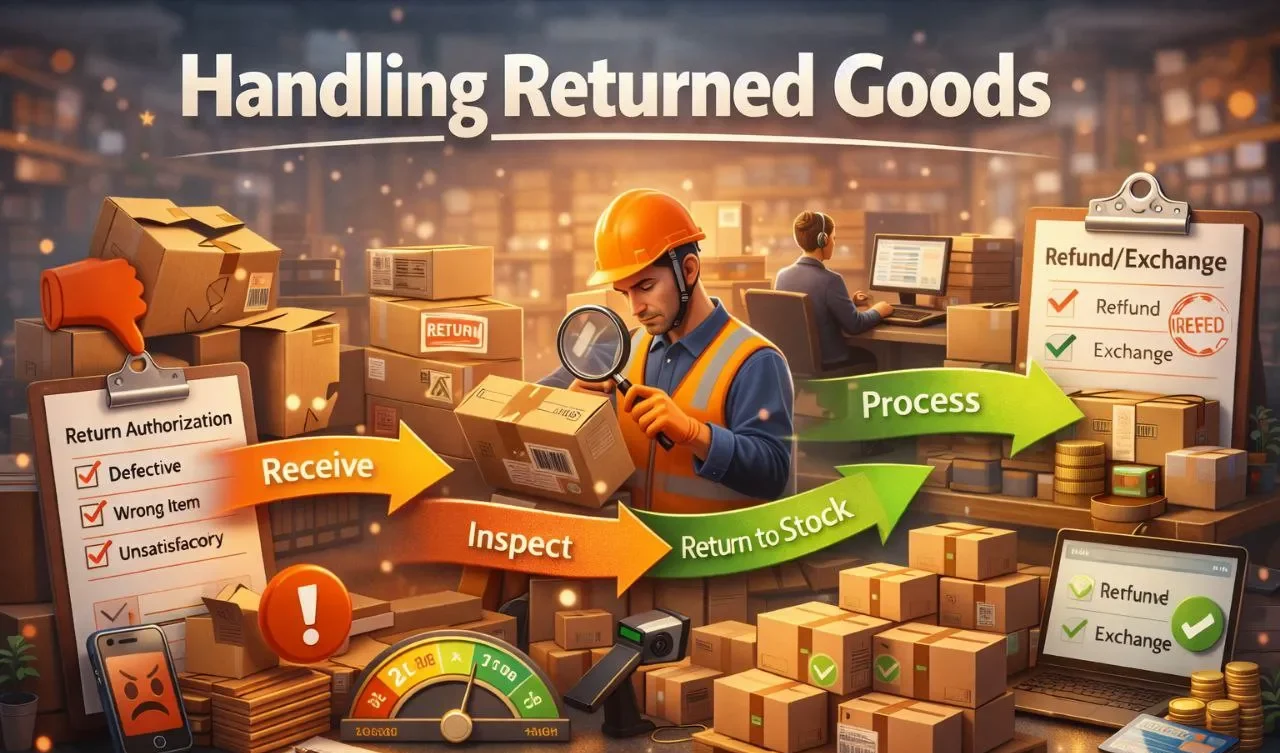
Handling of Return Goods explains procedures for receiving evaluating and managing returned pharmaceutical products. Handling of Return Good Returned goods are pharmaceutical products sent back by distributors, pharmacies, or customers due to various reasons, such as damaged packaging, expired stock, or regulatory issues. Reasons for Product Returns Damaged or defective products (e.g., broken tablet strips, … Read more

Evaluation of complaints

Evaluation of complaints

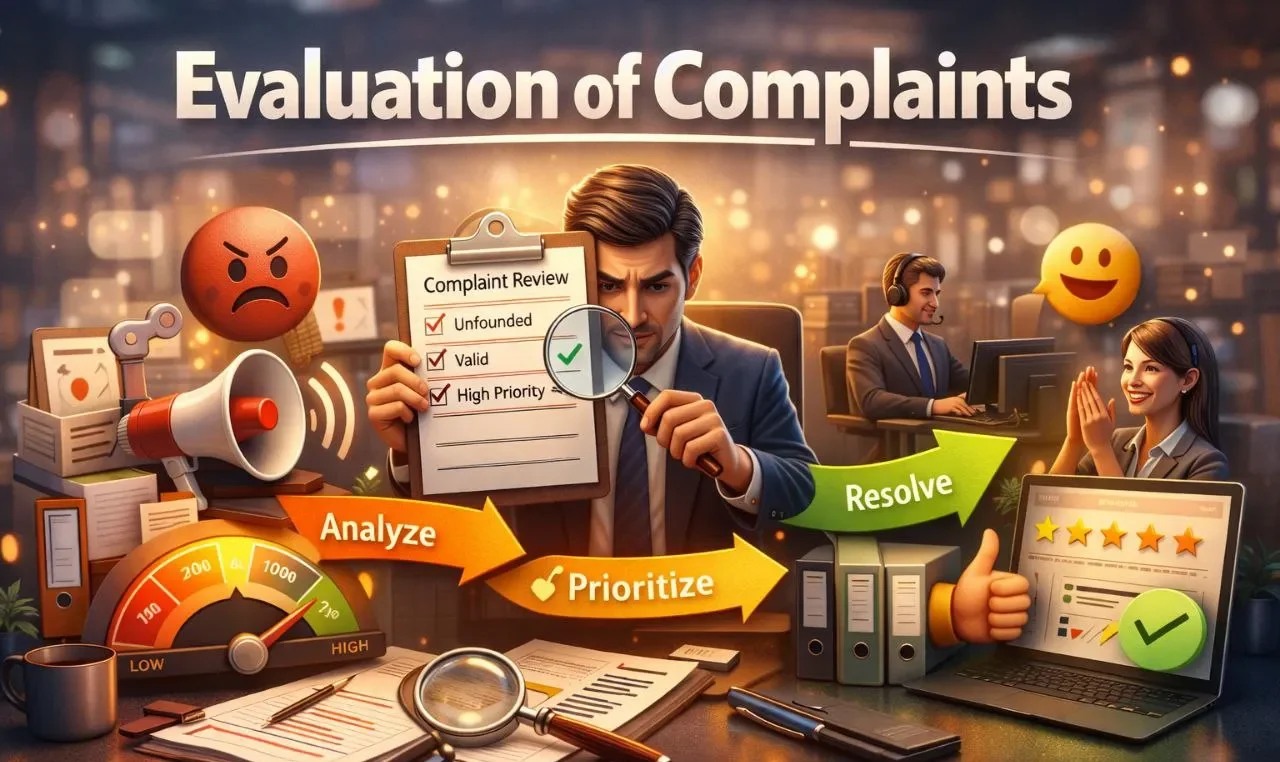
Evaluation of complaints Evaluation of Complaints explains procedures for assessing product complaints and determining corrective actions. Significance The systematic evaluation of complaints is crucial for continuous quality improvement. It serves multiple purposes: Identifies trends or patterns that point to a systemic problem (e.g., recurring manufacturing defect). Enhances risk management by prioritizing complaints based on potential … Read more

Complaints

Complaints

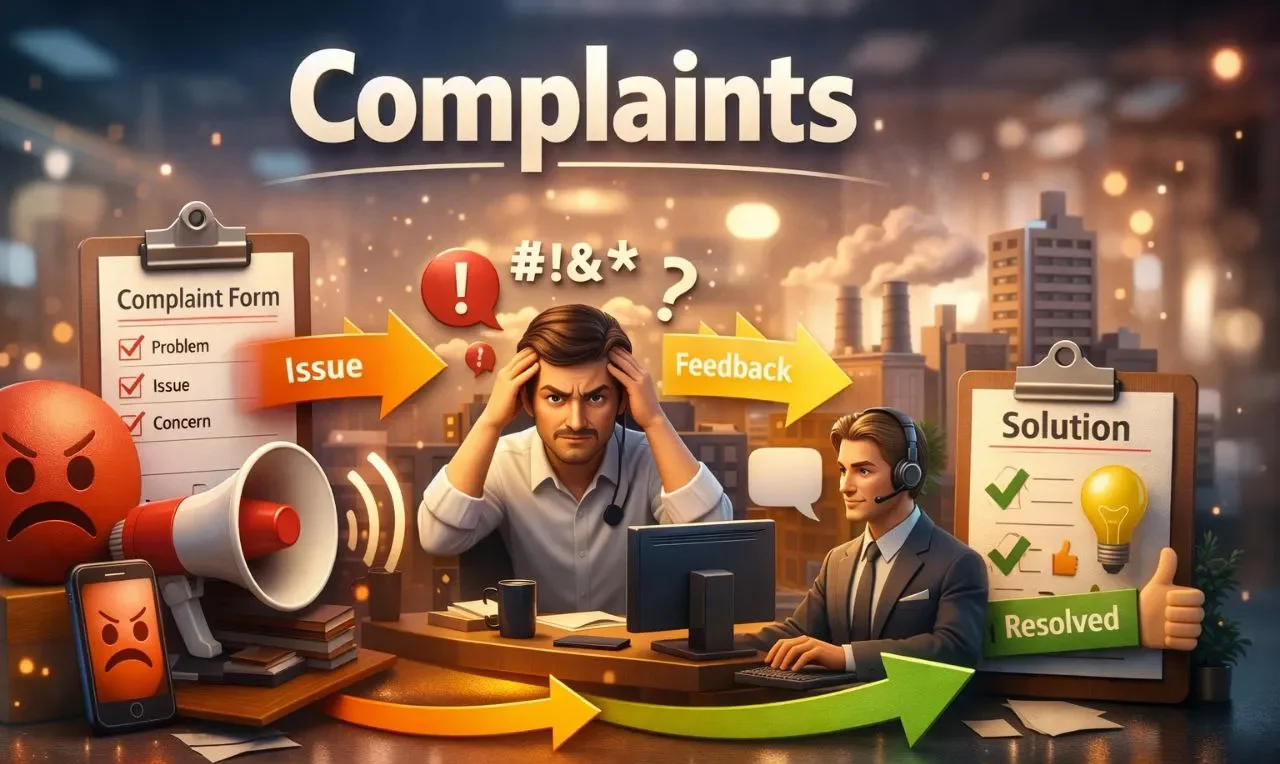
Complaints explain reporting investigation and resolution of issues related to pharmaceutical products and services. Definition and Importance A complaint in the pharmaceutical industry refers to any written, oral, or electronic expression of dissatisfaction related to the quality, safety, efficacy, or performance of a pharmaceutical product. It can come from multiple sources: Patients Healthcare professionals Wholesalers/distributors … Read more

Maintenance of Stores for Raw Materials

Maintenance of Stores for Raw Materials

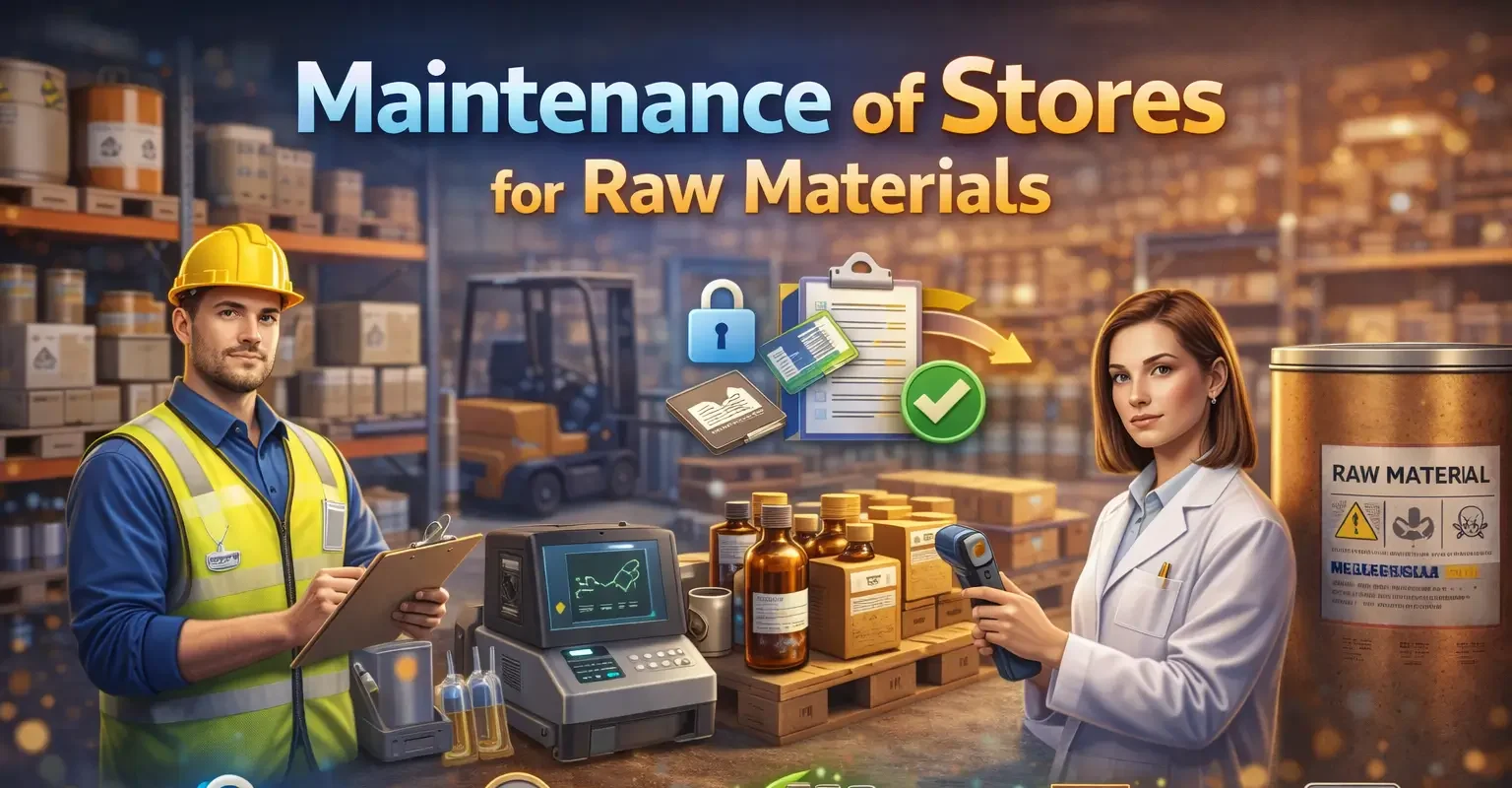
Maintenance of Stores for Raw Materials explains storage conditions handling practices and inventory control to ensure material quality. Maintenance of Stores for Raw Materials Proper storage and handling of raw materials are essential to prevent contamination, degradation, and mix-ups. Storage Conditions Temperature-Controlled Storage Cold chain for temperature-sensitive APIs. Humidity-Controlled Environment Prevents moisture absorption. Proper Segregation … Read more

Purchase Specifications for Raw Materials

Purchase Specifications for Raw Materials

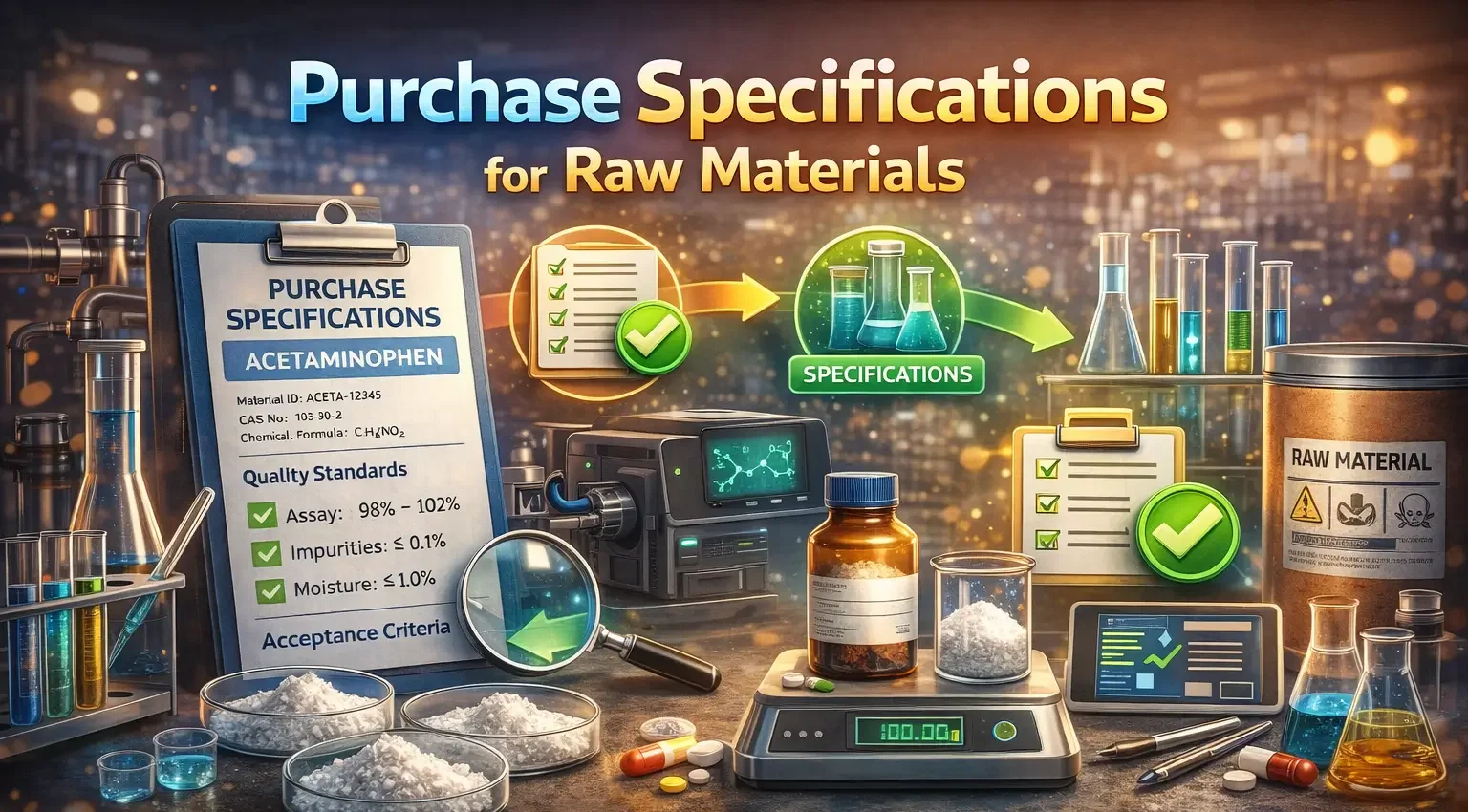
Purchase Specifications for Raw Materials explain quality standards testing requirements and documentation for pharmaceutical raw material procurement. Purchase Specifications for Raw Materials Clear specifications ensure quality consistency and regulatory compliance of incoming materials, directly impacting final product quality. Typical Elements of Raw Material Specifications: Identification and description: Clearly defined chemical, physical, or biological properties. Quality … Read more

Personnel Hygiene

Personnel hygiene is essential to prevent contamination of pharmaceutical products, especially critical in sterile manufacturing environments. Key Hygiene Practices: Regular handwashing and sanitation procedures. Use of protective garments such as gloves, masks, gowns, hairnets, and shoe covers. Avoidance of jewellery, cosmetics, or personal items in production areas. Regular health check-ups to ensure personnel do not … Read more

Maintenance of Equipment

Maintenance of Equipment

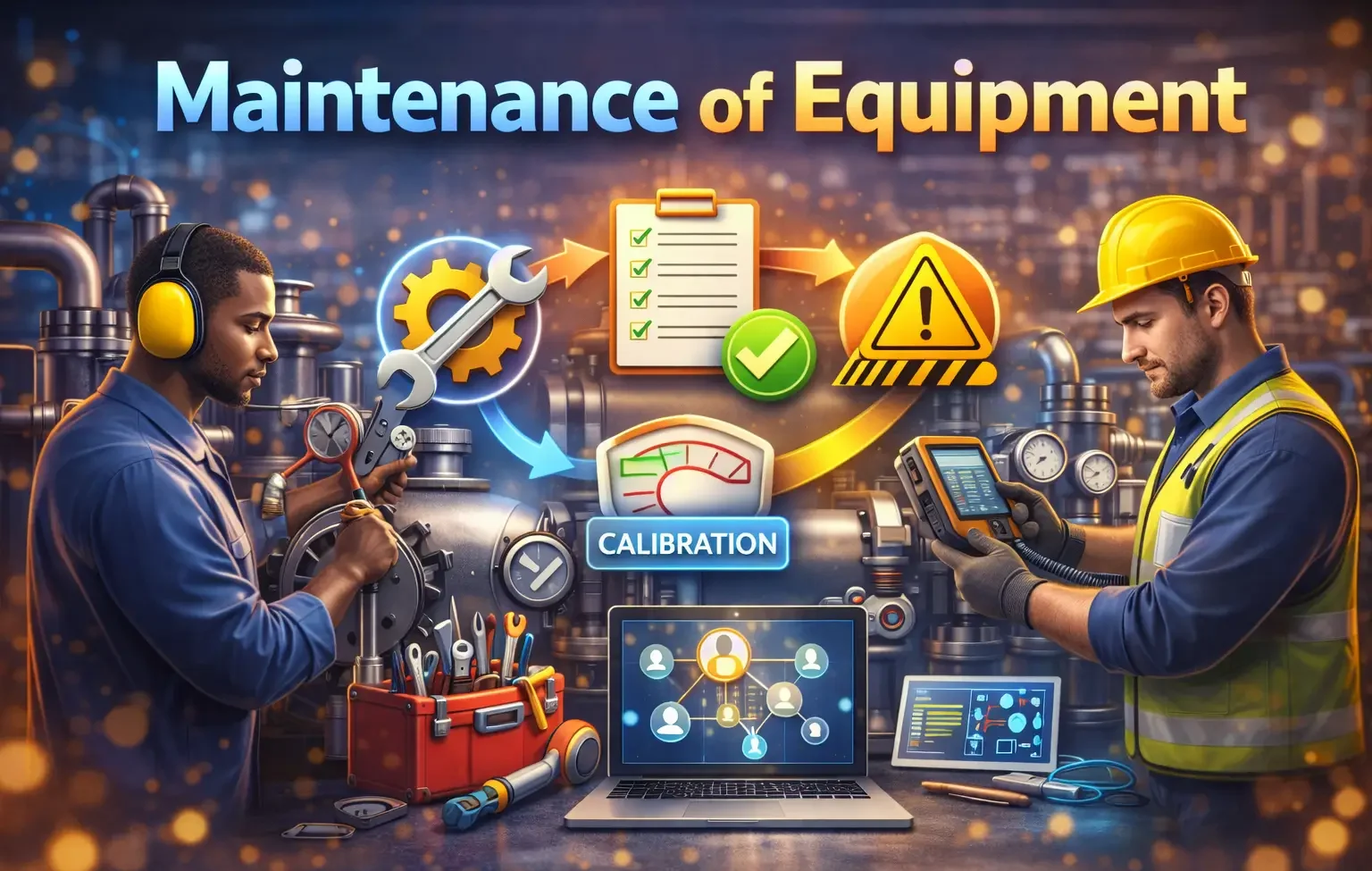
Regular maintenance of equipment is essential to ensure consistent performance, prevent breakdowns, and comply with GMP guidelines. Types of Maintenance Preventive Maintenance: Scheduled servicing, lubrication, and cleaning of equipment. Regular calibration of instruments (e.g., balances, temperature sensors). Inspection of wear and tear (belts, motors, filters). Corrective Maintenance: Immediate repair of breakdowns or faults. Replacement of … Read more

Purchase Specifications for Equipment

Purchase Specifications for Equipment

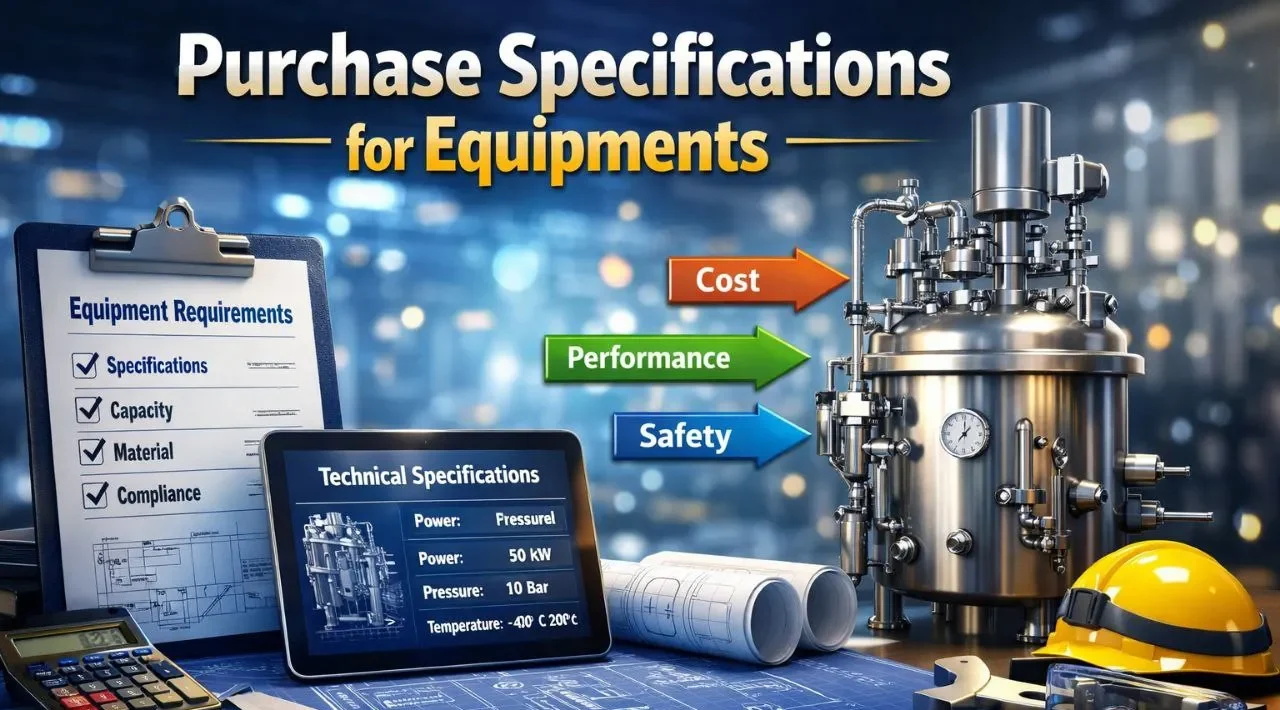
Purchase Specifications for Equipment explain technical requirements standards and documentation for procuring pharmaceutical machinery. To ensure quality, purchase specifications should be clearly defined before procuring pharmaceutical equipment. Key Purchase Specifications Equipment Description (Type, function, and application). Material of Construction (Stainless steel grade, non-reactive coatings). Capacity & Performance Requirements (Batch size, speed, accuracy). Automation & Control … Read more