Introduction of Change control
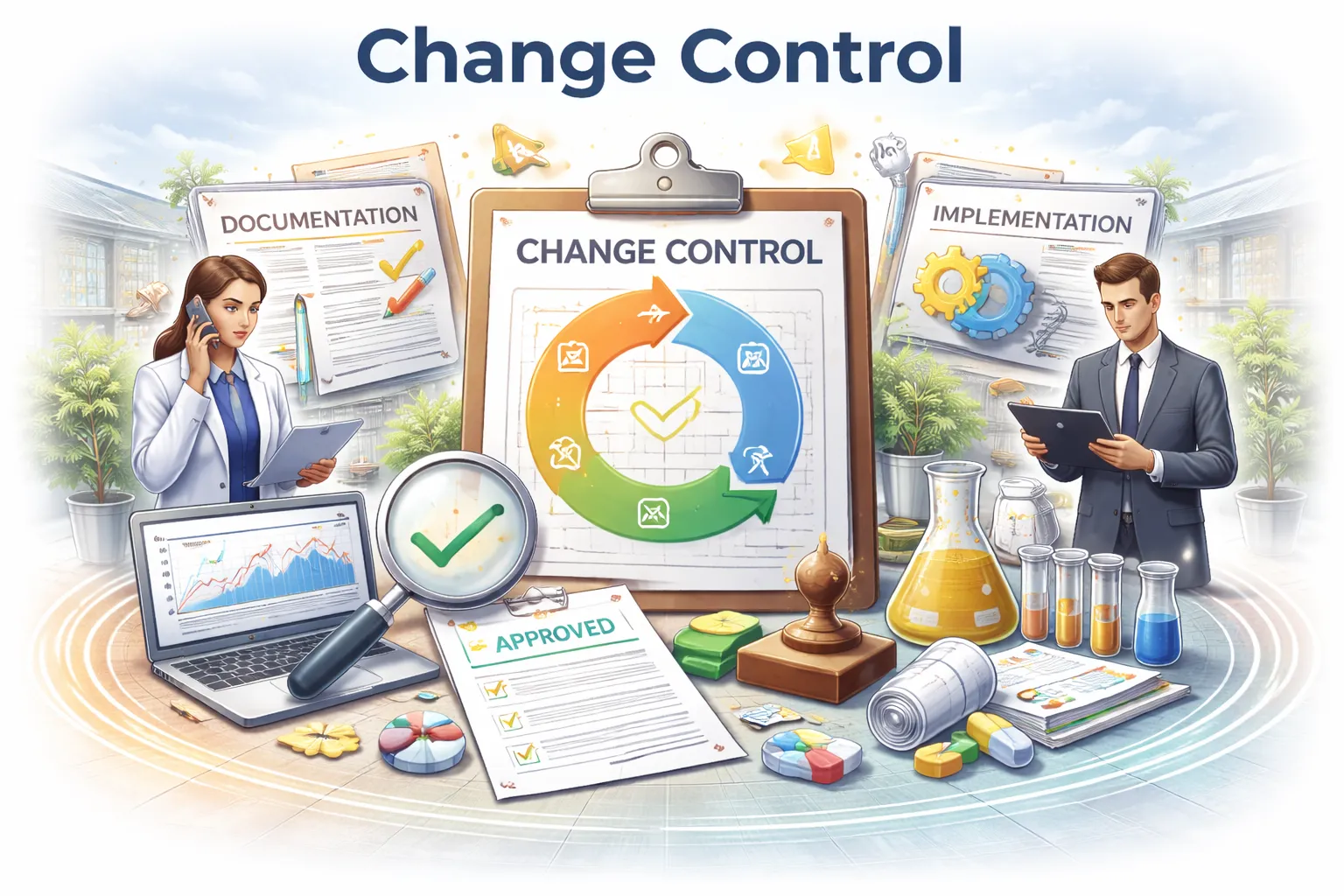
- Change Control is a systematic approach to managing all changes made to a product or process.
- It ensures that changes do not adversely affect product quality, safety, or compliance.
Tasks:
- Assessing the proposed changes.
- Approving or rejecting proposed changes.
- Managing and documenting the implementation of approved changes.
- Reviewing and monitoring the effects of changes after implementation.
Regulatory Requirement:
- In regulated industries like pharmaceuticals, medical devices, and food manufacturing, regulatory bodies mandate a formal change control process to ensure that any change does not compromise product quality or safety.
- Proper documentation and justifications for changes are often required for audit purposes.
Advertisements
Change Control Process:
- Initiation/Request: Someone proposes a change due to an identified need or issue.
- Evaluation: The change is evaluated for its necessity, benefits, and potential impacts.
- Risk Assessment: Risks associated with the change are assessed.
- Approval: Relevant authorities or departments approve or reject the change.
- Implementation: If approved, the change is carried out according to the outlined plan.
- Verification/Validation: The implemented change is verified to ensure it meets the intended objectives.
- Review: Post-implementation review to ensure that there are no unintended consequences and to assess the change’s effectiveness.
- Closure: The change control process is formally closed, and all documentation is archived.
Types:
- Normal Change: Standard change that goes through all the steps of the change control process.
- Emergency Change: A change that must be implemented immediately due to an urgent issue.
- Standard/Pre-approved Change: Recurrent changes that happen often and have been pre-approved due to their known low-risk nature.

Advertisements
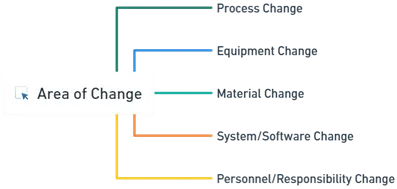
Area of Change:
- Process Change: Changes in how a product is manufactured or a service is delivered.
- Equipment Change: Changes in the machinery or tools used.
- Material Change: Changes in raw materials or components.
- System/Software Change: Changes in IT systems or software applications.
- Personnel/Responsibility Change: Changes in key personnel or shifts in responsibilities.
Motive:
- The primary motives for change often include improving efficiency, reducing costs, enhancing product quality, addressing safety concerns, or complying with new regulatory requirements.
Advertisements
Functions:
- Documentation: Maintaining detailed records of every change.
- Communication: Ensuring that all stakeholders are informed of changes.
- Training: Ensuring personnel are trained on new processes or systems resulting from the change.
- Monitoring: Tracking the effects of changes to ensure no negative impacts.