Regulatory requirements and approval procedures for New Drugs

Regulatory requirements and approval procedures for New Drugs
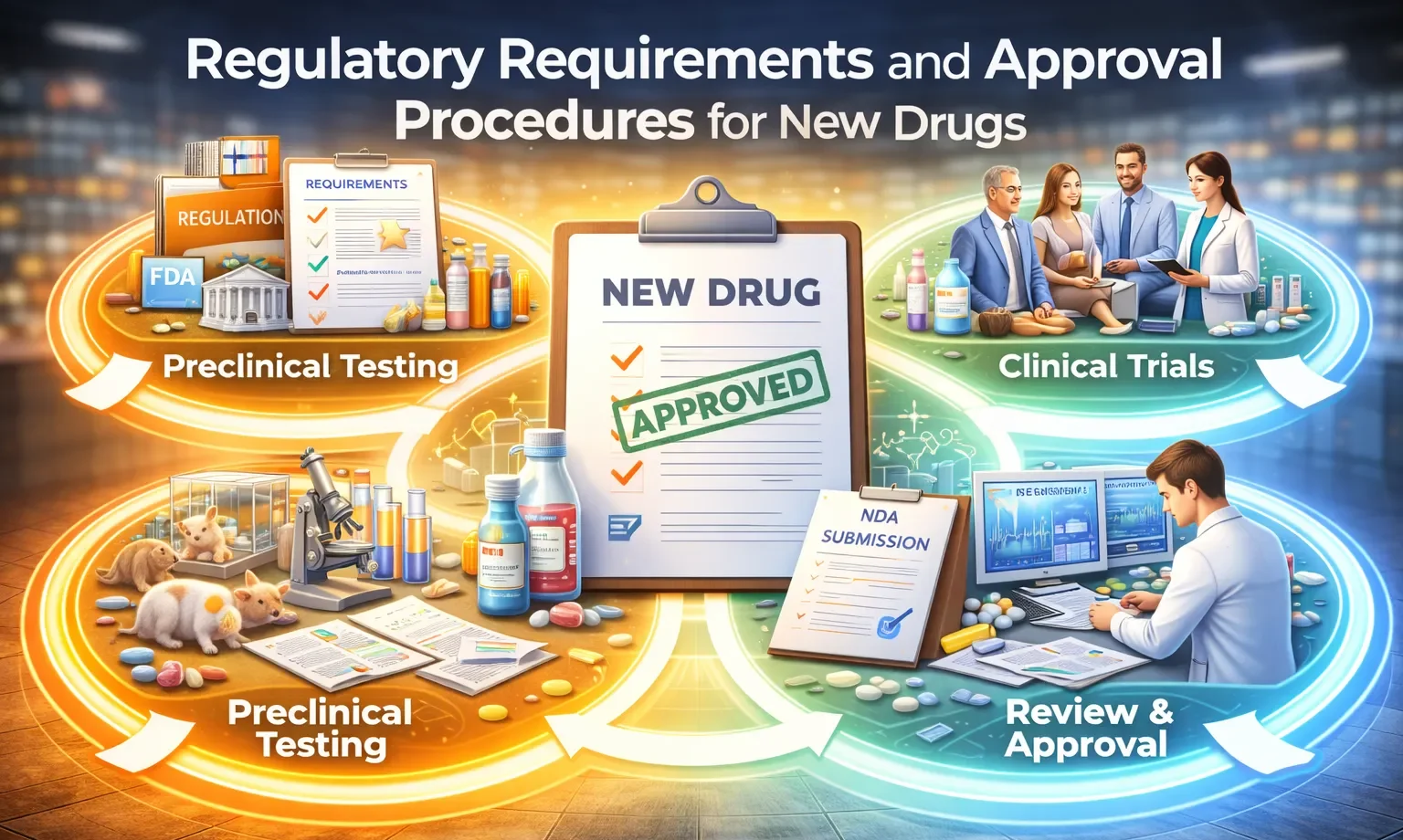
Definition of New Drugs Under the Drugs and Cosmetics Act, a “new drug” is: A drug not previously used in India. A previously approved drug proposed with new claims. A fixed-dose combination of drugs not previously approved. Steps in New Drug Approval Pre-Clinical Studies Objective: Assess safety and efficacy through lab and animal studies. Studies … Read more
Certificate of Pharmaceutical Product (COPP)

Certificate of Pharmaceutical Product (COPP)

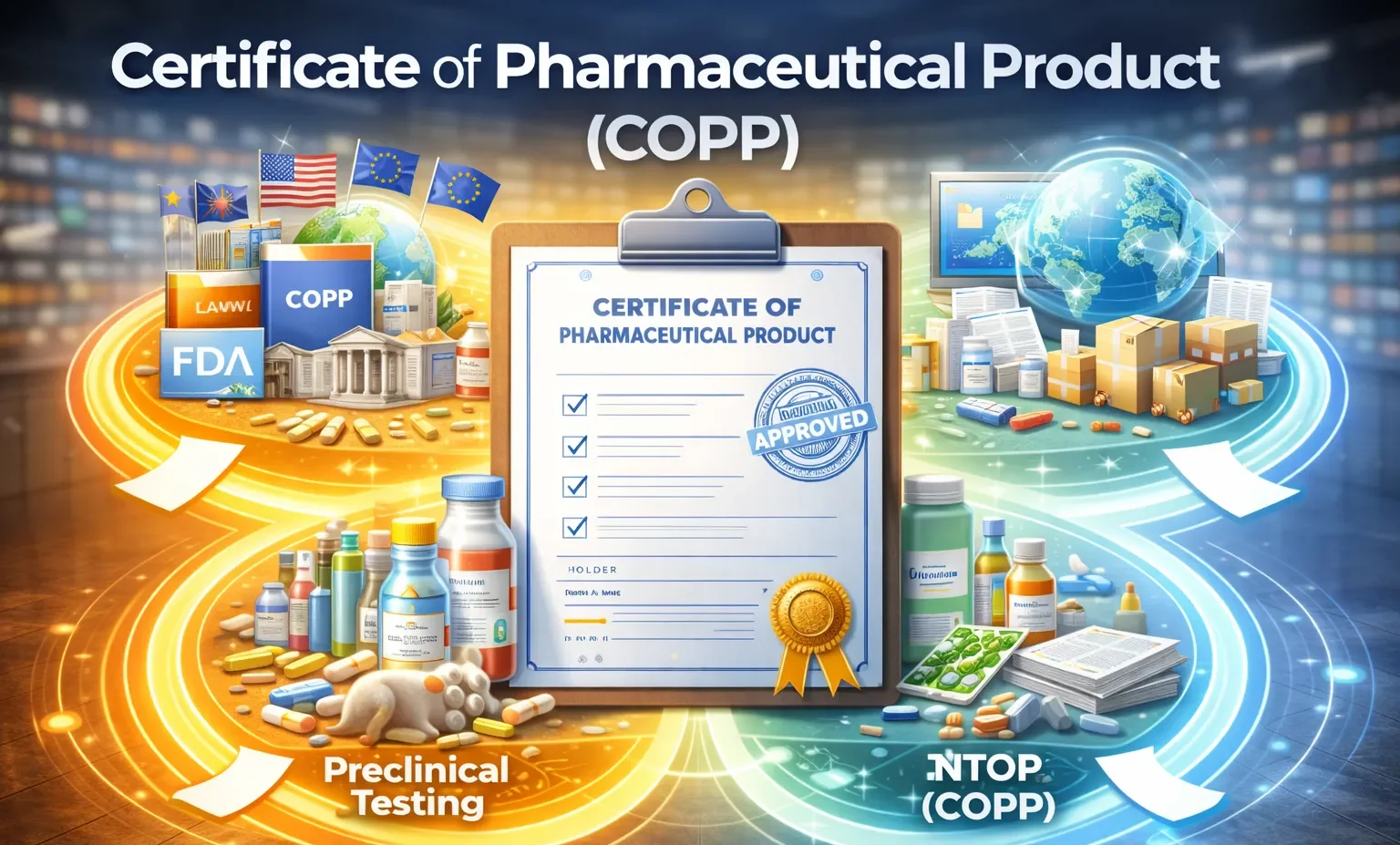
Certificate of Pharmaceutical Product (COPP) The Certificate of Pharmaceutical Product (COPP) is issued under the WHO Certification Scheme, certifying that a specific pharmaceutical product is authorized for sale in its country of origin. Purpose and Importance Facilitates International Trade: Simplifies export processes for pharmaceutical products. Regulatory Assurance: Provides importing countries with certified information on product … Read more

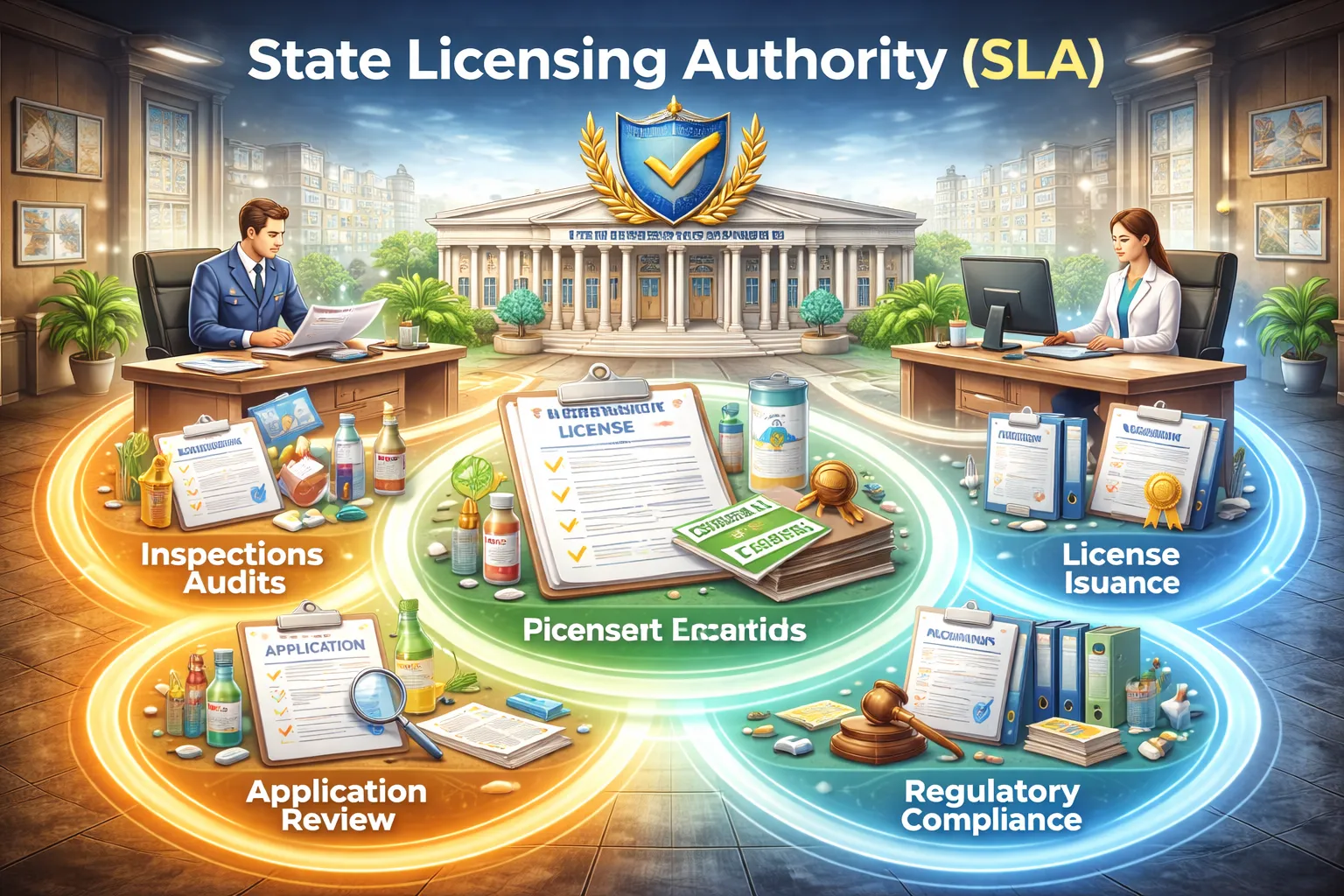
State Licensing Authority (SLA)

State Licensing Authority (SLA)

The State Licensing Authority (SLA) operates at the state level in India, overseeing drug manufacturing, sale, and distribution to ensure compliance with the Drugs & Cosmetics Act, 1940. Key Functions of State Licensing Authority (SLA) Manufacturing Licenses: Issues licenses for drug manufacturing, ensuring compliance with Good Manufacturing Practices (GMP). Sale/Distribution Licenses: Provides licenses for drug … Read more

Central Drugs Standard Control Organization (CDSCO)

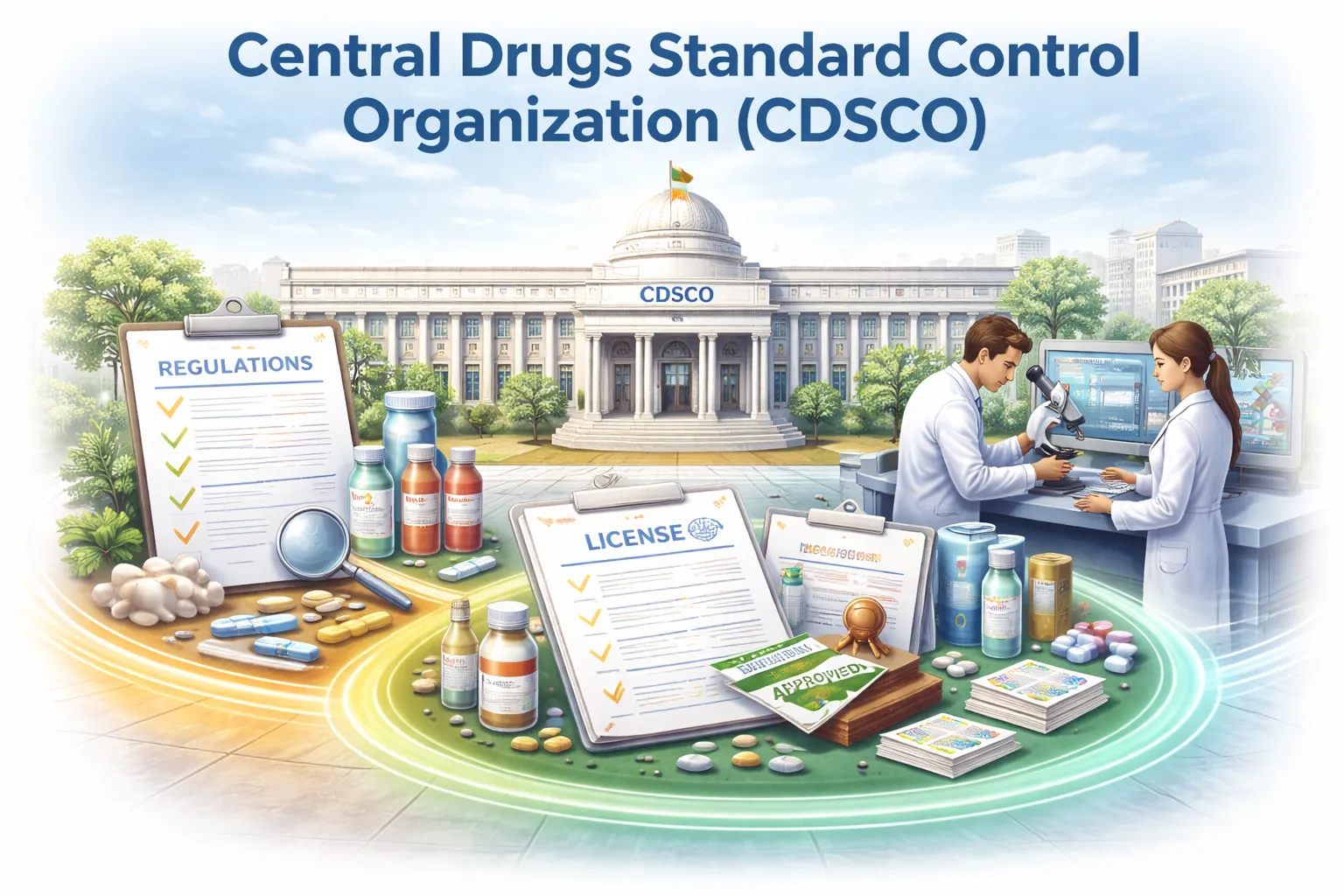
Central Drugs Standard Control Organization (CDSCO)

Central Drugs Standard Control Organization (CDSCO) The Central Drugs Standard Control Organization (CDSCO) is India’s primary regulatory body for pharmaceuticals and medical devices. Operating under the Ministry of Health & Family Welfare, it ensures drug quality, safety, and efficacy in India and aligns with global standards to support India’s international competitiveness in pharmaceuticals. Key Functions … Read more

Good Laboratory Practice (GLP)

Good Laboratory Practices (GLP)

Introduction to Good Laboratory Practice (GLP) Good Laboratory Practice (GLP) is a quality system for non-clinical health and environmental safety studies, ensuring that they are conducted, monitored, recorded, and reported with consistency, reliability, and data integrity. Historical Background The OECD established GLP in the 1980s after discrepancies in industrial safety data raised concerns. GLP standards … Read more

NABL (National Accreditation Board for Testing and Calibration Laboratories)

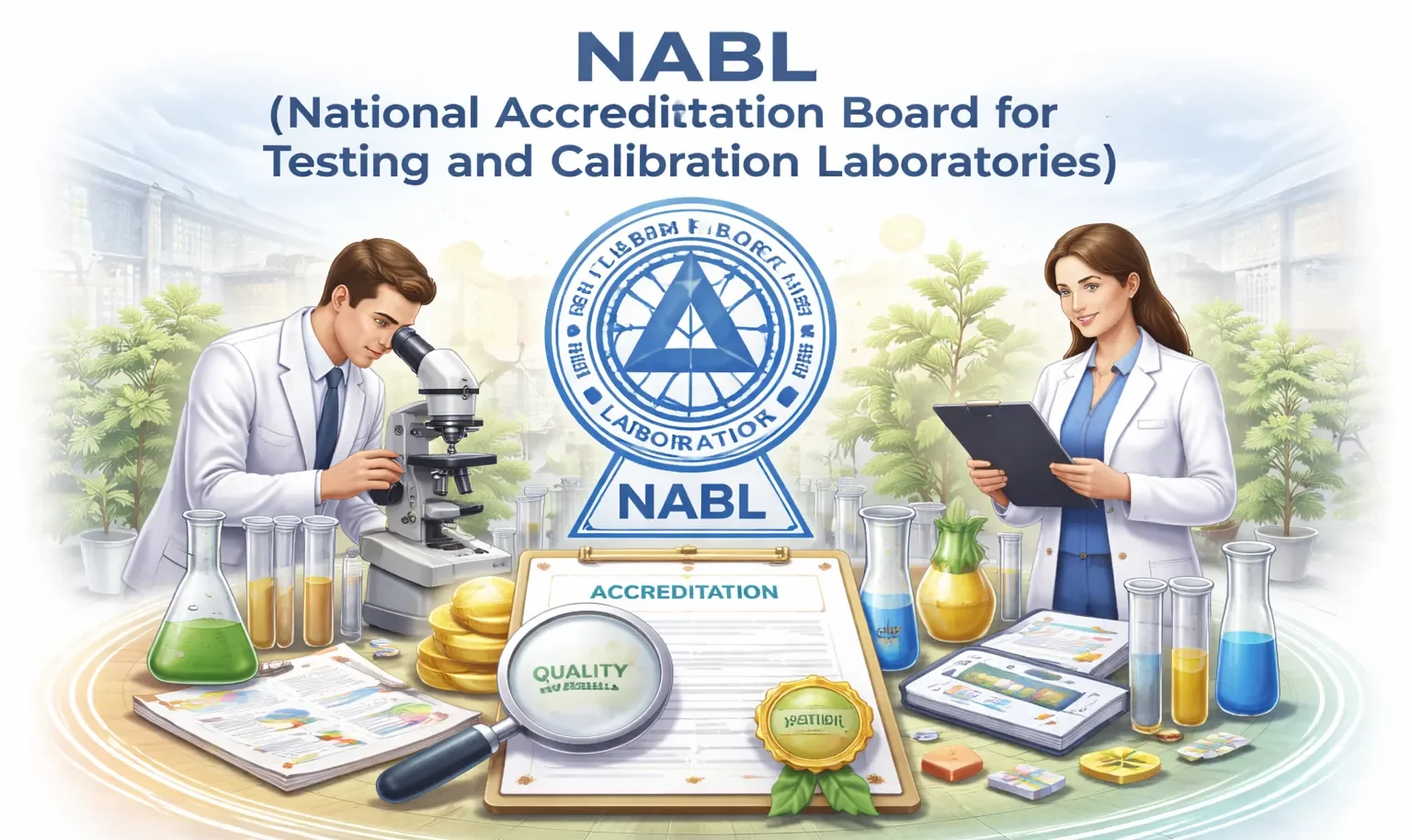
NABL (National Accreditation Board for Testing and Calibration Laboratories)

Introduction to National Accreditation Board for Testing and Calibration Laboratories NABL is an autonomous body under India’s Department of Science and Technology. Provides accreditation to laboratories in accordance with ISO/IEC 17025 and ISO 15189. Principle of National Accreditation Board for Testing and Calibration Laboratories NABL operates impartially, objectively, and transparently. Accreditation criteria are based on … Read more

ISO 14000

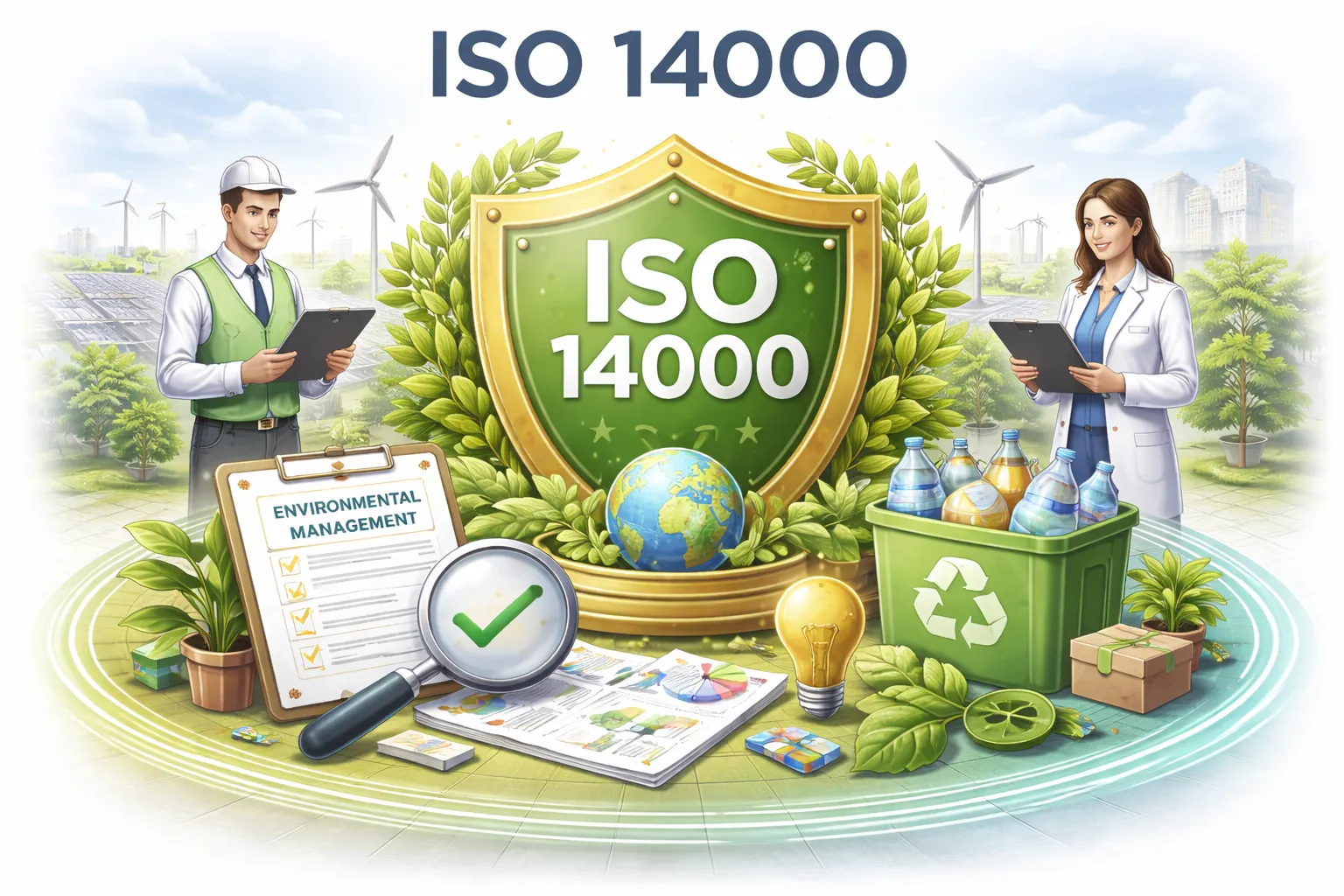
ISO 14000

ISO 14000 Overview The ISO 14000 family of standards focuses on environmental management, helping organizations minimize their environmental impact, comply with laws, and improve their practices. The cornerstone of this series is ISO 14001, which provides a framework for an Environmental Management System (EMS). Key Components of ISO 14001 EMS Policy and Commitment: Define environmental … Read more

Introduction to ISO 9000 Series of Quality Systems Standards

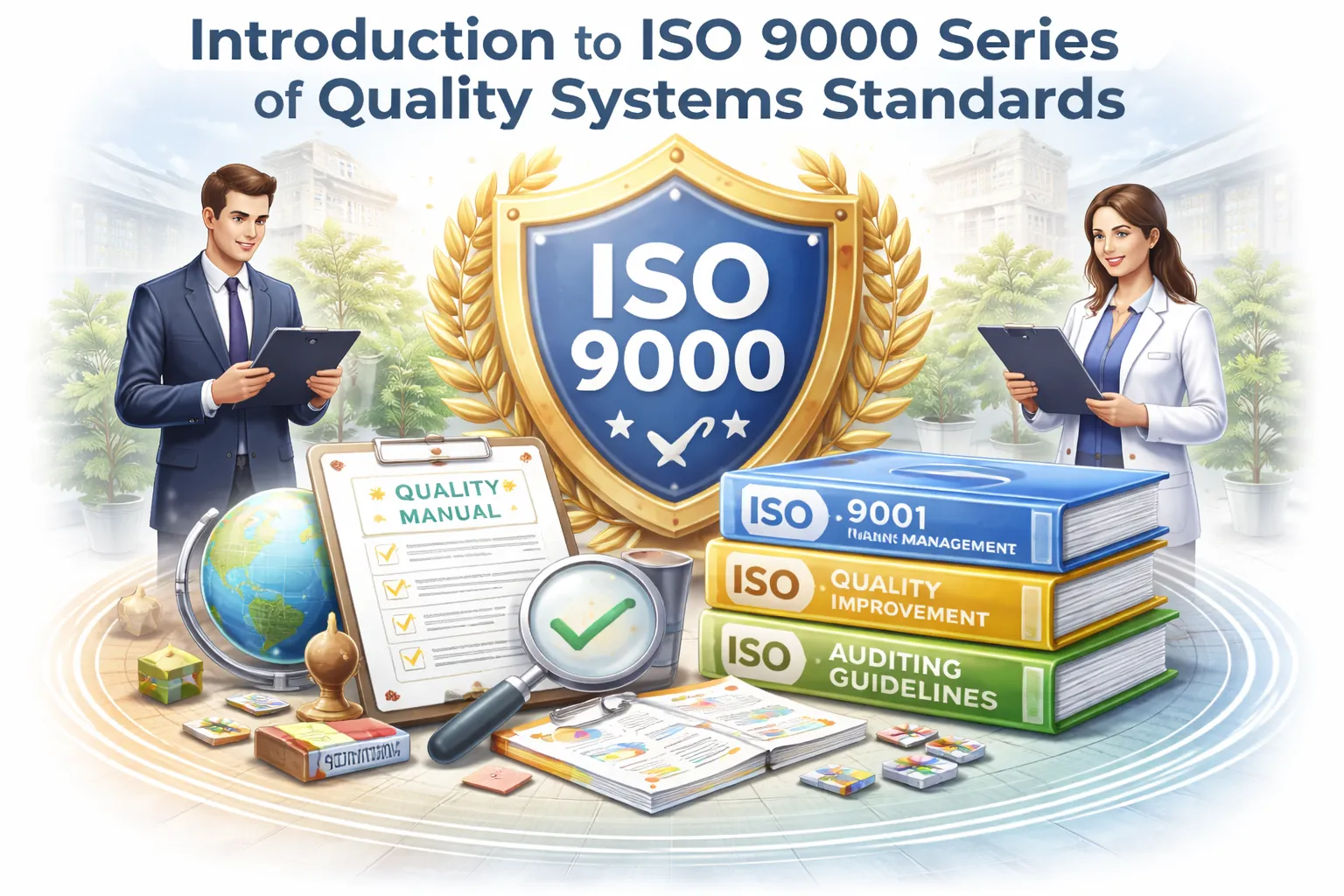
Introduction to ISO 9000 Series of Quality Systems Standards

Overview of ISO 9000 Series of Quality Systems Standards The ISO 9000 series comprises internationally recognized standards for quality management systems. Developed by the International Organization for Standardization (ISO). Key Standards ISO 9000:2015 Provides the fundamentals and vocabulary for quality management systems. ISO 9001:2015 Specifies requirements for a quality management system. Focuses on meeting customer … Read more

Change control

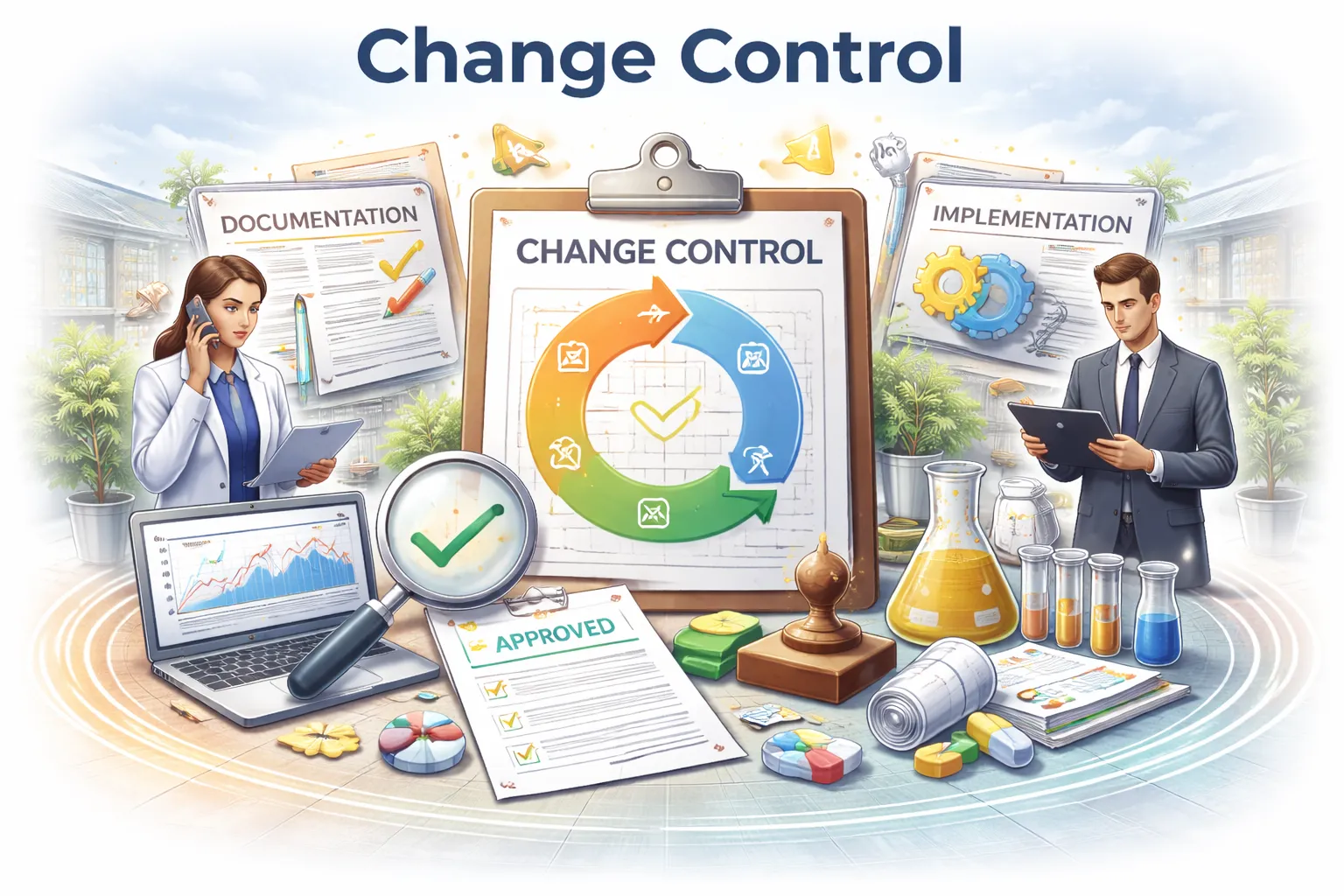
Introduction of Change control Change Control is a systematic approach to managing all changes made to a product or process. It ensures that changes do not adversely affect product quality, safety, or compliance. Tasks: Assessing the proposed changes. Approving or rejecting proposed changes. Managing and documenting the implementation of approved changes. Reviewing and monitoring the … Read more

Out of Specifications (OOS)

Out of Specifications (OOS)

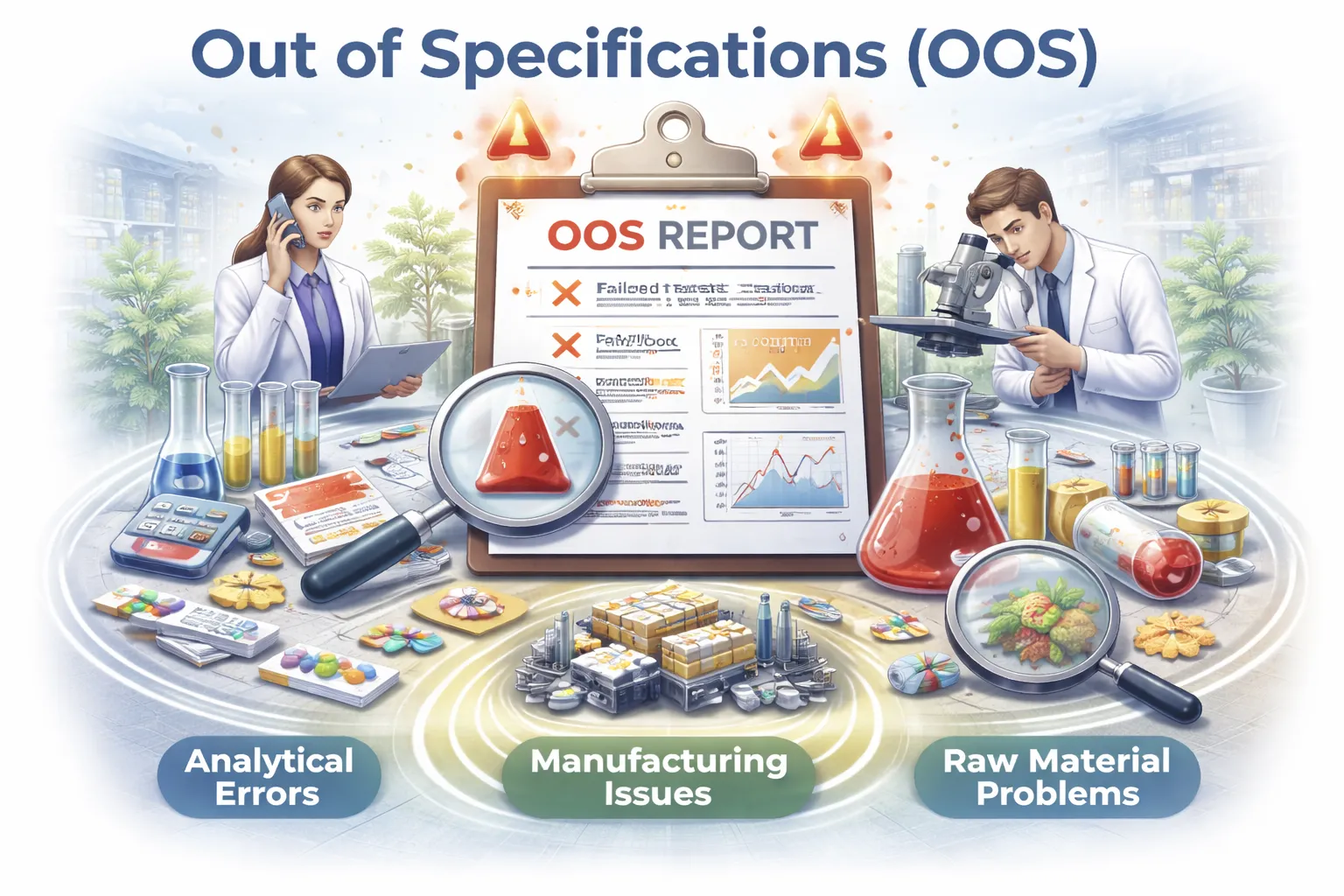
Introduction of Out of Specifications (OOS) Out of Specification (OOS) results are test results that fall outside the predefined acceptance criteria. OOS results indicate potential issues with product quality, process control, or laboratory procedures. Regulatory Expectations A thorough and timely investigation must be conducted. The FDA provides guidance on investigating OOS results to ensure compliance. … Read more