
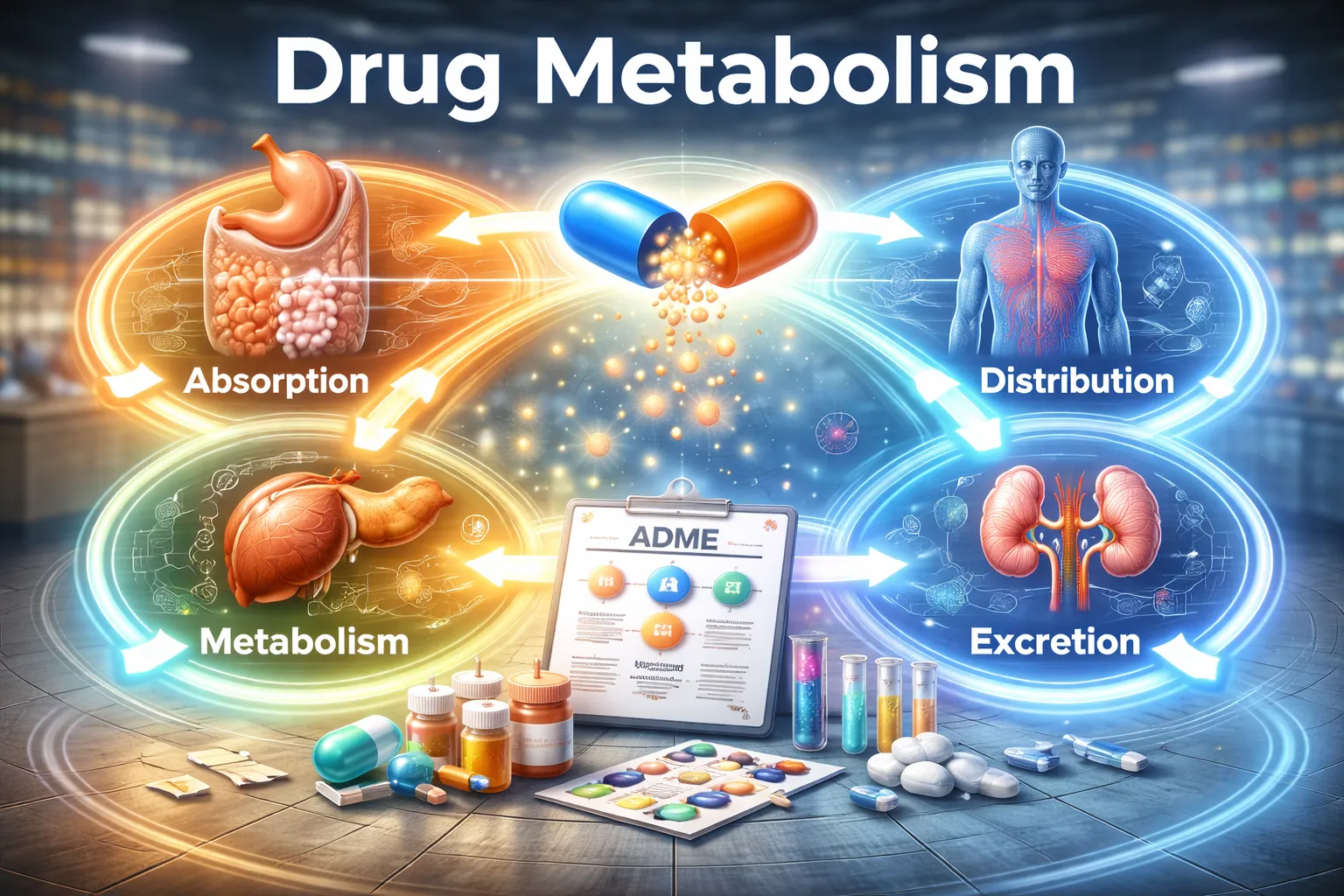
Drug Metabolism
- Drug metabolism involves the biochemical modification of drugs, primarily through enzymatic processes, to facilitate their excretion from the body.
-
Biotransformation
- Drugs can undergo transformation through various pathways, resulting in:
- Inactive Compounds: Metabolites ready for excretion.
- Active Metabolites: Compounds with their own therapeutic or toxic effects.
- Prodrugs: Inactive forms that become active only after metabolic conversion.
- Drugs can undergo transformation through various pathways, resulting in:
-
Metabolic Pathways
-
Cytochrome P450 Enzymes
- A key family of enzymes involved in drug metabolism. Individual variability in these enzymes can significantly influence drug response.
-
Phase I Reactions
- Involve oxidation, reduction, or hydrolysis to increase polarity of the compound, preparing it for further modification or excretion.
-
Phase II Reactions
- Conjugation of Phase I metabolites with larger molecules (e.g., glucuronic acid), making them more water-soluble for easier excretion.
-
-
Metabolite Profiling
- Techniques such as mass spectrometry help in identifying and quantifying drug metabolites, aiding in the prediction of potential drug interactions and side effects.
It is crucial in determining a drug’s duration of action, potential interactions, and side effects, all of which influence therapeutic effectiveness and safety.
Click Here to Watch the Best Pharma Videos
Advertisements