Pharmacology

Pharmacology

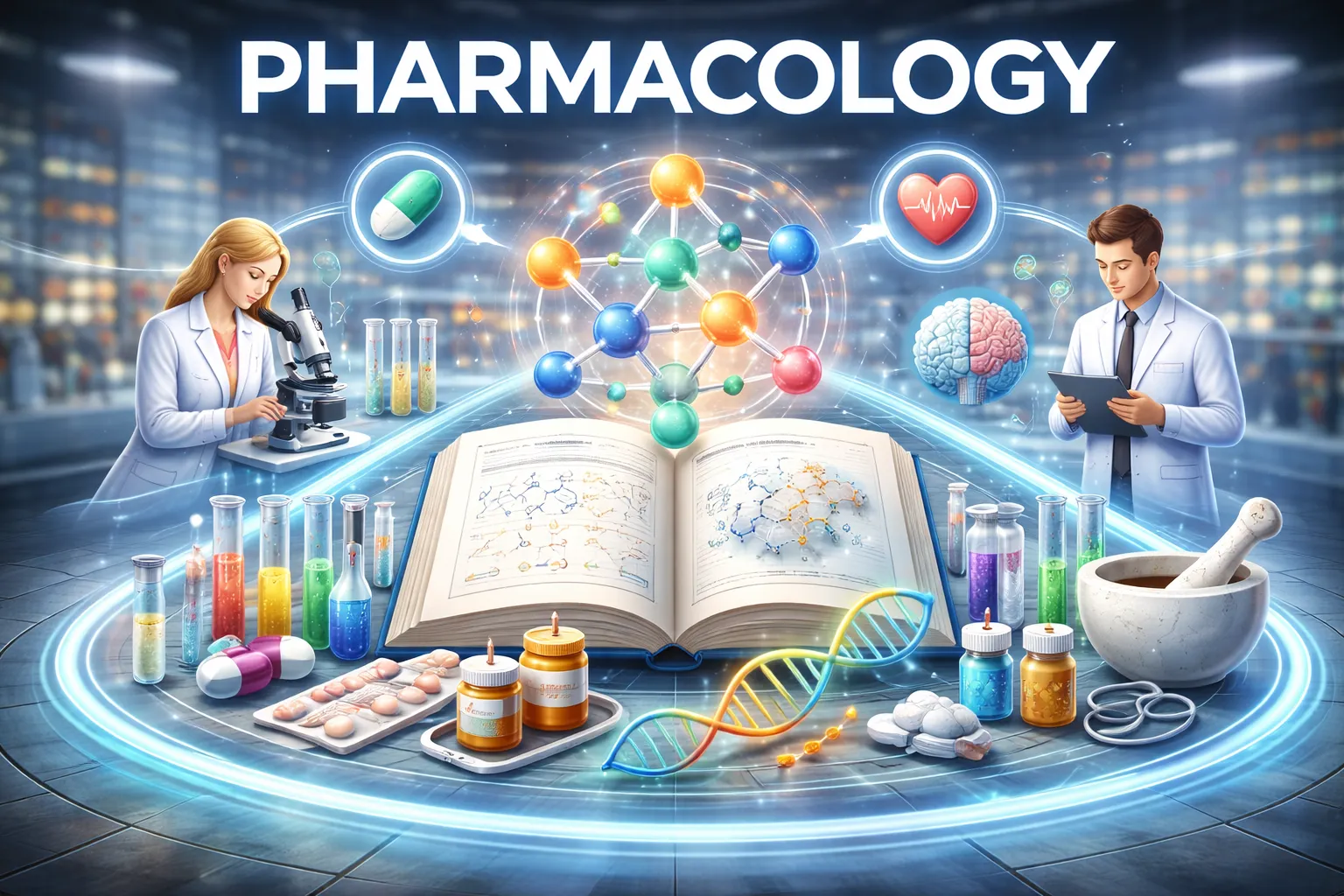
Introduction to Pharmacology Pharmacology is the study of how drugs interact with biological systems. It encompasses understanding the mechanisms of drug action, therapeutic effects, and side effects. Key Areas: Pharmacodynamics (PD) Mechanism of Action: How drugs exert effects at molecular and cellular levels. Dose-Response Relationships: Link between drug concentration and effect. Therapeutic Window: Range between … Read more
NABL Accreditation

Overview NABL Accreditation National Accreditation Board for Testing and Calibration Laboratories (NABL) is an autonomous body under India’s Quality Council that provides accreditation to laboratories for testing, calibration, and medical diagnostics based on compliance with international standards such as ISO/IEC 17025 for testing and calibration labs and ISO 15189 for medical laboratories. Principles NABL accreditation … Read more

Non-Clinical Drug Development

Non-Clinical Drug Development

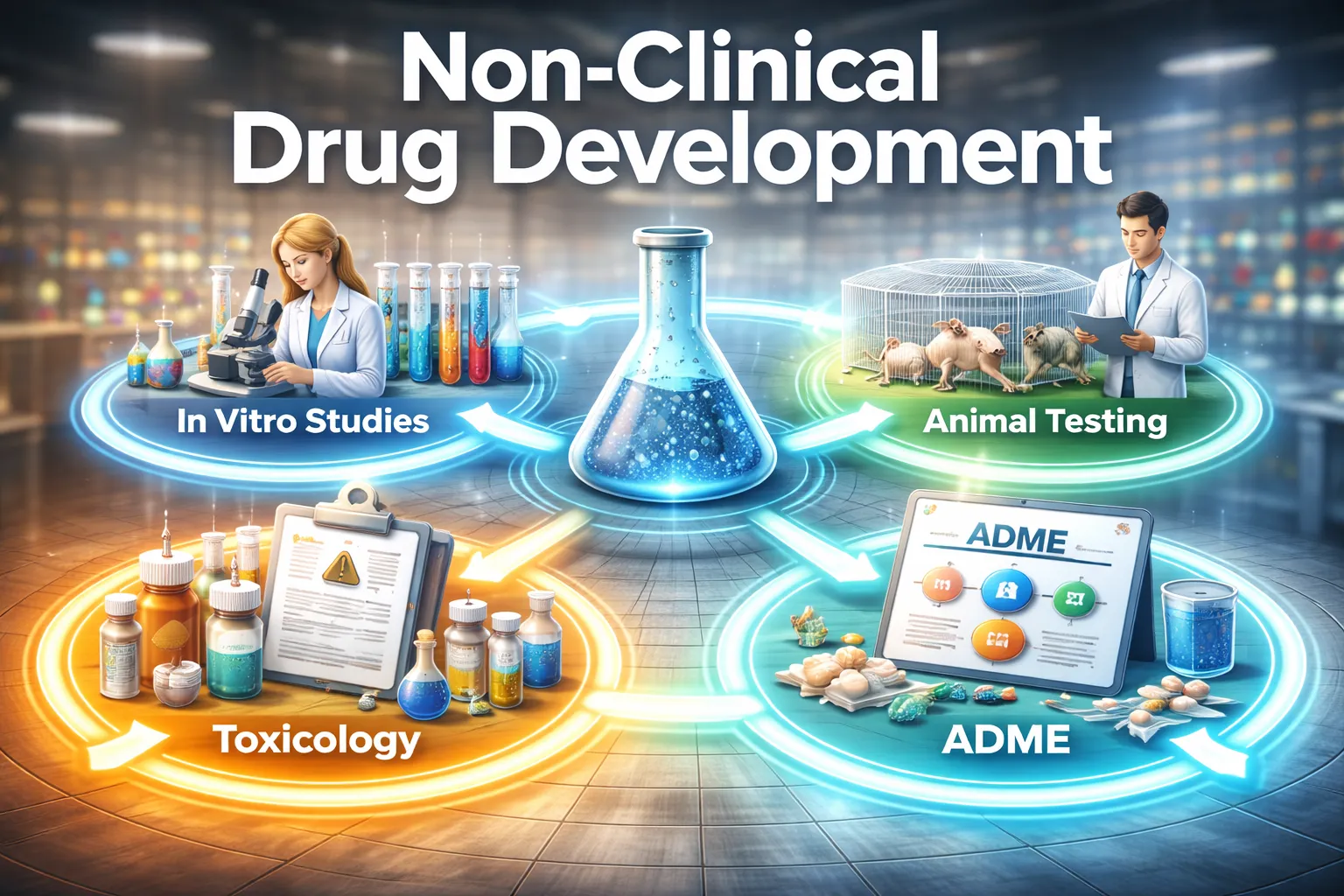
Non-Clinical Drug Development Non-clinical (preclinical) drug development involves laboratory and animal studies conducted to assess a drug’s safety, pharmacology, and pharmacokinetics before human trials. Key Components: Pharmacology Studies Primary Pharmacodynamics: Assess therapeutic effects on intended target. Secondary Pharmacodynamics: Investigate effects unrelated to therapeutic target. Safety Pharmacology: Evaluate adverse effects on vital systems (cardiovascular, respiratory, CNS). … Read more

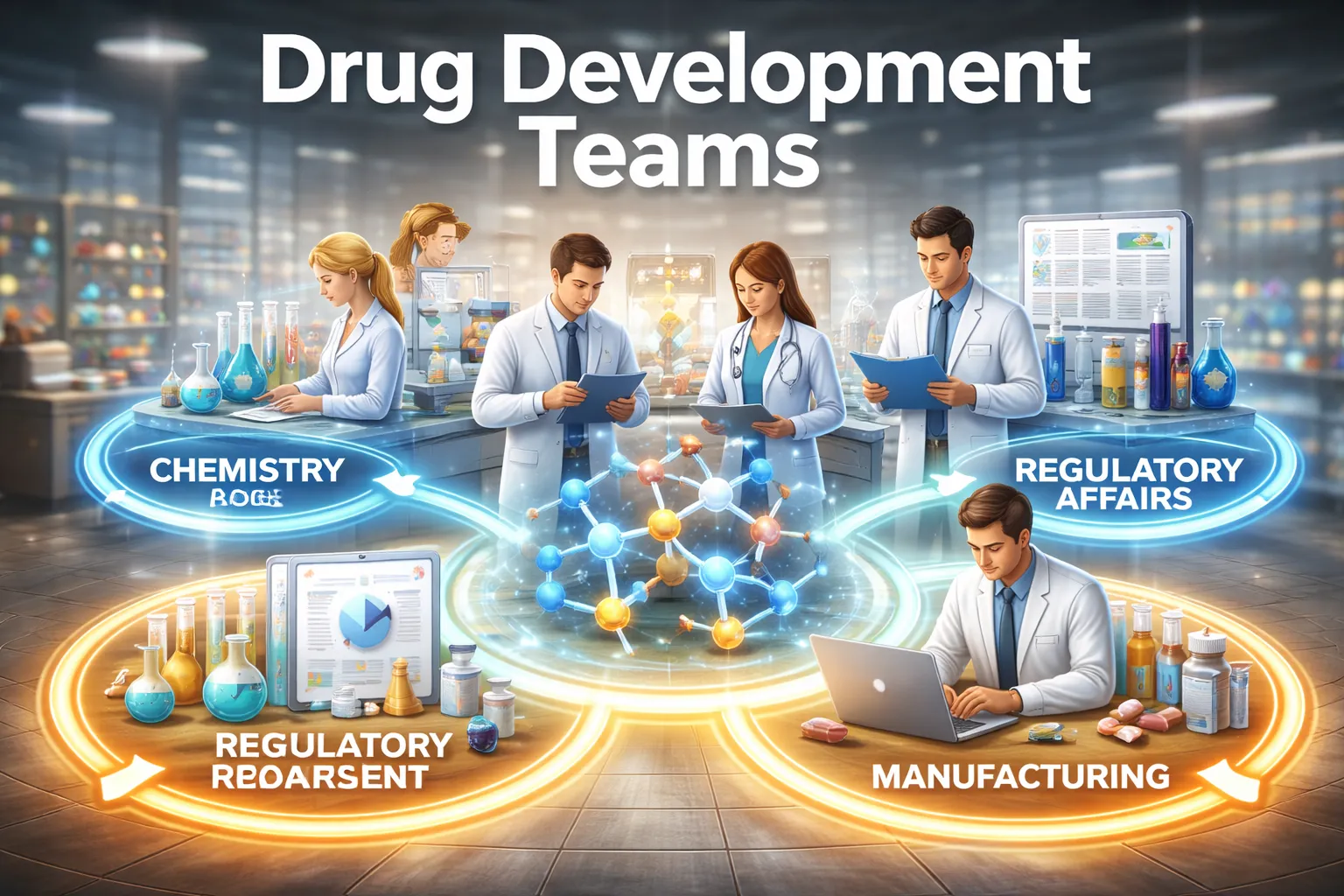
Drug Development Teams

Drug Development Teams

Drug Development Teams coordinate research, development, and approval processes for safe and effective drugs. Drug Development Teams Drug development is a multidisciplinary effort requiring the collaboration of experts across scientific, regulatory, and commercial domains to bring a drug from discovery to regulatory approval. Key Roles and Responsibilities: Project Manager Role: Oversees timelines, budgets, and objectives. … Read more

Responsibility of Regulatory Affairs Professionals

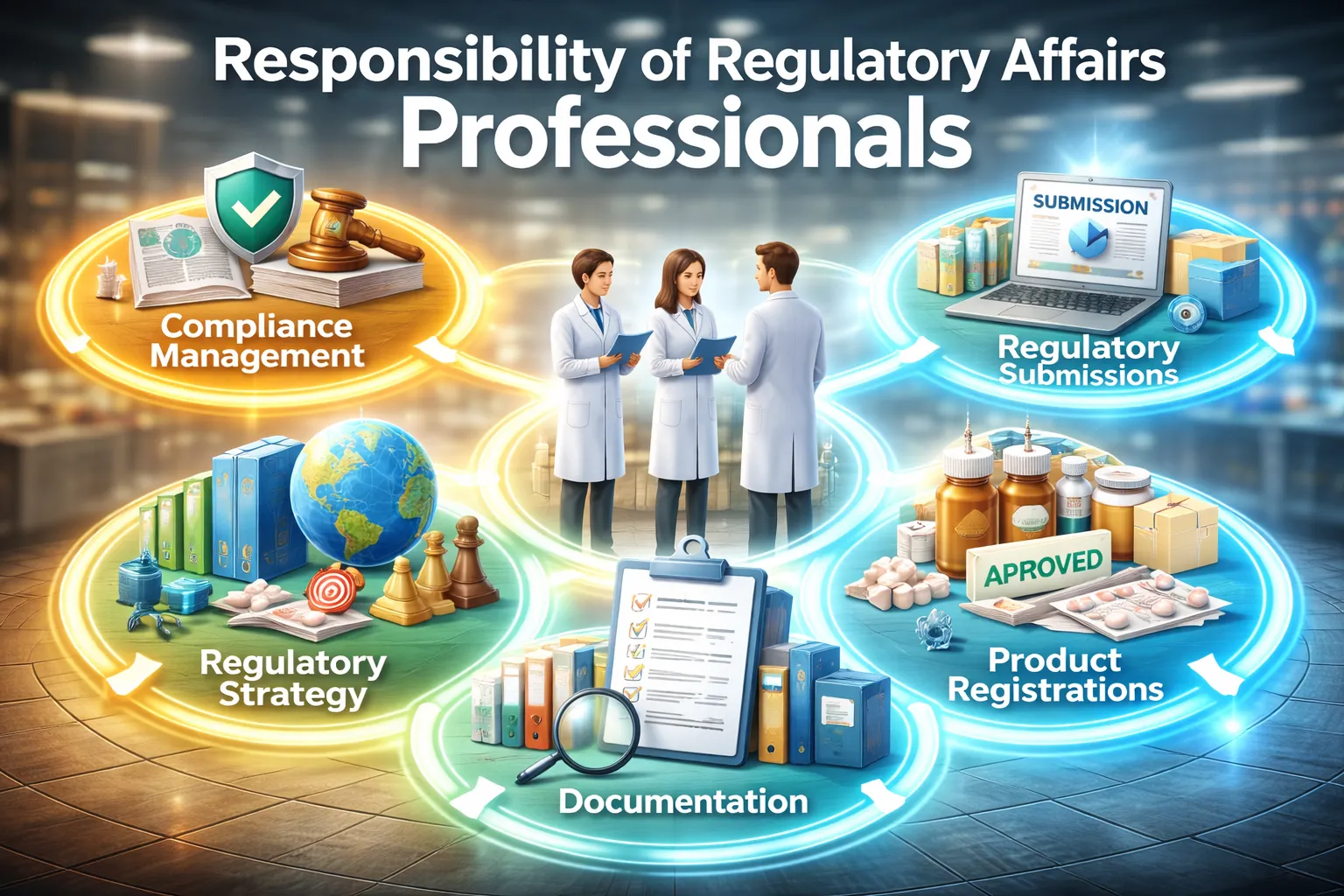
Responsibility of Regulatory Affairs Professionals

Responsibility of Regulatory Affairs Professionals Responsibility of Regulatory Affairs Professionals includes managing approvals, compliance, and documentation for drugs. Maintaining Regulatory Knowledge Staying updated on current and upcoming regulatory guidelines and laws. Document Preparation and Submission Compiling and submitting necessary documents for product approvals, renewals, and variations. Risk Assessment and Management Identifying regulatory risks and developing … Read more

Role of Regulatory Affairs Department

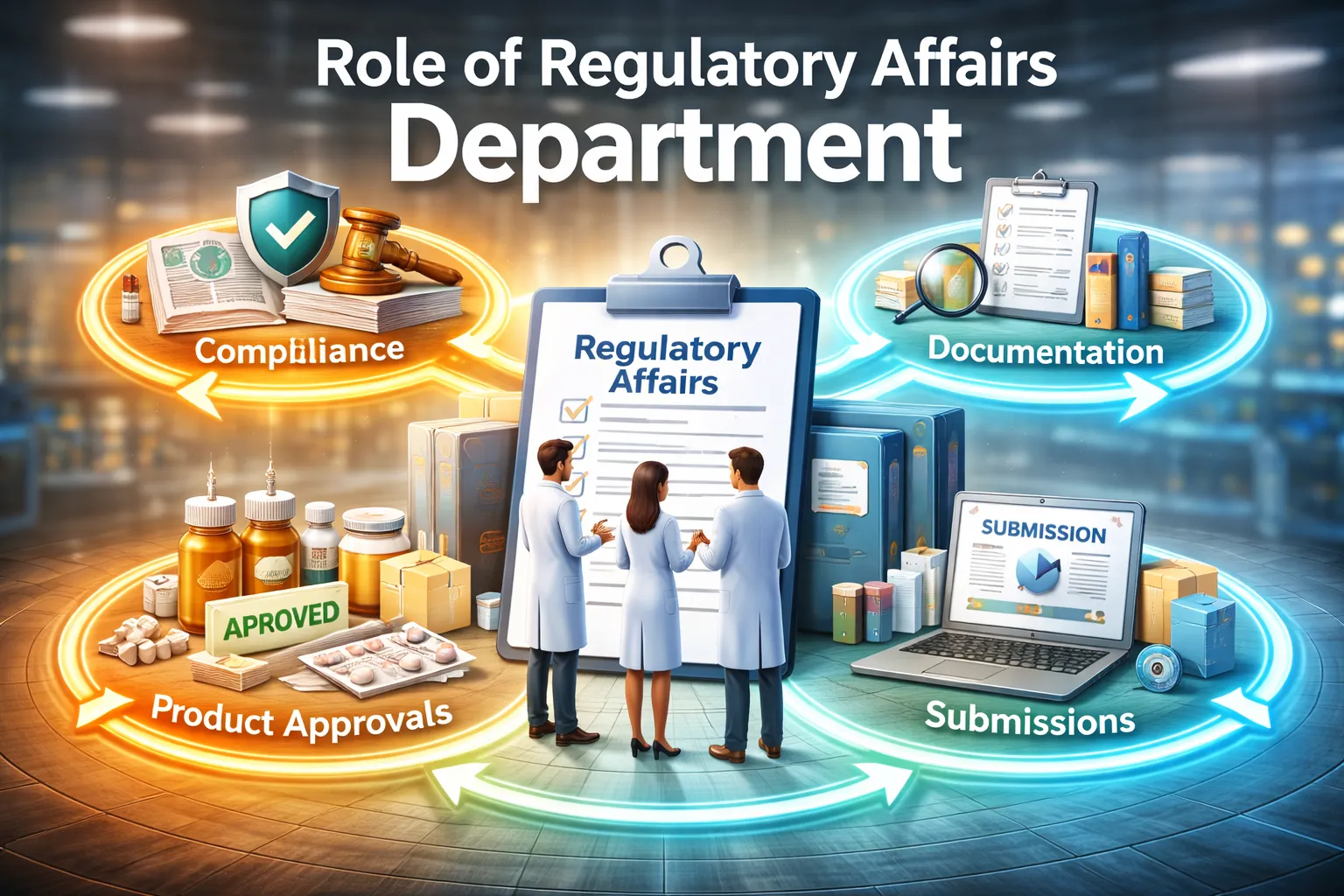
Role of Regulatory Affairs Department

Role of Regulatory Affairs Department ensures regulatory compliance and smooth approval of pharmaceutical products. Role of Regulatory Affairs Department The Regulatory Affairs (RA) Department ensures compliance with regulatory requirements, facilitates product approvals, and manages communications with regulatory bodies. Product Registrations and Approvals Prepares and submits registration dossiers for drugs, generics, or biosimilars. Ensures compliance for … Read more

Regulatory Authorities in Industrial Pharmacy

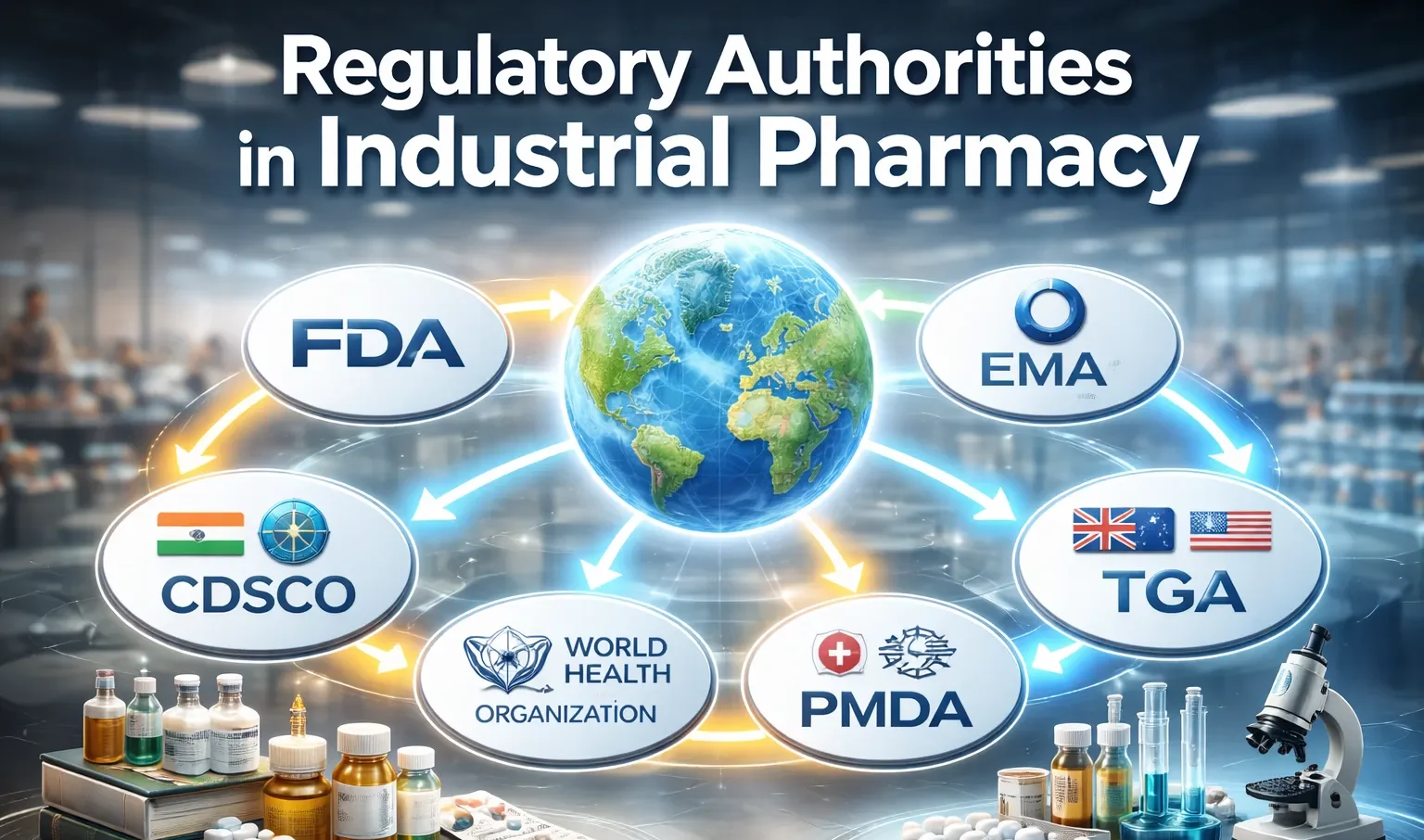
Regulatory Authorities in Industrial Pharmacy

In industrial pharmacy, regulatory authorities are government agencies responsible for overseeing the development, approval, manufacture, and distribution of pharmaceutical products to ensure their safety, efficacy, and quality. Here are some of the key regulatory bodies in India: Central Drugs Standard Control Organization (CDSCO) Responsibilities: Drug approval, clinical trials, setting drug standards, quality control, and regulatory … Read more

Historical Overview of Regulatory Affairs

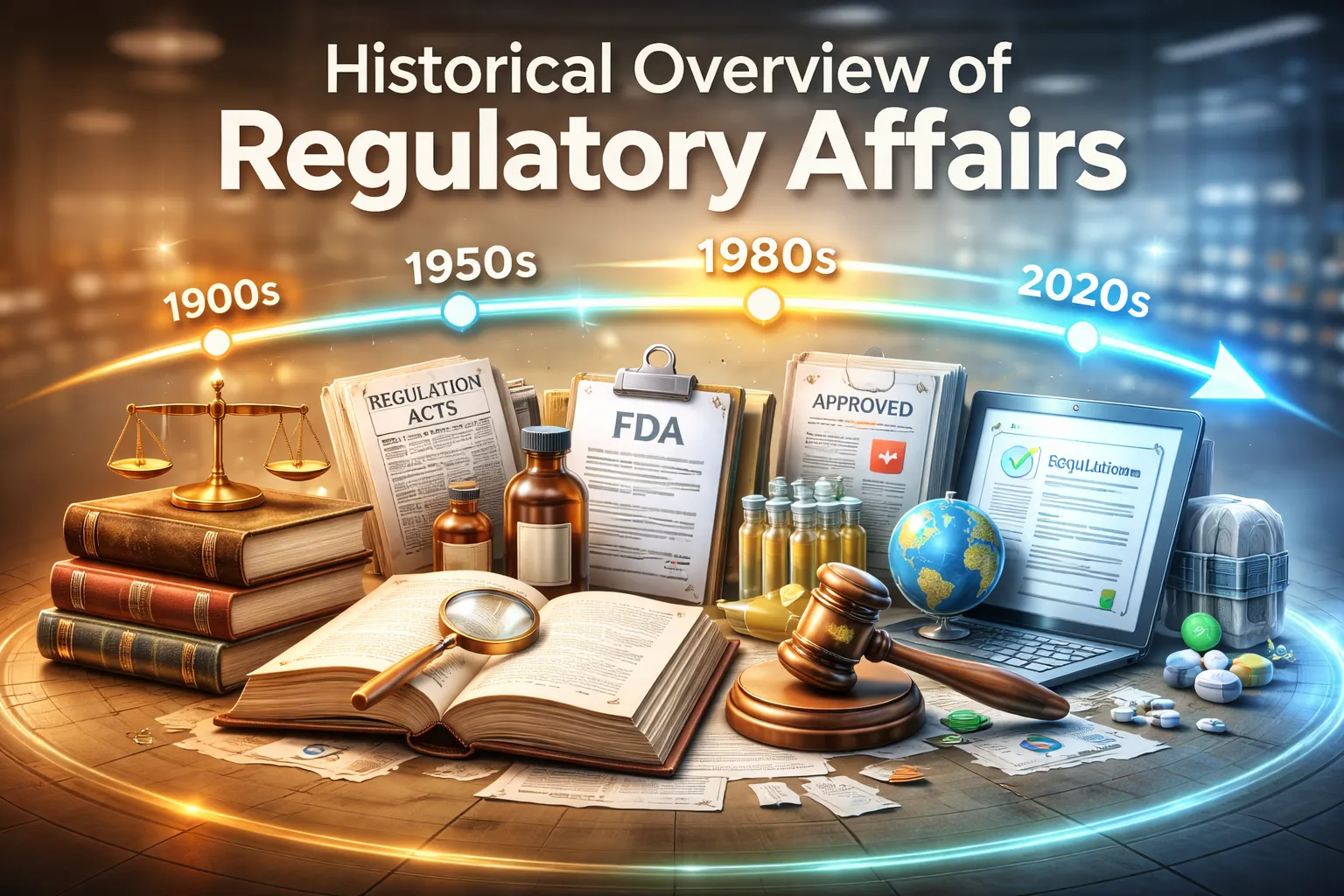
Historical Overview of Regulatory Affairs

Historical Overview of Regulatory Affairs Historical Overview of Regulatory Affairs explains evolution of drug laws and systems ensuring safety and quality. Early Beginnings 19th Century: The industrial revolution led to mass production of goods, including pharmaceuticals and food products, necessitating regulation to protect public health. Pure Food and Drug Act of 1906 (USA): One of … Read more

Introduction to Regulatory Affairs

Introduction to Regulatory Affairs

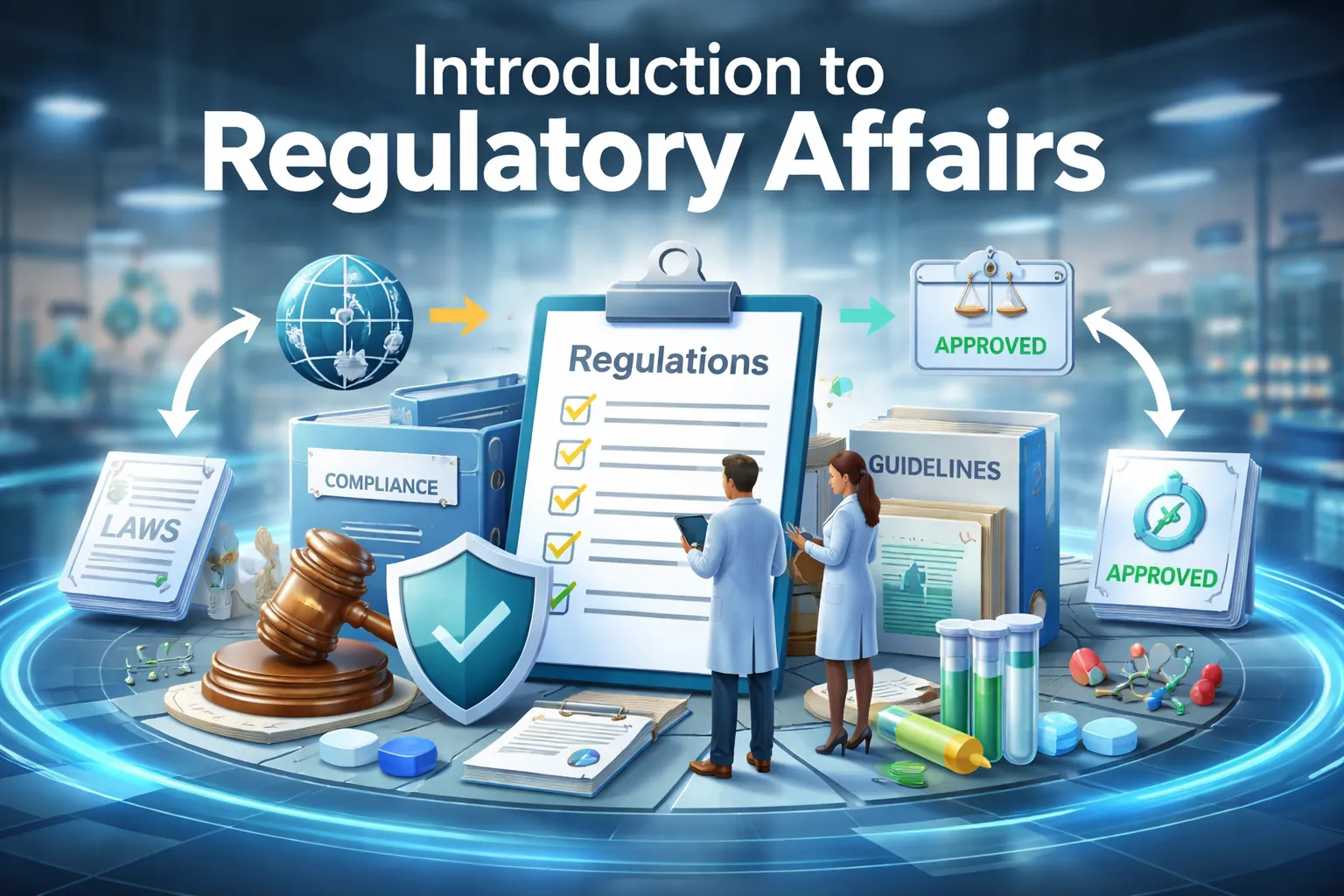
Introduction to Regulatory Affairs explains drug approval, compliance, and guidelines ensuring safety, quality, and efficacy. Introduction to Regulatory Affairs Regulatory Affairs (RA) is a specialized field within regulated industries such as pharmaceuticals, medical devices, biotechnology, food, cosmetics, and agrochemicals. RA professionals ensure that companies comply with all relevant regulations and laws, acting as a liaison … Read more

Technology Transfer Related Documentation

Technology Transfer Related Documentation

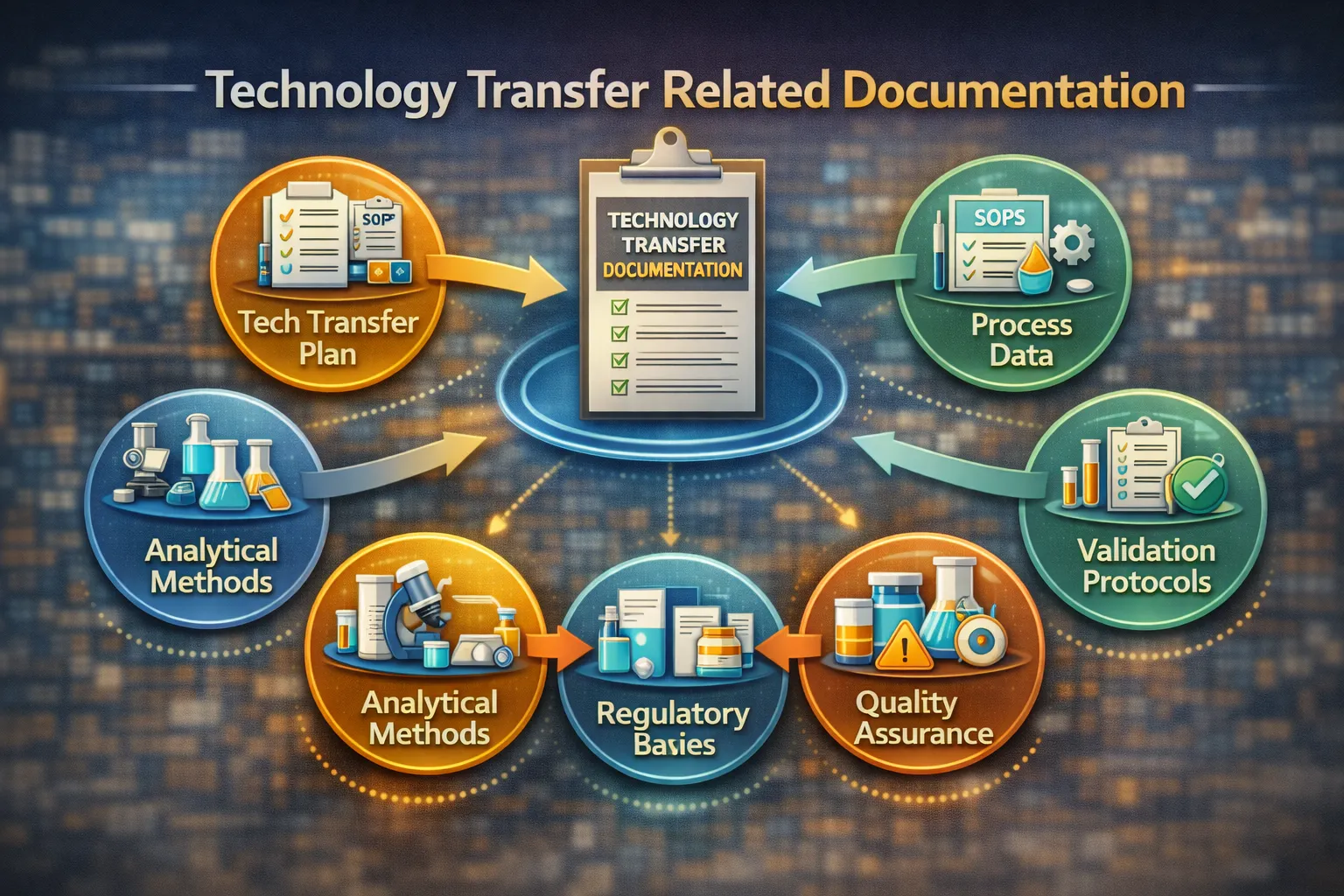
Technology Transfer Related Documentation Technology Transfer Related Documentation records all transfer procedures, protocols, and results for traceability and compliance. Importance of Legal Documentation in Technology Transfer Legal documents protect the interests of all parties involved, ensure compliance with laws, and provide a clear framework for collaboration. Confidentiality Agreements (Non-Disclosure Agreements – NDAs) Purpose: To protect … Read more