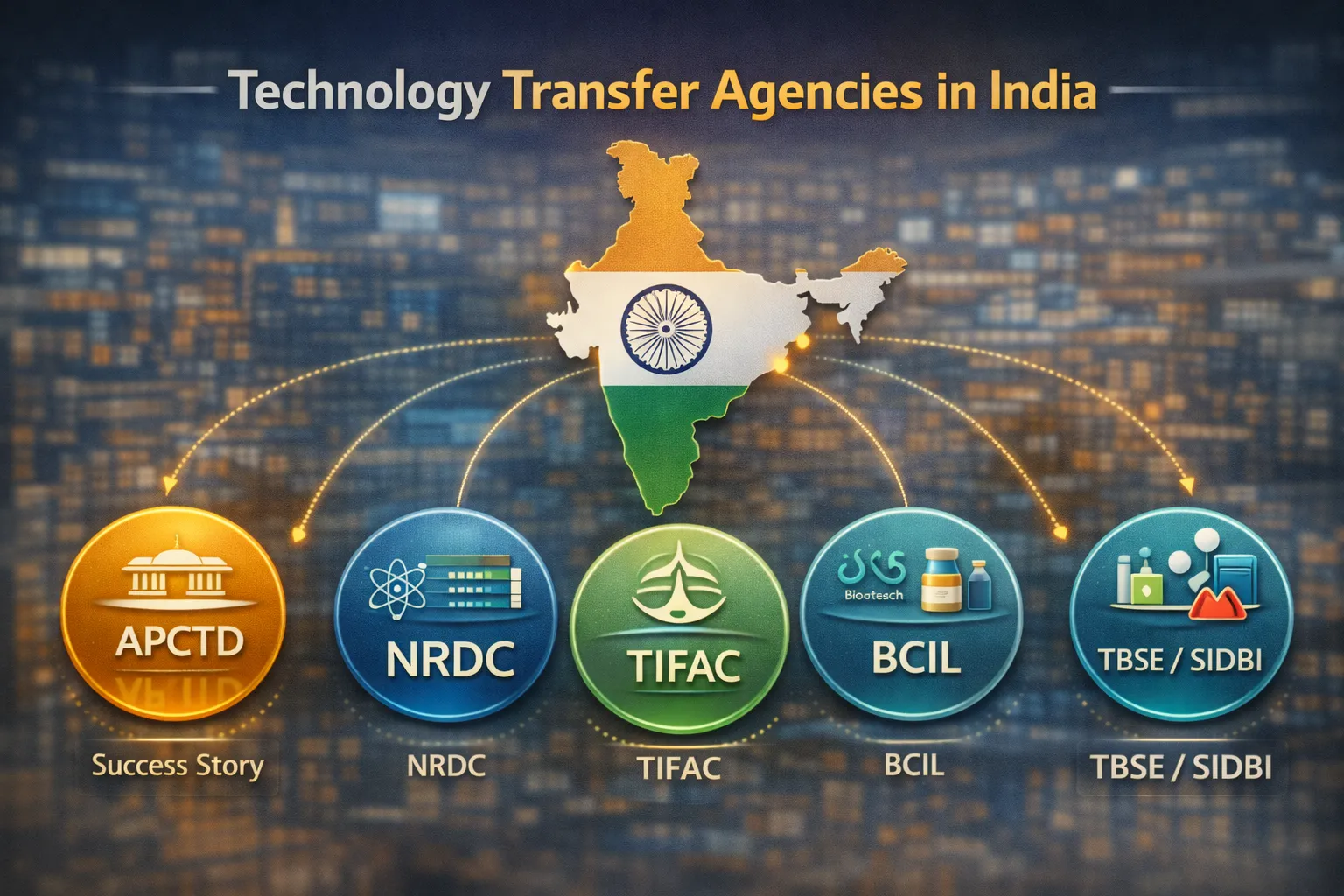
Technology Transfer Agencies in India – APCTD, NRDC, TIFAC, BCIL, TBSE/SIDBI

Technology Transfer Agencies in India - APCTD, NRDC, TIFAC, BCIL, TBSESIDBI

Technology Transfer Agencies in India – APCTD, NRDC, TIFAC, BCIL, TBSE/SIDBI support pharmaceutical process transfers and industry innovation. Overview of Technology Transfer Agencies in India Andhra Pradesh Council of Science & Technology (APCOST): Promotes science and technology in the state of Andhra Pradesh. Facilitates technology transfer between research institutions and industry. National Research Development Corporation … Read more
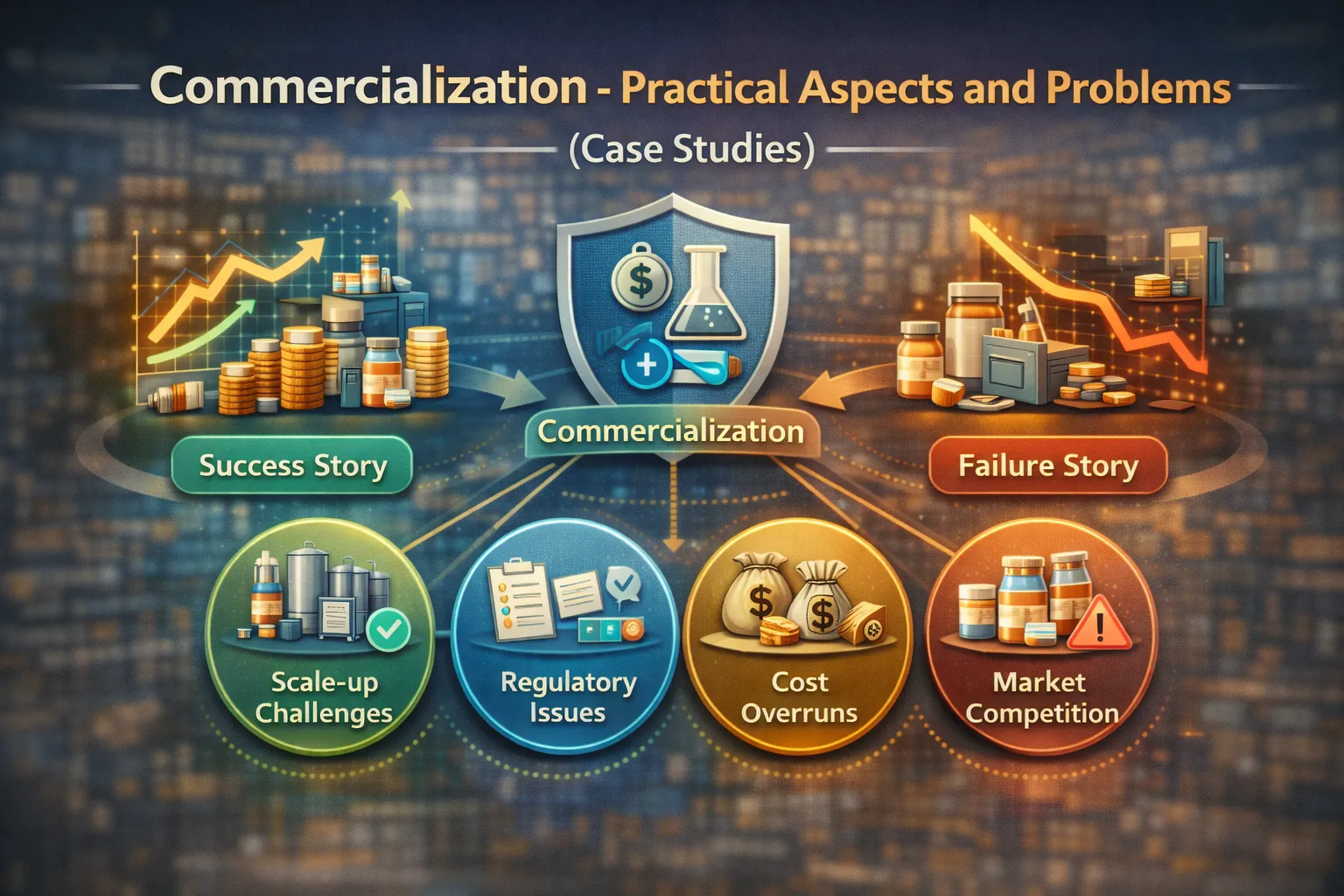
Commercialization – Practical Aspects and Problems (Case Studies)

Commercialization - Practical Aspects and Problems (Case Studies)

Commercialization is the process of launching a new product or production method into the market. In pharmaceuticals, this involves research, clinical trials, regulatory approvals, scaling up production, marketing, and distribution. Below are key aspects and challenges encountered in commercialization, with a case study to illustrate. Steps in Commercialization Scale-Up: Increasing production capacity while maintaining product … Read more

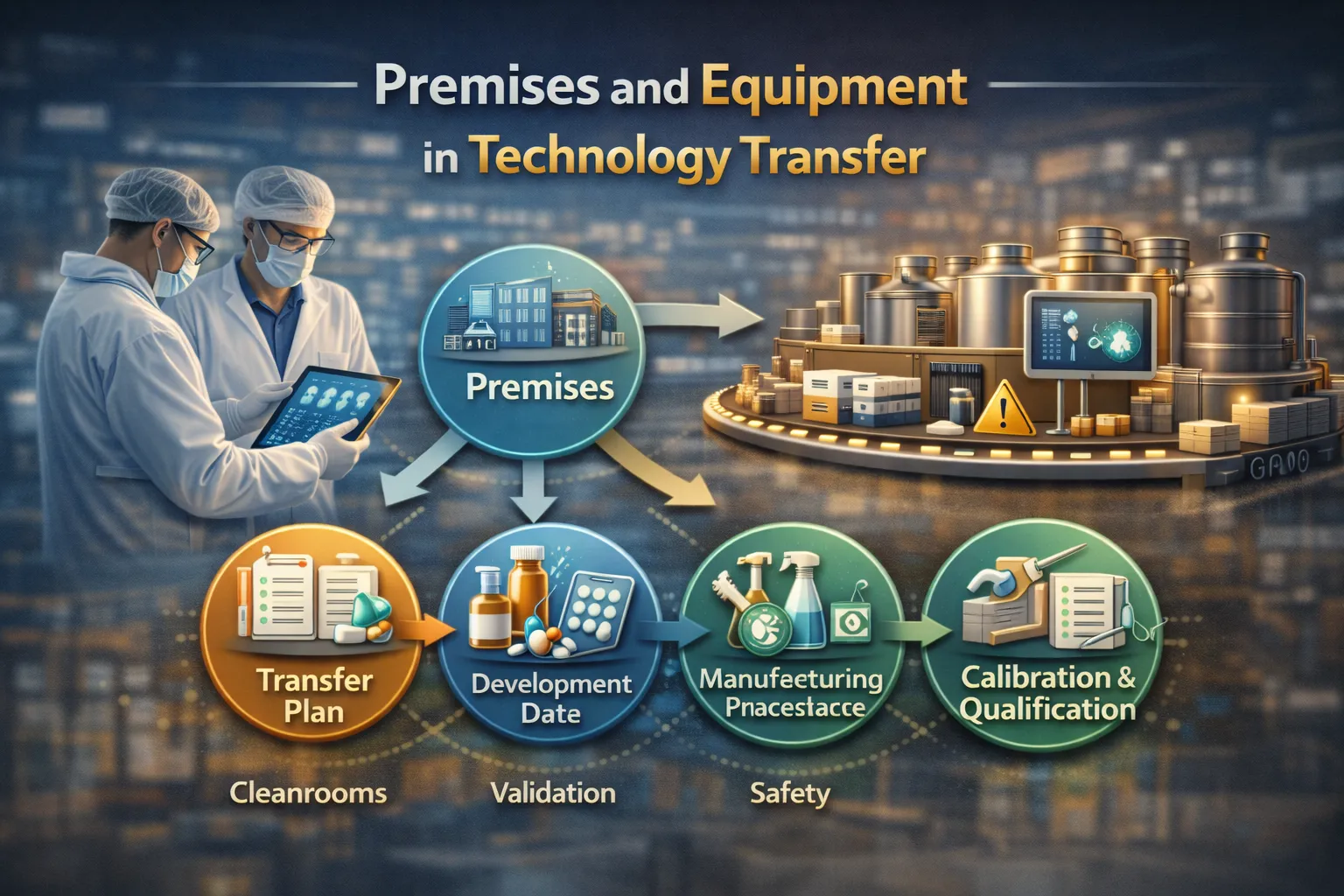
Premises and Equipment in Technology Transfer

Premises and Equipment in Technology Transfer

Premises and Equipment in Technology Transfer Premises and Equipment in Technology Transfer ensure suitable facilities and tools for safe and compliant pharmaceutical transfers. Premises in Technology Transfer (TT) The receiving facility plays a critical role in ensuring successful technology transfer. It must meet production and regulatory standards to support the new technology effectively. Facility Design: … Read more

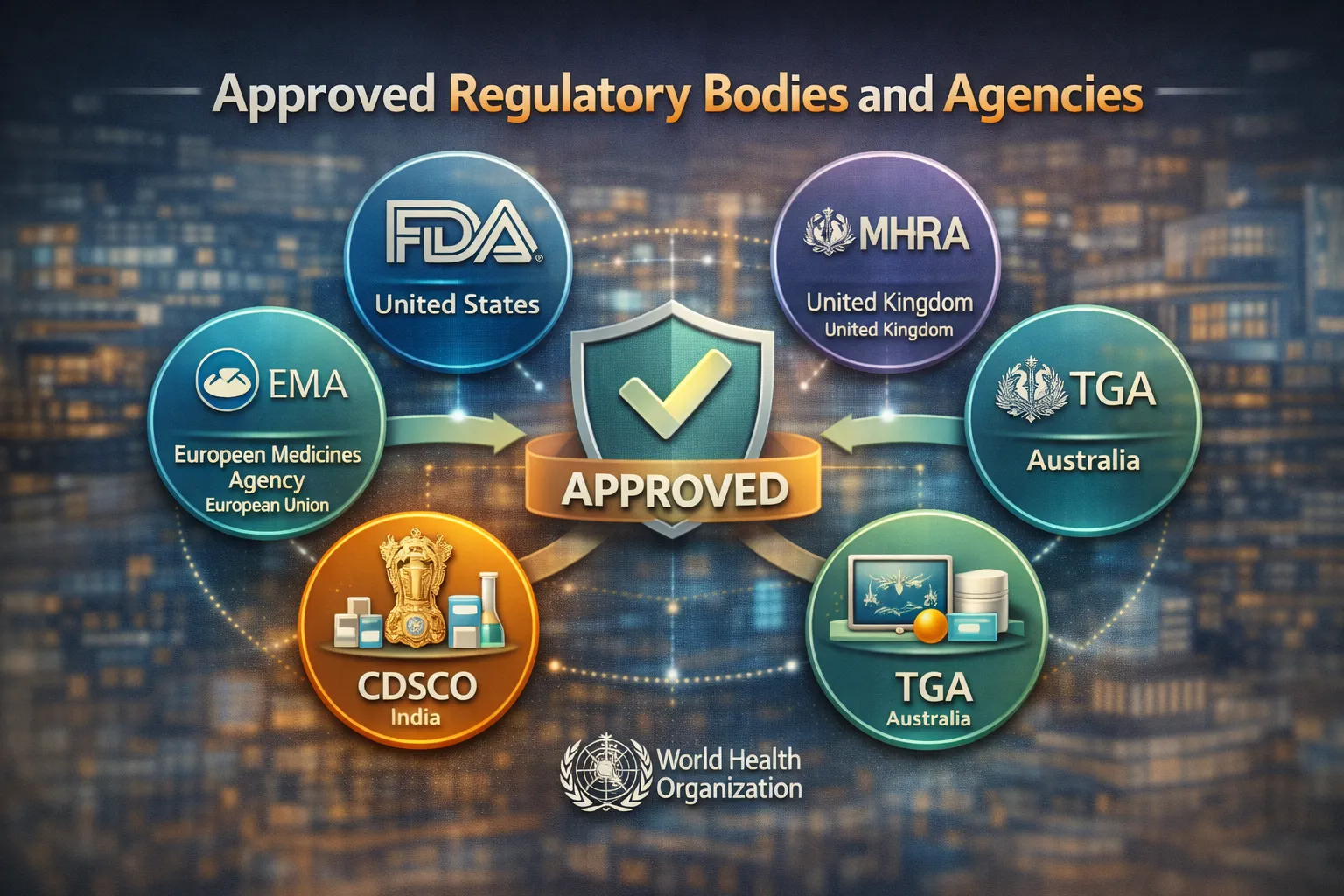
Approved Regulatory Bodies and Agencies

Approved Regulatory Bodies and Agencies

Approved Regulatory Bodies and Agencies Approved Regulatory Bodies and Agencies oversee compliance and standards in pharmaceutical technology transfer and production. Major Regulatory Bodies United States Food and Drug Administration (FDA): Regulates drugs, biologics, and medical devices in the USA. Provides guidelines on GMP, validation, and TT. European Medicines Agency (EMA): Oversees medicinal products in the … Read more

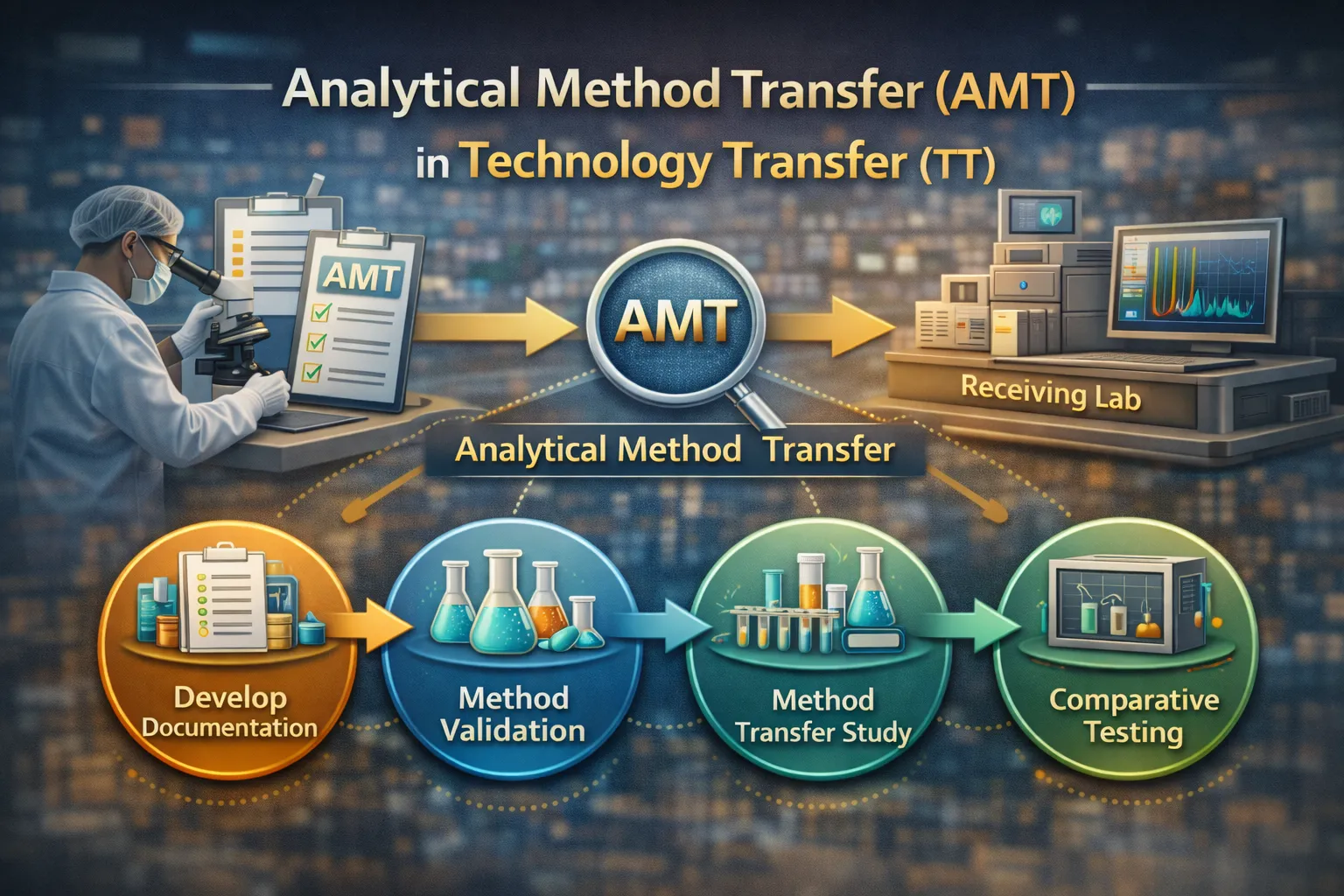
Analytical Method Transfer (AMT) in Technology Transfer (TT)

Analytical Method Transfer (AMT) in Technology Transfer (TT)

Analytical Method Transfer (AMT) in Technology Transfer (TT) ensures lab methods are accurately applied at production sites. Analytical Method Transfer (AMT) in Technology Transfer (TT) Analytical Method Transfer (AMT) is the systematic process of transferring validated analytical test methods from the sending lab to the receiving lab to ensure consistent product quality testing. Key Aspects … Read more

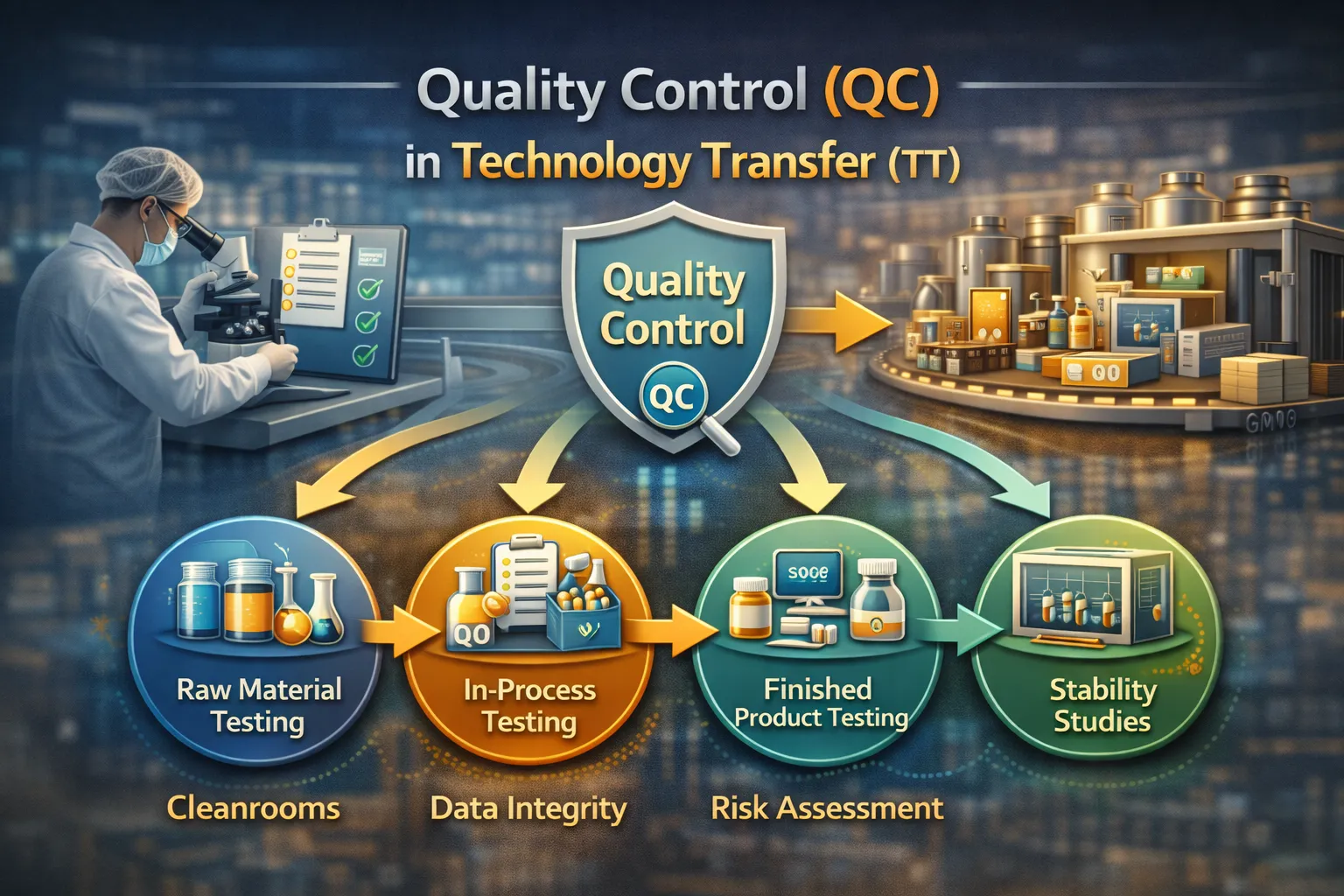
Quality Control (QC) in Technology Transfer (TT)

Quality Control (QC) in Technology Transfer (TT)

Quality Control (QC) in Technology Transfer (TT) ensures consistent product quality during pharmaceutical process transfers. Quality Control (QC) in Technology Transfer (TT) Quality Control (QC) ensures that the transferred product or process consistently meets quality standards at the receiving site. Key Aspects of QC in TT: Testing and Analysis: Routine testing of raw materials, intermediates, … Read more

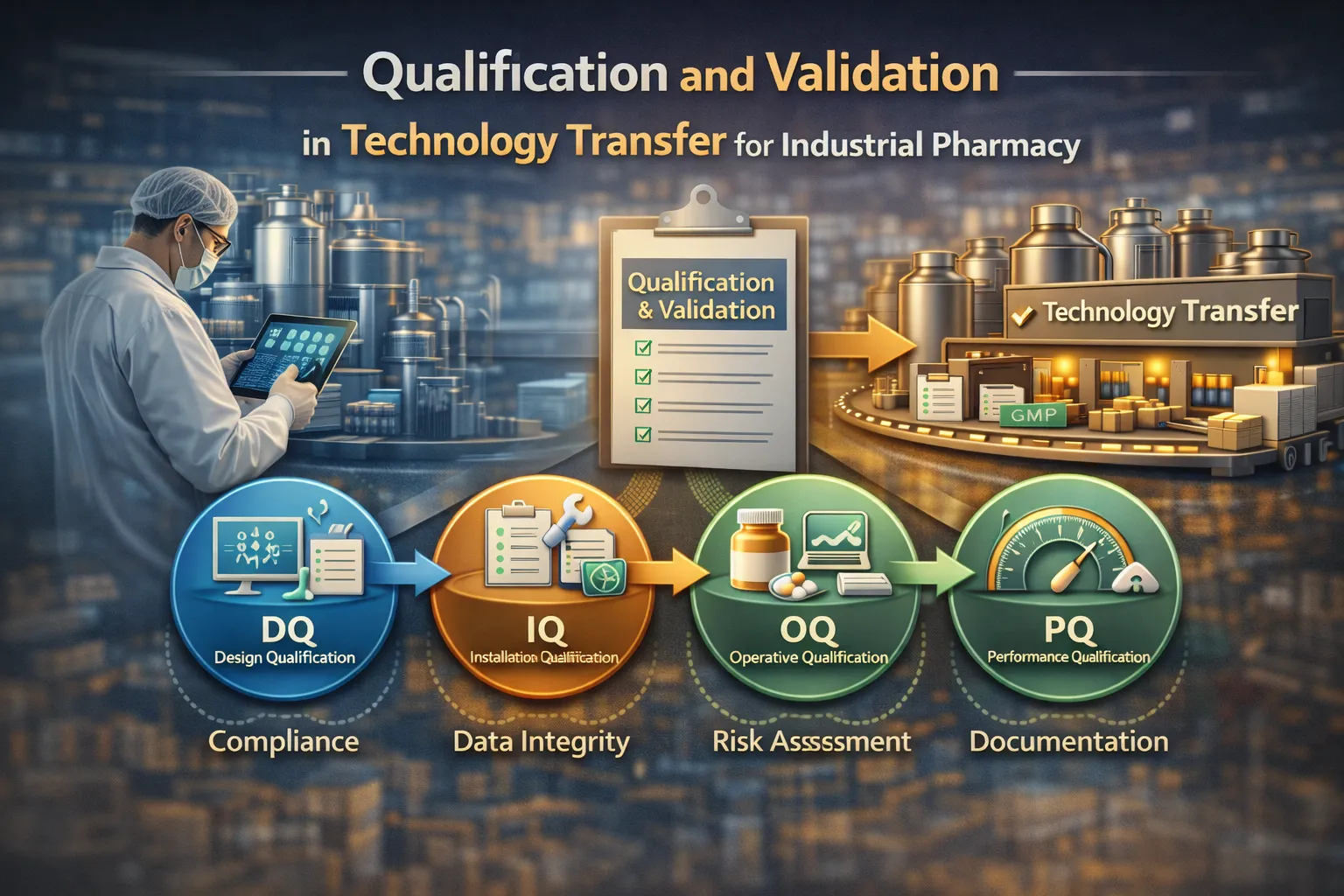
Qualification and Validation in Technology Transfer for Industrial Pharmacy

Qualification and Validation in Technology Transfer for Industrial Pharmacy

Qualification and Validation in Technology Transfer for Industrial Pharmacy ensures processes and equipment meet required quality standards. Qualification and Validation in Technology Transfer for Industrial Pharmacy In technology transfer (TT) within industrial pharmacy, qualification and validation are essential to ensure that transferred processes, equipment, and systems consistently produce high-quality products at the receiving site. Qualification … Read more

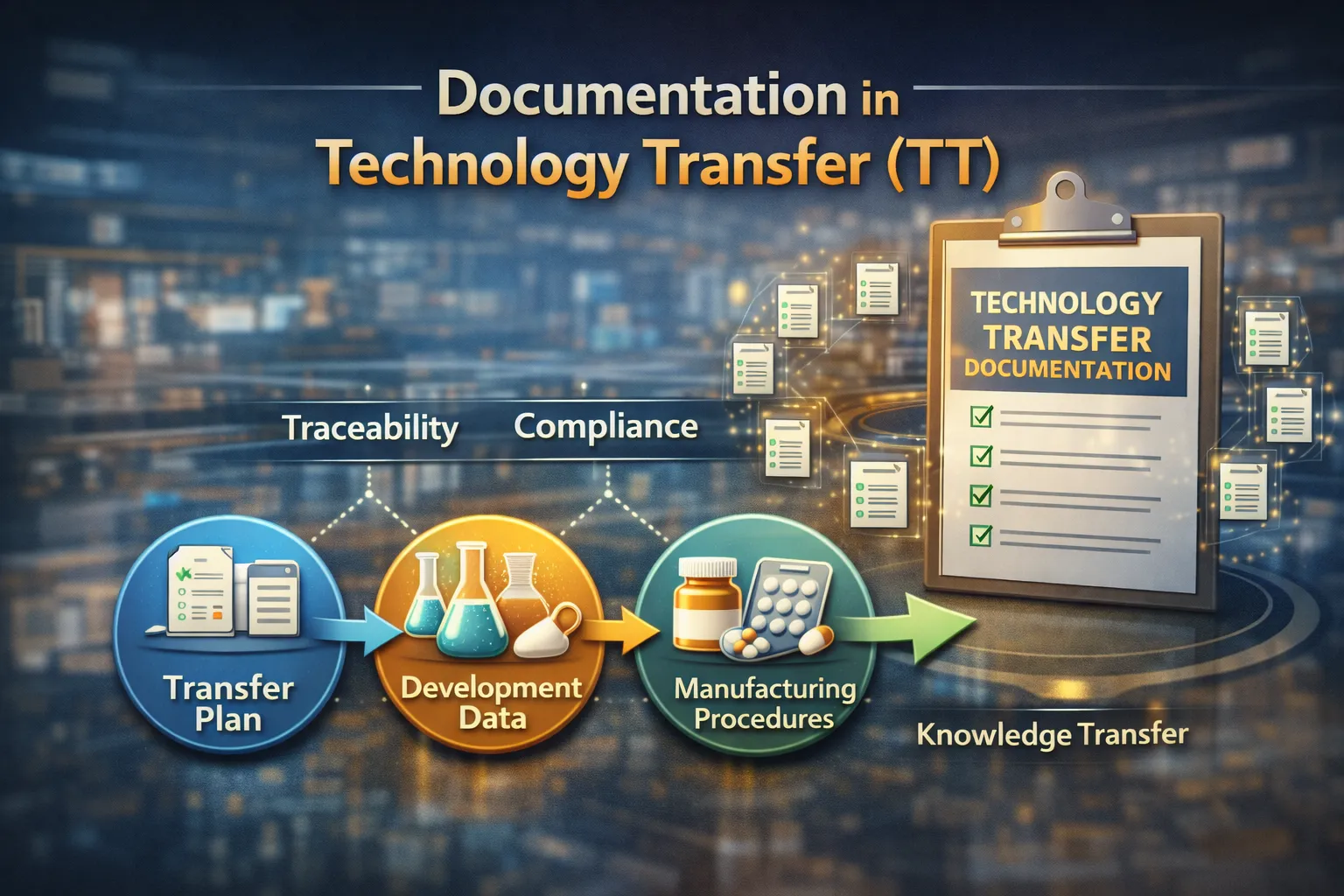
Documentation in Technology Transfer (TT)

Documentation in Technology Transfer (TT)

Importance of Documentation in Technology Transfer Documentation ensures transparency, traceability, and regulatory compliance, serving as evidence that processes meet quality standards. Types of Required Documentation in Technology Transfer Standard Operating Procedures (SOPs): Detailed instructions for routine tasks, ensuring consistency in production and quality control. Batch Manufacturing Records (BMRs): Records of each batch, including any deviations, … Read more

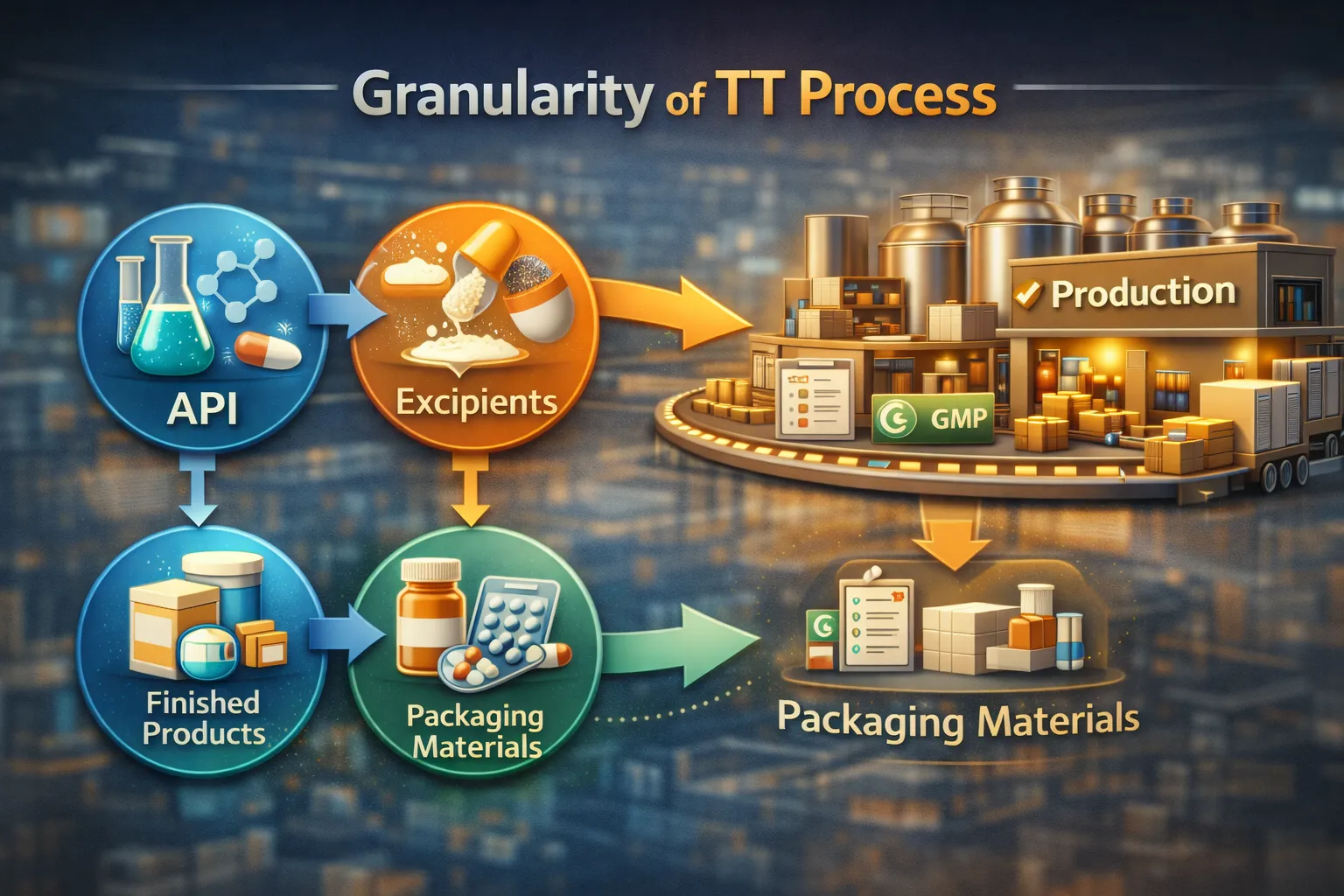
Granularity of TT Process (API, Excipients, Finished Products, Packaging Materials)

Granularity of TT Process (API, Excipients, Finished Products, Packaging Materials)

Granularity of TT Process (API, Excipients, Finished Products, Packaging Materials) defines detailed steps for all transfer components. Understanding Granularity of TT Process Granularity refers to the level of detail and depth in the technology transfer process. It ensures that all components of the product are thoroughly understood and effectively transferred. Transfer of Active Pharmaceutical Ingredients … Read more

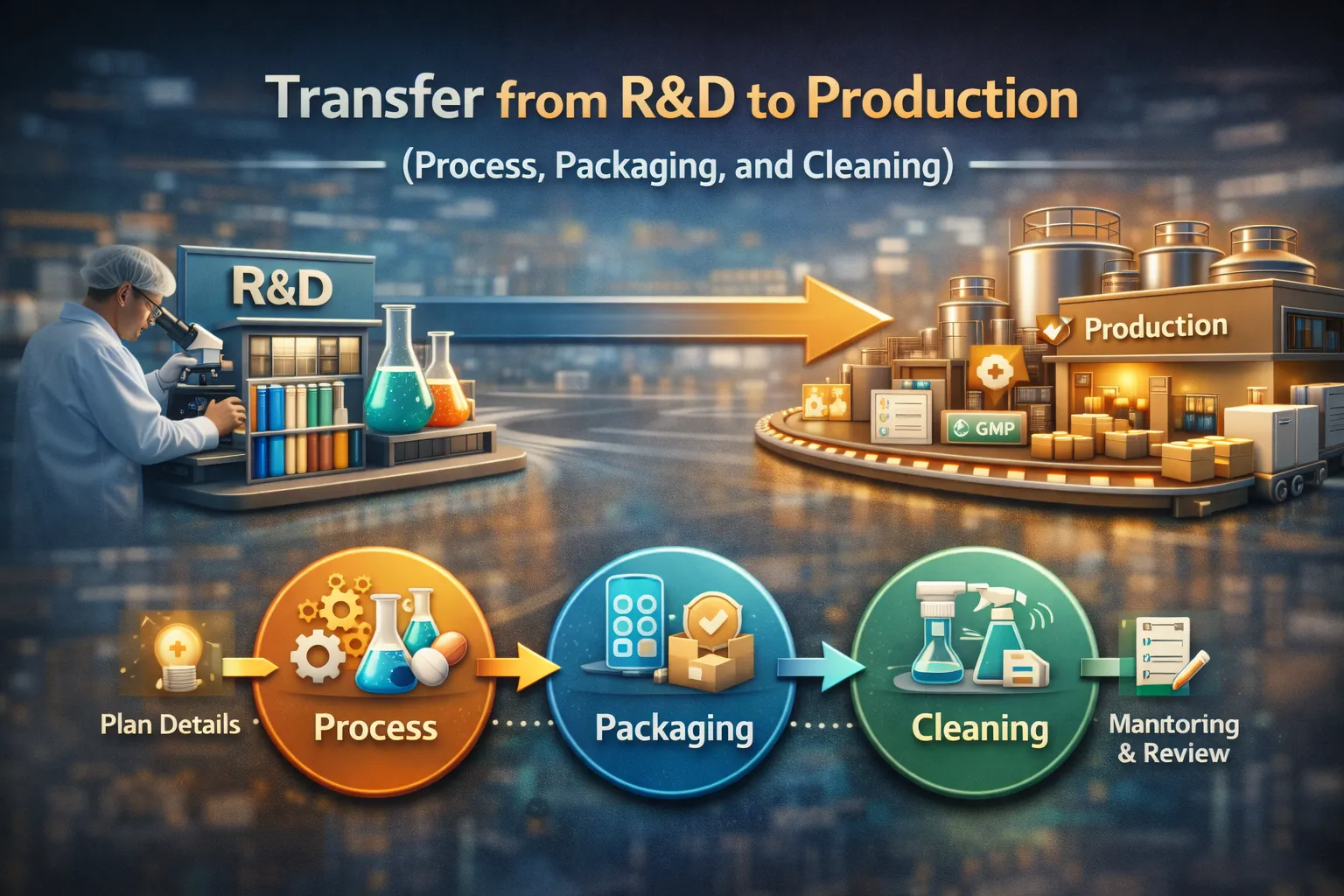
Transfer from R&D to Production (Process, Packaging, and Cleaning)

Transfer from R&D to Production (Process, Packaging, and Cleaning)

Transfer from R&D to Production (Process, Packaging, and Cleaning) standardizes methods for consistent manufacturing and quality control. Challenges in Scaling Up Process Scalability: Differences in equipment and batch sizes can affect product quality. Regulatory Requirements: Compliance with manufacturing regulations differs from R&D. Knowledge Transfer: Ensuring that tacit knowledge from R&D is effectively communicated. Process Transfer … Read more