Quality risk management of TT

Quality risk management of TT
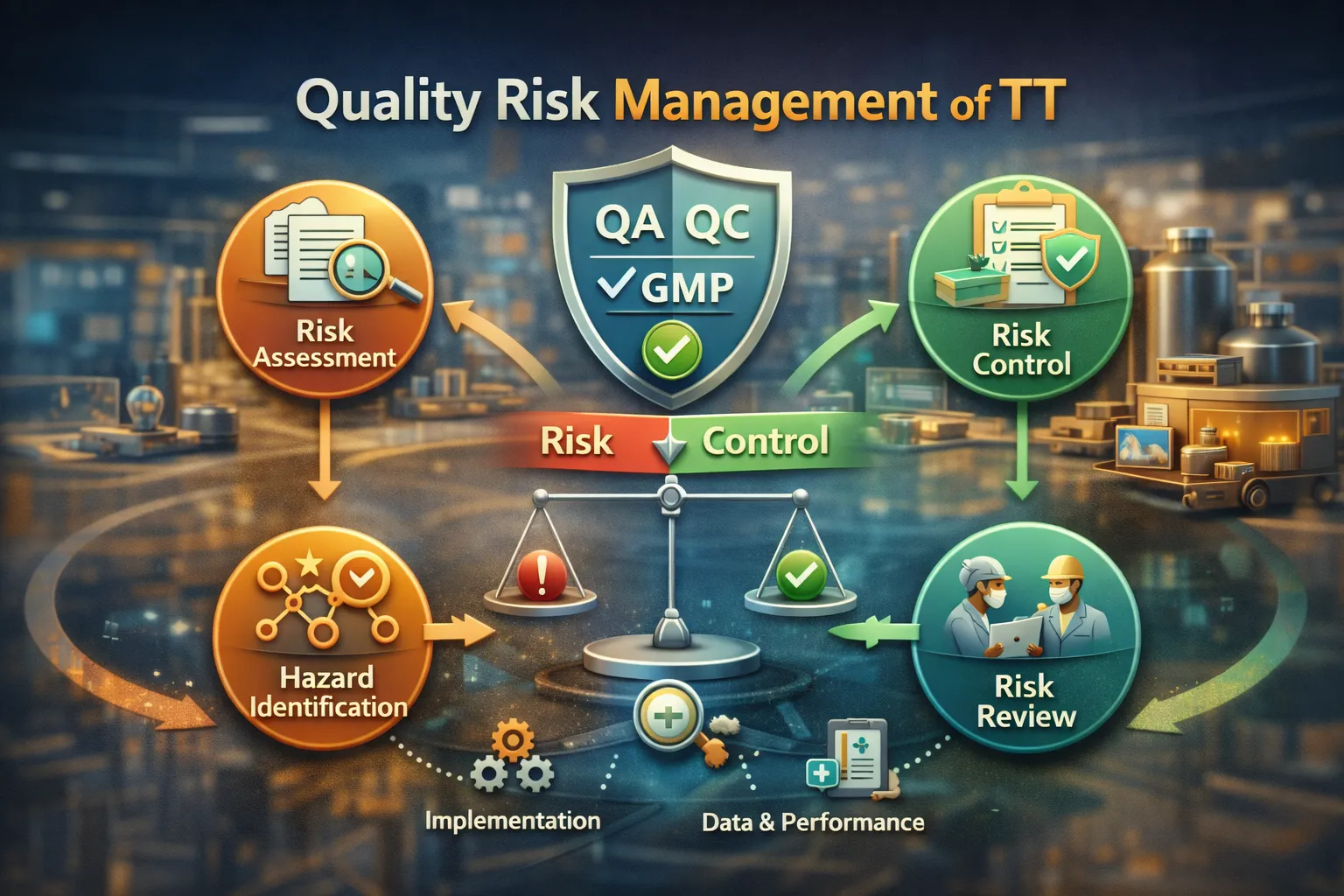
Definition and Importance of Quality risk management of TT Quality Risk Management (QRM) is a systematic process for the assessment, control, communication, and review of risks to the quality of the drug product across the product lifecycle. It ensures that high-quality products are delivered to patients. Principles of Quality risk management of TT Scientific Knowledge: … Read more


Technology Transfer Protocol

Technology Transfer Protocol

A technology transfer protocol is a formal document that outlines the procedures for transferring pharmaceutical manufacturing processes between facilities, ensuring product quality, efficacy, and safety are maintained. Key Steps in the Technology Transfer Protocol: Preparation Define the transfer scope and objectives. Identify responsible teams at both sending and receiving sites. Documentation Review Collect essential documents … Read more

Terminology of Technology Transfer (TT)

Terminology of Technology Transfer (TT)

Terminology of Technology Transfer (TT) defines key terms to standardize processes and communication in pharmaceutical transfers. Terminology of Technology Transfer (TT) Understanding these terms is essential for clear and effective communication during technology transfer. Technology Transfer (TT) The systematic procedure that controls the transfer of any process, including documentation and expertise, between development and manufacturing … Read more

WHO guidelines for Technology Transfer (TT)

WHO guidelines for Technology Transfer The World Health Organization (WHO) provides guidelines to ensure that pharmaceutical products are consistently produced and controlled according to quality standards during technology transfer. Purpose and Scope Purpose: To offer a structured framework for effective transfer of manufacturing processes, analytical methods, and related information. Scope: Applies to the transfer of … Read more

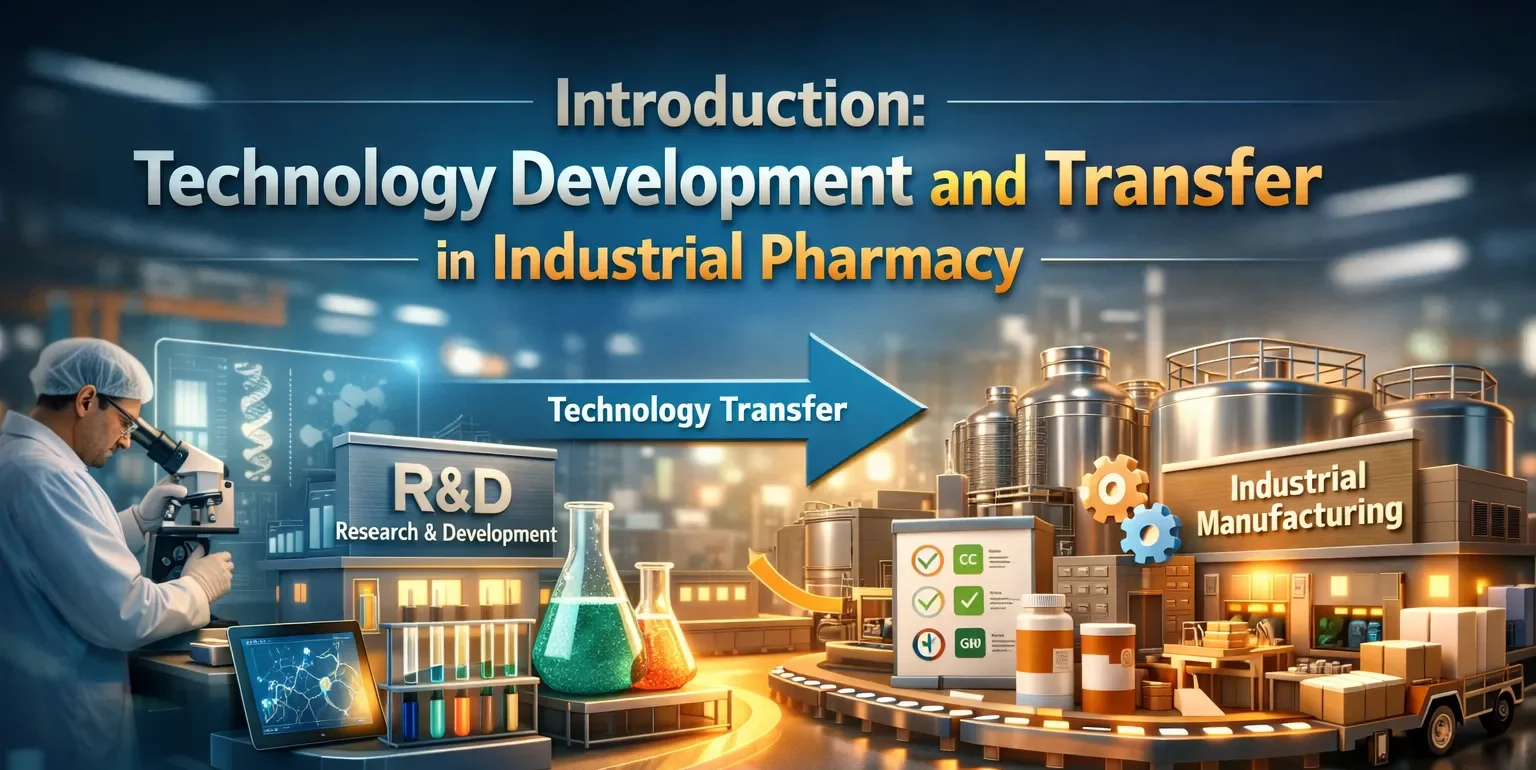
Introduction: Technology Development and Transfer in Industrial Pharmacy

Introduction Technology Development and Transfer in Industrial Pharmacy

Purpose of Technology Development and Transfer in Industrial Pharmacy Technology transfer ensures consistent drug quality across manufacturing sites and accelerates time-to-market for new products. Phases of Technology Transfer Research & Development: Discover and optimize drug formulations. Pilot Scale-Up: Test formulations at a larger scale to identify manufacturing challenges. Technology Transfer: Move technology from R&D to … Read more

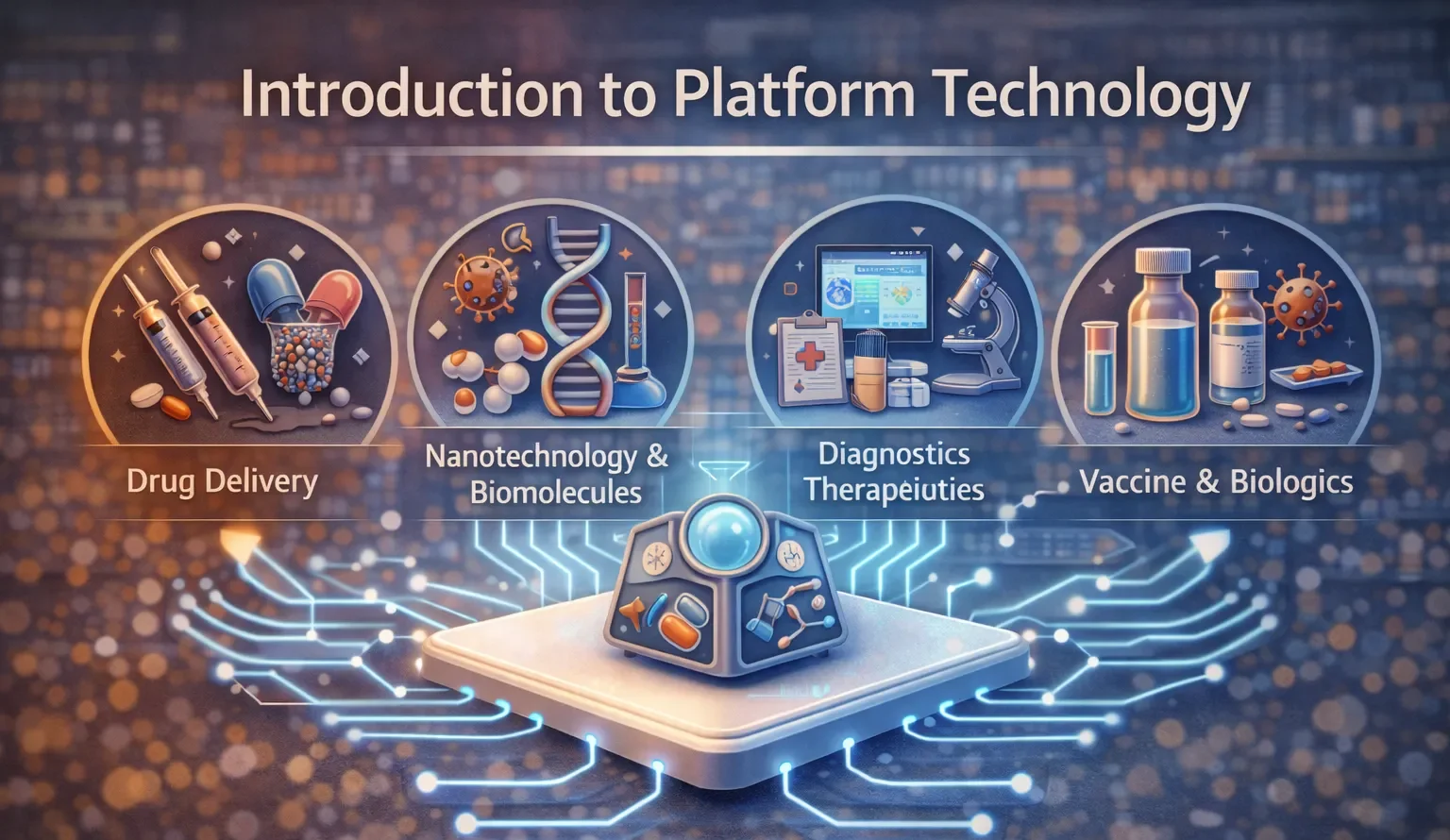
Introduction to Platform Technology

Introduction to Platform Technology

Introduction to Platform Technology Introduction to Platform Technology explains standardized systems used to develop products efficiently in pharmaceutical manufacturing. Platform technology in pharmaceuticals refers to a standardized system or methodology that can be used to develop and manufacture multiple products. This approach leverages common processes, equipment, or formulations to streamline development and production. Advantages Efficiency … Read more

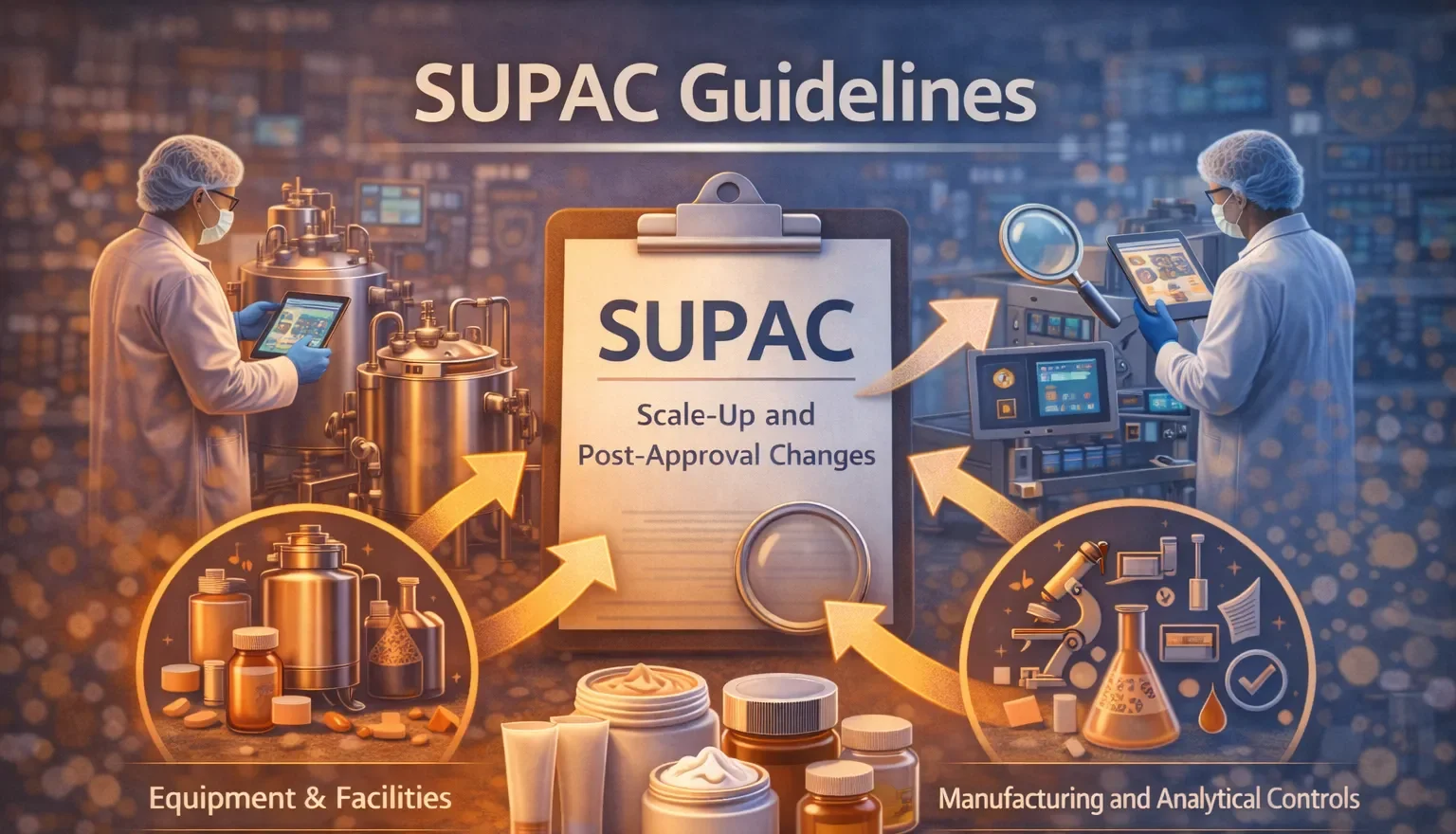
SUPAC Guidelines

SUPAC Guidelines

The Scale-Up and Post-Approval Changes (SUPAC) guidelines are provided by the U.S. Food and Drug Administration (FDA) to assist pharmaceutical manufacturers in managing changes to approved drug products. These guidelines help ensure that post-approval changes do not adversely affect the identity, strength, quality, purity, or potency of the drug product. Key Components of SUPAC Change … Read more

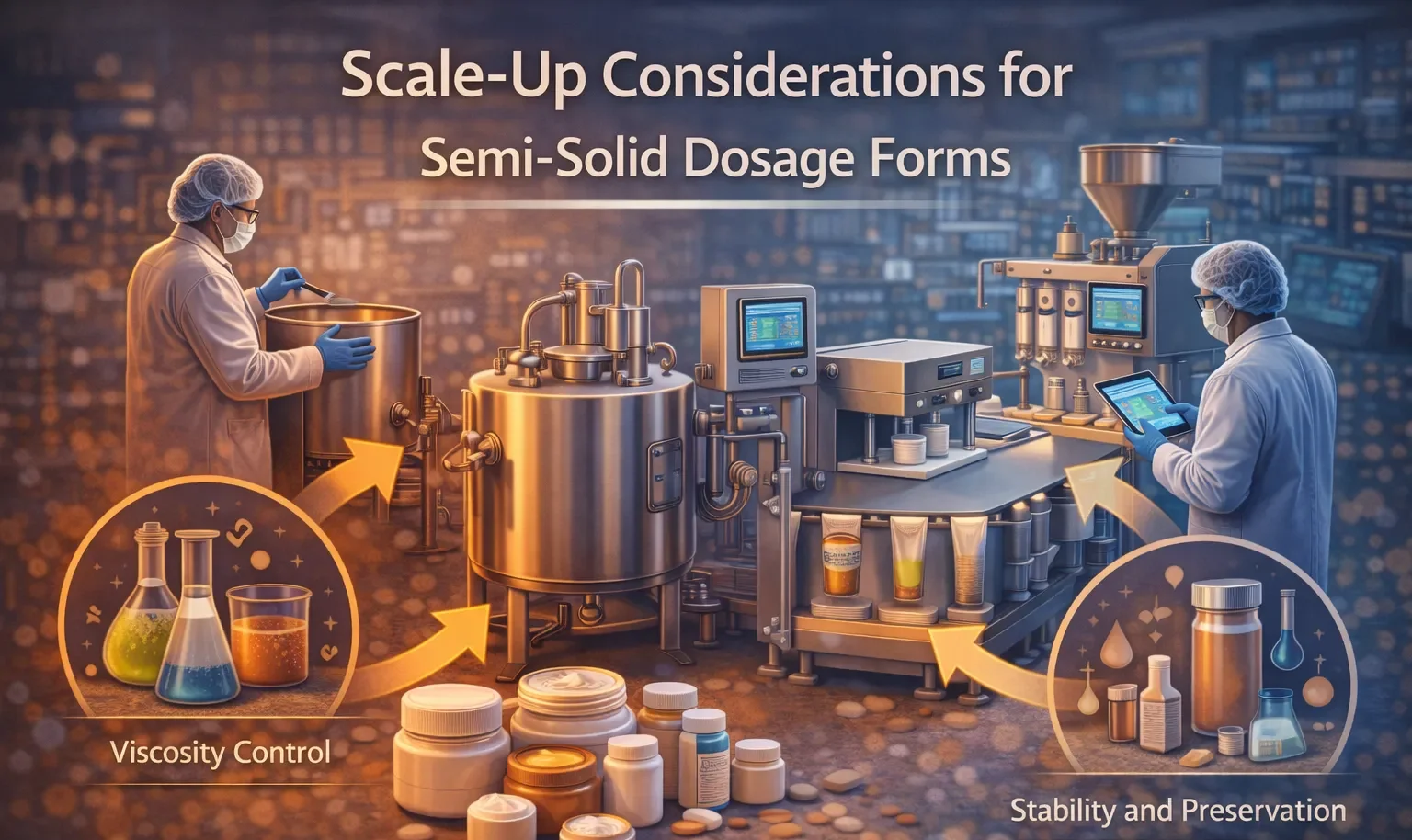
Scale-up considerations for semi-solid dosage forms

Scale-up considerations for semi-solid dosage forms

Scale-up considerations for semi-solid dosage forms include mixing, viscosity, uniformity, and temperature control during production. Semi-Solid Dosage Forms: Creams, Gels, Ointments, and Pastes Scaling up semi-solid formulations involves ensuring consistency, efficacy, and stability. Key considerations include: Homogeneity Importance: Uniform distribution of API and excipients. Factors: Mixer type, speed, duration, temperature. Viscosity and Rheology Impact: Determines … Read more

Pilot Plant scale-up considerations for liquid oral dosage forms

Pilot Plant scale-up considerations for liquid oral dosage forms

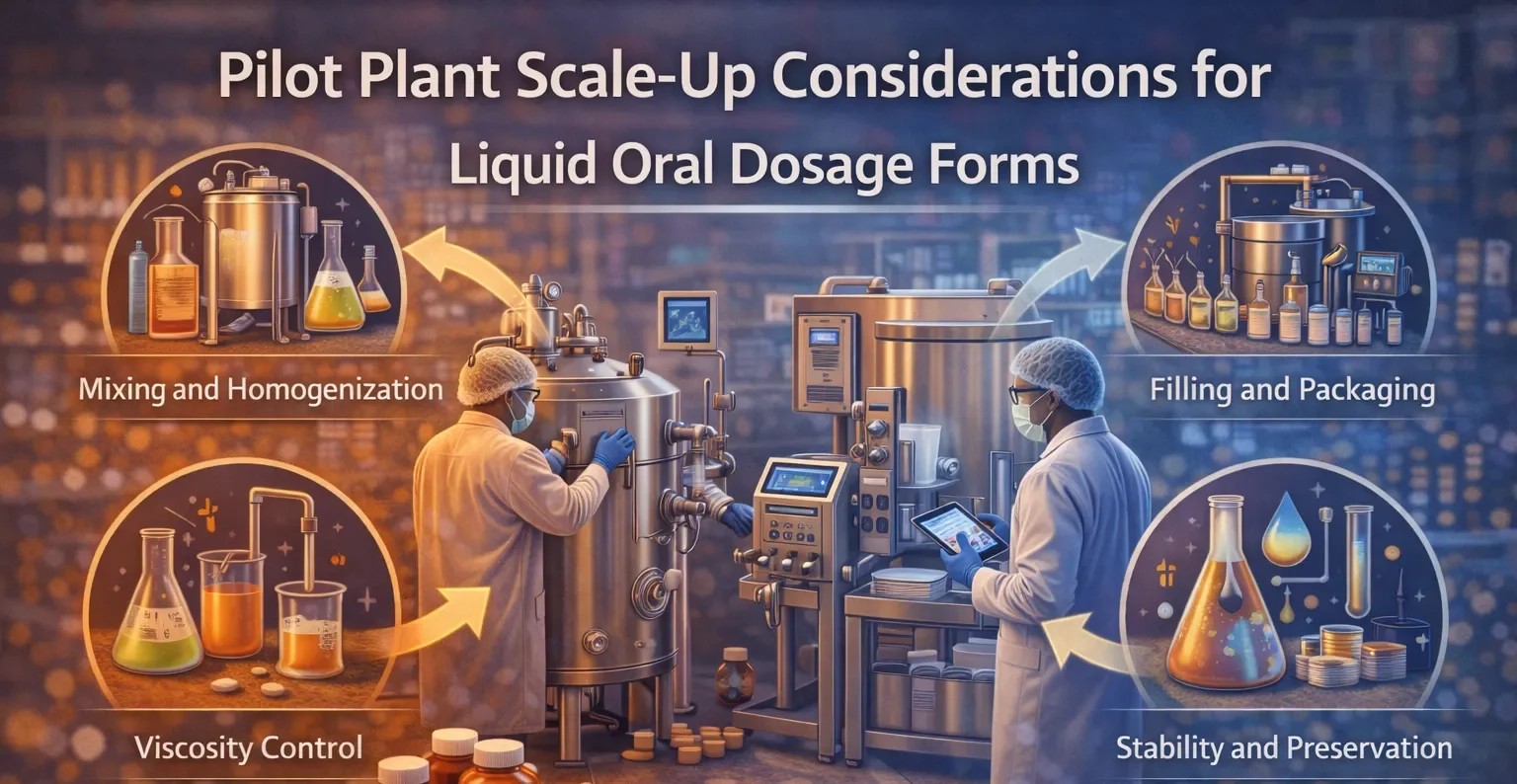
Pilot Plant scale-up considerations for liquid oral dosage forms include viscosity, mixing, stability, and uniformity control. Liquid Oral Dosage Forms: Syrups, Suspensions, Elixirs, and Solutions Scaling up liquid formulations requires maintaining consistent quality, efficacy, and stability. Key considerations include: Mixing and Homogeneity Importance: Uniform API and excipient distribution. Factors: Mixer type, speed, duration. Challenges: Preventing … Read more

Pilot Plant Scale up Considerations for Solids

Pilot Plant Scale up Considerations for Solids

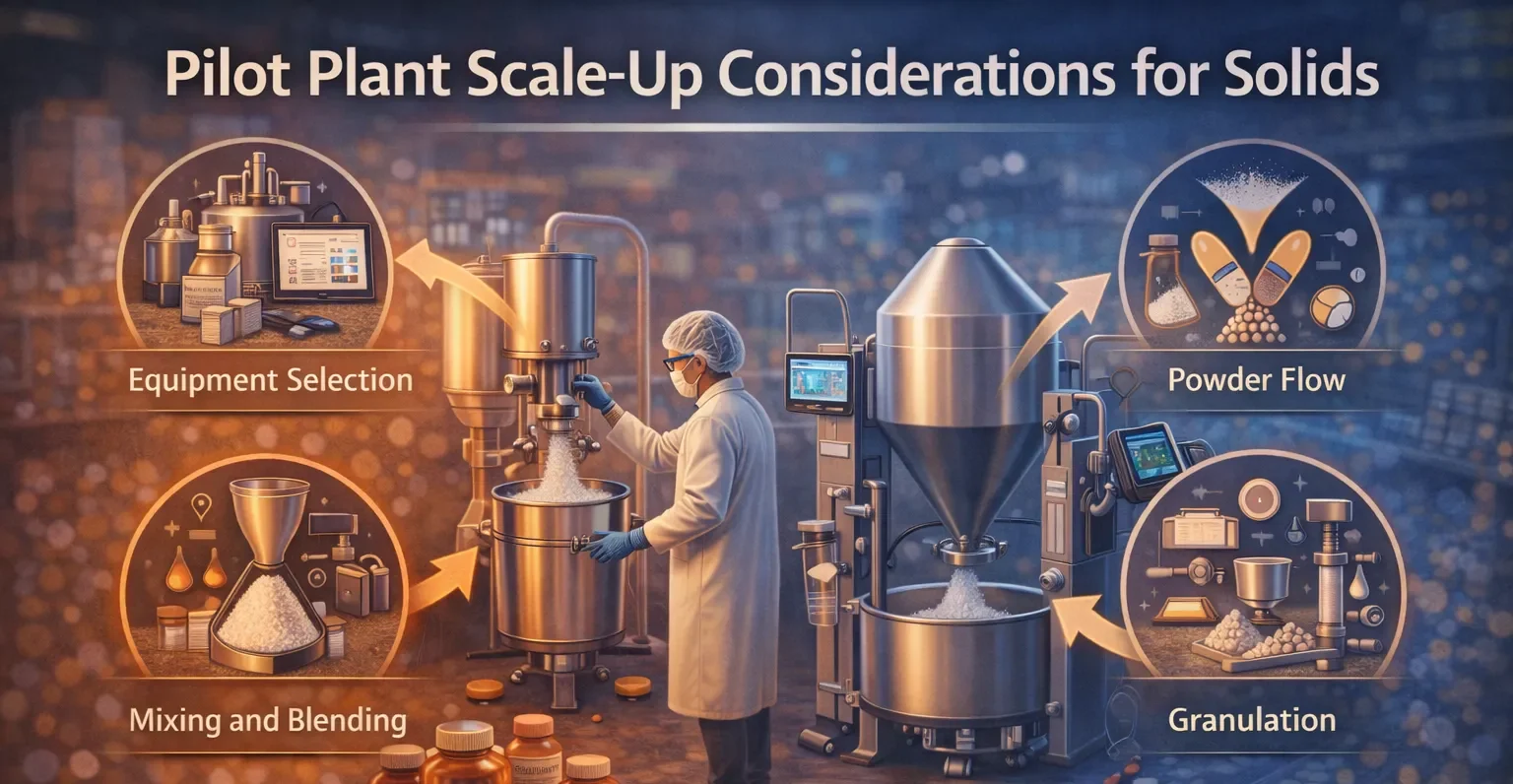
Pilot plant scale up considerations for solids Pilot plant scale up considerations for solids include mixing, granulation, flow properties, and compression parameters. Solids: Tablets and Capsules Scaling up solid dosage forms such as tablets and capsules involves ensuring that formulation performance remains consistent as batch sizes increase. Key considerations include: Blend Uniformity Importance: Ensures even … Read more