General Considerations in Pilot Plant Scale-Up

General Considerations in Pilot Plant Scale-Up

General Considerations in Pilot Plant Scale-Up include equipment, process parameters, and quality control for successful scale-up. General Considerations in Pilot Plant Scale-Up Scaling up production from laboratory to pilot plant involves various technical, operational, and logistical considerations to ensure that the transition is efficient, safe, and scalable to commercial production.     Personnel Requirements Expertise and … Read more

Pilot Plant and Scale-Up Techniques in Pharmaceutical Manufacturing

Pilot Plant and Scale-Up Techniques in Pharmaceutical Manufacturing

Pilot Plant and Scale-Up Techniques in Pharmaceutical Manufacturing Pilot Plant and Scale-Up Techniques in Pharmaceutical Manufacturing explain processes for scaling lab production to industrial level. Pilot Plant A pilot plant is a small-scale manufacturing facility that replicates full-scale production conditions for pharmaceutical formulations developed in the lab. It allows researchers and engineers to validate and … Read more

Chronotherapy

Chronotherapy

Definition of Chronotherapy Chronotherapy is the practice of timing medication administration to align with the body’s biological rhythms, aiming to maximize therapeutic effect and minimize side effects. Applications of Chronotherapy Especially beneficial for diseases with circadian patterns, such as: Asthma (worsens at night) Hypertension (morning BP surge) Cancer (timing can reduce toxicity) Rheumatoid arthritis (morning … Read more

Biological Clock and Its Significance

Biological Clock and Its Significance

Biological Clock and Its Significance Biological Clock and Its Significance explain internal timing systems that regulate physiological processes and drug responses. What is a Biological Clock? A biological clock is a molecular system that regulates circadian rhythms—roughly 24-hour cycles in body functions. The master clock in mammals is located in the suprachiasmatic nucleus (SCN) of … Read more

Rhythms and Cycles in Chronopharmacology

Rhythms and Cycles in Chronopharmacology

Definition of Rhythms and Cycles in Chronopharmacology In chronopharmacology, rhythms and cycles refer to recurring biological patterns that influence how the body responds to medications over time. These rhythms are regulated by internal biological clocks and can be affected by external cues like light and temperature. Biological Rhythms Biological rhythms are periodic processes in living … Read more

Chronopharmacology

Chronopharmacology

Definition of Chronopharmacology: Chronopharmacology is the study of the effects of biological rhythms on the pharmacokinetics (absorption, distribution, metabolism, and elimination) and pharmacodynamics (the effects of drugs on the body) of drugs. Importance: Biological rhythms can influence the absorption, distribution, metabolism, and elimination of drugs, as well as their effectiveness and toxicity. Understanding these rhythms … Read more

Arsenic Poisoning

Arsenic Poisoning

Sources of Arsenic Poisoning Contaminated groundwater (naturally high arsenic areas). Pesticides, herbicides, wood preservatives. Industrial processes: smelting, semiconductor manufacturing. Clinical Symptoms Acute Poisoning: GI distress: Severe vomiting, abdominal pain, diarrhea (“rice-water stools”). Hypotension, shock (from fluid loss). Garlic odor on breath or tissues. Multi-organ failure (cardiac, renal). Chronic Poisoning (Arsenicosis): Skin changes: Hyperpigmentation, hyperkeratosis (especially … Read more

Mercury Poisoning

Mercury Poisoning

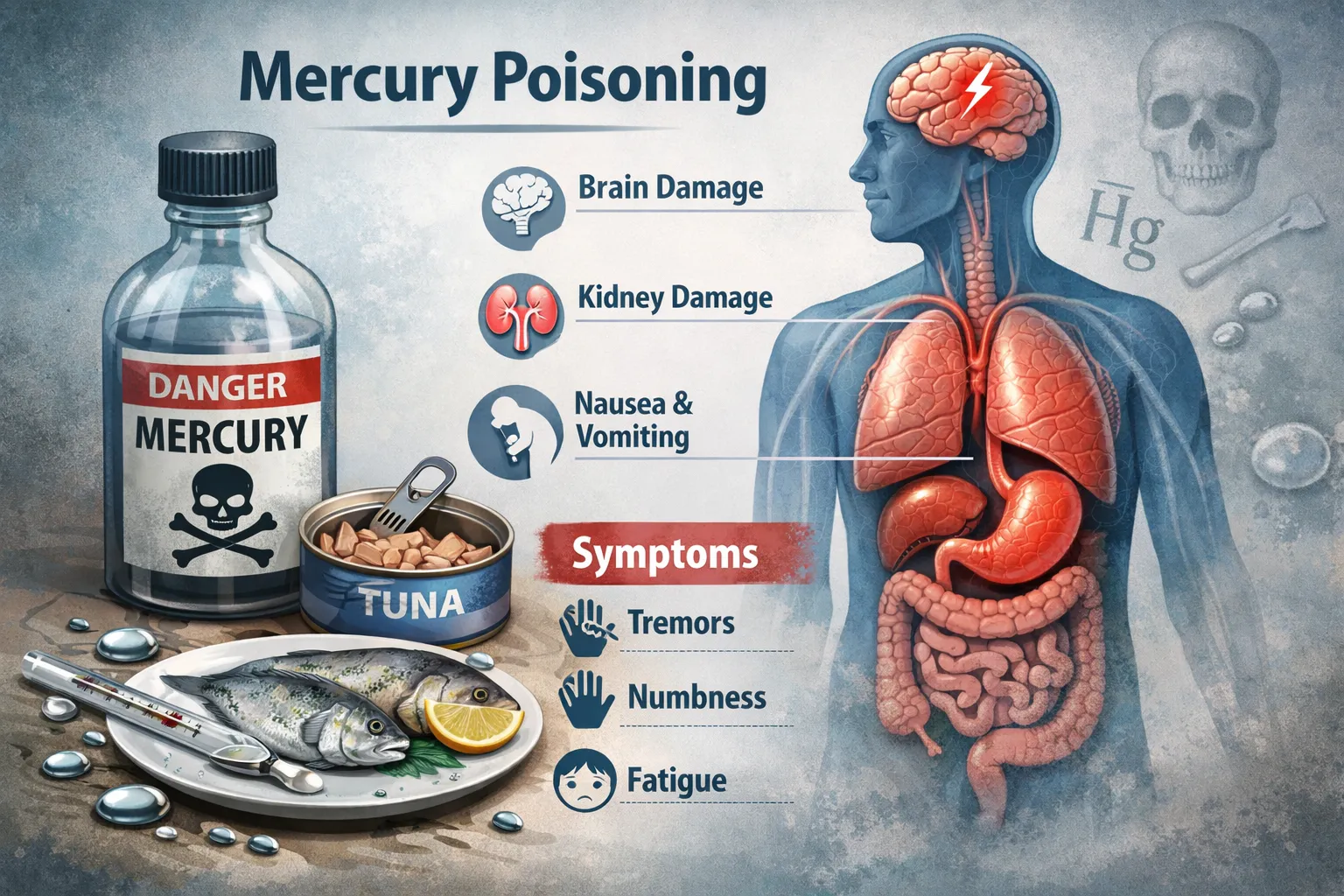
Mercury Poisoning is toxicity due to mercury exposure affecting the nervous system, kidneys, and other organs. Forms of Mercury Elemental Mercury (Hg⁰): Found in thermometers, dental amalgams. Vapor is most toxic. Inorganic Mercury (Hg²⁺ salts): e.g., mercury chloride. Organic Mercury (Methylmercury): From industrial pollution; bioaccumulates in large fish. Clinical Symptoms of Mercury Poisoning Acute Inhalation … Read more

Lead Poisoning

Lead Poisoning

Sources and Overview of Lead Poisoning Common sources: Lead-based paints, contaminated dust or soil, batteries, gasoline additives (older formulations). Chronic exposure is more common, often due to: Occupational settings. Environmental contamination. Clinical Symptoms Neurological: Children: Developmental delay, learning difficulties, irritability, loss of appetite, weight loss, hearing loss. Adults: Peripheral neuropathy (e.g., wrist drop), encephalopathy (in … Read more

Organophosphorus (OP) Compound Poisoning

Organophosphorus (OP) Compound Poisoning

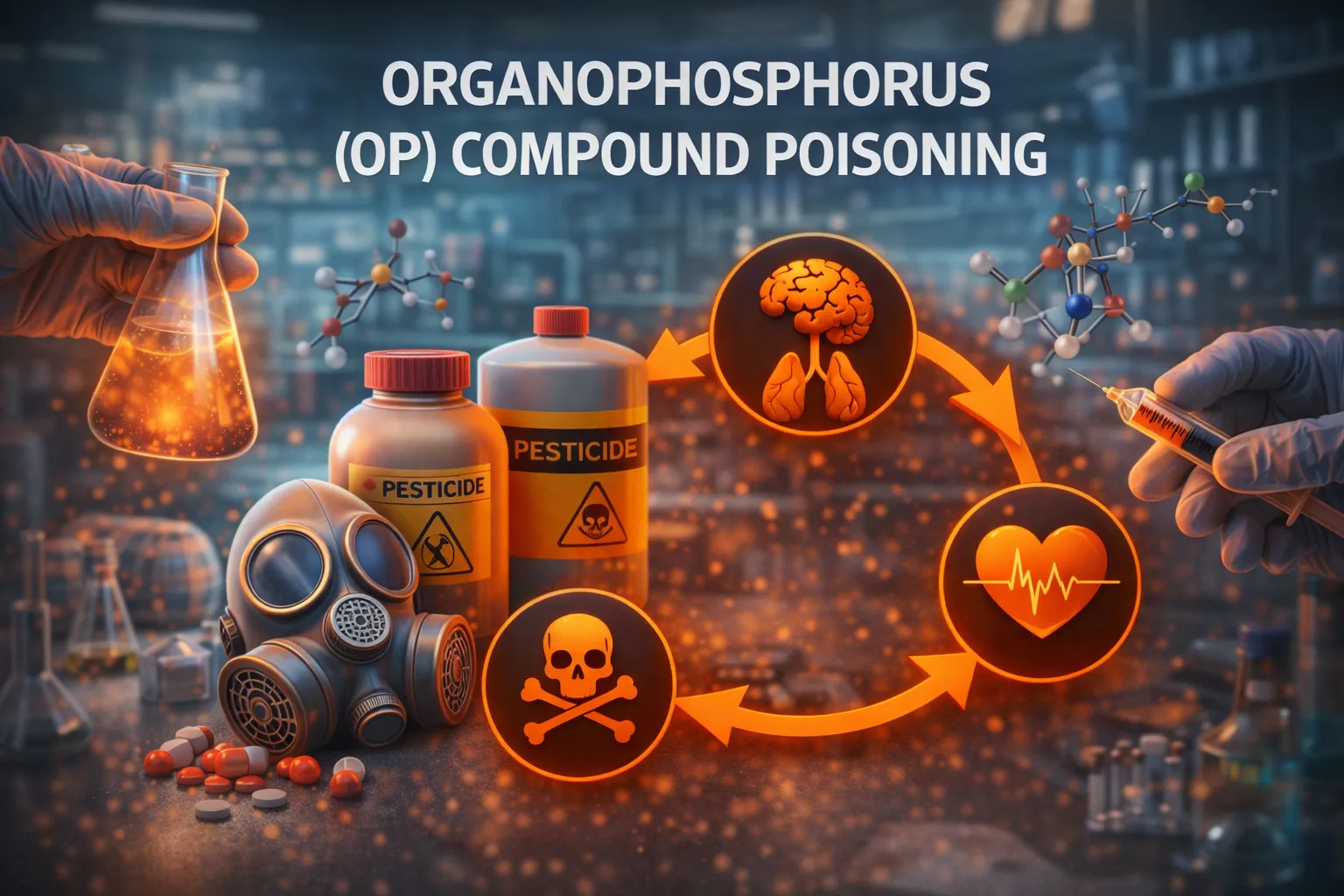
Overview of Organophosphorus (OP) Compound Poisoning OP compounds are cholinesterase inhibitors used as pesticides (e.g., parathion, malathion, diazinon). They cause accumulation of acetylcholine (ACh) → overstimulation of muscarinic and nicotinic receptors. Clinical Symptoms (Cholinergic Syndrome) Mnemonic: SLUDGE-M or DUMBBELSS + Killer B’s Salivation Lacrimation Urination Diarrhea GI upset Emesis Miosis (pupil constriction) Muscle twitching, weakness, … Read more