New Drug Application (NDA)

New Drug Application (NDA)
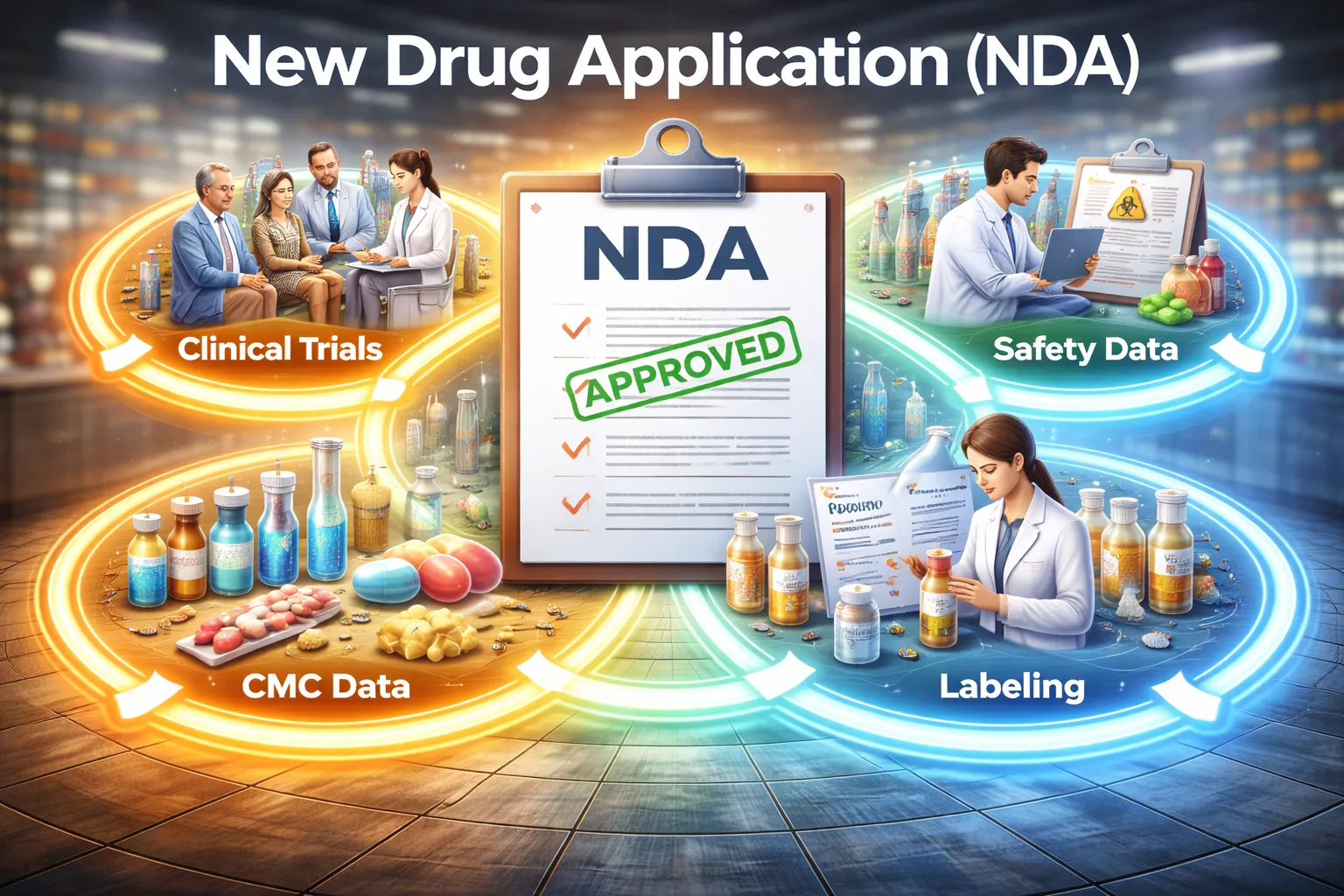
New Drug Application (NDA) is a regulatory submission to obtain approval for marketing a drug based on safety and efficacy data. New Drug Application New Drug Application (NDA) An NDA is a comprehensive submission to the FDA requesting approval to market a new pharmaceutical for sale in the U.S. The NDA must provide sufficient evidence … Read more
Investigator’s Brochure (IB)

Investigator’s Brochure (IB)

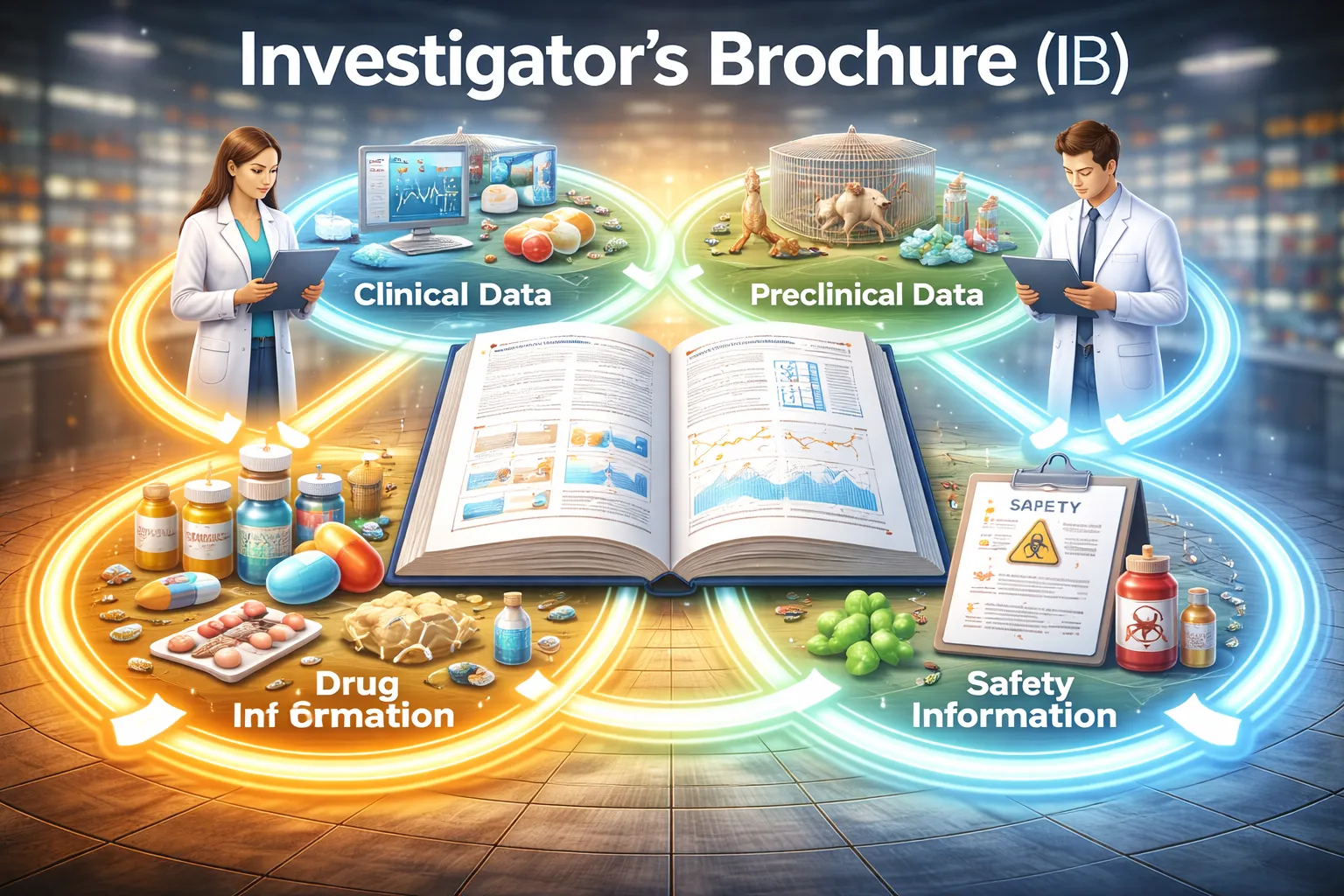
Purpose of Investigator’s Brochure (IB) The Investigator’s Brochure (IB) is a comprehensive document that provides investigators and study staff with the information necessary to conduct a clinical trial safely and effectively. Content Title Page and Confidentiality Statement Table of Contents Summary Overview of key information. Introduction Chemical Name and Structure: Description of the drug. Mechanism … Read more

General Considerations for an Investigational New Drug (IND) Application

General Considerations for an Investigational New Drug (IND) Application

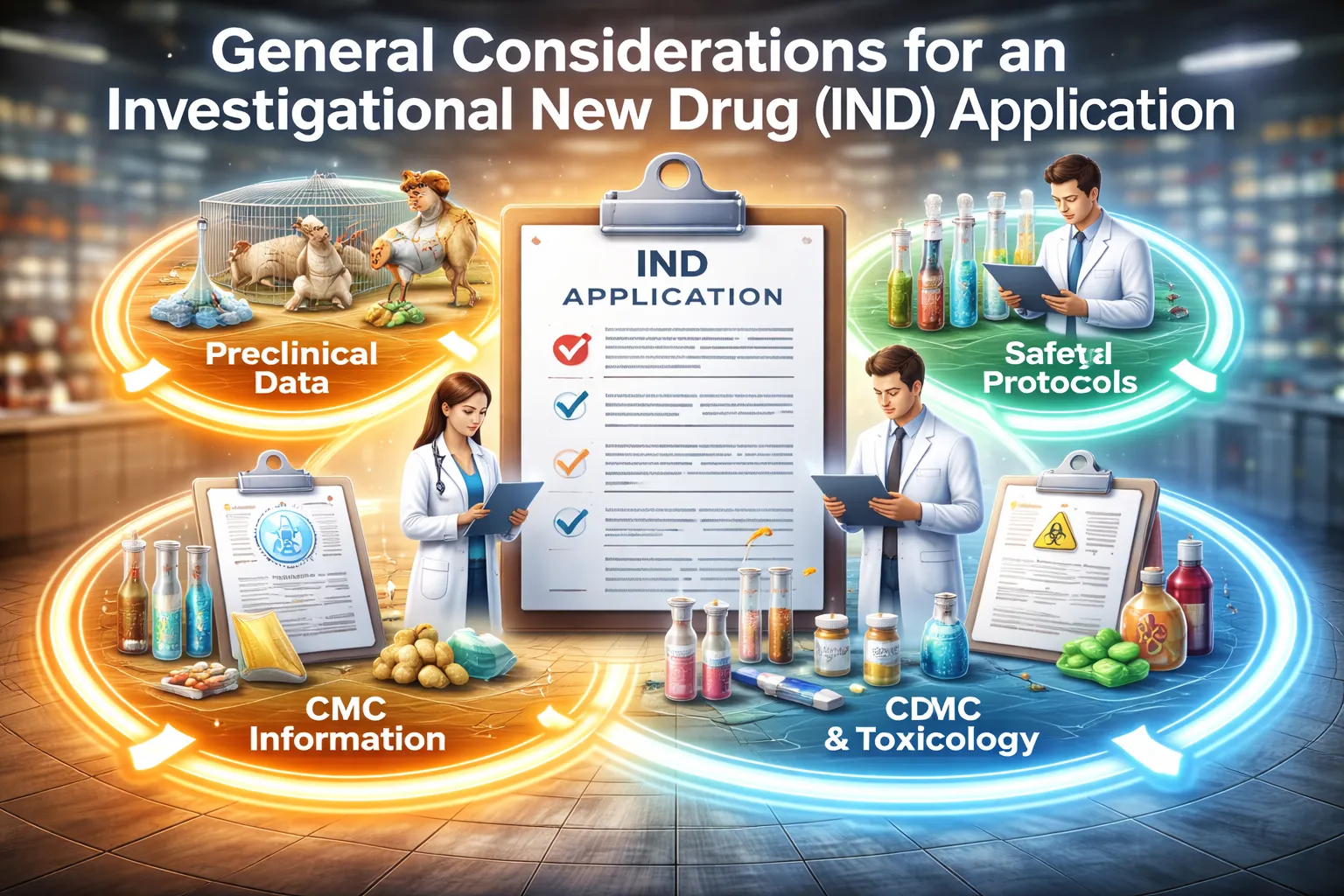
General Considerations for an Investigational New Drug (IND) Application ensure safety and compliance before clinical trials. General Considerations for an Investigational New Drug (IND) Application The Investigational New Drug (IND) application is a critical step in drug development, allowing a pharmaceutical company to conduct clinical trials on a new drug in humans. Submitted to regulatory … Read more

Toxicology

Toxicology

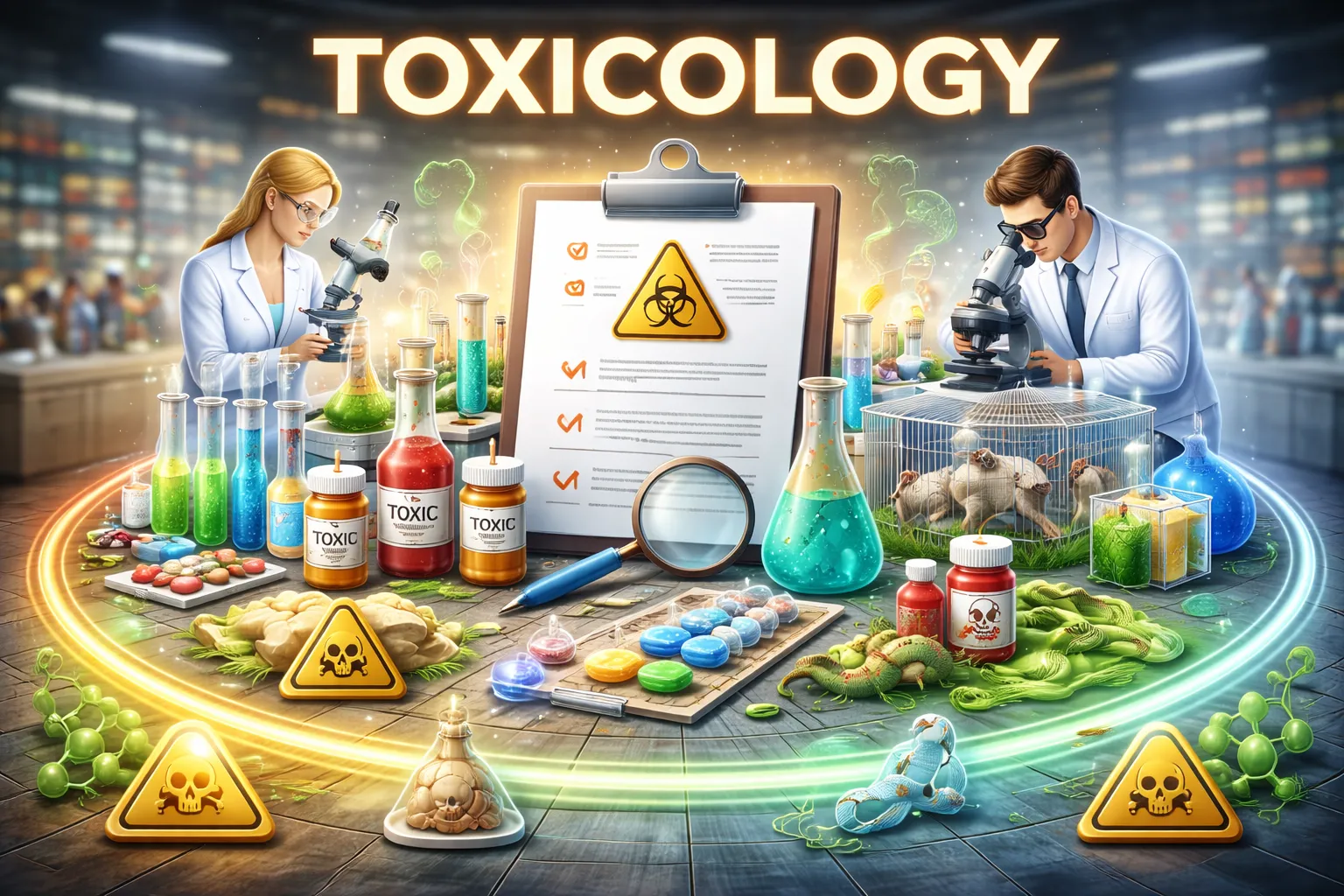
Toxicology Toxicology is the study of the adverse effects of chemicals on living organisms. In drug development, toxicological studies assess the potential harmful effects of drug candidates. Types of Toxicity Studies Acute Toxicity Objective: Determine the effects of a single dose. Endpoints: Lethal dose (LD50), clinical signs, organ toxicity. Repeated Dose Toxicity Subacute (up to … Read more

Drug Metabolism

Drug Metabolism

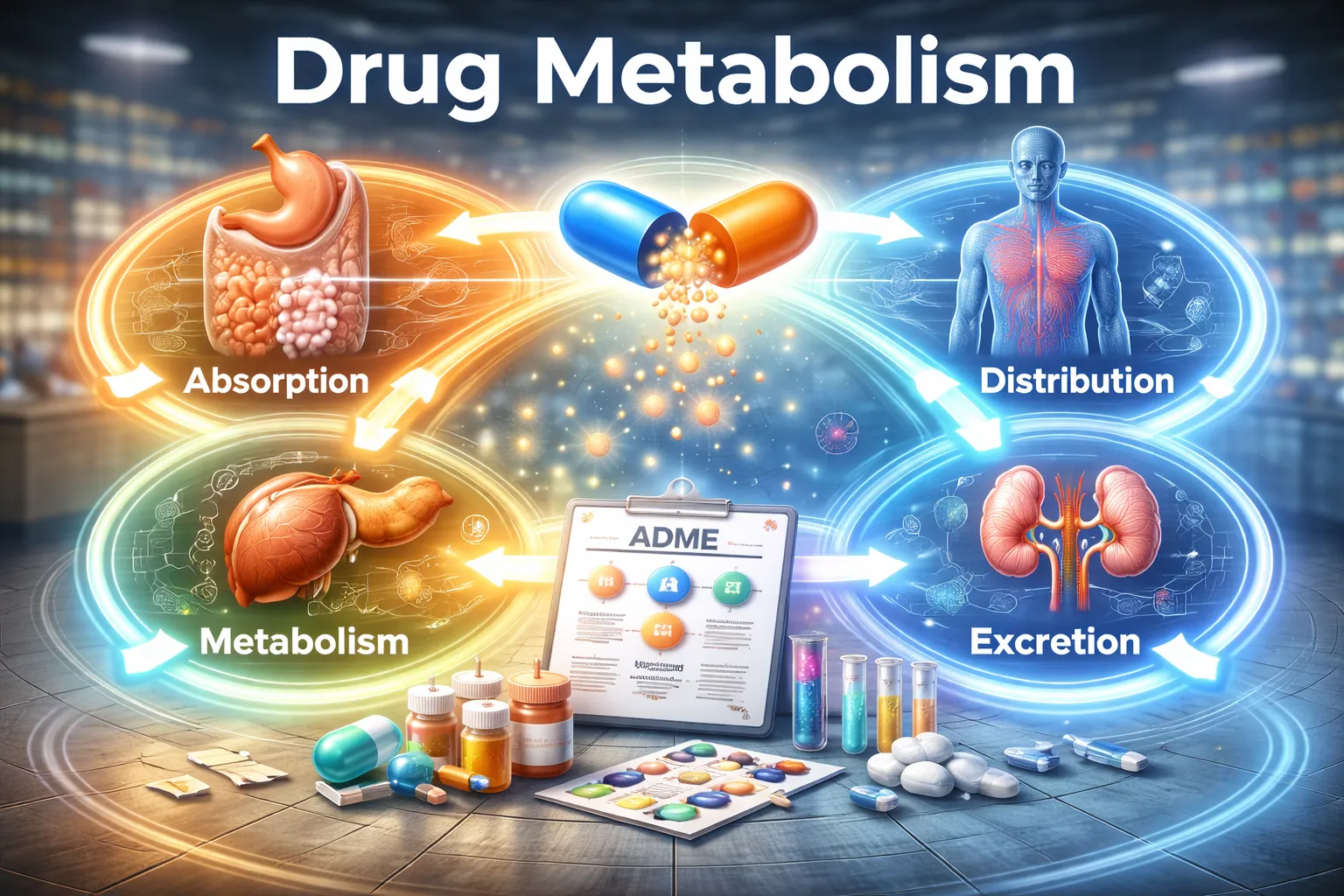
Drug Metabolism Drug metabolism involves the biochemical modification of drugs, primarily through enzymatic processes, to facilitate their excretion from the body. Biotransformation Drugs can undergo transformation through various pathways, resulting in: Inactive Compounds: Metabolites ready for excretion. Active Metabolites: Compounds with their own therapeutic or toxic effects. Prodrugs: Inactive forms that become active only after … Read more

Pharmacology

Pharmacology

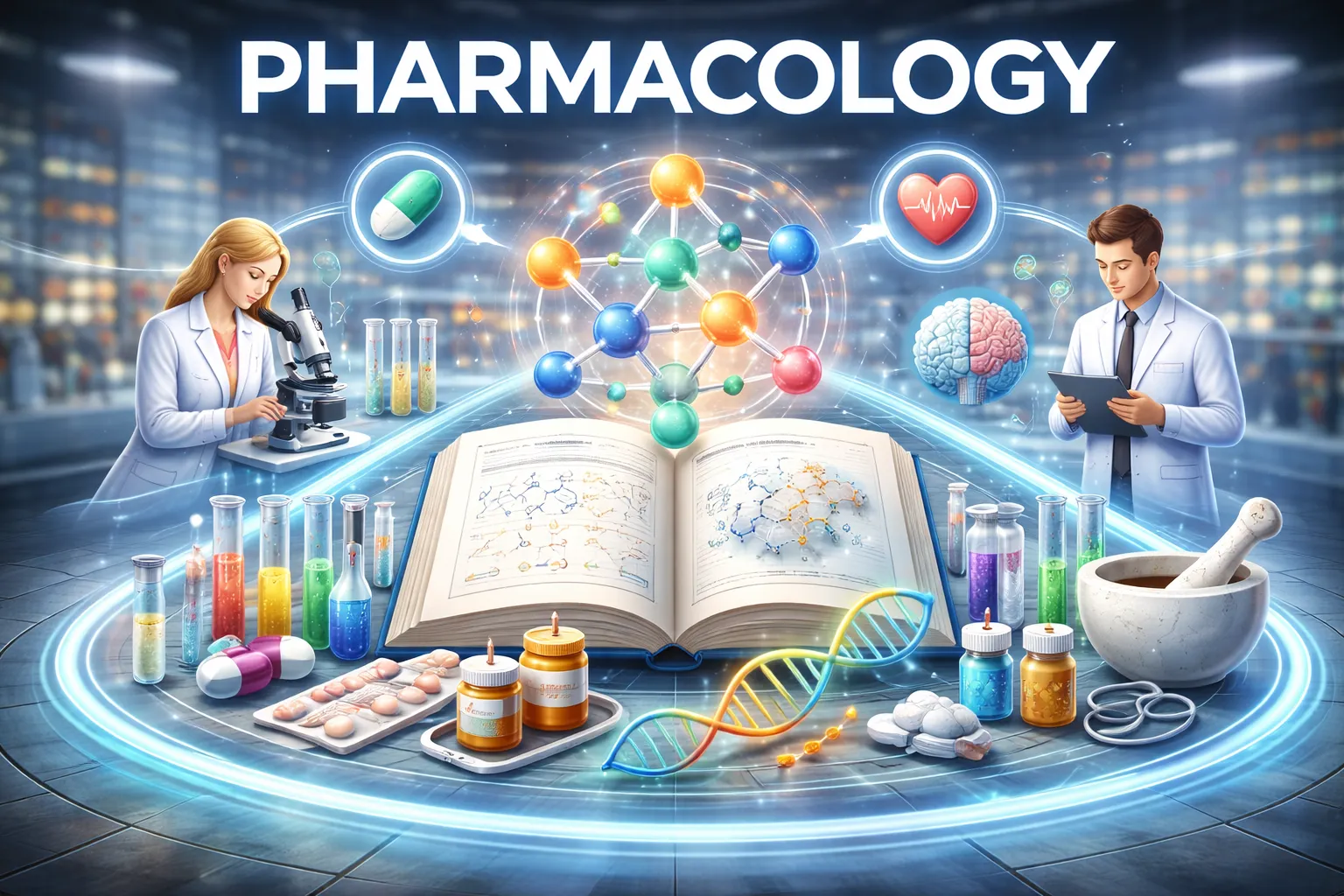
Introduction to Pharmacology Pharmacology is the study of how drugs interact with biological systems. It encompasses understanding the mechanisms of drug action, therapeutic effects, and side effects. Key Areas: Pharmacodynamics (PD) Mechanism of Action: How drugs exert effects at molecular and cellular levels. Dose-Response Relationships: Link between drug concentration and effect. Therapeutic Window: Range between … Read more

Non-Clinical Drug Development

Non-Clinical Drug Development

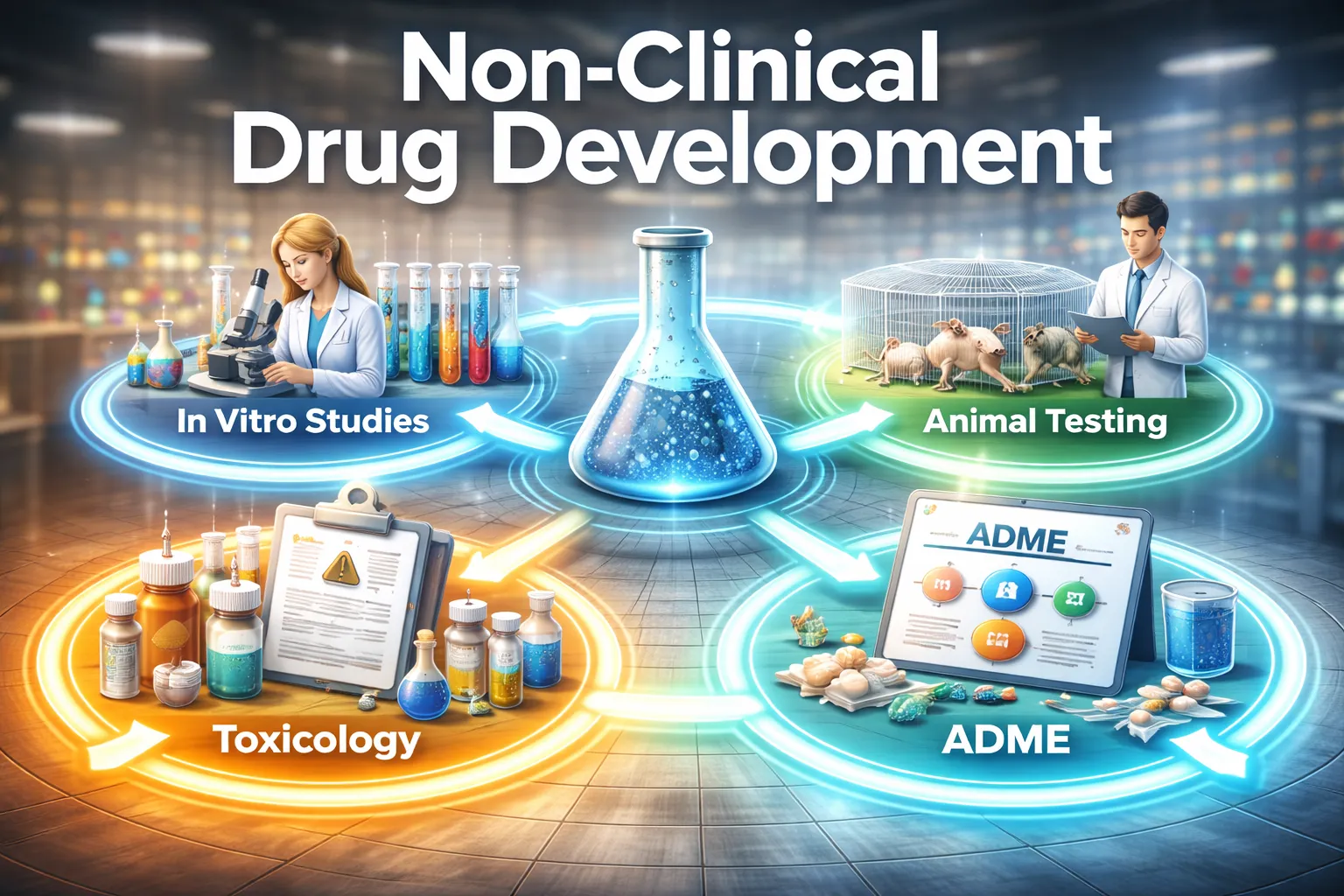
Non-Clinical Drug Development Non-clinical (preclinical) drug development involves laboratory and animal studies conducted to assess a drug’s safety, pharmacology, and pharmacokinetics before human trials. Key Components: Pharmacology Studies Primary Pharmacodynamics: Assess therapeutic effects on intended target. Secondary Pharmacodynamics: Investigate effects unrelated to therapeutic target. Safety Pharmacology: Evaluate adverse effects on vital systems (cardiovascular, respiratory, CNS). … Read more

Drug Development Teams

Drug Development Teams

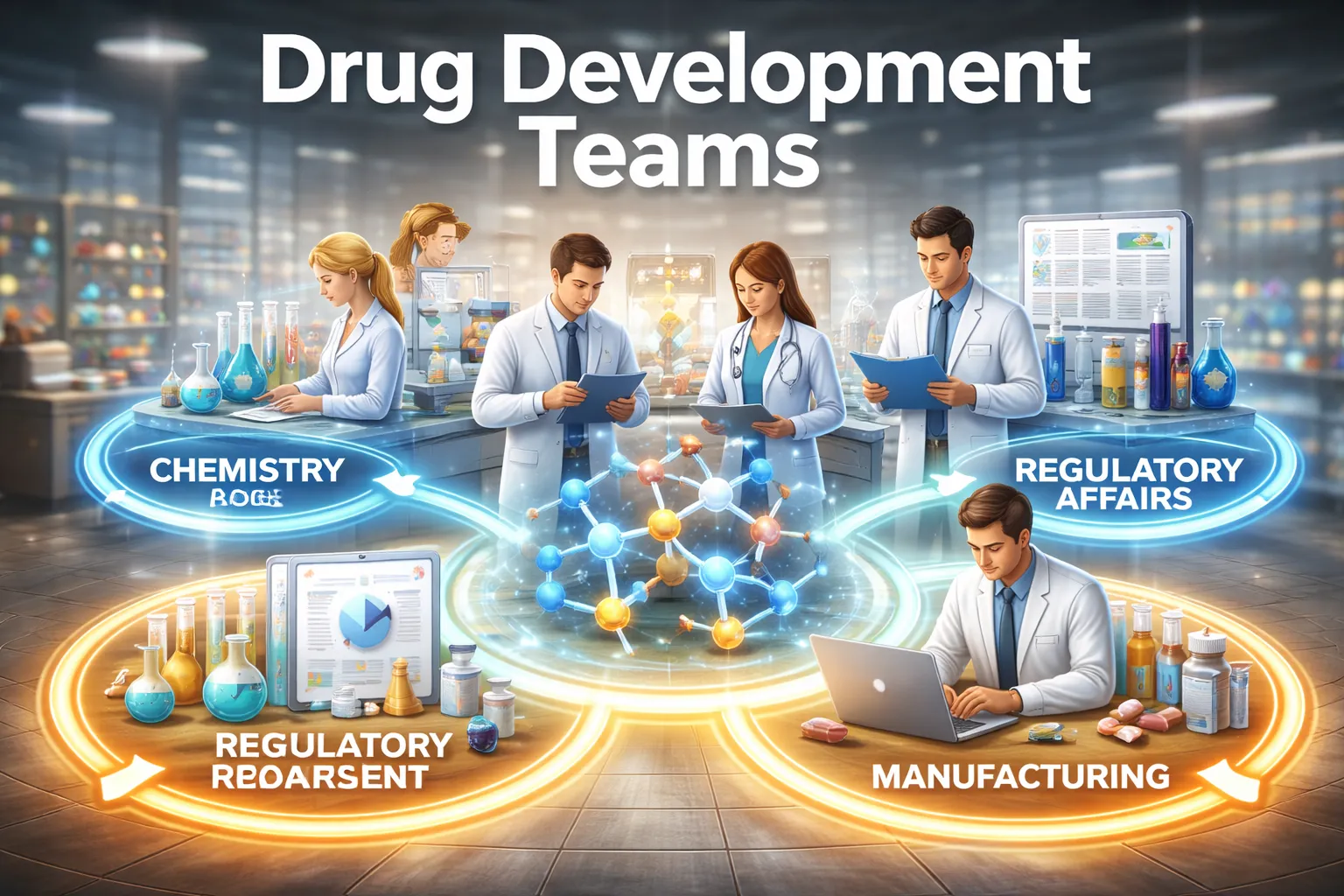
Drug Development Teams coordinate research, development, and approval processes for safe and effective drugs. Drug Development Teams Drug development is a multidisciplinary effort requiring the collaboration of experts across scientific, regulatory, and commercial domains to bring a drug from discovery to regulatory approval. Key Roles and Responsibilities: Project Manager Role: Oversees timelines, budgets, and objectives. … Read more

Responsibility of Regulatory Affairs Professionals

Responsibility of Regulatory Affairs Professionals

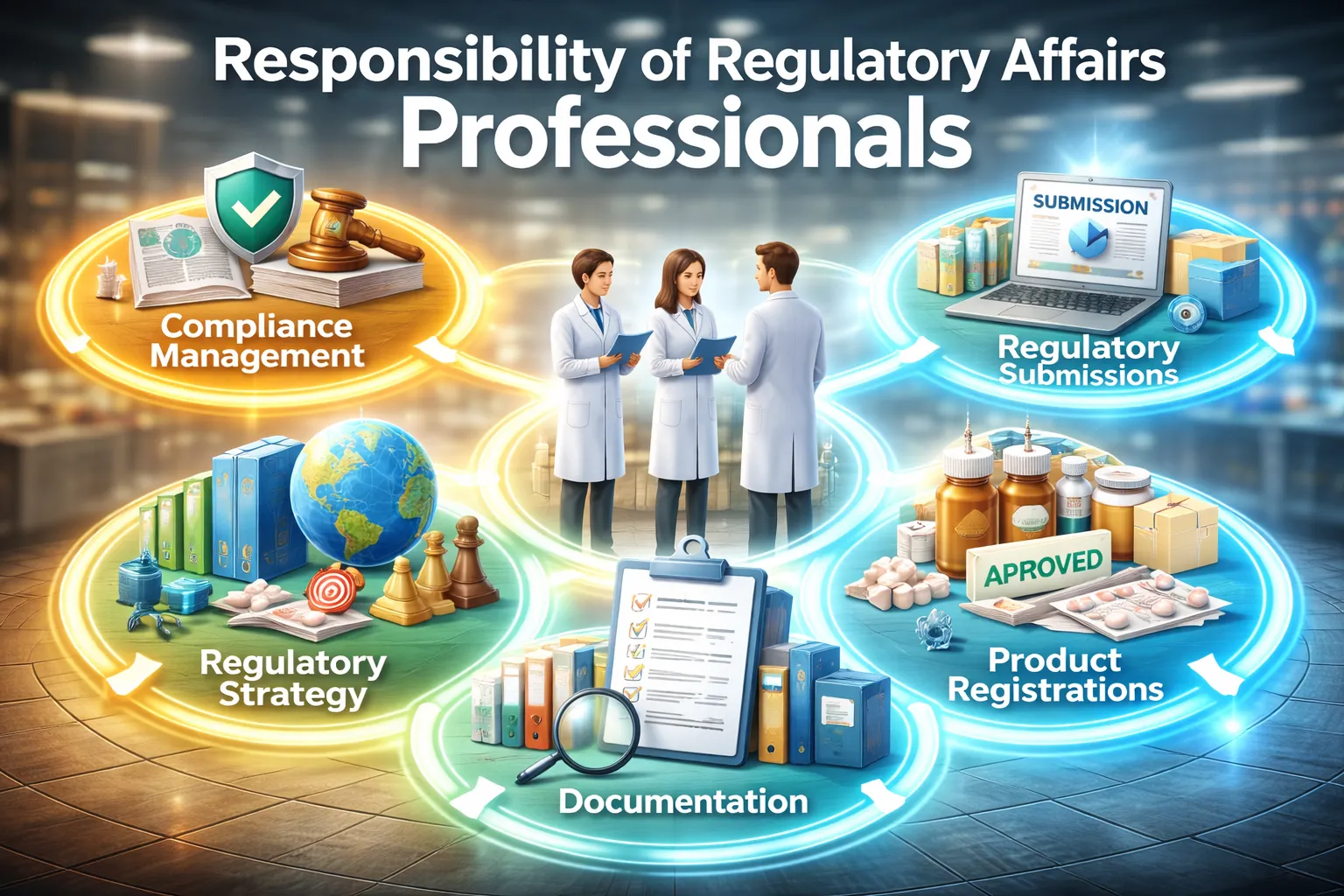
Responsibility of Regulatory Affairs Professionals Responsibility of Regulatory Affairs Professionals includes managing approvals, compliance, and documentation for drugs. Maintaining Regulatory Knowledge Staying updated on current and upcoming regulatory guidelines and laws. Document Preparation and Submission Compiling and submitting necessary documents for product approvals, renewals, and variations. Risk Assessment and Management Identifying regulatory risks and developing … Read more

Role of Regulatory Affairs Department

Role of Regulatory Affairs Department

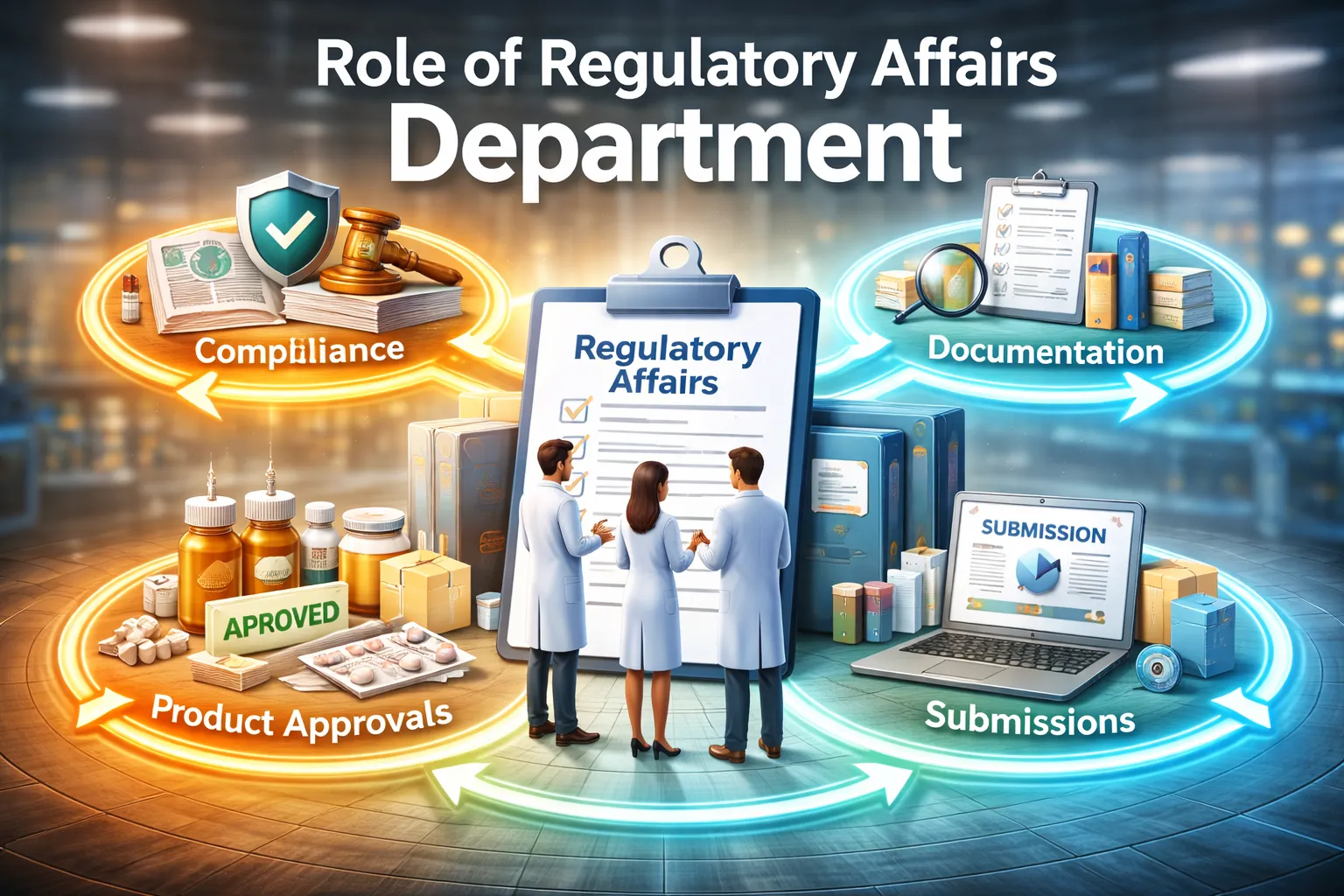
Role of Regulatory Affairs Department ensures regulatory compliance and smooth approval of pharmaceutical products. Role of Regulatory Affairs Department The Regulatory Affairs (RA) Department ensures compliance with regulatory requirements, facilitates product approvals, and manages communications with regulatory bodies. Product Registrations and Approvals Prepares and submits registration dossiers for drugs, generics, or biosimilars. Ensures compliance for … Read more