Sulfamethizole

Sulfamethizole

Chemical Structure / Formula of Sulfamethizole Formula: C₉H₁₀N₄O₂S₂ Structure: A thiazole-containing sulfonamide. Mechanism of Action Inhibits dihydropteroate synthase, blocking folic acid synthesis in bacteria. Bacteriostatic: prevents bacterial growth. Uses of Sulfamethizole Urinary tract infections (UTIs). Respiratory infections. Side Effects Hypersensitivity reactions (rash, Stevens-Johnson syndrome). Crystalluria, nephrotoxicity.

Sulfonamides and Sulfones

Sulfonamides and Sulfones

Introduction to Sulfonamides and Sulfones Sulfonamides and sulfones are antimicrobial agents that inhibit bacterial growth by targeting folic acid synthesis, a crucial pathway for bacterial survival. Historical Development Sulfonamides were the first synthetic antibacterial agents, discovered in the 1930s. Sulfones, like Dapsone, emerged later and became essential for treating leprosy and other bacterial infections. Chemistry … Read more

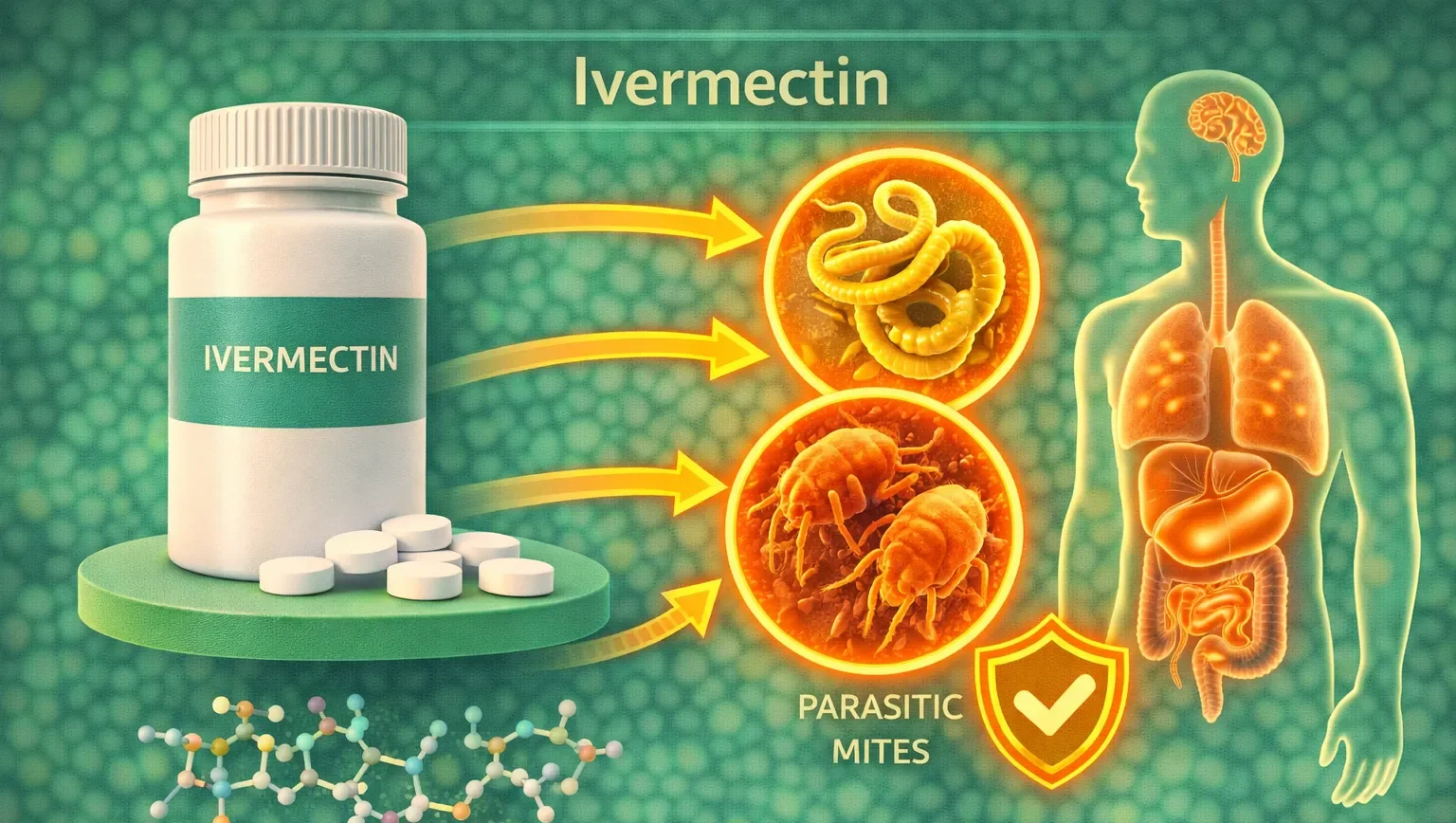
Ivermectin

Ivermectin

Chemical Structure / Formula of Ivermectin Formula: C₄₈H₇₄O₁₄ Structure: Macrocyclic lactone derivative. Mechanism of Action Binds to glutamate-gated chloride channels, causing worm paralysis and death. Uses of Ivermectin Onchocerciasis (river blindness). Strongyloidiasis, scabies, lice. Side Effects Mild pruritus, dizziness, Mazzotti reaction.

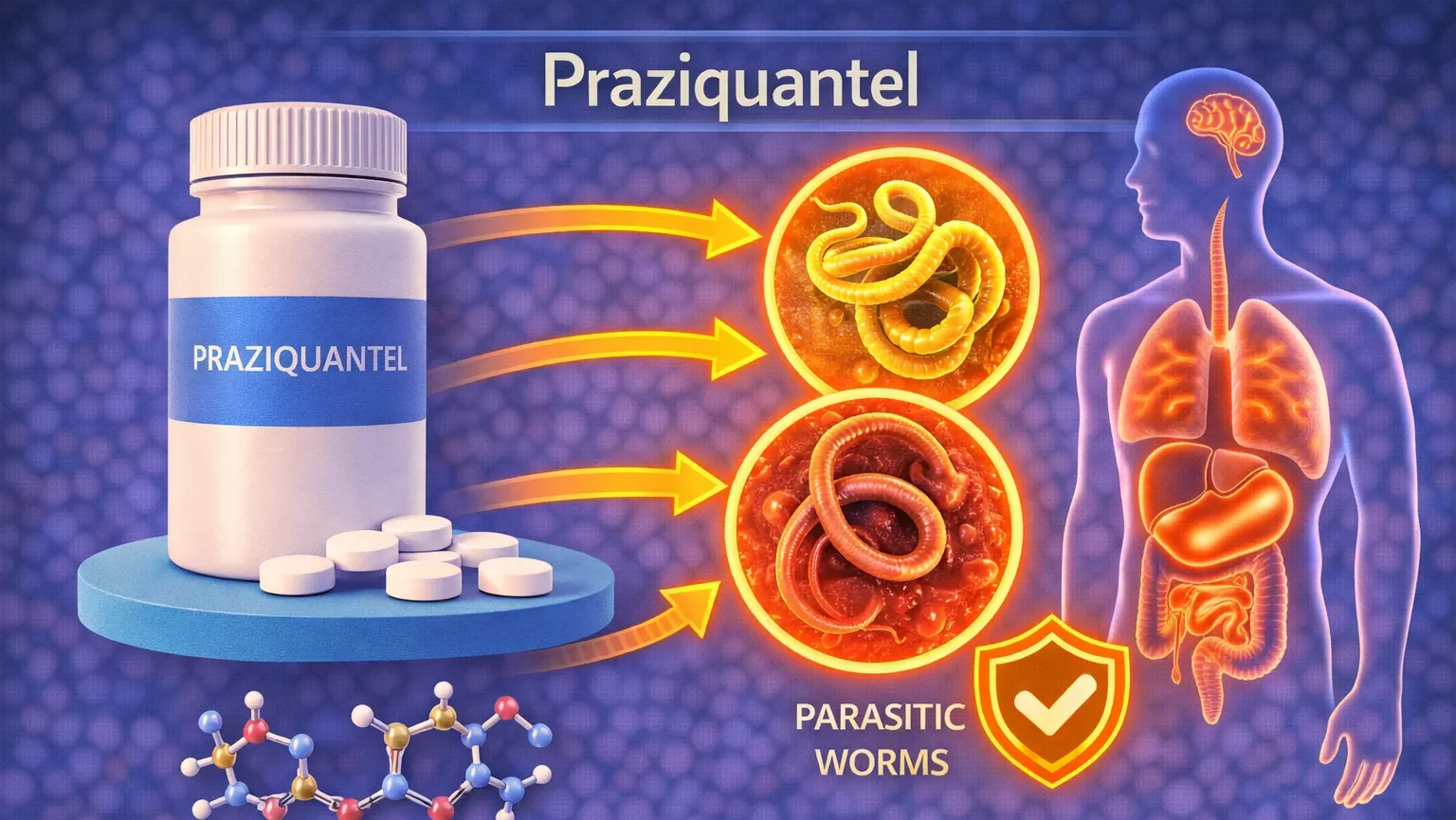
Praziquantel

Praziquantel

Chemical Structure / Formula of Praziquantel Formula: C₁₉H₂₄N₂O₂ Structure: Pyrazinoisoquinoline derivative. Mechanism of Action Increases calcium permeability in worms, causing tetanic contraction and death. Uses of Praziquantel Schistosomiasis, Cestode (tapeworm) infections. Side Effects Dizziness, abdominal pain, urticaria.

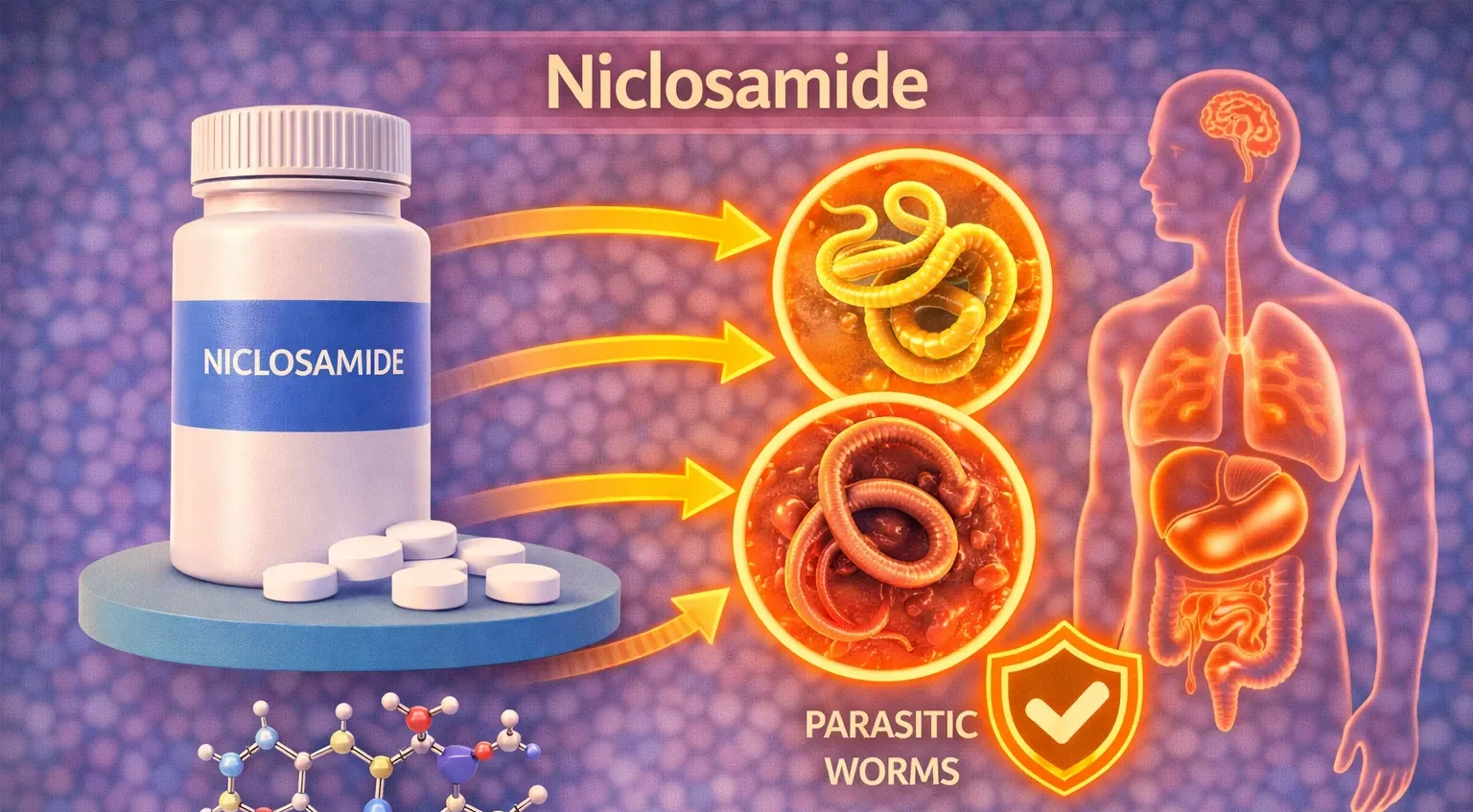
Niclosamide

Niclosamide

Chemical Structure / Formula of Niclosamide Formula: C₁₃H₈Cl₂N₂O₄ Structure: Salicylanilide derivative. Mechanism of Action Inhibits ATP synthesis in tapeworms, causing energy depletion. Uses of Niclosamide Taeniasis (tapeworm infections). Side Effects GI upset, allergic reactions.

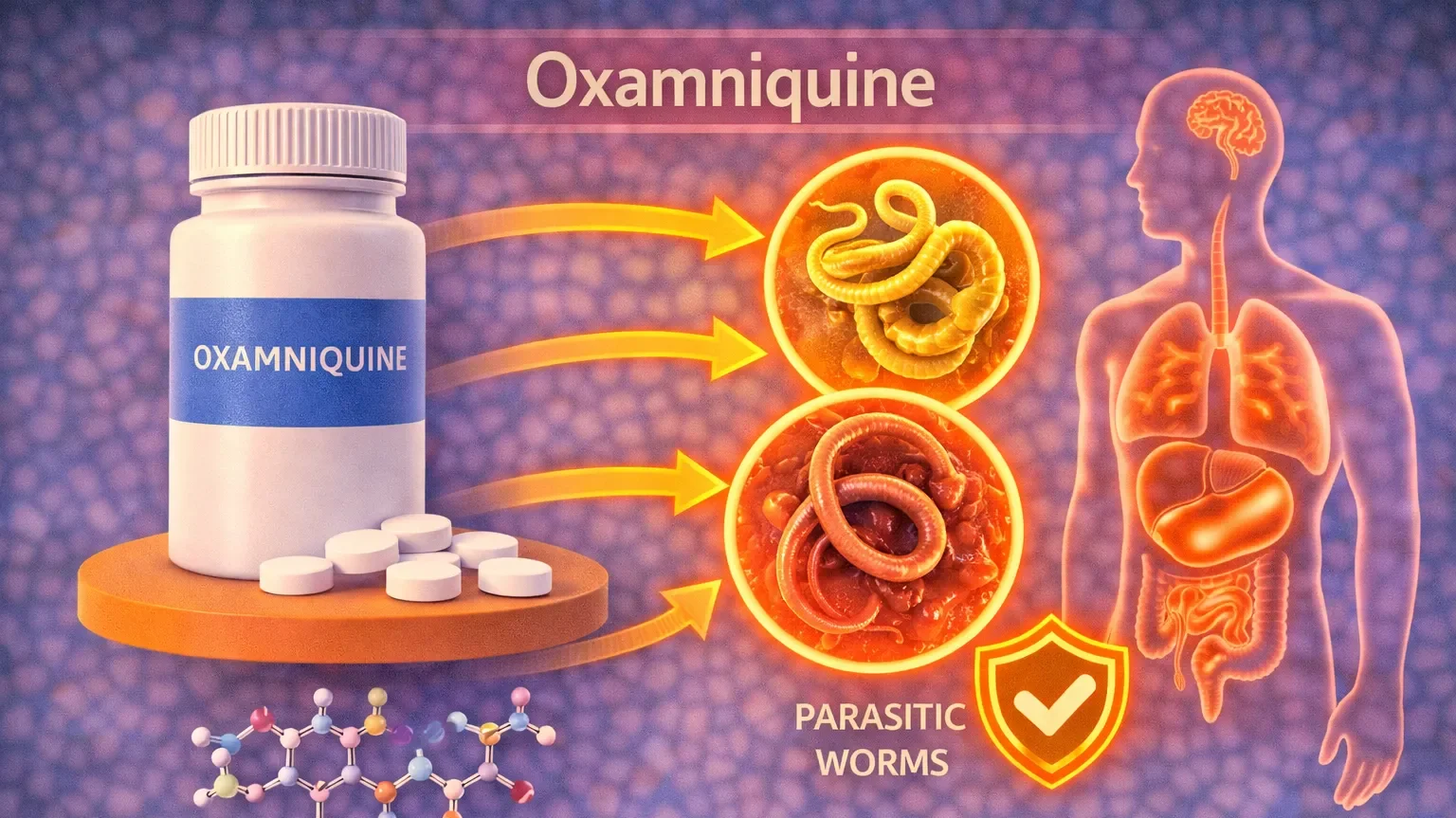
Oxamniquine

Oxamniquine

Chemical Structure / Formula of Oxamniquine Formula: C₁₄H₂₁N₃O₃ Structure: Aminoquinoline derivative. Mechanism of Action Causes DNA strand breaks in Schistosoma, leading to worm paralysis. Uses of Oxamniquine Schistosomiasis (S. mansoni). Side Effects Dizziness, headache, hepatotoxicity.

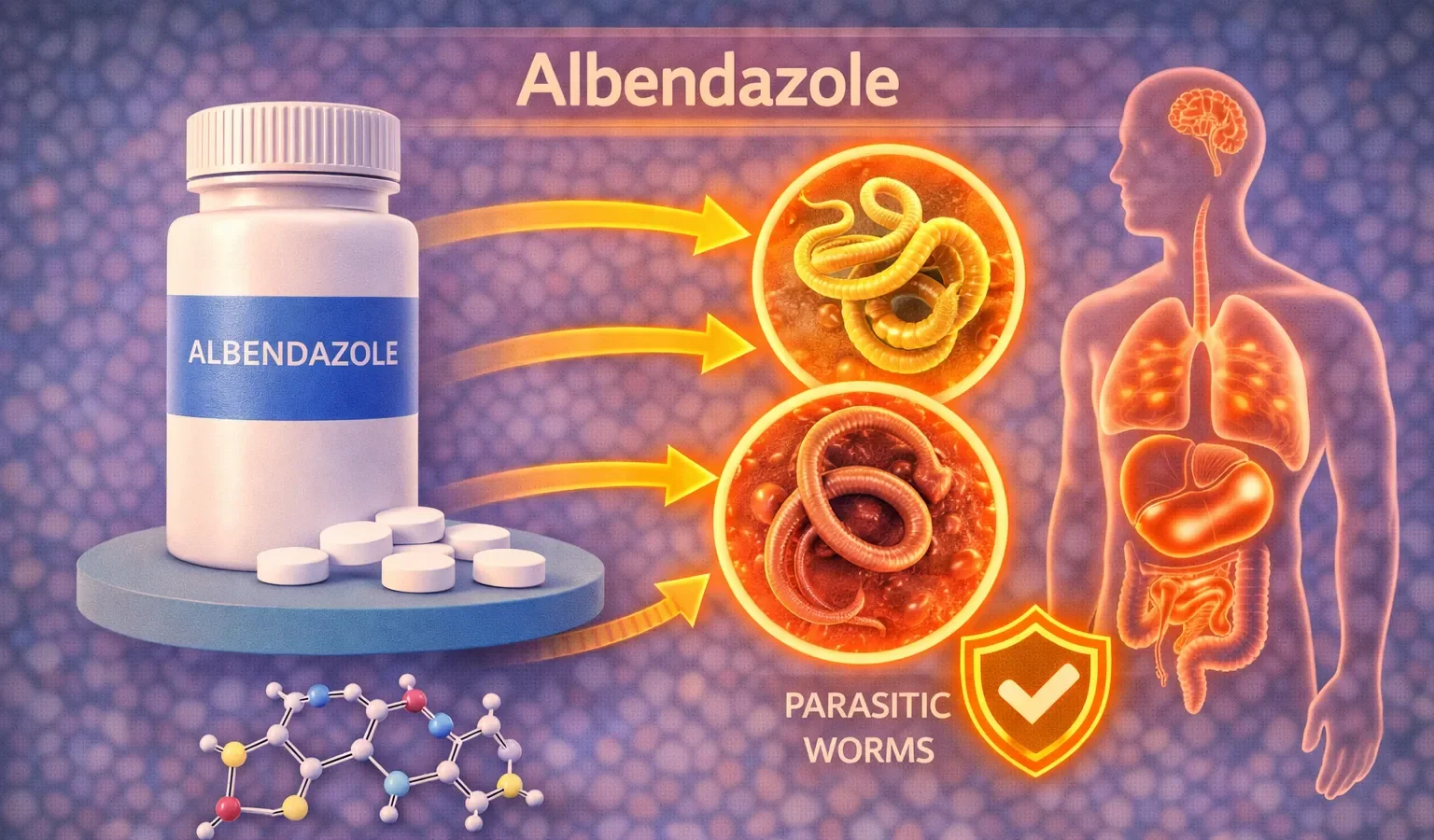
Albendazole

Albendazole

Chemical Structure / Formula of Albendazole Formula: C₁₂H₁₅N₃O₂S Structure: Benzimidazole derivative with a sulfur (-S) group. Mechanism of Action Inhibits tubulin polymerization, leading to parasite death. Uses of Albendazole Neurocysticercosis (Taenia solium larvae in the brain). Hydatid disease (Echinococcus). Side Effects Hepatotoxicity, bone marrow suppression.

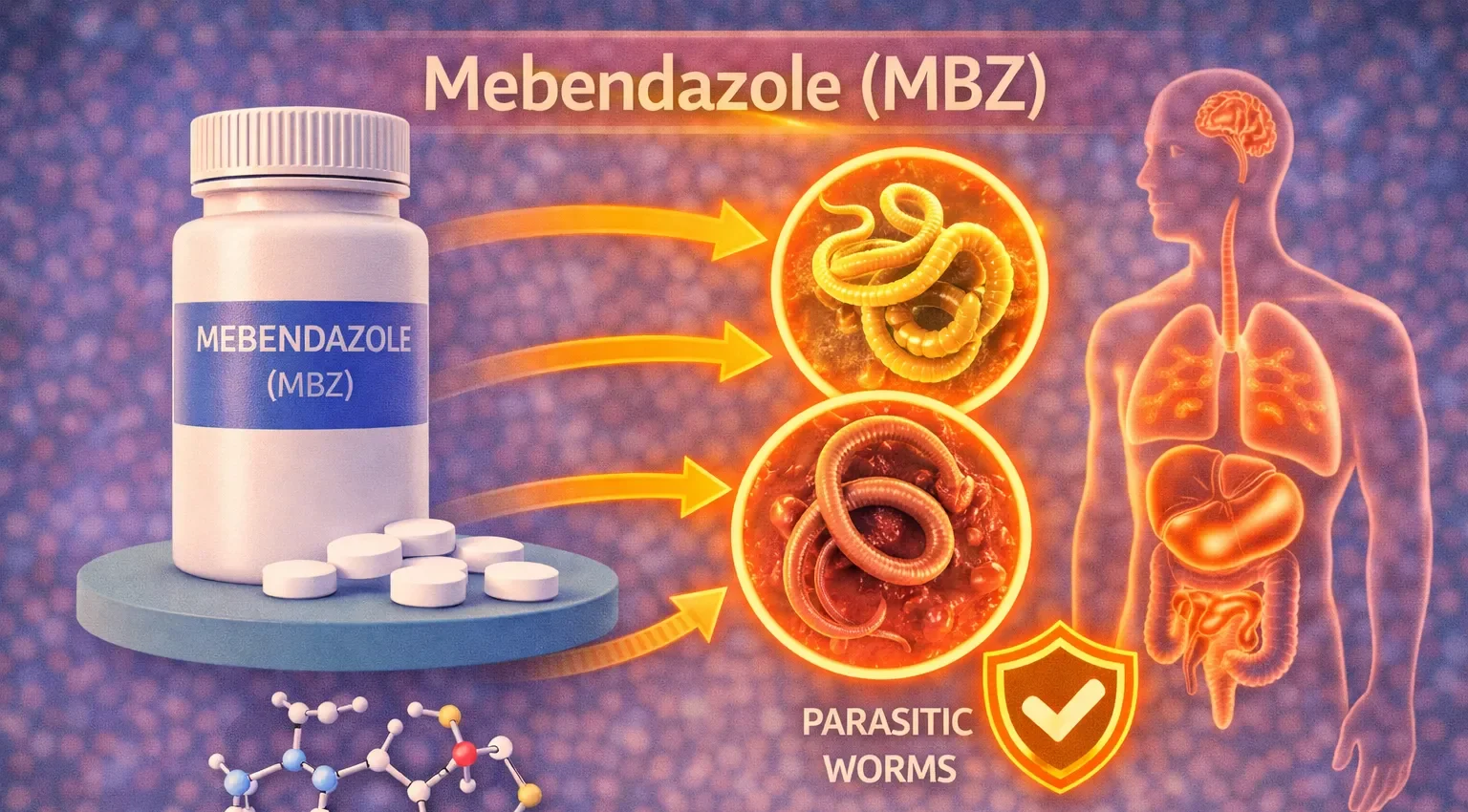
Mebendazole (MBZ)

Mebendazole (MBZ)

Chemical Structure / Formula of Mebendazole (MBZ) Formula: C₁₆H₁₃N₃O₃ Structure: Benzimidazole derivative with carbamate (-NHCOO-) group. Mechanism of Action Binds to β-tubulin, preventing microtubule formation, leading to worm paralysis and death. Uses of Mebendazole (MBZ) Broad-spectrum anthelmintic for ascariasis, trichuriasis, hookworm, enterobiasis (pinworm), strongyloidiasis. Side Effects GI discomfort, hepatotoxicity. Bone marrow suppression (rare, high doses). … Read more

Thiabendazole

Thiabendazole

Chemical Structure / Formula of Thiabendazole Formula: C₁₀H₇N₃S Structure: A benzimidazole derivative with a thiazole ring. Mechanism of Action Inhibits microtubule synthesis, disrupting worm metabolism and reproduction. Inhibits mitochondrial fumarate reductase, affecting parasite energy production. Uses of Thiabendazole Strongyloidiasis, cutaneous larva migrans, Trichinosis. Side Effects GI upset, dizziness, hepatotoxicity. Hypersensitivity reactions (Stevens-Johnson syndrome).

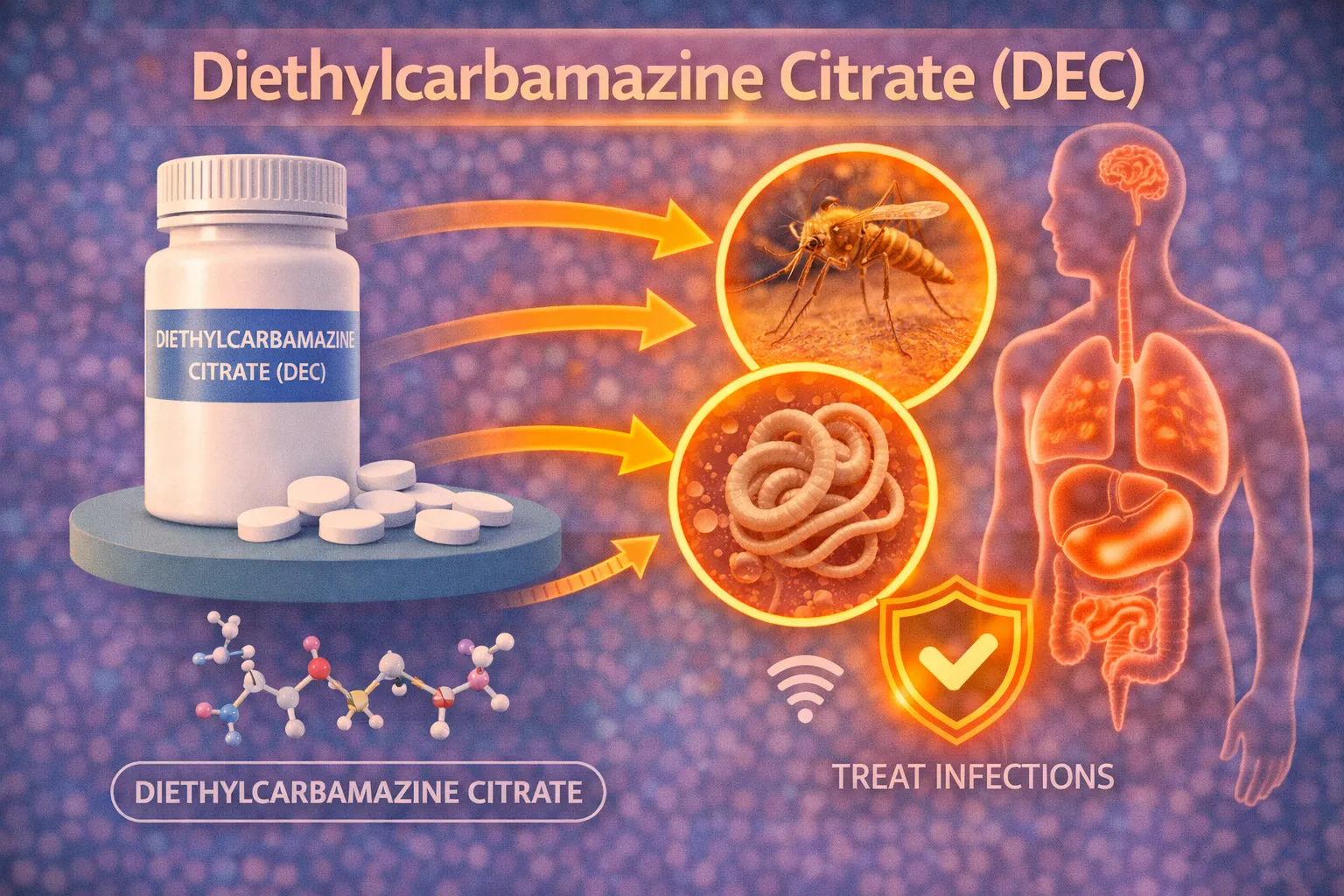
Diethylcarbamazine Citrate (DEC)

Diethylcarbamazine Citrate (DEC)

Chemical Structure / Formula of Diethylcarbamazine Citrate (DEC) Formula: C10H21N3O · C6H8O7 (Citrate salt) Structure: A piperazine derivative with a urea (-NHCONH-) group. Mechanism of Action Inhibits arachidonic acid metabolism in microfilariae, making them more susceptible to immune attack. Interferes with neuromuscular transmission, causing paralysis and death of the worms. Uses Filarial infections (Wuchereria bancrofti, … Read more