Data Presentation for FDA Submissions

Data Presentation for FDA Submissions
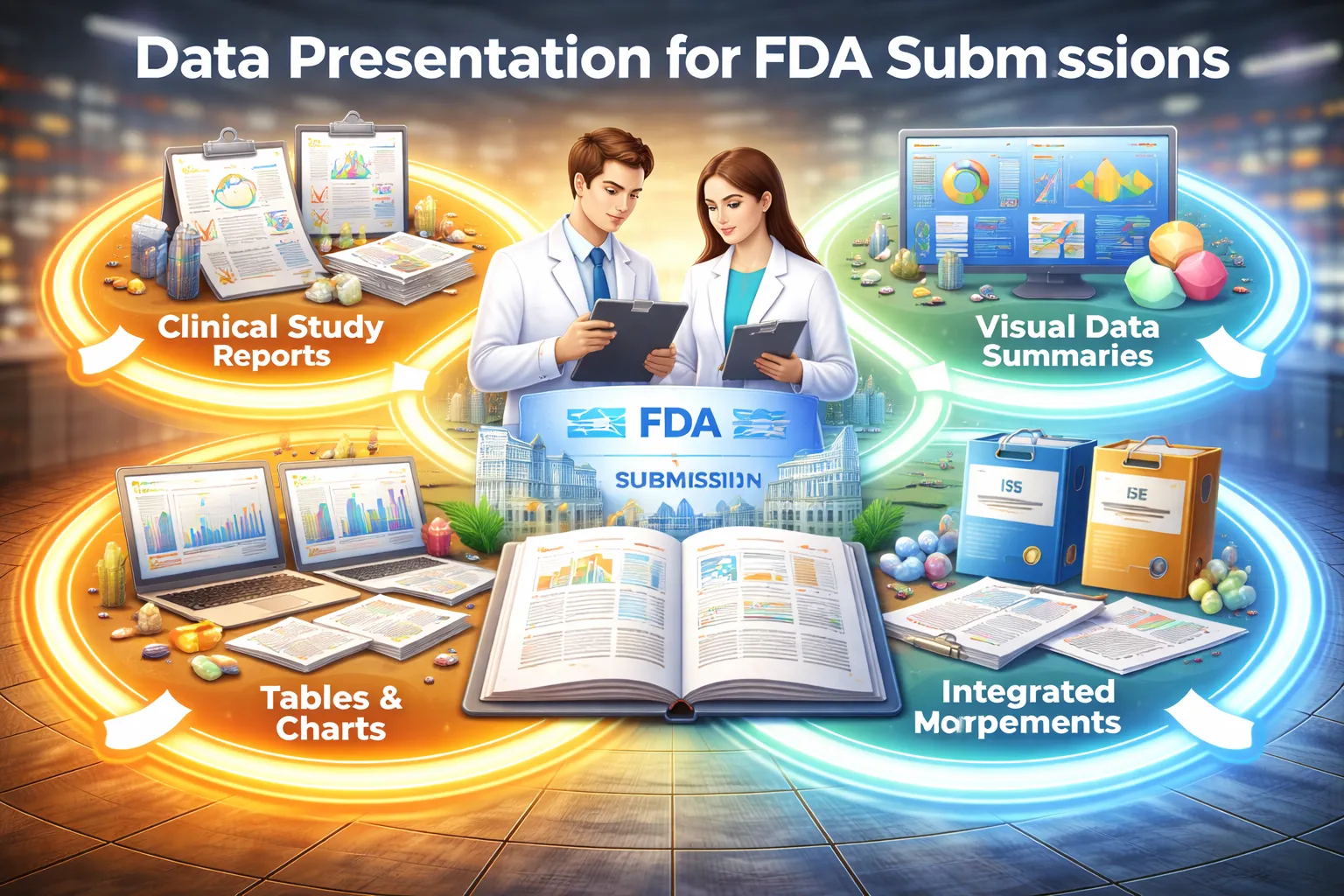
Data Presentation for FDA Submissions ensures clear, accurate, and standardized reporting of clinical and regulatory data. Data Presentation for FDA Submissions Effective data presentation is critical for regulatory submissions. The FDA requires that data be presented clearly, accurately, and in a standardized format to facilitate review. Electronic Common Technical Document (eCTD) Structure: Five modules covering … Read more
Biostatistics in Pharmaceutical Product Development

Biostatistics in Pharmaceutical Product Development

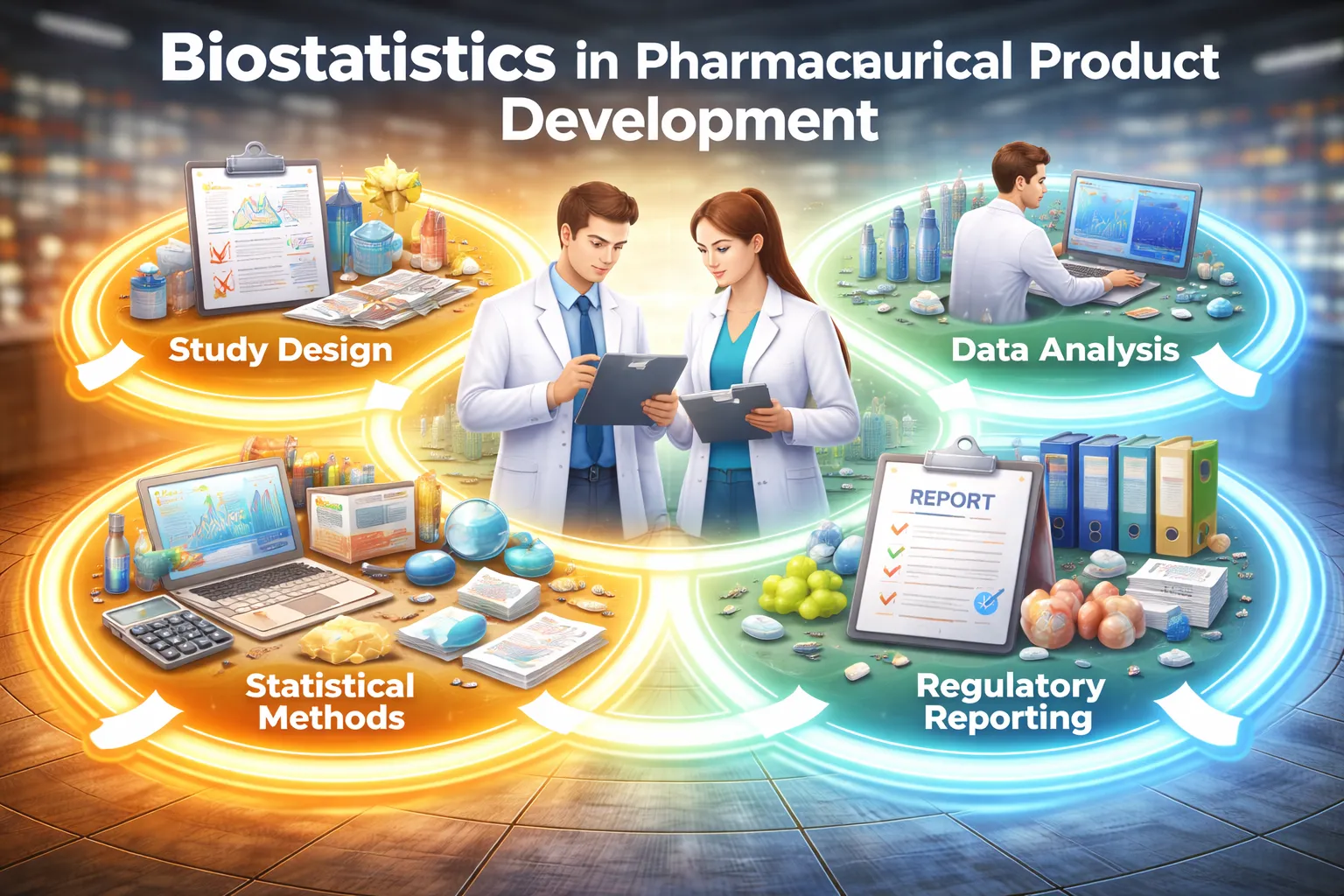
Biostatistics in Pharmaceutical Product Development Biostatistics is essential in pharmaceutical product development, guiding the design, analysis, and interpretation of data at every stage to support effective decision-making. Drug Discovery and Preclinical Studies Experimental Design: Determines sample sizes, control groups, and study design for testing new compounds. Data Analysis: Analyzes preclinical trial data to assess safety … Read more

Clinical Research Protocols

Clinical Research Protocols

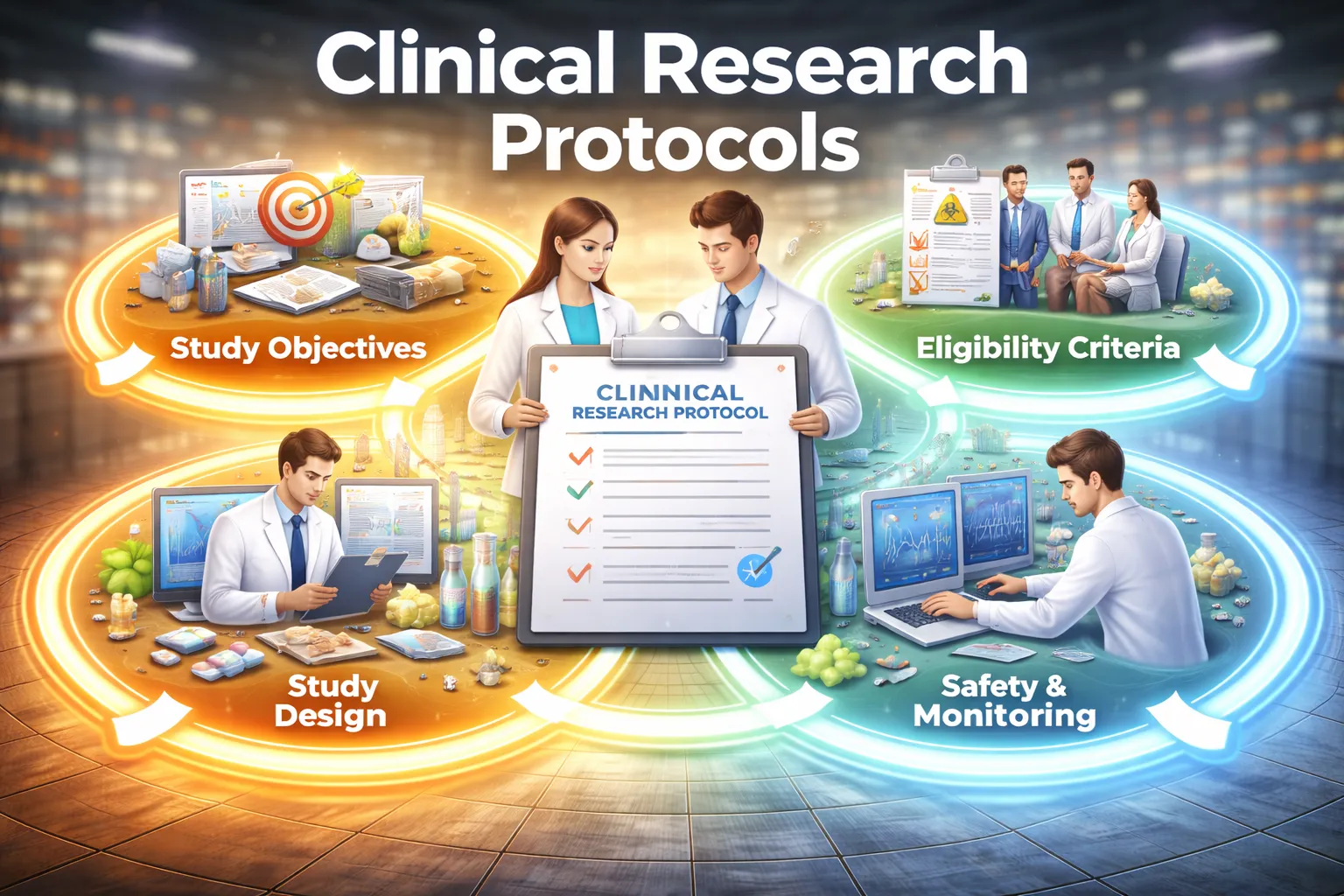
Introduction to Clinical Research Protocols A clinical research protocol is a comprehensive plan that describes the objectives, design, methodology, statistical considerations, and organization of a clinical trial. Key Elements of Clinical Research Protocols Title Page Study Title, Protocol Number, Version, Date, Sponsor Information. Synopsis Brief summary of the study design and objectives. Table of Contents … Read more

Bioequivalence (BE) Studies

Bioequivalence (BE) Studies

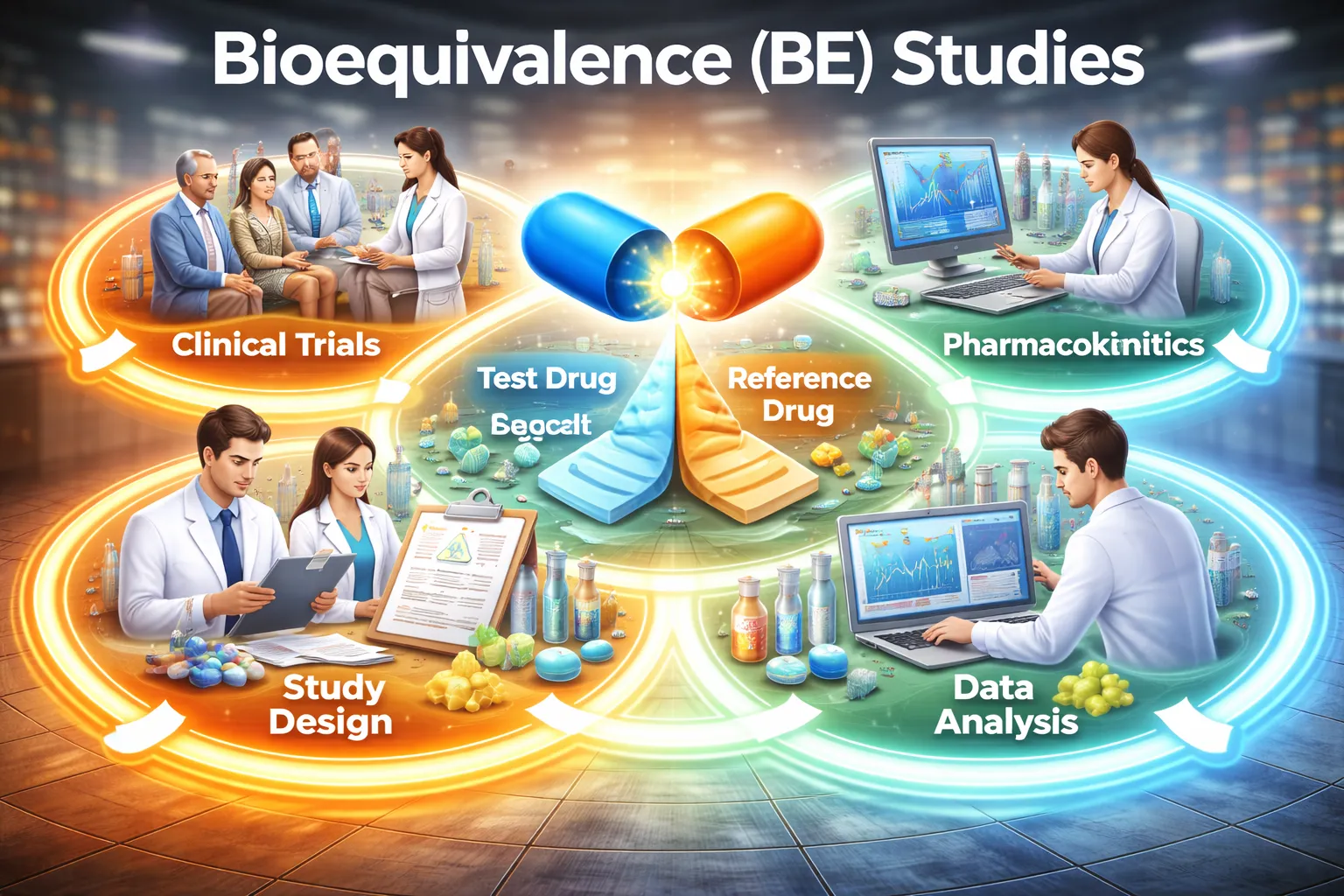
Introduction to Bioequivalence (BE) Studies Bioequivalence (BE) studies are conducted to demonstrate that a generic drug product is equivalent to its brand-name counterpart in terms of bioavailability. Purpose of Bioequivalence (BE) Studies BE studies are essential for the approval of generic drugs, ensuring that there is no significant difference in the rate and extent of … Read more

Clinical Research in Drug Development

Clinical Research in Drug Development

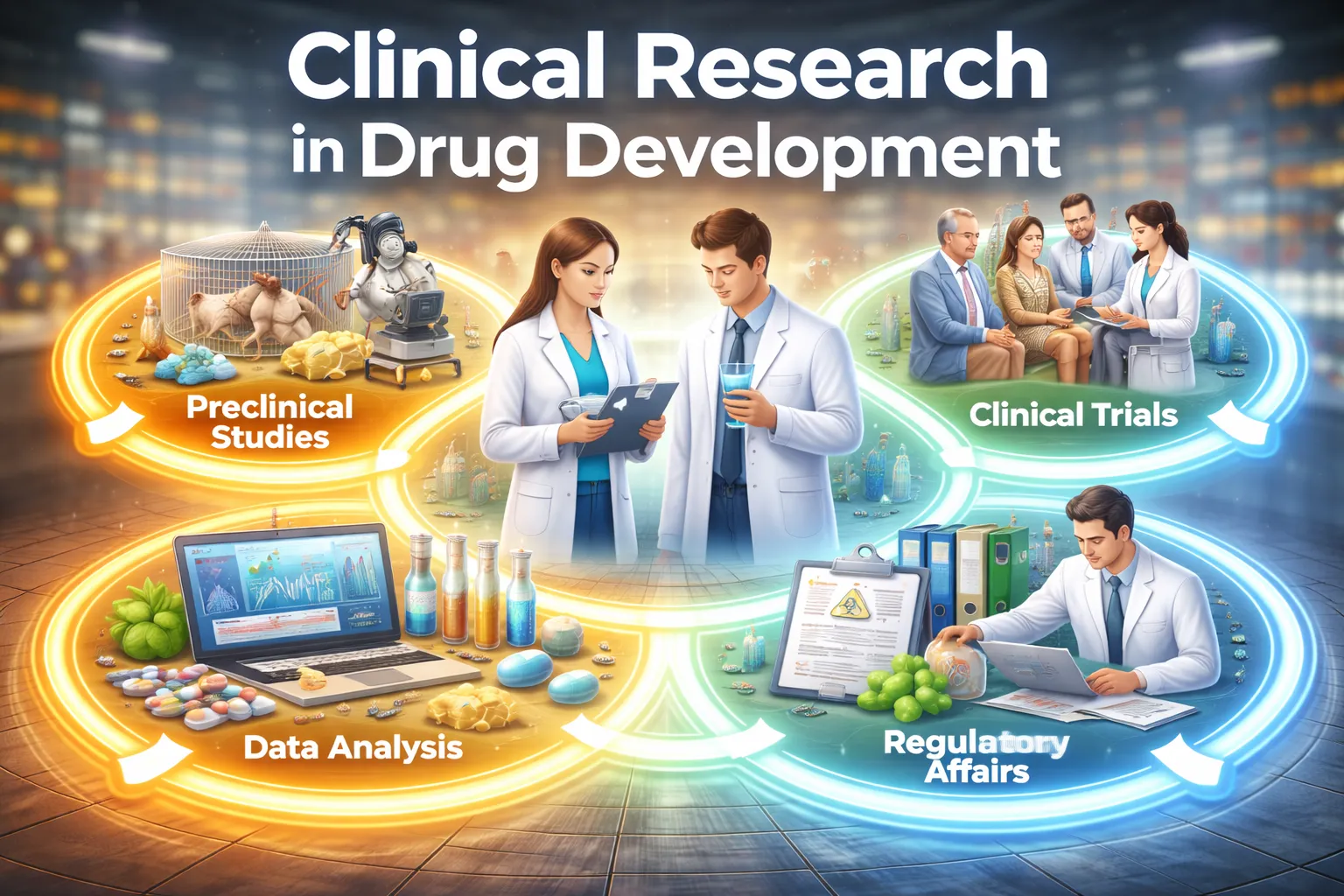
Clinical Research in Drug Development evaluates safety and efficacy of drugs through human trials before approval. Purpose and Scope of Clinical Research in Drug Development Clinical research in industrial pharmacy aims to establish the safety and efficacy of new pharmaceuticals through a series of clinical trials (Phases I-IV) that progressively evaluate safety, dosage, effectiveness, and … Read more

New Drug Application (NDA)

New Drug Application (NDA)

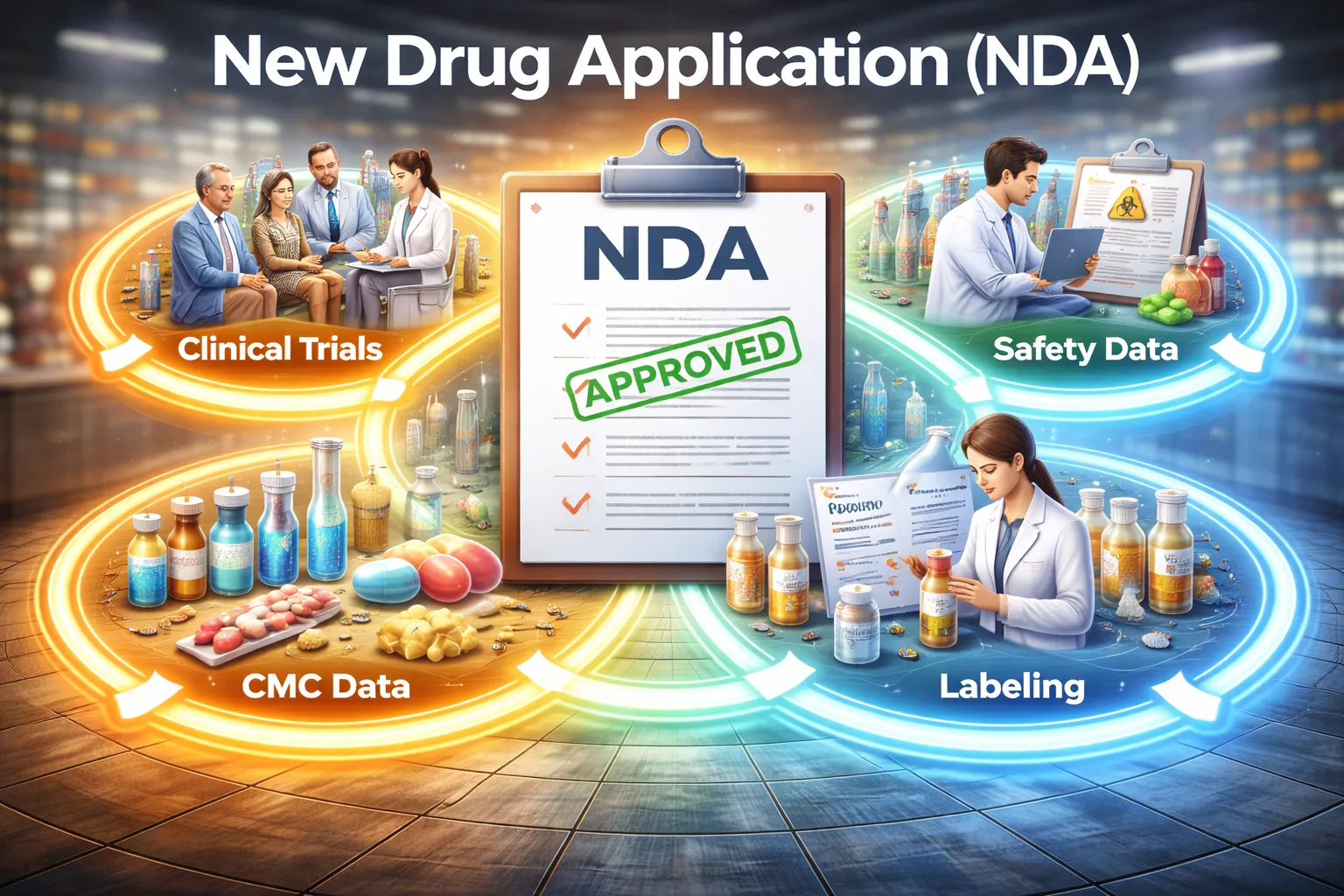
New Drug Application (NDA) is a regulatory submission to obtain approval for marketing a drug based on safety and efficacy data. New Drug Application New Drug Application (NDA) An NDA is a comprehensive submission to the FDA requesting approval to market a new pharmaceutical for sale in the U.S. The NDA must provide sufficient evidence … Read more

Investigator’s Brochure (IB)

Investigator’s Brochure (IB)

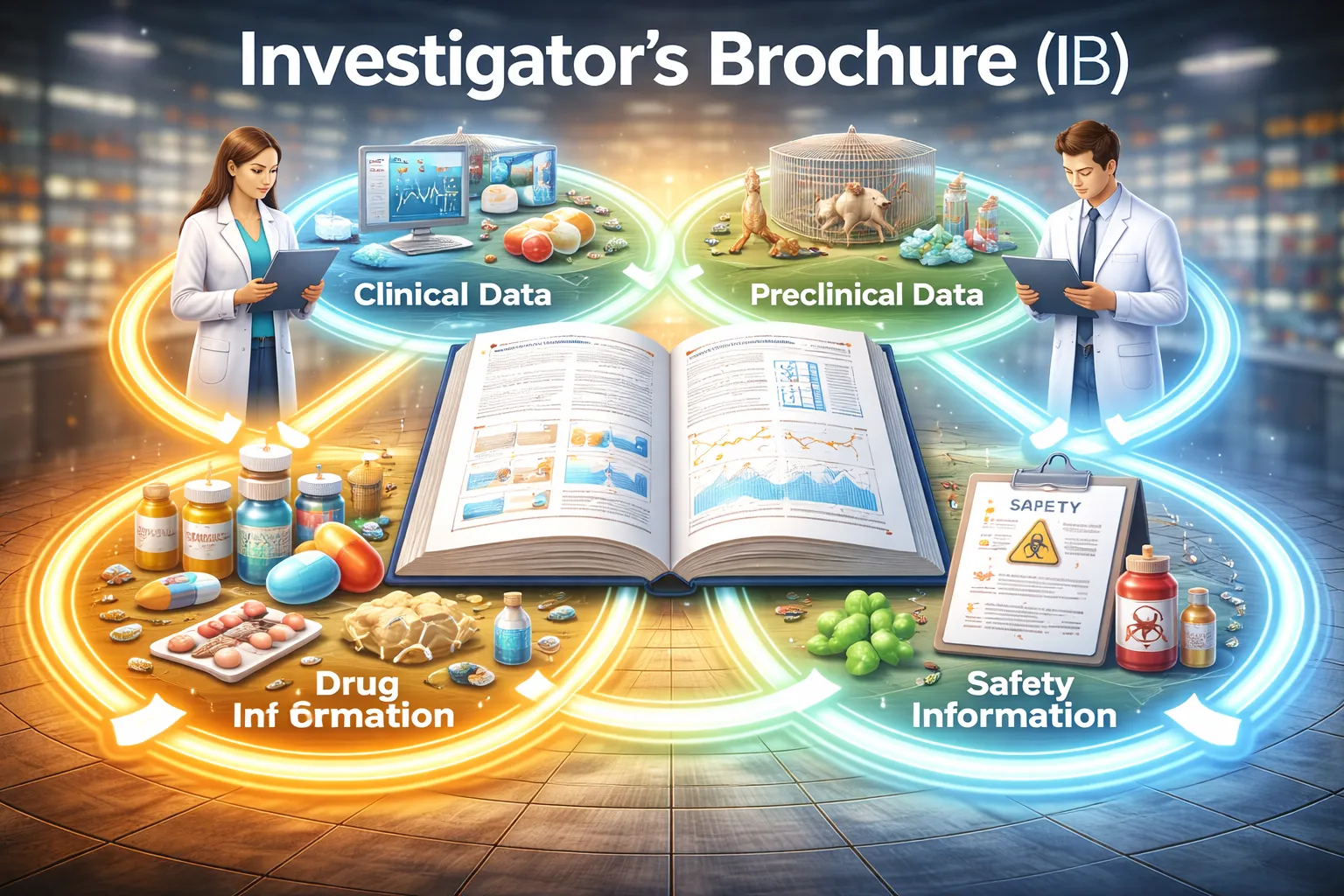
Purpose of Investigator’s Brochure (IB) The Investigator’s Brochure (IB) is a comprehensive document that provides investigators and study staff with the information necessary to conduct a clinical trial safely and effectively. Content Title Page and Confidentiality Statement Table of Contents Summary Overview of key information. Introduction Chemical Name and Structure: Description of the drug. Mechanism … Read more

General Considerations for an Investigational New Drug (IND) Application

General Considerations for an Investigational New Drug (IND) Application

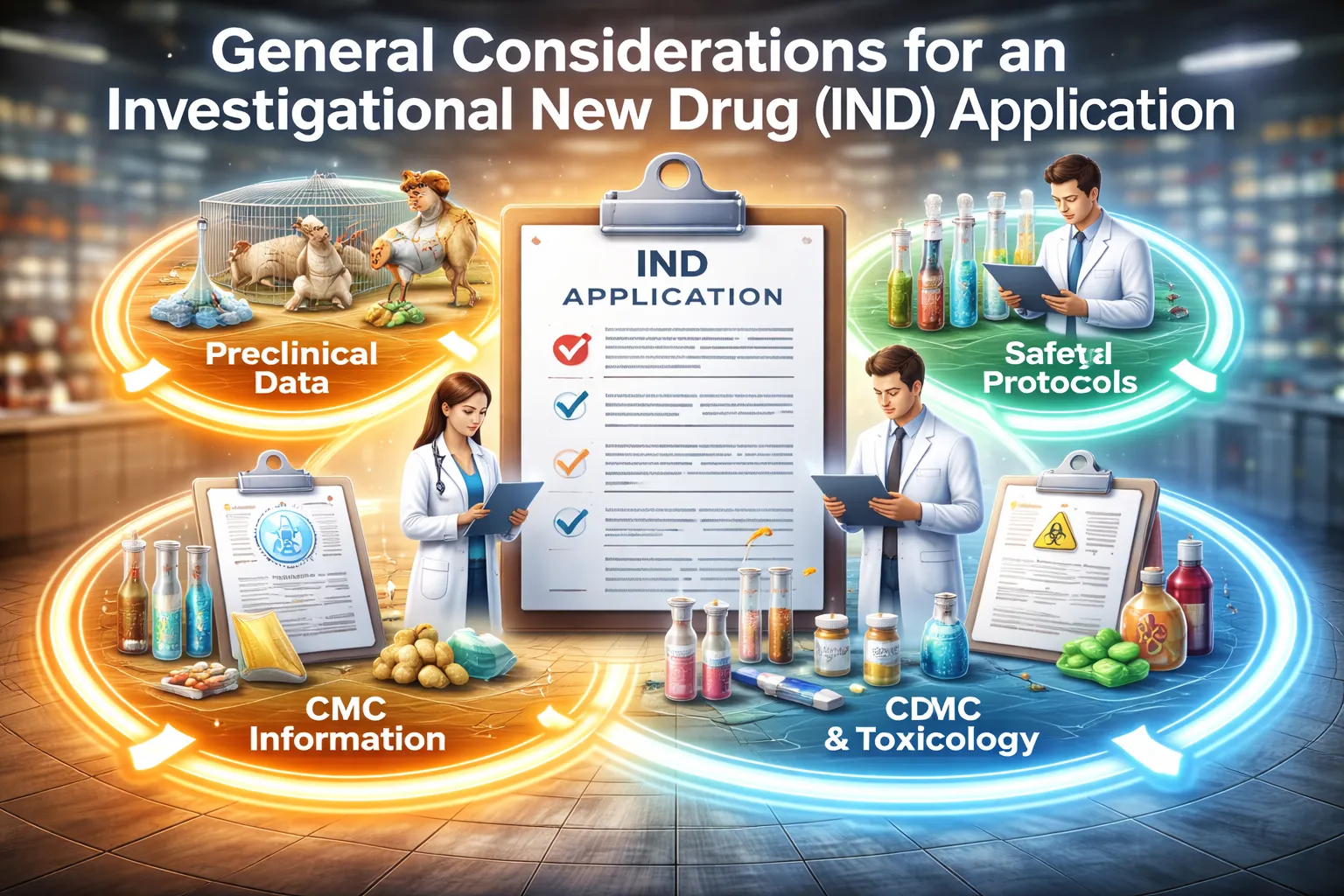
General Considerations for an Investigational New Drug (IND) Application ensure safety and compliance before clinical trials. General Considerations for an Investigational New Drug (IND) Application The Investigational New Drug (IND) application is a critical step in drug development, allowing a pharmaceutical company to conduct clinical trials on a new drug in humans. Submitted to regulatory … Read more

Toxicology

Toxicology

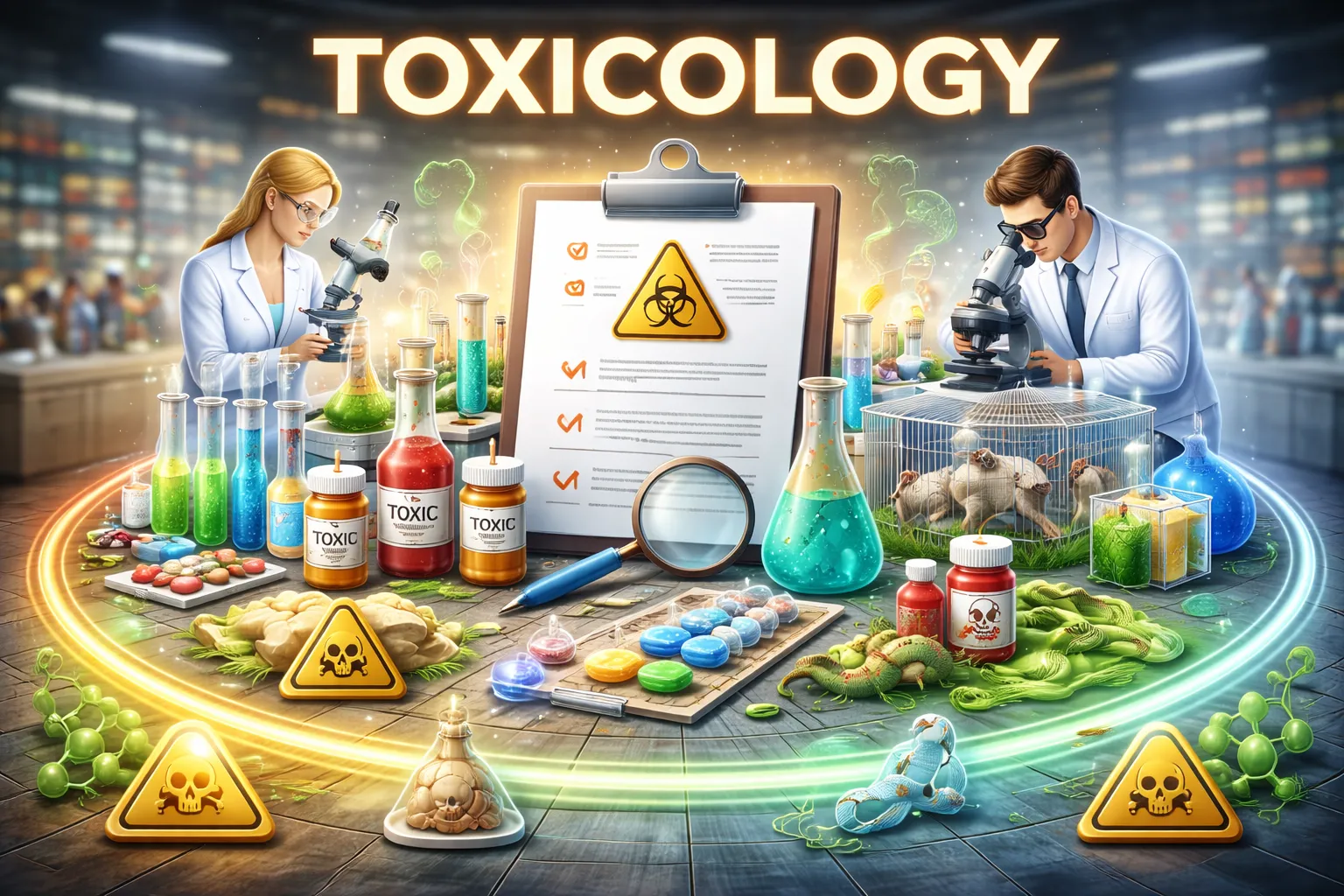
Toxicology Toxicology is the study of the adverse effects of chemicals on living organisms. In drug development, toxicological studies assess the potential harmful effects of drug candidates. Types of Toxicity Studies Acute Toxicity Objective: Determine the effects of a single dose. Endpoints: Lethal dose (LD50), clinical signs, organ toxicity. Repeated Dose Toxicity Subacute (up to … Read more

Drug Metabolism

Drug Metabolism

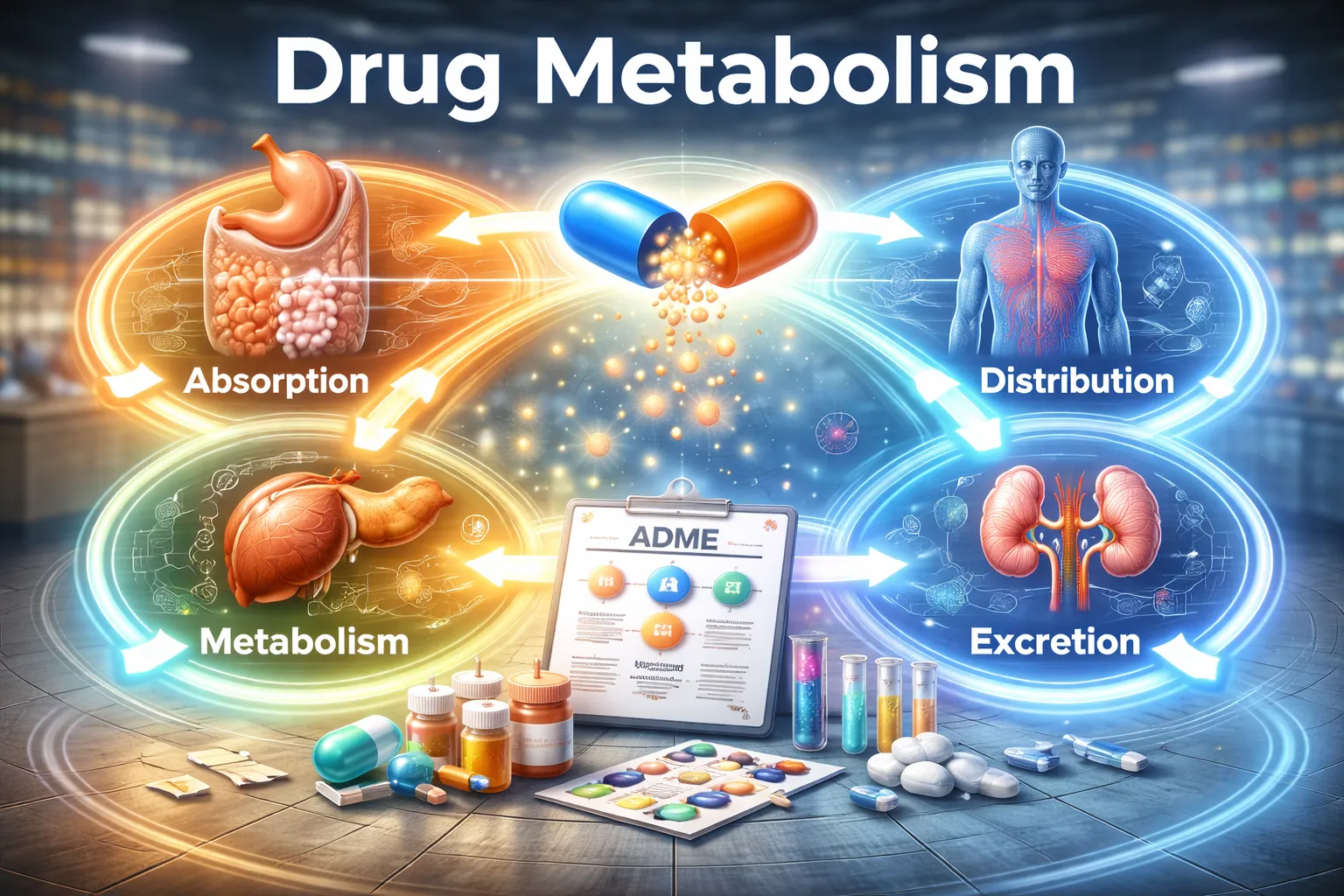
Drug Metabolism Drug metabolism involves the biochemical modification of drugs, primarily through enzymatic processes, to facilitate their excretion from the body. Biotransformation Drugs can undergo transformation through various pathways, resulting in: Inactive Compounds: Metabolites ready for excretion. Active Metabolites: Compounds with their own therapeutic or toxic effects. Prodrugs: Inactive forms that become active only after … Read more