Etiology (Causes) of Malaria

Etiology (Causes) of Malaria
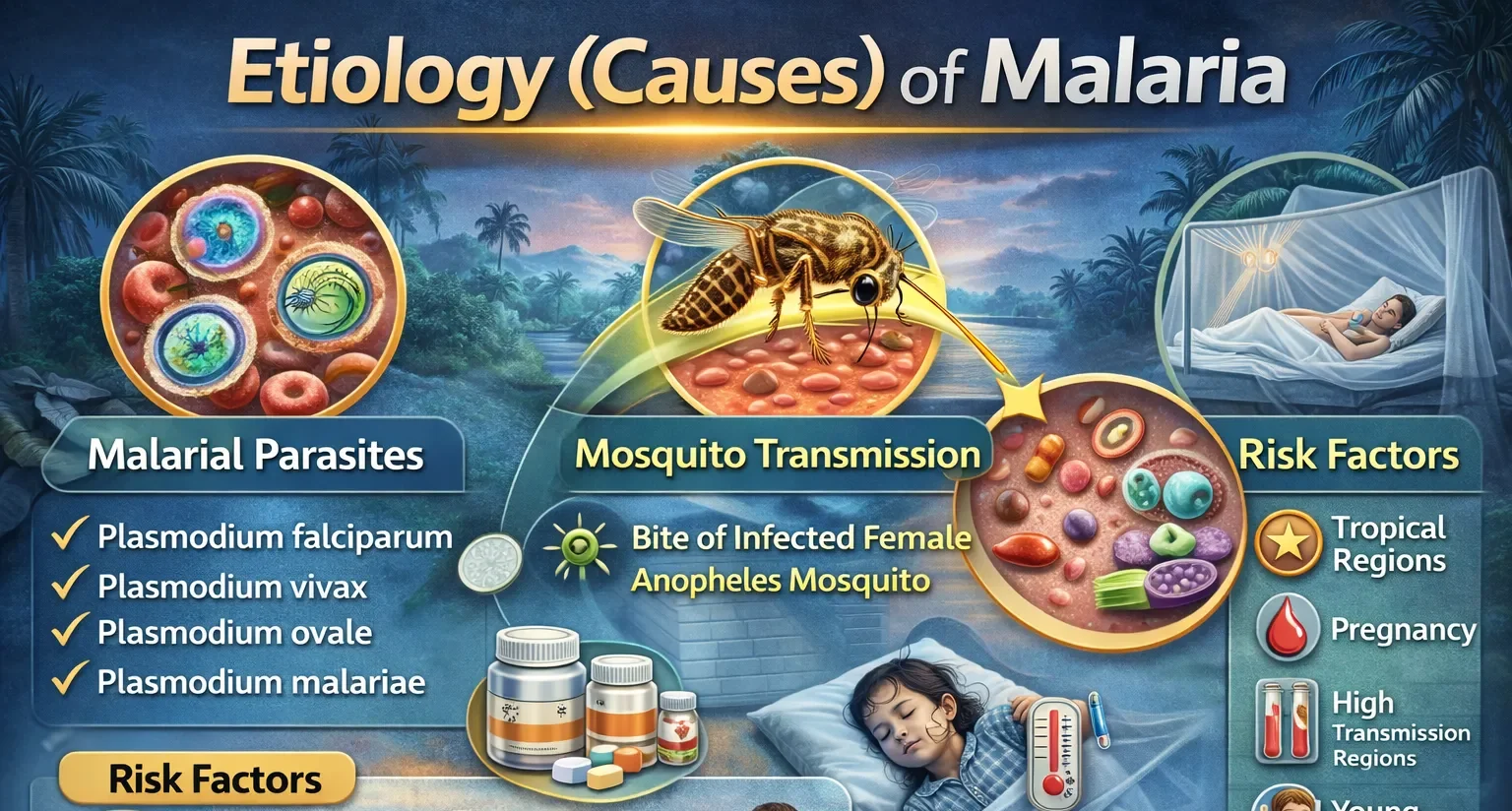
Etiology (Causes) of Malaria explains how Plasmodium parasites transmitted by female Anopheles mosquitoes cause malaria infection in humans. Etiology (Causes) of Malaria Malaria is caused by Plasmodium parasites, transmitted by female Anopheles mosquitoes. The main species causing malaria in humans are: Plasmodium falciparum: Most severe, can cause cerebral malaria. Plasmodium vivax: Causes relapses due to … Read more
Basic Concept of Prodrugs

Basic Concept of Prodrugs

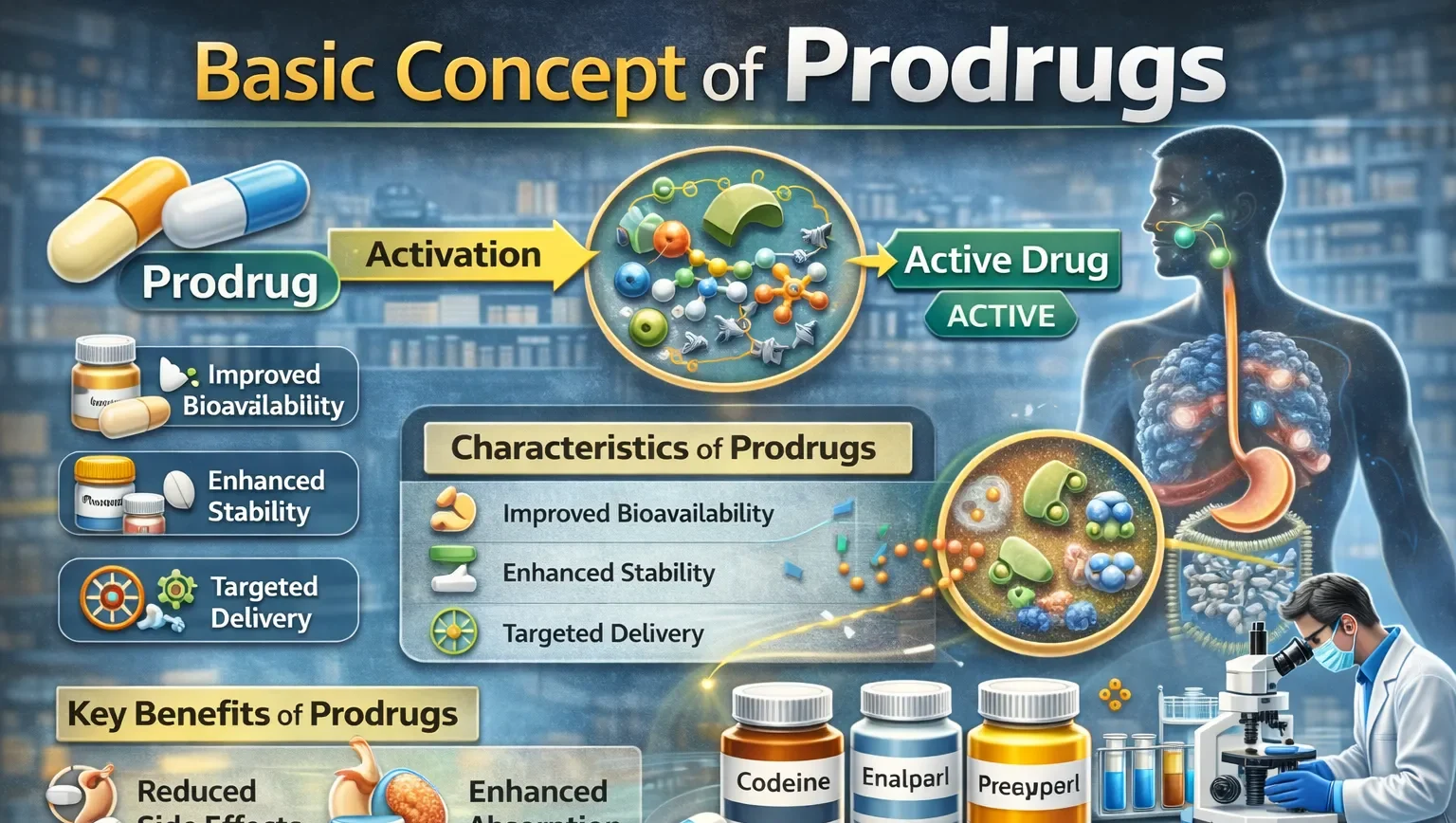
Basic Concept of Prodrugs explains inactive drug forms that convert into active drugs in the body to improve absorption and bioavailability. Basic Concept of Prodrugs Prodrugs are inactive or less active precursors that convert into active drugs in the body, addressing issues like poor bioavailability, short half-life, or high toxicity. Ideal Properties of Prodrugs Biologically … Read more

Clindamycin

Clindamycin

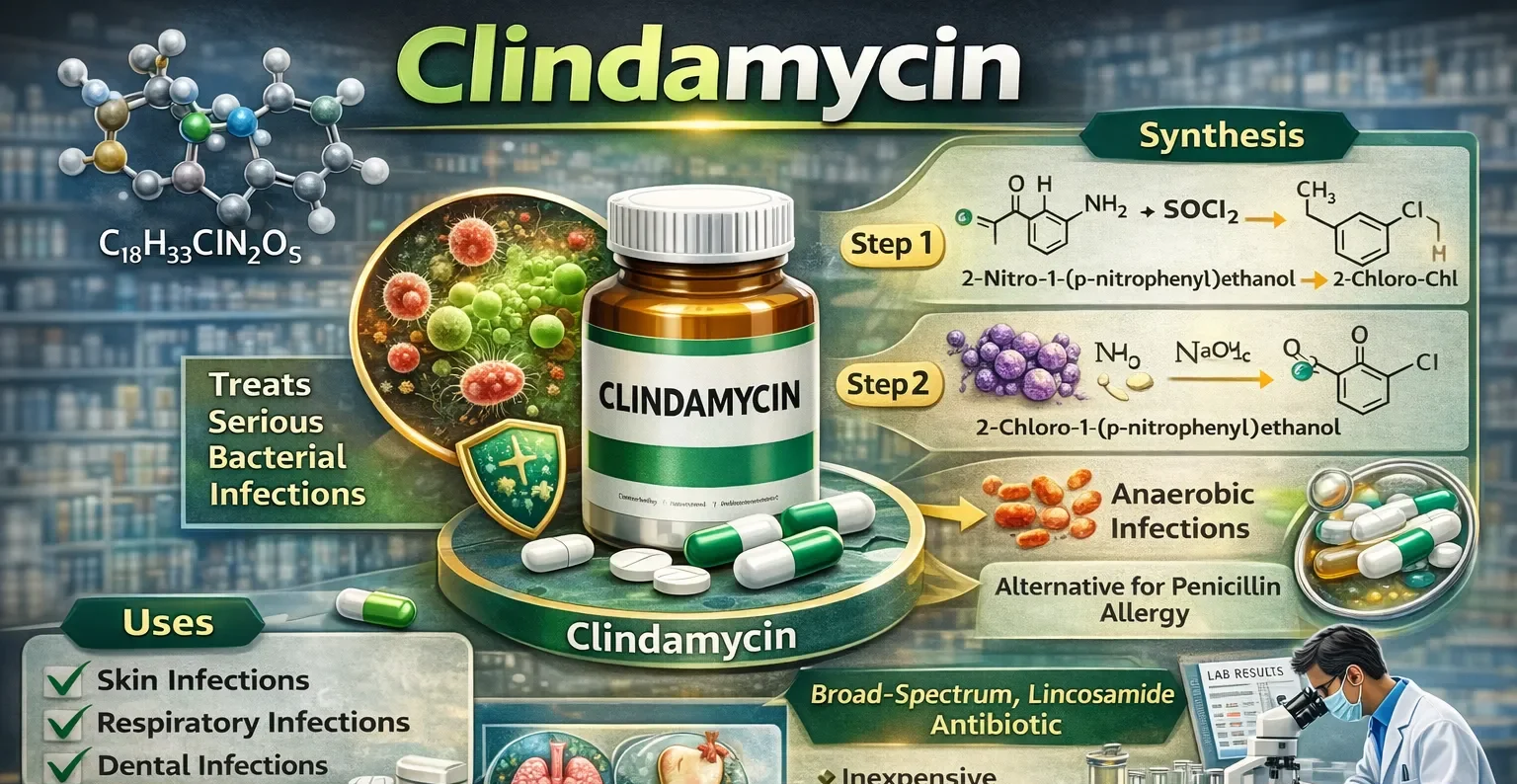
Chemical Structure / Formula of Clindamycin Formula: C₁₈H₃₃ClN₂O₅S Structure: A semisynthetic derivative of lincomycin, replacing the hydroxyl (-OH) group with a chlorine (-Cl) at C7. Mechanism of Action Binds to the 50S ribosomal subunit, inhibiting peptide elongation (similar to macrolides). Bacteriostatic but can be bactericidal at high concentrations. Uses of Clindamycin Anaerobic infections (e.g., Bacteroides … Read more

Chloramphenicol (SAR & Synthesis included)

Chloramphenicol (SAR & Synthesis included)

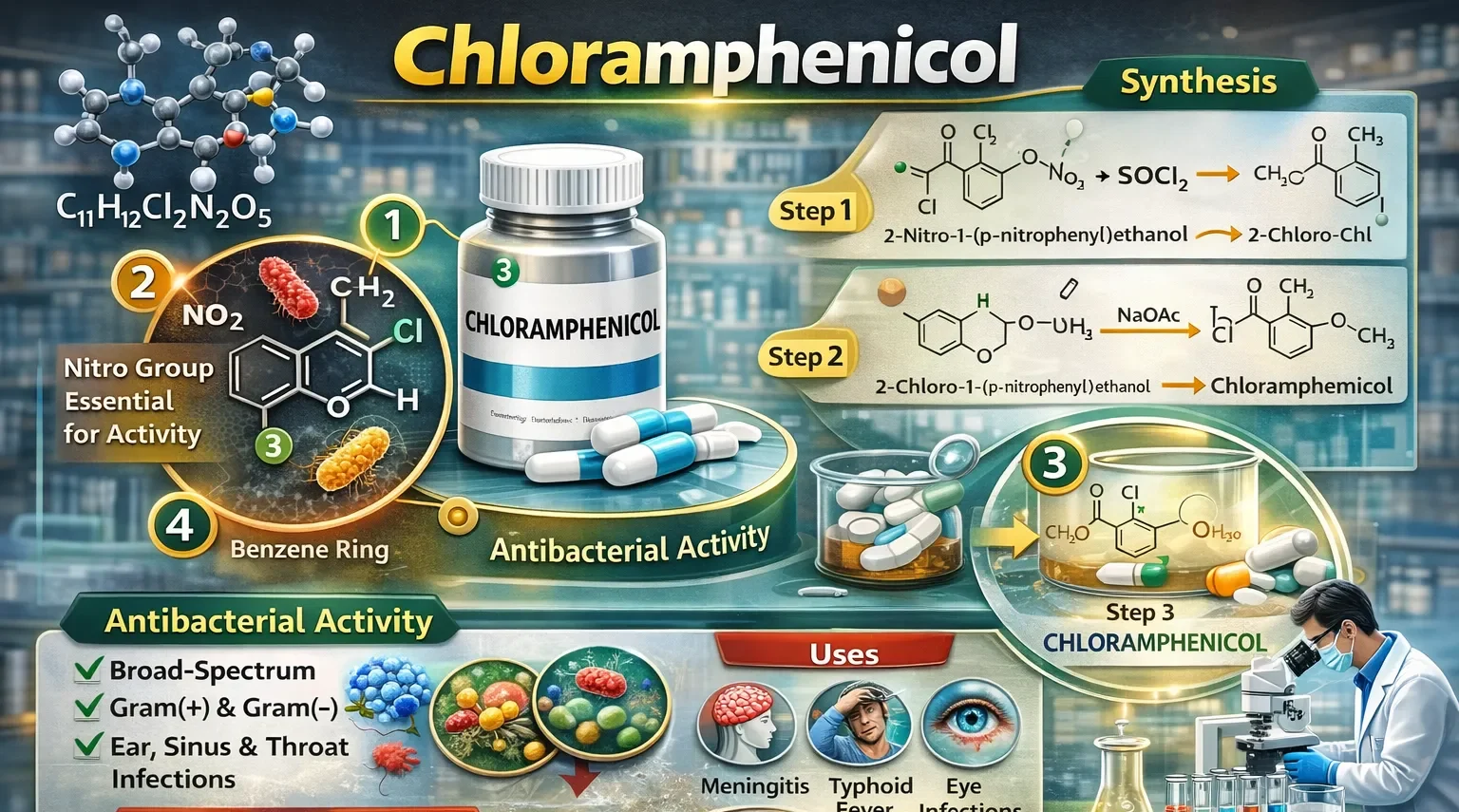
Chemical Structure / Formula of Chloramphenicol  Formula: C₁₁H₁₂Cl₂N₂O₅ Structure: Contains a nitrobenzene ring, a dichloroacetamide group, and a hydroxylated propanediol moiety. Mechanism of Action Binds to the 50S ribosomal subunit, inhibiting peptidyl transferase activity and preventing peptide bond formation. Bacteriostatic at low doses but bactericidal against some bacteria (e.g., Haemophilus influenzae, Neisseria meningitidis). Uses Meningitis … Read more

Azithromycin

Azithromycin

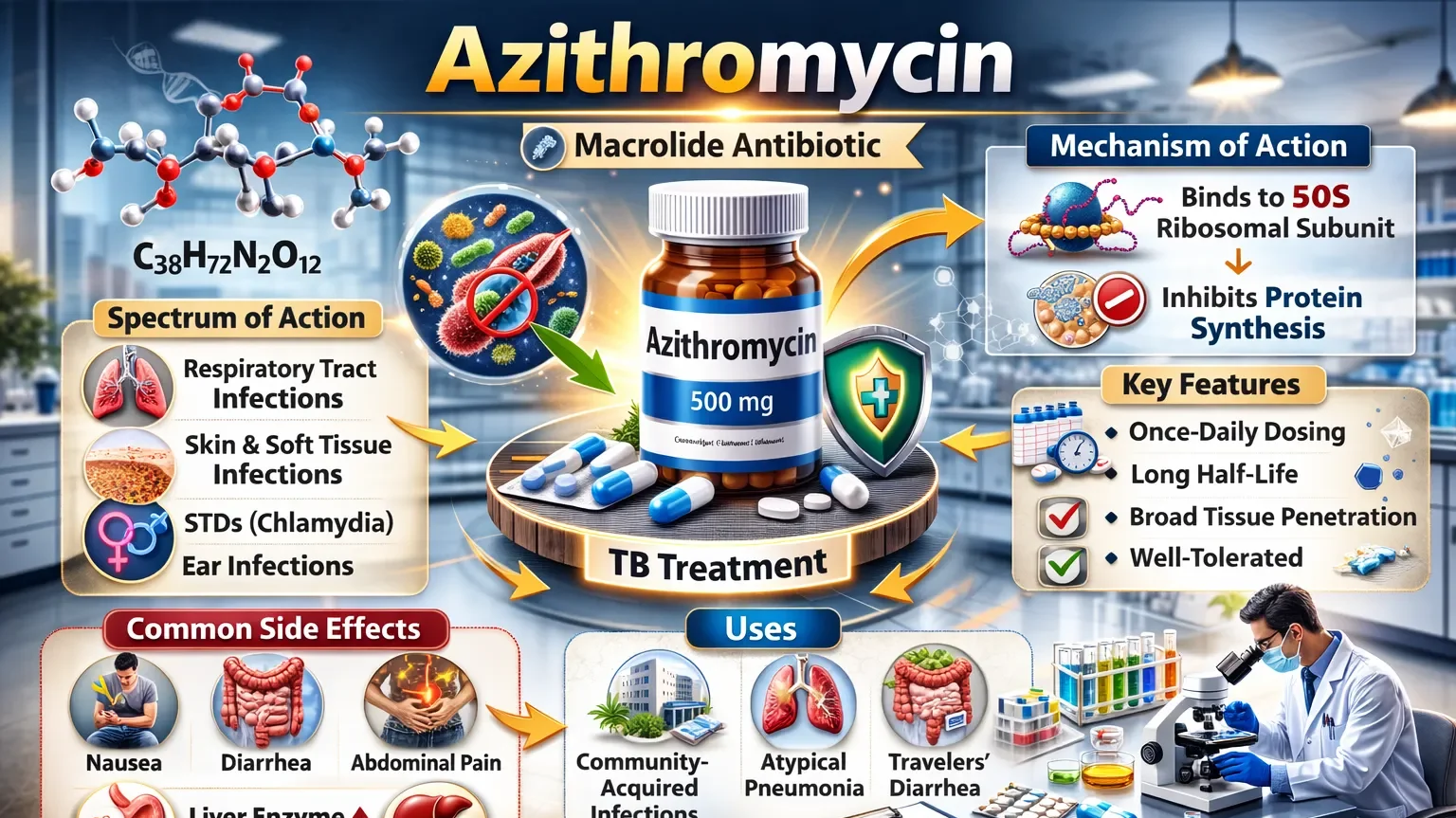
Chemical Structure / Formula of Azithromycin Formula: C₃₈H₇₂N₂O₁₂ Structure: 15-membered lactone ring (azalide), increasing tissue penetration and half-life. Mechanism of Action Same as erythromycin: binds to the 50S ribosome, inhibiting protein synthesis. Uses of Azithromycin First-line for Chlamydia (single-dose treatment). Atypical pneumonia (Legionella, Mycoplasma, Chlamydia pneumoniae). Whooping cough (Bordetella pertussis). Side Effects Less GI irritation … Read more

Clarithromycin

Clarithromycin

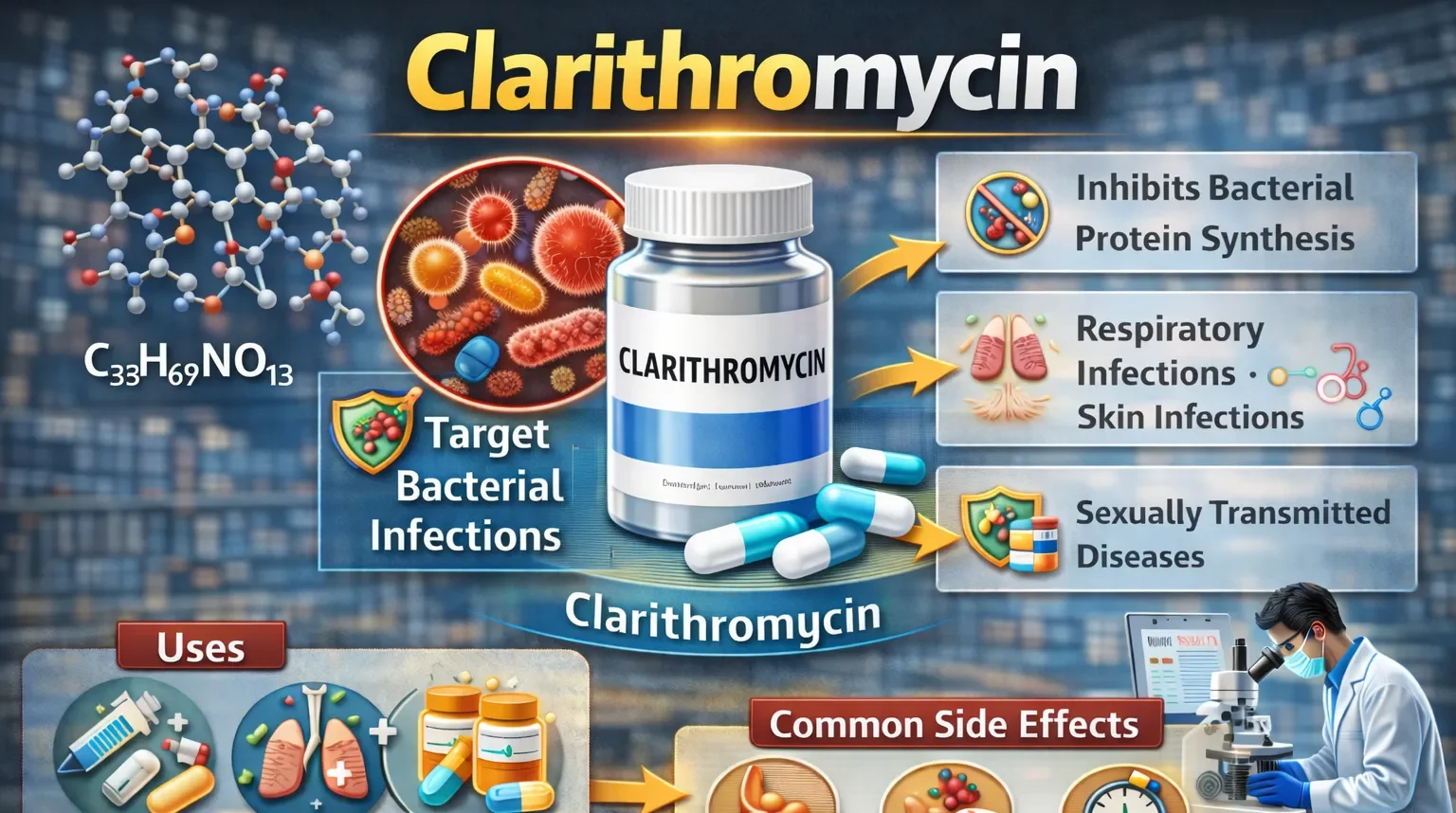
Chemical Structure / Formula of Clarithromycin Formula: C₃₈H₆₉NO₁₃ Structure: A methylated derivative of erythromycin (at position 6), increasing stability. Mechanism of Action Same as erythromycin: binds to the 50S ribosome, preventing bacterial protein synthesis. Uses of Clarithromycin Respiratory infections (pneumonia, bronchitis, sinusitis). pylori eradication therapy (used in triple therapy). Mycobacterium avium complex (MAC) infections in … Read more

Erythromycin

Erythromycin

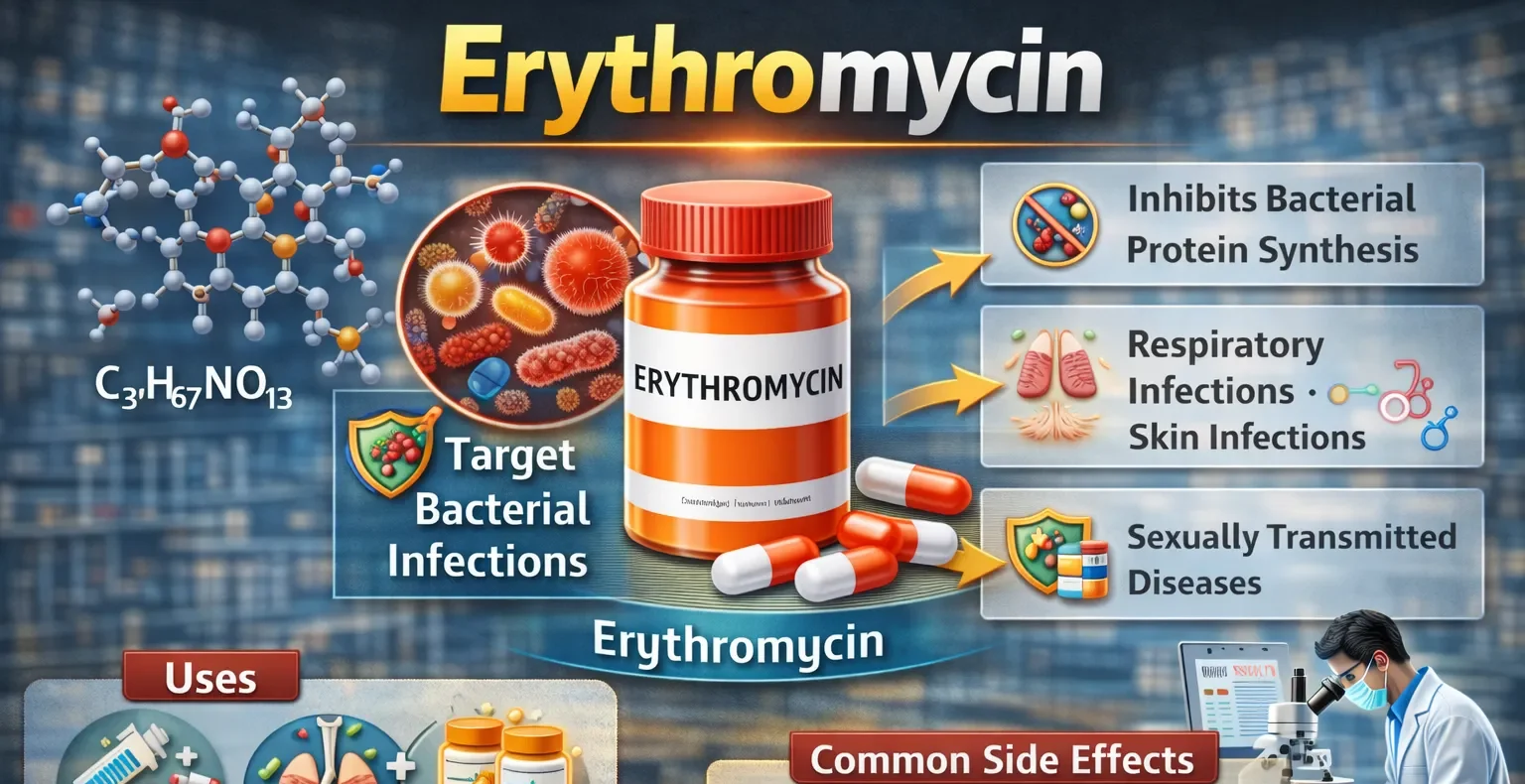
Chemical Structure / Formula of Erythromycin Formula: C₃₇H₆₇NO₁₃ Core Structure: 14-membered lactone ring with deoxy sugars (cladinose and desosamine). Mechanism of Action Binds to the 50S ribosomal subunit, inhibiting translocation of the growing peptide chain. Bacteriostatic at low concentrations but bactericidal at high concentrations. Uses of Erythromycin Respiratory tract infections (pneumonia, pertussis, diphtheria). Chlamydia infections … Read more

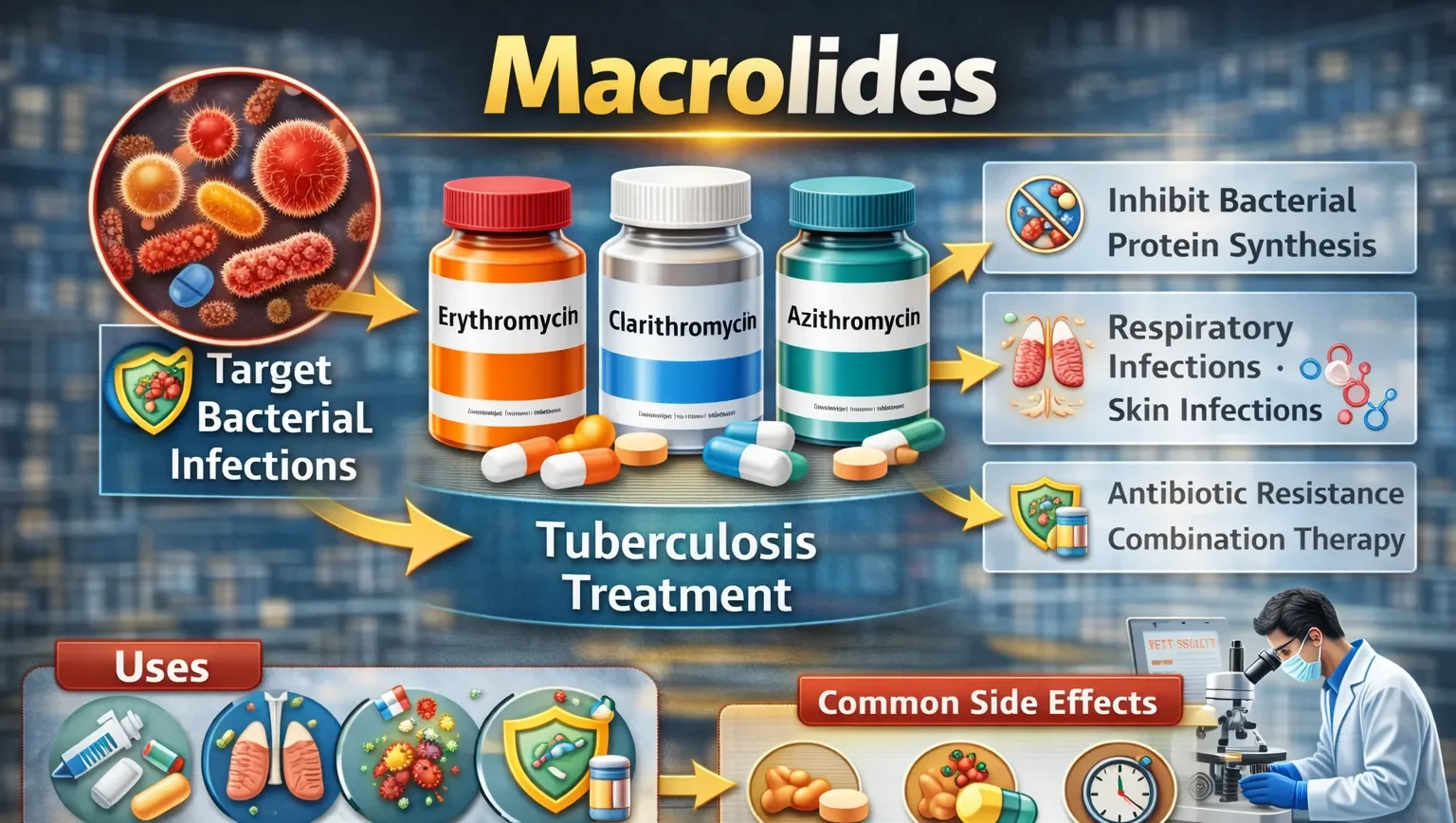
Macrolides

Macrolides

Historical Background of Macrolides First discovered in 1952 (Erythromycin from Saccharopolyspora erythraea). Used for respiratory infections and atypical bacteria. Nomenclature of Macrolides Named after the macrocyclic lactone ring. Examples: Erythromycin Clarithromycin Azithromycin Stereochemistry 14-, 15-, or 16-membered lactone rings. Various sugar moieties (e.g., desosamine, cladinose). Structure-Activity Relationship (SAR) Lactone ring size: Affects ribosomal binding. Sugar … Read more

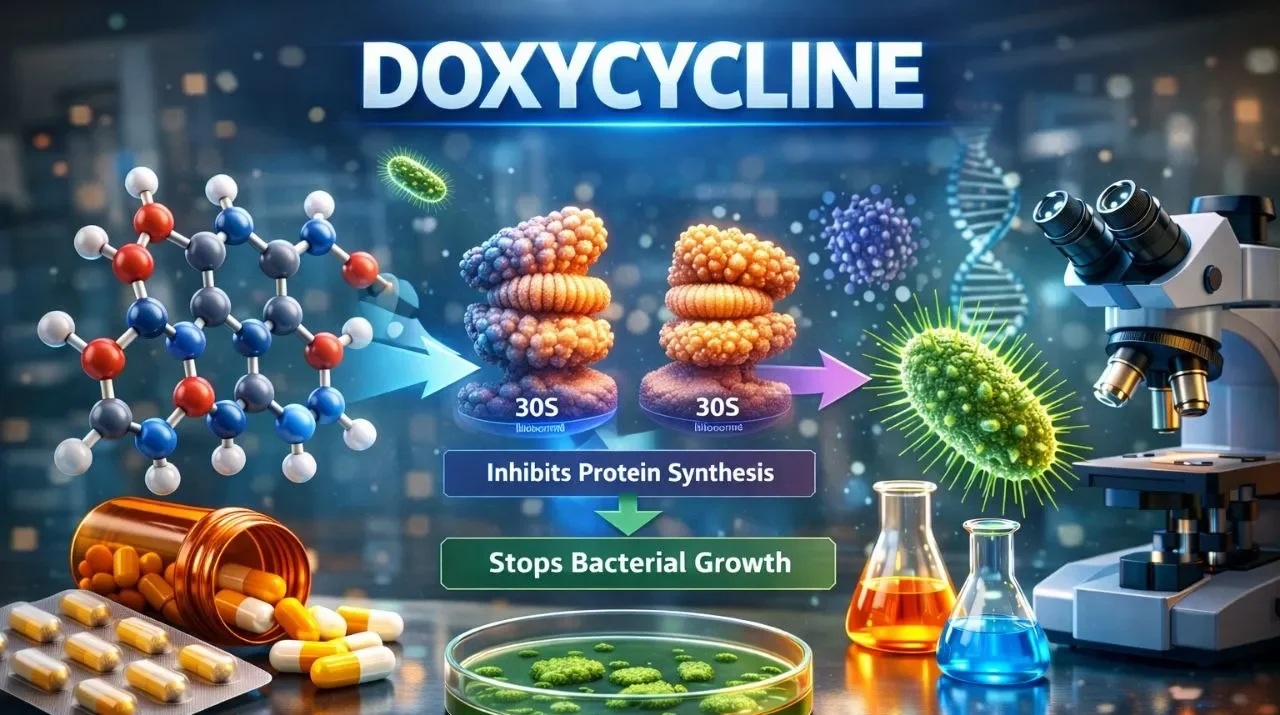
Doxycycline

Doxycycline

Chemical Structure / Formula of Doxycycline Formula: C22H24N2O8 A semi-synthetic tetracycline with better absorption and longer half-life. Mechanism of Action Binds to the 30S ribosomal subunit, preventing bacterial protein synthesis. Uses of Doxycycline First-line for Lyme disease, Rocky Mountain spotted fever, Chlamydia, and Mycoplasma pneumoniae infections. Used for malaria prophylaxis and bioterrorism-related infections (anthrax, plague, … Read more

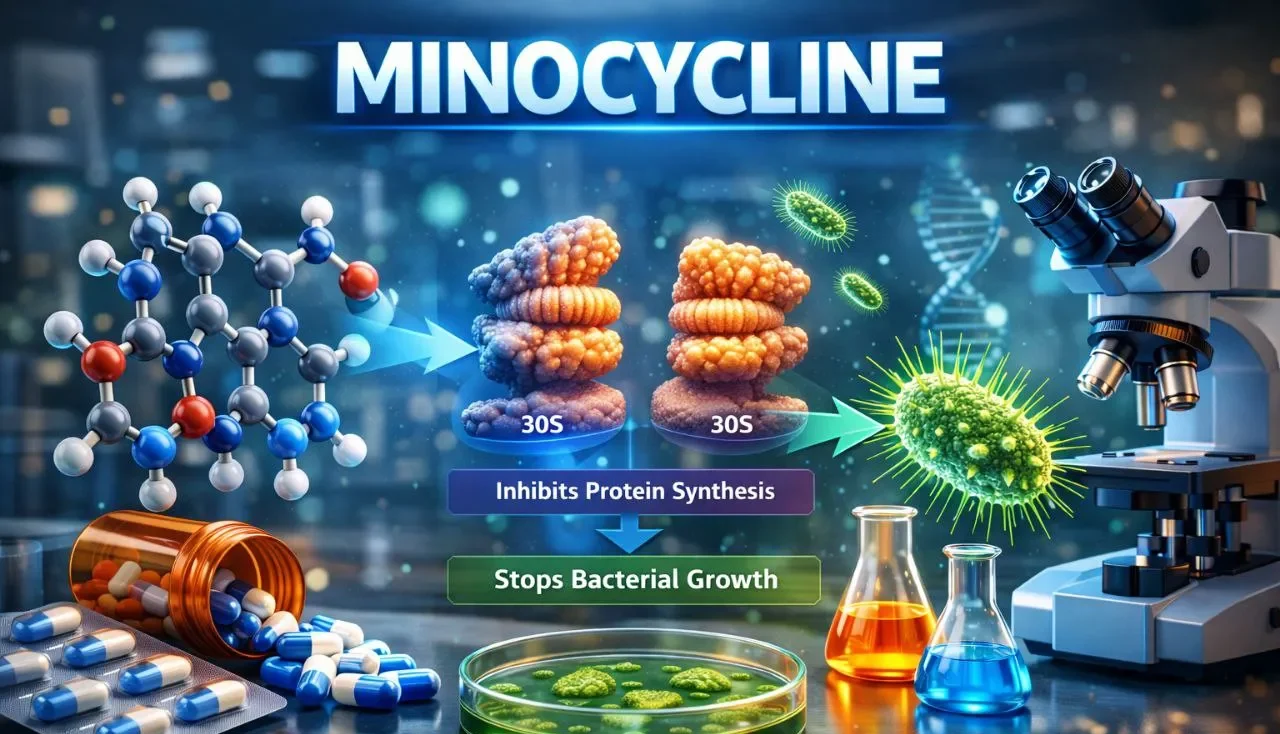
Minocycline

Minocycline

Chemical Structure / Formula of Minocycline Formula: C23H27N3O7 More lipophilic than tetracycline, leading to better CNS penetration. Mechanism of Action Binds to 30S ribosome, blocking protein synthesis. Has anti-inflammatory and neuroprotective properties in addition to antibacterial effects. Uses of Minocycline Treats acne, meningococcal carriers, MRSA, and skin infections. Investigated for neurodegenerative diseases (e.g., ALS, Huntington’s … Read more