NABL (National Accreditation Board for Testing and Calibration Laboratories)

NABL (National Accreditation Board for Testing and Calibration Laboratories)
Introduction to National Accreditation Board for Testing and Calibration Laboratories NABL is an autonomous body under India’s Department of Science and Technology. Provides accreditation to laboratories in accordance with ISO/IEC 17025 and ISO 15189. Principle of National Accreditation Board for Testing and Calibration Laboratories NABL operates impartially, objectively, and transparently. Accreditation criteria are based on … Read more
ISO 14000

ISO 14000

ISO 14000 Overview The ISO 14000 family of standards focuses on environmental management, helping organizations minimize their environmental impact, comply with laws, and improve their practices. The cornerstone of this series is ISO 14001, which provides a framework for an Environmental Management System (EMS). Key Components of ISO 14001 EMS Policy and Commitment: Define environmental … Read more

Introduction to ISO 9000 Series of Quality Systems Standards

Introduction to ISO 9000 Series of Quality Systems Standards

Overview of ISO 9000 Series of Quality Systems Standards The ISO 9000 series comprises internationally recognized standards for quality management systems. Developed by the International Organization for Standardization (ISO). Key Standards ISO 9000:2015 Provides the fundamentals and vocabulary for quality management systems. ISO 9001:2015 Specifies requirements for a quality management system. Focuses on meeting customer … Read more

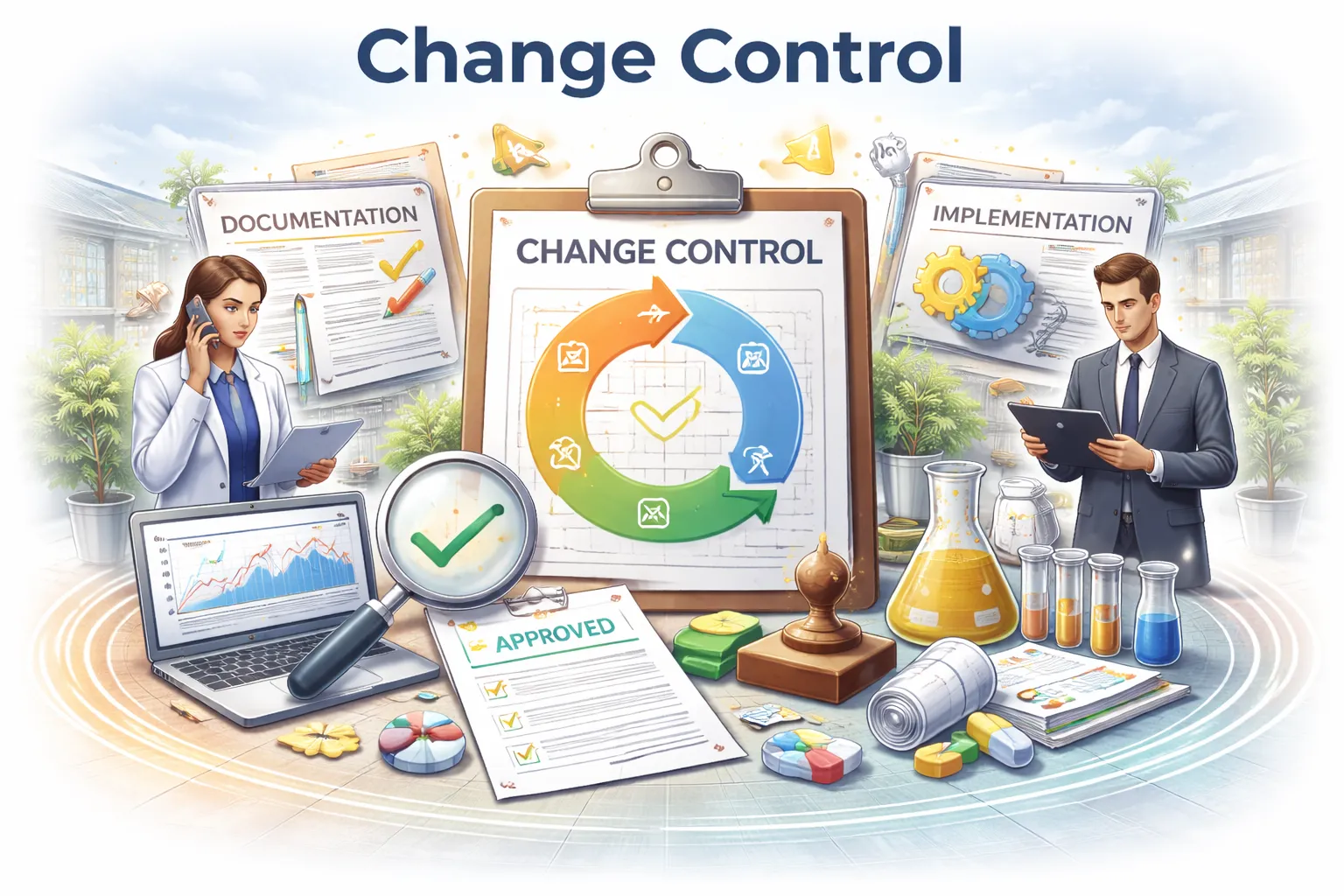
Change control

Introduction of Change control Change Control is a systematic approach to managing all changes made to a product or process. It ensures that changes do not adversely affect product quality, safety, or compliance. Tasks: Assessing the proposed changes. Approving or rejecting proposed changes. Managing and documenting the implementation of approved changes. Reviewing and monitoring the … Read more

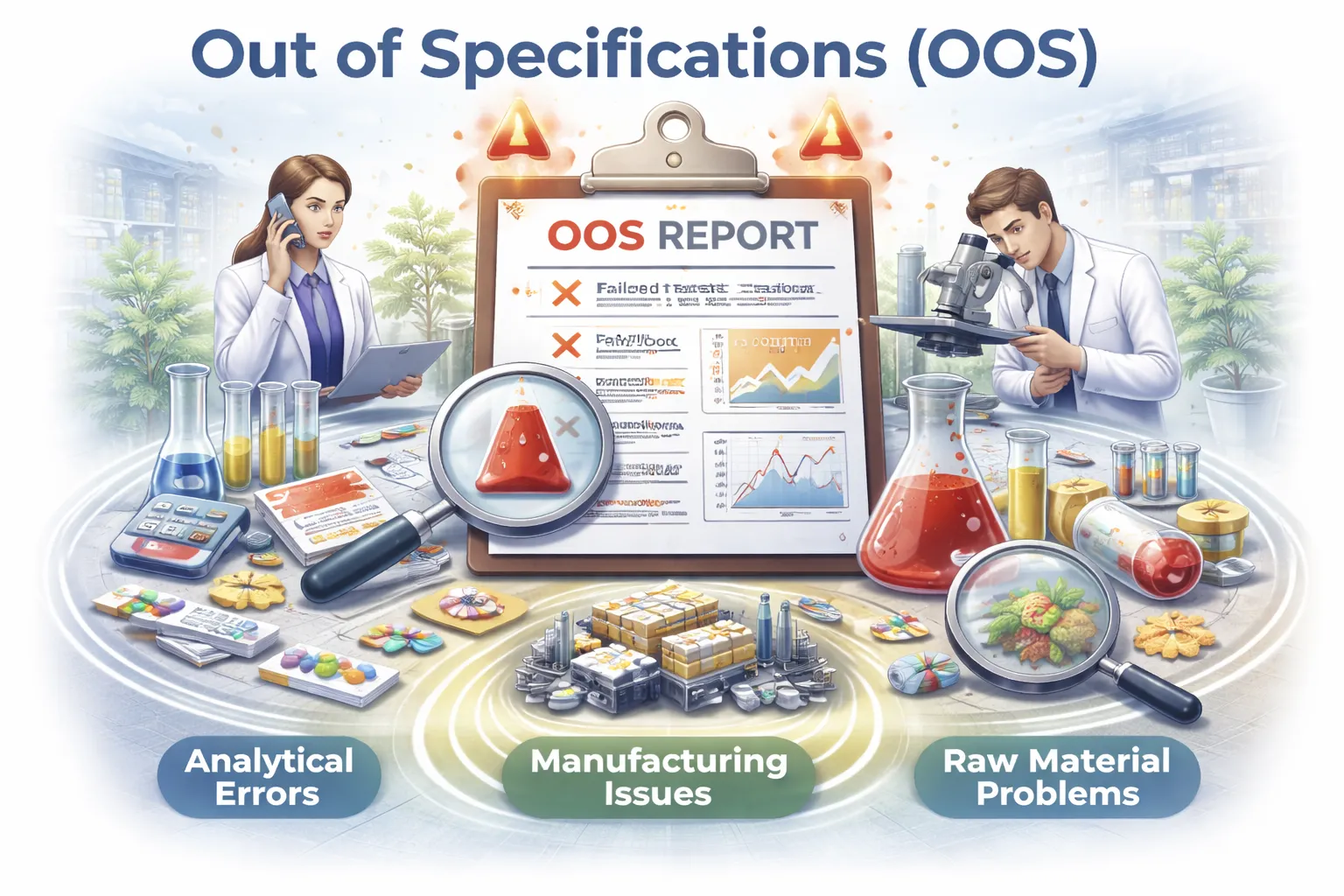
Out of Specifications (OOS)

Out of Specifications (OOS)

Introduction of Out of Specifications (OOS) Out of Specification (OOS) results are test results that fall outside the predefined acceptance criteria. OOS results indicate potential issues with product quality, process control, or laboratory procedures. Regulatory Expectations A thorough and timely investigation must be conducted. The FDA provides guidance on investigating OOS results to ensure compliance. … Read more

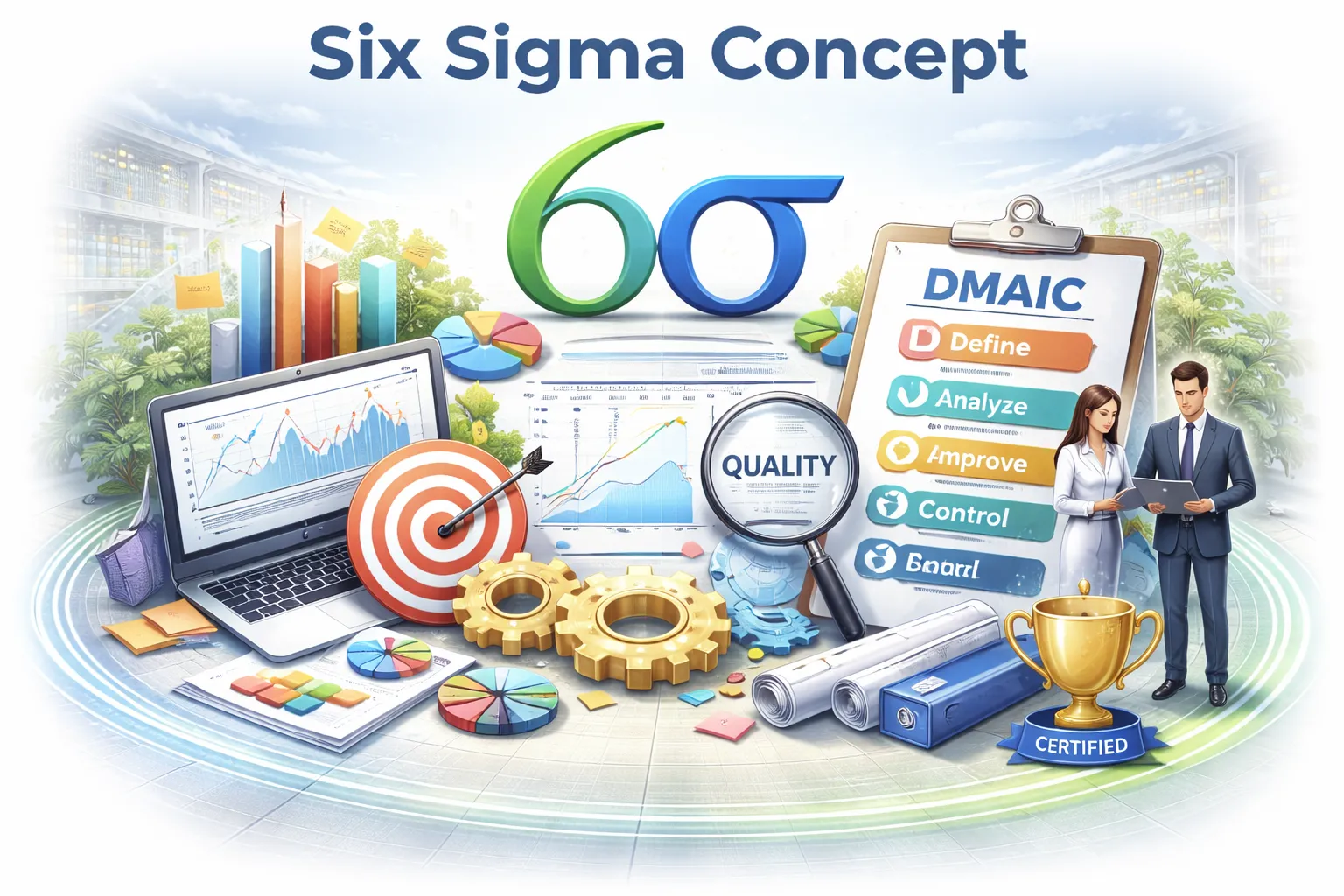
Six Sigma concept

Six Sigma concept

Introduction to Six Sigma concept Six Sigma concept is a data-driven methodology aimed at eliminating defects and reducing variability in processes. It seeks to improve the quality of process outputs by identifying and removing causes of defects. Core Concepts of Six Sigma concept DMAIC Methodology Define: Identify the problem and project goals. Measure: Collect data … Read more

Quality by Design (QbD)

Quality by Design (QbD)

Quality by Design (QbD) Quality by Design (QbD) is a systematic approach to pharmaceutical product development that begins with predefined objectives, emphasizing a thorough understanding of both product and process. Originating from the automotive and aerospace industries, QbD enhances product quality through scientific methods and risk management. Key Principles of QbD Product Profile: Define a … Read more

Total Quality Management (TQM)

Total Quality Management (TQM)

Total Quality Management (TQM) is a holistic approach to achieving long-term success through customer satisfaction, involving all employees in continuous improvement of processes, products, and organizational culture. Principles of Total Quality Management (TQM) Customer Focus: Quality is determined by understanding and exceeding customer needs. Total Employee Involvement: All employees work toward common goals through empowerment … Read more

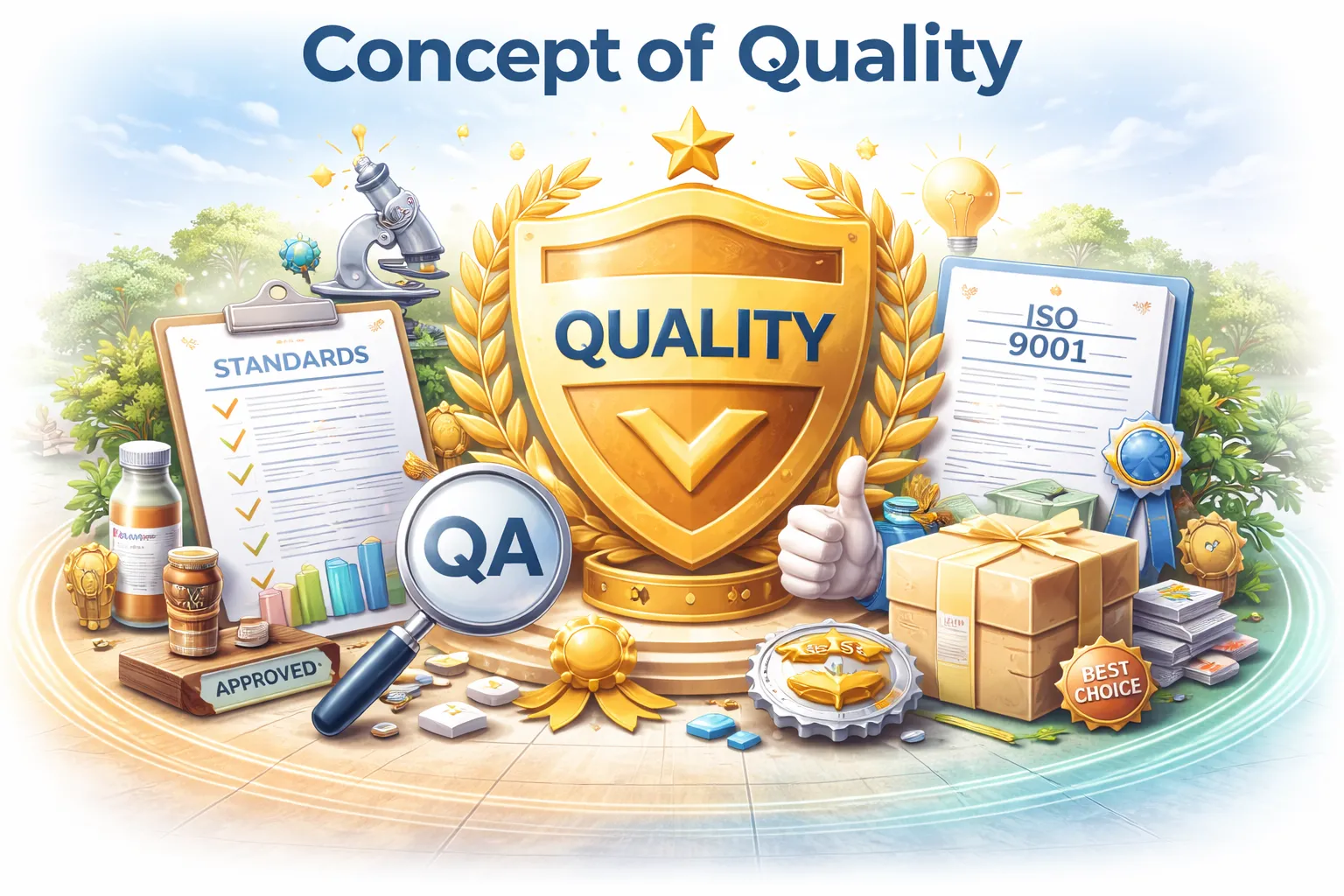
Concept of Quality

Concept of Quality

Concept of Quality defines standards ensuring safety, efficacy, and consistency of pharmaceutical products. Concept of Quality Quality refers to the degree to which a product, service, or process meets specified requirements and customer expectations. In the Pharmaceutical Industry, quality ensures that medicinal products are safe, effective, and consistent throughout their lifecycle. Importance of Quality Patient … Read more

Management of Clinical Studies

Management of Clinical Studies

Management of Clinical Studies Effective management of clinical studies is essential to ensure that trials are conducted efficiently, ethically, and in compliance with regulations. Key Aspects of Management of Clinical Studies Project Planning Timeline Development: Establishing milestones. Resource Allocation: Budgeting and staffing. Site Selection and Management Investigator Qualification: Selecting experienced sites. Site Training: Ensuring understanding … Read more