General principles of treatment of poisoning

General principles of treatment of poisoning
General principles of treatment of poisoning The general principles of treatment of poisoning depend on the specific poison involved and the severity of the poisoning. However, the following principles are commonly used in the treatment of poisoning: General Management Strategy Initial Assessment: Airway, Breathing, Circulation (ABCs): Ensure airway patency, adequate ventilation, and stabilize circulation. Vital … Read more
Mutagenicity

Mutagenicity

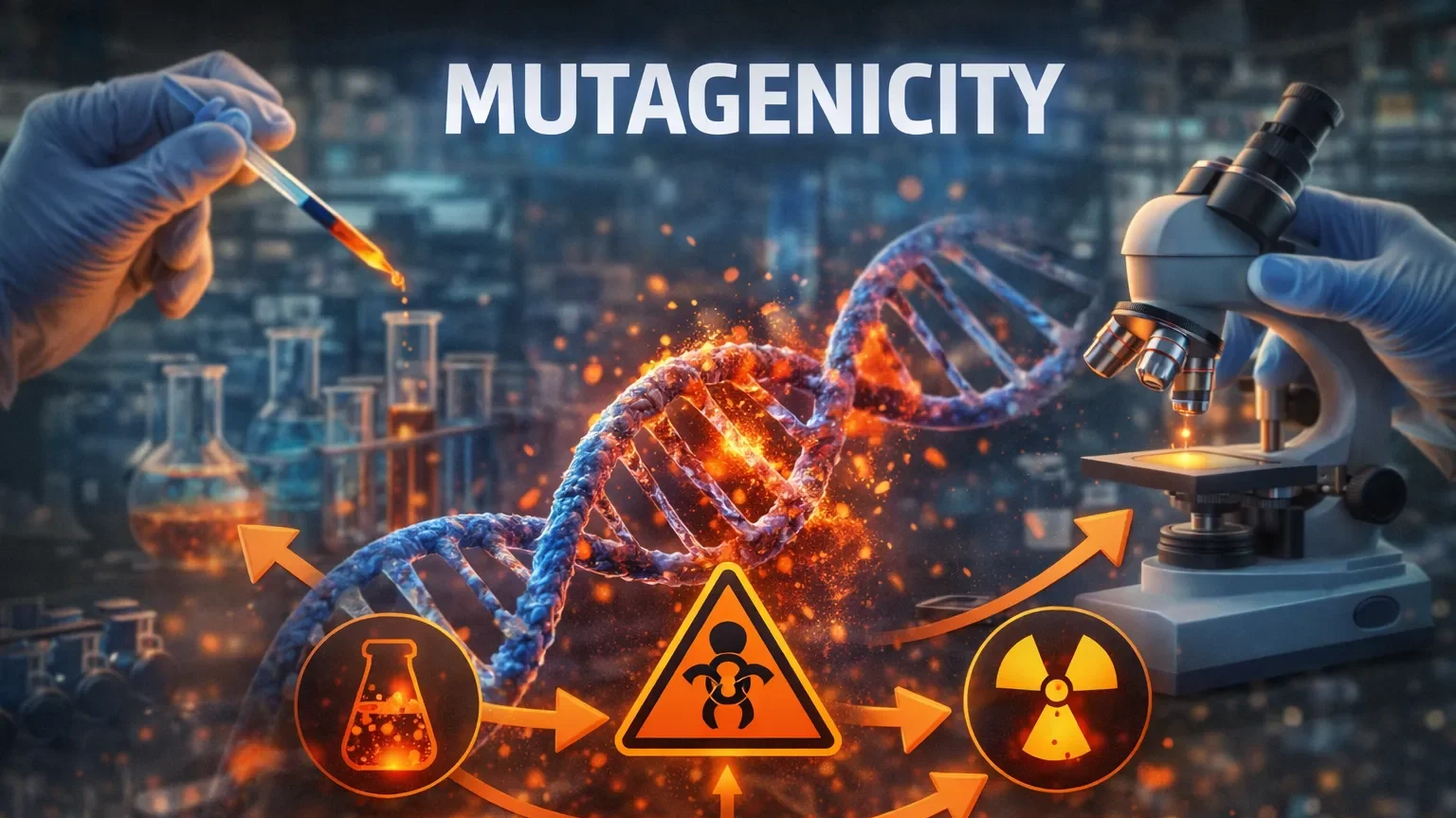
Definition of Mutagenicity: Mutagenicity refers to a substance’s ability to cause changes (mutations) in the DNA of living organisms. A mutagen is an agent that can increase the frequency or extent of mutations beyond the natural background rate. Types of Mutations: Point mutations: Changes in a single base pair (e.g., G to A). Frameshift mutations: … Read more

Teratogenicity

Teratogenicity

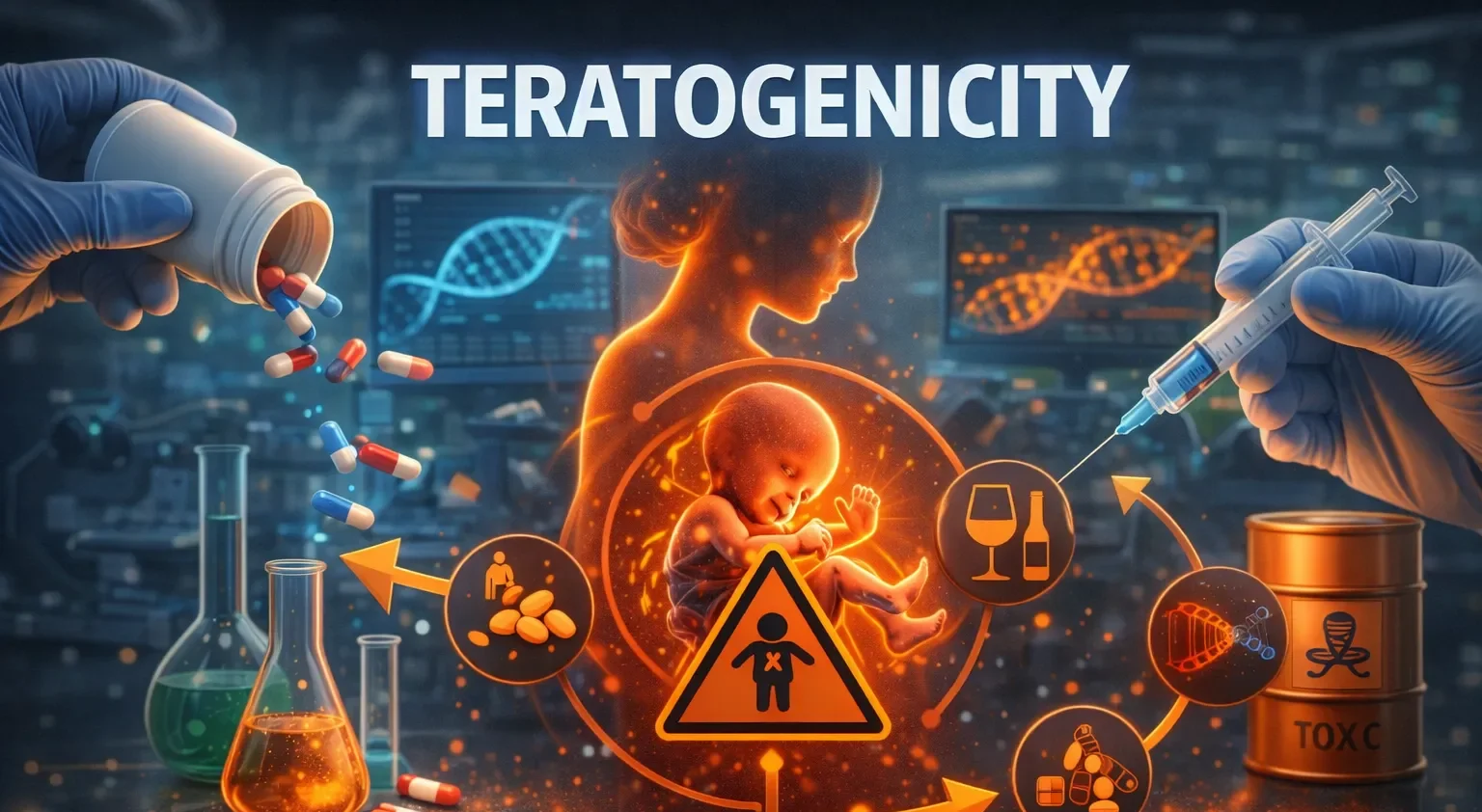
Definition of Teratogenicity: Teratogenicity is the capability of a substance to cause malformations or defects in an embryo or fetus during pregnancy. Mechanisms of Teratogenicity: Interference with cell division and differentiation: During organogenesis, the fetus’s rapidly dividing cells are highly vulnerable to disruptions. Nutritional deficiencies: Some substances can cause malnutrition in the mother or fetus, … Read more

Carcinogenicity

Carcinogenicity

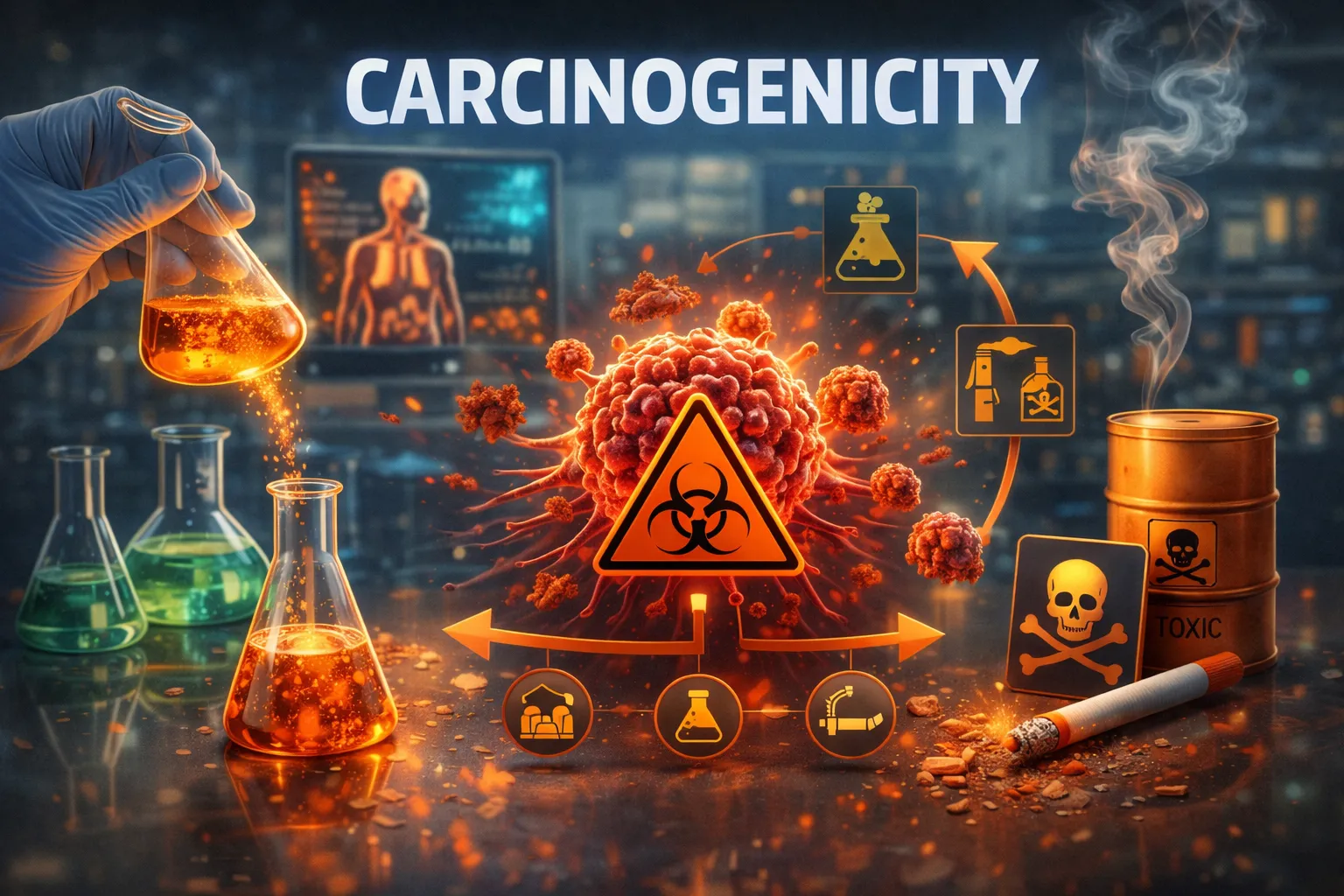
Definition of Carcinogenicity: Carcinogenicity refers to the ability of a substance to induce or increase the incidence of cancer. A carcinogen can be a chemical, physical agent (like radiation), or biological agent (like certain viruses). Stages of Carcinogenesis: Initiation: A mutagenic event leads to genetic changes in cells. Promotion: The altered cells are stimulated to … Read more

Genotoxicity

Genotoxicity

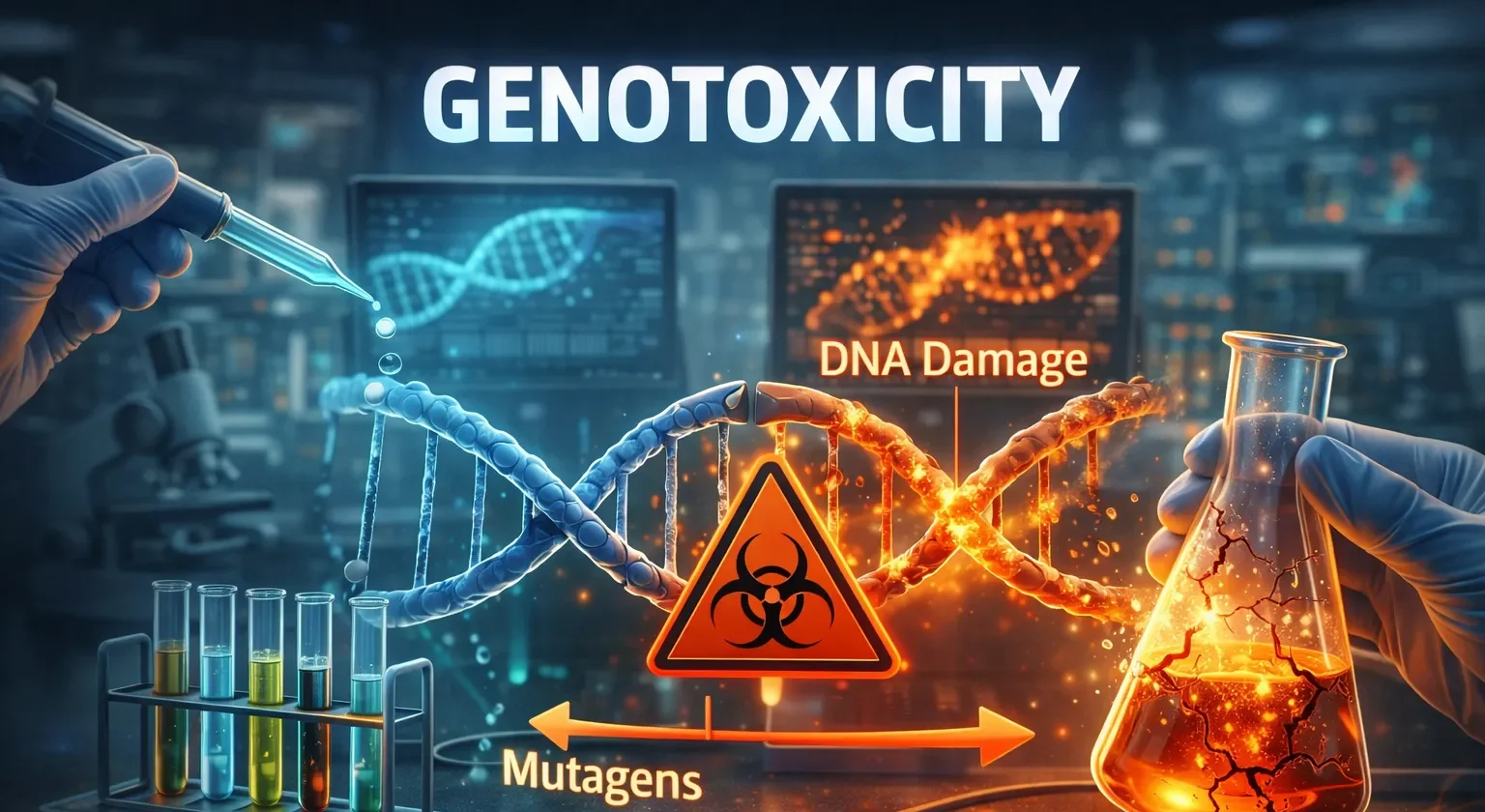
Definition of Genotoxicity: Genotoxicity is the property of a substance to damage the genetic material (DNA) within a cell. This damage can manifest as breaks in DNA strands, alterations in base pairs, or formation of DNA adducts. Mechanisms of Genotoxicity: Direct interaction with DNA: Some chemicals can directly bind to DNA, causing structural changes or … Read more

Chronic Toxicity

Chronic Toxicity

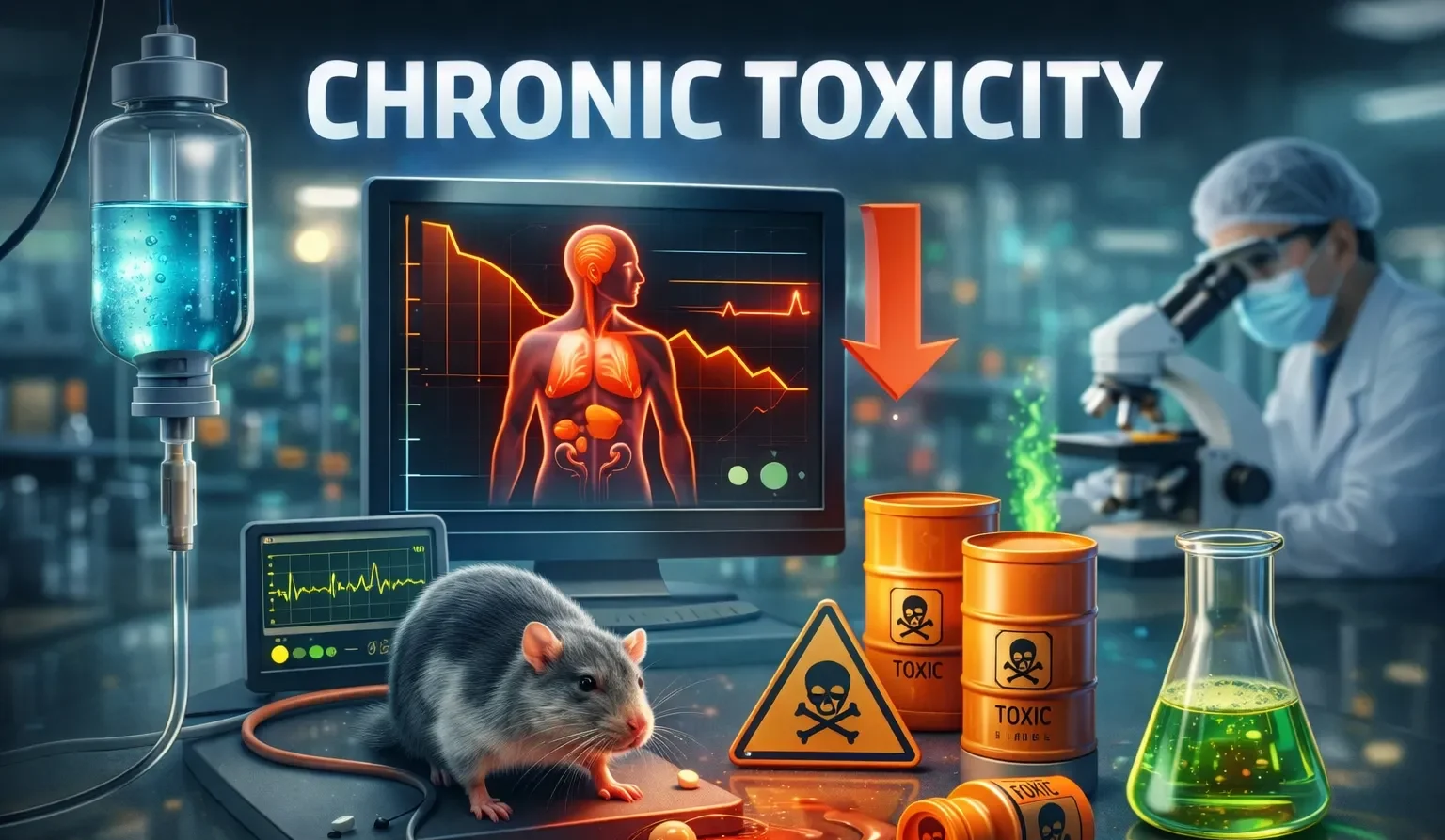
Definition of Chronic Toxicity: Chronic toxicity results from continuous or repeated exposure to a toxicant over a long period—usually more than 3 months and often extending to years. It is associated with cumulative damage and may involve irreversible health effects. Characteristics of Chronic Toxicity: Prolonged exposure to low or moderate doses. Slow buildup of toxins … Read more

Subacute toxicity

Subacute toxicity

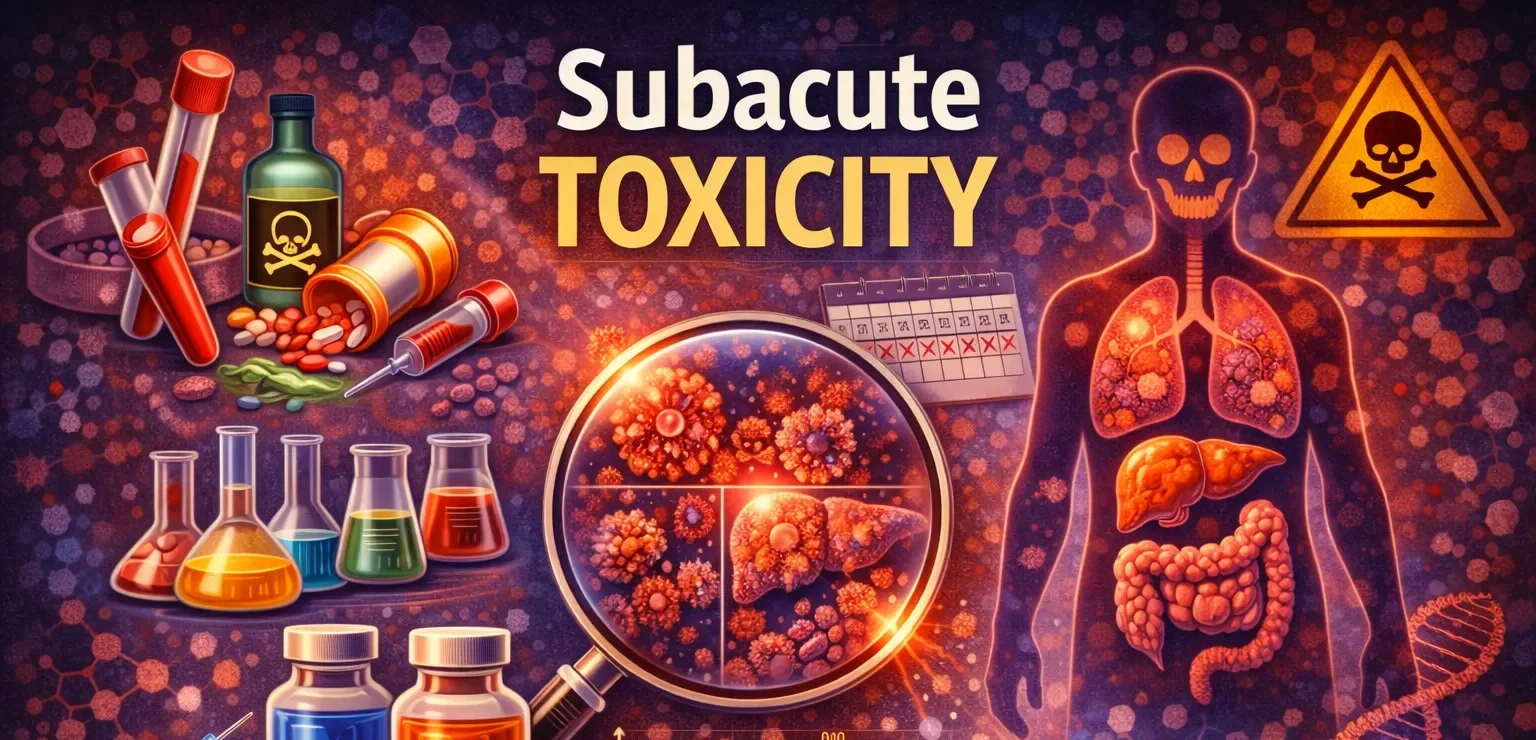
Subacute Toxicity refers to adverse effects from repeated exposure to a substance over a short duration, usually weeks. Definition of Subacute toxicity: It refers to the adverse effects resulting from repeated or continuous exposure to a toxic substance over a period of a few days up to about 28 days. It represents the intermediate phase … Read more

Acute toxicity

Acute toxicity

Definition of Acute toxicity: Acute toxicity refers to the harmful effects that occur following a single exposure or multiple exposures to a substance over a short period, typically less than 24 hours. It is commonly assessed using the lethal dose (LD₅₀), which represents the dose required to kill 50% of a test population (often lab … Read more

Principles of Toxicology

Principles of Toxicology

Principles of Toxicology explain how chemicals cause harm based on dose, exposure, and biological response in the body. Principles of Toxicology Toxicology is the study of harmful effects of chemical, physical, or biological agents on living organisms and the environment. Key principles include: Dose-Response Relationship Toxicity depends on the dose — “the dose makes the … Read more

Biosimilars

Biosimilars

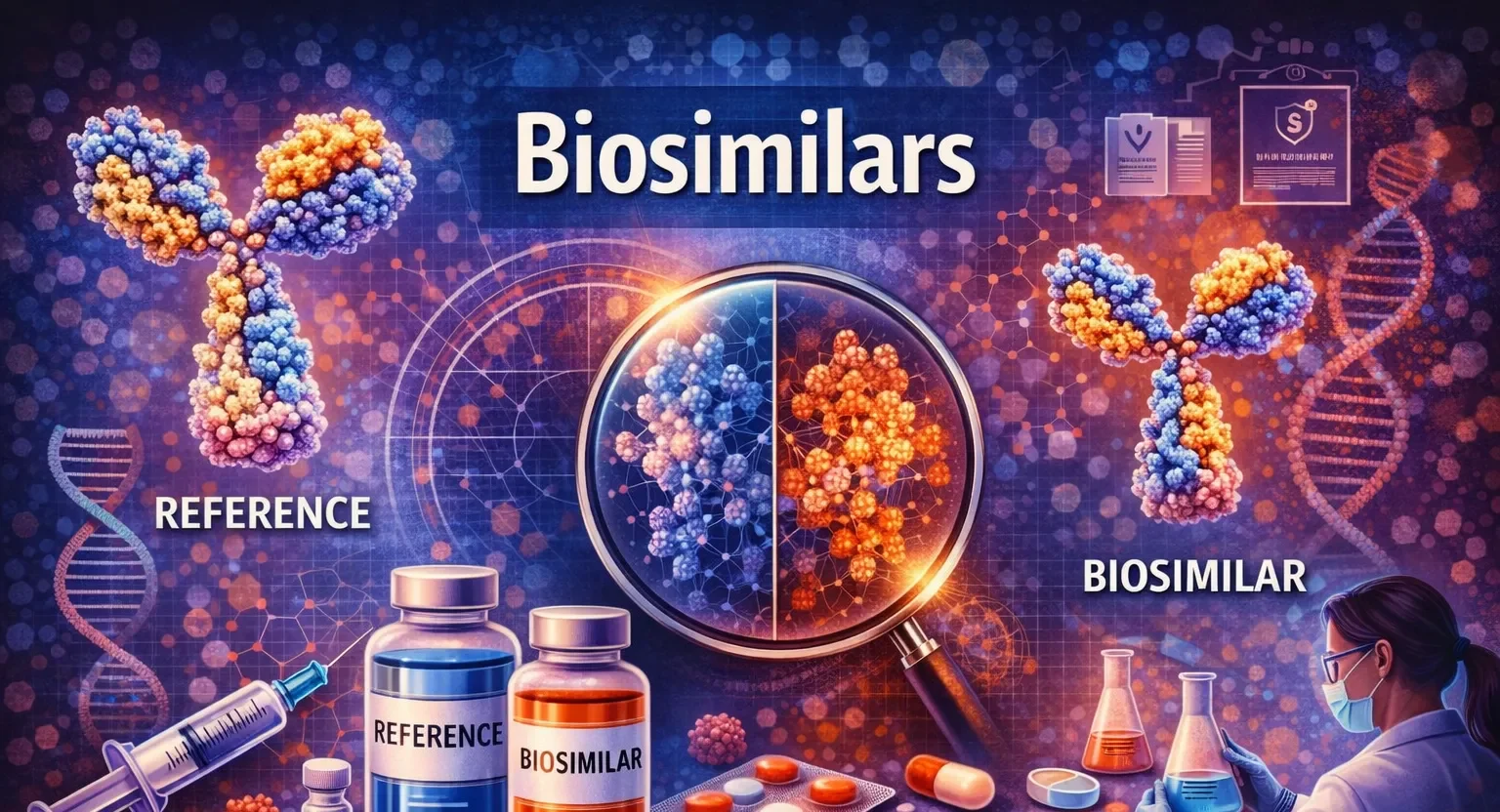
Definition of Biosimilars Biosimilars are biological products that are highly similar to an already approved reference biologic drug, with no clinically meaningful differences in terms of safety, purity, or potency. Key Characteristics Produced using living cells Similar, but not identical, to reference drugs (due to natural biological variability) Developed after patent expiry of original biologics … Read more