Anti-Tubercular Agents

Anti-Tubercular Agents

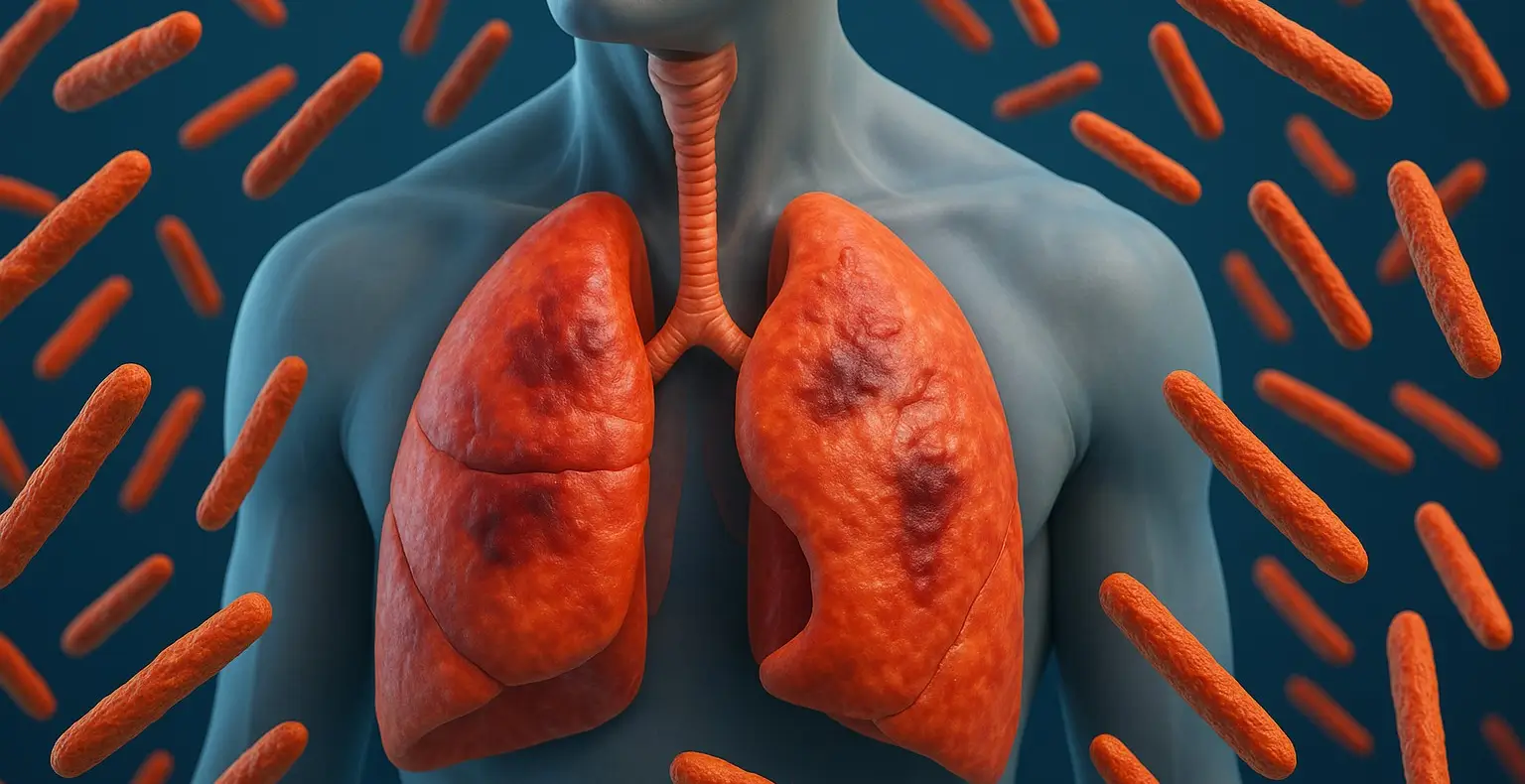
Anti-Tubercular Agents are medications used to treat tuberculosis (TB), a potentially serious and contagious bacterial infection that primarily affects the lungs but can also involve other parts of the body. These medications work by killing or inhibiting the growth of Mycobacterium tuberculosis, the bacteria responsible for TB. Factors Influencing Treatment Selection The choice of anti-tubercular … Read more
Para-Aminosalicylic Acid (PASA)

Para-Aminosalicylic Acid (PASA)

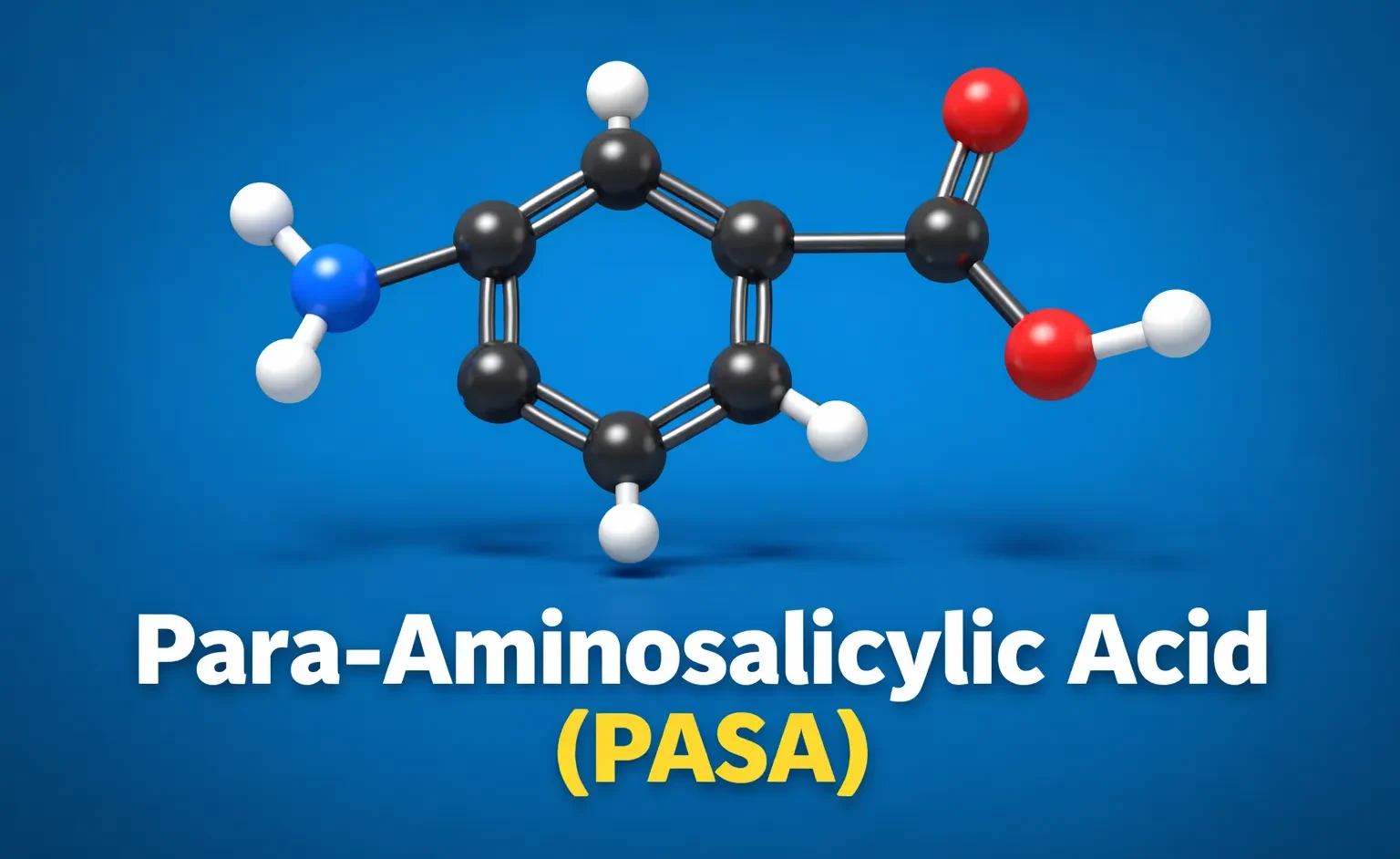
Chemical Structure / Formula of Para-Aminosalicylic Acid (PASA) Formula: C₇H₇NO₃ Structure: A p-aminobenzoic acid (PABA) analog. Mechanism of Action Inhibits dihydrofolate reductase (DHFR), disrupting folic acid metabolism. Uses Second-line treatment for MDR-TB. Side Effects GI disturbances, hepatotoxicity, hypersensitivity reactions. Structure-Activity Relationship (SAR) Structural Feature SAR Insight Amino group at para-position Essential for antimycobacterial activity; mimics … Read more

Pyrazinamide

Pyrazinamide

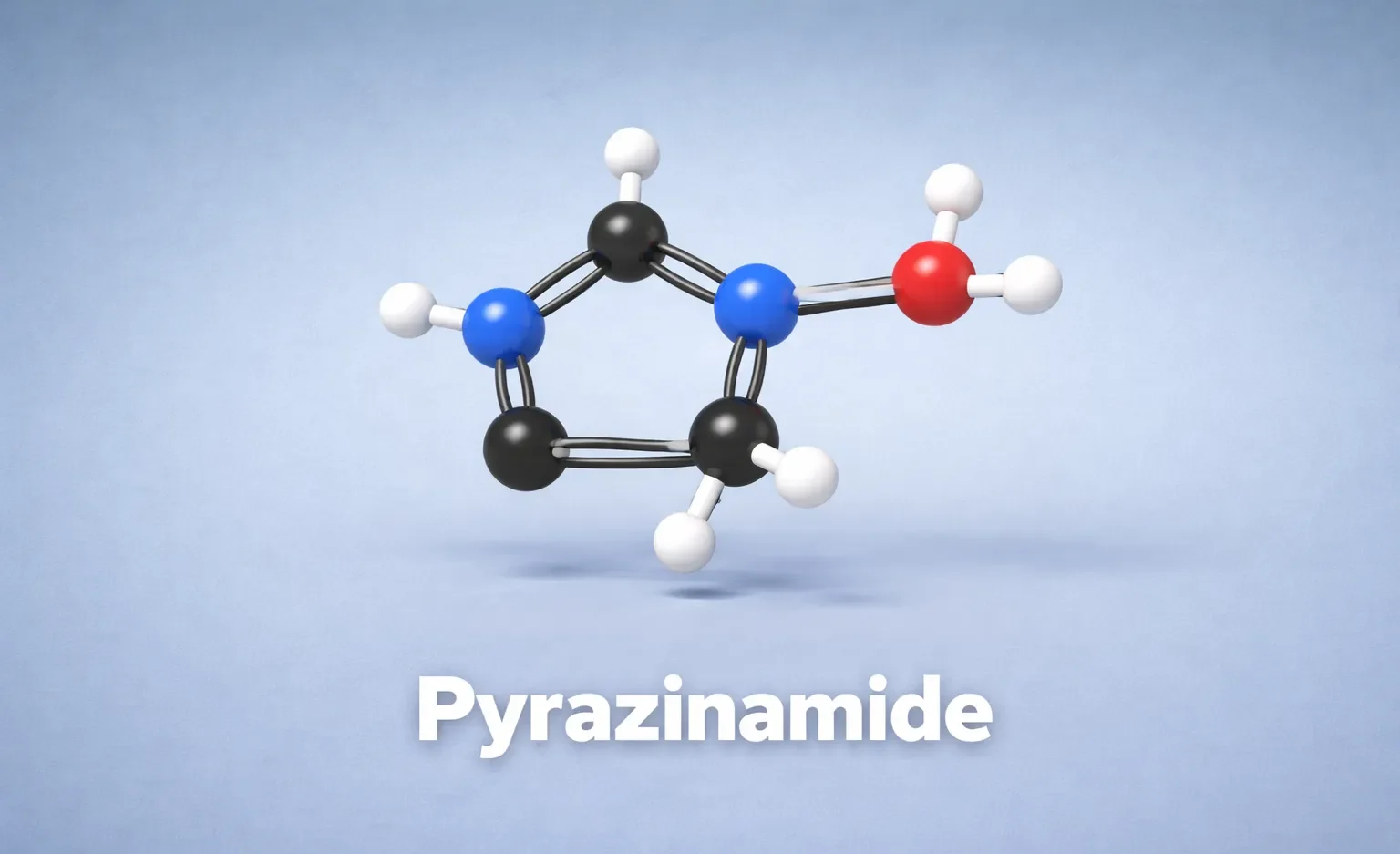
Chemical Structure / Formula of Pyrazinamide Formula: C₅H₅N₃O Structure: A nicotinamide analog. Mechanism of Action Prodrug converted into pyrazinoic acid (POA) by pyrazinamidase (pncA enzyme). POA disrupts membrane potential and fatty acid synthesis, leading to bacterial death. Uses of Pyrazinamide First-line TB treatment, especially in short-course regimens. Side Effects Hepatotoxicity, hyperuricemia (gout), GI upset.

Ethambutol

Ethambutol

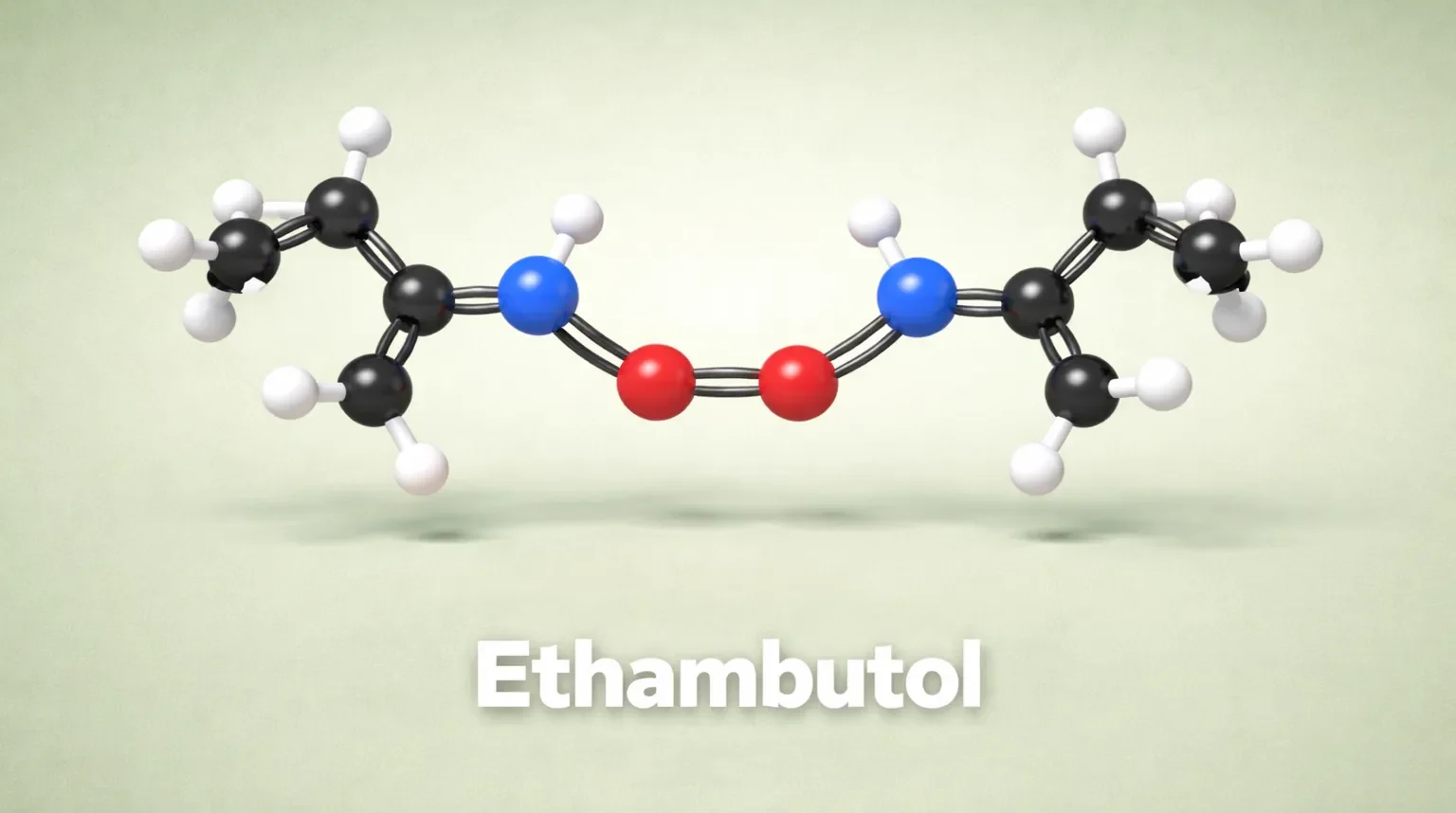
Chemical Structure / Formula of Ethambutol Formula: C₁₀H₂₄N₂O₂ Structure: A polyhydroxy ethylenediamine Mechanism of Action Inhibits arabinosyl transferase, preventing arabinogalactan polymerization, an essential component of the mycobacterial cell wall. Uses of Ethambutol First-line TB treatment (in combination therapy). Side Effects Optic neuritis (dose-dependent, reversible) – red-green color blindness. Hyperuricemia (gout-like symptoms).

Ethionamide

Ethionamide

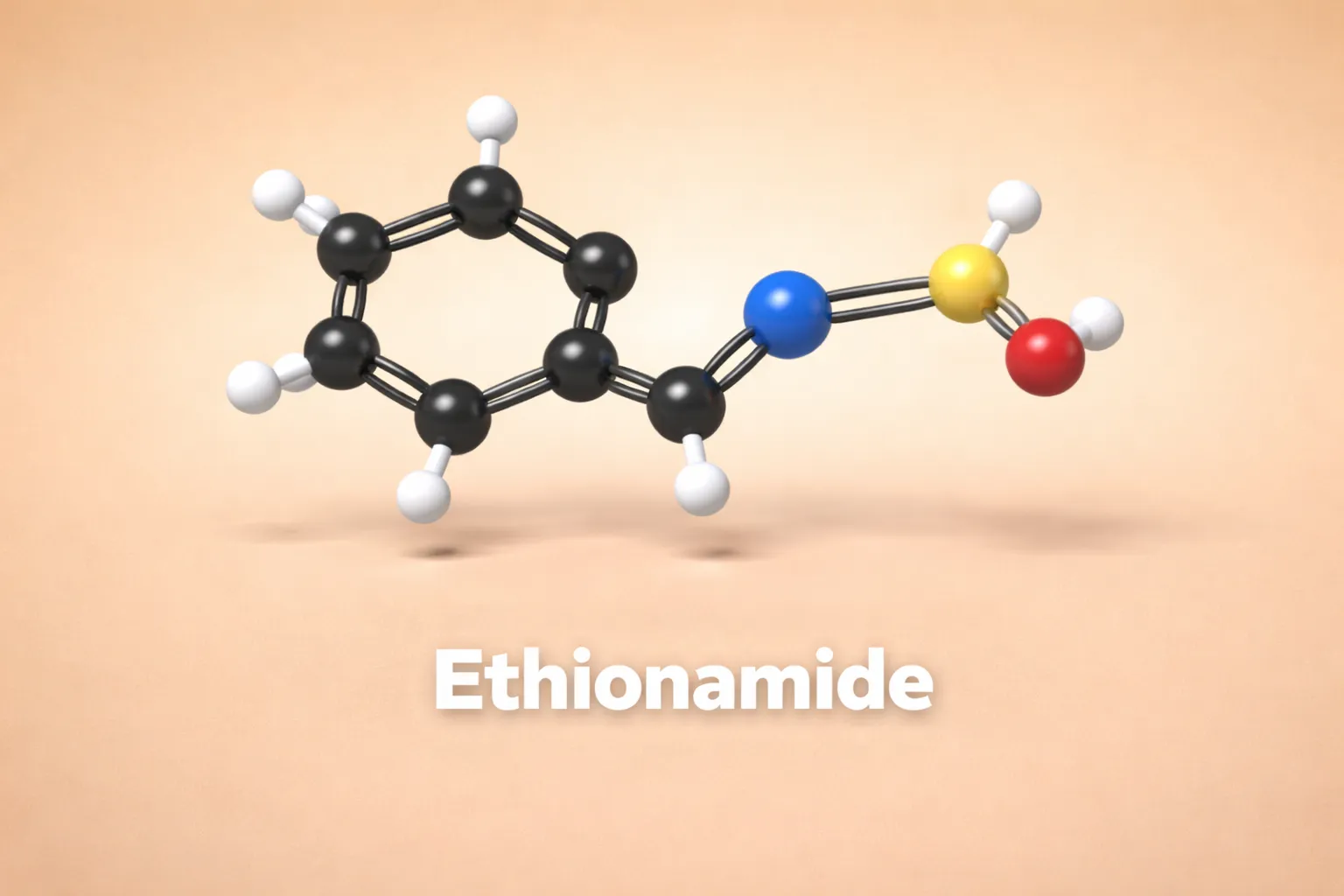
Chemical Structure / Formula of Ethionamide Formula: C₈H₁₀N₂S Structure: Similar to isoniazid but contains a thioamide (-CSNH₂) group instead of a hydrazide. Mechanism of Action Prodrug, activated by mycobacterial EthA enzyme. Inhibits InhA enzyme, blocking mycolic acid synthesis, disrupting the bacterial cell wall. Uses of Ethionamide Second-line drug for multidrug-resistant TB (MDR-TB). Side Effects Hepatotoxicity, … Read more

Isoniazid (INH)

Isoniazid (INH)

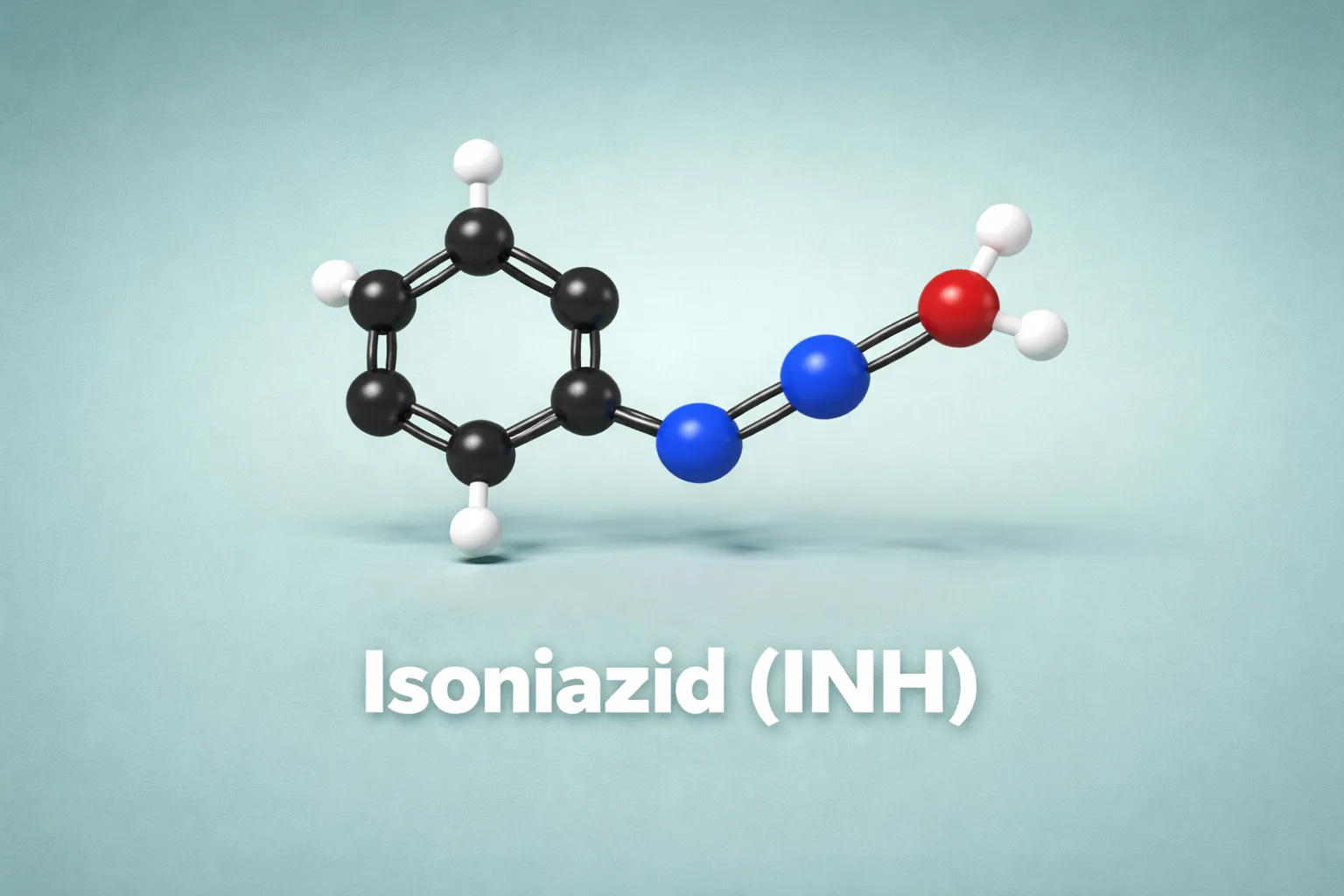
Chemical Structure / Formula of Isoniazid (INH) Formula: C₆H₇N₃O Structure: Pyridine ring with a hydrazide (-CONHNH₂) group. Mechanism of Action Prodrug that is activated by KatG enzyme (catalase-peroxidase) in Mycobacterium tuberculosis. Once activated, it forms isonicotinoyl radical, which inhibits: Enoyl-acyl carrier protein reductase (InhA) → prevents mycolic acid synthesis (essential for the mycobacterial cell wall). … Read more

Tuberculosis (TB)

Tuberculosis (TB)

What is Tuberculosis? Tuberculosis (TB) is a bacterial infection caused by Mycobacterium tuberculosis. While it primarily affects the lungs, it can also spread to other parts of the body, such as the kidneys, spine, and brain. How is TB Spread? TB is an airborne disease, meaning it spreads when an infected person coughs or sneezes, … Read more

Atovaquone

Atovaquone

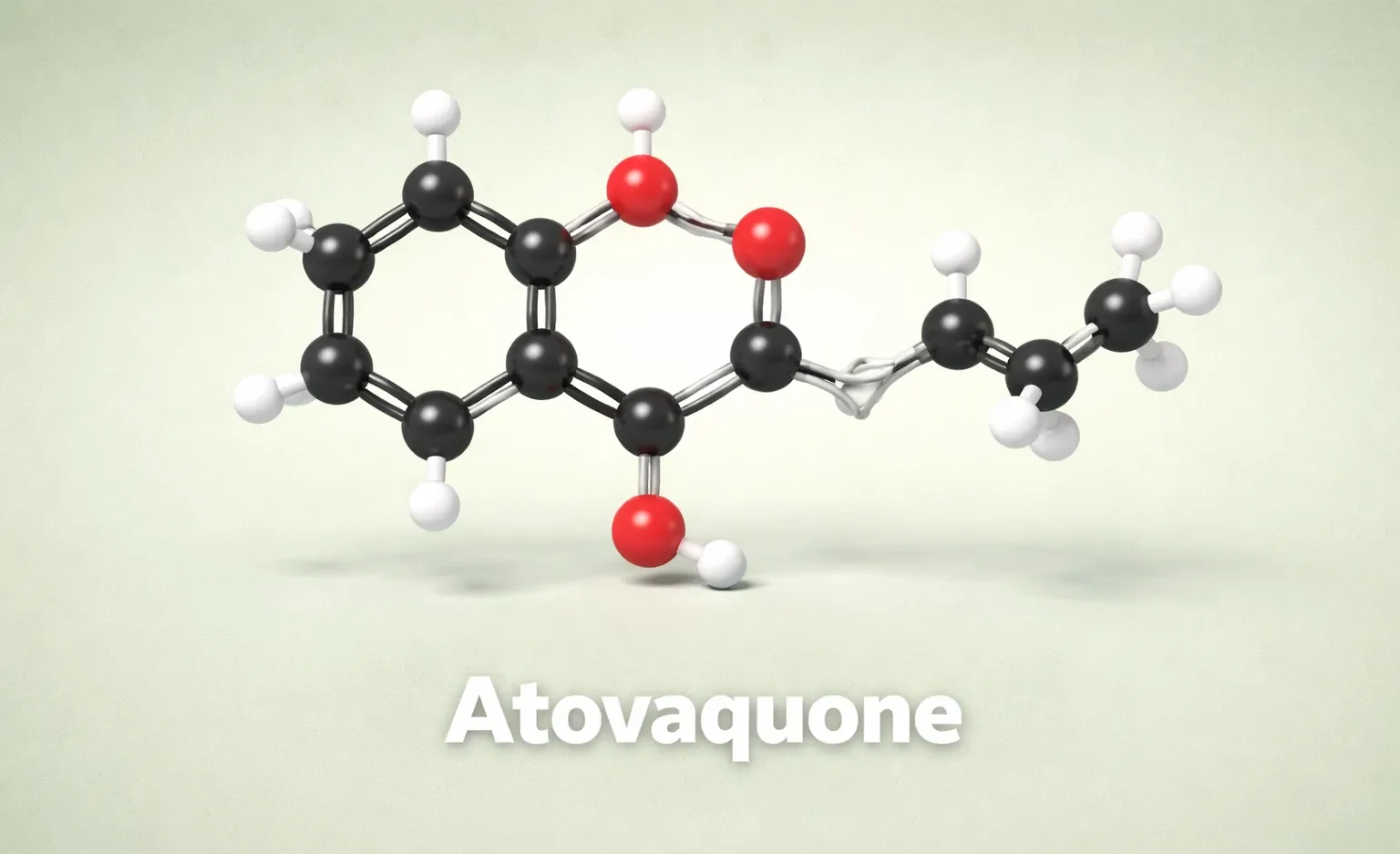
Chemical Structure / Formula of Atovaquone Formula: C₂₂H₁₉O₃Cl Structure: A naphthoquinone analog, structurally related to ubiquinone (coenzyme Q). Mechanism of Action Inhibits cytochrome bc1 complex in mitochondrial electron transport, leading to ATP depletion and Plasmodium death. Uses of Atovaquone Malaria prophylaxis and treatment ( falciparum, in combination with Proguanil). Pneumocystis jirovecii pneumonia (PCP) in immunocompromised … Read more

Artemether

Artemether

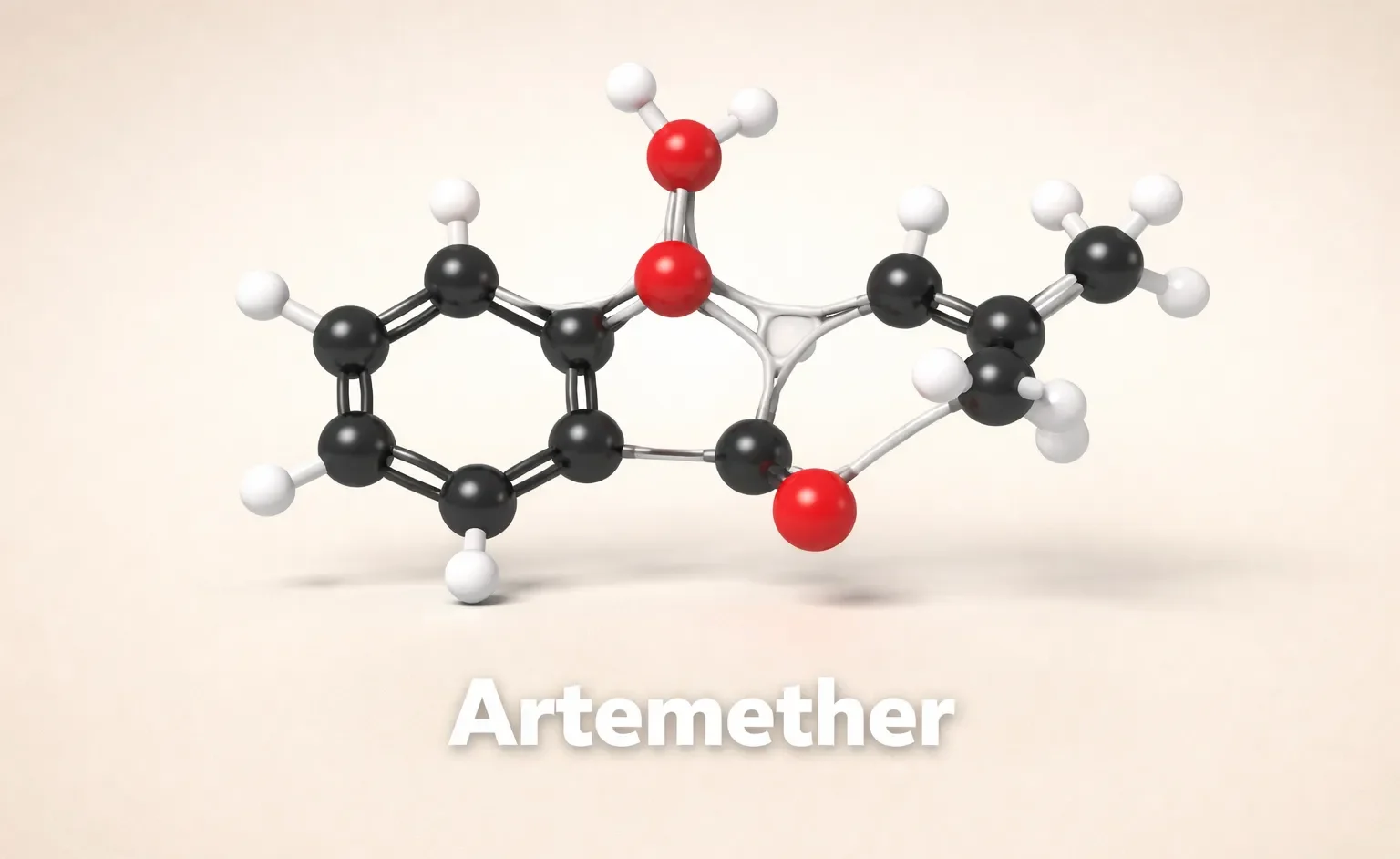
Chemical Structure / Formula of Artemether Formula: C₁₆H₂₆O₅ Structure: Similar to artesunate, but more lipophilic, allowing for better CNS penetration. Mechanism of Action Free radical generation via endoperoxide bridge cleavage, leading to parasite destruction. Uses of Artemether Severe malaria treatment in ACTs. Often combined with Lumefantrine (Coartem®). Side Effects Neurotoxicity at high doses, nausea, QT … Read more

Artesunate

Artesunate

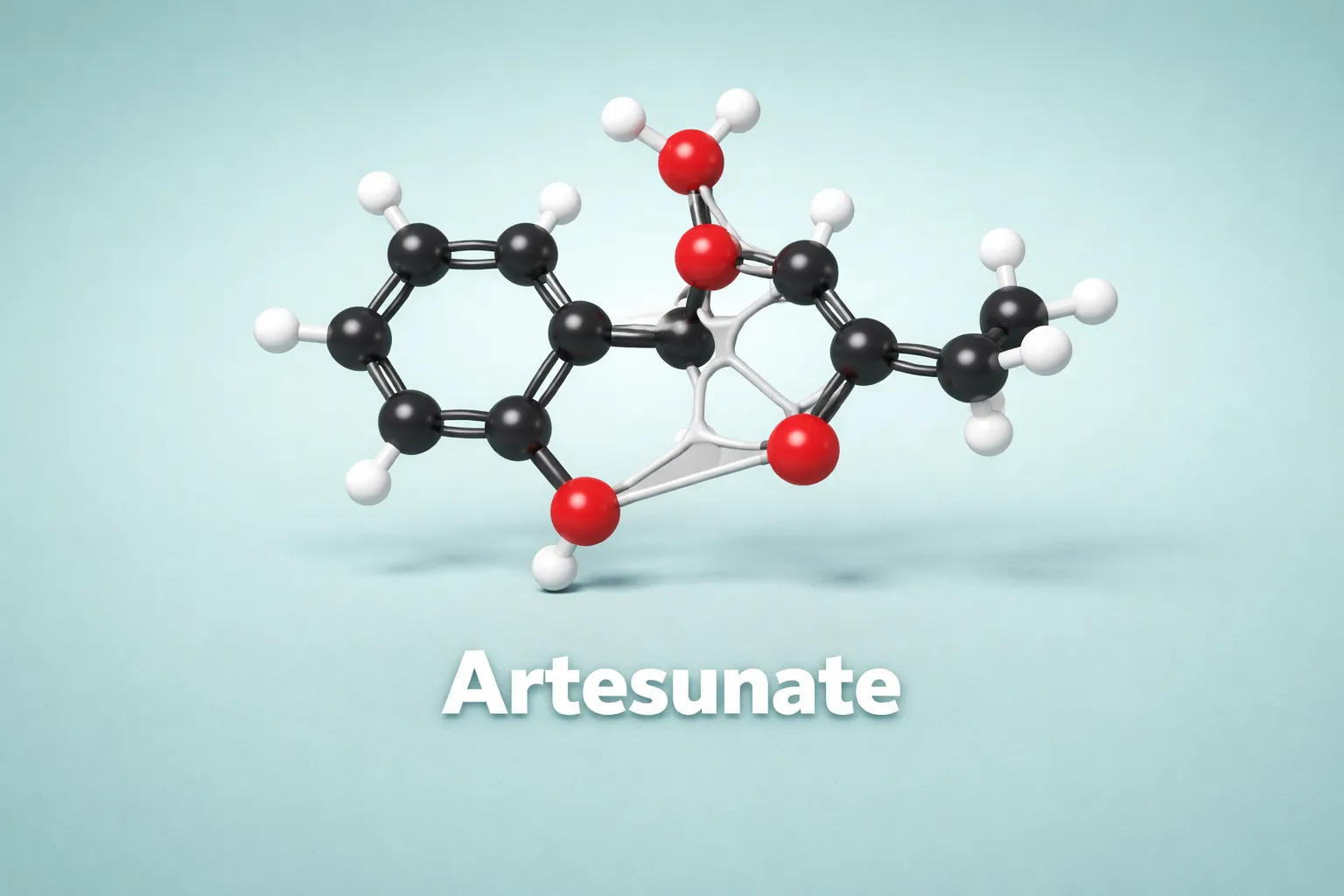
Chemical Structure / Formula of Artesunate Formula: C₁₉H₂₈O₈ Structure: A semisynthetic derivative of artemisinin, containing a lactone endoperoxide bridge. Mechanism of Action Produces free radicals by reacting with iron in Plasmodium-infected RBCs, leading to parasite death. Uses of Artesunate First-line treatment for severe malaria ( falciparum). Used in artemisinin-based combination therapy (ACTs). Side Effects Transient … Read more